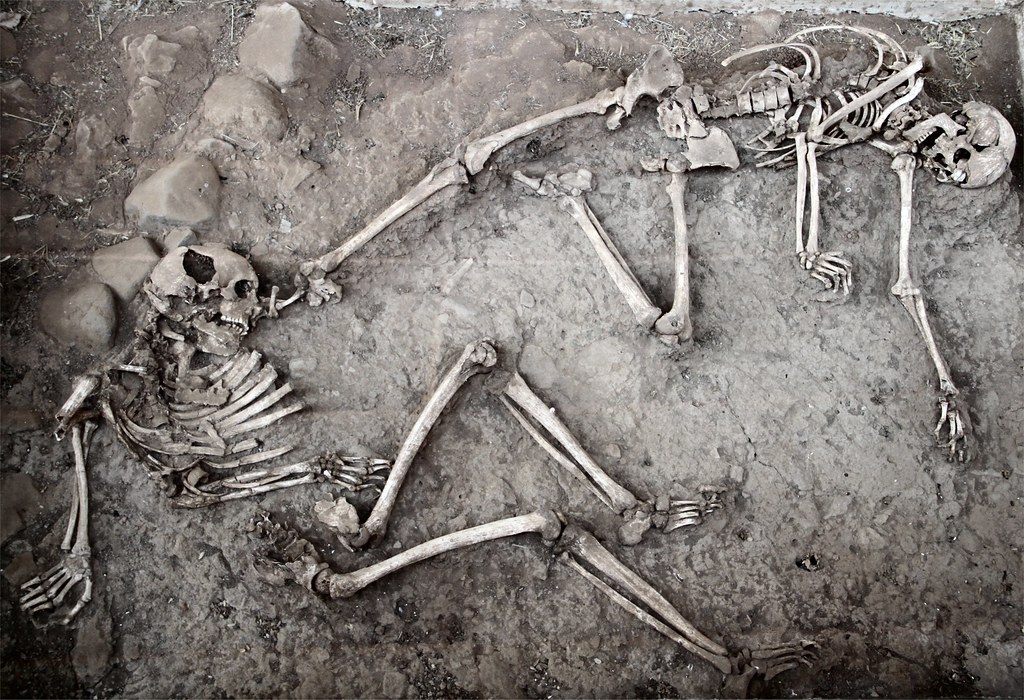

Most people assume that once a skeleton makes headlines, the science behind it gets buttoned up into a tidy peer-reviewed paper somewhere. Case closed, footnotes and all.
That assumption is wrong more often than you’d think. A surprising number of important human remains have been dated quietly, argued over at conferences, whispered about in labs, and then… nothing. No definitive published paper. No open data. Just half-told science circulating in reports, memos, and hallway conversations while the public gets a confident museum label instead.
Sometimes the dates are too messy to defend in print. Sometimes the politics around a skeleton are radioactive. Sometimes the grant money simply runs out before anyone writes the paper. Here are 12 skeletons whose dating results have leaked into talks, lawsuits, and grey literature – but have never been cleanly, formally published for the world to check.
#12 – “Red Lady” of Paviland’s Problematic Early Dates
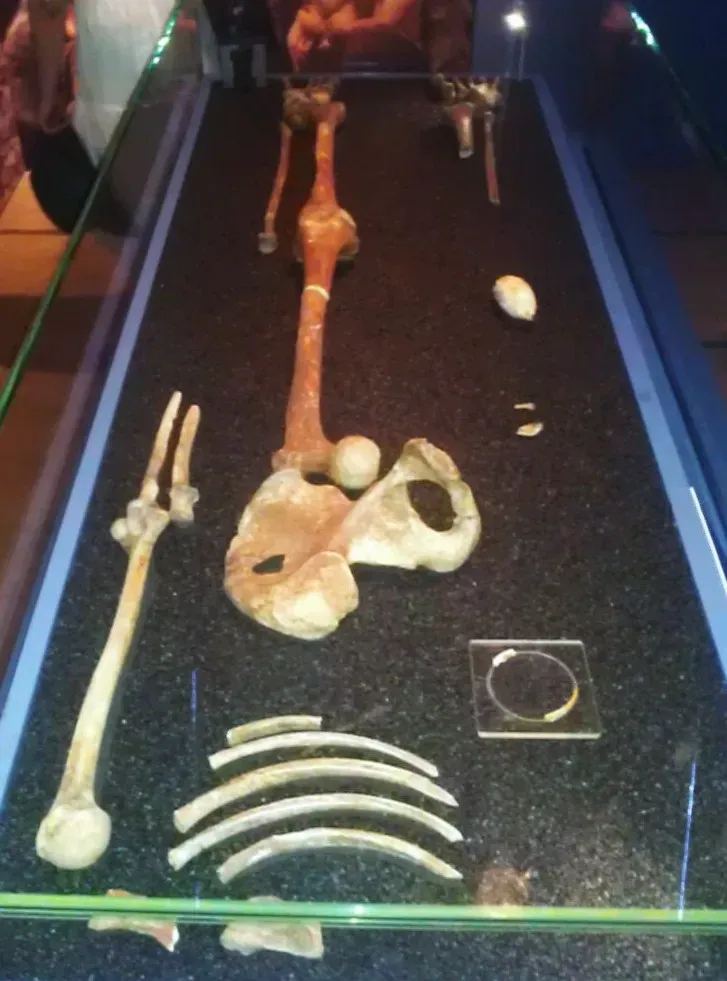
Every archaeology student learns the Red Lady of Paviland as a clean Upper Paleolithic case study. The real history is much messier. Discovered in Wales in the early 1800s, the skeleton was first misidentified as a Roman-era woman, then later reinterpreted as a Paleolithic man stained with red ochre. Multiple rounds of radiocarbon testing and calibration revisions have produced wildly different possible ages over the decades – some of which were floated in conference talks and internal lab reports long before the currently accepted range became public knowledge.
Here’s the part most people never hear: not every one of those re-datings, lab disagreements, or rejected results was ever assembled into one definitive technical paper. Insiders quietly refer to “orphan” dates sitting in lab archives – trial runs, partial bone samples, early collagen tests that simply didn’t make the final cut. Those numbers shaped how scientists talked about this skeleton for years, yet they still live scattered across old theses, unpublished datasets, and private correspondence. And this is one of the milder cases on the list.
Fast Facts
- The bones were discovered in 1823 by William Buckland in an archaeological dig at Goat’s Hole Cave, on the Gower Peninsula, near Swansea in south Wales.
- Buckland believed the skeleton was a Roman-era female.
- Initially, the bones were thought to be around 18,000 years old, but were later redated to between 25,000 and 26,000.
- In 2008, scientists used improved radiocarbon-dating techniques, which showed that the bones are around 33–34,000 years old, making it one of the oldest ceremonial burials in Western Europe.
#11 – The “Kennewick Man” Dates You’ve Never Seen
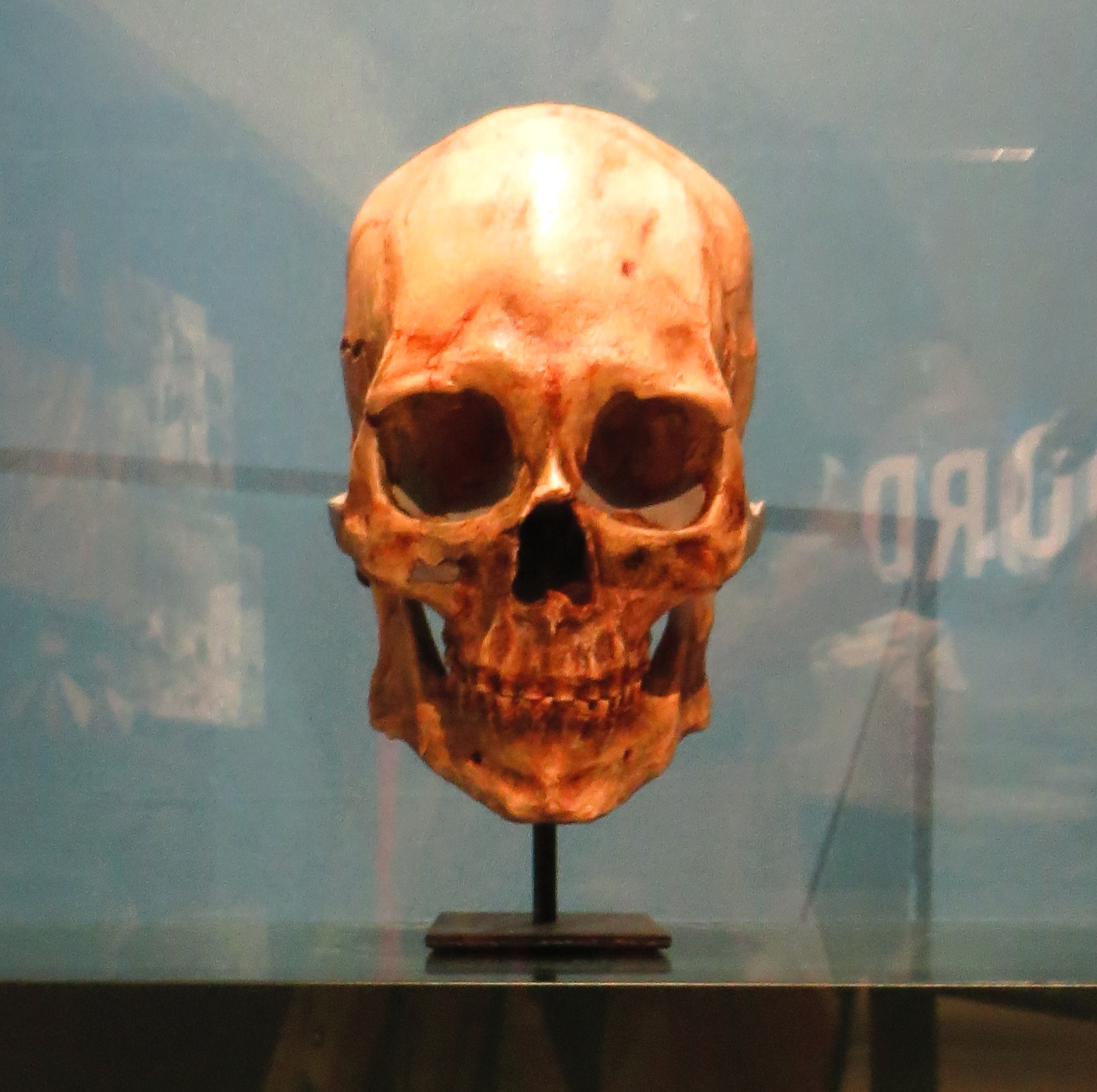
Everyone knows Kennewick Man – the Ancient One – through lawsuits and cable news segments. What most people don’t realize is that the dating story repeated online comes from a thin slice of the actual testing history. Early radiocarbon attempts, reservoir-effect concerns, and heated sample-selection debates played out mostly in internal memos, expert reports, and court filings, not in standard scientific journals.
A key age estimate did eventually get published, but not every test, anomaly, or alternate result ever made it into a full, transparent lab series. Multiple labs were quietly consulted behind the scenes. Bones were sampled with extreme caution because of repatriation concerns, and several borderline or low-quality dates were reportedly set aside without explanation. Some of those numbers are known only to the researchers and attorneys who saw the technical appendices – meaning the public “age” of Kennewick Man rests on a heavily curated fraction of the real data.
#10 – Lake Mungo 3 and the “Phantom” Re-Datings
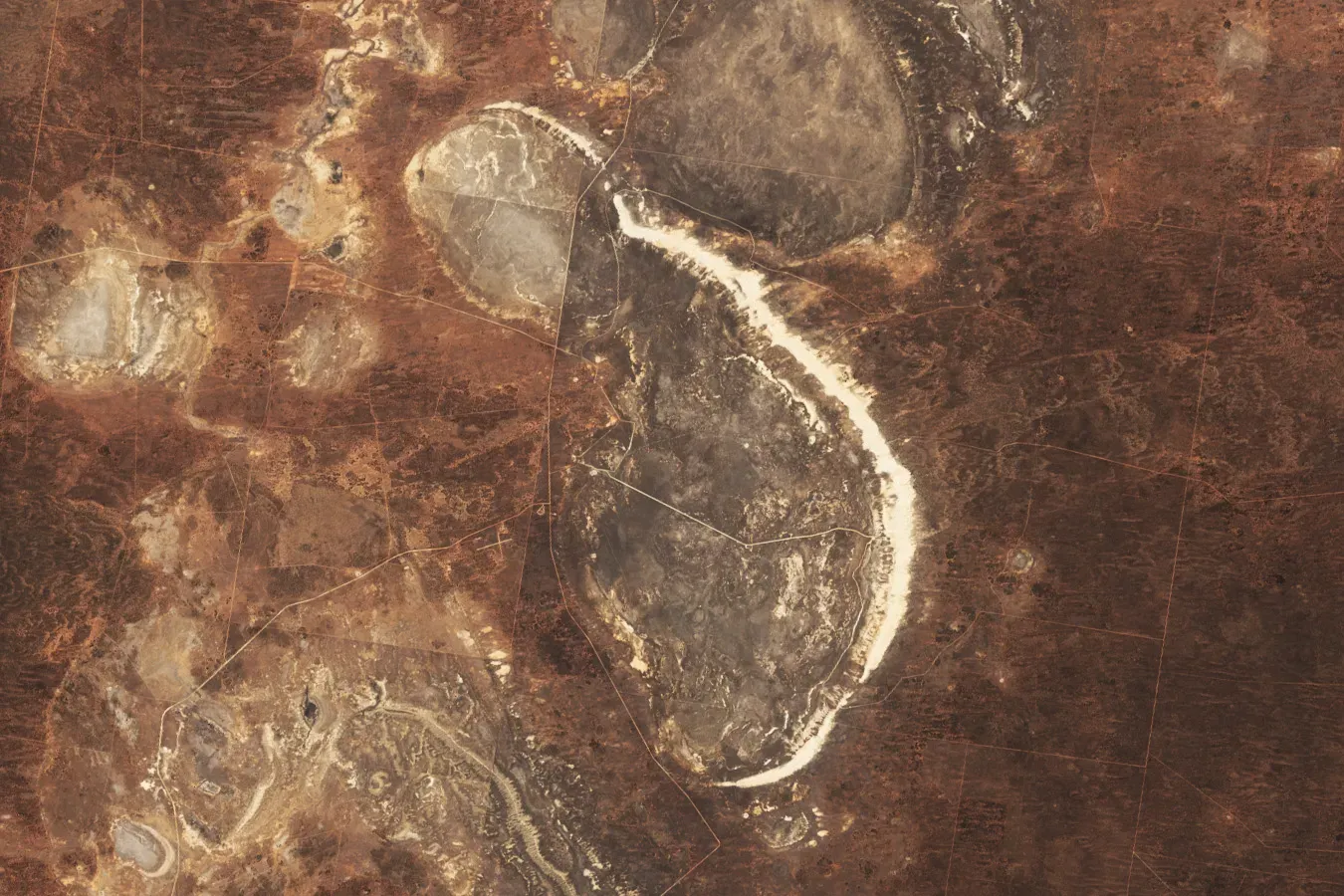
Lake Mungo 3, from Australia, shows up in nearly every human-evolution timeline. What most readers never see is how many competing age estimates have circulated behind closed doors. Uranium-series testing, electron spin resonance, and radiocarbon dating have all been attempted over the decades, and they haven’t agreed with each other. Some results surfaced only in grant proposals, conference posters, or local technical reports – never assembled into one transparent, peer-reviewed chronology.
The public hears one clean date. Specialists, meanwhile, have quietly juggled a range that once spanned tens of thousands of years. Several early attempts were essentially test runs on tooth enamel or poorly preserved fragments, producing numbers considered too shaky to publish but still influential enough to shape how the site was described to journalists. The real story is a patchwork of partial datasets and shifting calibration standards that has never landed in a single paper everyone actually agrees on.
#9 – The “Hobbit” (Homo floresiensis) and Its Early Lab Whispers
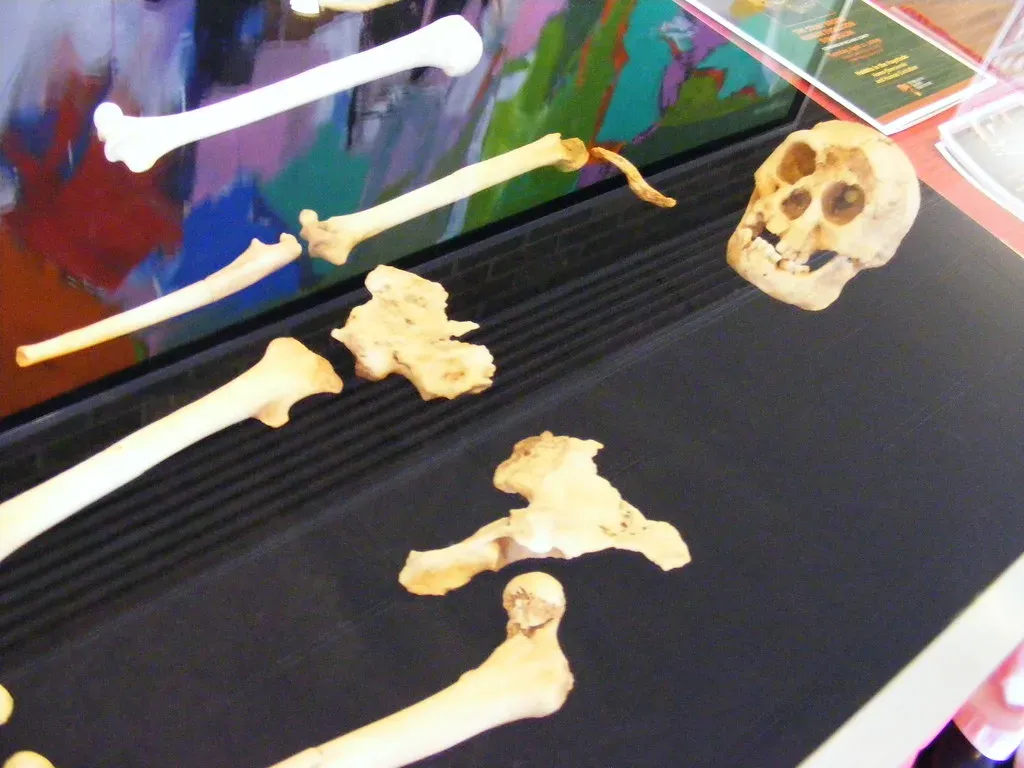
Most people assume the dating of Homo floresiensis – the famous “hobbit” from Liang Bua – was settled years ago. The real backstory is more tangled than the polished summaries let on. The widely cited ages actually come from dating the surrounding sediment, charcoal, and associated material, not the hominin bones themselves. In the years right after discovery, multiple labs ran preliminary tests on nearby samples, some producing awkward outliers that clashed with the emerging narrative.
Those inconvenient numbers were often discussed informally, in closed workshops, long before a tighter, cleaner range reached the public. Some researchers have hinted, without going into detail, that not every early radiocarbon or luminescence attempt was ever written up – sometimes because of contamination, sometimes because the excavation strategy kept shifting underneath them. That leaves a set of “ghost” dates that quietly shaped scientific opinion but never appeared in a formal publication. Critics say the selective reporting made the hobbit’s timeline look far tidier than it really was.
At a Glance
- Homo floresiensis was discovered in 2003 on an expedition led by the archaeologist Mike Morwood.
- Instead of living 18,000 years ago, as they originally reported, later fieldwork pushed the accepted timeline back dramatically.
- comprehensive high-precision redating using uranium-series and luminescence techniques on the cave sediments proved that the skeletal remains are actually between 60,000 and 100,000 years old, with associated tools dated even earlier.
- Characterized by an adult height of just over 3 feet and a minuscule cranial capacity of roughly 400 cubic centimeters, the hobbit upended assumptions about human evolution.
#8 – The “Grimaldi” Skeletons and Pre-Radiocarbon Guesswork
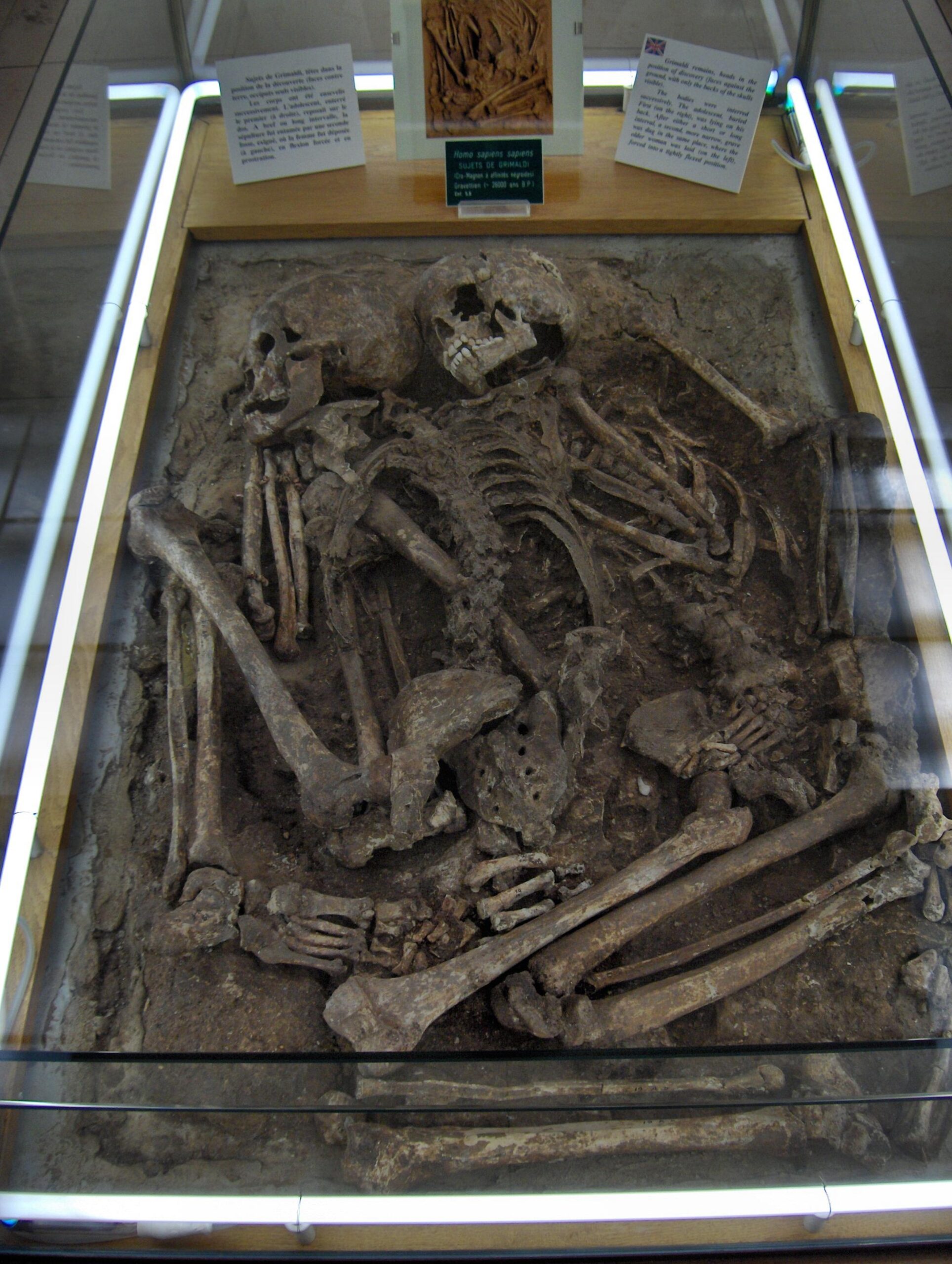
The Grimaldi skeletons from Italy appear in nearly every human-evolution textbook, yet their age is still partly anchored in assumptions made before radiocarbon dating even existed. Originally dated using stratigraphy and stone-tool typology, their supposed age hardened into accepted fact long before modern absolute-dating methods could weigh in. Later, limited direct sampling and exploratory radiocarbon tests reportedly took place – but full result sets have been oddly absent from major journals, surfacing only in brief notes or secondary references.
What actually gets printed are tidy, confident date ranges that quietly skip over the messy mid-20th-century transition from relative dating to absolute dating. Some of the earliest numerical ages were never cross-checked in an openly published way, leaving today’s archaeologists to lean on a mix of tradition and scattered technical comments. In a field obsessed with precision, the Grimaldi skeletons still carry a surprising amount of “because that’s what we’ve always said.”
#7 – Mesolithic-Neolithic Farmers Whose Migration Story Rests on Lab Backlogs
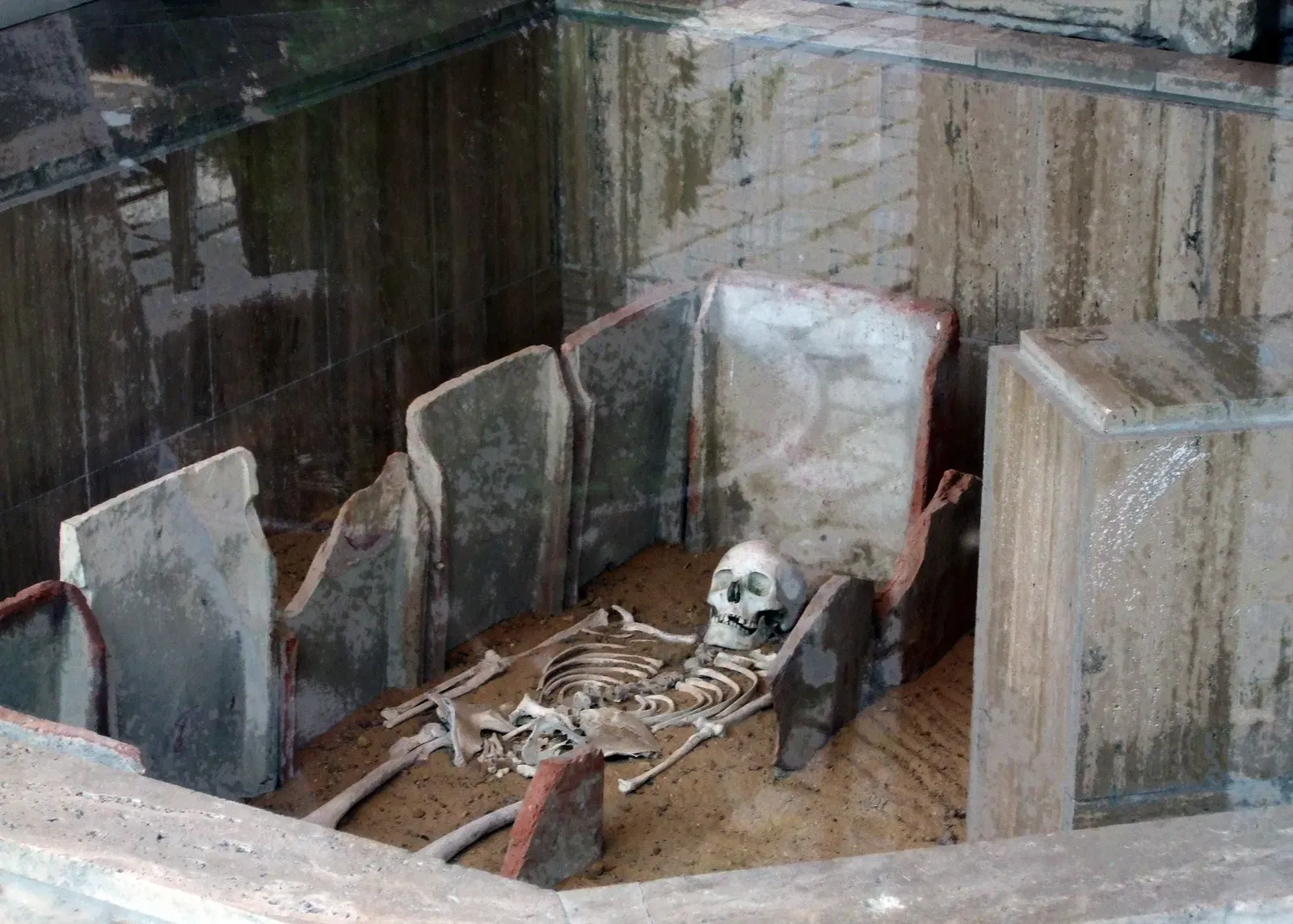
Across Europe, dozens of early farming skeletons – the ones constantly cited in debates about how agriculture spread – have been sampled, pretreated, and even preliminarily dated without ever getting a formal writeup. One particularly telling pattern involves burials that became famous in migration arguments while relying on partly unpublished radiocarbon runs known only through project reports and PhD theses. Researchers have referenced these ages in conference talks for years while the full, peer-reviewed datasets lag far behind.
Inside individual labs, collagen-extraction problems, reservoir effects, and duplicate measurements have quietly piled up into long internal spreadsheets of “provisional” numbers. Those supposedly temporary figures end up shaping sweeping public claims about when farmers arrived somewhere or how fast they spread – often long before anyone has the time, or the incentive, to publish them properly. The uncomfortable truth is that key skeletons in the farming-transition story rest on a mix of solid, published ages and others still stuck in a grey zone of semi-public documentation.
Worth Knowing
- Reservoir effects from fish-heavy or freshwater diets can quietly skew a raw radiocarbon result by hundreds of years if left uncorrected.
- Acidic European soils frequently destroy bone collagen, ruining first-attempt samples and forcing labs to try multiple bones from the same skeleton.
- Calibration curves themselves get periodically revised, meaning a “final” published date can quietly shift years later without new bone testing.
- It’s common for a single skeleton to generate several competing lab dates before researchers settle on the one that makes it into print.
#6 – Medieval “Plague Pits” With Half-Told Timelines
Medieval mass graves tied to plague outbreaks are documentary gold, all hollow-eyed skulls and dramatic narration. But many of those skeletons are dated more by assumption than by any fully published radiocarbon series. Archaeologists frequently lean on coin finds, historical chronicles, and pottery styles, then top it off with a small handful of lab results – while additional skeletal samples get prepped, tested, or queued for dating and never followed through to actual publication.
At several well-known European sites, internal excavation reports simply note “preliminary dates consistent with 14th-century events,” with no further detail offered anywhere. That phrasing quietly confirms that some radiocarbon values exist only in grey literature or museum archives, never subjected to real peer scrutiny. Yet television specials still present these skeletons as firmly pinned to one exact outbreak or year. It makes for a clean story on screen – and a much fuzzier one on the lab spreadsheets nobody publishes.
#5 – Paleoindian Skeletons With Lost Lab Trails
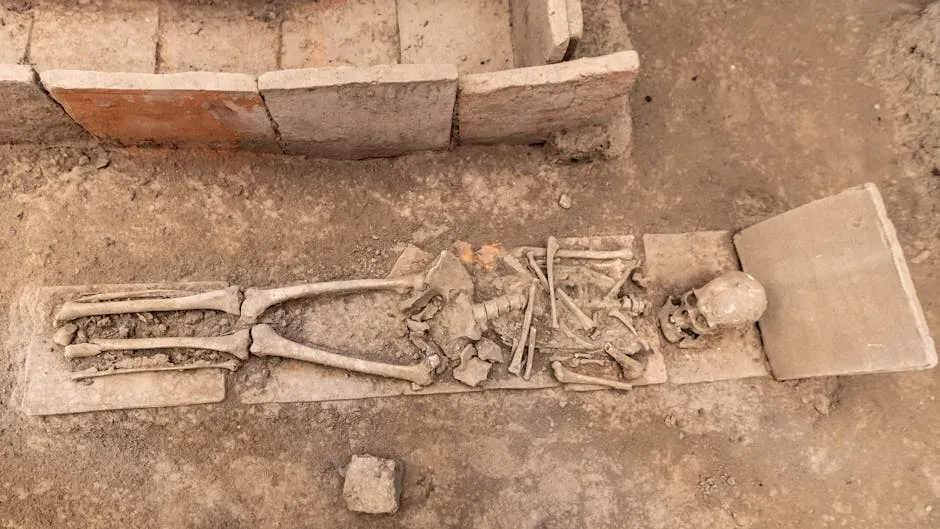
Some of the most politically sensitive skeletons in North America – those tied to Paleoindian cultures – were first dated decades ago, back when methods and documentation standards were far looser than they are now. Several individuals became famous through textbook illustrations while their original radiocarbon paperwork quietly sat in boxes, if it survived at all. Later re-dating efforts sometimes surfaced in agency reports or compliance documents but never reached mainstream journals, largely because repatriation and legal complications made further sampling nearly impossible.
In practice, that means the ages quoted for certain iconic North American skeletons are a hybrid: partly old, partly undocumented numbers stitched together with newer, narrowly circulated tests. Archaeologists lean hard on stratigraphy, tool styles, and regional correlation to reinforce those ages. That doesn’t necessarily make the timelines wrong – but it does mean the real dating trail is far more opaque than the confident charts in popular books suggest. For some of these individuals, the most detailed age information exists only on photocopied lab sheets a handful of people have ever seen.
#4 – “Mystery Mummies” Quietly Dated in Museum Basements
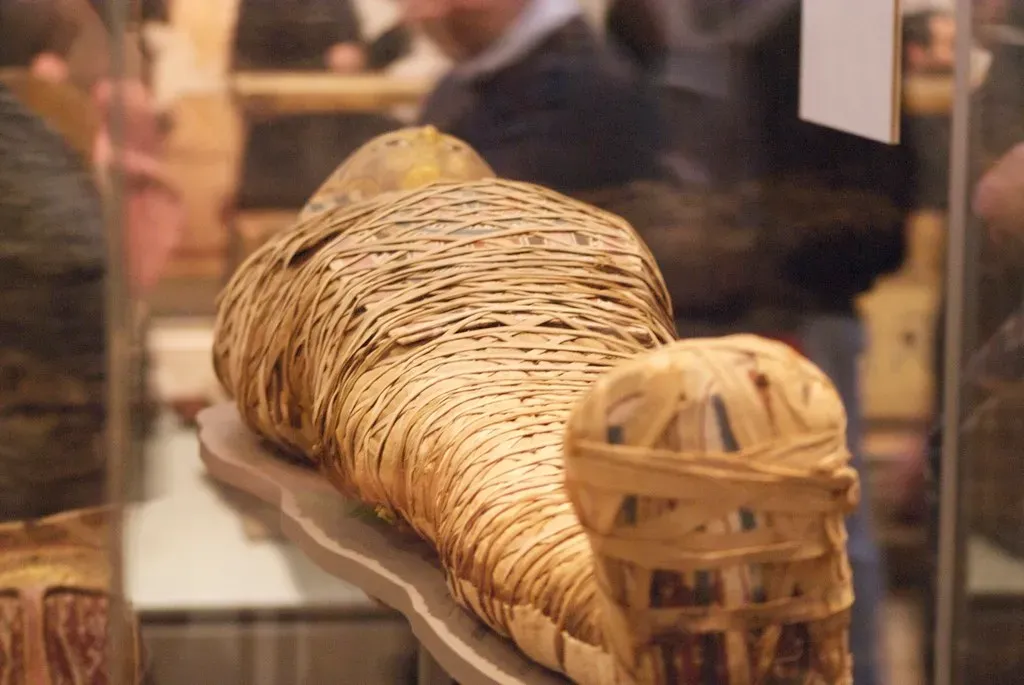
Walk into almost any major museum’s storage facility and curators will admit it off the record: they have mummies and skeletonized remains that were dated “informally” years ago, with results that never left internal files. In some cases, a single radiocarbon test was run just to settle whether an object was genuinely ancient or a 19th-century forgery. Once curators had their answer, there was little reason to push through the slow, expensive process of formal publication.
The result is an object with a confident-sounding gallery label – while the actual lab report sits, forgotten, in a filing cabinet somewhere. A few of these “mystery mummies” later turned out to be far older, or far younger, than originally believed once new methods or new labs revisited them. Those revised dates often show up only in brief catalogue updates or digitization notes, never in peer-reviewed papers. Visitors read the date on the display card with total confidence, never suspecting the real numbers live in an archival limbo of unpublished, sometimes contradictory, testing.
#3 – Ancient DNA Skeletons Dated by “Association” Instead of Evidence
As ancient DNA research exploded in popularity, many skeletons got fast-tracked into genetic analysis long before their own chronologies were nailed down. In numerous high-profile studies, the ages of key individuals are effectively inferred from nearby published dates – not from directly published radiocarbon results on the actual bones. Labs often did date at least some of these skeletons, or planned to, but the genetic findings reached journals first while the dating quietly sat in the background, described only as “on file” or “consistent with previous work.”
Insiders talk about skeletons whose raw radiocarbon values exist only in lab databases or supplementary files that never received a separate, detailed publication of their own. Those ages then get treated as solid fact within sweeping genetic narratives about migration and admixture, even though outside researchers can’t easily verify the underlying chronology. It’s efficient science from one angle – get the big story out fast – but it leaves the actual dating of individual skeletons in a strange, semi-invisible status: trusted, but never transparently shown.
#2 – The “Pilot Study” Skeletons Left Behind by Abandoned Projects
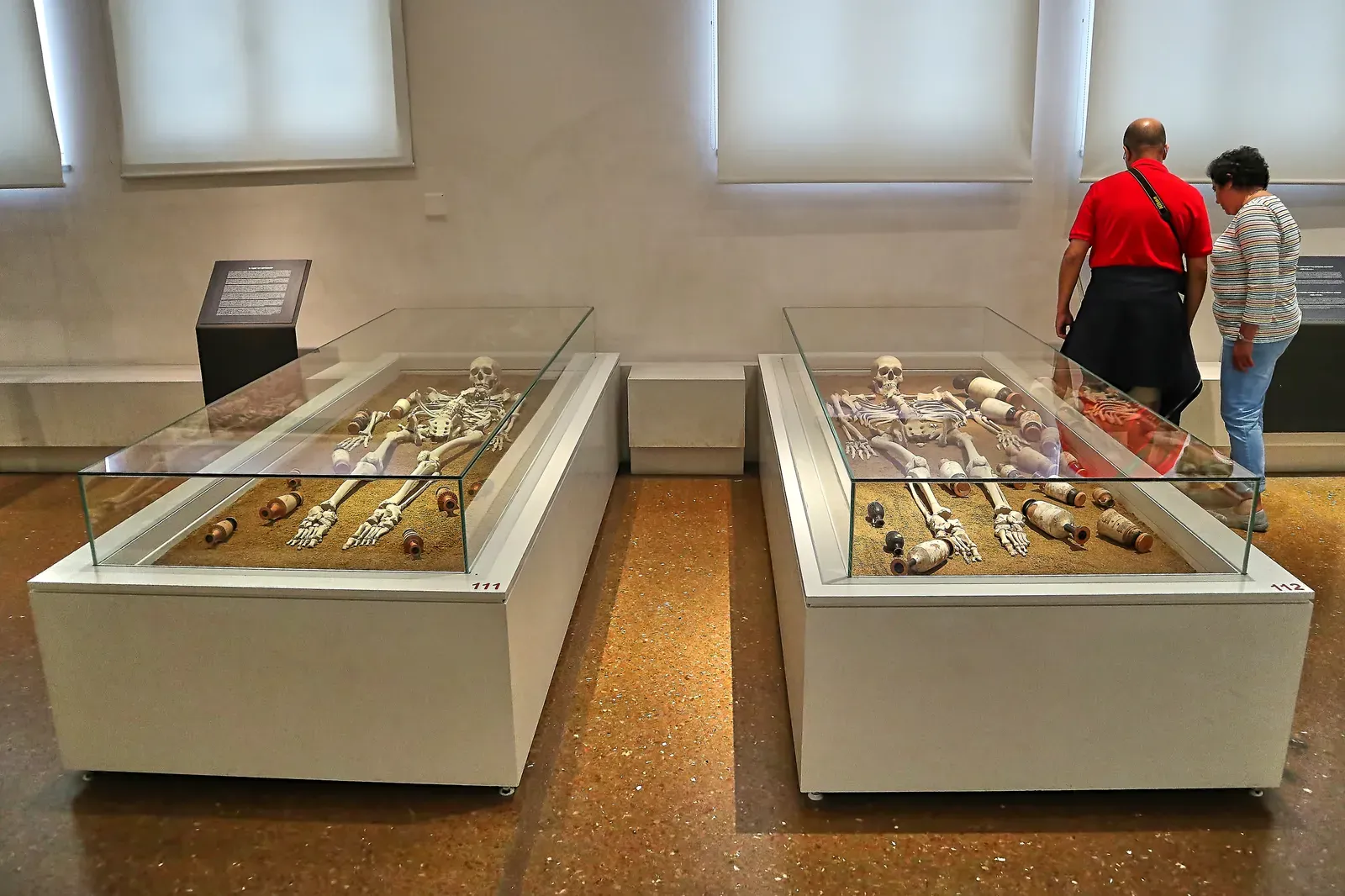
Funding cycles in archaeology are brutal, and this is one of the quieter casualties. Many research teams start with a small “pilot” batch of skeletons sent for radiocarbon dating, meant to prove a project’s potential to funders – then the bigger grant never comes through. The pilot data, often a handful of promising but incomplete ages, ends up sitting in internal reports, thesis drafts, or grant appendices. No excavation monograph gets written. No polished synthesis ever lands in a major journal. Yet within the local research community, people keep citing those skeletons as if the ages were fully settled science.
Sometimes these orphaned projects spark genuine rumors: an unexpectedly early burial in one corner of a site, a surprisingly late cremation in another. Because the dating never goes through broader peer review, those tantalizing numbers can live on almost as archaeological urban legend – repeated at conferences, rarely pinned down in print. A few of these skeletons probably hold real chronological importance; others may simply reflect lab noise. From outside the project, there’s almost no way to tell which is which.
Quick Compare: Published vs. “Pilot” Dating
- Published dates: peer-reviewed, raw data and error margins publicly available, open to independent re-checking.
- Pilot dates: often just one or two lab runs, mentioned only in grant reports or theses, rarely revisited once funding dries up.
- Published dates: methodology and calibration approach disclosed for outside scrutiny.
- Pilot dates: circulate informally at conferences and get cited as settled fact without ever facing formal peer review.
#1 – Repatriated Ancestors With Unpublished “Final” Tests
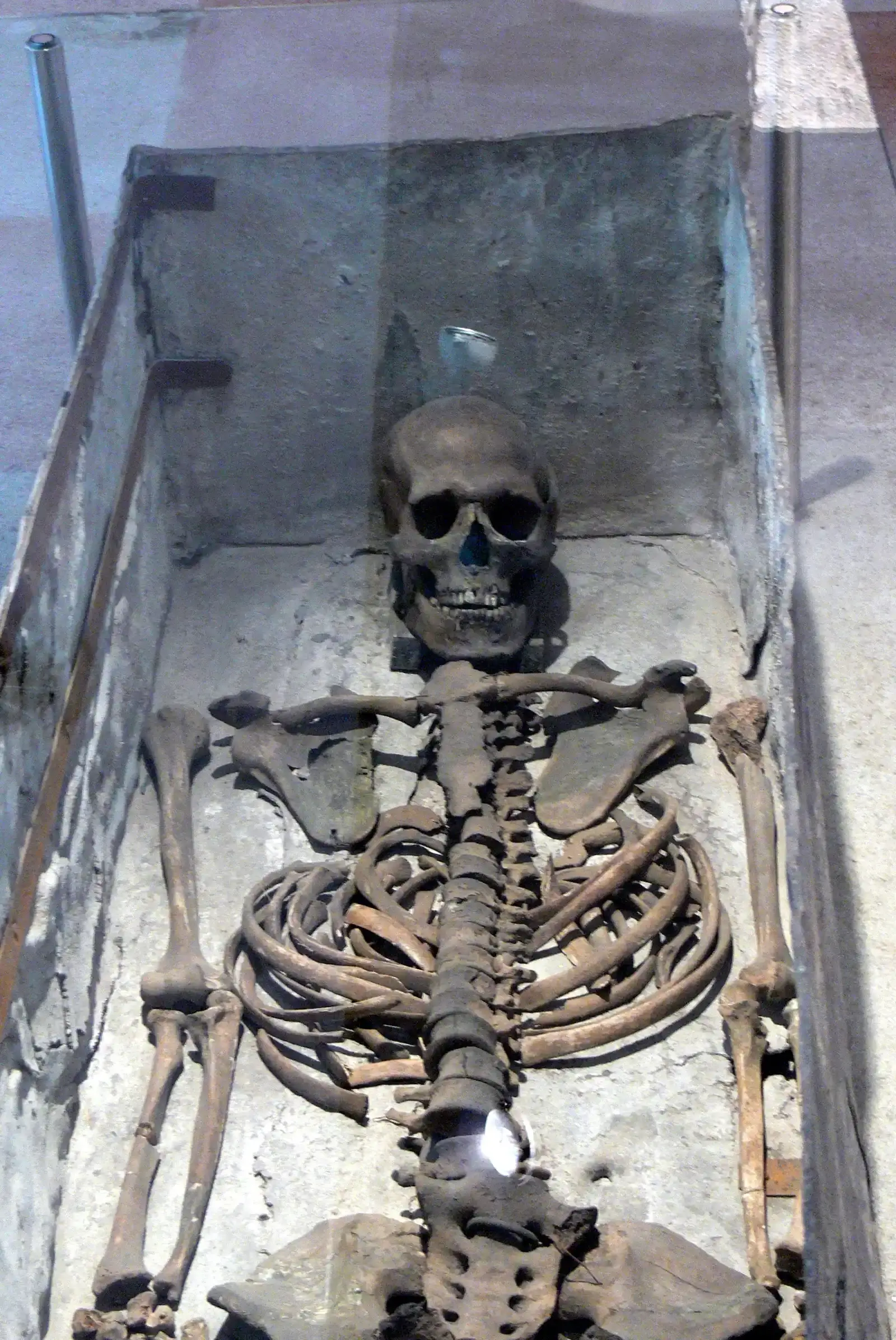
The most ethically charged skeletons today are ancestral remains that have been, or are being, repatriated to descendant communities. In many of these cases, last-chance radiocarbon tests get run just before the remains are reburied or transferred, producing crucial age estimates that then never get formally published. Sometimes descendant communities request privacy. Sometimes researchers simply prioritize returning the ancestors over spending months writing another technical paper.
The results might be summarized in a brief public statement or a private internal report, but rarely with the full lab detail a journal article would require. This creates an uncomfortable paradox: these skeletons can sit at the center of major debates over migration routes, cultural continuity, or legal protections, yet their single best piece of chronological evidence remains locked in restricted files or informal communications. Scientifically, the dates are real and often carefully produced. Publicly, they’re nearly invisible – which is exactly the gap that speculation and misinformation rush in to fill whenever a lawsuit or policy fight erupts.
Science that isn’t published is just an opinion with better equipment behind it.
Common saying among working archaeologists
The Bottom Line
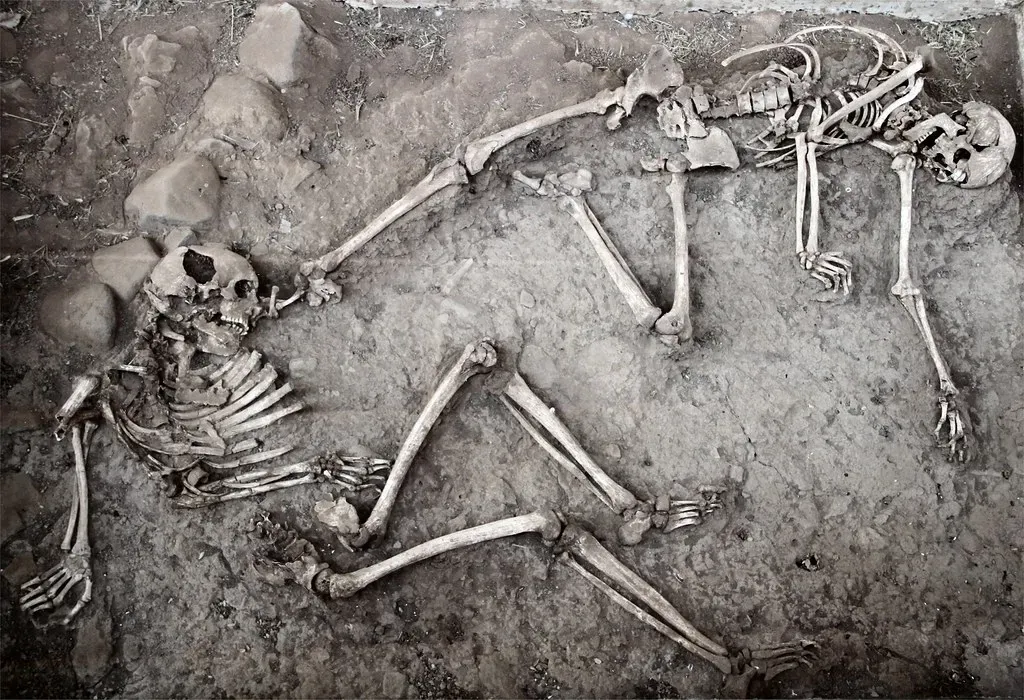
Taken together, these 12 cases point to an awkward truth: the scientific dating of human skeletons is often far less transparent, and far less neatly published, than museum placards and documentaries want you to believe. Behind almost every clean age range on a chart, there may be outliers, abandoned pilot tests, lost paperwork, or last-minute “internal use only” results that never went through full peer review.
None of that means the ages are fake. It means the public version of the story is often simplified to the point of quiet distortion.
My honest take: skeletons that anchor huge narratives – first arrivals on a continent, the timing of a plague, the legal status of someone’s ancestors – deserve fully visible dating histories, messy numbers and all. Hiding the uncertainty doesn’t protect the science; it just makes the eventual correction hurt more. So which of these hidden-data cases bothers you the most – and do you think ethical or political pressure ever justifies keeping hard-won dates off the public record?