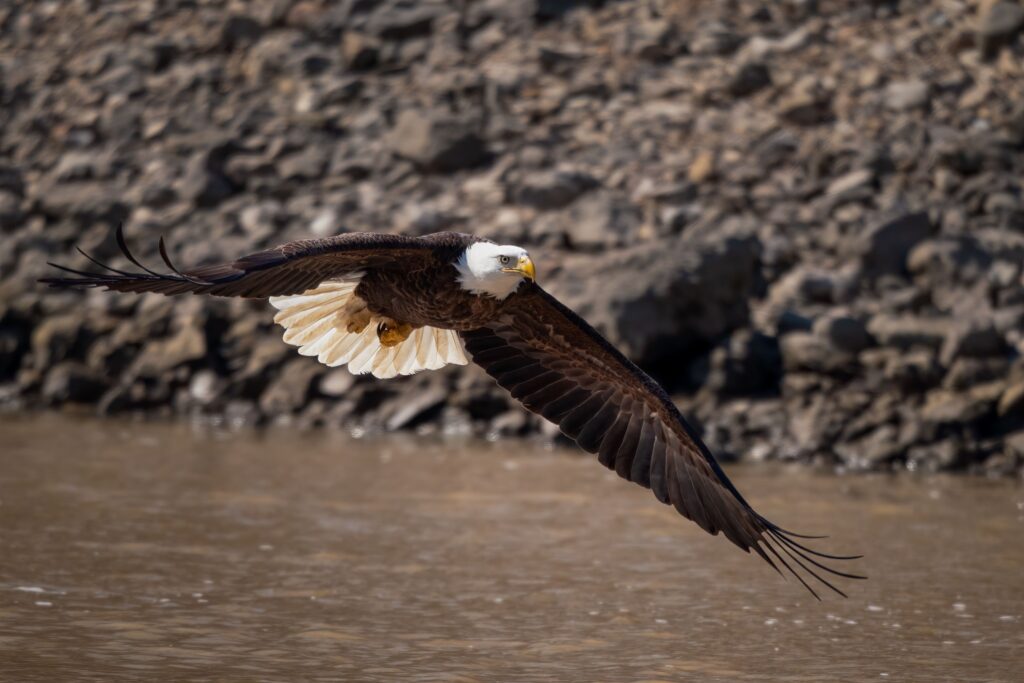

Bald eagles have a way of stopping time. One second you’re just walking along a riverbank, the next you’re frozen in place, watching a huge dark bird with a bright white head glide low over the water like it owns the sky. If you’ve ever had that moment, you know it sticks with you in a way photos never quite capture. In the United States, certain rivers have quietly become legendary for these encounters. They combine big water, abundant fish, tall trees, and often a migration bottleneck that funnels hundreds of eagles into a relatively small stretch. Below are twelve rivers where people routinely travel just for the chance to see that flash of white head and tail over the current – and where the landscape itself is as memorable as the birds.
1. Mississippi River (Upper Mississippi, Minnesota to Iowa)
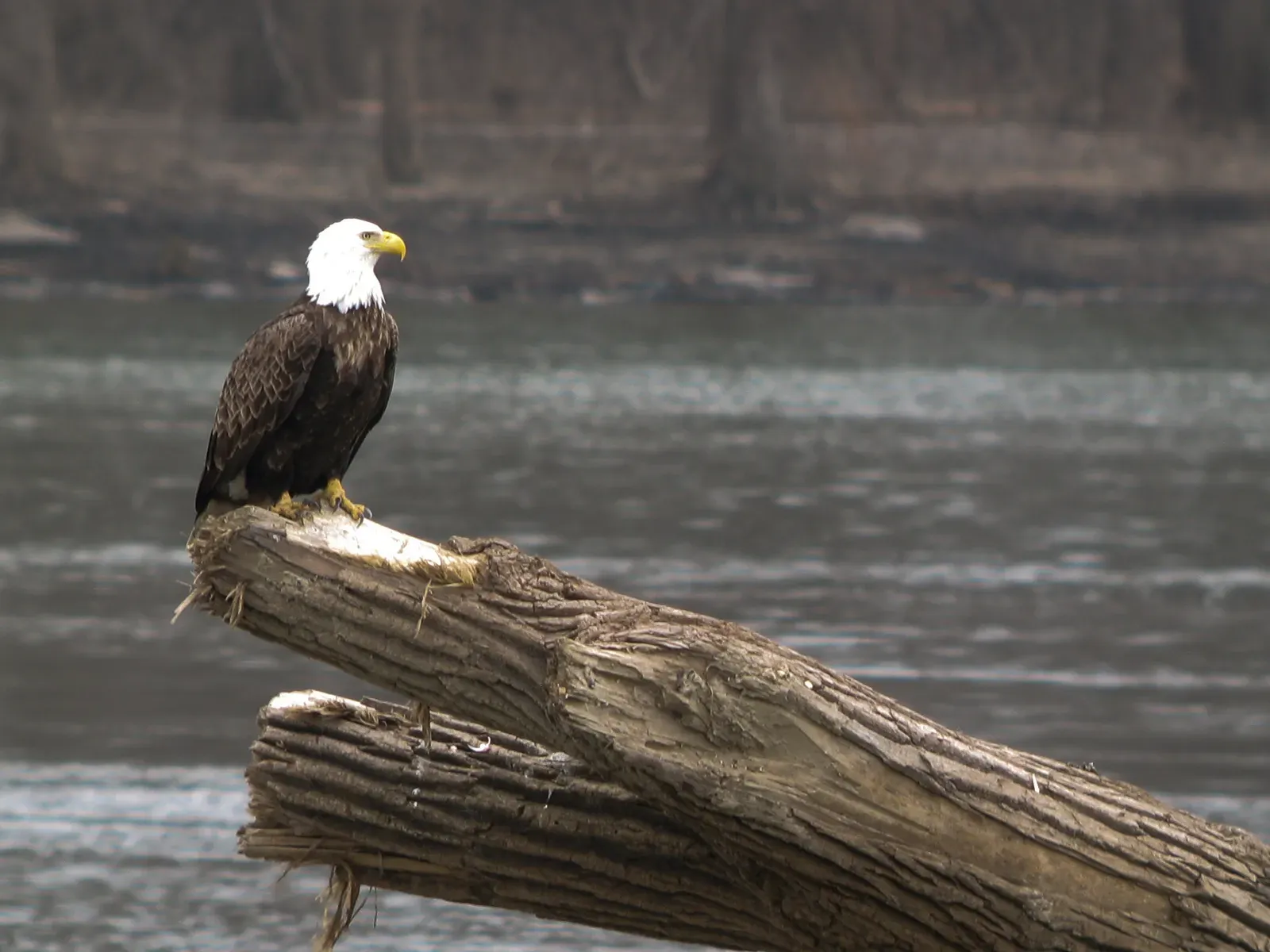
Few places on Earth deliver winter bald eagle spectacles like the Upper Mississippi. From roughly central Minnesota down through Wisconsin and Iowa, locks and dams keep sections of the river ice‑free, concentrating fish and, in turn, dozens to sometimes hundreds of eagles along key stretches. Cold snaps actually make the viewing better, because frozen backwaters push the birds toward the remaining open water near dams and power plants. Stand on a bluff near a lock in January and it can feel like a slow‑motion raptor highway. Birds perch in cottonwoods, spiral on rising air, then stoop toward the water to snatch stunned fish from the surface. Many towns along this corridor now host winter eagle days, with spotting scopes set up at overlooks and volunteers helping newcomers tell adults from the darker, mottled immatures. You can see a whole life cycle on display in a single binocular view.
2. Skagit River (Washington)
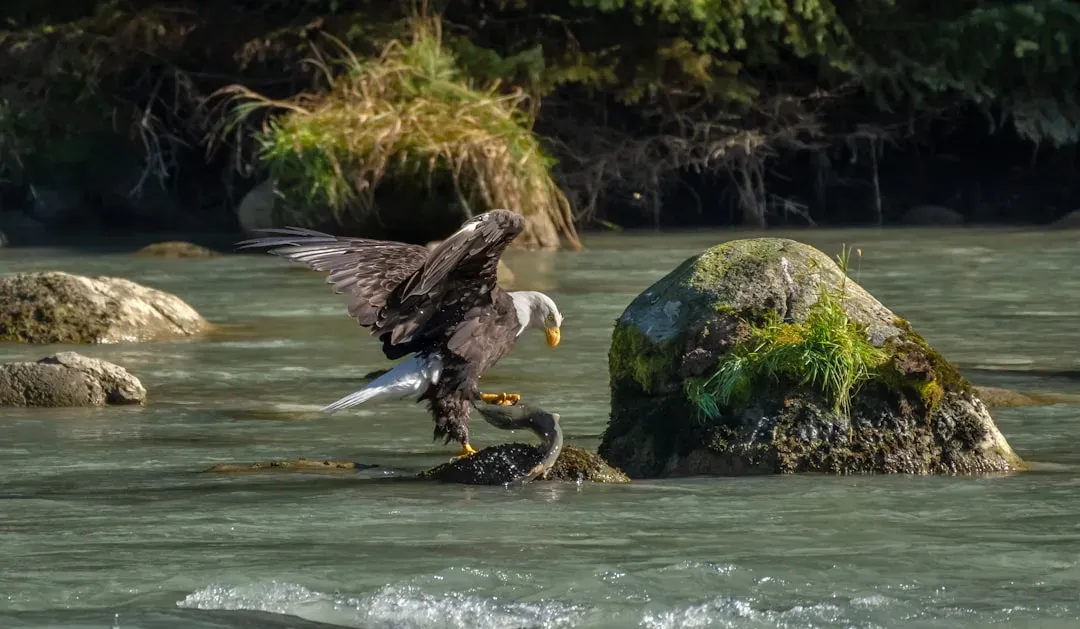
Every winter, one stretch of the Skagit River in northwestern Washington turns into what feels like a bald eagle convention center. The draw is salmon – especially spawned‑out fish that wash into quieter side channels and eddies, creating a natural buffet for hungry eagles. On chilly mornings, it’s not unusual to see trees practically decorated with birds, each one waiting for its chance to swoop down to the gravel bars below. The scenery only amplifies the experience. With snow‑dusted foothills and moss‑draped forests framing the river, even a single eagle circling against a gray winter sky can feel cinematic. The Skagit’s accessible pullouts, river floats, and guided tours mean you do not need to be a hardcore birder to enjoy it. Spend a few hours there and it becomes pretty clear why bald eagles chose this valley long before people started showing up with cameras and thermoses.
3. Susquehanna River (Pennsylvania and Maryland)
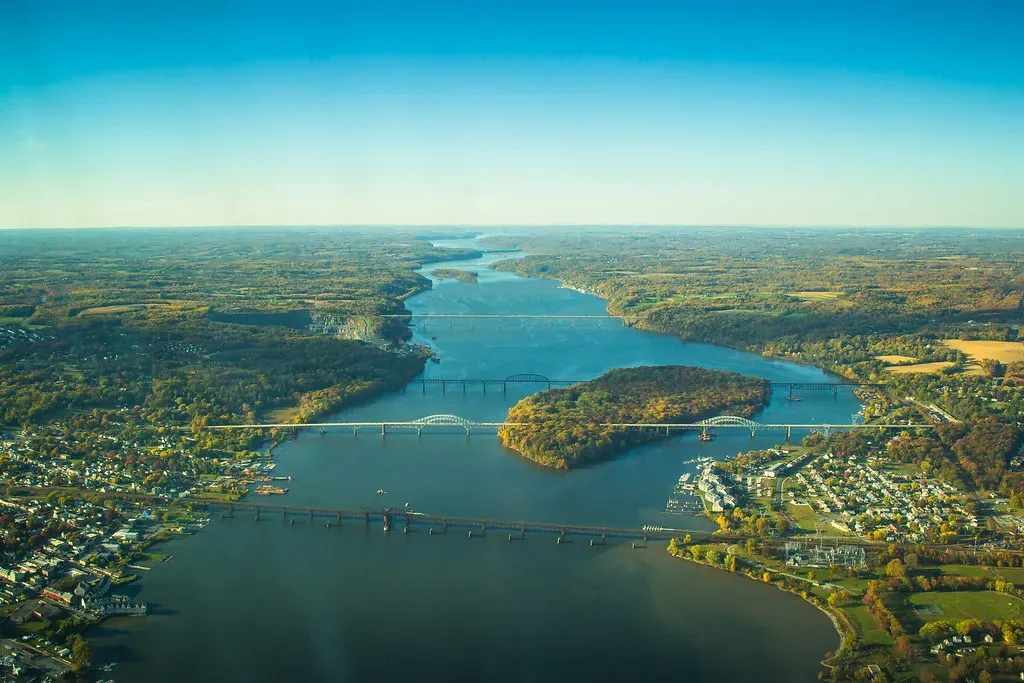
The lower Susquehanna has become one of the great American comeback stories for bald eagles. Decades ago, pesticide contamination and habitat loss hammered raptor populations along this river. Today, thanks to cleanup efforts, regulation, and active conservation, breeding eagles are back in force and migrants pile in during certain times of year, especially near large reservoirs and hydroelectric dams. From overlook trails above the water, you can sometimes watch multiple birds at once cruising the air currents that rise off the valley, casually scanning for fish or carrion. The river’s broad, island‑dotted channel offers ideal roost trees and safe nesting spots. What I like about the Susquehanna is that eagle watching fits naturally into an everyday routine here: people scan from bridges on their commute, anglers look up between casts, and it slowly becomes normal to live in an eagle’s neighborhood again.
4. Alaska’s Chilkat River (Haines, Alaska)
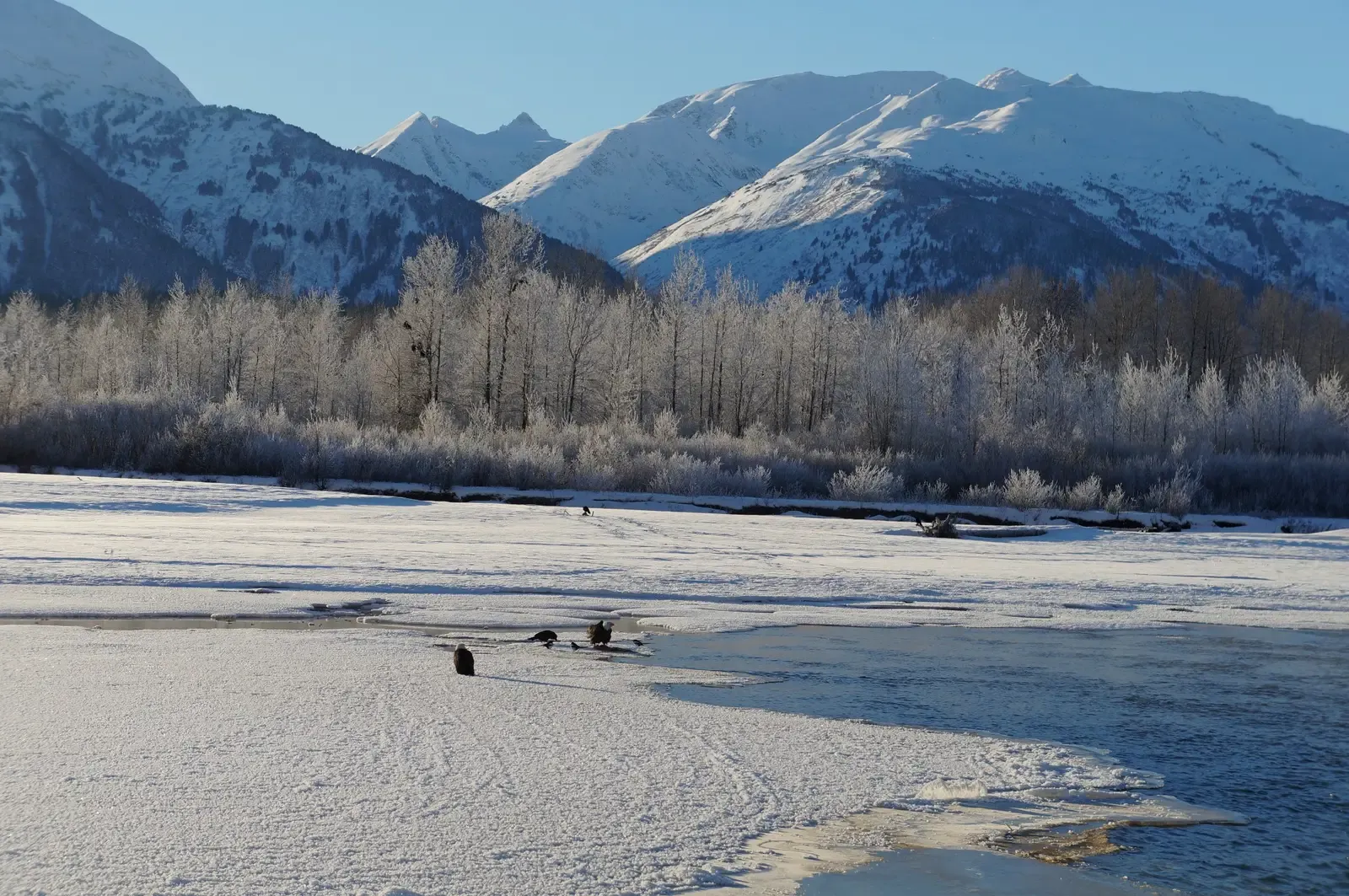
If most rivers give you a handful or a few dozen bald eagles on a good day, the Chilkat River near Haines rewrites the scale. In late fall and early winter, a unique combination of groundwater upwelling and river flow keeps a section of the Chilkat unusually ice‑free, just as thousands of late‑running salmon arrive. This rare timing and open water create the famous congregation known as the Chilkat Bald Eagle Preserve. The result is a surreal scene: hundreds of birds lining cottonwoods and sandbars, bickering over fish carcasses, and screaming to each other as if the whole valley were a raptor marketplace. The surrounding peaks, already dramatic on their own, give everything a wild, remote feeling that is hard to overstate. Standing on the bank there, it’s almost impossible not to think about how long eagles have been riding this cycle – long before roads, cameras, or the concept of a “wildlife festival” even existed.
5. Hudson River (New York)
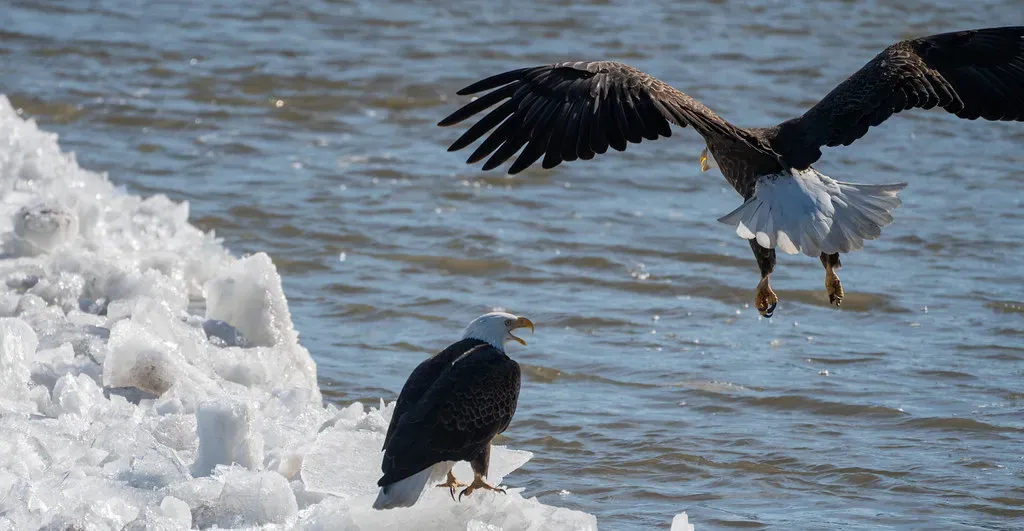
Mention the Hudson and many people picture city skylines and commuter trains, not bald eagles. But over the last few decades, this river has become a textbook example of how a heavily industrialized waterway can slowly turn back into a living corridor for wildlife. Cleanup of toxic pollutants and bans on certain chemicals allowed fish populations to rebound, and eagles followed the food, first tentatively, then in growing numbers. Now, winter along the middle and upper Hudson can bring regular eagle sightings near open stretches, especially where tributaries join or dams keep the ice patchy. It still feels a little shocking to watch a bald eagle cruise past railroad tracks and historic estates, carrying a fish in its talons like it is the most ordinary thing in the world. To me, that quiet normalcy – wild predators thriving beside human infrastructure – is one of the most hopeful conservation stories on the planet.
6. Connecticut River (New England)
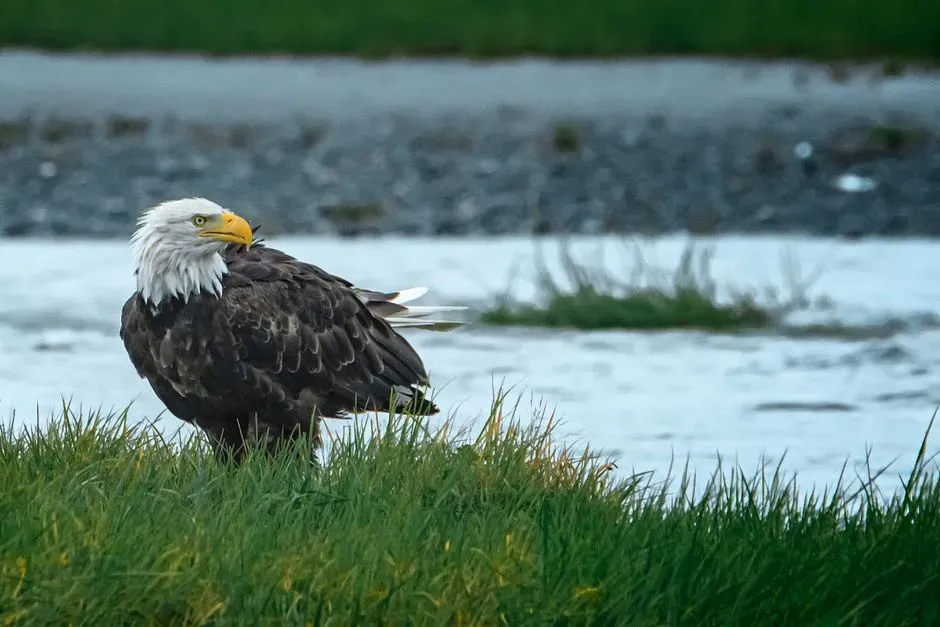
The Connecticut River, stretching from northern New England down to Long Island Sound, threads through forests, farm fields, and old mill towns – and bald eagles have slowly reclaimed it. Nesting pairs now occupy tall pines and cottonwoods along quieter reaches, while winter brings visitors that follow the fish into estuaries and ice‑free pockets. This mix of resident and migrant birds gives you a decent chance of spotting an eagle in almost any season if you know where to look. What makes the Connecticut special is how close you can feel to the birds without needing to plunge into wilderness. Riverside bike paths, small town parks, and bridges can all turn into viewing spots with nothing more than a decent pair of binoculars. For a lot of people in New England, the eagle over the Connecticut has become a personal benchmark: a reminder that the landscapes we grew up thinking were “used up” can quietly heal if we let them.
7. Missouri River (Great Plains corridors)
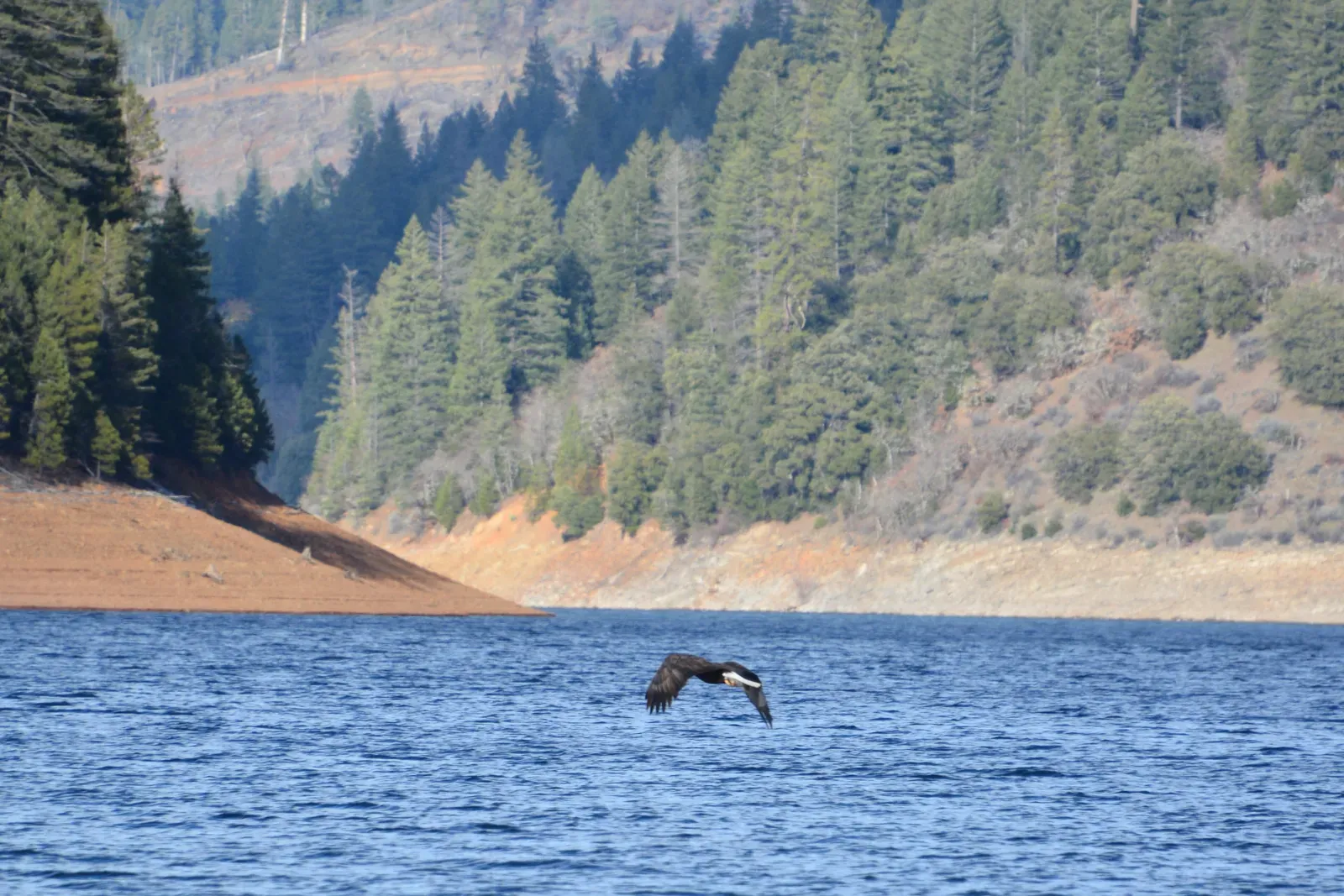
The Missouri River is long enough and varied enough that you can experience bald eagles here in a dozen different moods. In the northern Great Plains, wide, slow stretches and large reservoirs attract birds in winter, especially where currents or dams hold patches of open water. Farther downstream, migration periods can bring a steady trickle of eagles riding the flyway, pausing in cottonwoods to rest and hunt. There is a distinct feel to eagle watching on the Missouri compared to more forest‑edged rivers back east. Here, the birds are often framed by big skies, distant bluffs, and sprawling floodplains, so a single soaring eagle can dominate your entire field of view. On calm winter days, with frost hanging on the grasses and ice floes drifting by, watching one of these birds glide along the channel feels like stepping into a moving painting of the Great Plains.
8. Wisconsin River (Wisconsin)
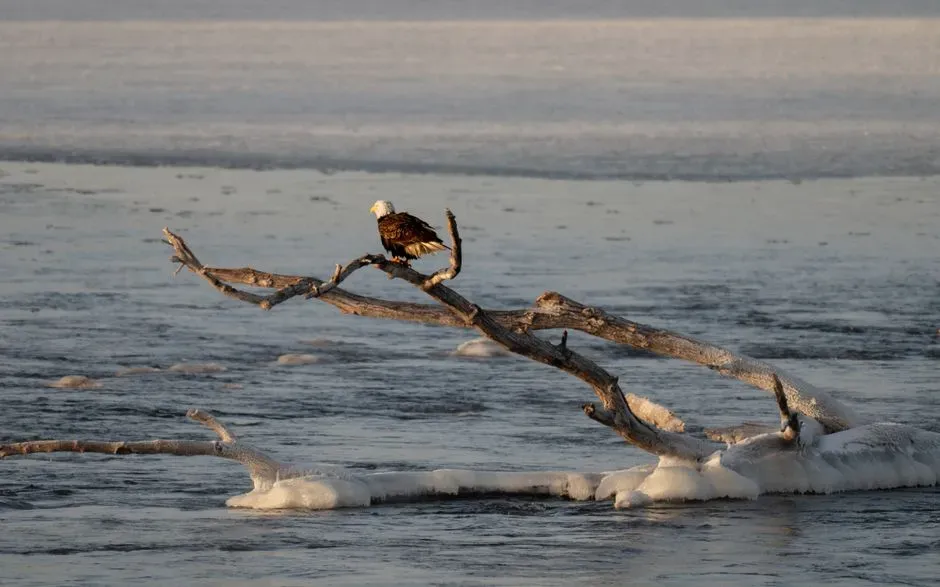
The Wisconsin River is often overshadowed by the larger Mississippi nearby, but it quietly offers some of the most approachable bald eagle viewing in the Midwest. Above certain dams, large reservoirs provide open water, roosting trees, and a steady supply of fish, especially in late winter. Below the dams, swirling tailwaters become feeding hotspots where eagles hover, circle, and plunge repeatedly, sometimes within easy viewing from shoreline pullouts. What I love about the Wisconsin is the way its sandy banks, wooded islands, and occasional cliff faces create layers of habitat that bald eagles use throughout the year. Breeding pairs set up nests in tall pines, while transient birds gather in loose flocks along favored bends when conditions are right. Add in the glow of winter light on snow and ice, and an eagle perched over the river can look almost sculpted into the landscape.
9. James River (Virginia)
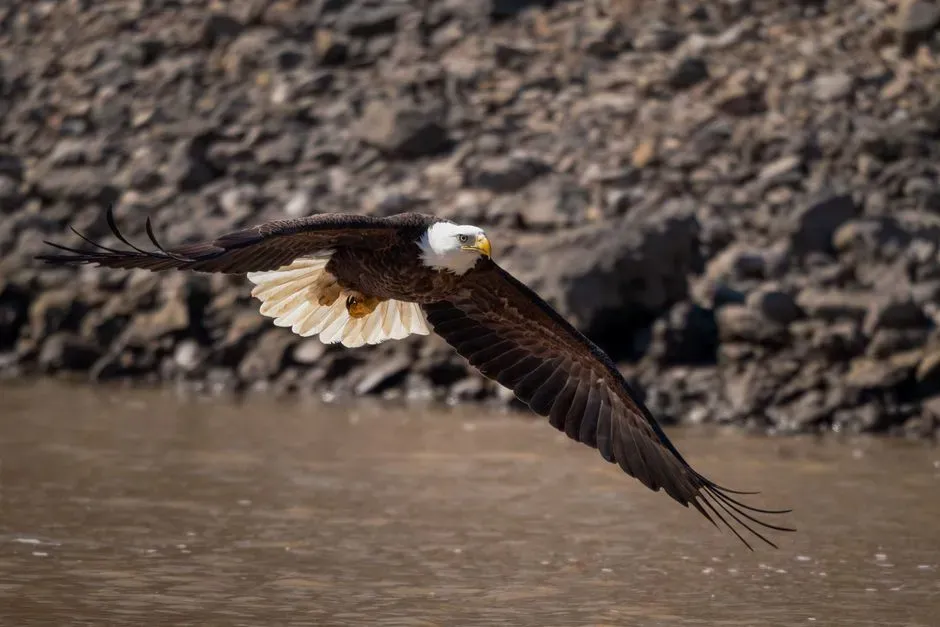
The James River in Virginia has gone from near ecological collapse to boasting one of the densest concentrations of breeding bald eagles on the Atlantic coast. Improvements in water quality, habitat protection along its tidal reaches, and restrictions on harmful chemicals all contributed to this turn‑around. Today, surveys regularly document numerous active nests along certain sections, with adults commuting up and down the river like feathered commuters. Because much of the prime habitat lies along broad, marsh‑lined bends and historic plantations, eagle watching here has an almost storybook quality. You might spot a bird perched on a dead snag above brackish water, scanning for fish or waterfowl, while ospreys and great blue herons share the airspace. To me, the James is one of the clearest arguments that strong environmental policy is not abstract – when we get it right, we literally see more eagles in the sky.
10. Columbia River (Pacific Northwest)
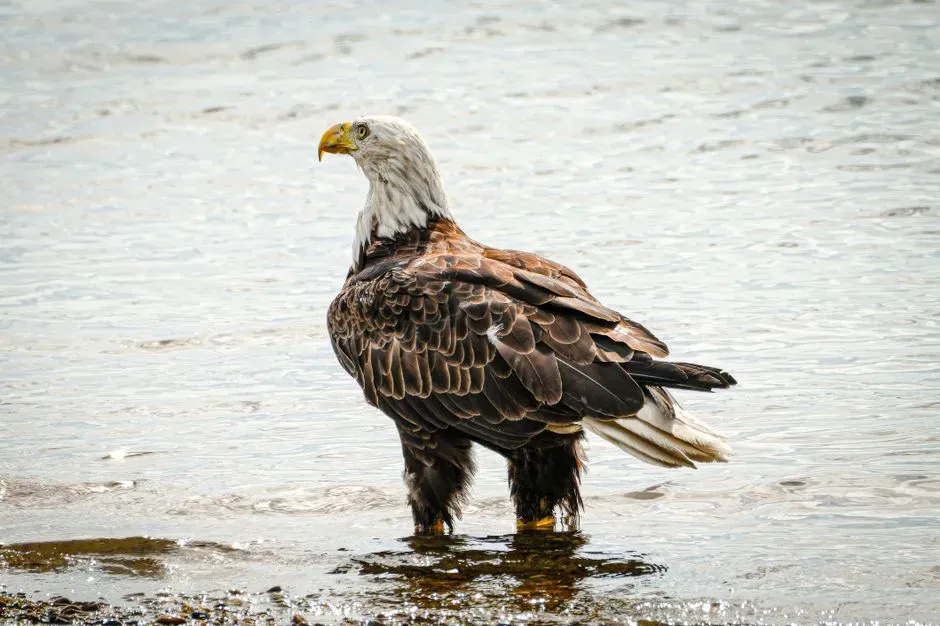
The Columbia River, carving its way between Washington and Oregon, is a natural highway for fish and a magnet for bald eagles. Salmon and steelhead runs, along with resident fish, provide rich hunting opportunities, especially near tributary mouths and dam tailraces. In winter and early spring, birders often scan specific stretches where birds gather to feed on weakened fish, sometimes alongside sea lions and other predators. The setting amplifies the drama. Sheer cliffs, mist‑wrapped forests, and sweeping views make even a casual roadside stop feel like an epic lookout. When an eagle drops from a high perch over the Columbia – folding its wings, tilting into the wind, and then pulling up with a flash of white tail just above the water – it looks almost choreographed. The fact that you can sometimes watch this play out from a highway viewpoint or riverside trail is one of the quiet luxuries of the Pacific Northwest.
11. Platte River (Nebraska)
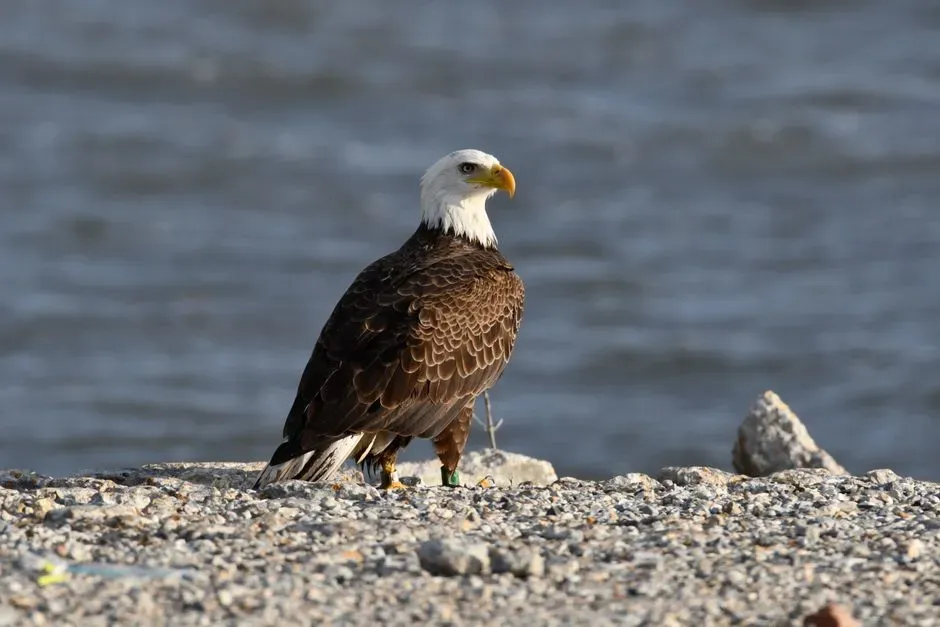
Most people know the central Platte River for its famous sandhill crane migration, but bald eagles are part of that spectacle too. The river’s shallow, braided channels and nearby reservoirs attract wintering birds that follow waterfowl and fish. On cold mornings, you might see eagles perched in cottonwoods above sandbars crowded with geese, scanning for weak or injured birds or simply waiting for the sun to warm the air. There’s something especially striking about eagles on the Platte because the landscape feels so open. With big horizons and low vegetation, a dark silhouette with a white head becomes visible at surprising distances, giving you time to watch its entire approach. When cranes start arriving in late winter, the sky can sometimes hold three stories at once: cranes bugling overhead, geese flushing from the river, and a bald eagle sliding silently along the edge of all that chaos, completely in control.
12. Potomac River (Maryland, Virginia, and Washington, DC area)
The Potomac River delivers some of the most surprising bald eagle encounters simply because they unfold so close to dense human populations. Below Great Falls, the river widens into a series of tidal and non‑tidal stretches where fish remain accessible, and tall trees line many of the banks. Bald eagles have taken full advantage of this, nesting in parks, refuges, and even near suburban neighborhoods while commuting over highways and neighborhoods as if none of it matters. Watching an eagle cruise over the Potomac with the outline of the nation’s capital not far away never quite loses its impact. It is a reminder that wildness does not require vast unbroken wilderness – it just needs enough clean water, prey, and safe places to perch and nest. In my opinion, few sights capture the modern American conservation story better than a bald eagle circling over a river that threads through one of the most politically powerful regions on Earth.
Conclusion: What These Rivers Tell Us About Eagles – and Us
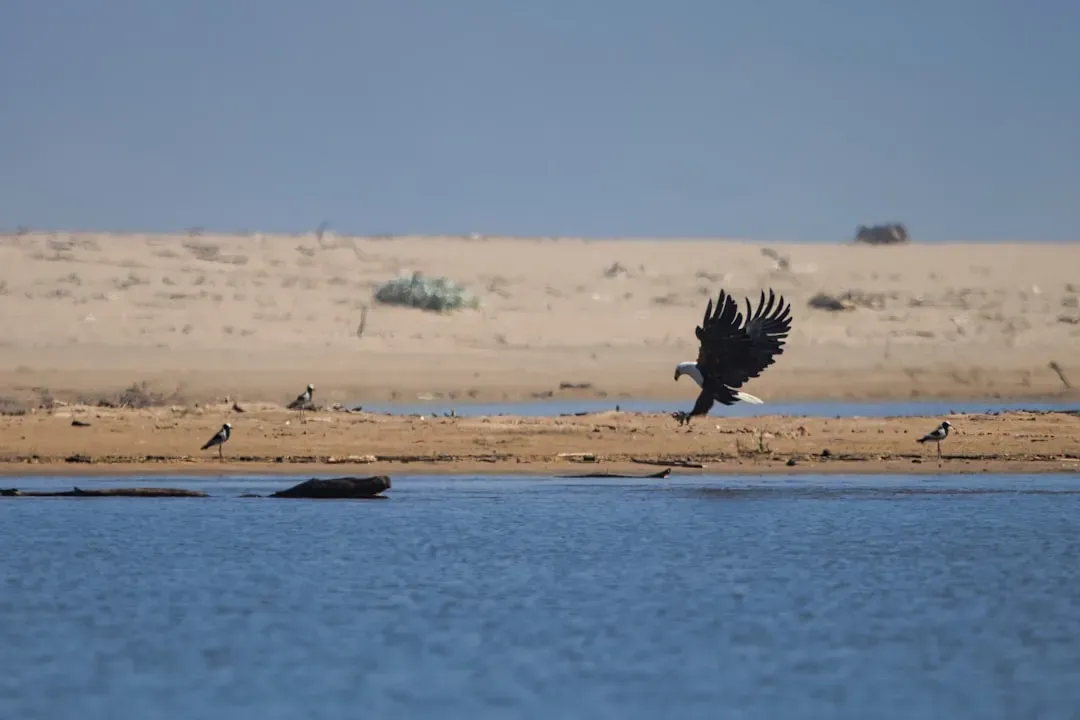
Look across these twelve rivers and a pattern jumps out: wherever we clean up the water, protect key habitats, and reduce direct threats, bald eagles respond with almost stubborn determination. They are not fragile ornaments; they are tough, opportunistic predators that will gladly move back into our landscapes if we give them even half a chance. That is both comforting and a little humbling, because it means the main limiting factor for their success has so often been our own choices. Personally, I think the most powerful part of seeing an eagle on one of these rivers is not the patriotic symbolism, but the quiet reminder that recovery is possible. Many of these waterways were written off as too polluted, too developed, too damaged. Yet here we are, watching white‑headed raptors riding thermals above dams, suburbs, and old industrial towns. The real question now is whether we take that as a one‑time miracle, or as proof that we can keep doing better – for eagles, for rivers, and for ourselves. When you spot that next bird skimming low over the water, what kind of future do you want it to be flying into?