
There’s a strange kind of magic that happens the moment a well‑worn trail drops away behind you and the crowds disappear. The forest gets louder and quieter at the same time: insects buzzing, birds calling, a twig snapping somewhere just out of sight. Most travelers never get past the big‑name national parks, which means some of the most incredible wildlife spectacles on the planet unfold in places almost no one talks about.
This guide dives into ten of those under‑the‑radar nature preserves, the kind of spots where you might share a sunrise with a sandhill crane instead of a tour bus, or lock eyes with a fox without another human in sight. A few are tucked into corners of busy countries; others feel like they’re hanging off the edge of the map. None are secret in the literal sense, but they are overlooked, quieter, and ridiculously rewarding if you care more about wild encounters than souvenir shops.
Bosque del Apache National Wildlife Refuge, New Mexico, USA
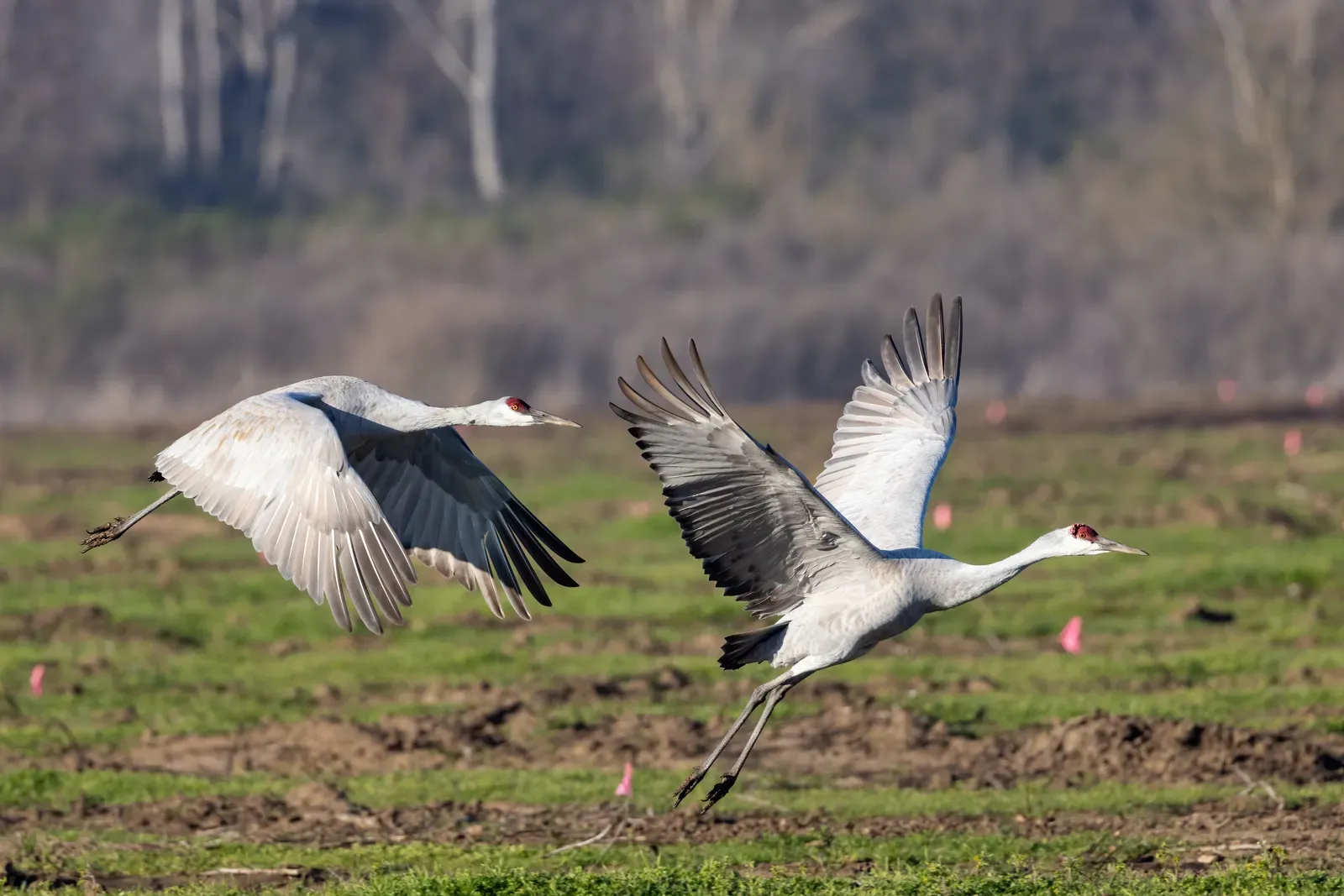
If you’ve never watched tens of thousands of birds lift off at sunrise, Bosque del Apache can feel almost unreal. This refuge in central New Mexico sits along the Rio Grande flyway and becomes a living, screaming river of feathers in late autumn when sandhill cranes and snow geese arrive in huge numbers. Even outside peak migration, the mix of wetlands, desert scrub, and riparian forest turns the area into a year‑round hotspot for hawks, ducks, and secretive mammals like bobcats and javelinas.
What keeps Bosque relatively hidden is that it sits in that vague mental space between “famous national park” and “small local wetlands,” so a lot of people simply drive past on the interstate. That’s good news if you prefer your wildlife viewing with more birds than people. You can cruise the auto loop at dawn with a thermos of coffee, step out at a viewing deck, and listen to an entire marsh wake up around you. It has that rare sweet spot of easy access, big drama, and manageable crowds – if you time it right, it feels like the birds outnumber humans by a ridiculous margin.
Okefenokee National Wildlife Refuge, Georgia and Florida, USA
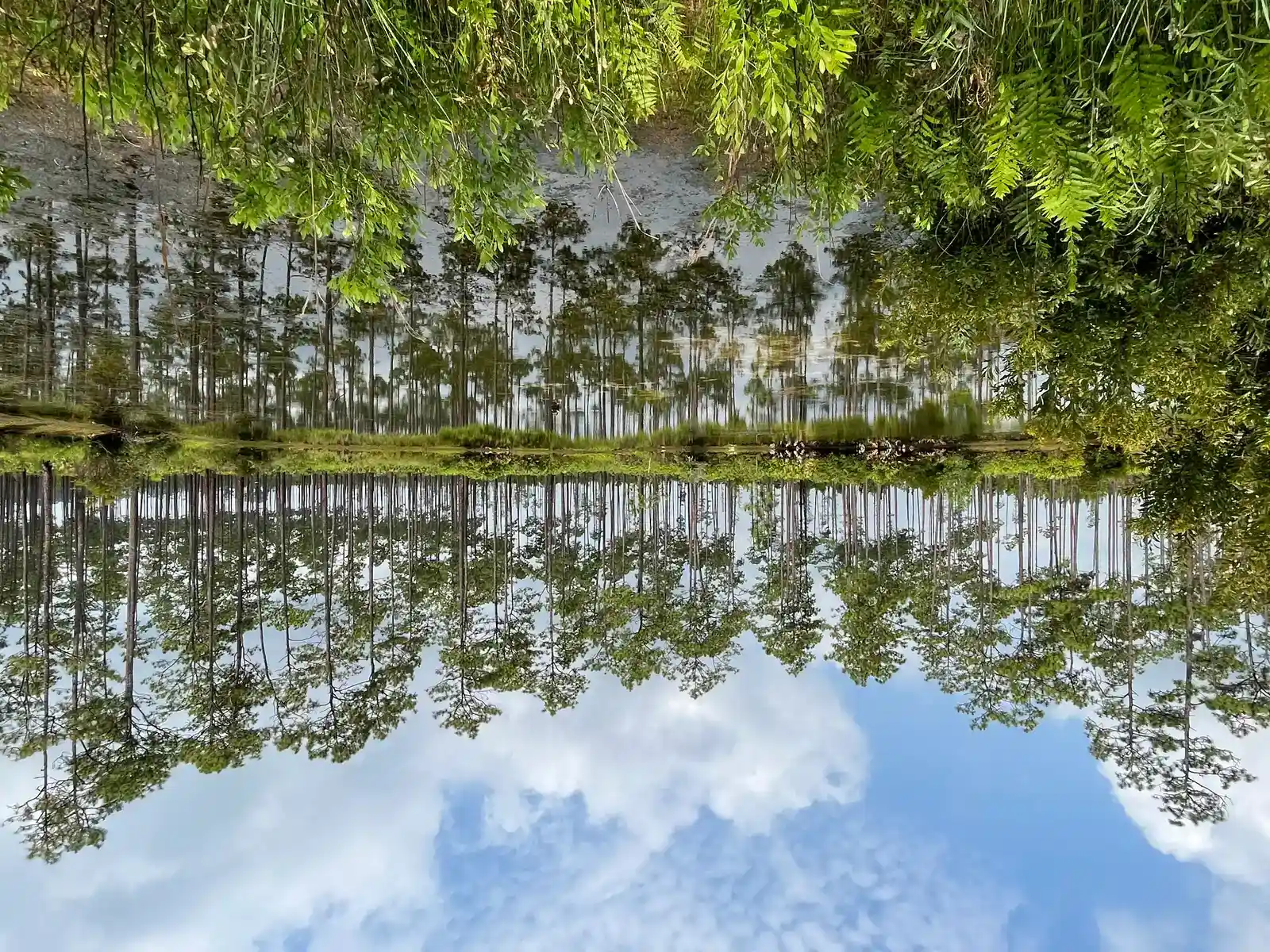
Okefenokee is the kind of place that would be world‑famous if it had a dramatic mountain range next to it, but instead it’s a sprawling blackwater swamp in the southeastern coastal plain. That subtlety is its superpower. Slip a canoe into the tannin‑stained water and you’ll find yourself gliding past floating islands of peat, sunbathing alligators, and egret rookeries that sound like chaotic tree‑top cities. The reflections of cypress trees on still water are so perfect they almost look fake in photos.
Wildlife watching here is less about ticking off a checklist and more about settling into the rhythm of the swamp. You’re likely to see herons stalking the shallows, turtles stacked like coins on fallen logs, and maybe a deer or black bear slipping through the edge of the forest if you move quietly. The remoteness of many channels means you won’t be jostling for space with boatloads of tourists; instead, you get those long, quiet stretches where an osprey diving for fish feels like a major event. It’s a preserve that rewards patience and curiosity over speed.
Hohes Venn–Eifel Nature Park, Belgium and Germany
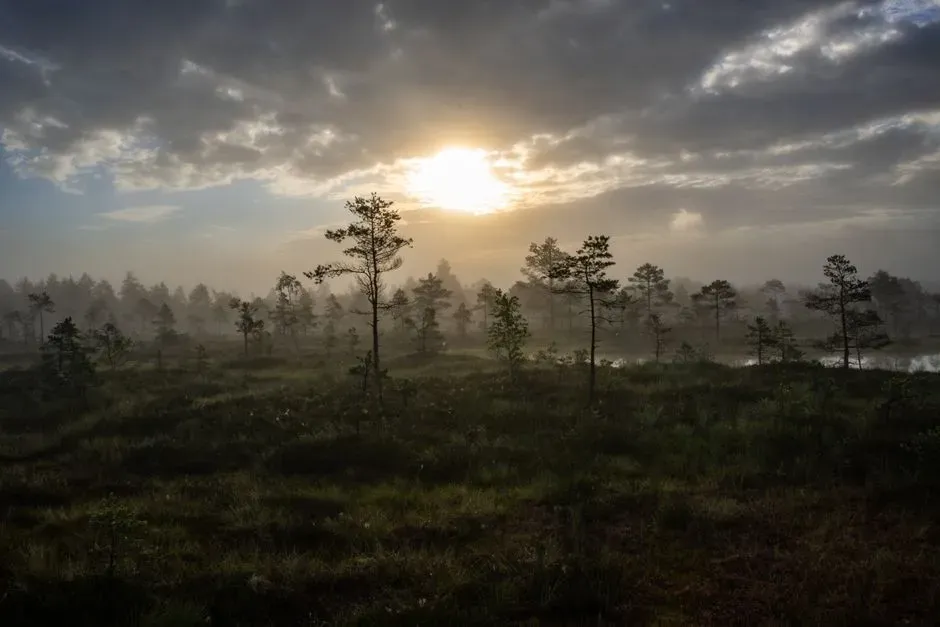
Most travelers hitting Belgium or western Germany are thinking waffles, castles, and city breaks, not windswept upland bogs haunted by fog. Hohes Venn, or the High Fens, flips that script for anyone willing to swap cobblestones for boardwalks. This elevated plateau of peat bogs, heath, and stunted forest is one of the most unique landscapes in western Europe and quietly shelters a surprising array of wildlife, from black grouse and rare dragonflies to elusive mammals like wildcats and martens.
The preserve’s network of wooden walkways pulls you out over spongy, waterlogged ground that would be completely inaccessible otherwise. On a misty morning, you might see a roe deer drift between the birches like it’s stepping through another world, or watch a harrier hunting low over the heath. Because Hohes Venn sits away from the big tourist circuits, you often share these views with only a few hardy hikers and the occasional local birder. It feels strangely wild for such a densely populated region, like a pocket of ancient landscape that refused to modernize.
Lauwersmeer National Park, Netherlands
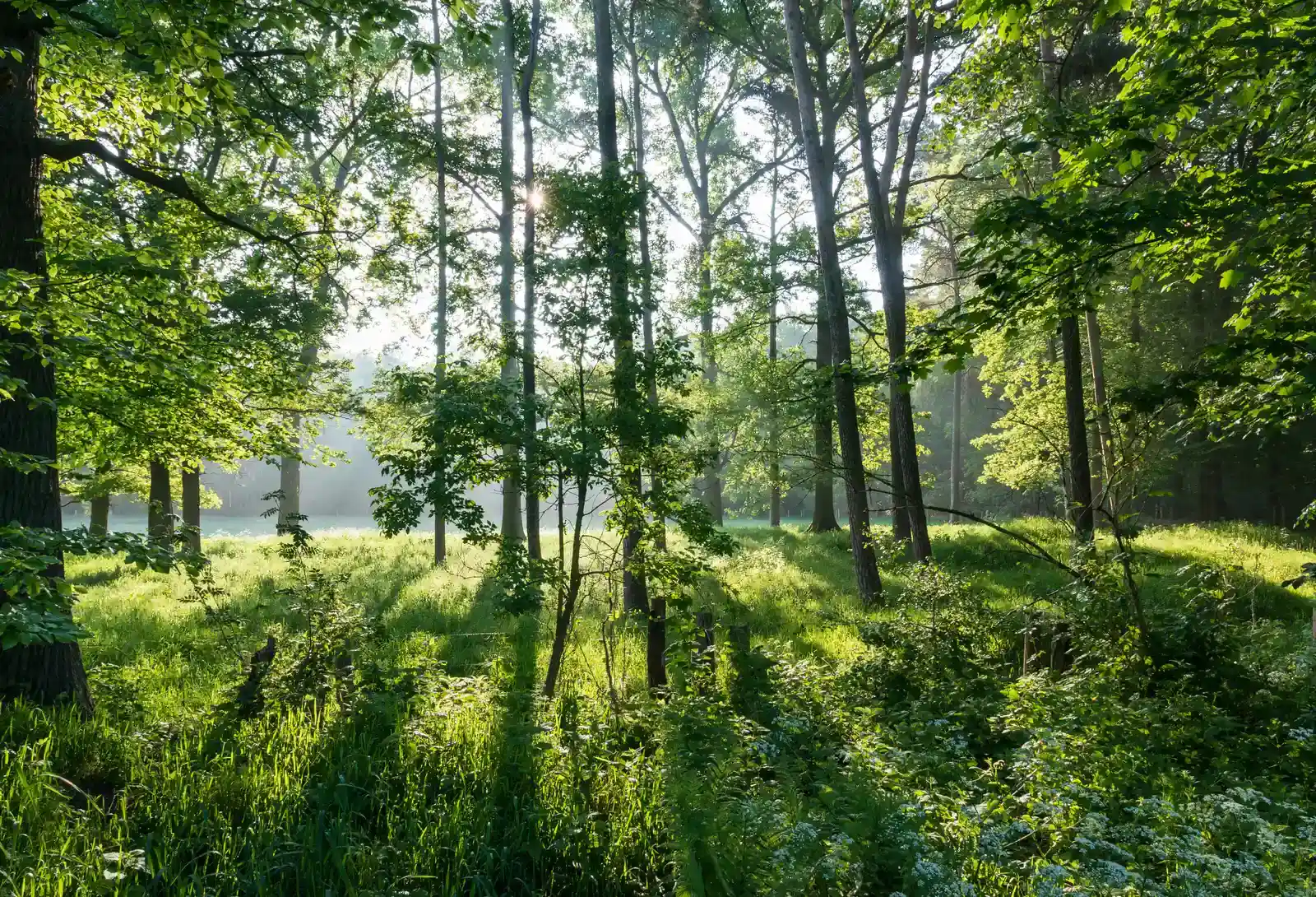
The Netherlands has a reputation for being meticulously organized, but Lauwersmeer shows what happens when the sea walls go up and nature is given room to improvise. Once part of an open inlet of the Wadden Sea, this area was dammed off in the late twentieth century, and the resulting lake and surrounding wetlands have since turned into a magnet for birds. Think vast flocks of geese in winter, spoonbills and terns in summer, and raptors cruising overhead almost year round.
It flies under the radar because international visitors tend to fixate on Amsterdam and the tulip fields, not a relatively remote corner near the German border. For anyone into wildlife watching, that’s a bonus. You can bike from hide to hide, scanning reedbeds for bitterns or watching seals hauled out on distant sandbanks. The mixture of brackish and freshwater habitats means you never quite know what will show up, and on quiet weekdays it can feel like you have an entire migrating sky almost to yourself.
Buffalo National River, Arkansas, USA
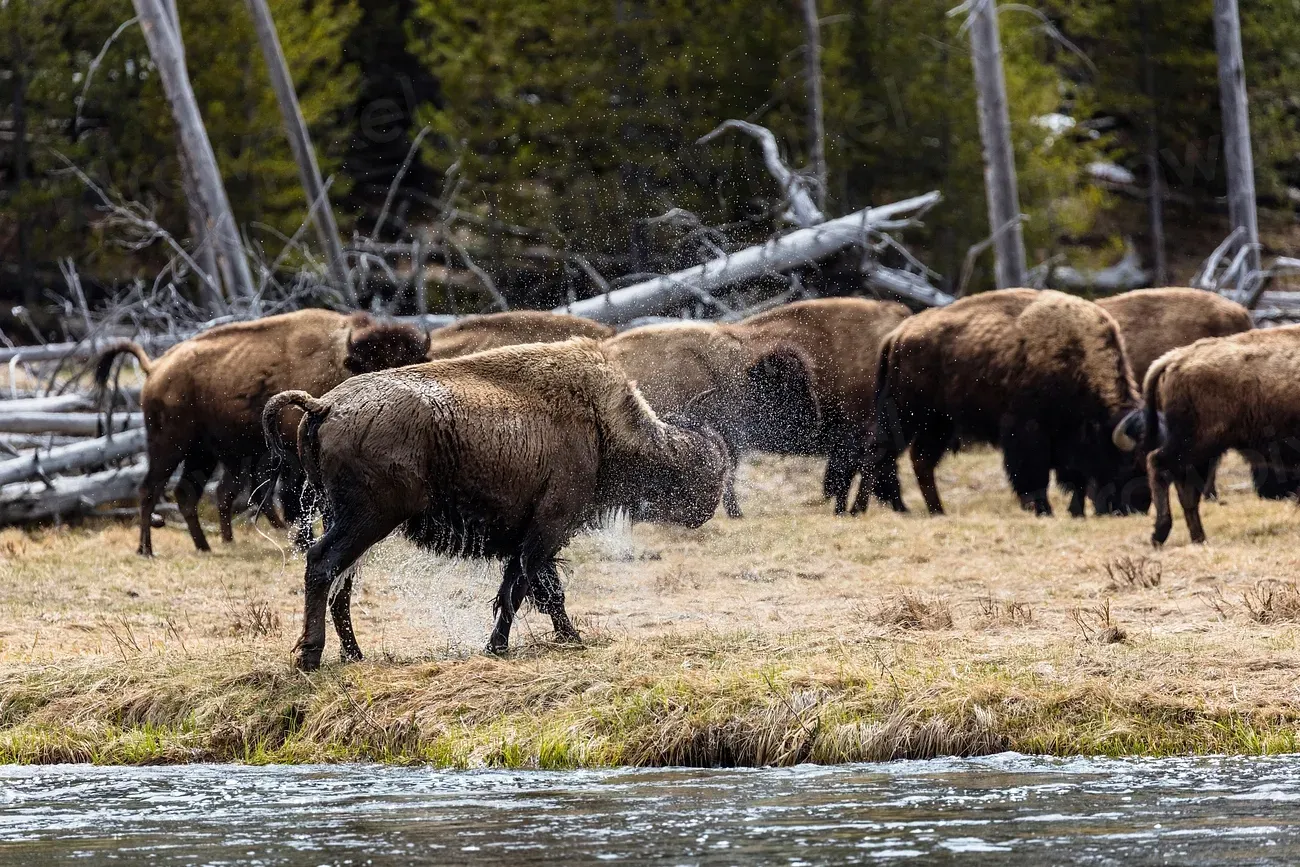
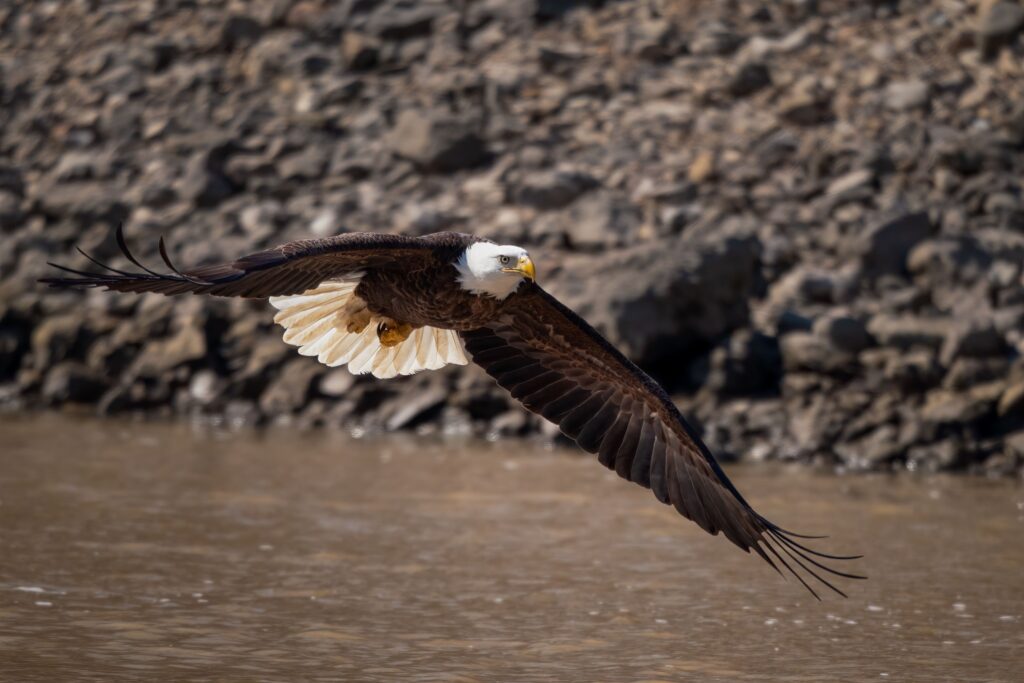
The words “national river” do not exactly scream wildlife blockbuster, and that’s exactly why the Buffalo remains underrated. Flowing through the Ozark Mountains, this free‑running river is framed by towering limestone bluffs, forests, and quiet gravel bars where wildlife and humans still negotiate space on something close to equal terms. Paddle a stretch at dawn and you might spot river otters playing in an eddy, watch a bald eagle ride the thermals above a cliff, or see white‑tailed deer stepping cautiously down to drink.
What sets the Buffalo apart is how wild it feels without being particularly remote. You can camp on sandbars, hike side canyons, and still return to a car shuttle at the end of the day. The relative lack of branding compared to the big Western parks means many people have never even heard of it, yet black bears roam the surrounding hills and migrating songbirds fill the spring canopy with a wall of sound. If your idea of wildlife watching includes paddles, campfires, and stars, this place quietly delivers all three in spades.
Isle of Mull, Scotland, United Kingdom
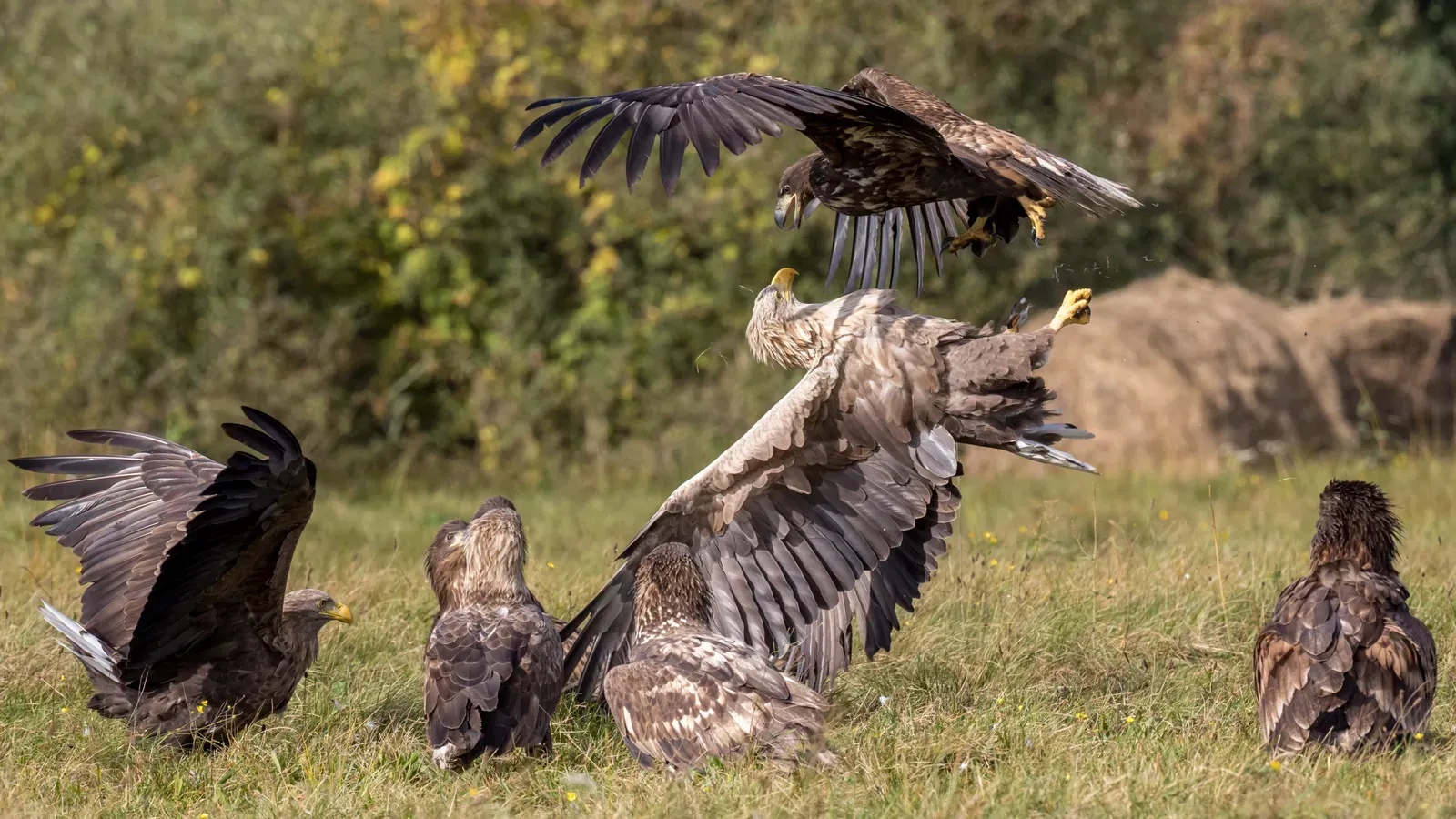
Ask people to name British wildlife hotspots and most might mention the Scottish Highlands or a famous national park, but the Isle of Mull often stays just below the radar. That’s strange, because for a relatively small island it packs in a ridiculous density of charismatic species: white‑tailed sea eagles with wingspans broader than a tall person is high, otters combing rocky shores for fish, and red deer drifting across moorland like moving boulders. Look seaward and there’s a real chance of spotting minke whales, dolphins, or basking sharks in the right season.
Part of Mull’s charm lies in how wild it can feel just a short ferry ride from the mainland. Narrow single‑track roads loop past sea lochs and sheltered coves where you can park up, scan the water, and sometimes spot an eagle hunting within minutes. The weather can be brutal, and the midges in summer are famously relentless, but that rawness is exactly what keeps the island from becoming overcrowded. It rewards those willing to layer up, slow down, and treat every stretch of coastline as potential wildlife theater.
Pantanal Matogrossense, Brazil (Less‑Visited Southern and Private Reserves)
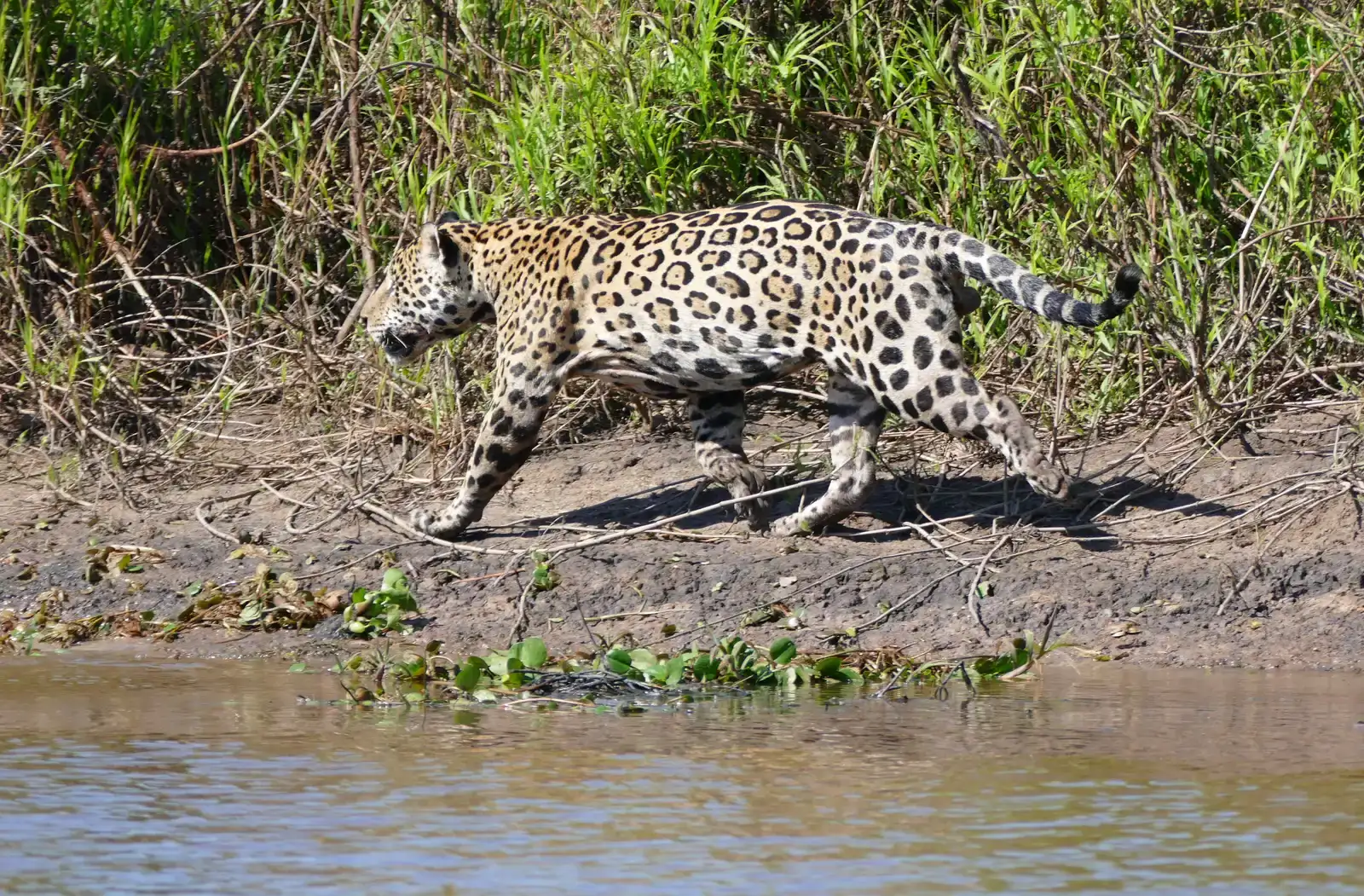
The Pantanal is not exactly unknown, but most visitors cluster in a few heavily marketed lodges and well‑trodden sections, leaving large swaths of this giant wetland relatively quiet. In the southern Pantanal and certain private reserves that prioritize conservation over mass tourism, wildlife viewing can feel almost intimate. This is one of the best regions on Earth to see jaguars in the wild, along with giant otters, hyacinth macaws, and caimans packed along the riverbanks like scaly cordwood.
What makes the more hidden corners of the Pantanal so special is the feeling that life is overflowing in every direction. Capybaras graze like oversized guinea pigs next to herons that barely acknowledge your presence, while clouds of waterbirds rise from shrinking pools in the dry season. Reaching these less‑visited areas takes more effort – extra flights, long drives, or boat transfers – but the trade‑off is fewer boats clustering around the same animals. When you round a bend and see a jaguar draped over a log with no other tourists in sight, it feels less like a show and more like stumbling into someone else’s living room.
Yasuni Biosphere Reserve Fringe Zones, Ecuador
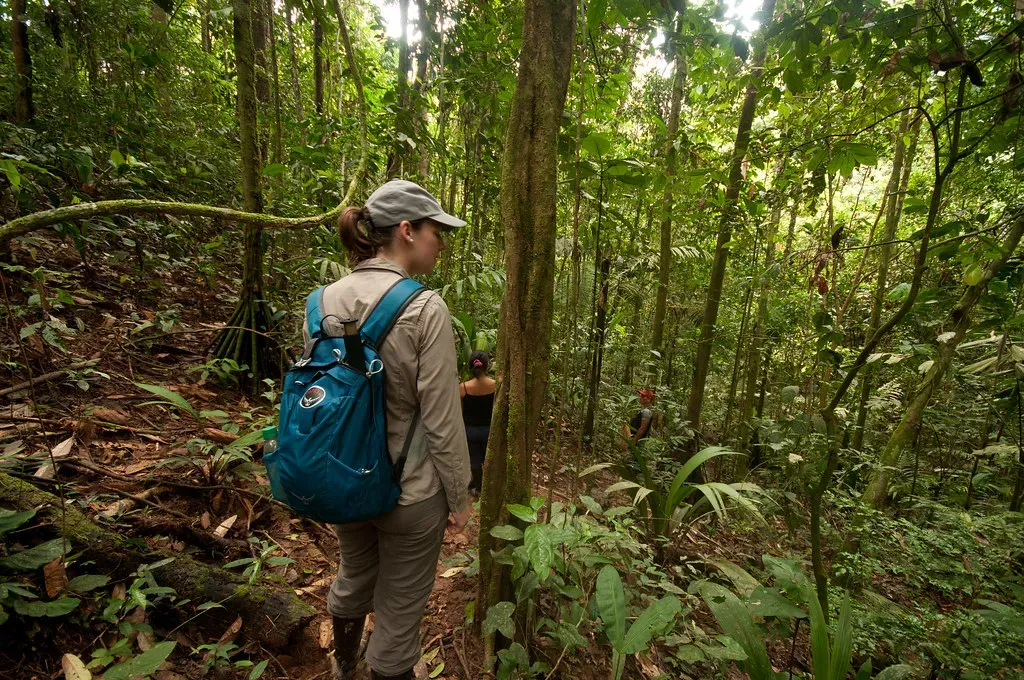
Yasuni is often described as one of the most biodiverse places on the planet, but vast sections of it remain far less visited than they deserve. In fringe zones and community‑run areas on the edges of the core reserve, you can experience a slice of Amazonian richness without the infrastructure of big lodges or the crowds that sometimes follow them. This is a world of poison dart frogs on leaf litter, troops of monkeys overhead, and a soundtrack of insects and birds that never truly turns off.
Wildlife watching here is less about checking off iconic megafauna and more about being overwhelmed by sheer variety. One moment you’re following a guide who points out ants farming fungus; the next, you catch a flash of a toucan moving like a piece of animated fruit through the canopy. The human dimension is equally important: many of these lesser‑known sectors are guided or managed by local and Indigenous communities who have intimate knowledge of the forest. That changes the whole experience from simple tourism to something more like being a temporary guest in a very old neighborhood.
Caprivi Strip Conservancies, Namibia
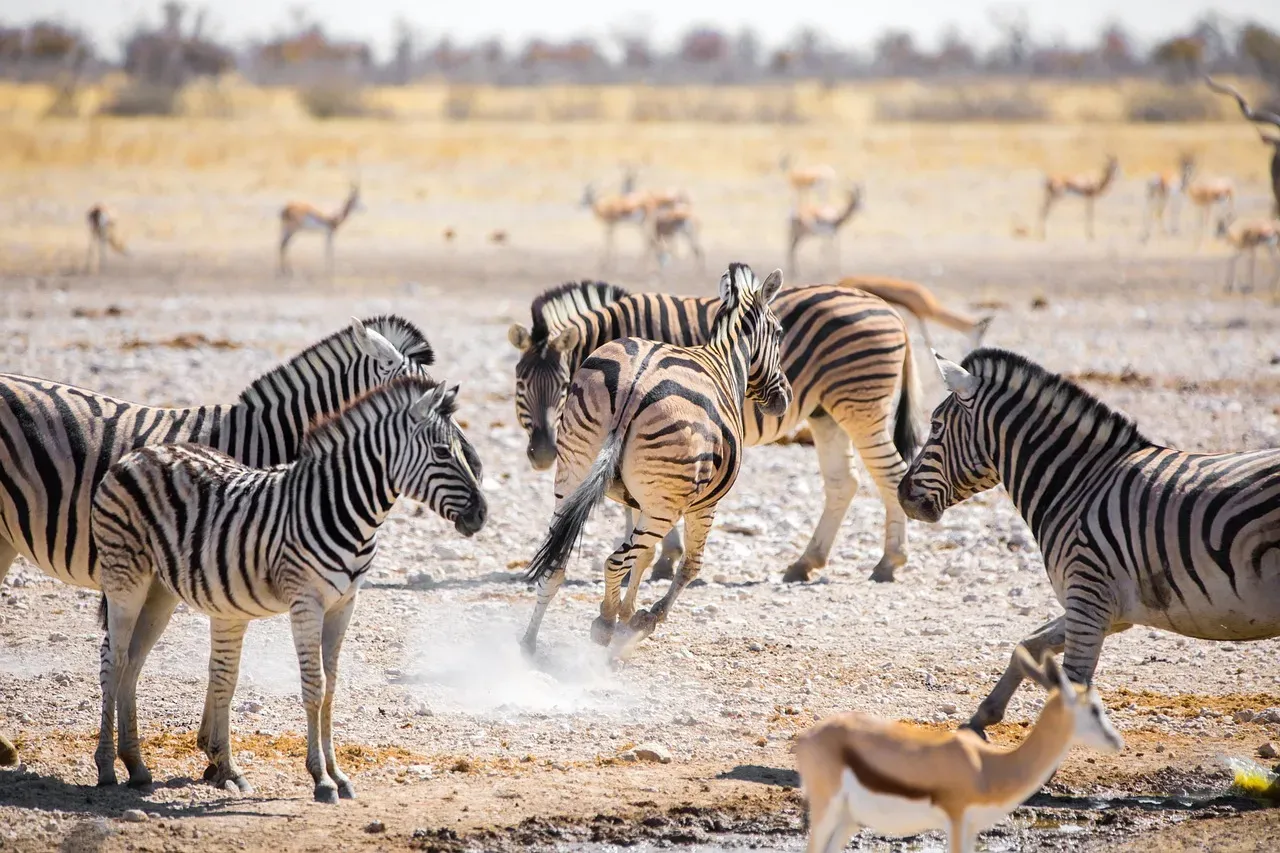
When people dream of Namibia, they usually picture giant red dunes and the stark skeletons of trees in desert valleys, not lush river corridors thick with elephants. The Caprivi Strip, that narrow panhandle in the country’s northeast, quietly breaks the stereotype. Here, community conservancies and lesser‑known reserves protect a mosaic of rivers, floodplains, and woodland where elephants, buffalo, hippos, and predators move between neighboring countries as if borders were a rumor.
Because it sits away from the iconic desert landscapes, Caprivi gets a fraction of the attention enjoyed by other African safari areas. That means game drives where you might share sightings with just a handful of vehicles, or boat cruises where the only traffic jam is a pod of hippos claiming the channel. Birdlife is off the charts, with kingfishers, bee‑eaters, and fish eagles turning every stretch of river into a kind of aerial parade. If you want big mammals without big crowds, this sliver of Namibia offers a very persuasive argument.
Cape Breton Highlands Coastal Corners, Nova Scotia, Canada
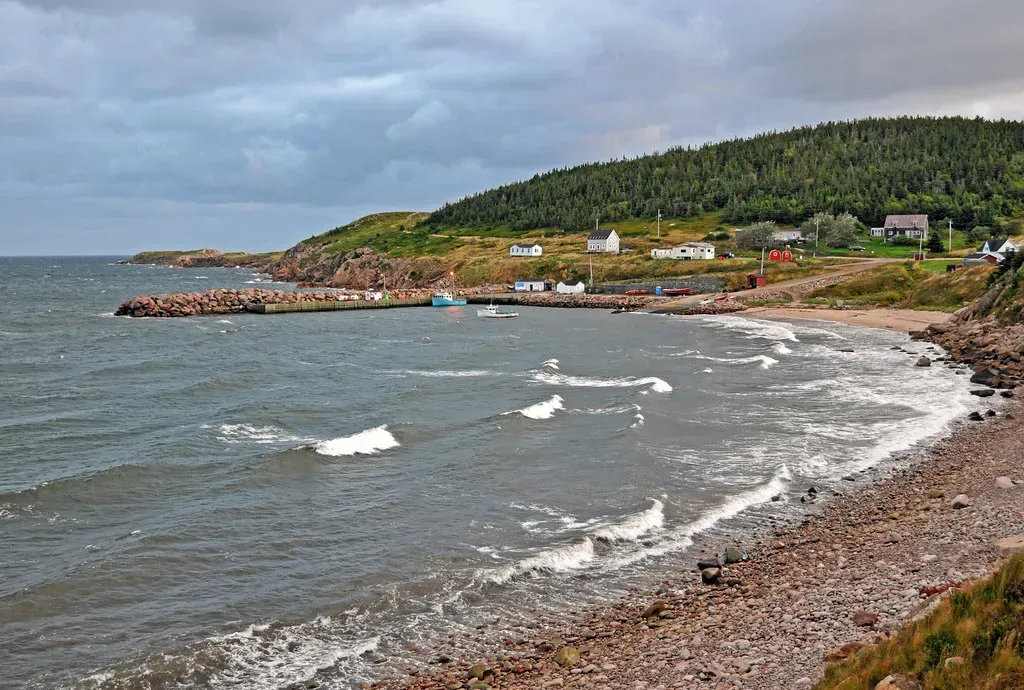
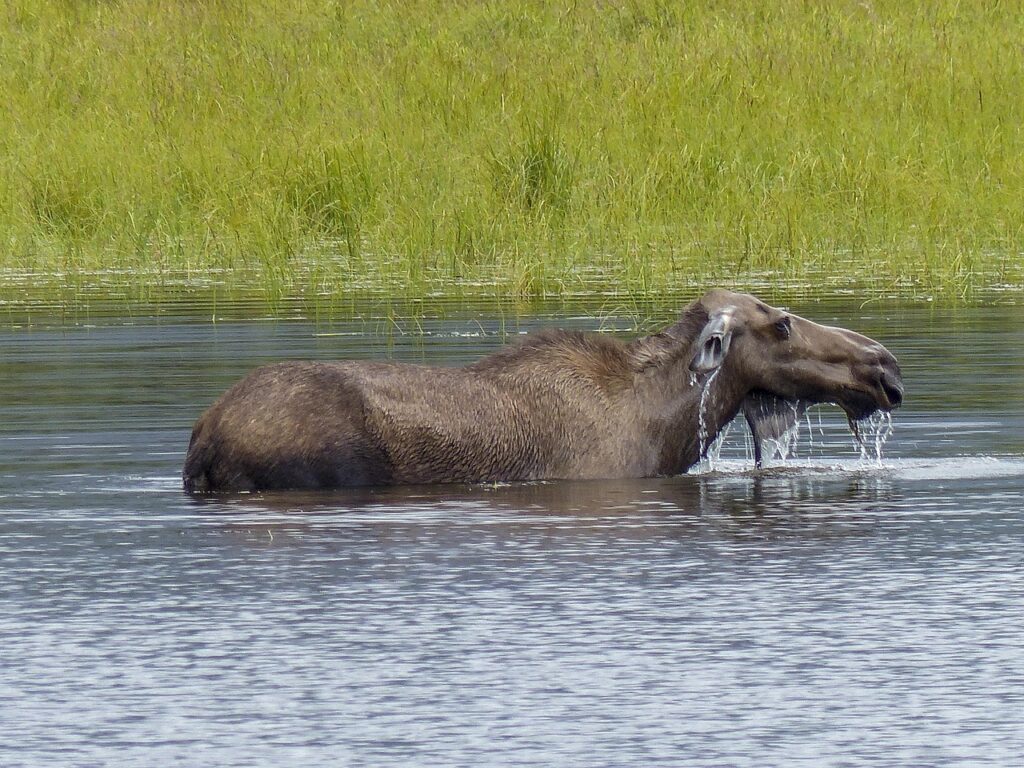
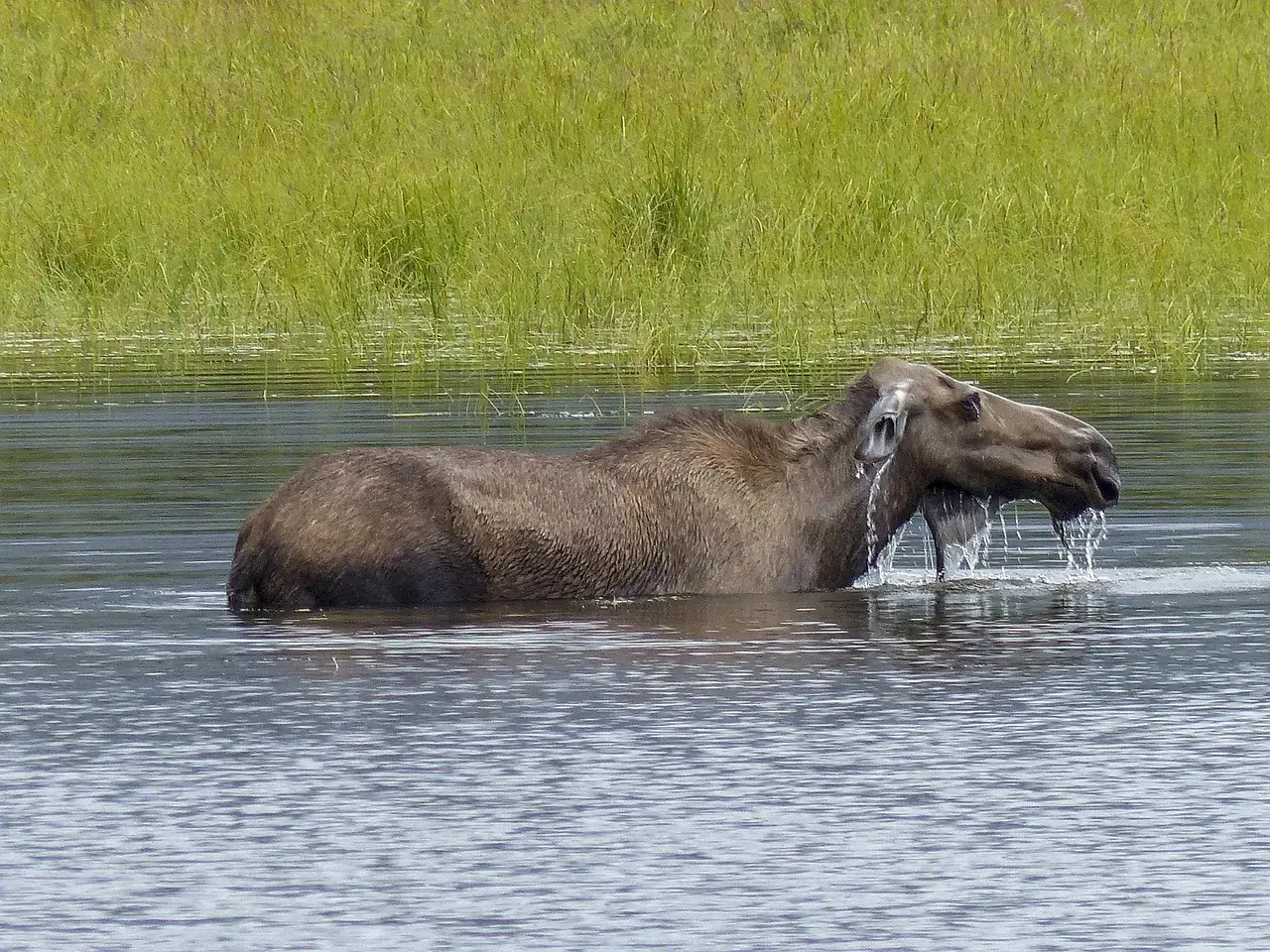
Cape Breton is known to road‑trippers for its dramatic Cabot Trail, but step off the asphalt into the lesser‑known corners of the highlands and coastal preserves and you find a surprisingly wild Atlantic edge. Moose wander the forests and wetlands, bald eagles patrol shorelines, and whales cruise just beyond the cliffs, often visible from simple roadside pullouts if you take the time to scan the water. In autumn, migrating songbirds flood through, using the forests like a leafy rest stop.
The hidden charm lies in the small, unofficial feeling viewpoints and low‑key trails that are easy to bypass if you’re racing to the next viewpoint sign. Locals will talk about quiet coves where seals haul out on rocks or where pilot whales surface in the distance while you eat a sandwich on the hood of your car. It’s not a manicured safari experience; it’s more like being given the keys to a rugged coastline and told to see what you can find. In a world of curated experiences, those serendipitous moments feel incredibly refreshing.
Conclusion: Why These Hidden Preserves Matter More Than Ever
Spending time in these quieter preserves has changed how I think about wildlife watching. The marquee destinations are incredible, of course, but there’s something deeply satisfying about spotting a sea eagle on Mull or a deer in Hohes Venn and realizing you found it without a crowd or a schedule dictating where to stand. These places prove that world‑class wildlife encounters are not limited to the usual bucket‑list names; they’re scattered in the gaps, in swamps and bogs and backroad rivers that marketing departments mostly ignore.
From a conservation perspective, visiting and supporting these under‑the‑radar spots feels almost like casting a vote for a different kind of travel. When you stay an extra night in a small community near the Okefenokee or hire a local guide in the fringe zones of Yasuni, you’re helping build a case that intact ecosystems are worth more alive than cleared or drained. In a decade or two, some of these preserves might be famous, or they might be under even more pressure. Either way, the question lingers: in a crowded world, where will you choose to stand quietly and watch something truly wild happen right in front of you?