
Every time we think the past is neatly filed away in textbooks, archaeology throws something truly bizarre onto the table. Not just golden treasures or ruined temples, but discoveries so weird they feel like they were ripped from a fantasy novel or a late‑night conspiracy forum. The strangest part is that these finds are real, sitting in museum drawers and excavation reports, quietly challenging what we thought we knew about ancient people.
Some of these discoveries are unsettling, some are hilarious, and some are just deeply, deeply puzzling. As I went through them, I kept catching myself thinking, “If this turned up in a movie, I’d call it unrealistic.” Yet here we are. From skeletons that definitely did not die peacefully to mysterious metal books and preserved brains that should have disintegrated long ago, these twelve archaeological oddities show that the past was every bit as weird as the present – maybe even weirder.
1. The “Vampire” Burials With Bricks in Their Mouths
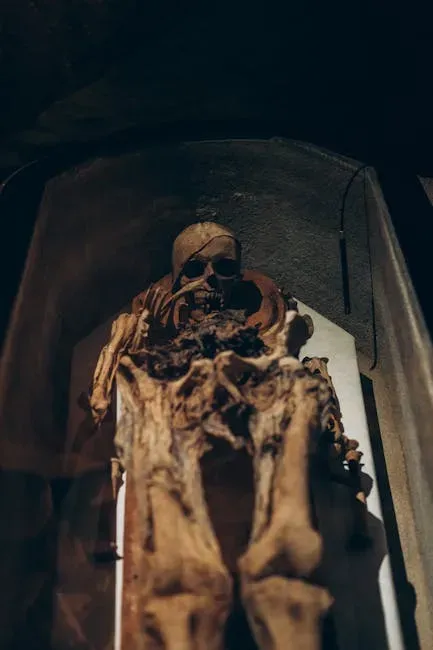
Picture this: an archaeologist brushes away soil and finds a skull with a heavy brick jammed between its teeth. That sounds like a horror movie prop, but burials like this have been found in parts of Europe, especially in Italy and Eastern Europe, dating to times when people were terrified of the dead rising from their graves. These so‑called “vampire” burials often include extra precautions: bodies pinned down with stakes, stones on the chest, or limbs bound in strange ways.
What is chilling is not just the sight itself, but what it says about the fear behind it. Communities that did this were desperately trying to control disease, unexplained deaths, or social chaos, and “restless corpses” were a way to make sense of the unknown. Archaeologists see them as raw evidence of mass anxiety, where folklore, religion, and panic fused into very physical actions. I find these burials less about monsters and more about how far humans will go when they feel powerless and scared.
2. Bog Bodies With Perfectly Preserved Skin
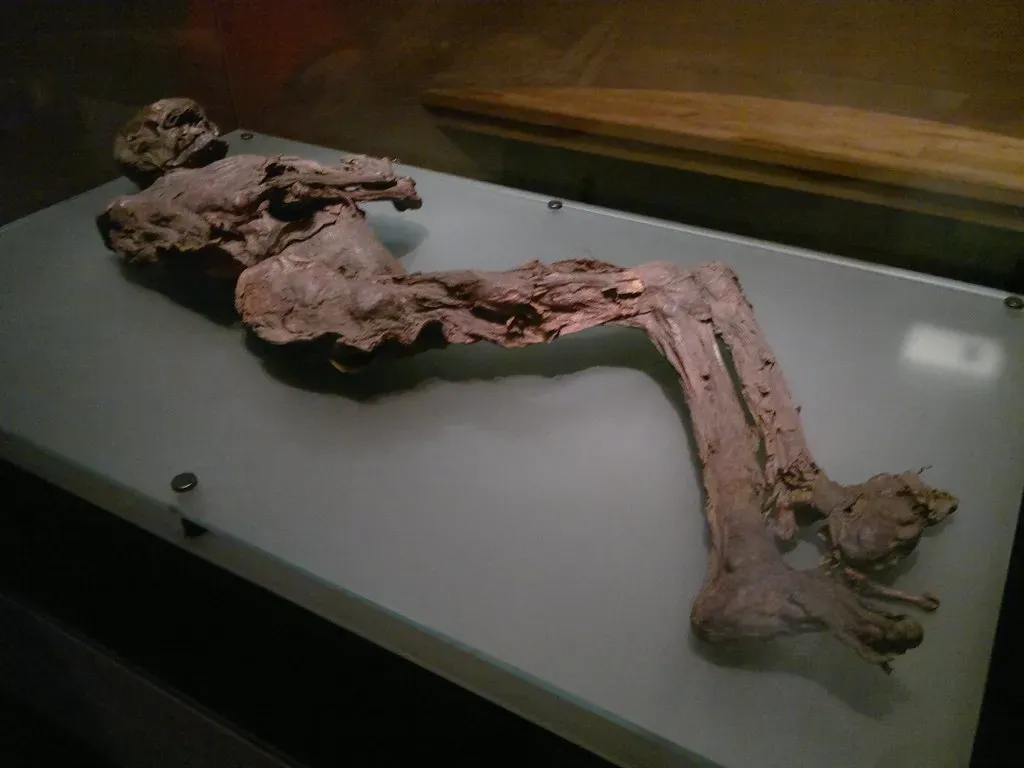
In the peat bogs of northern Europe, archaeologists have uncovered human bodies so well preserved that you can see wrinkles, fingerprints, even stubble on a man’s chin, despite the fact that they died more than two thousand years ago. The chemistry of the bogs – cold, acidic, oxygen‑poor – basically tan the bodies like leather and halt decay. Some still wear caps, cloaks, or braided hair, frozen in time in a way that bones alone never could manage.
These bog bodies are weird not just because they look eerily lifelike, but because many show signs of violent death: strangulation, cuts, broken bones, sometimes a grim combination of all three. To me, they feel like crime scenes from the Iron Age, with the bog acting as both grave and evidence locker. Scholars debate whether they were executed criminals, sacrificed individuals, or something in between, but the truth is probably messy, like most human behavior. When you look at their faces, it’s hard not to feel uncomfortably close to people whose last moments were anything but peaceful.
3. The Antikythera Mechanism: An Ancient “Computer” in a Shipwreck
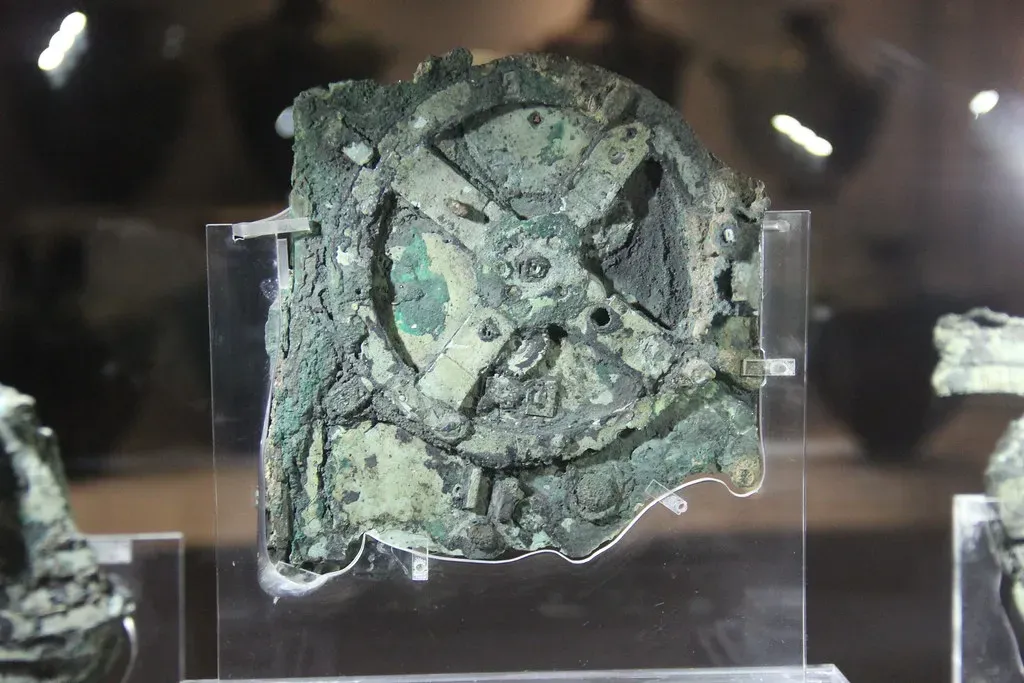
When divers first pulled up a corroded lump of bronze from a shipwreck off the Greek island of Antikythera in the early twentieth century, nobody guessed it would turn out to be an insanely complex geared device. Only later, through X‑rays and painstaking reconstruction, did researchers realize they were looking at a mechanical calculator from around the second or first century BCE, capable of modeling the movements of the sun, moon, and possibly planets. It even tracked eclipses using a system of interlocking gears that looks shockingly modern.
The Antikythera Mechanism is weird not because we thought the ancient Greeks were simple – they definitely weren’t – but because this level of precision engineering seemed to appear and then vanish for more than a thousand years. Finding it inside a shipwreck feels like stumbling across a laptop in a Viking boat burial. To me, it is a humbling reminder that technological progress is not a straight line. Sophisticated ideas can bloom, get lost, and have to be reinvented from scratch, which makes you wonder what else vanished without a trace.
4. The Nazca Lines: Giant Desert Drawings No One on the Ground Could See
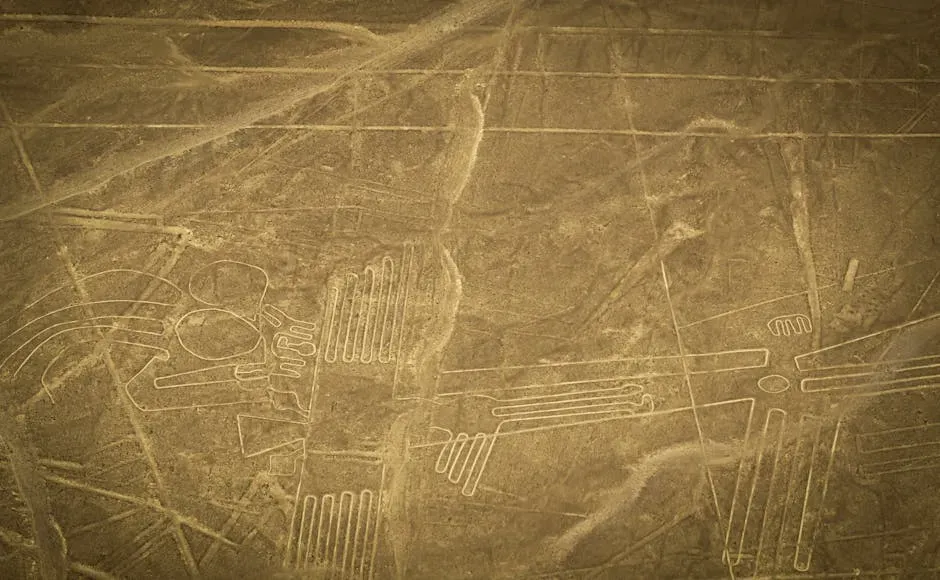
Spread across the Peruvian desert, the Nazca Lines form huge shapes – monkeys, hummingbirds, spiders, geometric designs – scratched into the earth by removing the dark surface stones to reveal lighter soil beneath. Many of these figures are so massive that they only truly make sense from high above, which has fueled decades of wild theories. Early on, some people even floated ideas about ancient astronauts, because of course they did. In reality, the lines were made by human hands between roughly two thousand and fifteen hundred years ago, using surprisingly simple techniques and planning.
The real weirdness lies in the purpose. They are too big to be “normal” art, and you can walk along them without really grasping the whole design. Most archaeologists now think they are tied to ritual processions, water ceremonies, or cosmology – essentially, walking prayers etched into the desert floor. Personally, I think the fascination comes from the disconnect between effort and visibility: imagine spending days carving a design you’ll never fully see, trusting that the gods, or the sky, are the real audience. It’s an almost unsettling level of faith.
5. Babies Buried in Broken Pottery “Cradles”
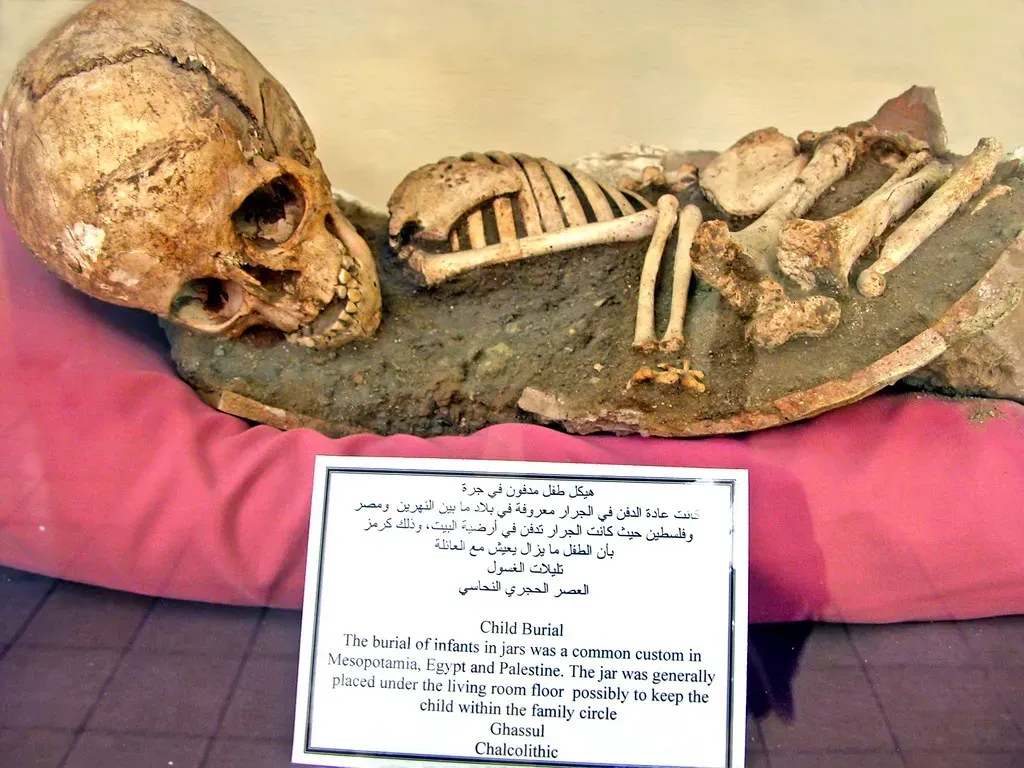
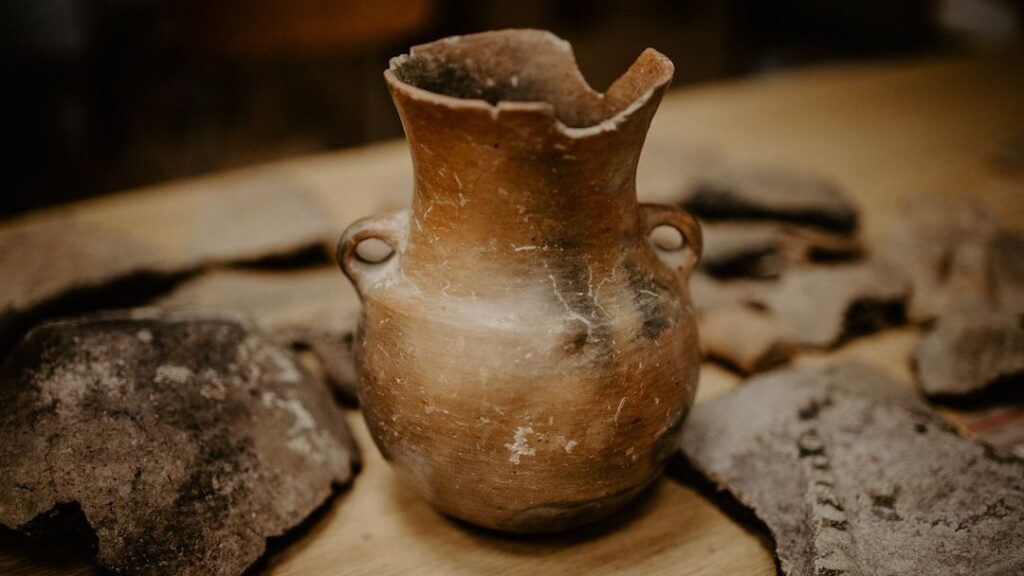
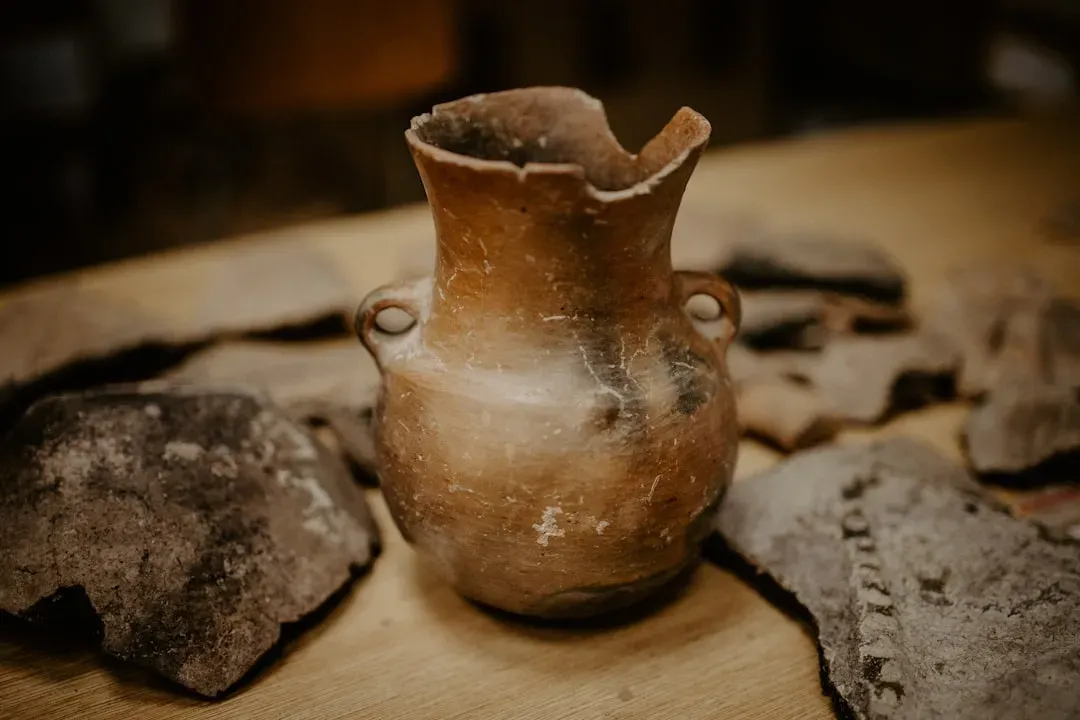
Across the Mediterranean and the Near East, archaeologists have found infant burials placed inside large ceramic jars or amphorae, sometimes under house floors or courtyards. These jar burials can look jarringly casual at first glance – tiny bones tucked into a recycled storage vessel, sometimes broken to make room. But there are patterns: jars positioned in certain ways, small offerings nearby, and locations chosen close to daily family life rather than in distant cemeteries.
It is weird and moving at the same time. In a world with high infant mortality, families clearly tried to integrate grief into the fabric of the home, quite literally. I remember the first time I saw photos of such burials; I felt an almost physical jolt at the clash between rough pottery and the idea of a child. These finds tear down the illusion that ancient societies were emotionally numb about death. Instead, they reveal a quieter truth: when death was common, care had to be creative, even if that meant turning an ordinary storage jar into a makeshift final cradle.
6. Skulls Modified Into Cups and Ritual Objects
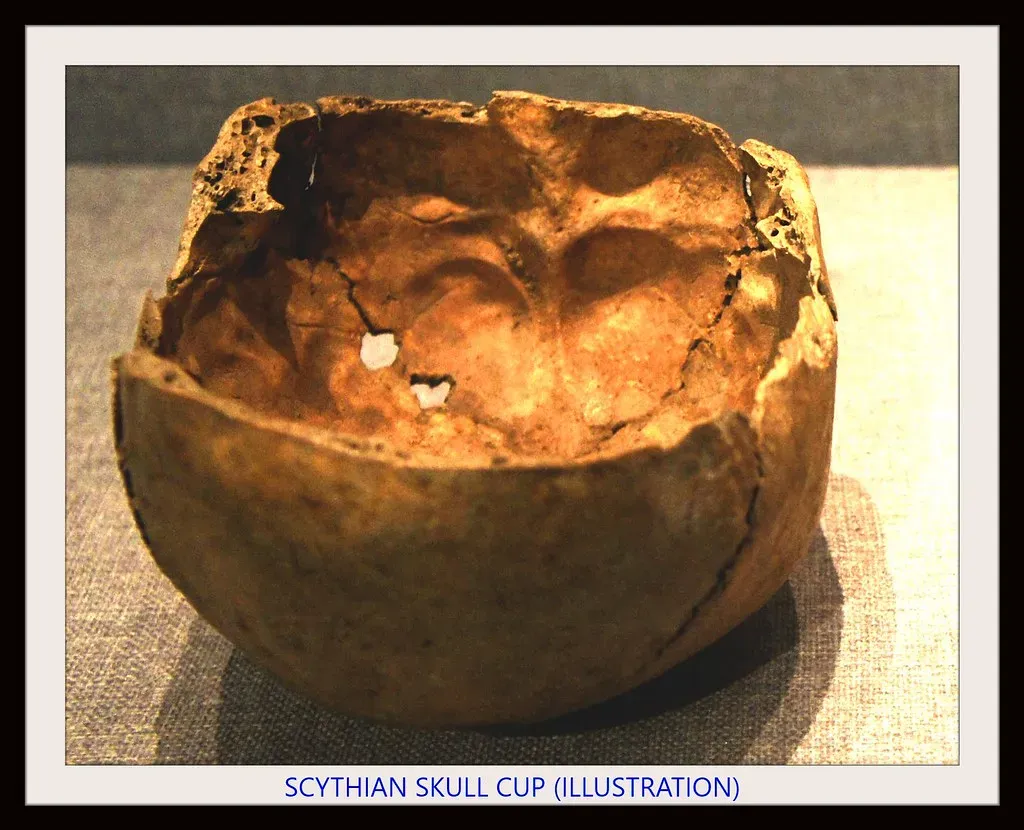
At a few sites in Europe and Asia, archaeologists have uncovered human skullcaps carefully reshaped into bowls, sometimes smoothed along the edges, and occasionally decorated. These “skull cups” sound like something invented for a grim fantasy story, but they turn up in real archaeological contexts, often mixed with other human remains that show signs of ritual treatment. In some cases they may have belonged to respected ancestors, in others possibly to enemies taken in battle and symbolically claimed.
What makes them so unsettling is that they hover in that uncomfortable space between respect and brutality. Turning a skull into a cup feels both intimate and transgressive, like blurring the line between person and object. Scholars suggest they may have been used in ceremonies involving feasting, offerings, or oath‑taking, where drinking from a human skull emphasized bonds, power, or memory. Personally, I’m struck by how such a practice forces participants to confront mortality head‑on. You literally put your lips where someone’s mind once was; that is not casual behavior.
7. The Roman “Mystery” Hand With a Missing Body
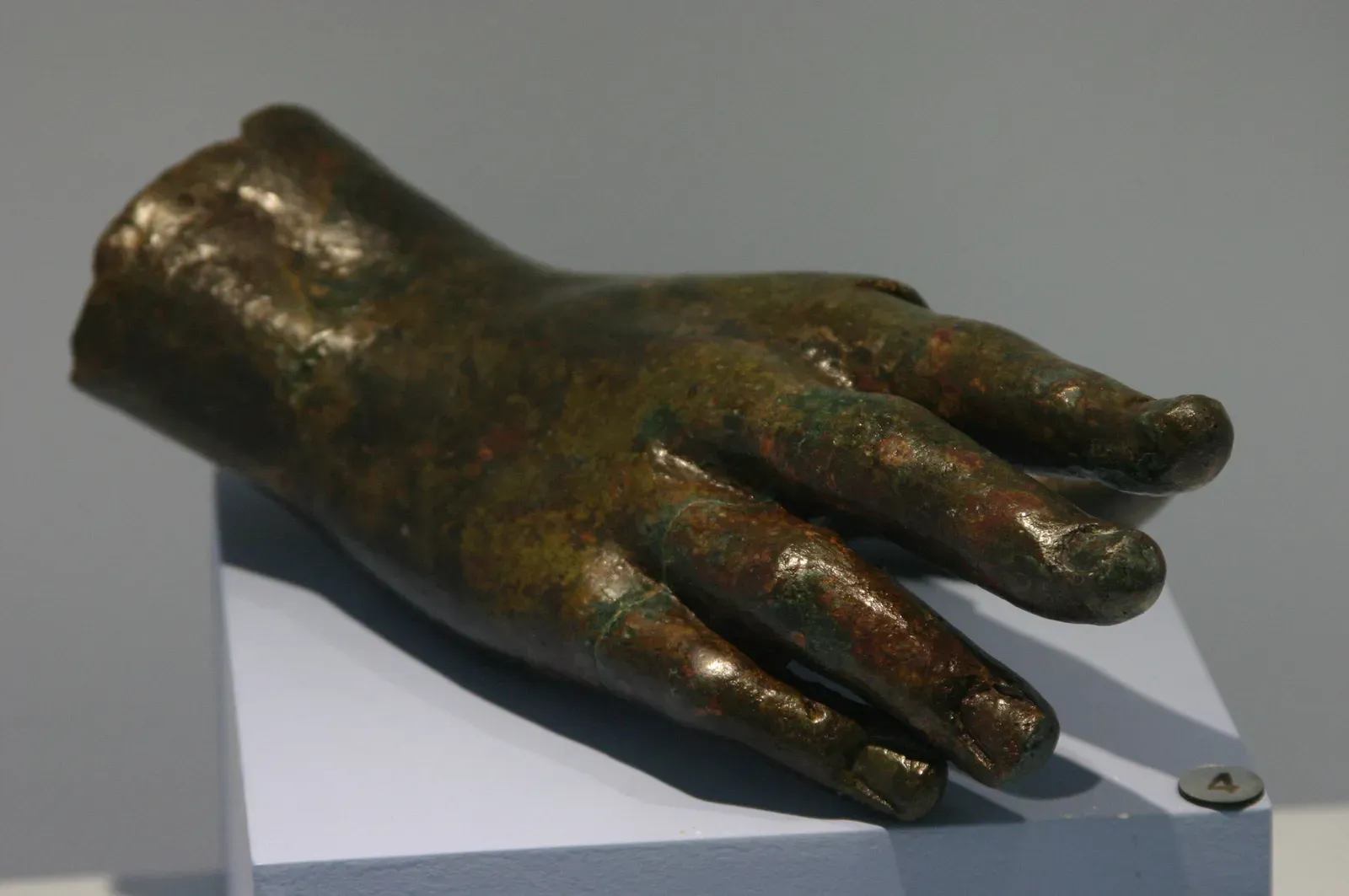
In Britain and parts of continental Europe, excavations at Roman‑era sites have turned up strange bronze hands, sometimes life‑sized, with carefully modeled fingers and detailed nails. One particularly famous example was discovered without any attached statue or body, just a solitary metal hand that once seems to have been mounted on a pole. The fingertips show wear, suggesting people may have touched or kissed it in some sort of ritual or pilgrimage practice, possibly connected to a local or imported cult.
It is the isolation that makes it so odd. We are used to full statues or clear religious symbols, but here is just a hand, disembodied and meaningful to people whose explanations are long gone. Archaeologists have linked some of these finds to specific deities or mystery cults, but the exact rituals remain hazy. To me, these hands are a perfect symbol of how archaeology often works: we do not get the full story, just a fragment that hints at a whole universe of beliefs. It is like finding only the punchline of a joke and having to guess the setup.
8. The Shrunken Heads of the Amazon
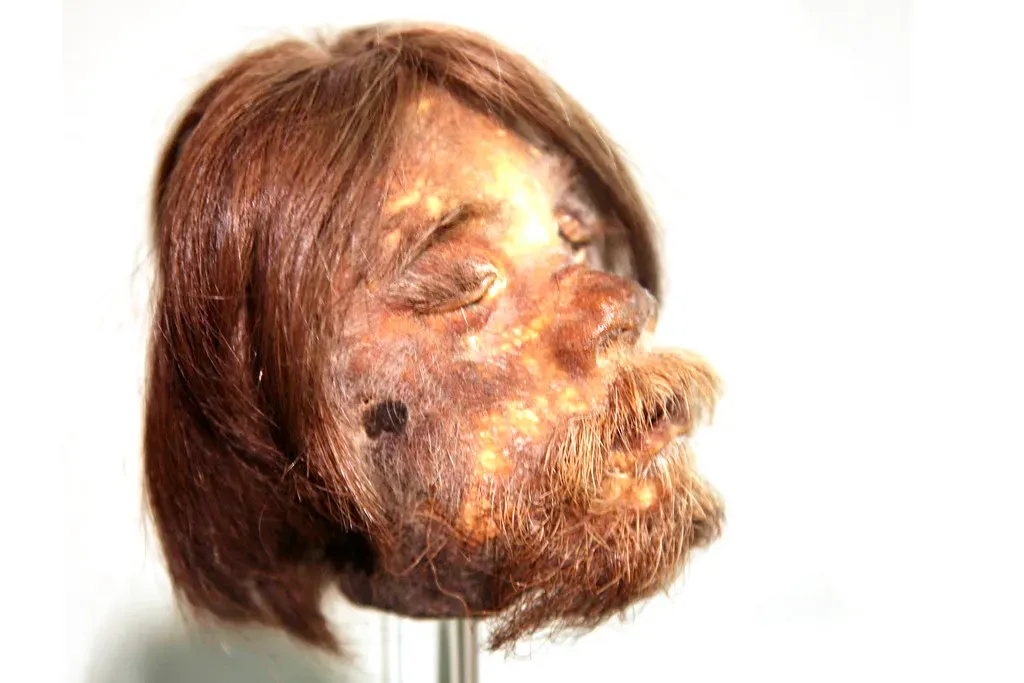
Shrunken heads, or tsantsas, from Indigenous groups of the Amazon, especially in areas of what is now Ecuador and Peru, are some of the most notorious and unsettling objects in museum collections. Crafted from the heads of enemies, their skin was removed, treated, and shrunk while the features – eyelids, lips, hair – were preserved in miniaturized form. For many people seeing them for the first time, they look fake, like something from a movie prop house, yet they were part of very real cultural practices tied to warfare, revenge, and spiritual beliefs.
What makes them especially weird in an archaeological and historical sense is how global curiosity distorted their meaning. In the nineteenth and early twentieth centuries, outsiders created a market for tsantsas, paying for them as exotic collectibles, which encouraged production far beyond traditional use and sometimes even fakes made from sloths or monkeys. I think the shrunken head story says as much about modern obsession with the macabre as it does about Amazonian ritual. It is a harsh example of how ripping an object out of its cultural context can turn it into a spectacle instead of a window into someone’s worldview.
9. Preserved Brains That Should Have Rotted Away
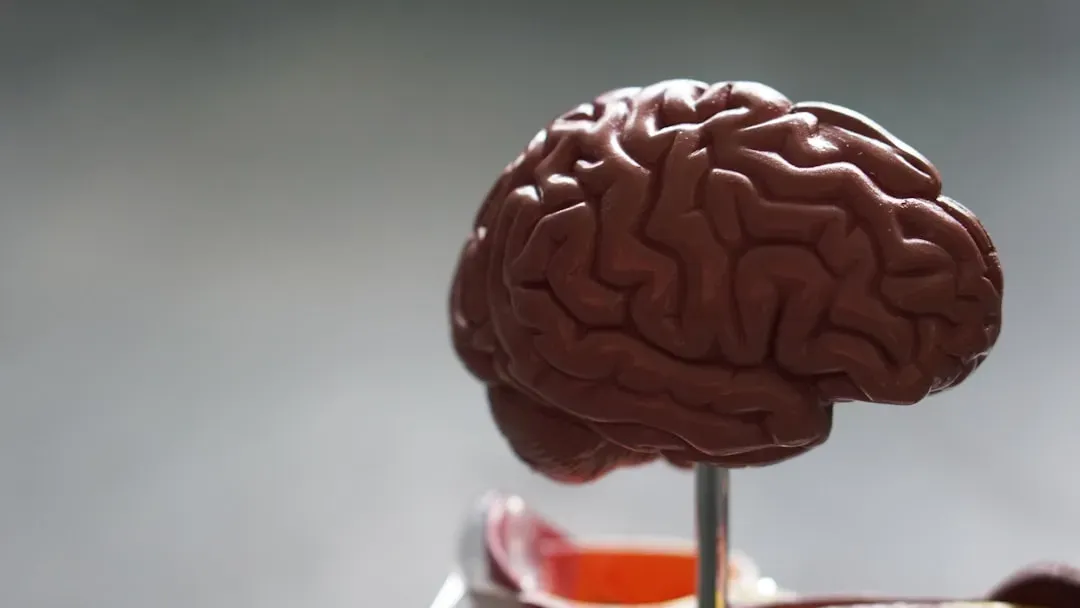
Under normal conditions, the human brain decays incredibly fast after death, leaving no trace by the time archaeologists show up centuries later. Yet in a surprising number of excavations – from ancient Anatolia to Viking‑age Scandinavia and beyond – researchers have found shrunken, rubbery, or spongy clumps of material inside skulls that turn out to be preserved brain tissue. The preservation often depends on unusual burial environments: rapid burial in oxygen‑poor mud, extreme cold, or chemical conditions that stabilize proteins and fats.
There is something deeply uncanny about the idea that parts of someone’s thoughts, memories, and personality – at least in a physical sense – are still there thousands of years later. These brains have become scientific goldmines, offering clues about disease, diet, and even possible trauma or neurological conditions. For me, they are arguably weirder than mummies or bog bodies because they are so unexpected. We expect bones, sometimes skin, but a preserved brain feels like the past whispering back in a language we are only just learning to decode.
10. The Copper Scroll: A Treasure Map Etched in Metal
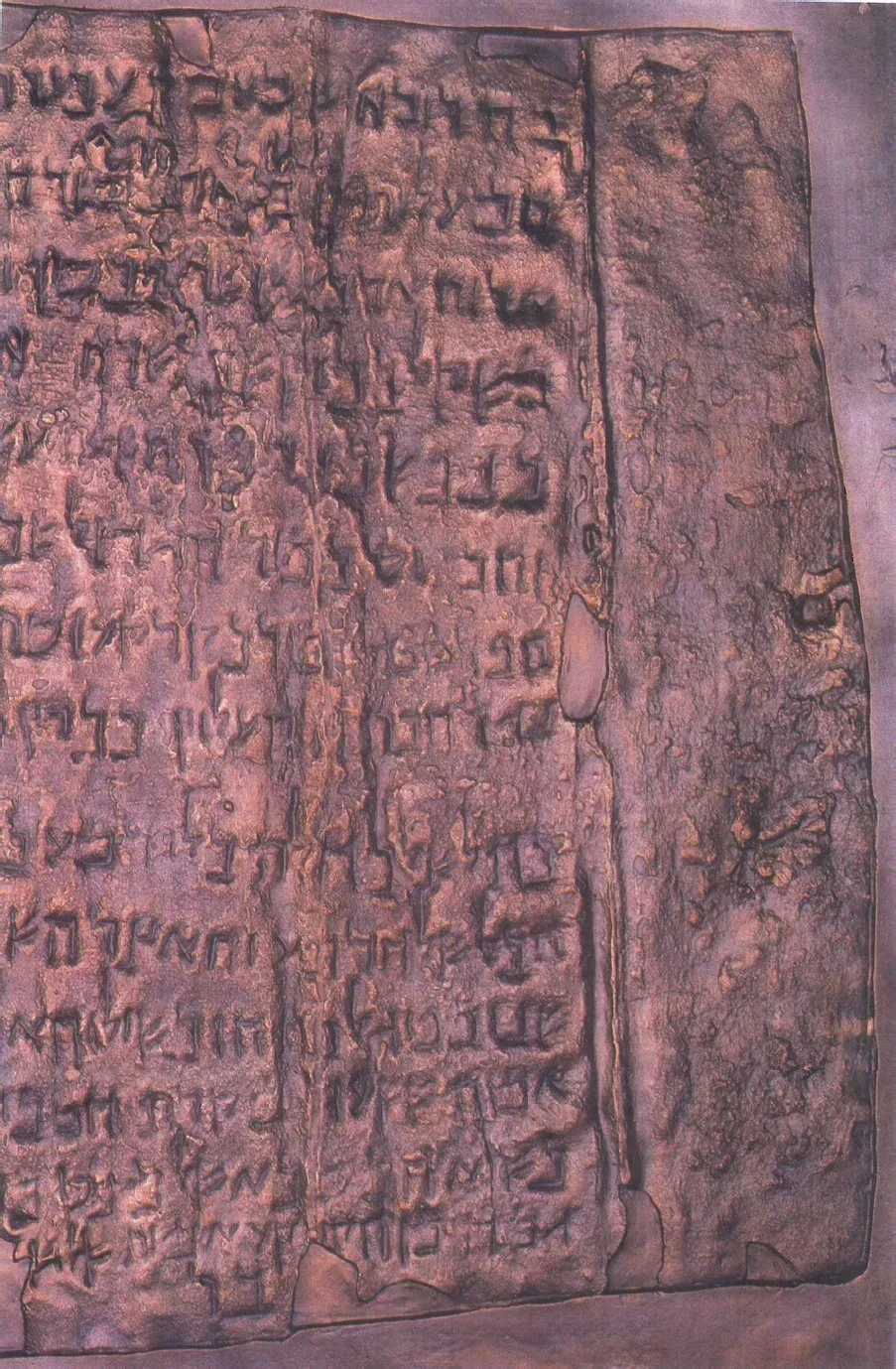
Among the famous Dead Sea Scrolls, mostly written on parchment, there is one outlier: a long, rolled sheet of copper, so brittle it had to be cut into sections to be opened. Instead of religious or legal texts, it lists what appears to be dozens of hidden treasure deposits – gold, silver, and sacred objects – buried at various locations, many described in maddeningly vague terms. It reads less like scripture and more like a cryptic shopping list for a treasure hunt set sometime around the first century CE.
The weirdness comes from the collision of genres: part religious context, part almost adventure‑novel plot device. Scholars still argue over how literal it is, whether any of the treasure was ever actually buried, or if it was already removed long before modern researchers even saw the scroll. Personally, I doubt there is still a fortune waiting for someone with a metal detector, but that is not really the point. The Copper Scroll shows that even in intensely religious communities, people thought about wealth, security, and secrecy in very concrete ways. It is a reminder that piety and practical concerns often sat side by side.
11. The “Lead Codices” Controversy
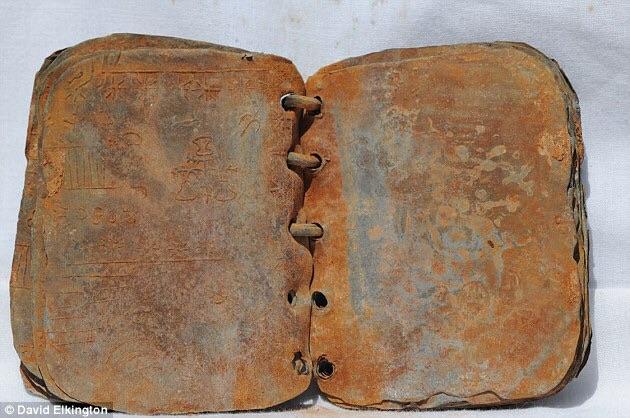
A few years ago, a collection of small lead books – each made of metal plates bound like a codex and covered in symbols and inscriptions – surfaced with claims that they were early Christian texts from the first centuries CE. The story was wild: sealed in a cave, using imagery that seemed both Jewish and early Christian, and hinting at lost strands of religious history. Photos spread quickly online, and some headlines treated them as potential game‑changers for understanding the roots of Christianity.
Then came the more careful work: metallurgical tests, inscription analysis, stylistic comparisons. Many experts raised serious doubts, pointing to inconsistencies and signs that at least part of the collection was modern fabrication or heavily “enhanced.” To me, the weirdest part is not the objects themselves, but the way hope, money, and mystery swirl together whenever something promises to rewrite religious history. The lead codices saga is a warning that in archaeology, extraordinary claims need brutally careful checking. The past is already fascinating enough without us forcing it to be sensational.
12. Skeletons Buried Face Down, With Hands Tied
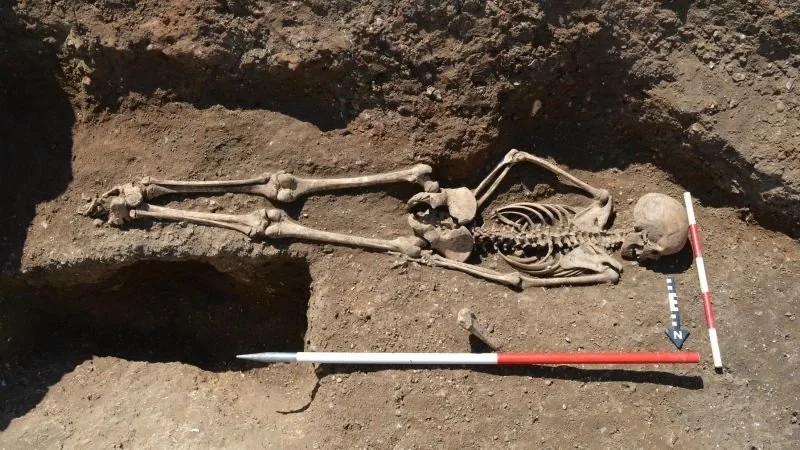
Scattered across Europe and beyond, archaeologists sometimes uncover burials that clearly break the norm: bodies laid face down, hands bound behind the back, sometimes outside formal cemeteries or thrown into pits. These prone burials often come from periods of social stress – plague years, political upheaval, or shifting religious rules – and they shout that something about these individuals was seen as deeply problematic. They might have been executed criminals, social outcasts, prisoners, or simply victims of fear‑driven rumor.
I find these graves haunting because they show how burial position can be a punishment that continues beyond death. While most of the community got oriented respectfully toward the sacred, these people were denied that comfort, literally turned away. It is tempting to romanticize them as misunderstood rebels or scapegoats, but the reality is probably more complicated and uneven, just like modern justice systems. What they definitely prove is that the line between “honorable” and “shameful” in the past was policed right down to how your body hit the ground.
Conclusion: The Past Is Stranger Than Our Myths About It
Looking across these discoveries, the thing that jumps out is not just how weird they are individually, but how normal that weirdness clearly was to the people who created it. Vampire burials, skull cups, treasure scrolls, and mechanical “computers” were all logical responses to the problems and beliefs of their time. From the inside, these actions made sense; it is only from our twenty‑first‑century vantage point that they look like scenes from a surreal film. In my opinion, the biggest mistake we make is assuming we are less strange than our ancestors. Give it a few thousand years, and our own habits – smartphones in coffins, plastic everywhere, elaborate social media memorials – will look just as baffling.
If anything, these finds argue that humans have always mixed fear, creativity, violence, care, and curiosity in messy, surprising ways. Archaeology does not just give us artifacts; it gives us uncomfortable mirrors. The past was not a tidy prologue to us, but a wild, experimental lab of human behavior, full of ideas that flared up and vanished. The more we dig, the more obvious it becomes that weirdness is not an exception but a constant feature of our species. When you hear about the next bizarre discovery, maybe the real question is not “How could they do that?” but “What about our own world will someday seem just as impossible?”