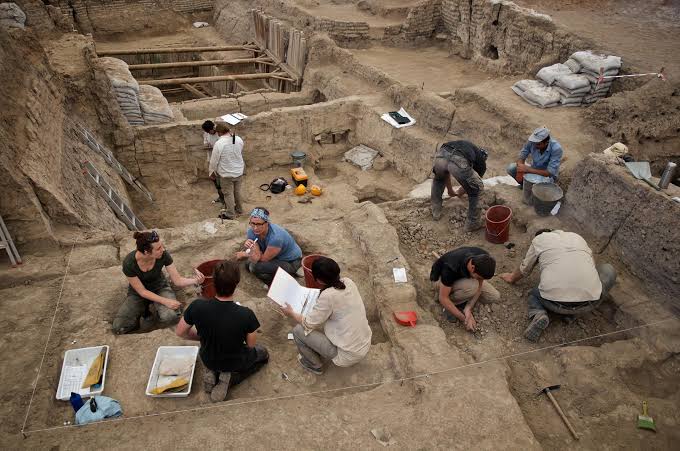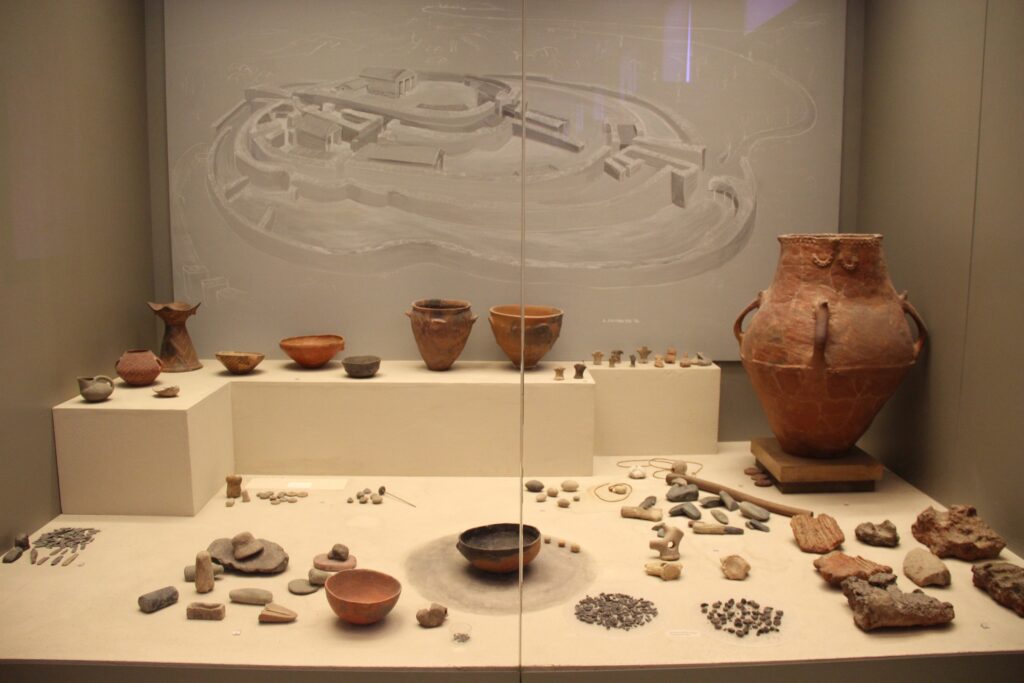
Every so often, an archaeological discovery hits the headlines with a dramatic claim: an object that supposedly should not exist in the layer where it was found. These “out-of-place artifacts” get wrapped in stories about time travel, lost super–civilizations, or secret ancient technologies. They are irresistible because they poke right at the edges of what we think we know about history, and they force us to ask a quietly terrifying question: what if our timeline is wrong?
Most of the time, the answer is far less dramatic and much more human: mislabeling, contamination from later periods, or plain wishful thinking. But buried inside the hype are real puzzles and genuine oddities that deserve a closer, calmer look. Let’s walk through twelve of the most discussed cases where objects were claimed to be made from materials or using technology that supposedly did not exist for their assigned period – and see what really holds up, what crumbles, and where the mystery genuinely remains.
The Antikythera Mechanism: A Bronze Computer Centuries Ahead of Its Time
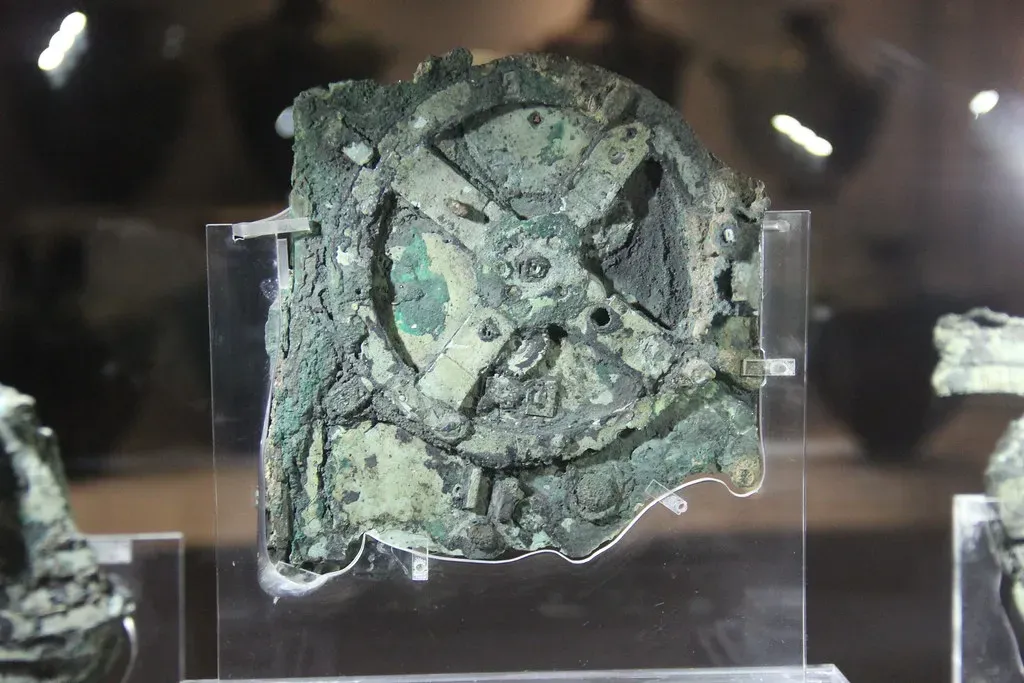
If there is one archaeological find that honestly feels like it should not exist, it is the Antikythera mechanism. Pulled from a first‑century BCE shipwreck off the Greek island of Antikythera, this corroded lump of bronze turned out, under X‑rays and CT scans, to be an insanely complex gearwork device. It models the motions of the sun, moon, and planets, predicts eclipses, and tracks ancient games calendars using dozens of precision‑cut bronze gears packed into a wooden box.
For a long time, historians thought gearwork of that sophistication did not appear until many centuries later in medieval clockmaking. The mechanism forces us to admit that at least some ancient Greek engineers had mastery of precision metalworking and mathematical astronomy that rivals early modern Europe. It does not prove a forgotten super‑civilization or alien engineers – but it absolutely shatters the lazy idea that ancient tech followed a smooth, simple upward curve. In this case, the “wrong technology in the wrong layer” is real, but it expands our respect for Hellenistic science rather than overturning physics.
Roman Concrete Harbor Structures That Still Outperform Modern Mixes

When divers and archaeologists studied ancient Roman harbor structures, they ran into a different kind of “this should not be possible” moment. These massive maritime installations, set in seawater nearly two thousand years ago, are in many places stronger and more chemically stable than some modern concrete. The twist is that the Romans were using lime, volcanic ash, and seawater to create a mix that actually gains strength over time as new crystals form within it.
From a modern point of view, it looks like advanced materials science hiding in plain sight in layers dated to the Roman Republic and Empire, long before formal chemistry. But when you zoom in, the story is grounded: centuries of trial and error with local volcanic materials led to a remarkably durable recipe. The “technology that did not exist” is really a lost art whose underlying science we are only now fully nailing down. It is a reminder that sophisticated material performance can come from empirical craft just as much as from equations on a whiteboard.
Ultra‑Fine Neolithic and Bronze Age Stone Drilling in Hard Rock
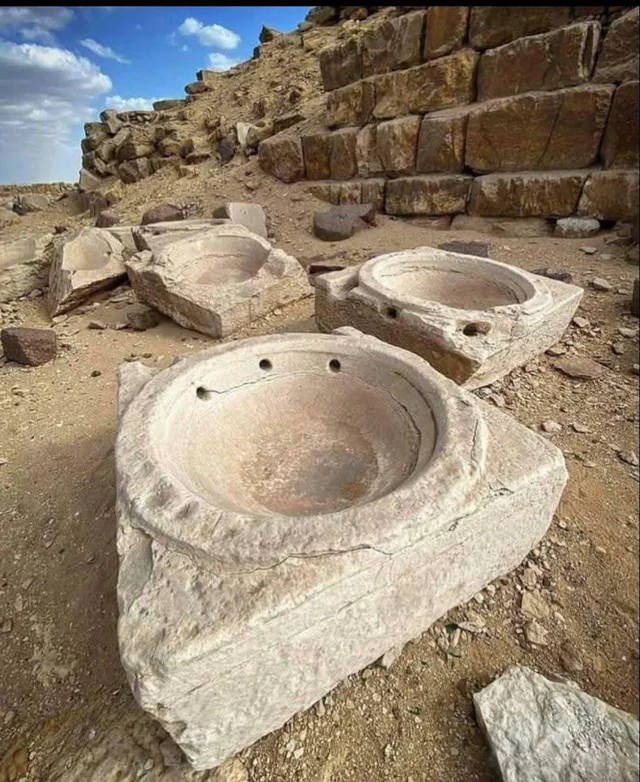
Archaeologists studying ancient stonework in places like Egypt and the Levant have documented extremely fine drill holes and smooth bores in hard stones such as granite, diorite, and quartzite. To a modern eye, some of these cuts and tubular drill marks look like they could have been made with powered machine tools. The shock comes from finding such precision in layers that clearly predate iron tools, let alone steel drill bits or industrial machinery.
Experimental archaeology has shown that with copper tubes, stone or sand abrasives, and a lot of patience, ancient craftspeople could achieve surprisingly straight, clean holes and polished surfaces. The technology looks advanced because we underestimate what skilled workers can do with simple tools over long periods of time. Rather than electric drills hiding in a prehistoric toolbox, the evidence points to relentless refinement of manual techniques that can mimic the finish of much later industrial methods when you see only the final result.
High‑Carbon “Crucible” Steels Long Before Modern Metallurgy
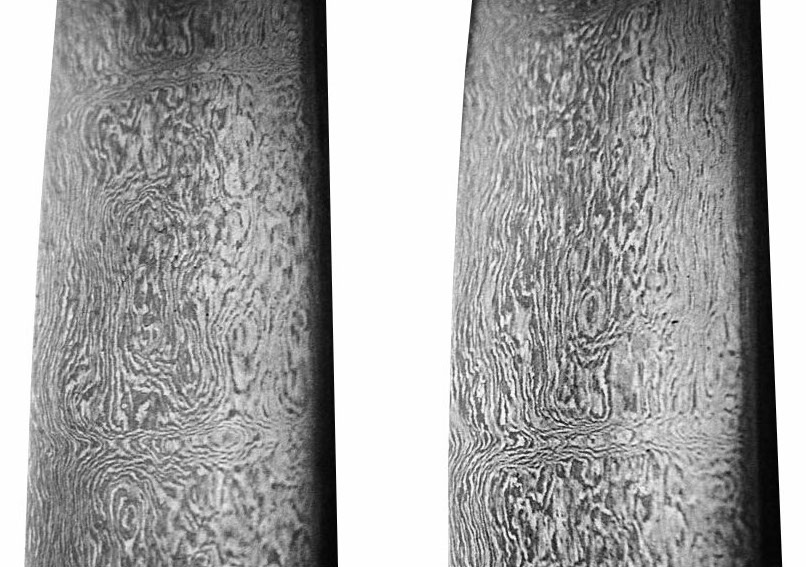
In several parts of Eurasia, archaeologists have found iron artifacts from early historical periods showing carbon content and microstructures that look startlingly like later high‑carbon or crucible steels. Some early Indian and Central Asian steels, for example, exhibit a level of control over carbon and impurities that seems far ahead of the conventional story we tell about ancient blacksmithing. In the ground, these objects sit in layers well before the rise of blast furnaces and modern steelmaking science.
The catch is that these advanced steels were rare, expensive, and produced by empirical recipes that were closely guarded and not widely disseminated. They were not mass‑production technologies, but niche, high‑status materials. When we look back, they can feel anachronistic – like glimpses of industrial‑age metallurgy dropped into Iron Age contexts. What they really show is that people with furnaces, good ore, and time to experiment can accidentally stumble onto remarkably advanced material properties long before they can write the equations to explain them.
Ancient Glass with Surprising Optical and Chemical Sophistication

Burial sites and shipwrecks have yielded glass artifacts whose optical quality or chemical composition occasionally seem far more “modern” than their context would suggest. Very clear, colorless glass or pieces with carefully tuned color effects have shown up in late Bronze Age and early Iron Age layers that some once assumed were too early for such control. At first glance, it looks like someone dropped Renaissance glassmaking into a much older strata.
Closer analyses, though, paint a more grounded picture. Glassmakers in Egypt, the Near East, and later the Roman world were extremely good at controlling furnace conditions and adding particular minerals to influence color and clarity. They did not have our chemical theory, but they had generations of workshop knowledge. What seems “impossible for the time” is often more a reflection of how we underestimate ancient crafts than a sign that glass chemistry from the future somehow slipped into a tomb or ship cargo.
Calendrical and Astronomical Alignments in Megalithic Sites

From Stonehenge to various megalithic circles and passage graves in Europe and beyond, archaeologists have documented stone arrangements that precisely track solstices, equinoxes, and lunar cycles. For a long time, many people assumed that Neolithic farmers whose main tools were stone axes could not possibly encode such astronomical complexity in their monuments. When you realize that a stone passageway built thousands of years ago channels the sunrise on a particular day with uncanny precision, it can feel like they were “using” geometric or observational techniques that should not have existed in that period.
But again, what looks like high mathematics on the ground can emerge from long‑term observation and careful iteration. If your survival depends on seasons, you have powerful motivation to watch the sky, mark where the sun rises and sets, and adjust stone placements over generations. The “technology” here is not metal instruments or computers but communal memory, observation, and the willingness to drag stones until the alignment is right. That can look implausibly advanced to us because we forget how much patient labor can compensate for a lack of formal tools.
Metal Plating and Surface Treatments Before Industrial Electroplating
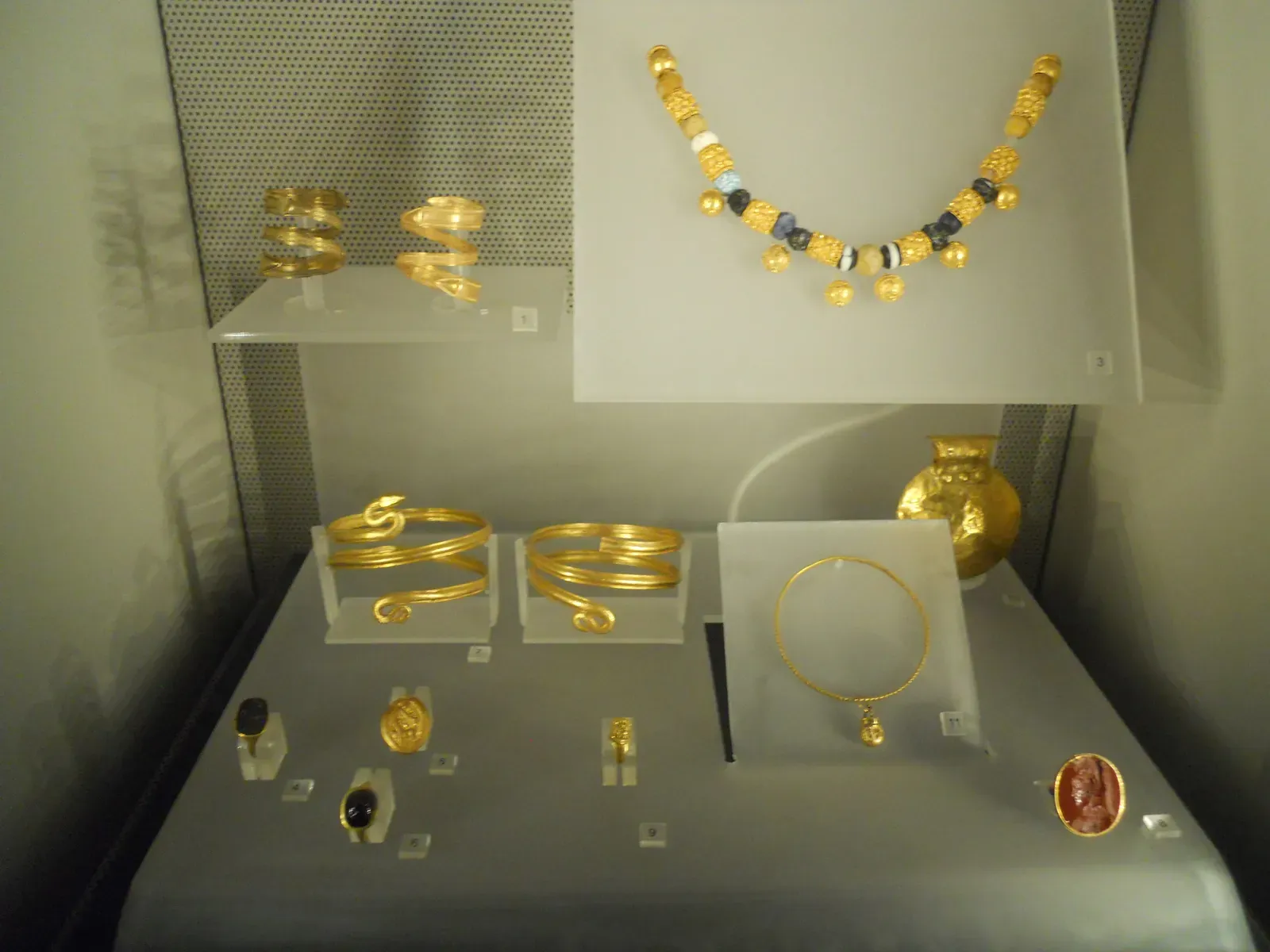
Every few years, a story circulates online about ancient gold‑plated objects supposedly showing evidence of electroplating thousands of years before electricity was understood. Artifacts from Mesopotamia, Mesoamerica, and elsewhere do sometimes show thin metal coatings on base metals that, at first glance, look like something out of a nineteenth‑century factory. The idea that artisans in Bronze Age contexts were using batteries and wires to deposit metal films is obviously intoxicating.
Careful laboratory analysis, though, has consistently found that these coatings can be explained by mechanical methods like hammering on thin foils, mercury gilding, or chemical dips that do not require true electroplating as we define it today. The result can mimic the visual effect of later electroplated goods, which is why the misconception sticks so hard. What you really have is an impressive mastery of surface chemistry and craft, not an anachronistic electrical technology smuggled into ancient layers.
The Baghdad Battery and the Temptation of Ancient Electricity
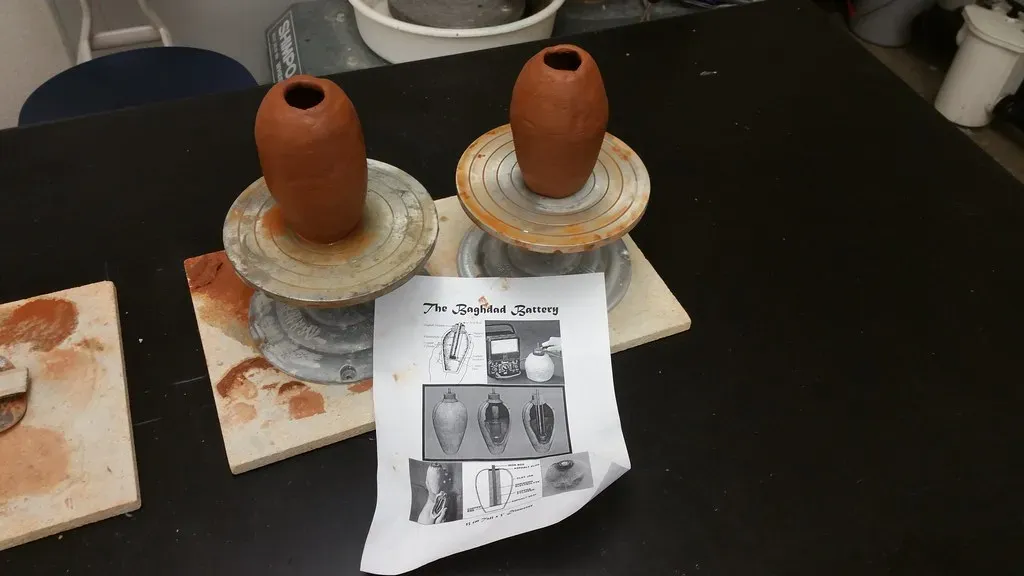
Probably the most famous supposed case of “wrong technology in the wrong layer” is the so‑called Baghdad Battery: ceramic jars with metal components found in Iraq and dated to early centuries CE. Popular books and documentaries have argued that these objects are primitive galvanic cells, implying that people at the time had practical electrical technology long before documented experiments in early modern Europe. It is a compelling narrative, because who doesn’t want ancient electrotherapy or secret workshops plating jewelry with invisible currents?
The unromantic reality is that there is no consensus that these jars were actually used as batteries at all. They make at least as much sense as storage containers, ritual items, or vessels for scrolls and documents. Demonstrations that they can generate small voltages in modern reconstructions prove that the configuration could work as a battery, not that it originally functioned as one. In other words, the material ensemble sits in its layer just fine; it is our desire to see modern tech in ancient contexts that keeps trying to yank it into the future.
Precision Stone Fitting in Andean Architecture
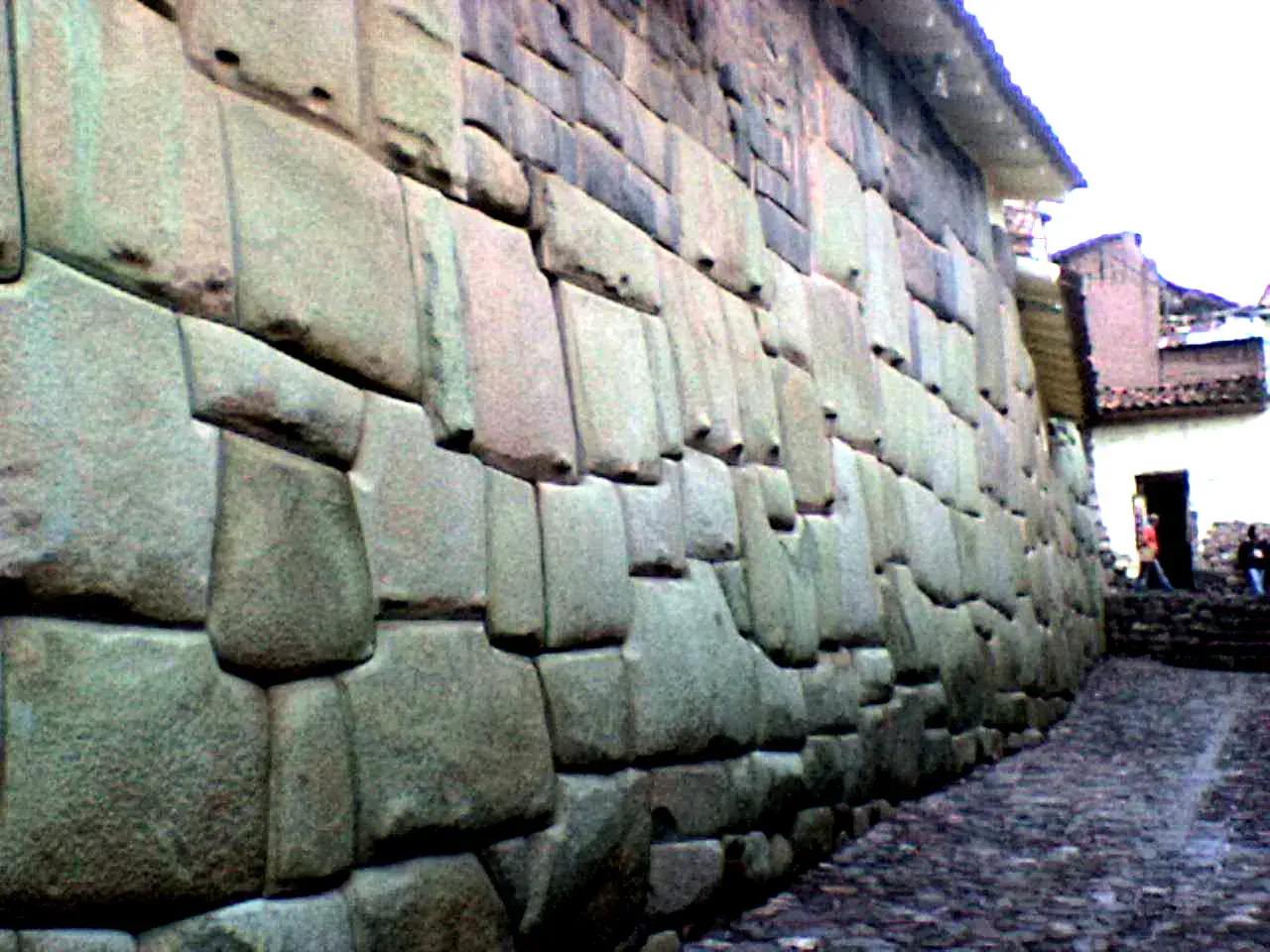
The interlocking stone walls of Inca and other Andean sites look almost unreal when you first see them. Huge blocks cut with irregular faces fit together so perfectly that you can barely slide a knife between them, all without mortar. For people used to thinking that machine tools and steel saws are required for tight tolerances, the idea that these were carved in a pre‑iron context feels almost like a glitch in the historical record.
But between abundant stone resources, long traditions of masonry, and an intense cultural focus on monumental construction, Andean builders had every reason to push their techniques to the limit. Repeated fitting, reworking, and polishing can produce joints that seem impossibly precise when you only see the final form. The stones do not prove that they had power tools that “did not exist” in the period; they prove that human skill, time, and social organization can substitute for a lot of what we now achieve with machinery.
Ancient Gold Alloys with Controlled Properties
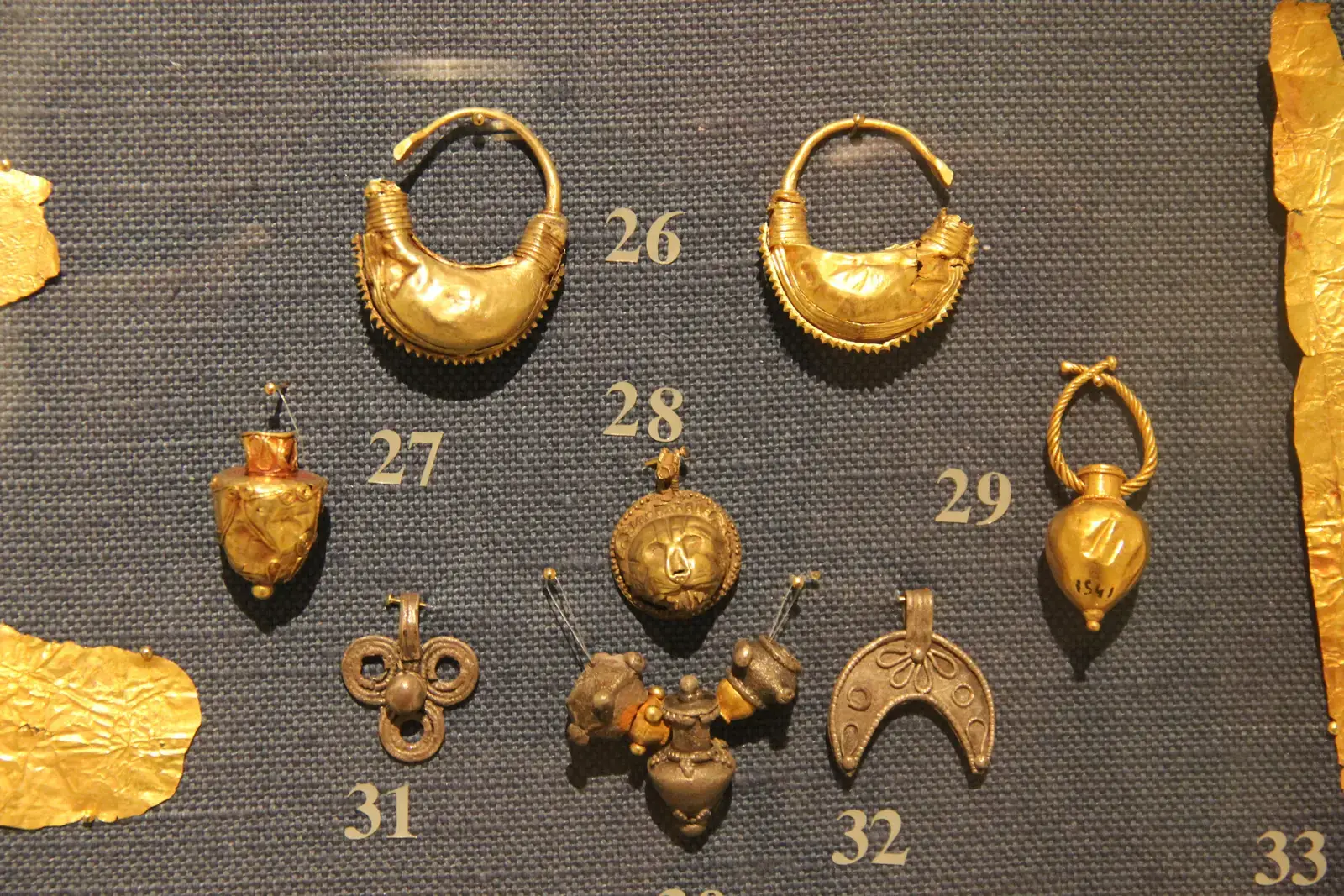
Gold artifacts from various ancient cultures sometimes show alloy compositions that look surprisingly controlled, mixing gold with silver, copper, or other elements to achieve specific colors, hardness, or melting behaviors. When tests reveal an alloy recipe that looks close to something a modern materials lab might design, it is easy to think we are seeing metallurgical knowledge out of its supposed time. After all, when you find a carefully tuned gold alloy in an early Bronze Age burial, it feels like running into a sports car in a horse‑and‑cart neighborhood.
Yet gold is one of the easiest metals to work, and even small changes in its alloying can be visible to the naked eye. Craftspeople did not need to understand phase diagrams to notice that adding a bit more of one metal changed the color or hardness in a useful way. Over generations, such trial‑and‑error recipes harden into workshop traditions. So while the final compositions can look startlingly “modern” under a microscope, the path to them is thoroughly ancient, rooted in touch, sight, and experience rather than advanced scientific theory.
Surprisingly Refined Pigments and Binders in Ancient Paints

Analyses of ancient murals, ceramics, and painted objects have uncovered pigments and binders that seem ahead of their time. Some paints resist degradation remarkably well; others use layered techniques, undercoats, and glazes that manipulate light in ways reminiscent of later oil painting and even some modern coatings. When these are found in layers millennia old, it is tempting to imagine secret labs hidden behind temple walls.
The reality is both less dramatic and more impressive. By grinding minerals, experimenting with organic binders like plant resins, and observing how different mixtures aged in real environments, artists and artisans built a practical chemistry of color that could rival some modern coatings in durability. They were not “using” chemistry that did not exist yet; they were creating it in the only way available to them. The mismatch is not in the layer but in our assumption that good performance always requires modern theory.
Modern Contaminants and Misplaced Artifacts in Older Layers
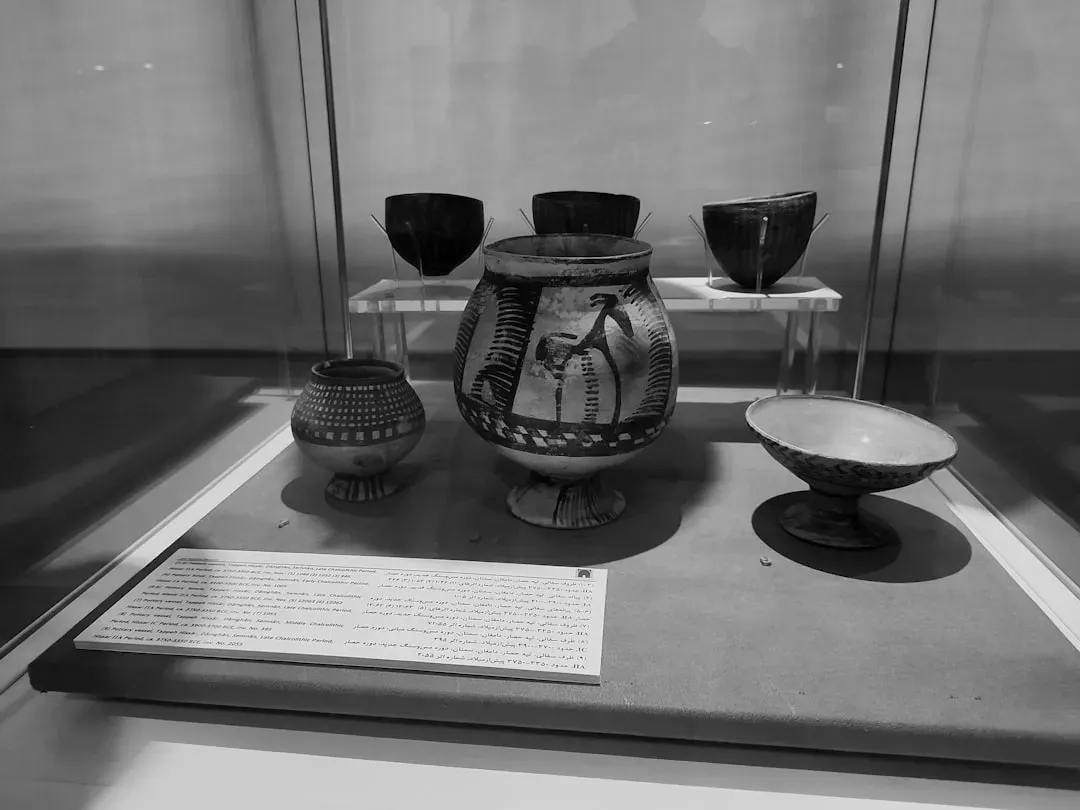
Finally, there is the unglamorous but crucial category: objects that genuinely are from later technologies or materials but only appear to belong to an older layer because of disturbance, contamination, or error. Nails, bits of plastic, and even modern coins have been documented in contexts that, on a quick read, seem thousands of years older. If you stop there, it sounds like proof of time travel. If you dig into the stratigraphy, you usually find burrowing animals, root activity, looting pits, or early digs that mixed layers.
This is where a lot of the most sensational “out-of-place artifact” stories go wrong. A misinterpreted context, a poorly documented excavation, or an object that fell into an older crack can be turned into a viral mystery overnight. Professional archaeologists spend a great deal of time trying to rule out these humdrum explanations before claiming anything dramatic, because they know how easy it is for an impressive object to migrate into the wrong place in the ground. The real technological mismatch in those cases is not in the soil; it is between careful field methods and our appetite for a good story.
Conclusion: Why We Crave Impossible Artifacts – and What They Really Tell Us
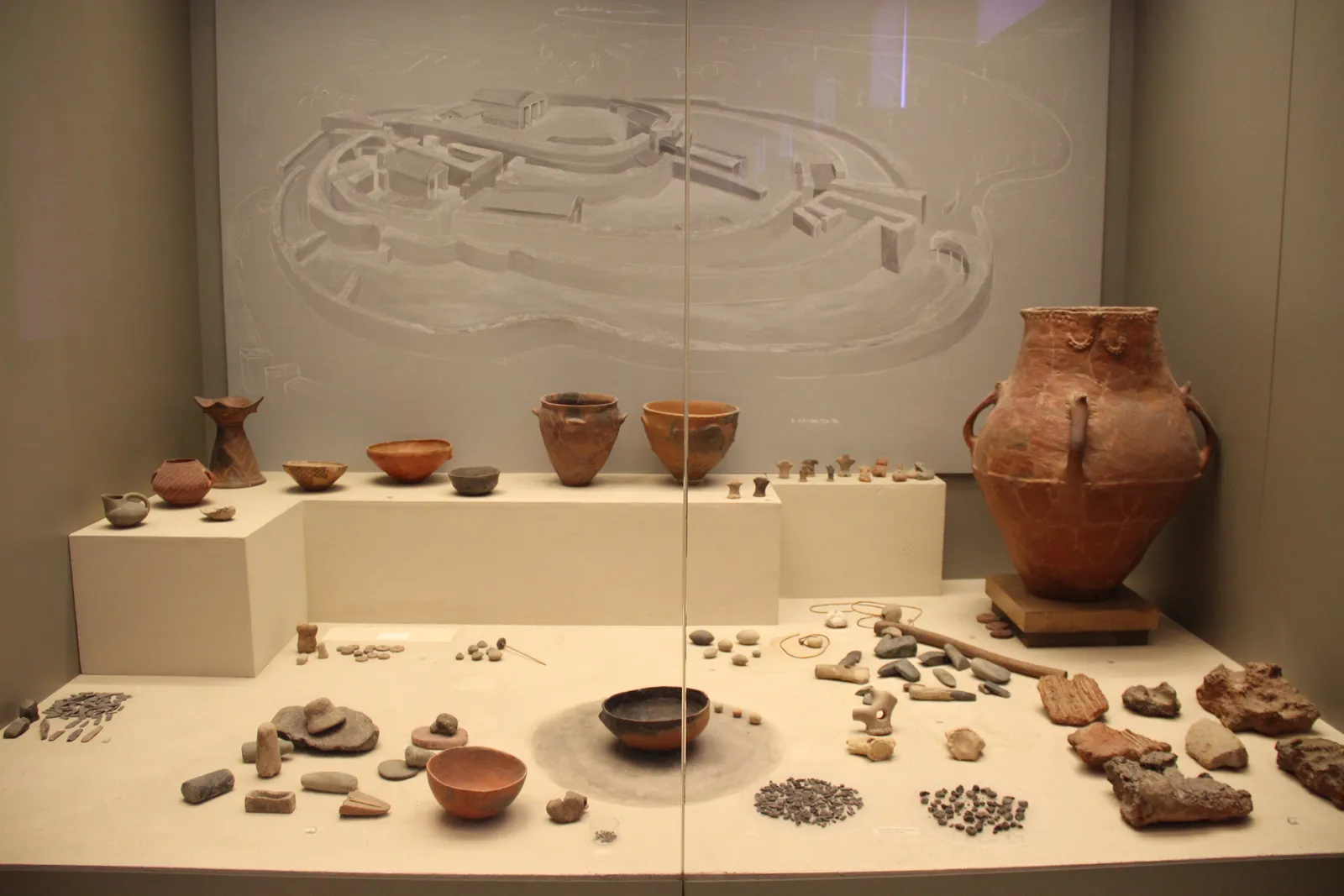
Looking across these twelve cases, a pattern jumps out: whenever we think we have the past neatly mapped, an object or technique pops up that feels like an intruder from the future. It is deeply tempting to reach for the wildest explanation – lost advanced civilizations, secret knowledge, or visitors from somewhere else. But when you sift through the evidence carefully, the supposed “materials or technologies that did not exist” nearly always turn out to be either underestimated ancient skill or later contamination dressed up as mystery. That might sound less romantic, but frankly, I find it more impressive that people with stone tools, charcoal fires, and no written science could still pull off feats that make modern engineers blink.
My own opinion is that these artifacts are a humbling reminder that our ancestors were not primitive placeholders waiting for us to arrive; they were problem‑solvers just as smart as we are, working with different constraints. The real danger is not that we are missing some secret chapter of impossible technology, but that we keep underestimating how far curiosity, patience, and craft can push a given set of tools. The next time you hear about an object “that should not exist,” it is worth asking not only whether the claim holds up, but also what it says about our own need to make the past either dull or magical. Maybe the hard, honest middle ground – where humans are always a bit more ingenious than we expect – is the strangest story of all. What would you have guessed before you looked more closely?