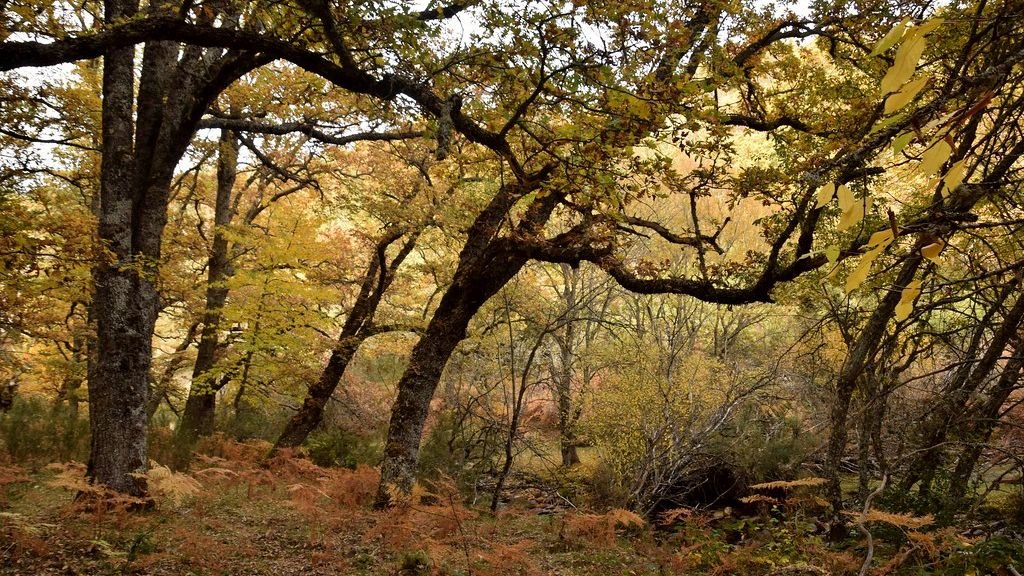

If you’ve ever walked through a forest and felt like something was quietly happening just beneath the surface, you’re not wrong. Plants aren’t the silent, passive beings we once thought they were. They warn their neighbors, call for help, recognize family, and even seem to “remember” stress – all without a brain, a voice, or a nervous system like ours.
Plant communication isn’t magic, and it’s not sci‑fi. It’s chemistry, physics, and ecology working together in surprisingly sophisticated ways. Once you understand how plants send messages above and below ground, a garden or woodland walk suddenly feels very different – more like stepping into a crowded room full of whispered conversations. Let’s dive into some of the most astonishing ways plants “talk” to each other.
1. Scented SOS: Warning Signals Through the Air
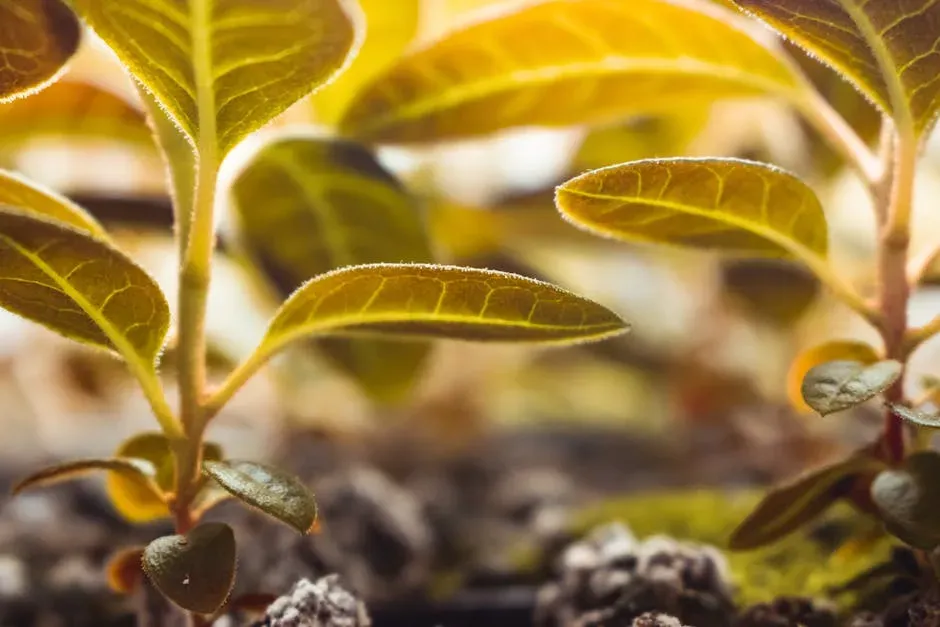
Imagine a leaf being chewed by a caterpillar and the whole plant responding as if an alarm siren just went off. When attacked, many plants release special airborne chemicals called volatile organic compounds that drift through the air and can be detected by nearby plants. Those neighbors, even if they’re not yet under attack, sometimes respond by boosting their own defenses in advance.
This is a bit like smelling smoke before seeing a fire and deciding to move your valuables. For example, some trees increase bitter or toxic compounds in their leaves after catching these airborne cues from damaged neighbors. It’s not perfect mind reading, but it’s a kind of neighborhood alert system that gives other plants a head start in the battle against insects and diseases.
2. Underground Networks: The “Wood Wide Web” of Fungi
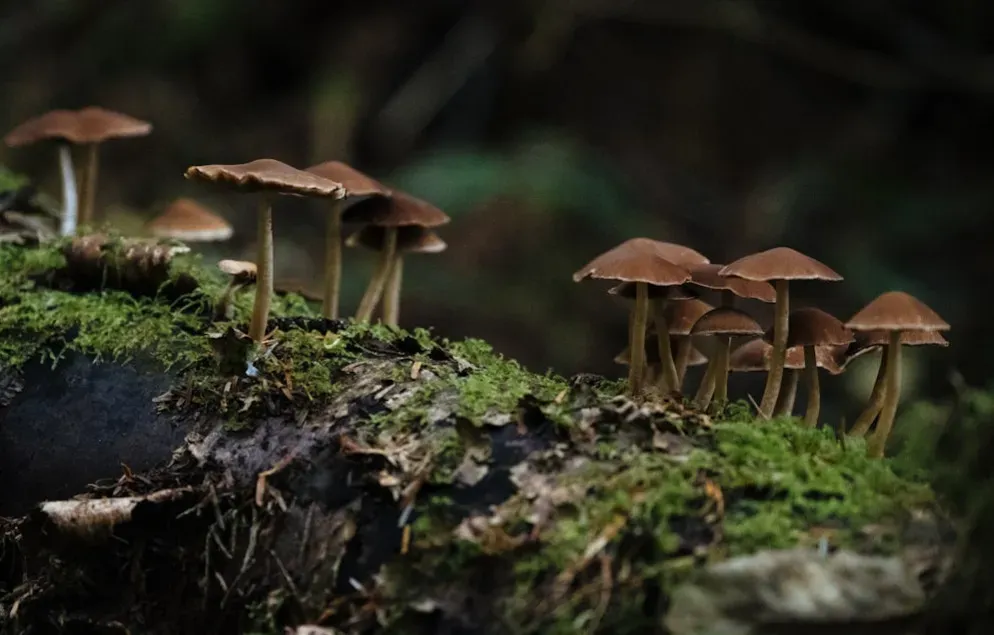
Beneath our feet, vast networks of fungi form intimate connections with plant roots, creating what scientists often call mycorrhizal networks. Through these underground fungal threads, plants can share nutrients like nitrogen and phosphorus, but also transfer chemical signals. When one plant is stressed, changes in the flow of sugars and signaling molecules can ripple across the network to others.
This doesn’t mean forests have a single mastermind, but they do behave more like a connected community than a collection of isolated individuals. For instance, seedlings growing in the shade sometimes receive extra carbon from larger, established trees via these fungal links. To me, that feels oddly like a forest version of social welfare – not sentimental, just a brutally smart survival strategy that keeps the whole system more stable.
3. Root Gossip: Chemical Messages in the Soil
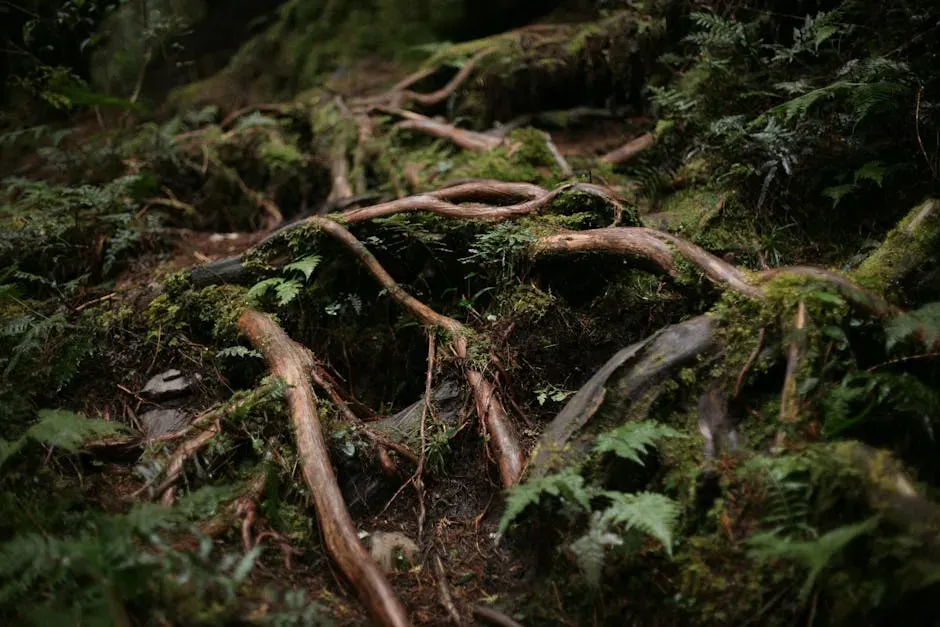
Even without fungal partners, plant roots constantly release a cocktail of chemicals into the soil, known as root exudates. These substances can influence other plants nearby by triggering changes in growth, defense, or even germination. In some cases, a plant under attack by pests sends warning molecules into the soil that cause its neighbors to reinforce their own defenses.
Think of it as gossip spreading through a small town, but instead of words, it’s molecules drifting through microscopic water films between soil particles. Some plants use these chemical messages more aggressively, releasing compounds that stunt the growth of competitors. Communication, in other words, isn’t always friendly – sometimes it’s strategic, territorial, and brutally competitive.
4. Herbal Allies: Calling in Bodyguards With Scents
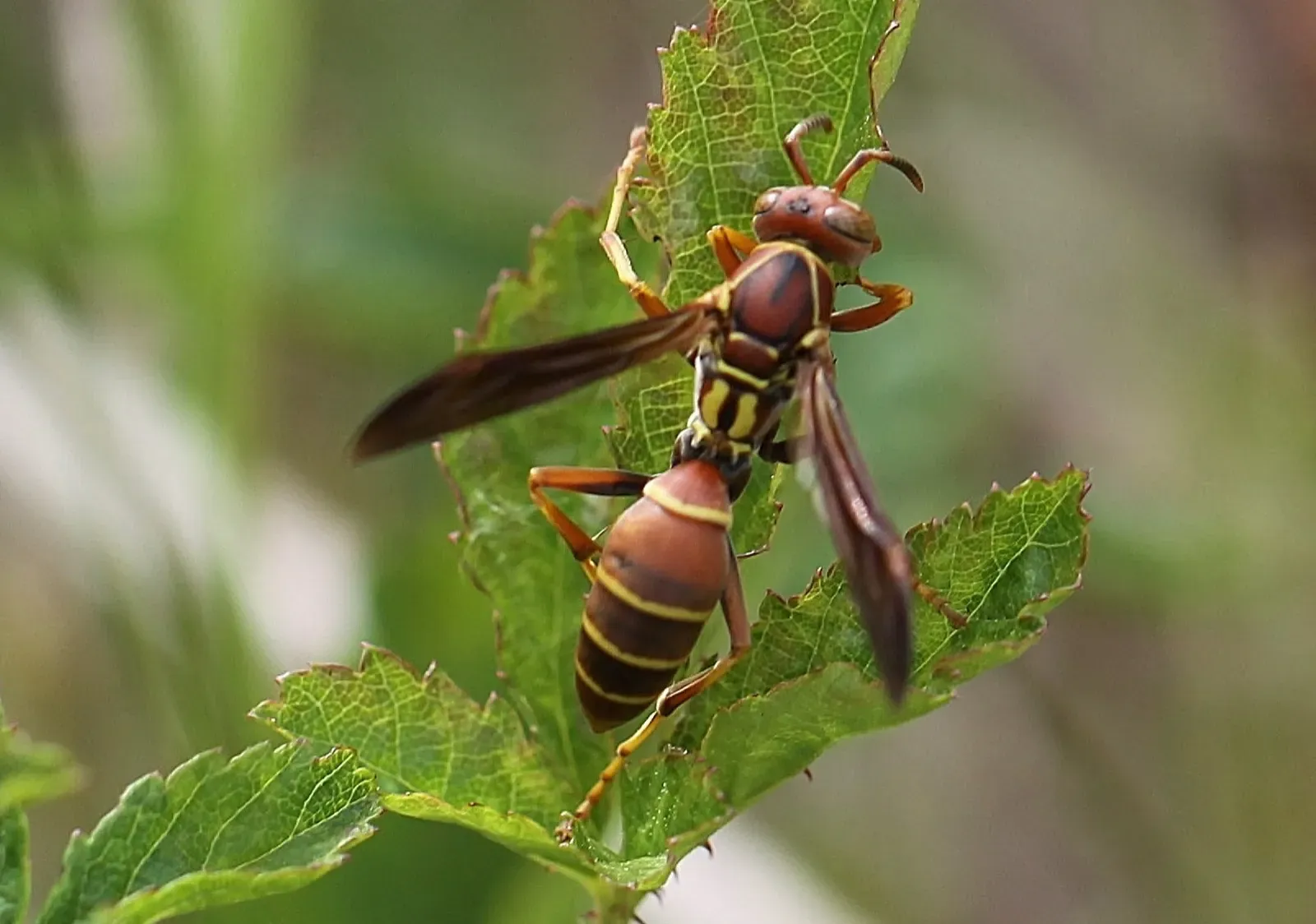
One of the most dramatic forms of plant “communication” is when a plant under attack calls for backup from animals. When herbivores chew their leaves, certain plants emit smells that attract predators or parasites of those herbivores, like tiny wasps that lay eggs in caterpillars. The plant doesn’t control the animals directly; it simply sends a chemical shout that says, in effect, “Food over here!”
This three-way conversation between plant, pest, and predator turns the plant into a surprisingly savvy strategist. From an evolutionary perspective, plants that were better at attracting protective insects had a higher chance of surviving and passing on that trait. As a gardener, once you realize this is happening, you stop seeing flowers and leaves as static decoration and start seeing them as active players in a quiet war zone.
5. Chemical Camouflage and Decoys
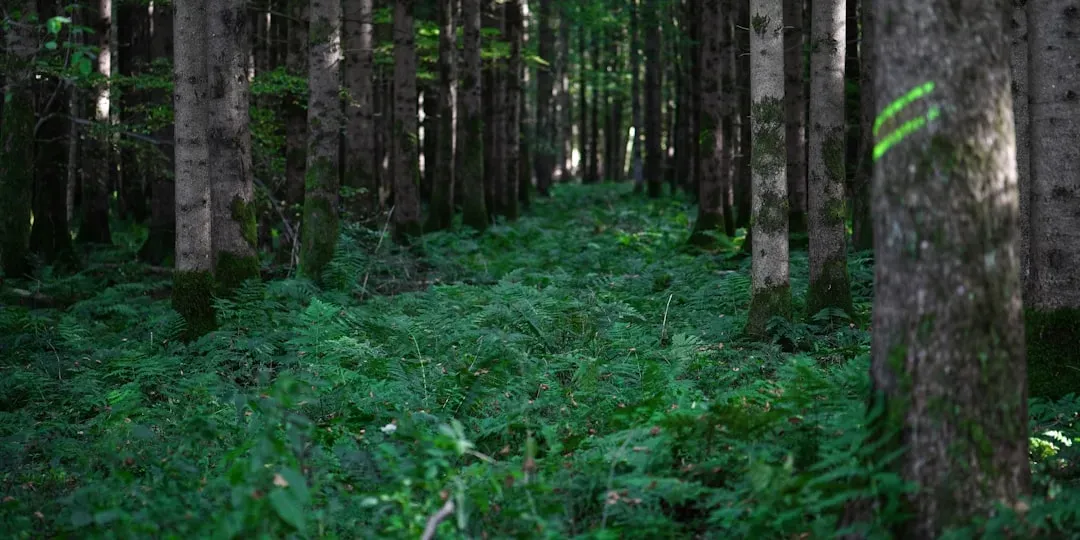
Plants can also “speak” in code by changing their scent profile to confuse or redirect hungry animals. Some species, when attacked, alter their smell to resemble less appealing plants, making them harder to find or less attractive to insects. Others shift their chemistry in a way that misleads pests into preferring a different host nearby, effectively sacrificing a decoy.
This tactic is like changing your clothes in a crowd so the pickpocket targets someone else. Although we usually think of communication as cooperation, here it’s more like trickery. These shifting signals remind us that in nature, information isn’t just about truth; it’s about survival. If a misleading chemical message keeps a plant alive long enough to set seed, evolution will happily keep that “lie” in the family toolkit.
6. Family Recognition and Favoritism

Surprisingly, some plants seem able to distinguish between close relatives and unrelated neighbors using chemical cues, especially through roots. Experiments have found that certain species grow differently when surrounded by siblings compared to strangers, often competing less aggressively with their own kin. They may reduce root spread or alter nutrient uptake patterns to avoid starving their relatives.
It’s not affection in the human sense, but it has a similar outcome: shared genes get a better chance of surviving. I remember the first time I read about this, it felt almost unsettling, like plants were quietly running their own version of family politics below ground. This subtle favoritism shows that plant communication isn’t just about dealing with enemies; it also shapes how they coexist with their closest allies.
7. Light Conversations: Reading Shadows and Reflections

Plants constantly “read” the light around them, picking up signals from the way light bounces off neighbors. When a plant detects more of the red‑shifted light that comes through leaves, it senses crowding and often responds by stretching taller or changing leaf angles. This is a form of communication through physics rather than chemistry, with light acting like a silent broadcast channel.
In a crowded field, these light cues can set off a kind of growth race, where each plant tries to outgrow the others to reach sunlight. At the same time, some plants moderate this race to avoid wasting too much energy, especially when growing with close kin. It’s a subtle negotiation, written in photons, where every stem is both a receiver and a loud, leafy transmitter.
8. Defense Priming and Plant “Memory”
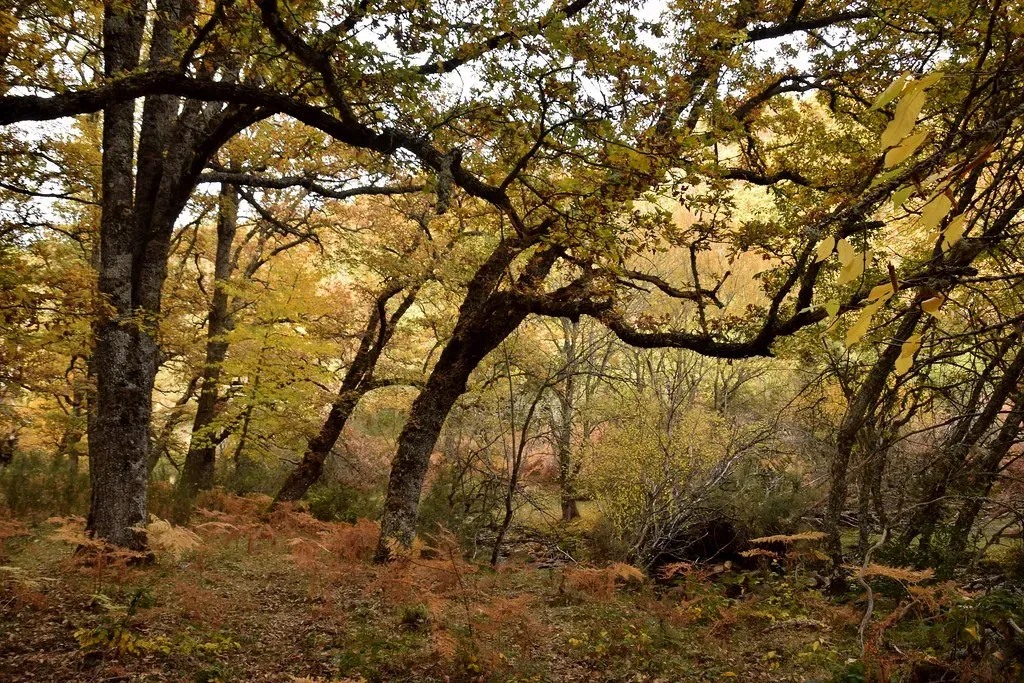
When a plant survives stress – like an insect attack or a disease – it often changes its internal chemistry in ways that make it respond faster to the next threat. This phenomenon, sometimes called priming, can also influence nearby plants if chemical signals spread through air or soil. Neighboring plants “hear” the warning and shift into a heightened state of readiness.
This isn’t memory in the human sense, but it’s a kind of physiological bookmark that says, “This happened before; react quickly next time.” In some cases, seeds from stressed parents grow into offspring that are better prepared for similar conditions. That means plant communication can echo across generations, leaving a faint imprint of past danger in the very bodies of future plants.
9. Battling Neighbors: Chemical Warfare as a Message

Not all communication is collaborative; some of it is outright warfare. Certain plants release chemicals into the soil that inhibit the growth or germination of competing species nearby, a strategy known as allelopathy. The message is blunt: “This space is taken. Grow somewhere else.” From the plant’s perspective, fewer neighbors means more water, light, and nutrients for itself.
To us, that might sound harsh, but in a resource‑limited world it’s brutally effective. Some invasive species succeed partly because their chemical weapons are unfamiliar to local plants, which haven’t evolved ways to cope with or interpret those signals. In a sense, they’re speaking a toxic language the neighbors don’t yet understand, and that misunderstanding can completely reshape entire landscapes.
10. Electrical Pulses: Silent Internal Signaling

Inside their tissues, plants generate tiny electrical signals that travel along cells, particularly in response to damage or sudden changes in light. These electrical pulses can trigger rapid shifts in hormone levels and defense responses throughout the plant, almost like a slow-motion version of a nervous system. While this signaling is mostly internal, it often leads to the release of external chemical messages that neighbors can detect.
If you think that sounds eerie, you’re not alone – it blurs the line between what we consider “simple” and “complex” life. I once watched a time‑lapse of a plant closing its leaves after repeated touch stimuli, and knowing that electrical changes were driving that behavior made it feel weirdly alive in a new way. These internal messages remind us that plant communication doesn’t just happen between individuals; it also knits together each plant’s own body into a coherent whole.
11. Flower and Fruit Signals to Shape the Neighborhood
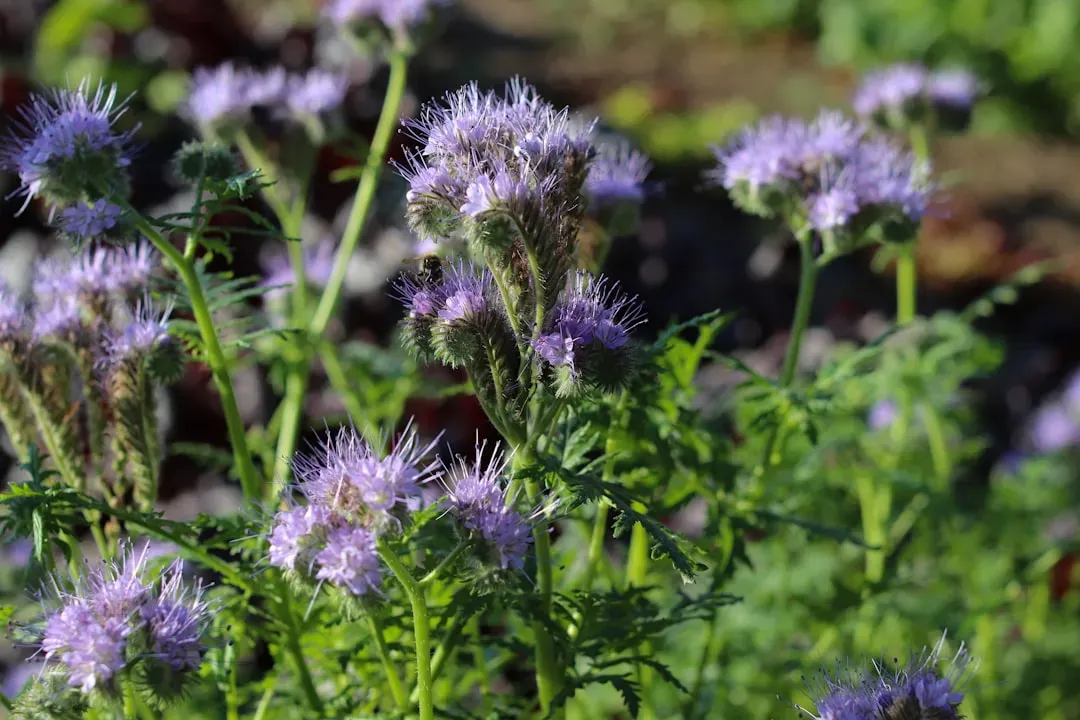
Flowers and fruits are not just pretty decorations; they’re coded messages aimed mostly at animals, but they can shape plant communities too. Color, scent, and even timing of blooming send clear signals to pollinators and seed dispersers about where to go. When many plants in a region coordinate flowering times, they can collectively attract more animals and improve reproduction for the entire group.
This cooperative timing, sometimes called mass flowering or masting, can also overwhelm seed‑eating animals so that at least some seeds escape and grow. Nearby plants of different species can indirectly influence each other through these shared animal partners, changing which plants successfully reproduce. It’s a complex conversation where plants “speak” with petals and nectar, and the responses are carried away on wings and fur.
12. Stress Signals in Drought and Crowded Cities
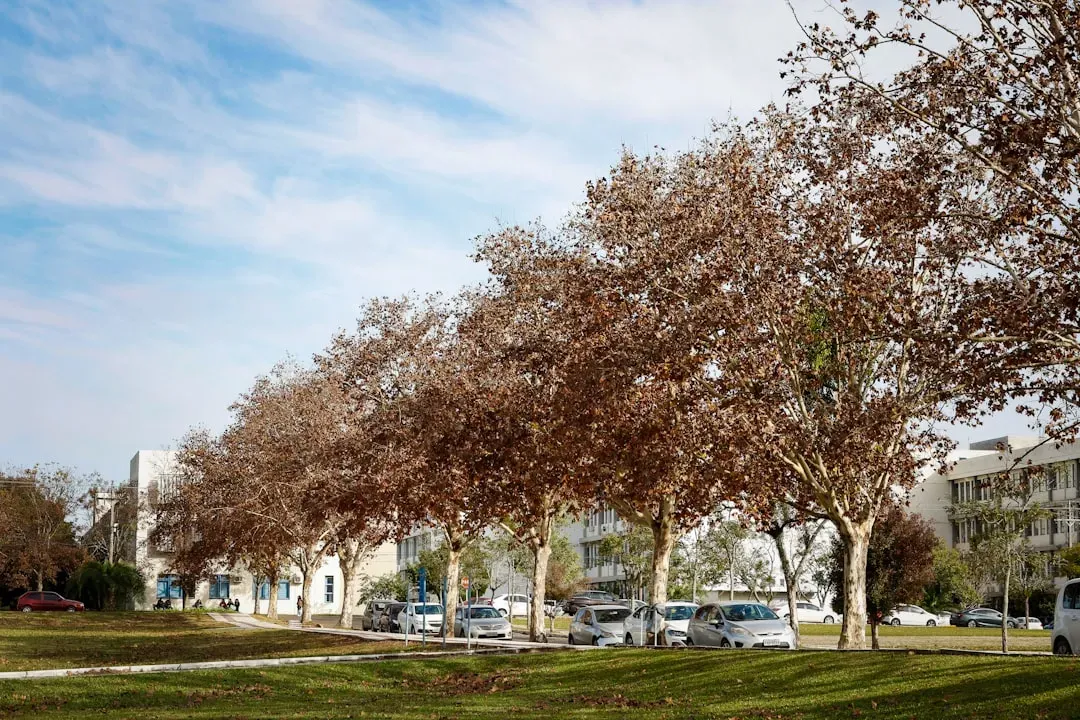
In times of drought, heat, or pollution, plants don’t just suffer in silence; they alter the mix of chemicals they release above and below ground. These stress signals can alert neighboring plants to change how they use water, adjust leaf openings, or shift growth patterns to survive. In forests and even in city parks, this can create pockets of shared resilience, where groups of plants weather harsh conditions better together than alone.
Urban trees, for example, often face compacted soils, heat, and limited water, yet studies suggest they still form partnerships with fungi and respond to each other’s chemical cues. The idea that a street tree might quietly warn its neighbor about a wave of insect attacks makes me see sidewalks differently. Even in a concrete jungle, there’s a hidden conversation unfolding in the cracks and planter boxes.
Conclusion: Listening In on the Green Conversations Around Us

Once you realize how many channels plants use to communicate – scents on the wind, chemicals in the soil, fungal networks, light cues, and even electrical pulses – the idea of a silent forest or garden starts to feel outdated. These green conversations are not mystical; they’re the result of millions of years of evolution fine‑tuning ways to survive, cooperate, compete, and adapt. We are only just beginning to decode the full complexity of these signals, and each new discovery makes plant life look less like background scenery and more like a dynamic, responsive community.
The next time you pass a hedge, a houseplant, or a patch of weeds between paving stones, it might be worth pausing for a second and imagining the invisible messages zipping back and forth. They may not think or speak like we do, but they’re certainly not oblivious. If plants are holding these intricate, constant conversations all around us, the real question is: how much more is happening in nature that we still don’t know how to hear?