
Every now and then, science drops a theory so powerful that it doesn’t just tweak a few details – it flips the whole mental map of reality. The world stays physically the same, but suddenly we see it with new eyes, like someone turned on a light in a room we didn’t realize was dim. These theories can feel unsettling at first; they challenge our place in the universe, our sense of certainty, and even our understanding of time and space.
What makes these ideas so gripping is that they’re not just clever thoughts on paper. They survive brutal testing, awkward data, and decades of skepticism. And once they stick, they quietly reshape everything from technology to philosophy to how we talk about ourselves over coffee. Let’s walk through six scientific theories that didn’t just advance science, but permanently changed what it means to live in this universe.
1. Heliocentrism: Realizing We’re Not the Center of the Universe
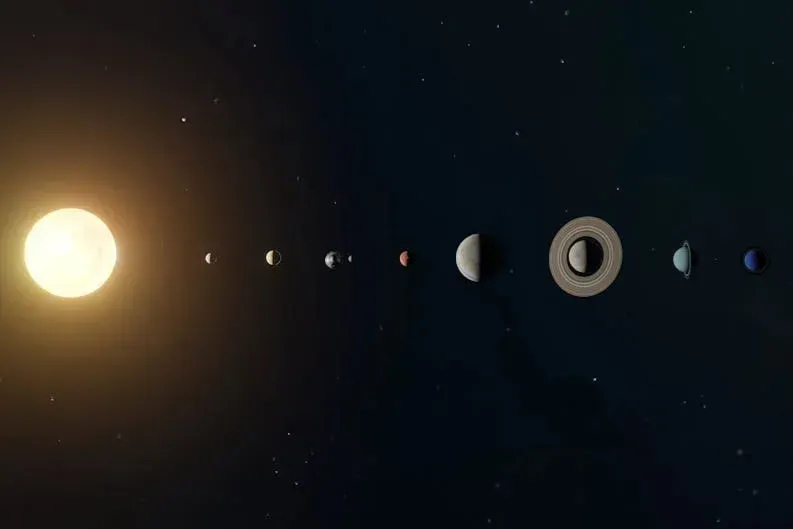
Imagine waking up one day and being told that everything you’ve been taught about your place in the cosmos is upside down. That’s basically what heliocentrism did. For centuries, many cultures thought Earth sat at the center of everything, with the Sun and planets dutifully orbiting us like cosmic background actors. Then observations of planetary motion, especially the strange looping paths of Mars, pushed astronomers to a radical conclusion: the Sun is near the center of the solar system, and Earth is just one planet circling it.
This wasn’t just a technical adjustment to the night-sky model. It was a psychological earthquake. Humanity had to swallow the idea that we’re not sitting on a special cosmic throne but riding a moving rock in space. Over time, this shift opened the door to a more humble, curiosity-driven view of nature. When I first grasped that Earth is basically just another planet on a cosmic racetrack, the world felt both smaller and way more epic, like discovering your hometown is only one tiny dot on a massive, crowded map.
2. Evolution by Natural Selection: Life Without a Script

Evolution by natural selection took the comforting idea of fixed, unchanging species and quietly dismantled it. Instead of every form of life being frozen in time, this theory shows that species change gradually as traits that help survival and reproduction become more common. Over enormous stretches of time, those small shifts stack up, turning simple ancestors into the incredibly diverse living world we see today. The key idea is brutally simple: nature doesn’t plan, it filters.
What makes this theory so destabilizing and, honestly, beautiful, is that it removes the need for a script or a prewritten ladder of progress. Humans don’t sit at the top of some neat pyramid; we’re just one twig on a sprawling tree with deep, tangled roots shared with other species. Understanding that we’re biologically related to every living thing, from oak trees to octopuses, can feel both humbling and strangely intimate. It’s like realizing your family is much larger than you thought, and most of your relatives live underwater, underground, or in the sky.
3. Germ Theory of Disease: Invisible Enemies, Concrete Solutions
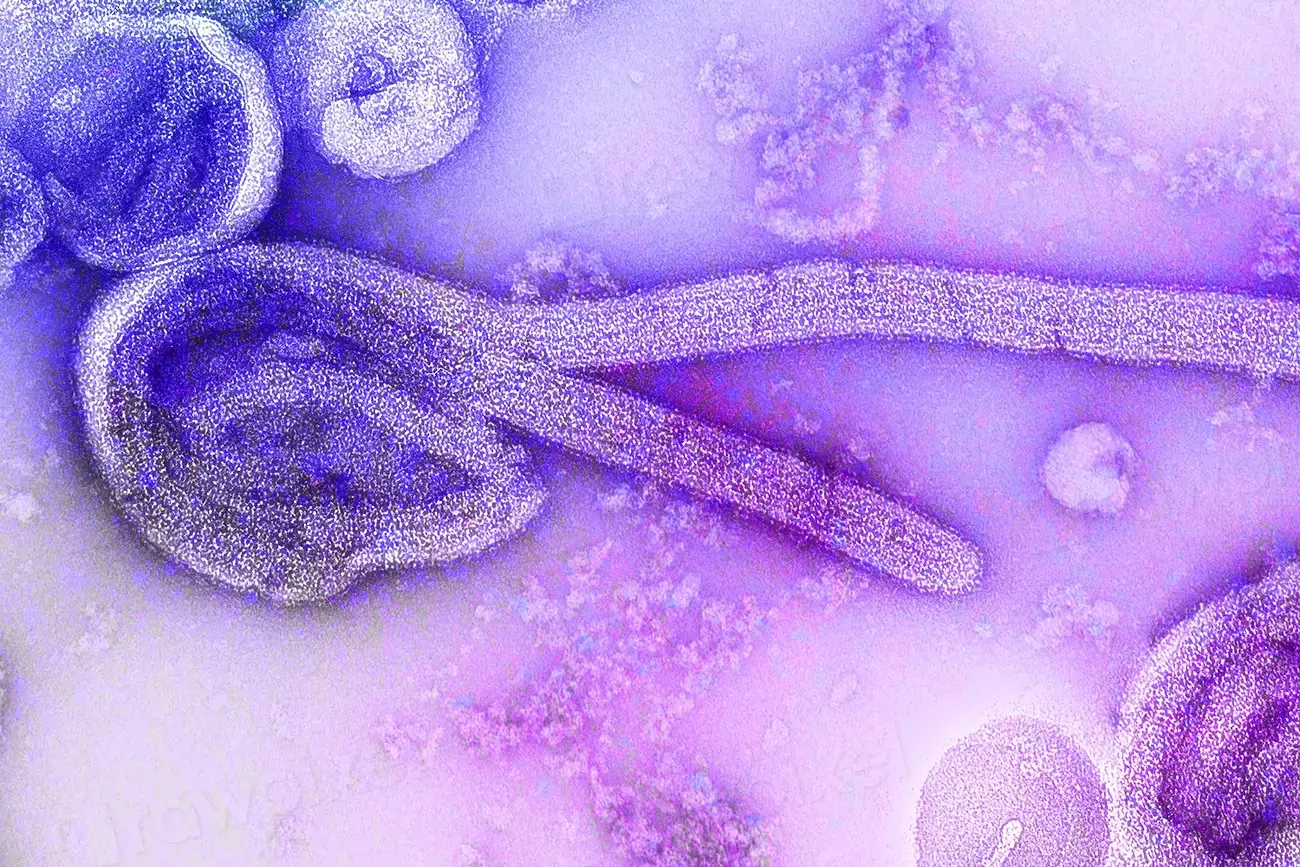
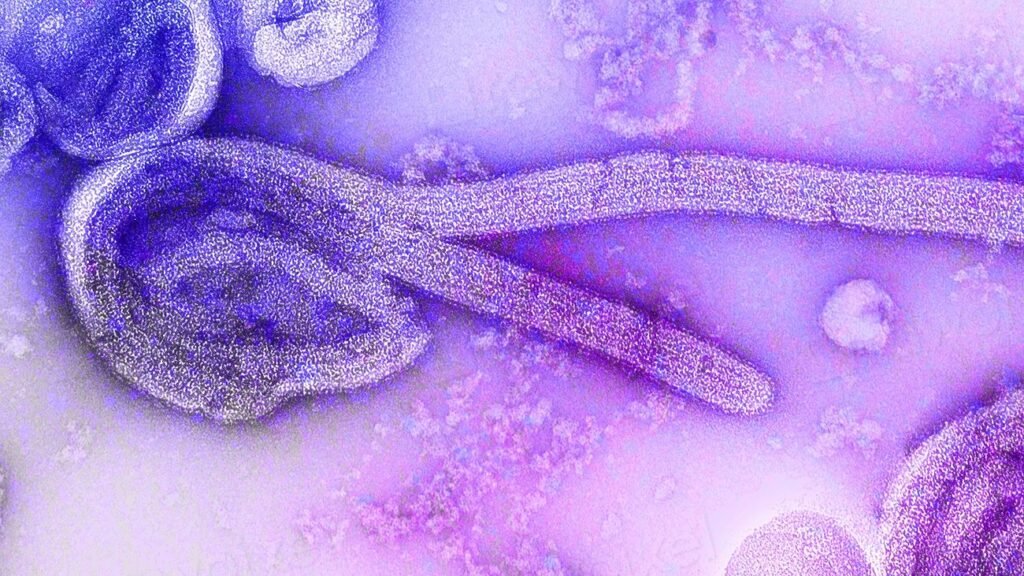
Before germ theory, people had all kinds of explanations for illness – bad air, curses, imbalances of bodily fluids, moral failings. The idea that tiny, invisible organisms could invade our bodies and cause disease was initially hard to swallow. But careful experiments, observations of infection patterns, and the success of sterilization and vaccination gradually made the case that microbes were the main culprits. Suddenly, disease wasn’t random punishment; it was a biological process with causes and, crucially, solutions.
Germ theory didn’t just change medicine; it rewired everyday life. Simple habits like washing hands, boiling water, and sterilizing surgical tools started saving lives on a massive scale. It’s wild to think that something as boring as soap is actually a weapon in a microscopic war we’re constantly fighting. Once you see the world through this lens, crowded buses, unwashed cutting boards, and shared water bottles look very different. Annoying health advice like “wash your hands” becomes less nagging and more like a quiet, life-preserving superpower.
4. Relativity: Time and Space Are Not What We Thought
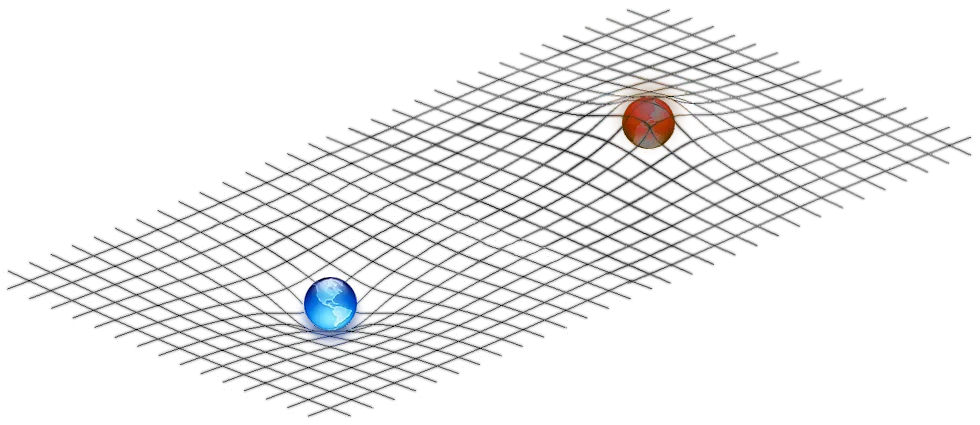
Relativity theory is one of those ideas that sounds like science fiction until you realize it shows up in your phone’s GPS. The theory says that time and space are not fixed, rigid backgrounds but flexible, interwoven, and influenced by motion and gravity. Clocks tick at different rates depending on how fast they’re moving or how deep they sit in a gravitational field. Distances and durations that feel obvious in everyday life start to bend when you look closely at extreme speeds and masses.
Emotionally, relativity can be deeply unsettling. The comforting idea of a single universal “now” dissolves; two people moving differently can disagree about what events are simultaneous, and both can be correct. Time becomes personal, almost like a private rhythm instead of a universal beat. Yet this weirdness is precisely what makes modern technology work at high precision, and it changes how we think about the universe itself. The cosmos stops feeling like a static stage and more like a flexible fabric being constantly tugged and distorted by everything that exists.
5. Quantum Mechanics: A World Built on Uncertainty
If relativity bends your mind, quantum mechanics cheerfully shatters it. On the smallest scales – atoms, electrons, photons – particles don’t behave like solid marbles but like fuzzy waves of possibility. Instead of having precise positions and paths, they’re described by probabilities until they interact or are measured. Phenomena like tunneling and entanglement are not exotic side notes; they’re fundamental features of reality at that scale.
This theory blows up the old dream of a perfectly predictable clockwork universe. There is an unavoidable element of uncertainty, not because our tools are bad, but because the world itself is built that way at its core. At first glance, that sounds terrifying, like the universe is rolling dice behind our backs. But on another level, it’s liberating: nature is richer, stranger, and more flexible than classical logic allowed. The fact that this deeply weird framework underpins technologies like lasers, electronics, and some types of computing makes it feel less like abstract philosophy and more like a strange but reliable operating system for reality.
6. Plate Tectonics: A Restless, Living Planet

For a long time, the shapes of continents looked like a coincidence, like someone tried to fit puzzle pieces together and then shrugged. The theory of plate tectonics turned that shrug into a clear, dynamic story. Earth’s crust is broken into large plates that slowly move over the semi-fluid layer beneath them. Where they collide, you get mountains and earthquakes; where they pull apart, new crust forms and oceans grow; where they slide past each other, you get grinding fault lines and sudden jolts.
What I love about plate tectonics is how it makes Earth feel alive in a slow, heavyweight way. Continents drift, crash, and tear apart over millions of years, reshaping climates, habitats, and the course of evolution. The ground under your feet isn’t static; it’s a conveyor belt that just moves too slowly for your daily life to notice. This theory changes how we think about natural disasters too: they’re not random acts, but consequences of a restless planet doing what it has always done. It’s like realizing the floor you’ve always trusted is actually a giant, creaking machine you’re standing on.
Conclusion: Living in a Moving, Uncertain, Expanding World
These six theories don’t just upgrade our scientific knowledge; they rewrite our place in the story. We went from thinking we were at the center of everything to realizing we orbit an ordinary star, on a shifting planet, in a universe where time bends, particles behave like probabilities, and life evolves without a script. That can feel disorienting, like someone pulled away a comforting illusion and left us with raw, complicated truth. But there’s something deeply human about continuing to ask questions even when the answers make us smaller, stranger, or less certain.
The upside is that this new view of the world is far richer than the old one. We get to live in a universe that’s not simple, but astonishing: a place where soap saves lives because of invisible microbes, mountains rise from grinding plates, and your phone quietly corrects for relativity so you can find a coffee shop. In a way, each of these theories is a reminder that reality doesn’t owe us comfort – but it does reward curiosity. Which of these shifts in perspective surprised you the most when you first heard about it?