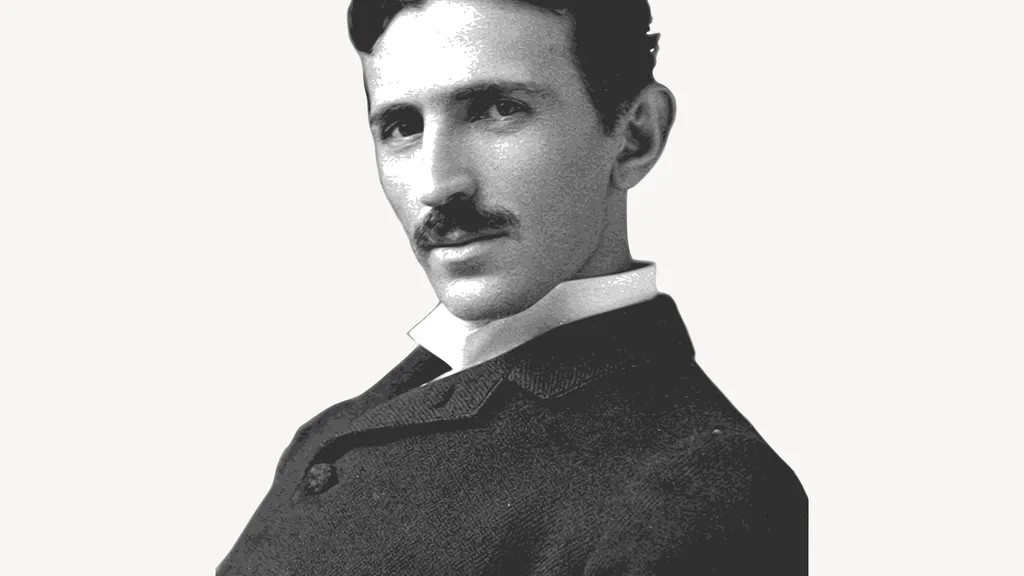
You probably know the big headline names: Edison, Tesla, Bell, maybe the Wright brothers. But a surprising number of the technologies you rely on every single day came from people whose names you rarely, if ever, hear. Their ideas power your morning coffee, the phone in your pocket, the way you travel, even the way you breathe in a modern city, yet they remain in the shadows of history.
Once you start pulling on this thread, you realise something slightly unsettling: the story of innovation you were taught is only a highlight reel. In the background are hundreds of quiet minds who solved ugly, practical problems and never became famous for it. Here are 12 of those forgotten or overlooked inventors, and how their breakthroughs quietly shaped the way you live right now.
1. Joseph Swan – The Other Father of Electric Light
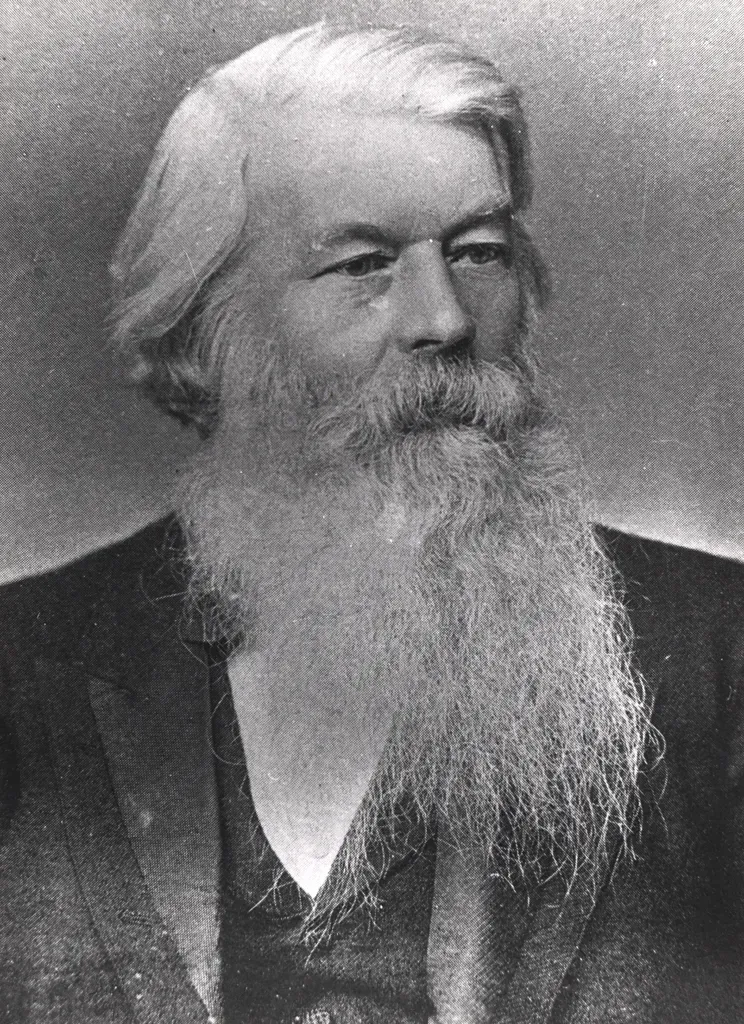
When you think of the lightbulb, you probably picture Thomas Edison, but in Britain, Joseph Swan was lighting up rooms at almost the same time with his own version of the incandescent lamp. You benefit from Swan’s work every time you flip a switch, because he helped prove that electric lighting could be safe, stable, and practical enough to replace gas lamps. His early demonstrations in English homes and theaters showed people that this weird new glow could actually work in everyday life, not just in laboratories.
If you dig into the history, you find that Edison and Swan ended up forming a joint company in the United Kingdom after patent disputes, which tells you Swan’s designs were serious competition, not a footnote. You live in a world where electric lighting feels like air or water – always there, rarely questioned – and Swan’s contribution is one reason that happened faster in Europe. Next time you walk through a city at night under that steady white glow, you’re seeing the long shadow of his “forgotten” lamp.
2. Elijah McCoy – The Real Deal Behind “The Real McCoy”
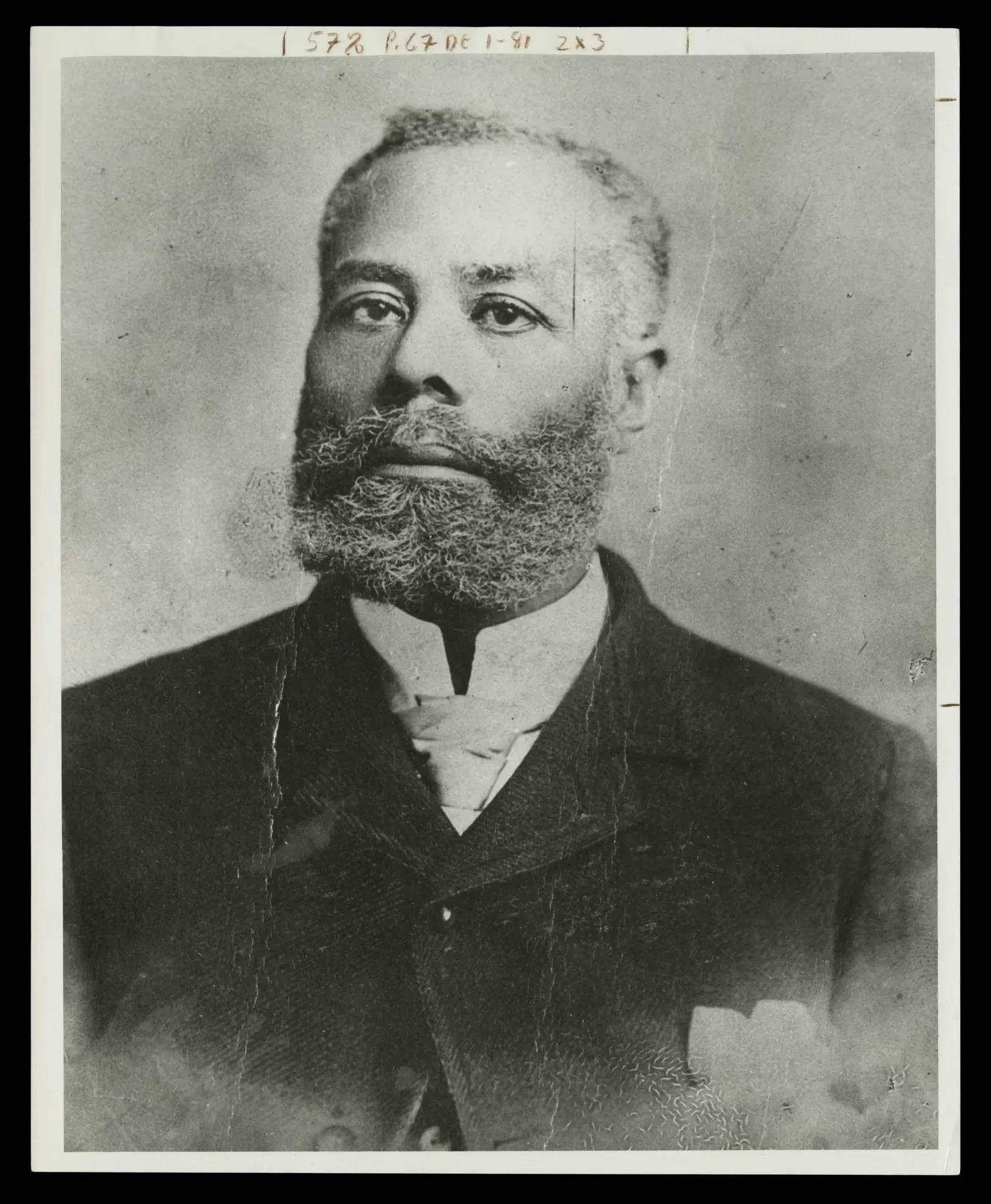
You might have heard the phrase “the real McCoy” without realising it may trace back to a Canadian-born Black engineer and inventor whose family escaped slavery. Elijah McCoy created a reliable lubrication system for steam engines that dramatically reduced breakdowns on trains and ships. You benefit from his work whenever complex machines run for long periods without constant human tinkering, from industrial engines to the general principle of automated maintenance in modern machinery.
Railway operators allegedly started asking for McCoy’s devices by name because cheaper copies just did not perform as well, which is where the expression for authenticity may have come from. If you imagine a world where moving parts constantly seized up, trains stopped more often, and travel was slower and less safe, you start to see what you owe to this one quiet improvement. His work slid seamlessly into the background, but the expectation that machines should run smoothly and reliably is part of your everyday life now.
3. Lise Meitner – The Mind Behind Nuclear Fission’s Explanation
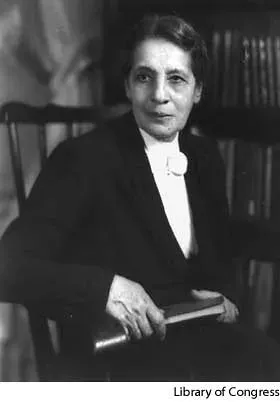
When you hear about nuclear fission, you usually see names like Otto Hahn or later figures in the nuclear age, but you rarely hear that an Austrian-Swedish physicist, Lise Meitner, helped make sense of what was actually going on. She worked out the theoretical explanation for how the atomic nucleus could split and release enormous energy, something that underpins everything from nuclear power plants to medical isotope production. You live in a world where nuclear technology is both a threat and a tool, and her insight sits right at the root of that story.
Because she was Jewish and a woman in a deeply male academic world, she faced both exile from Nazi Germany and systemic exclusion from recognition, including the Nobel Prize awarded solely to her male colleague. Yet every time you hear debates about low-carbon energy, nuclear medicine, or radiation-based cancer treatments, you’re hearing echoes of the physics she helped unlock. Your modern energy debates, and even your hospital’s radiation wing, rest on ideas she brought into focus but never truly got credit for.
4. Garrett Morgan – Traffic Lights and Safer Breathing
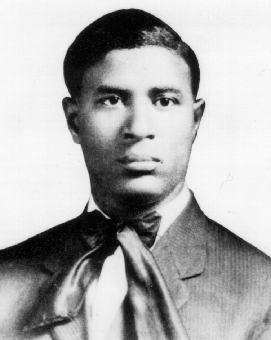
If you have ever driven through an intersection and trusted that red, yellow, and green lights are keeping chaos in check, you owe something to Garrett Morgan. He was an African American inventor in the United States who patented an early three-position traffic signal, adding a crucial “all-stop” safety interval. You may take that pause for granted, but it gave drivers time to clear intersections and reduced deadly collisions, which is the basic rhythm still guiding your commute today.
Morgan also developed a hood-and-tube breathing device to protect wearers from smoke and toxic gas, an early form of what you now recognise as a gas mask or industrial respirator. You see its descendants on firefighters, in chemical plants, and even in some emergency kits. His ideas show up in two places you rely on without thinking: the crossroads you drive through and the protective gear people trust to walk into burning buildings. Both are invisible gifts from someone you probably never learned about in school.
5. Stephanie Kwolek – The Chemist Who Gave You Kevlar
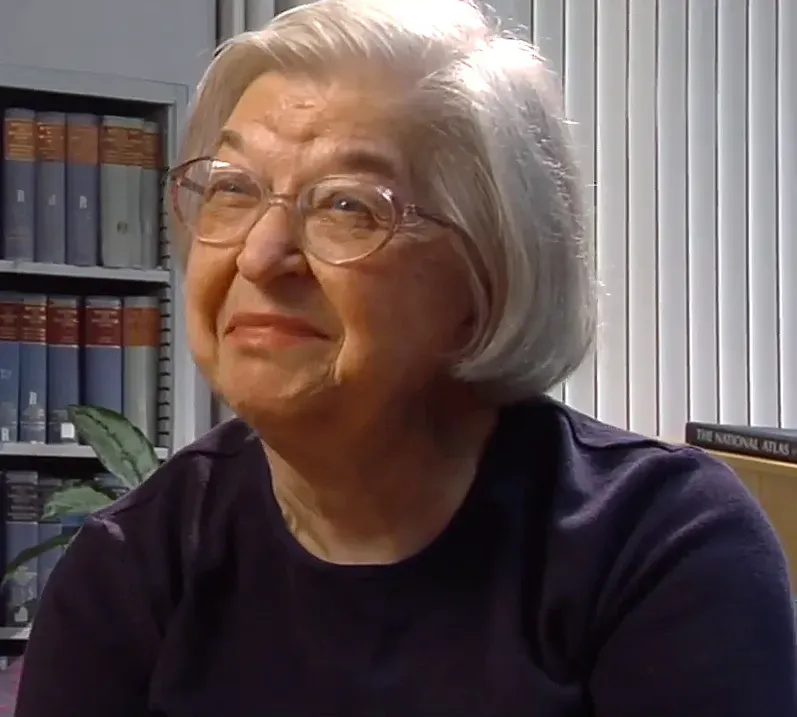
When you see a bulletproof vest in a movie or on the news, you are looking at the legacy of a chemist many people could not name: Stephanie Kwolek. Working in polymer research, she discovered a strange, cloudy solution that spun into unusually strong fibers, which turned out to be Kevlar. You benefit from her work not just in body armor, but in reinforced cables, protective gear for first responders, and even lighter, safer components in vehicles and airplanes.
Kevlar has saved thousands of lives by stopping bullets, shrapnel, and impacts, and by allowing engineers to design protective gear that people can actually move in. You live in a world where soldiers, police officers, and journalists in war zones expect a vest to give them a fighting chance, and that expectation rests on her discovery. It is easy to overlook because it hides under uniforms and composite panels, but whenever you see high-performance protective equipment, you are seeing her quiet revolution in materials science.
6. Nils Bohlin – The Engineer Who Made Seat Belts Work
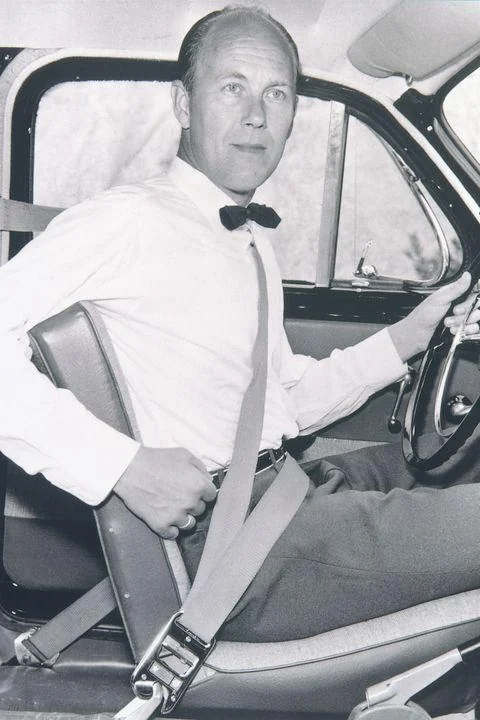
Every time you buckle up in a car, you are trusting a design that came from a Swedish engineer named Nils Bohlin. He developed the modern three-point seat belt for Volvo in the late nineteen-fifties, creating a simple strap layout that secures your chest and hips in one motion. You might feel like it is obvious now, but this design drastically reduced serious injuries and deaths in car crashes and set the standard for automotive safety worldwide.
Volvo made the design freely available instead of locking it behind patents, which meant other car makers could adopt it quickly. You live in a world where strapping in before you drive is just a habit, almost like tying your shoes, and studies have shown that this single invention has saved a vast number of lives over the decades. Every time your car jolts and you are held firmly in place instead of being thrown forward, you are experiencing Bohlin’s forgotten but literally life-saving idea in action.
7. Alice H. Parker – Early Vision for Central Heating
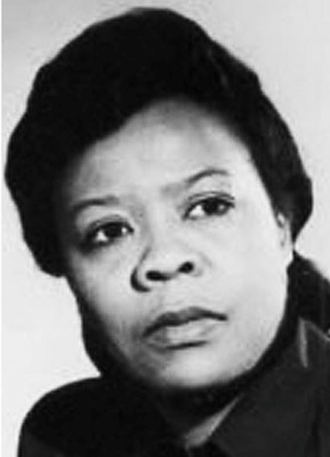
When you enjoy consistent warmth in your home without constantly tending a fireplace, you are standing in the path of ideas pushed forward by inventors like Alice H. Parker. In the early twentieth century, she patented a system that used gas to heat air and then distribute that warm air through ducts, a conceptual ancestor of modern central heating and forced-air systems. You are benefiting from her foresight whenever your thermostat quietly adjusts the temperature and your vents softly push out warm air on a cold morning.
Parker, an African American woman, was working at a time when such recognition and technical roles were rarely extended to people like her, which makes her contribution even easier for history to ignore. Yet the notion that you could heat different parts of a building more efficiently and safely than open flames was a big step toward modern climate control. When you walk from your bedroom to your kitchen in winter and feel the same comfortable temperature, you are living inside the kind of system she imagined long before it became standard.
8. Walter Bruch – The Man Behind a Television Standard
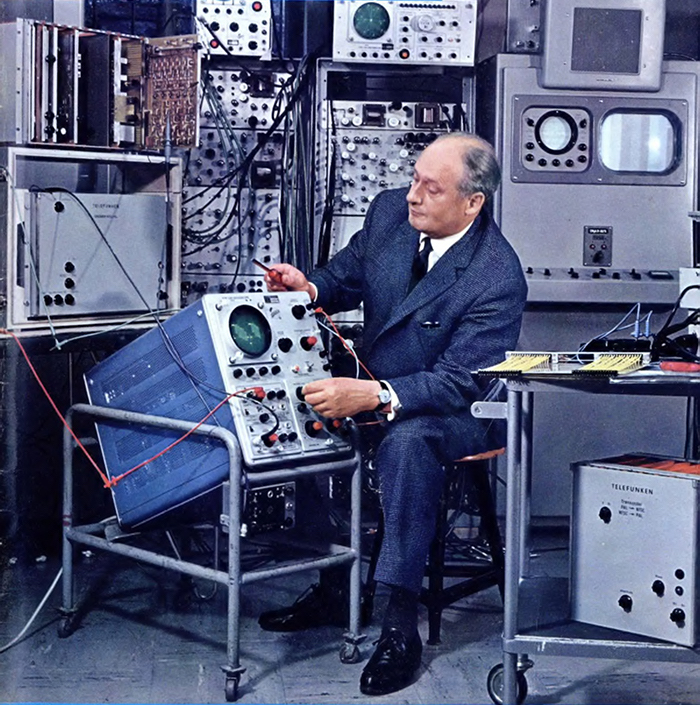
You stream high-definition content now, but television did not start that way. In much of the world outside North America, colour TV for decades depended on a system called PAL, and a German engineer named Walter Bruch played a central role in creating it. You benefited from his work if you ever watched broadcast television in Europe, parts of Asia, Africa, or South America, because his system made colour signals more stable and less prone to distortion on older analog sets.
Even though digital formats have moved in, the idea that colour TV should be robust, compatible, and predictable grew out of standards like the one Bruch designed. You live in a media-saturated world where you expect video to just work, but behind that expectation are people like him who solved messy engineering problems you never see. His name rarely travels with the colourful images you grew up on, yet his fingerprints are all over the way moving pictures became part of everyday life outside the United States.
9. Maria Telkes – Solar Power’s “Sun Queen”
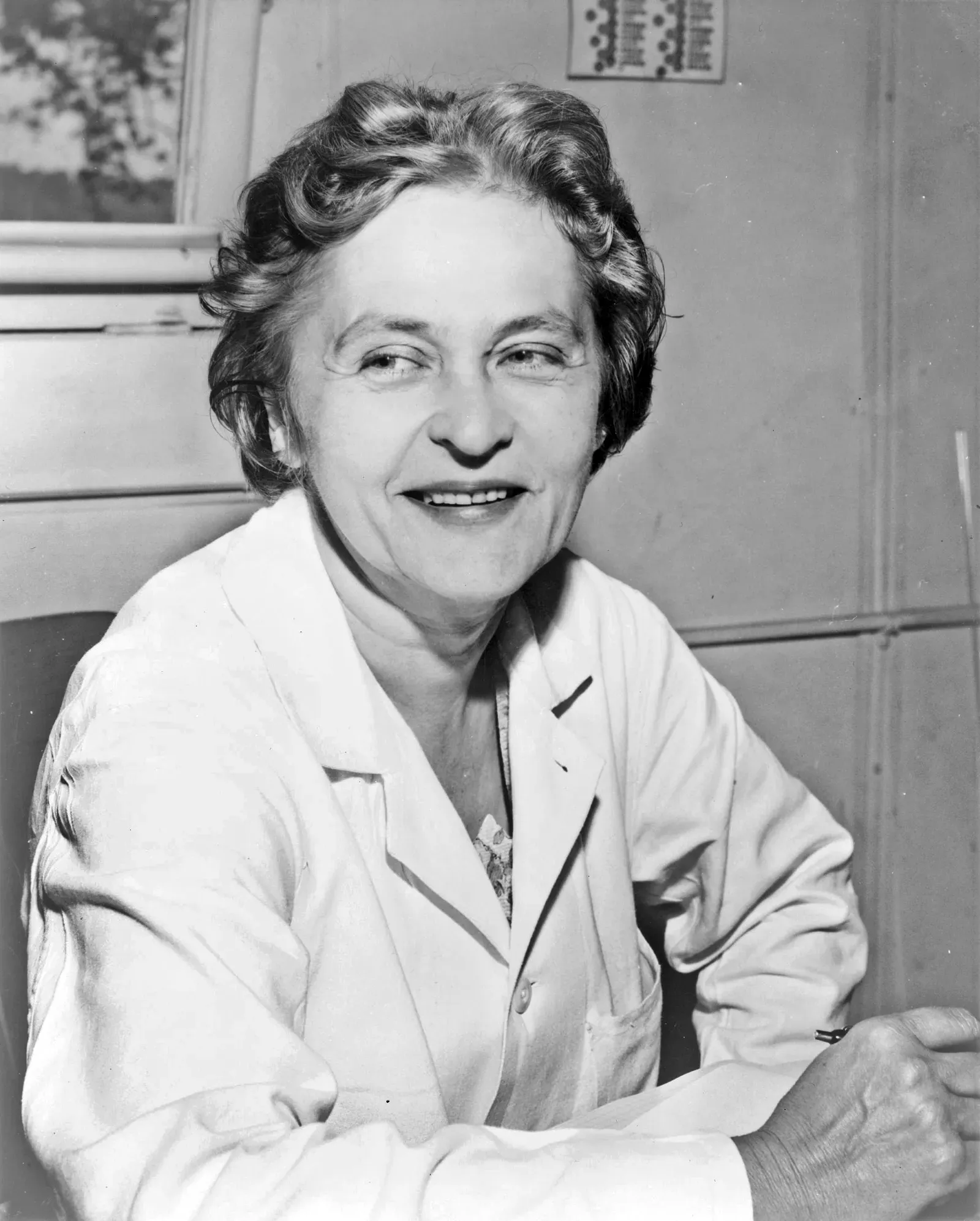
When you hear about solar panels today, you probably think of sleek rooftop arrays or giant solar farms, but decades ago, a Hungarian-American scientist named Maria Telkes was already obsessed with turning sunlight into something you could live on. She worked on solar-powered heating and energy storage systems, including one of the earliest attempts at a solar-heated home. You benefit from her early experiments every time you see solar power presented as a practical, livable alternative rather than a wild science project.
Her work helped move solar energy from theory into the realm of household possibility, even if the early designs were imperfect and bulky. You live in a moment where solar is one of the main tools for cutting carbon emissions, and that story does not start with glossy modern panels – it starts with people like Telkes trying, failing, and trying again. When you picture a future where your home runs partly on sunlight, you are sharing in a vision she had long before it was fashionable or profitable.
10. Lewis Latimer – Bringing Light to the Masses
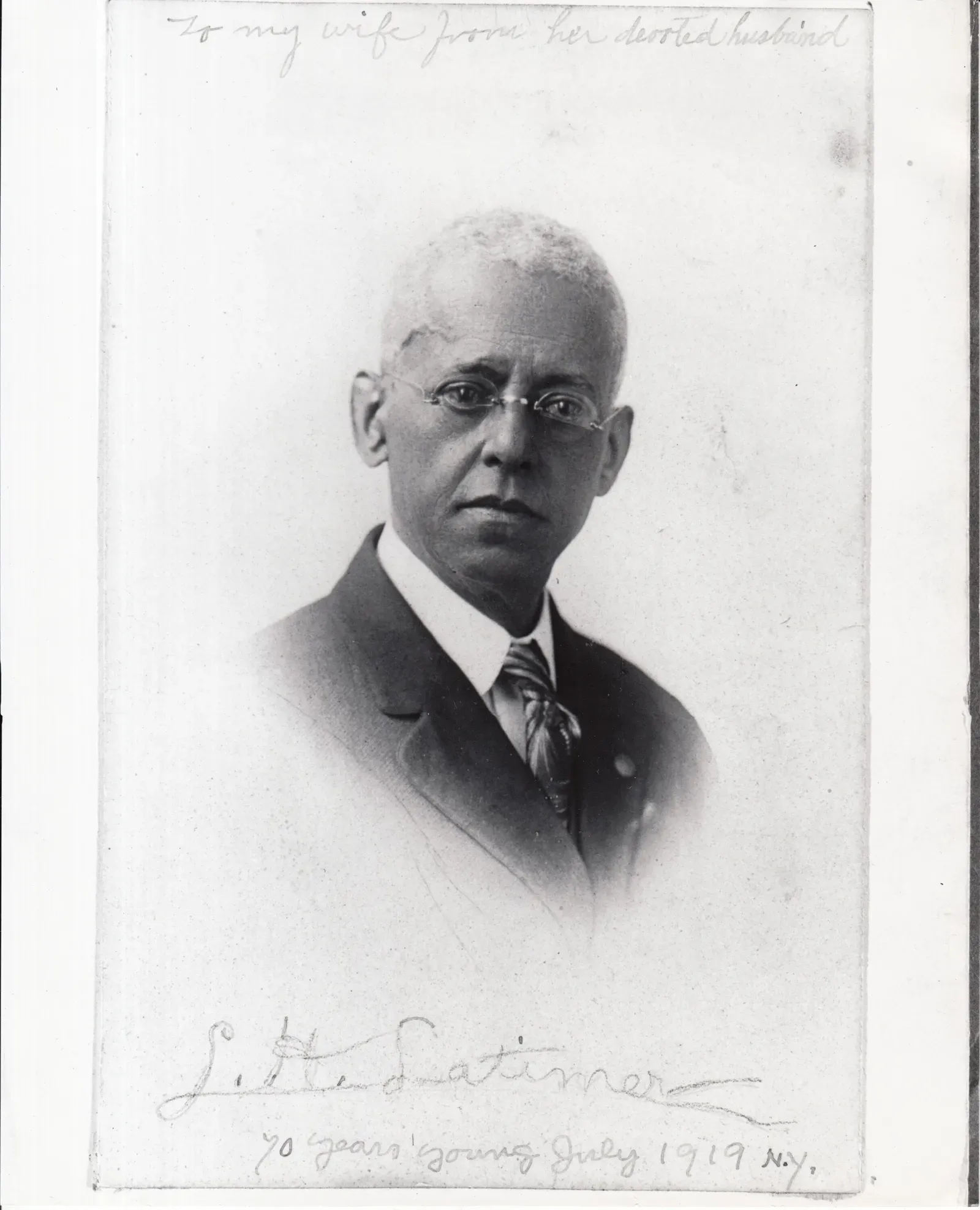
You might know Edison’s name, but you rarely hear about the man who helped make electric light cheaper and more accessible: Lewis Latimer. He improved the production of carbon filaments used in early lightbulbs, making them last longer and work more reliably. You benefit from his contribution because without more durable, practical bulbs, electric lighting would have remained an expensive luxury instead of a widespread utility.
Latimer, the son of formerly enslaved parents, also worked on electric lighting systems for cities, helping to bring streetlights and indoor illumination to ordinary people. The idea that your home, office, and streets should be evenly lit at night, without constant bulb failures and maintenance, leans on the kind of engineering refinements he provided. When you flip on a light and trust that it will work for months rather than days, you are quietly living with the results of his overlooked genius.
11. Hedy Lamarr – From Hollywood to Wireless Security
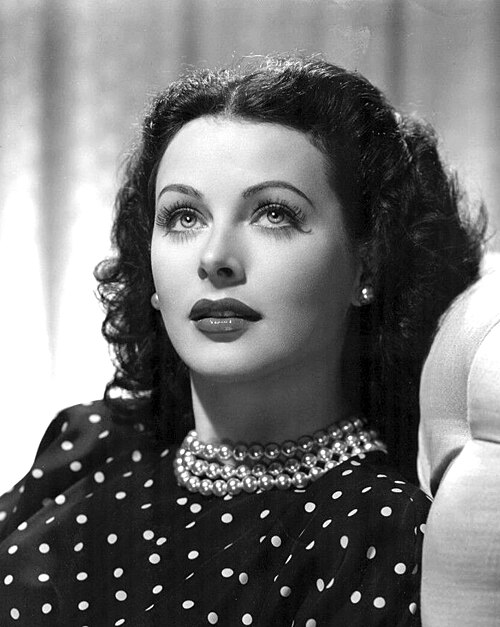
You might recognise Hedy Lamarr as a glamorous film star from the early days of Hollywood, but you probably do not realise she co-created a technology concept that echoes in your Wi‑Fi, Bluetooth, and GPS. During the Second World War, she helped develop a method of frequency hopping intended to make radio-guided torpedoes harder to jam. You benefit from this underlying idea because modern spread-spectrum and secure wireless communications use related principles to keep signals robust and more resistant to interference.
Even though her invention was not fully adopted in its time, the concept became foundational later as wireless systems exploded. You live in a world where you expect your phone call or data connection to survive crowded airwaves, and where secure signals jump around too quickly for easy interception. Every time your wireless earbuds keep playing smoothly in a busy city street, you are catching the long, unexpected ripple of an idea first sketched out by someone better known for walking red carpets than working at a drafting table.
12. Josephine Cochrane – The Dishwasher You Swore You’d Never Need
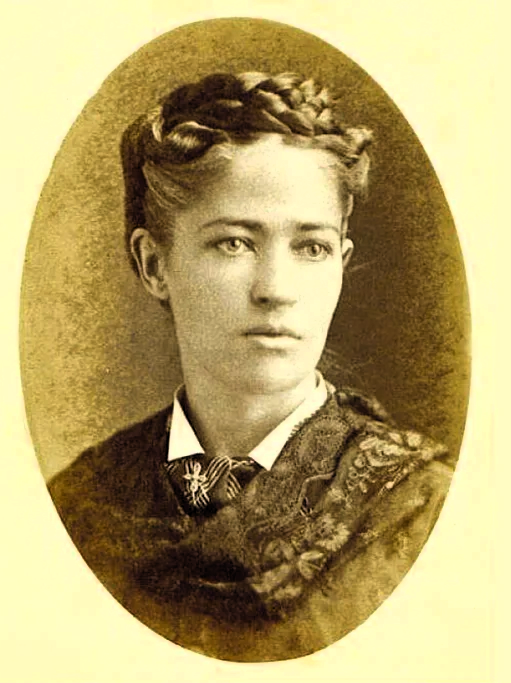
If you have ever loaded a dishwasher after a long day and felt grateful you did not have to scrub every plate by hand, you are living in Josephine Cochrane’s world. Frustrated with how her fine china was being chipped during manual washing, she designed a machine that used water pressure to clean dishes in wire racks. You benefit not only from the convenience but also from the standard she helped set: the idea that repetitive, time-consuming housework could and should be automated by well-designed machines.
Her early dishwashers were first adopted by hotels and restaurants, then later by households as plumbing and electricity became more common. You live in a time where appliances quietly reclaim hours of your week, and that shift did not happen by magic – it came from inventors like Cochrane turning domestic irritation into engineering challenges. Next time you shut the dishwasher door and walk away, you are doing exactly what she hoped people would one day be able to do: spend their time on something more meaningful than endless stacks of dirty plates.
Conclusion: The Hidden Architecture of Your Everyday Life
When you zoom out and look at these twelve lives together, you start to see your daily routine differently. The warm house, the lit street, the safe car, the streaming screen, the quiet hum of machines that rarely fail – none of these are accidents, and many of them do not come from the handful of celebrity inventors you were taught to admire. You are surrounded by the work of people whose names slipped through the cracks, even as their ideas became the invisible architecture of modern life.
There is something both humbling and empowering about that realisation: if so many world-shaping breakthroughs came from people history barely remembers, then innovation is not just the domain of a few legends. It is a messy, shared, often unfair story where unsung minds still move the world forward. As you go about your day flipping switches, buckling seat belts, breathing through safer cities, and letting machines handle your chores, which forgotten inventor are you unconsciously relying on the most – and how many more are still waiting in the wings for you to finally notice them?