
If you’ve ever seen a moose in person, you know they don’t just stroll into your life quietly. They loom. They command space. And the more you learn about them, the more you realize they’re not just big deer with weird noses – they’re seriously wild, highly adapted athletes of the north.
As you go through these twelve facts, you’ll see how moose bend the rules of what you expect from an animal: they grow bone faster than almost anything on land, swim like marathoners, dive like awkward submarines, and survive winters that would crush you in a week. By the end, you might not just respect moose – you might be a little in awe of them.
1. You’re Looking at the Biggest Member of the Entire Deer Family
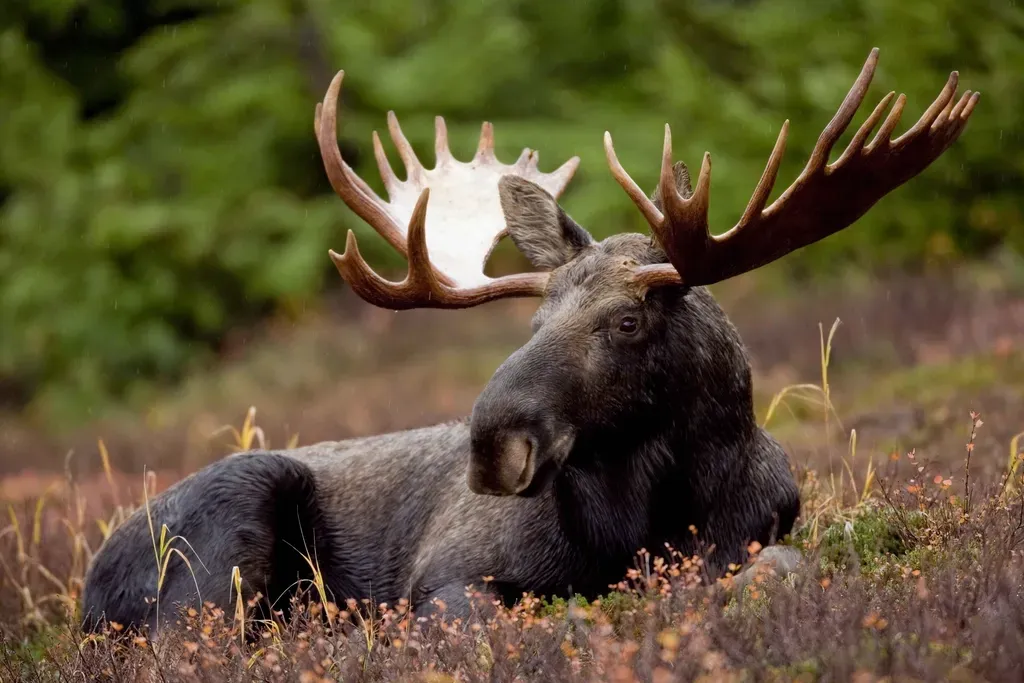
When you picture a deer, you probably think of something that could fit in your headlights. A moose blows that mental image to pieces. An adult bull can stand around six to seven feet tall just at the shoulder and stretch roughly nine feet from nose to rump, with the biggest individuals in Alaska weighing well over one thousand pounds. Even the smaller subspecies, like the Shiras moose in the Rocky Mountains, still make most other deer look like lapdogs.
If you’re used to seeing white‑tailed deer or mule deer, meeting a moose in person feels almost surreal, like someone quietly parked a horse on stilts in the forest. Their massive shoulders, long legs, and humped back give them a silhouette you can recognize instantly, even from far away. Next time you see a photo of a moose next to a person, notice how the human suddenly looks like a side character in the scene.
2. Their Antlers Are Living Bone That Grow at an Incredible Speed
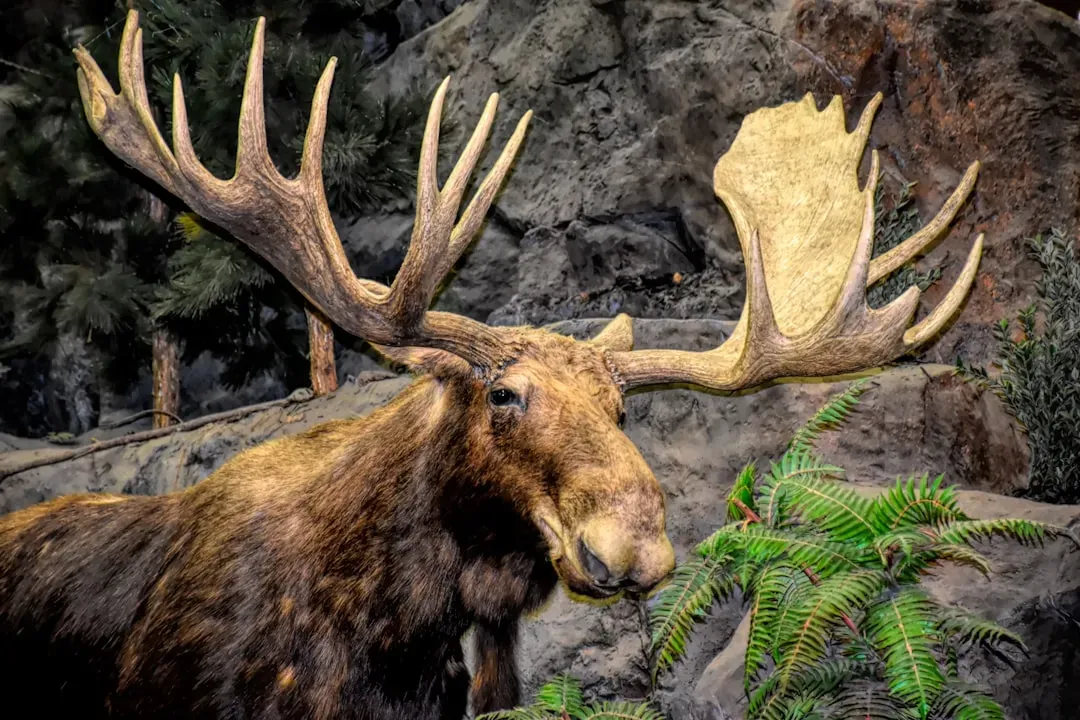
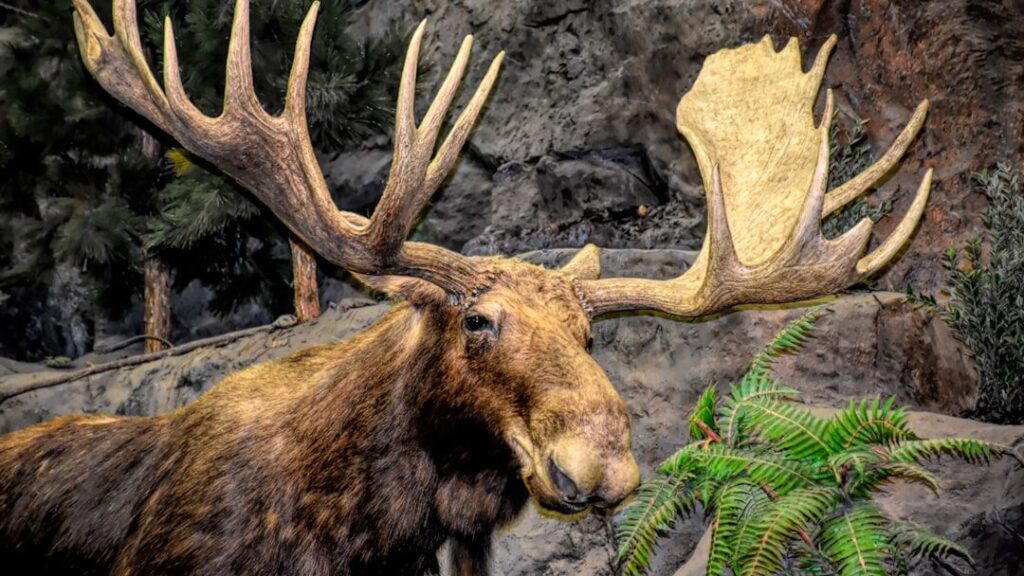
You might think of moose antlers as just big, heavy headgear, but you’re really looking at one of the fastest-growing bones in the animal world. Each spring, a bull moose starts growing a brand-new pair from scratch, and by late summer they can span close to six or even seven feet across and weigh dozens of pounds. During peak growth, the antlers can add roughly about half a pound of bone a day, fueled by an intense flow of blood through the velvety covering.
What makes this even more impressive is that moose shed those antlers every winter, usually after the fall mating season is over, then repeat the entire process the next year. You’re basically watching a yearly cycle of grow, flaunt, fight, and drop. When you see a bull in full velvet, you’re looking at living tissue, not just a horn-like shell. It’s like they grow, wear, and throw away a custom-made crown every year without blinking.
3. They’re Surprisingly Fast and Agile for Such Enormous Animals
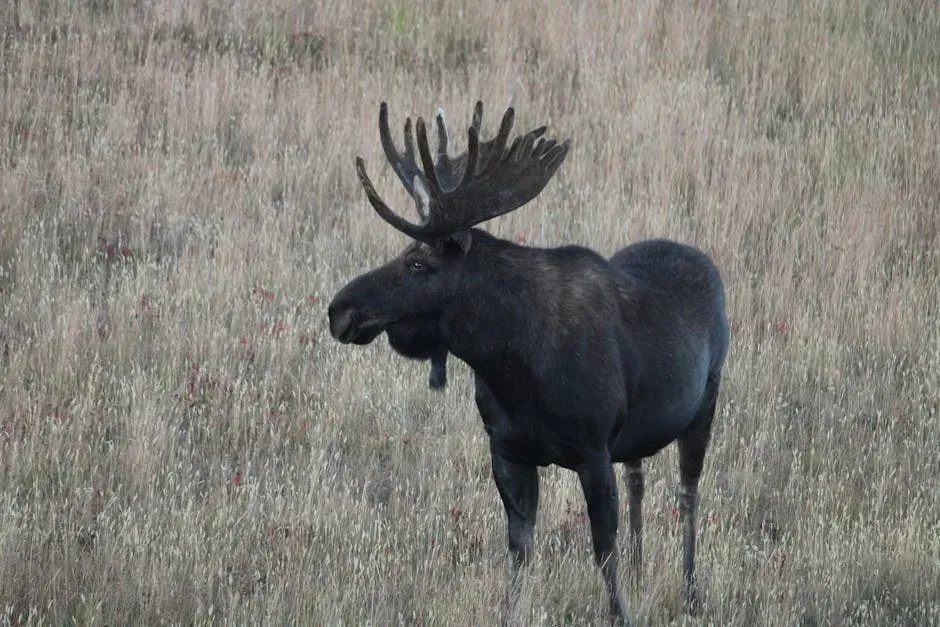
Looking at a moose, you might assume it moves like a slow, lumbering tank. In reality, you’d have a hard time outrunning one if things went badly. A motivated moose can bolt at speeds similar to a galloping horse over short distances, easily outrunning a human. Those long legs that look almost awkward when the animal is relaxed suddenly turn into powerful levers when it decides to run.
That agility shows up in tricky terrain too. Moose are built for bogs, swamps, and brushy forests that would tie your ankles in knots. They step over downed logs, plow through shrubs, and power through snow that would stop smaller animals cold. When you realize they can pivot, kick, and charge with that mass behind them, you start to understand why experienced hikers treat them with serious respect.
4. They’re Elite Swimmers and Can Even Dive for Their Food
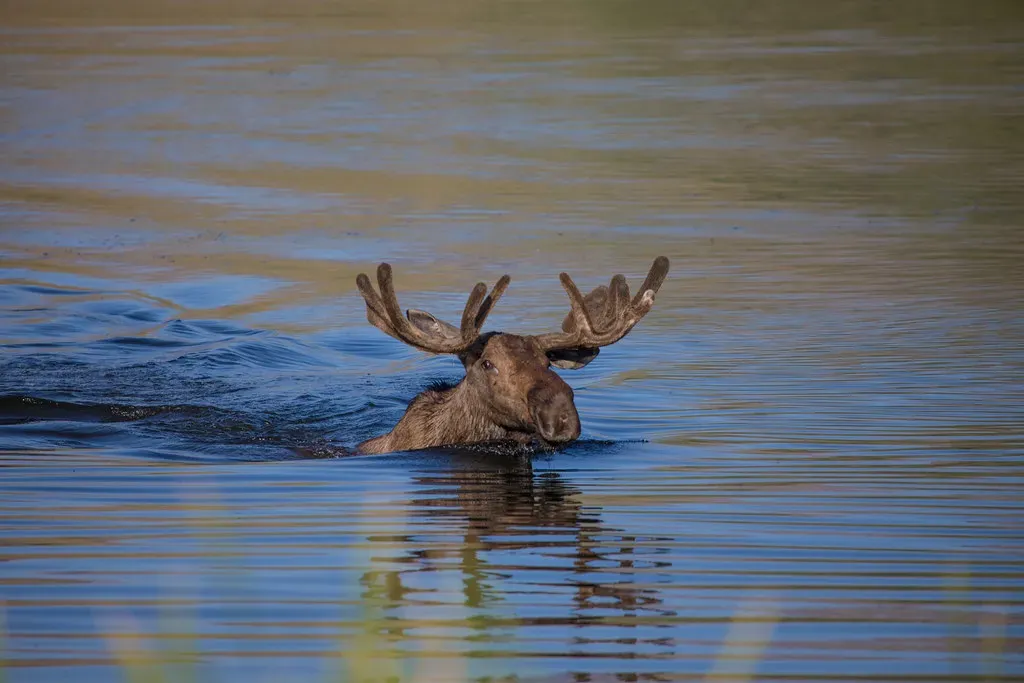
Here’s where moose really start to feel otherworldly: they’re not just comfortable in water, they thrive in it. A healthy moose can swim for several miles at a time and cruise at speeds that are roughly about three times faster than the average human swimmer. Calves follow their mothers into lakes and rivers within just days of birth, learning early that water is both a highway and a buffet.
You’ll often find moose with just their heads above the surface, munching away on aquatic plants. But they don’t stop at the shoreline. Moose can dive beneath the surface, sometimes down several meters, to rip up submerged vegetation, holding their breath for close to a minute. Imagine snorkeling in a northern lake and suddenly seeing a massive shape rising from the weeds below – that’s what local divers occasionally get to experience.
5. They Eat an Astonishing Amount Just to Stay Alive
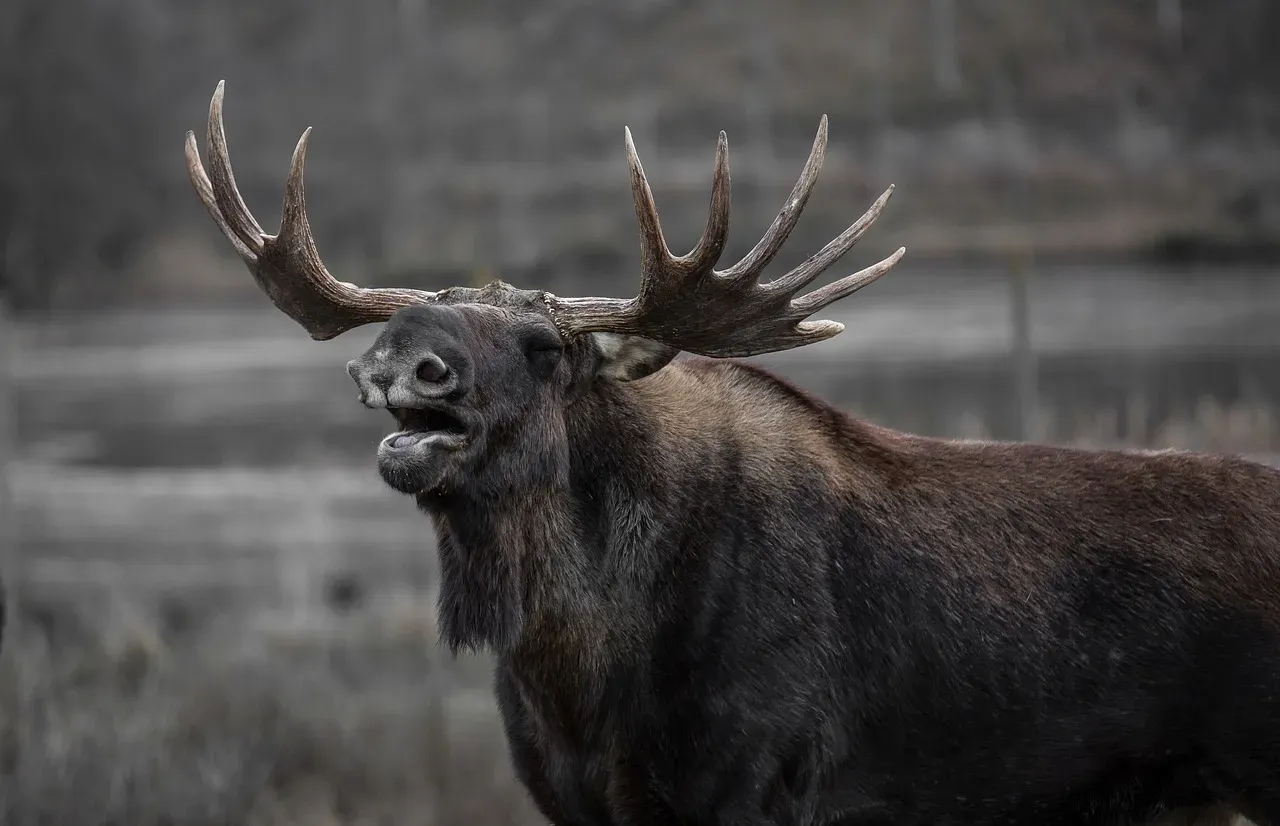
To keep that giant body running, a moose has to be a full-time eating machine. In summer, you’re looking at an animal that may browse through roughly forty to sixty pounds of vegetation in a single day. That can include leaves, twigs, fresh shoots, tree buds, and massive amounts of water plants that are rich in minerals and sodium. It’s like watching a slow, quiet wood chipper moving through the forest.
In winter, when green food disappears under deep snow, moose switch over to tougher fare: woody twigs, bark, and conifer needles from firs and yews. They’re not picky gourmets; they’re stubborn survivors willing to strip what they can from the frozen landscape. If you ever walk through moose country and notice shrubs that look oddly pruned at about chest height, you might be looking at the height of a moose’s winter buffet line.
6. Their Senses Are Tuned More to Smell and Hearing Than to Sight
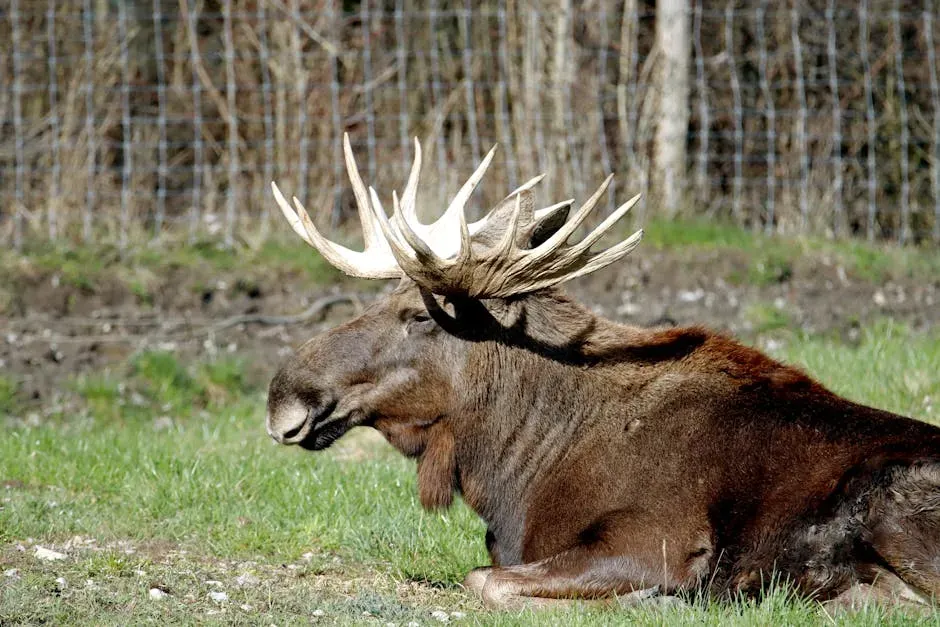
At first glance, you might assume that a moose’s size means it can afford to be a bit oblivious, but its survival actually depends on a finely tuned set of senses. Its eyesight is decent but not spectacular, especially compared with many predators or birds of prey. Where a moose really shines is in its nose and ears. A moose’s sense of smell is extraordinarily sharp, allowing it to detect predators, other moose, and food sources long before you’d notice anything unusual.
Those large, mobile ears are constantly swiveling, picking up faint sounds in thick brush or across a quiet marsh. Even if you think you’re moving silently through the woods, a moose can often hear and smell you well before you ever see it. That’s why you sometimes hear stories of hikers suddenly realizing a moose is much closer than they thought – the animal knew they were there the whole time and simply decided it was comfortable enough to stay put.
7. They’re Built for Brutal Winters You Probably Wouldn’t Survive
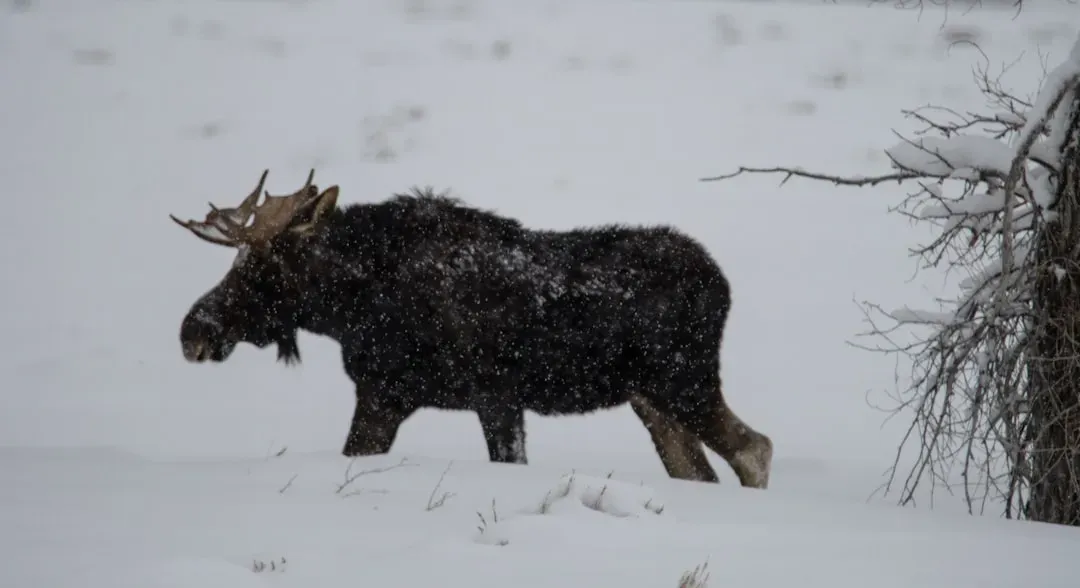
If you dropped yourself into a northern winter with no gear, you’d be in serious trouble within hours. A moose, on the other hand, is quietly built for it. Its long, hollow guard hairs act like natural insulation, trapping air and keeping body heat from escaping, while a dense underfur layer works like a heavy parka. That thick coat, combined with a massive body that loses heat more slowly, lets a moose stand in snowstorms that would make you dive for shelter.
Their legs are another cold-weather superpower. Those long limbs let them walk through deep snow where smaller animals struggle or sink, and in areas with very deep winter snow, moose will trample out a network of packed trails called “yards.” These routes let them move more efficiently between feeding spots, saving precious energy. When you see moose tracks crisscrossing a winter marsh, you’re looking at the blueprint of how they outthink the cold.
8. Bulls Use Their Antlers as Both Weapons and Billboards
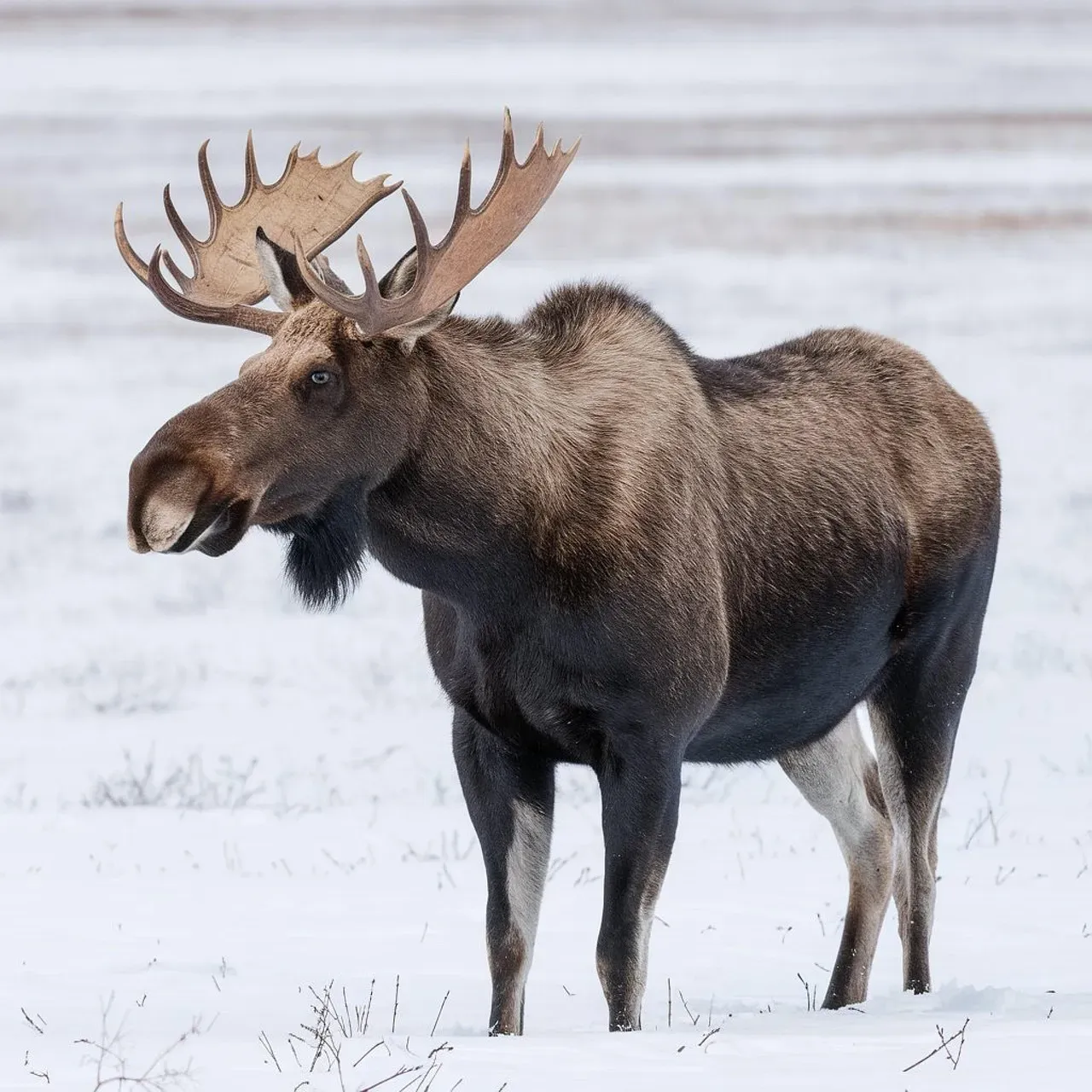
During the fall mating season, a bull moose’s antlers turn into more than just impressive decorations. They’re tools, weapons, and giant advertisements all rolled into one. Bulls use their antlers to spar with rivals, lock up and shove each other, and sometimes fight in serious, bone-crunching clashes over access to cows. The wide, palmate (shovel-like) shape helps distribute impact and deflect blows as they push and twist.
But a big set of antlers is also a visual signal you can almost read like a signboard. Cows tend to choose larger, more symmetrical antlers when picking a mate, which means a bull’s headgear loudly broadcasts his health, age, and fitness. Younger or weaker bulls often back off when they see a clearly dominant set walking their way. To you, they might just look impressive in a photograph; to another moose, they’re a full résumé on display.
9. Moose Live in Harsh Neighborhoods With Serious Predators
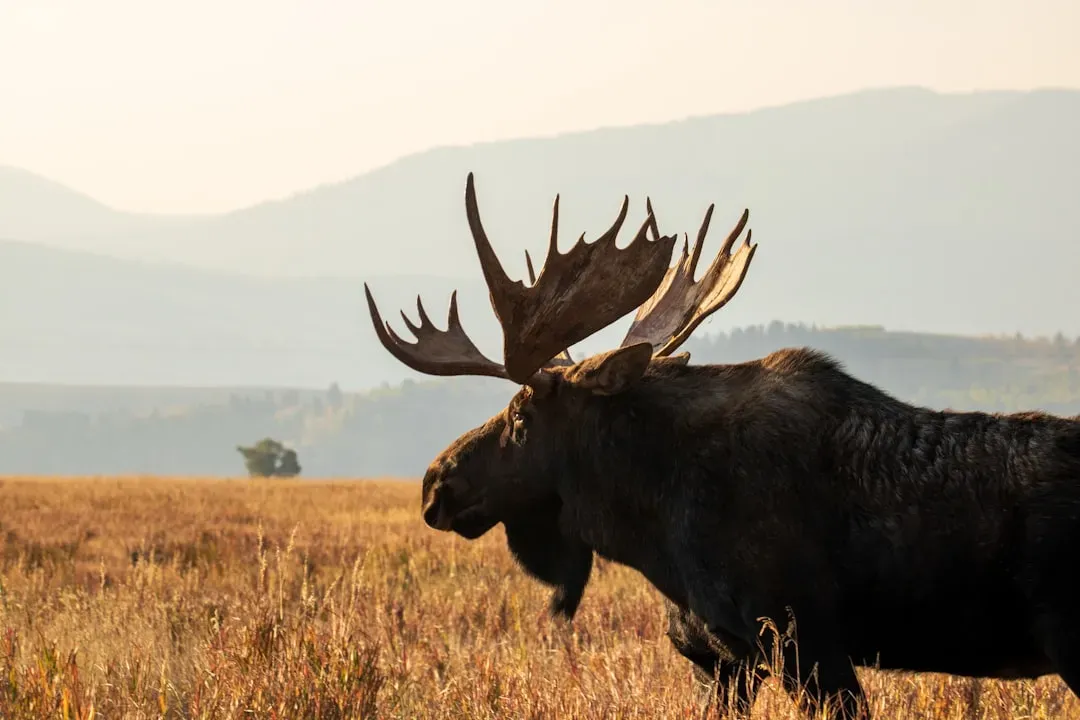
You might assume that such a massive animal has nothing to worry about, but moose share their territory with some of the most capable predators on land and in water. In much of North America, packs of gray wolves are their primary natural enemy, especially targeting calves and weakened adults. Large bears, such as brown bears and black bears, may also prey on calves or occasionally take down an adult in the right conditions. Being big does not mean being untouchable.
One of the strangest predator relationships you’ll ever hear about involves the ocean. In coastal regions of Alaska, Canada, and northern Europe, moose often swim between islands or out to offshore feeding areas rich in vegetation. While doing this, they sometimes become opportunistic prey for orcas, which can ambush them from below. It’s a wild mental image: an animal that spends most of its life in forests suddenly appearing as a menu item in the sea.
10. You’ll Find Them Across Two Continents in a Range of Subspecies
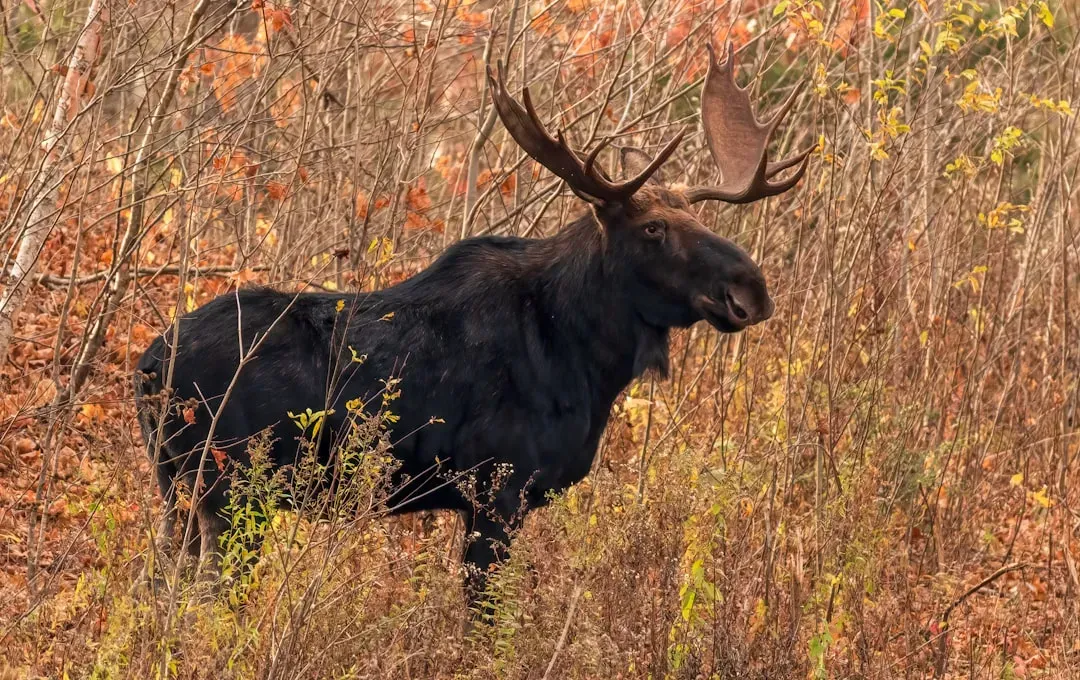
When you think “moose country,” you probably picture Alaska or maybe northern Canada, but their reach is wider than that. Moose are found across much of boreal and mixed forests in North America and northern Eurasia, including Scandinavia and parts of Russia. In North America, their southern range stretches down into northern parts of the United States, including states like Minnesota, Maine, and Colorado, where small but notable populations live at higher elevations.
Within that broad range, you’re not just dealing with one uniform animal. There are several recognized subspecies, including the enormous Alaskan moose, the slightly smaller western moose, and the more compact Shiras moose of the Rocky Mountains. On the Eurasian side, what people often call elk (not to be confused with North American elk) are actually moose by scientific definition. No matter where you go in the north, the general rule holds: the colder and wilder it is, the better moose seem to like it.
11. Calves Grow Quickly and Learn Survival Skills Almost Immediately
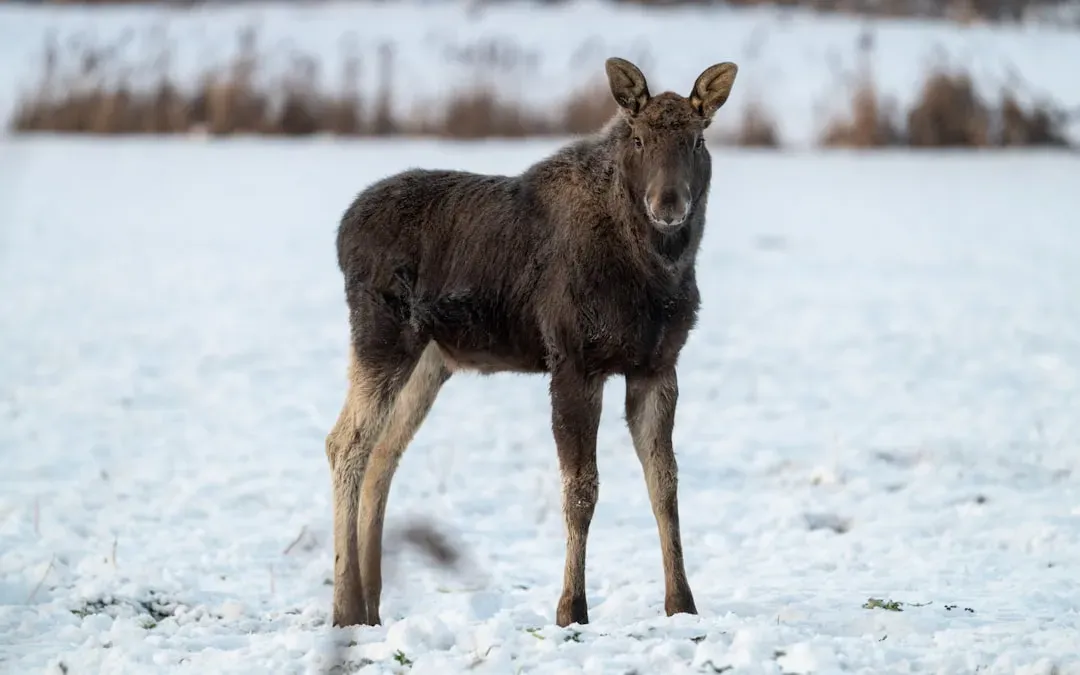
If you ever spot a newborn moose calf, you might be surprised at how quickly it transforms from wobbly to capable. Calves are born in late spring, often in May or early June, and within days they’re already able to follow their mother through brush and shallow water. They grow at a remarkable rate over their first summer, fueled by rich milk and eventually by browsing alongside their mothers on fresh vegetation.
During that first year, a calf absorbs a crash course in survival. It learns what plants to eat, where to find water and shelter, and how to respond to danger. A protective cow moose can be one of the most dangerous animals you encounter in the wild if she thinks you’re a threat to her young, charging with little warning. By the time autumn rolls around, a calf that once looked vulnerable is often surprisingly sturdy and confident, already resembling a smaller, leggier version of the adults.
12. They’re Powerful but Also Surprisingly Vulnerable to Human Activity
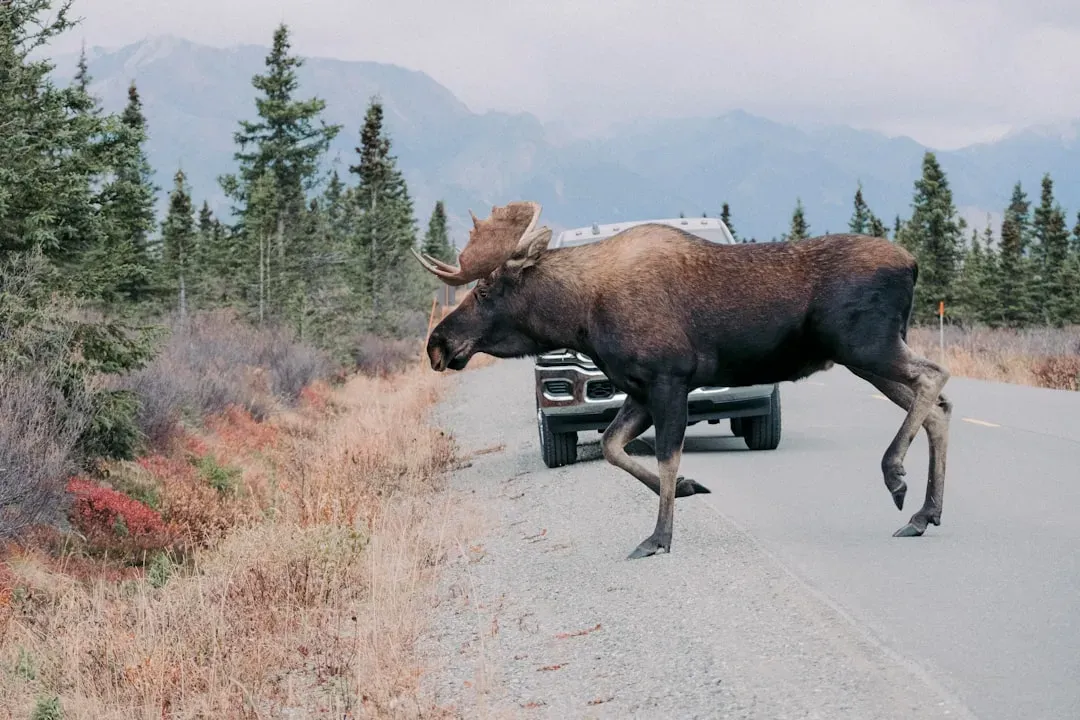
Despite their strength and adaptability, moose live in a world shaped more and more by you and other humans. In many regions, collisions with vehicles are a serious issue, especially at night on rural roads where a dark-bodied moose can be incredibly hard to spot. Because their legs are long and their bodies ride high, hitting one can be devastating both for the animal and for people in the vehicle. Wildlife managers in moose-heavy areas often use fencing, warning signs, and reduced speed zones to cut down on these crashes.
Moose are also affected by habitat changes and shifting climates. Warmer winters can mean higher populations of winter ticks and other parasites, which can weaken moose, especially calves, and lead to what some biologists call “ghost moose” – animals so heavily infested and stressed that they lose large patches of fur. At the same time, moose remain a valued game species and a symbol of northern wilderness, so many regions actively manage and protect them. When you see a moose in the wild, you’re catching a glimpse of an animal that sits right at the uneasy intersection of rugged nature and human influence.
Conclusion: The More You Learn, the Wilder They Become
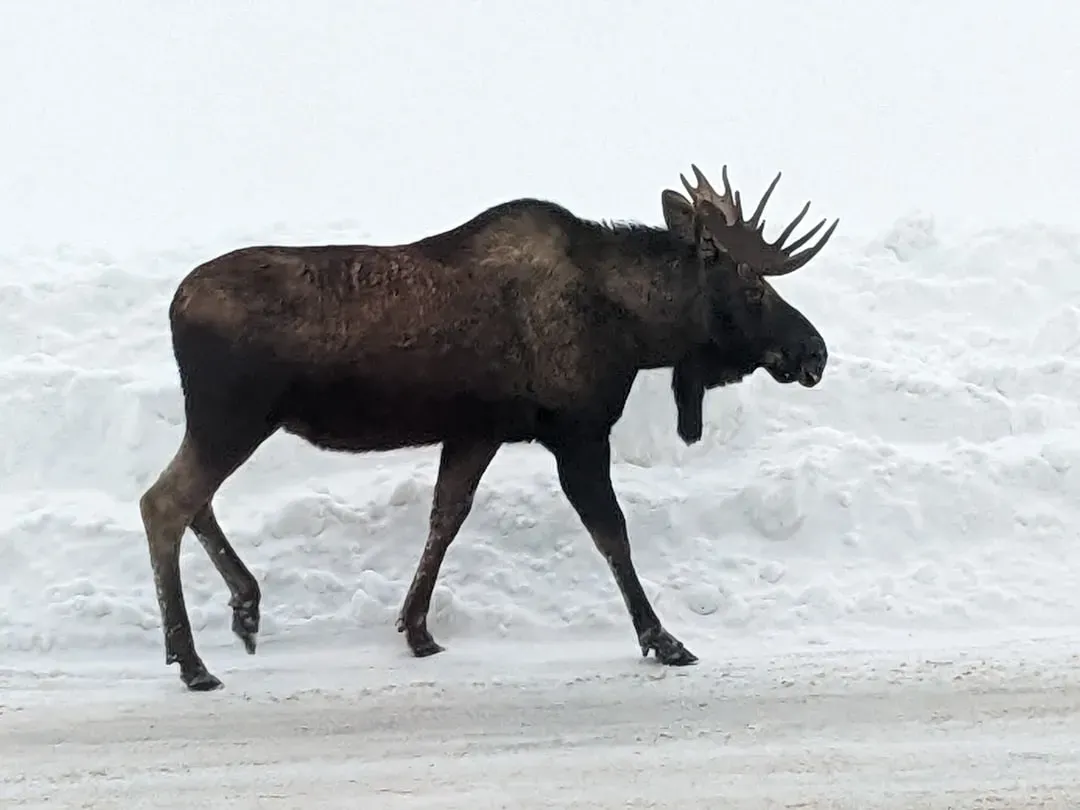
By now, you’ve seen that a moose is far more than just a big forest animal with funky antlers. You’re looking at a cold-adapted specialist that grows its own bone armor every year, swims like a champion, dives for its salad, and navigates predators and people in some of the toughest environments on the planet. Every detail, from its hollow hair to its powerful nose, is a small engineering miracle tuned to life in the north.
Next time you see a photograph or, if you’re lucky, meet a moose in person, you’ll know there’s a lot more going on behind those dark eyes than you might have guessed. You’re not just watching wildlife; you’re witnessing a survivor that has quietly mastered snow, swamp, and deep water for thousands of years. With all that in mind, which of these moose facts surprised you the most?