
You know that feeling when you finally get time off, but instead of relaxing, you cram your days with activities, plans, and checklists? On paper, you’re on vacation. In reality, it feels suspiciously like work with better scenery. Psychologists are finding that when you stay relentlessly busy on holiday, you might be more focused on chasing happiness than actually feeling it in the moment.
This does not mean you are doing vacations “wrong” or that you secretly hate fun. It usually means your brain has learned to value productivity, control, and future satisfaction so strongly that slowing down feels strange or even unsafe. Once you see what’s happening under the surface, you can redesign your time off so it truly restores you instead of becoming one more performance to manage.
You Confuse a Full Schedule With a Full Life

When you pack every day of your vacation with tours, reservations, excursions, and must-see landmarks, you may be equating a full calendar with a meaningful life. You look at the schedule and feel reassured: nothing is being wasted, no opportunity is slipping through your fingers. Psychologically, this taps into a powerful fear of missing out, where doing less feels like losing something important, even if what you are losing is just another line item on a list.
The twist is that your brain often remembers a few vivid moments rather than every single thing you did. You can probably recall a random slow afternoon at a café or a quiet walk by the water more clearly than the fifth tourist attraction of the day. When you stop believing that busyness is proof that you are living fully, you open up space for unplanned, surprisingly rich experiences. You shift from collecting moments for later bragging rights to actually inhabiting them as they unfold.
You Treat Happiness Like a Project to Manage
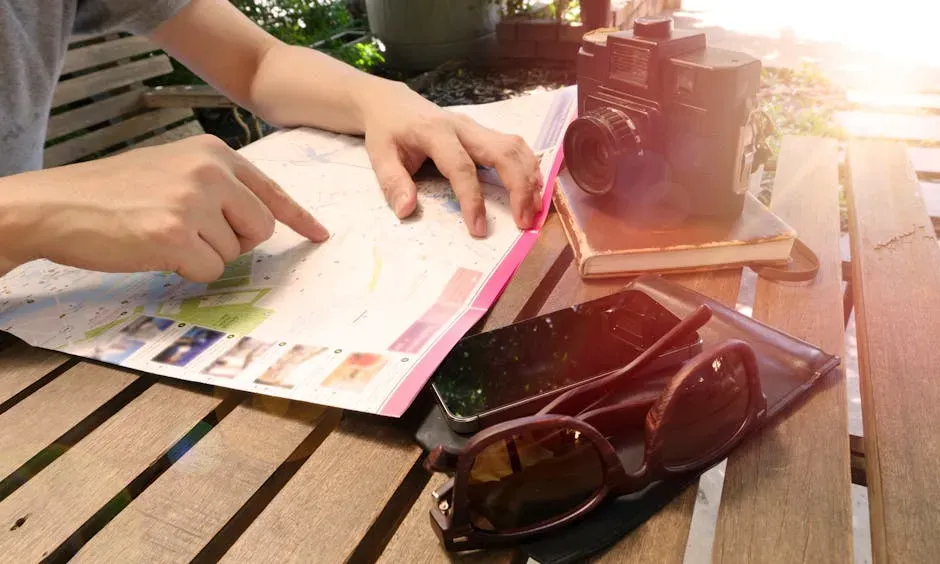
If you tend to stay busy on vacation, you might approach happiness like a project manager approaches a deadline: define the goal, create a plan, execute relentlessly. You research the best restaurants, the highest-rated attractions, the most “iconic” experiences, then try to fit them all in. It feels responsible and intentional, but underneath, you may be trying to control an emotional outcome that never fully arrives because you are always moving on to the next item.
Psychologically, this shows up as an overemphasis on what researchers sometimes call instrumental thinking: you treat experiences as steps toward a future payoff, instead of as ends in themselves. You tell yourself you will relax once everything is done, once you have seen enough, once you have maximized the trip. But because there is always more you could be doing, that finish line keeps moving. Happiness stays just out of reach, like a horizon you never quite get to touch.
You’re Addicted to Productivity, Even Off the Clock
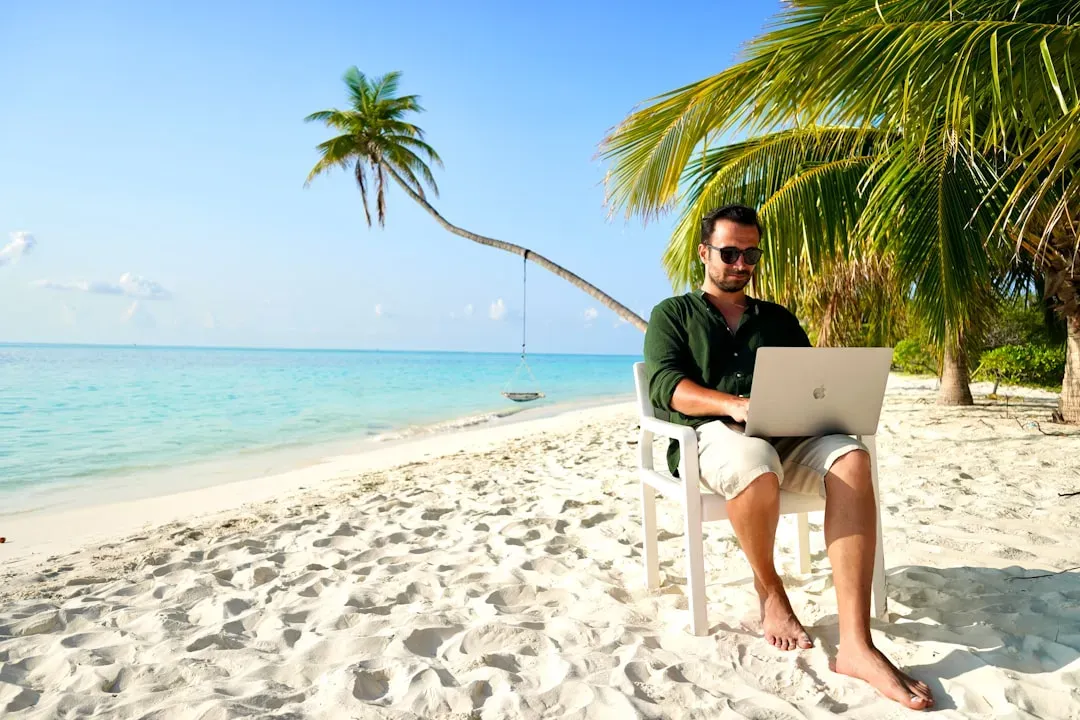
Modern work culture trains you to measure your worth in tasks completed, emails answered, and goals crushed. If you live in that mode all year long, it does not automatically switch off just because your out-of-office reply is on. So you unconsciously recreate the same structure on vacation: morning itinerary, afternoon plan, evening reservation. You might even feel a subtle guilt or restlessness if there is nothing “productive” planned for a few hours.
From a psychological perspective, your nervous system has adapted to a high level of stimulation. Downtime can feel like withdrawal. You might reach for your phone, look for something to fix, or rush to fill the blank space with the next activity. Staying busy helps you avoid that discomfort, but it also prevents your brain from shifting into the slower rhythms that actually repair stress and burnout. Ironically, the very busyness that makes you feel safe might be the thing stopping you from truly recharging.
You Fear the Feelings That Come With Stillness

Here’s a hard truth: sometimes you stay busy on vacation because stillness would bring up feelings you are not ready to face. When you finally step away from work, relationships, or responsibilities, all the unresolved stuff you have pushed aside all year has a chance to surface. Worries about your career, doubts about your relationship, questions about your identity or values – quiet moments give them room to breathe, and that can feel overwhelming.
So you run from beach to museum to restaurant, not just to enjoy yourself, but to outrun your own thoughts. It feels like you are chasing happiness, but at a deeper level you might be running from anxiety, sadness, or emptiness. This is very human and very common. The problem is that busyness becomes a bandage instead of a cure. When you allow even small pockets of stillness on vacation – ten minutes on a balcony, a slow coffee without your phone – you give those feelings a chance to appear in smaller, more manageable waves instead of crashing in all at once later.
You Chase Photos and Memories More Than Moments

Have you ever found yourself thinking more about how a moment will look in a photo than how it feels while it is happening? When you stay busy, you are often also documenting everything: snapping pictures, recording videos, mentally editing future posts or stories. You are not just living the vacation; you are producing it, curating it, turning it into a highlight reel for your future self or other people. In a subtle way, you become an observer of your own life rather than a participant.
Psychologists have found that when you focus heavily on capturing experiences, you can remember that you were there without clearly remembering how it felt. You keep chasing the next picture, the next story, the next memory, instead of sinking into the actual sensations – the smell of the ocean, the warmth of the sun, the taste of your meal. When you gently put the camera down sometimes, you reclaim those moments as lived experiences instead of trophies. You stop hunting happiness like a souvenir and start noticing it as a texture in the present.
You Forget That Rest Is a Skill, Not a Reward

If you were raised to believe that rest must be earned, vacations can feel like a prize you win for working hard enough. In that mindset, true rest is always a little suspicious, as if you are getting away with something. You might feel the need to justify your time off by making it intense and impressive: new countries, early wakeups, ambitious itineraries. Busyness becomes your way of proving you deserved the break in the first place.
But emotionally healthy rest is more like a skill than a reward. It is something you learn, practice, and get better at over time. That includes learning how to listen to your body when it is tired, how to say no to one more plan, and how to notice the urge to fill every gap with activity. When you practice that skill on vacation, you carry it back into your everyday life. Your days off stop being rare escapes from exhaustion and start becoming part of a rhythm where you do not have to reach the edge of burnout just to feel allowed to stop.
You Can Redesign Vacations to Actually Feel Happy
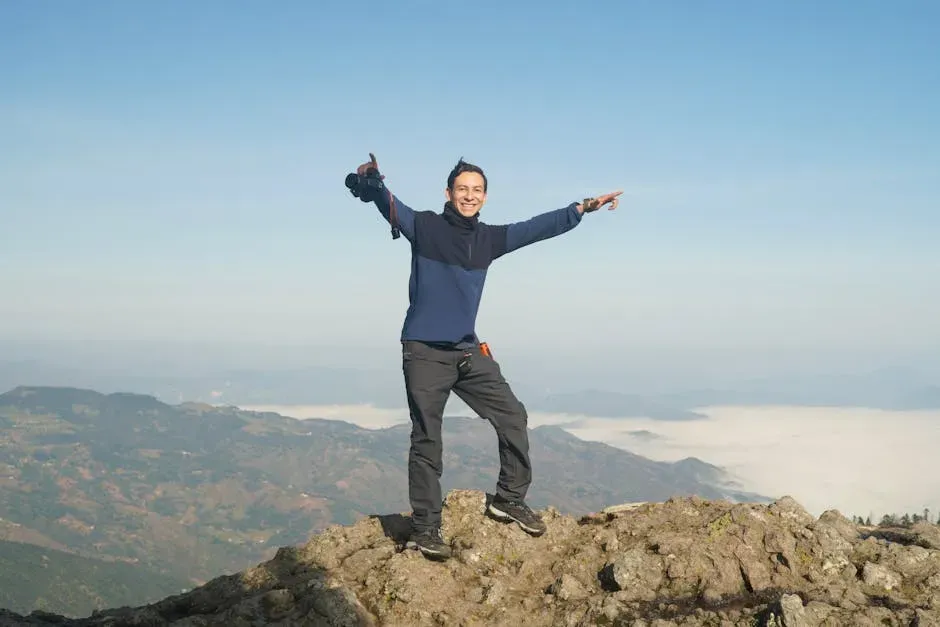
The point is not to turn relaxation into yet another task you have to do perfectly. It is to notice the patterns that keep you chasing happiness instead of tasting it, and then experiment with gentler alternatives. On your next trip, you might leave one morning completely open, or choose one main activity per day instead of three. You might decide that your goal is not to maximize experiences, but to come home with your mind and body genuinely softer and lighter.
Personally, I remember the first time I tried planning less on a trip. I felt uneasy at first, like I was wasting something precious. But by the end, what stayed with me were not the activities I skipped, but the depth of the conversations I actually had and how calm I felt coming home. You can give yourself that same permission: to treat happiness less like a finish line to reach and more like a quiet companion you notice when you finally stop rushing long enough to feel it sitting beside you.
In the end, vacations are a small rehearsal for how you live your whole life. If you are always chasing the next thing, even in your rest, it might be time to gently question what you are really afraid of missing. Maybe it is not another landmark or meal; maybe it is the simple experience of being here, now, in your own skin. The real question is: on your next break, will you keep sprinting after happiness – or dare to slow down long enough to actually feel it?