
You’ve stood in front of that glass case. You read the little placard, nodded like you learned something true, and moved on trusting that someone with a PhD and a lanyard already checked the facts. Turns out, a startling number of those placards were wrong for decades – and some museums only fessed up after visitors had already taken millions of photos believing the lie.
This isn’t about obscure regional museums fudging small details. We’re talking about world-famous halls, blockbuster traveling exhibits, and objects so iconic they’ve been printed on postage stamps and textbook covers. Once you see how these 12 cases unraveled, you’ll never read a museum label the same way again.
#12 – The “Missing Link” That Never Was: Piltdown Man
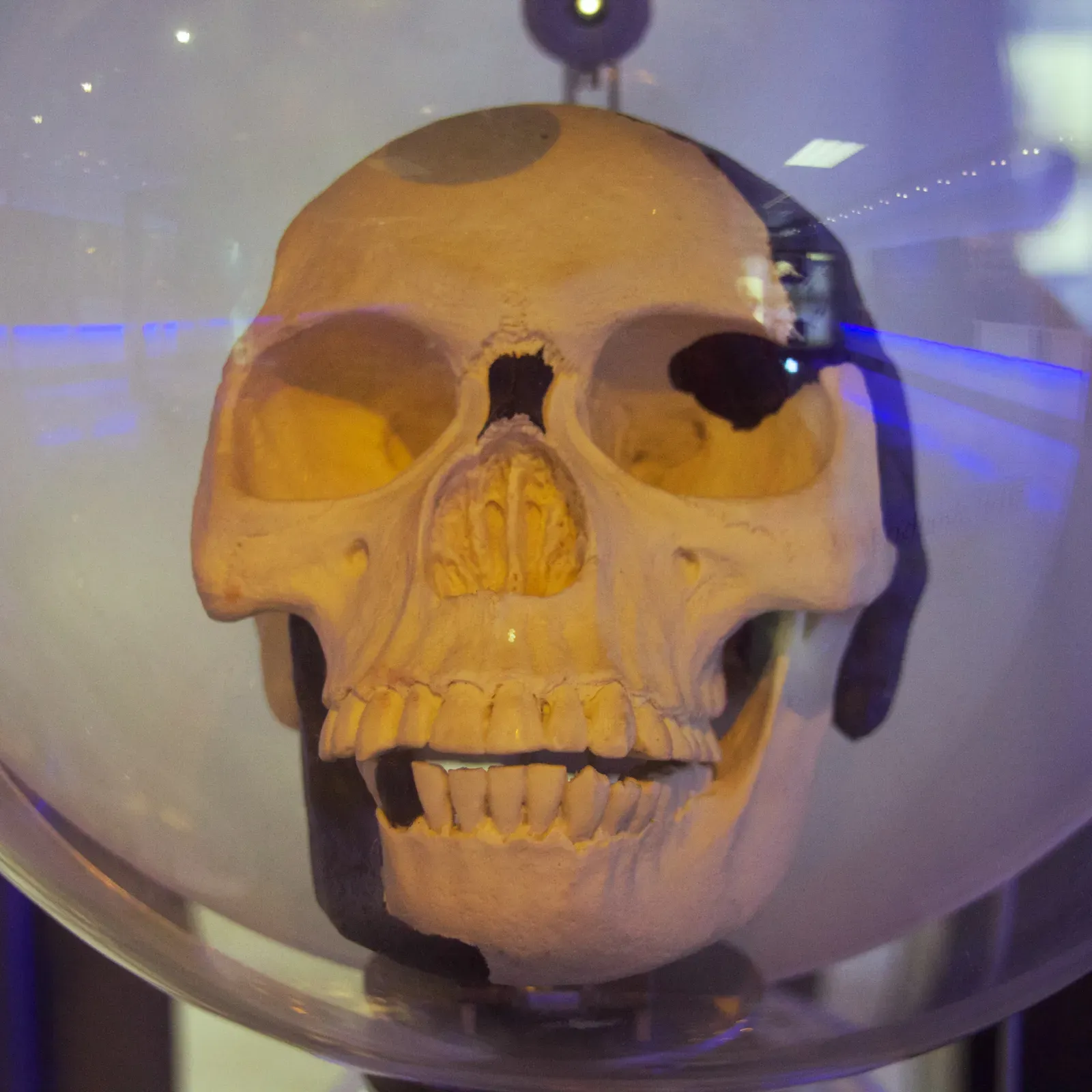
For over 40 years, visitors in London stared at a brownish skull believing they were looking at humanity’s missing link between apes and man. What they were actually looking at was one of the most successful scientific frauds ever staged. “Piltdown Man,” unveiled in 1912, was hailed as the perfect half-ape, half-human fossil and displayed as a cornerstone of human evolution.
Only in 1953 did chemical tests reveal the ugly truth: the skull was a composite of a medieval human cranium and an orangutan jaw, stained and filed to look ancient. The museum eventually re-labelled Piltdown as a hoax rather than a human ancestor, and now uses it to teach skepticism instead of science. Later research even pointed to a local antiquarian, Charles Dawson, as the almost-certain forger, based on matching toolmarks across several of his other “discoveries.” For four decades, this fake fossil actively distorted genuine evolutionary research – and that’s nothing compared to what we found about #11.
Fast Facts
- Unveiled in December 1912 and hailed as the human-ape “missing link.”
- Not exposed as fake until 1953 – roughly 41 years of unchallenged acceptance.
- Actually a modern human cranium paired with a filed, chemically stained orangutan jaw.
- A 2016 scientific review pointed to amateur antiquarian Charles Dawson as the likely lone forger.
#11 – The Golden Mask You Never Actually Saw: King Tut’s Traveling Replicas
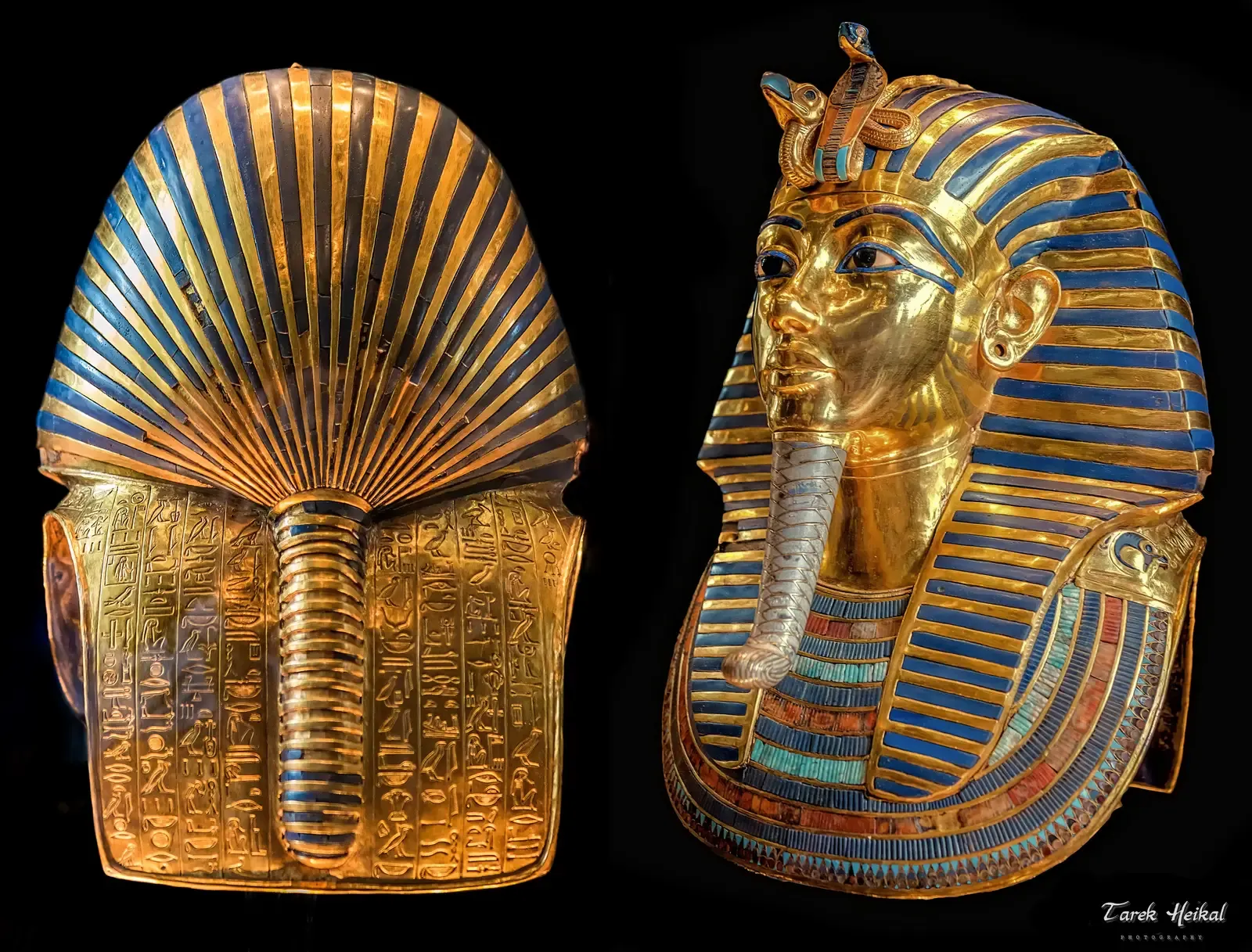
When blockbuster King Tut exhibitions roll through major cities, the marketing leans hard on golden masks and royal splendor. Ticket-buyers walk in expecting to stand inches from the exact objects Howard Carter pulled from the tomb in 1922. In practice, that’s rarely what you’re seeing.
For conservation and security reasons, most international Tutankhamun shows rely heavily on high-quality replicas and casts, with only a small percentage of true originals mixed in. Egypt’s most fragile and famous pieces, including the actual golden mask, stay in Cairo. Many exhibitions do note “reproduction” somewhere in the fine print, but it’s usually buried in text far smaller than the hype outside. Visitors post photos bragging they’ve “seen the real thing,” and the myth just keeps rolling forward – and that’s nothing compared to what we found about #10.
#10 – The “Ancient” Statue That’s Secretly 19th-Century Plaster
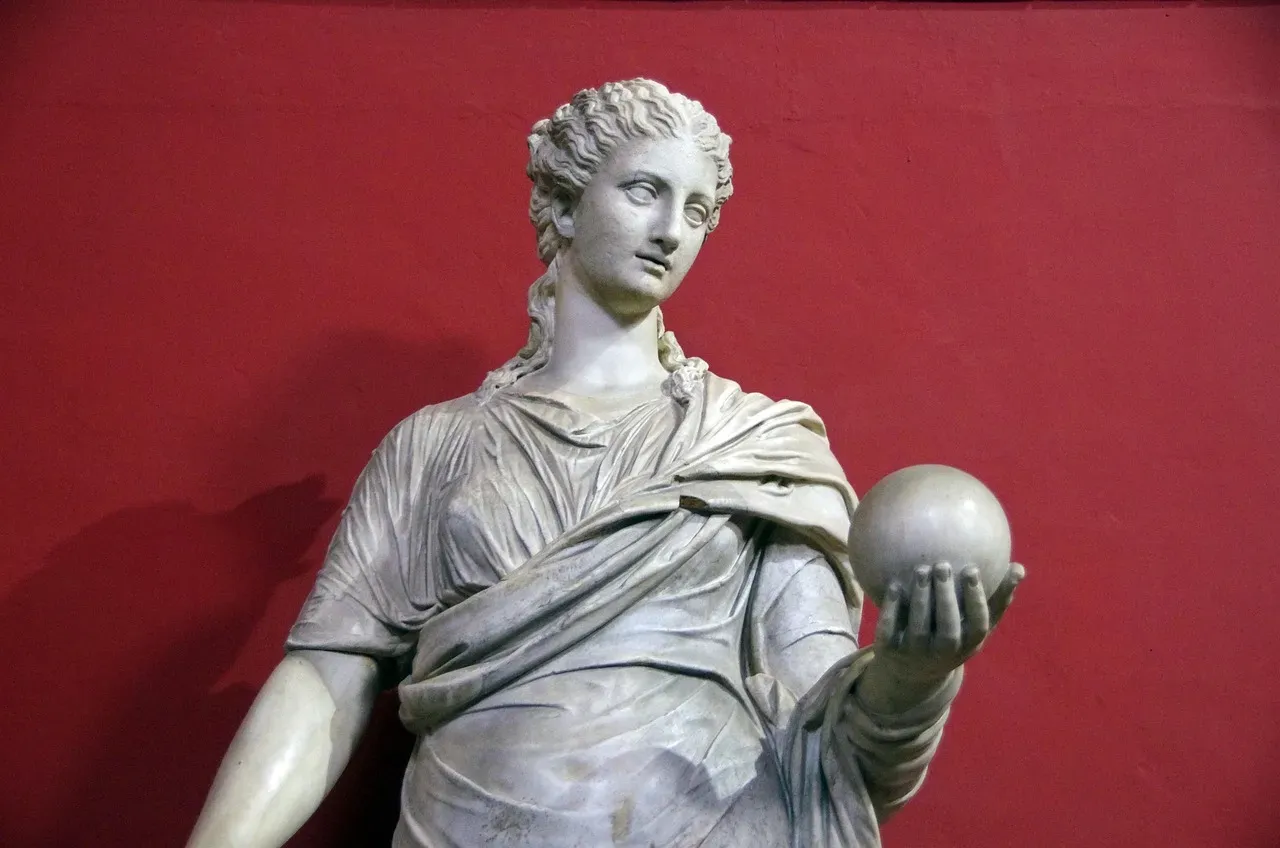
Most people have no idea how much of the “ancient marble” on display is actually modern plaster and cement. In the 19th and early 20th centuries, museums routinely “completed” broken Greek and Roman statues with new noses, limbs, and even entire torsos so they’d look more impressive under gallery lights.
In some cases, more of what you’re staring at is modern restoration than original stone – yet for years the label simply read “2nd-century Roman” with no hint of that ratio. Conservation ethics have shifted dramatically since then. Curators now publish technical studies showing exactly which parts are ancient and which are Victorian filler, and some catalogues include color-coded diagrams. But the gallery experience still tricks the eye: under dramatic lighting, a centuries-spanning collage reads as one seamless, timeless figure – and that kind of simplification isn’t limited to classical sculpture, as you’re about to see.
#9 – The “Complete” Dinosaur Skeleton That’s Actually a Patchwork of Strangers

That towering T. rex or soaring pterosaur looming over the museum atrium looks like a single, perfectly preserved animal frozen mid-stride. The truth is far messier. Most mounted dinosaur skeletons are composites, built from multiple individuals, multiple dig sites, and sometimes even multiple species, with missing sections filled in by sculpted resin or plaster casts.
That’s standard paleontological practice, but for decades the labels just gave a species name and a date, as if the creature climbed out of the ground fully assembled. Some institutions have finally started coming clean, adding plaques that note “composite of several individuals” or “modelled elements where bones are missing.” It’s an overdue shift, but plenty of visitors still walk out convinced they’ve seen one complete Jurassic animal. That “one” dinosaur is almost never just one dinosaur – and that’s nothing compared to what we found about #8.
#8 – The Confident Portrait Label That Was Guessing All Along
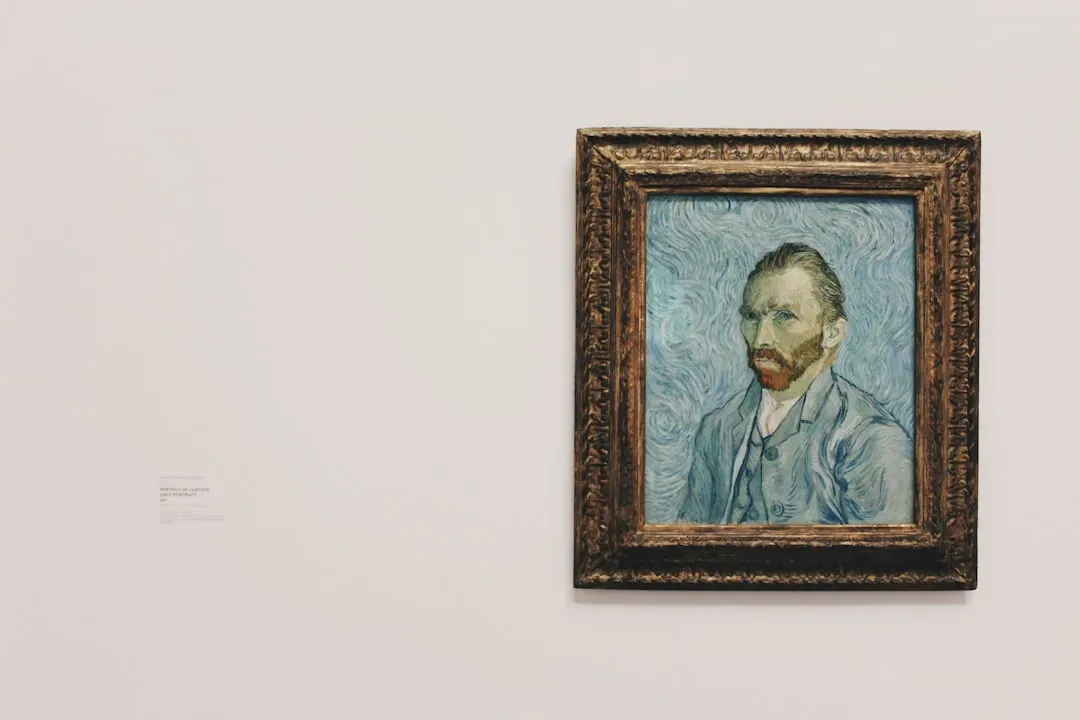
Portrait galleries radiate authority: a serious face, a gilded frame, a label that confidently names some duke, queen, or revolutionary hero. But art historians regularly overturn those attributions, and museums quietly follow suit. X-rays, old inventories, and stylistic analysis have exposed that plenty of “definitive” historical portraits were actually of someone else entirely, or painted by a completely different artist.
The most common culprit is an old inscription or a 19th-century art dealer’s guess that hardened into accepted fact and got repeated in catalogue after catalogue, uncontested for generations. When curators finally admit the mistake, wall text shifts from “Portrait of X” to “Formerly identified as X” or simply “Unknown sitter.” It frustrates visitors who crave certainty, but the alternative, clinging to a good story with no evidence behind it, is worse. As #7 shows, even photographs can trap institutions in decades of mistaken identity.
#7 – The Cowboy Photo That Fooled a Postage Stamp and a Museum
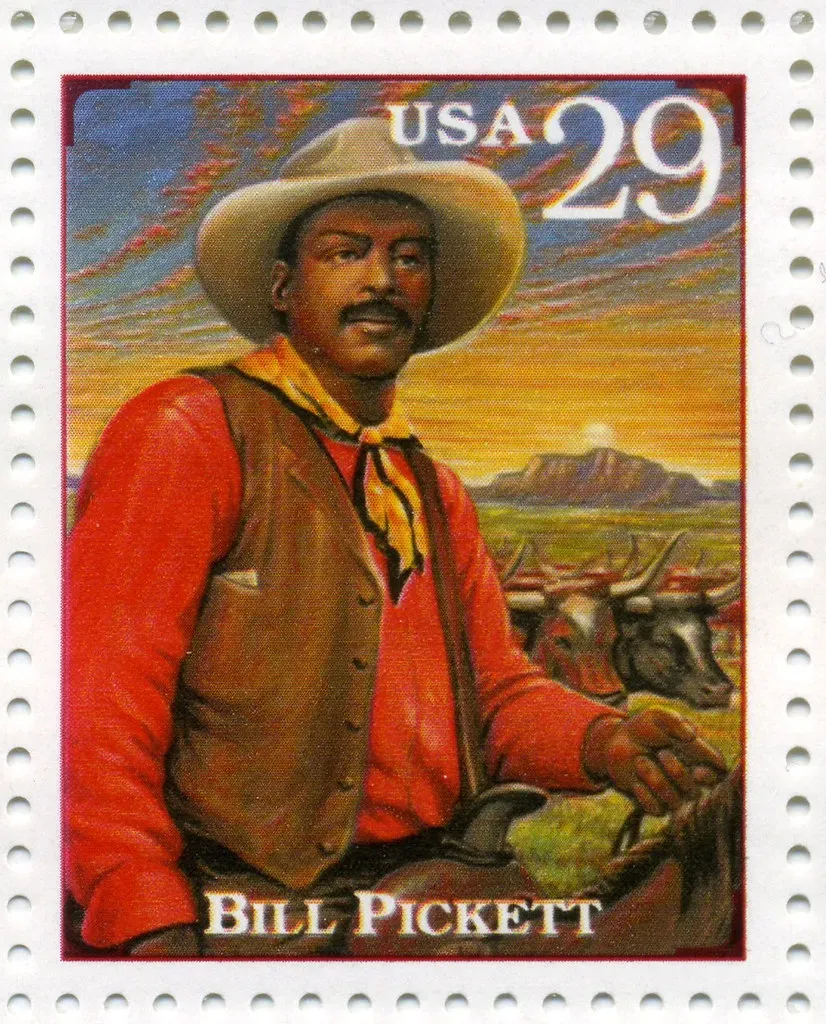
One of the strangest mix-ups didn’t start in a museum at all; it started on a U.S. postage stamp. In 1993, the Postal Service issued a “Legends of the West” stamp honoring Black rodeo star Bill Pickett, using a famous cowboy photograph that had already been reproduced in countless museum shows and books as a portrait of Pickett himself.
After millions of stamps were printed, researchers realized the man in the photo wasn’t Bill Pickett at all, but another cowboy, likely his own brother. The mistake forced a reprint and sent curators scrambling to re-examine displays and catalogues built on that same mislabelled image for years. The National Postal Museum now uses the whole episode as a case study in how one wrong caption can quietly infect an entire visual record. If you’ve ever trusted a photo simply because “museums use it,” this story should make you pause – and that’s nothing compared to what we found about #6.
Quick Compare
- Claimed identity: Bill Pickett, the celebrated Black rodeo star credited with inventing bulldogging.
- Actual identity: his younger brother, Ben Pickett, per the family’s own correction to the Postal Service.
- Original release: unveiled December 1993, recalled weeks later in January 1994.
- Fallout: millions of stamp sheets pulled, with a corrected design finally issued in October 1994.
#6 – The “Ancient” Curiosity That’s Actually a Victorian Souvenir
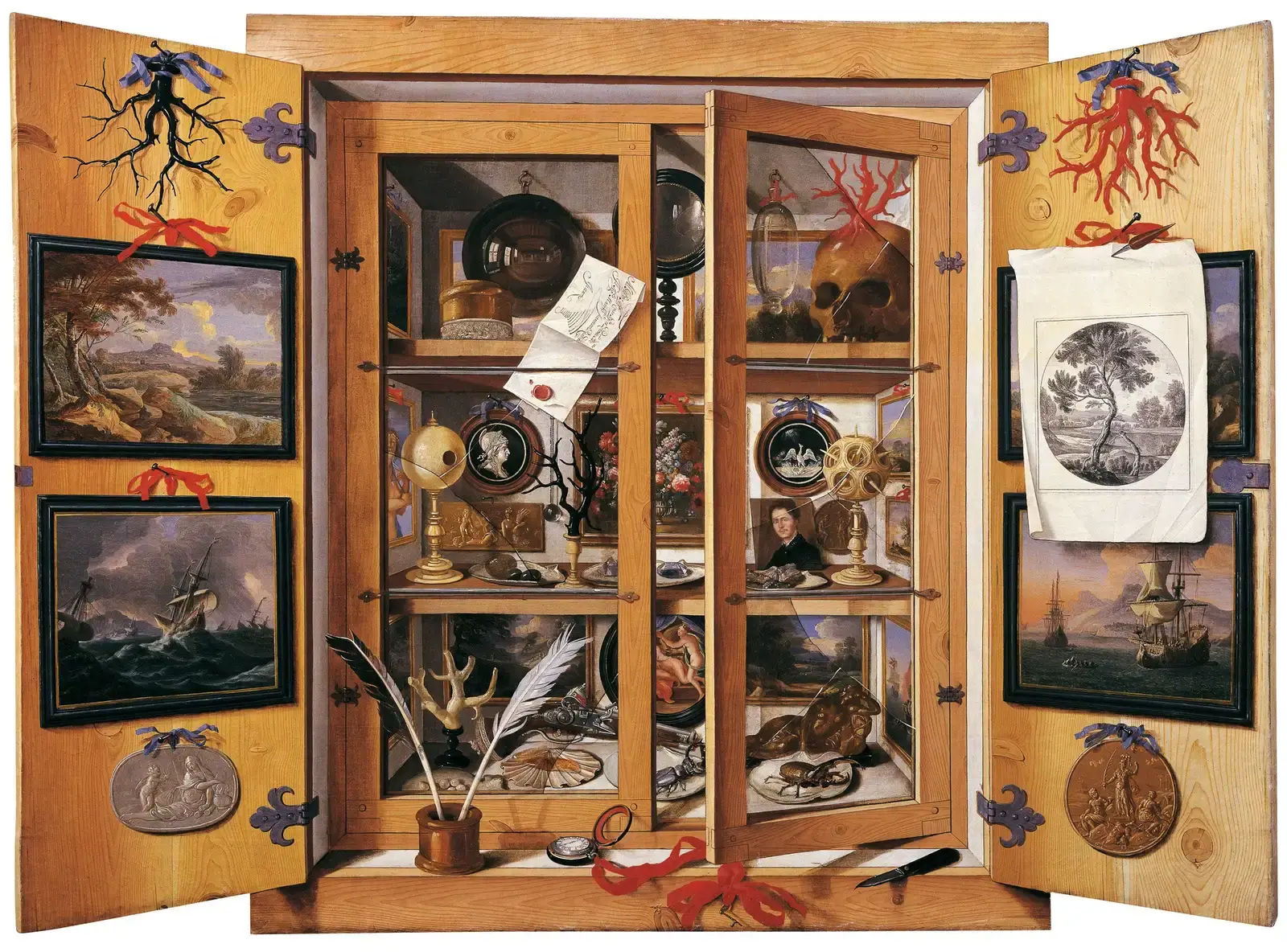
Cabinets of curiosities love a good oddity: shrunken heads, witch bottles, charms, mummified “mermaids.” The trouble is, a surprising number of these crowd-pleasers are 19th- or early 20th-century fakes that got inherited by later generations of curators as if they were genuine ethnographic or natural-history specimens.
The discovery rarely comes with a dramatic confession; it usually surfaces during routine conservation testing. When it does, the label softens the blow: “shrunken head from the Amazon, 1800s” quietly becomes “model of a shrunken head, likely produced for the tourist trade,” with a note that modern materials were detected. Some institutions now proudly mount entire exhibits on historical hoaxes, essentially admitting how often their own predecessors got fooled. Purists still argue these fakes should be pulled from display entirely – but that debate is nothing compared to what we found about #5.
#5 – The Priceless Original You Photographed That Was Never in the Room
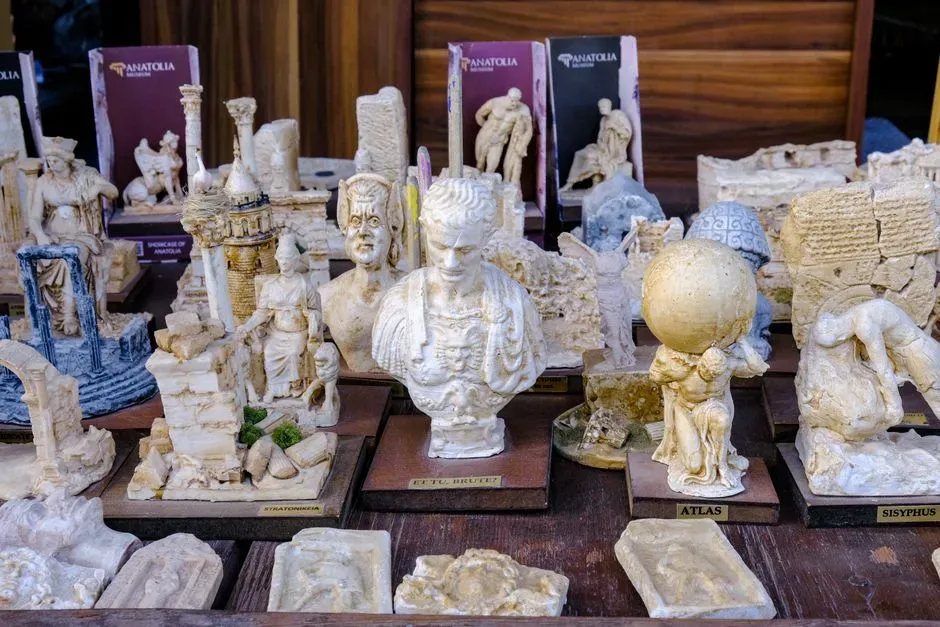
Here’s an open secret in high-traffic galleries: the object behind the glass is frequently not the priceless original at all, but a near-perfect replica, especially for anything fragile, easily stolen, or constantly in demand for international loans. Museums do this for legitimate reasons – light, humidity, and vibration can quietly destroy paper, textile, and certain stone over time.
You might spend ten minutes photographing a world-famous artifact while the actual original sits in a dark, climate-controlled vault miles away. To their credit, more labels now specify “replica on display; original in storage.” But the mismatch lives in the gallery’s tone, which still often implies you’re standing in direct contact with history. Conservators argue that without these swaps, many originals would deteriorate beyond study within a generation – a tension that only gets sharper with a contested icon like #4.
#4 – Nefertiti’s Bust: The Icon Surrounded by Its Own Copies
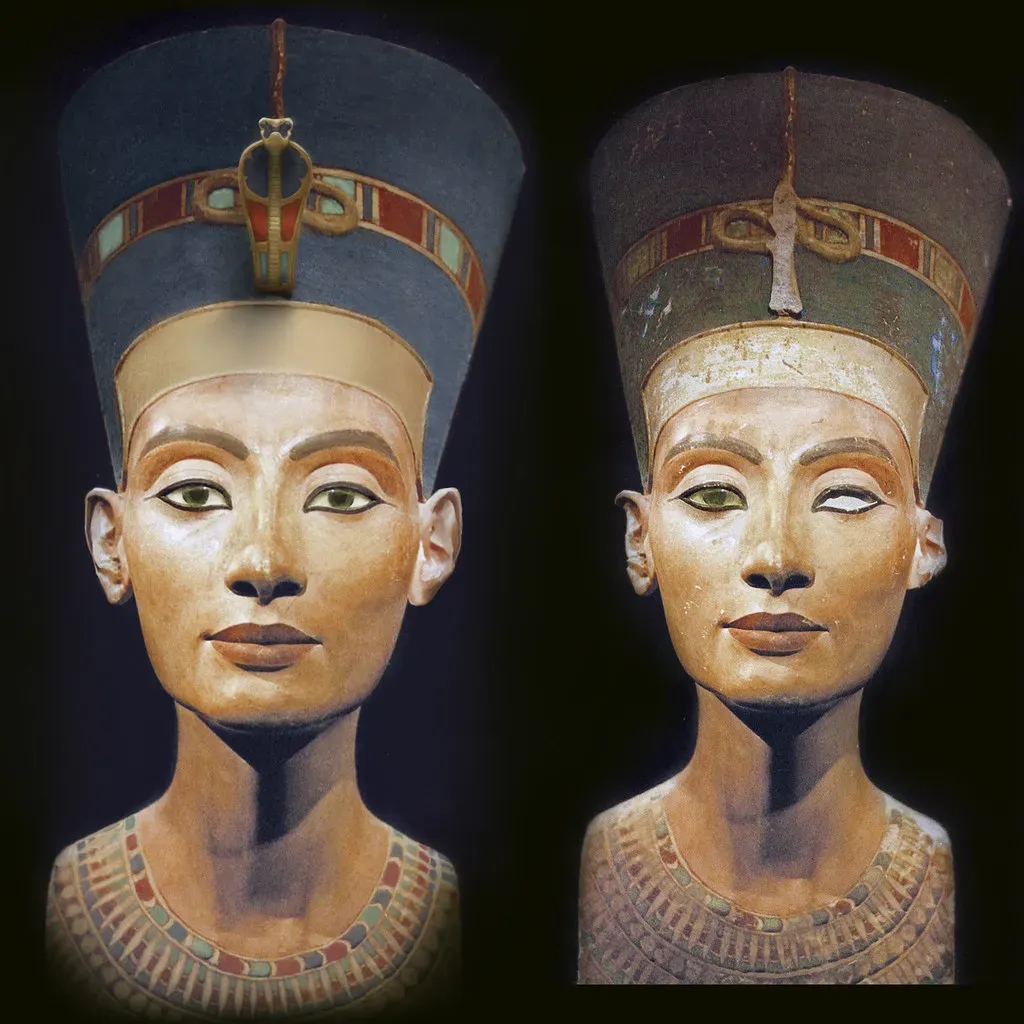
Berlin’s bust of Nefertiti is one of the most recognizable objects on Earth, and scholars broadly accept it as a genuine 3,300-year-old limestone portrait from the workshop of the sculptor Thutmose. So why does it belong on this list? Because the way it’s displayed, and endlessly copied, has spun up an entire cloud of confusion about what’s original, what’s replica, and who even gets to decide.
The Neues Museum openly produces high-quality replicas, including tactile versions for blind visitors, made by its own in-house workshop. Meanwhile, artists and critics have turned “Nefertiti” into a contested symbol at the center of repatriation disputes between Germany and Egypt. In 2015, activists even released a detailed 3D model they claimed was a covert scan, directly challenging the museum’s grip on reproduction rights. Most scholars still consider the Berlin bust the real thing, but its aura is now tangled up with countless sanctioned and unsanctioned copies – and that’s nothing compared to what we found about #3.
Worth Knowing
- The bust is roughly 3,300 years old, carved from a limestone core covered in painted stucco.
- It was unearthed in 1912 at Amarna, Egypt, by a German archaeological team.
- It has been displayed at Berlin’s Neues Museum for decades, surviving wartime relocation along the way.
- Egypt has repeatedly asked for its permanent return, a request Germany has consistently declined.
#3 – The “Ancient” Skeleton That Turned Out to Be Someone’s Recent Ancestor
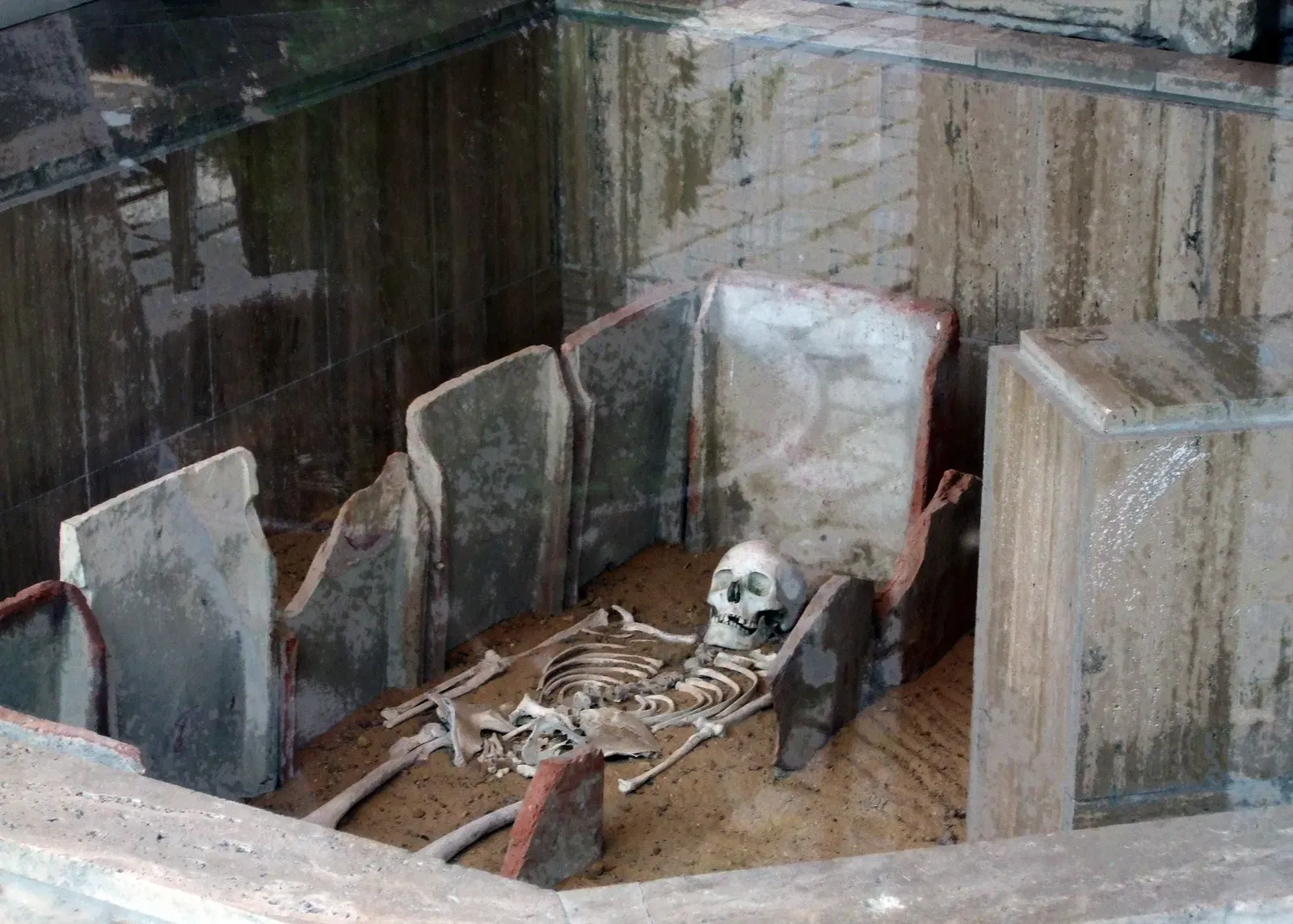
Human remains in museum cases feel definitive: Bronze Age warrior, Iron Age princess, medieval pilgrim. Yet advances in radiocarbon dating, isotope analysis, and DNA testing keep punching holes through those confident labels. A skeleton once proudly billed as prehistoric can turn out, after modern testing, to be only a few hundred years old.
This gets especially sensitive when remains were originally taken from Indigenous communities under colonial-era conditions. New research often reveals that some “archaeological” burials were actually recent and culturally significant, raising real ethical obligations around repatriation. Museums that once fixated on age and race are now under pressure to foreground provenance and consent instead, which means old labels like “Skull, unknown tribe, 18th century?” are quietly disappearing or being pulled from display altogether. It’s a shift that forces visitors to confront how shaky and political these old classifications always were – and that’s nothing compared to what we found about #2.
#2 – The Teaching Model That Fossilized Racist Pseudoscience

Walk into certain science museums and you can still find models and diagrams quietly preserving ideas that should have died decades ago. Some of the worst offenders are human-evolution charts and plaster “racial type” busts produced in the early and mid-20th century, once labelled as objective representations of entire human populations.
These pieces lingered in university and museum collections long after the underlying science was thoroughly discredited, treated for years as neutral teaching tools rather than what they actually were. Today, the more responsible institutions either pull them from public view or redisplay them with blunt labels explaining how they embodied racist pseudoscience. It’s an uncomfortable reminder that a glass case and a confident panel can make almost anything look factual, right up until the science catches up – and that’s nothing compared to what we found about #1.
#1 – The Fake Mermaid That Museums Are Finally Willing to Confess
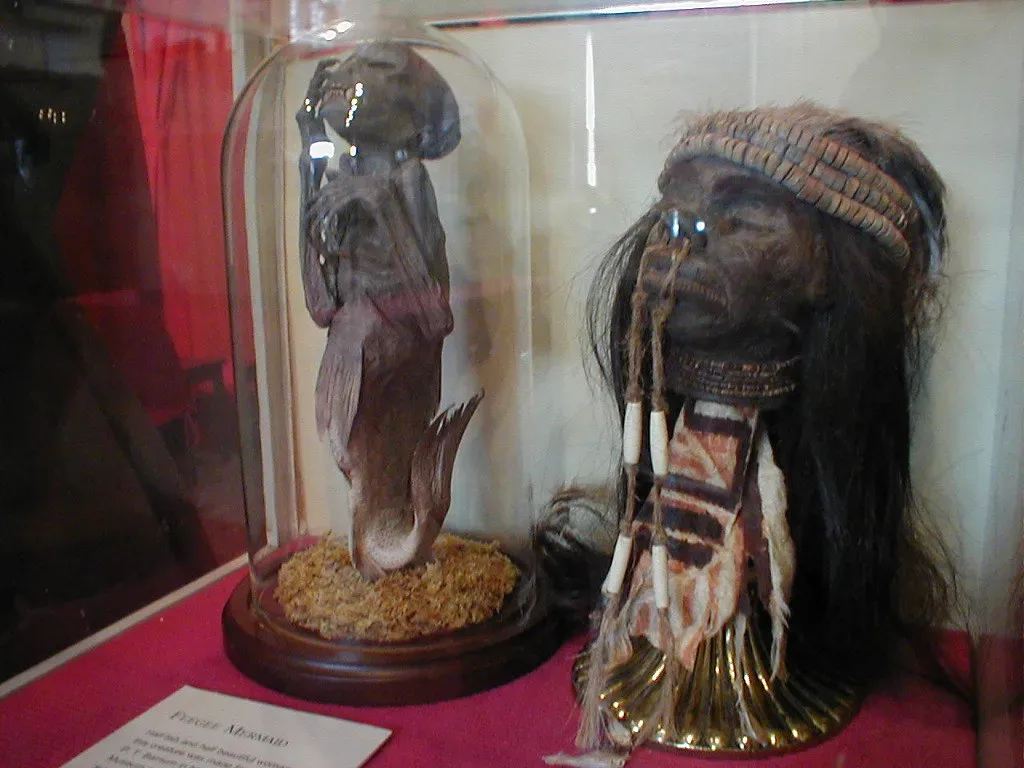
If there’s one category where museums have most enthusiastically misled visitors, and later had to own up to it, it’s the world of “freaks”: mermaids, dragons, centaurs, and other stitched-together impossibilities. Some 19th-century natural history collections openly bought or fabricated these creatures to pull in paying crowds, then quietly shoved them into storage as professional standards rose.
A surprising number survived, and a few institutions have recently hauled them back out as cautionary tales, displaying a fabricated “centaur” mount right alongside a cast of Piltdown Man to show how easily audiences get seduced by spectacle. The crucial shift is in the label itself. Where you once might have read “mermaid specimen, origin unknown,” you’re now far more likely to see “19th-century hoax assembled from fish and mammal parts, displayed to test the limits of public belief.” That honesty doesn’t erase the original deception, but it does something more interesting: it makes you question why anyone ever believed a half-fish, half-mammal creature belonged in a serious glass case in the first place.
At a Glance
- The most famous example, P.T. Barnum’s “Feejee Mermaid,” toured the U.S. starting in the 1840s.
- It was typically built from the torso and head of a juvenile monkey sewn to the tail of a fish.
- Showmen originally presented it as a genuine captured creature, not a curiosity or novelty.
- Surviving specimens are now sometimes displayed openly as hoaxes to teach visitors about spectacle and skepticism.
The Bottom Line

When a museum quietly changes a label from “authentic” to “replica,” from “missing link” to “hoax,” or from “definitive portrait” to “formerly attributed,” it isn’t just fixing a typo. It’s admitting that authority can be wrong in public, for decades, in front of millions of people.
The pattern running through all 12 of these cases is simple and a little uncomfortable: the glass case and the confident caption are almost always more persuasive than a visitor’s own skepticism. Institutions know this, which is exactly why they were historically so slow to confess uncertainty and fakery.
Personally, I think any exhibit that hides a replica or downplays a past mistake is failing the very people who trusted it enough to show up. A label that can’t admit what’s unknown or revised isn’t protecting the public – it’s just out of date. The good news is that more curators now treat doubt as part of the story instead of a threat to it, and that shift matters more than any single fake skull or borrowed mask ever could.