Most people assume the ocean is basically mapped out by now – satellites, submersibles, decades of research ships crisscrossing every current. Here’s the uncomfortable part: scientists still haven’t described the vast majority of marine species on Earth. And every so often, a camera drops into the black and catches something so strange it rewrites a chapter of a textbook… and then it’s simply gone. No second sighting. No follow-up footage. Just a few seconds of grainy video and years of arguments among biologists who still can’t fully agree on what they watched.
These “” creatures live in a strange gray zone between hard science and campfire legend. Some of them broke rules we thought were settled, like where sharks are supposedly allowed to exist. Others looked so alien that the internet accused NOAA of hiding an actual space egg. Keep reading, because the very last entry on this list is arguably the most unsettling of all – not for what it looks like, but for what it says about everything we still haven’t seen.
#12 – The Antarctic “Mystery Sleeper Shark”
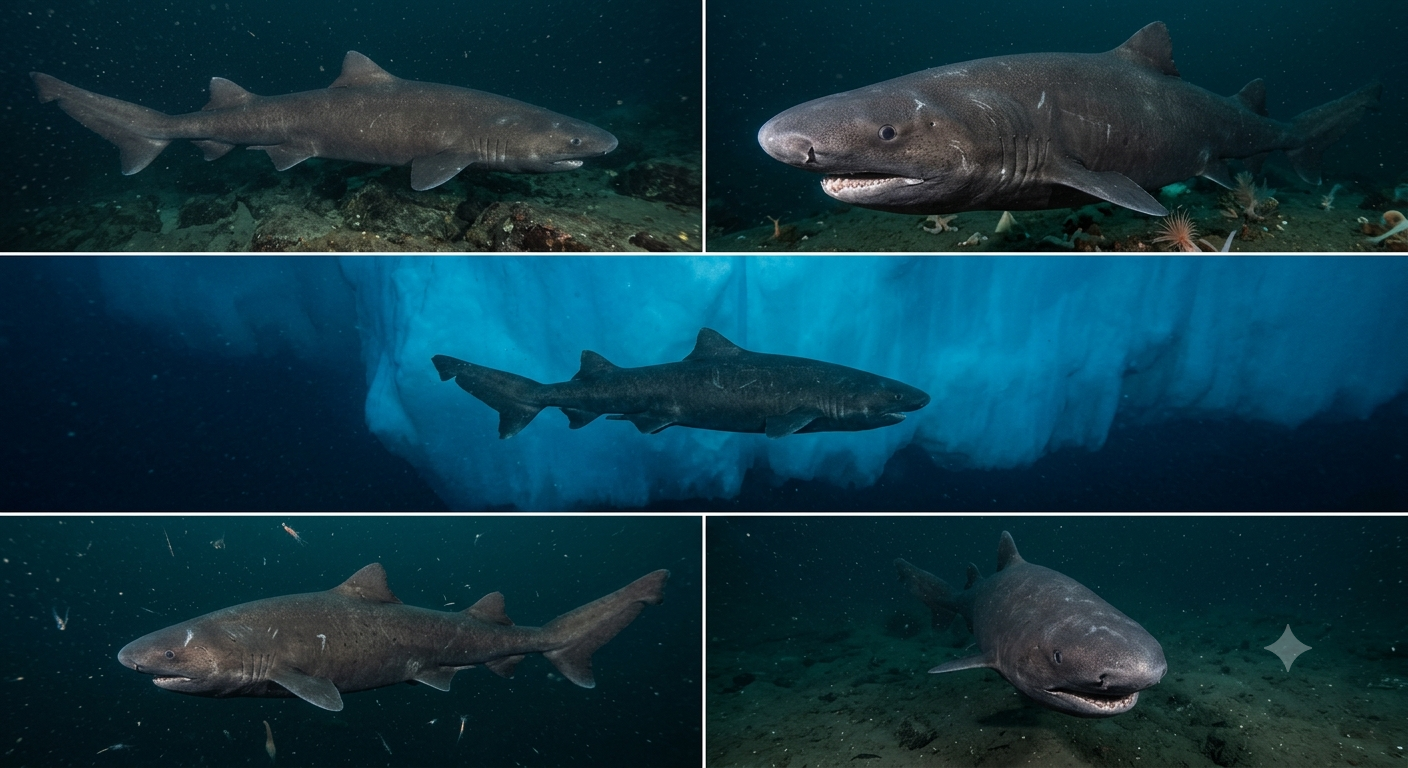
Scientists always insisted true Antarctic waters were basically a shark-free zone. Then in January 2025, a deep-sea camera off the South Shetland Islands casually filmed a huge, slow-moving shark cruising past at about 1,600 feet deep, in water hovering just above freezing. Many experts now suspect it was a sleeper shark species never documented that far south before.
What makes this clip brutal for scientists is how little it gives away. The shark drifts past the bait camera once, maybe 3 to 4 meters long, then vanishes into blackness. No tissue sample, no tag, not even a fully clean ID. Some argue it’s a Southern sleeper shark; others think it could be an unknown Somniosus species adapted to icy Antarctic depths. Either way, there is still no second confirmed video of a shark that far south.
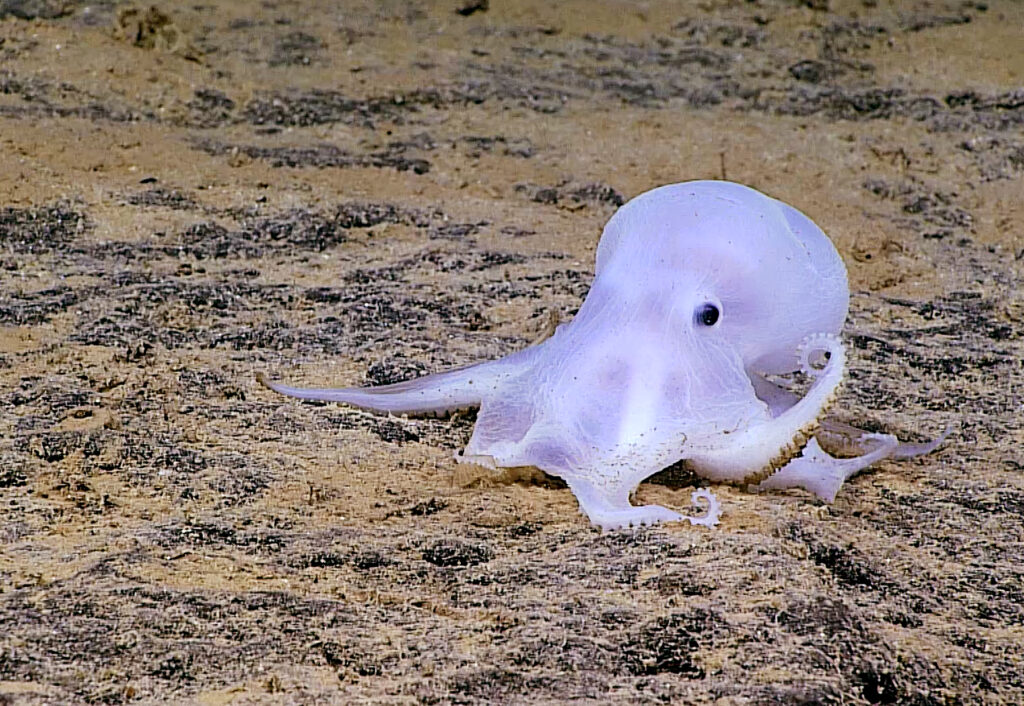
#11 – “Casper,” the Ghost Octopus That Vanished
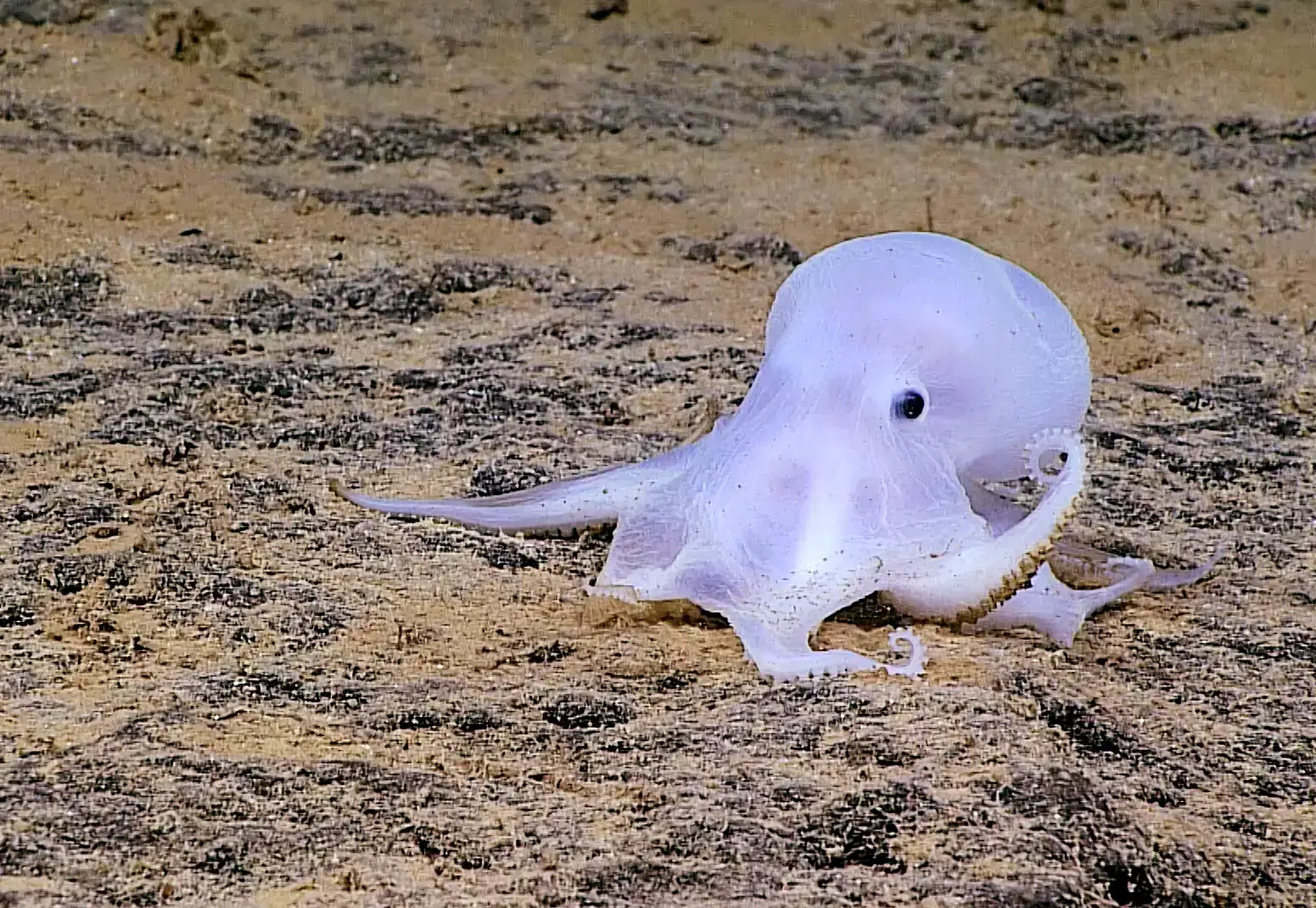
In 2016, one of NOAA’s ROVs dropped down more than four kilometers into the Pacific and caught something so disarming it went viral almost overnight. A tiny, pale octopus with no visible pigment and no “Dumbo” fins floated calmly above the seafloor. The internet named it Casper, and to this day it’s known only from that video and a handful of related images – no specimen has ever actually been collected.
Here’s the headache: because no one has physically handled Casper, it’s technically not an official species yet. Scientists can only study its body shape and behavior from footage. It appears to lay eggs on dead sponge stalks, has unusually short arms, and may be built for ultra-low-energy life on the abyssal plain. For a decade, teams have returned to similar depths hoping to find another Casper. So far, nothing.
Fast Facts
- Filmed in 2016 by a NOAA ROV over 4,000 meters deep in the Pacific
- Nicknamed “Casper” for its pale, ghost-like appearance
- No physical specimen has ever been collected
- Appears to lay eggs on dead sponge stalks, unlike most octopuses
#10 – The World’s First Live Colossal Squid in the Deep
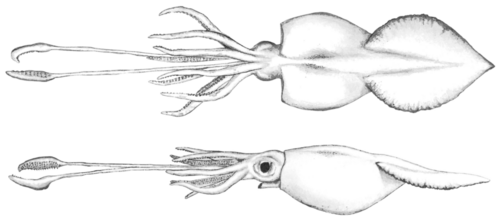
For over a century, the colossal squid was basically a cadaver – bits hauled up in fishing nets, eyes the size of dinner plates, but no living animal ever seen in its own world. That changed when a deep-sea camera finally captured the first confirmed footage of a young colossal squid moving through the water column, a fleeting encounter that solved one mystery and cracked open ten more.
The video shows a small but unmistakable squid with massive, powerful arms relative to its body, gliding through the dim midnight zone. It looks curious but cautious, hanging at the edge of the light. This clip exists largely because researchers used quieter, less intrusive gear than usual. Ironically, that success has been almost impossible to repeat – similar expeditions rarely cross paths with the same species twice.
#9 – The 9,100-Meter “Mystery Mollusc” Nobody Can Name
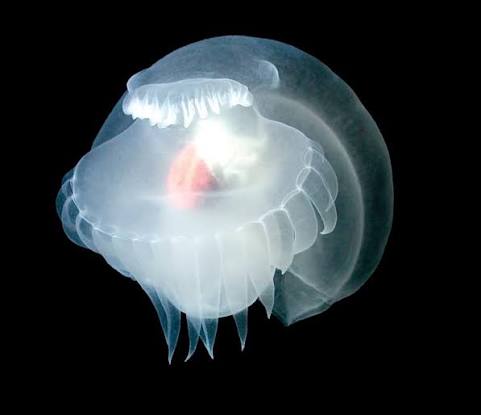
When researchers dropped a camera system into some of the deepest trenches near Japan and the wider Pacific, they expected the usual cast: amphipods, maybe a ghostly fish or two. What they got instead was a bizarre, soft-bodied animal at more than 9,000 meters that nobody could confidently identify, quickly nicknamed the “mystery mollusc.”
On camera it looks nothing like the tidy clams and snails from a textbook. Instead, it drifts like a gelatinous sac with faint structures that hint at mollusc anatomy pushed to an extreme. At that depth, crushing pressure and near-freezing water shove evolution down very strange paths. The camera rig had no way to collect it, and in trenches this deep, you don’t just “go back” for round two – every descent costs serious money and time. So for now, that one clip is all science has.
#8 – The Giant Phantom Jelly, Seen Only a Handful of Times

MBARI’s ROVs have logged thousands of dives in the mid-water midnight zone. Out of all that effort, they’ve spotted the giant phantom jelly, Stygiomedusa gigantea, only nine times in decades of work – and every one of those sightings is treated like a once-in-a-career event.
This jelly looks like a living parachute. Its bell alone can stretch over a meter across, with four thin, ribbon-like arms trailing up to 10 meters long. There’s no tentacle fringe, no classic jellyfish silhouette – just vast, blood-red curtains of tissue drifting through the dark. Biologists suspect it may use those arms like drift nets to snag fish and other jellies, but real behavior studies are nearly impossible when your subject shows up a handful of times across thousands of hours of footage.
At a Glance
- Species: Stygiomedusa gigantea
- Confirmed sightings by MBARI: just 9 in decades of deep-sea dives
- Bell diameter: can exceed 1 meter across
- Trailing arms: up to 10 meters long, with no tentacle fringe
#7 – The Deep-Sea Enigma Known Only as “Marvin”
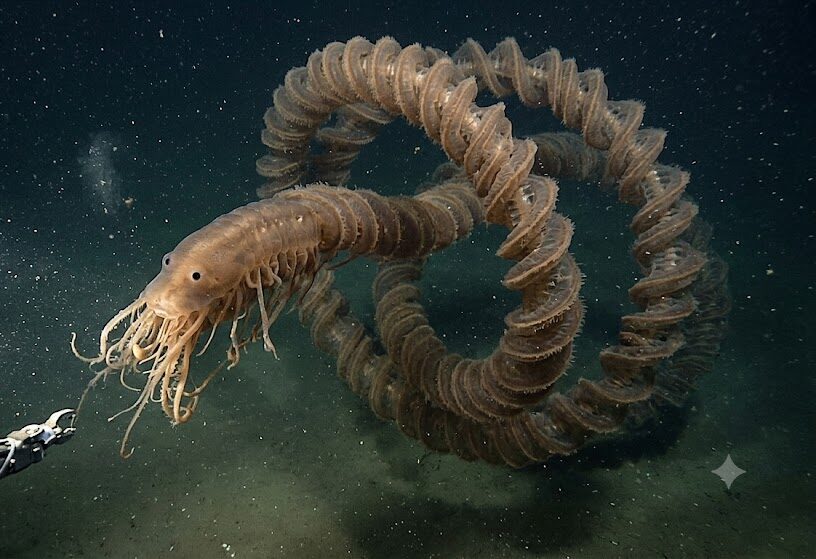
Some creatures aren’t just rare – they’re practically urban legends among scientists. In 1962, an experimental undersea camera system reportedly filmed a corkscrew-shaped, translucent animal at around 180 feet off New Jersey, nicknamed “Marvin” by the team. Only a handful of frames survive, showing a long, twisting form unlike any typical jellyfish, eel, or siphonophore.
The surviving footage isn’t pretty. It’s grainy, black-and-white, and exactly the kind of thing skeptics love to write off. But several researchers who reviewed it over the decades concluded it does show a real biological organism, not debris. The animal apparently kept returning to the camera lights, which hints at something active and curious rather than a dead drifting scrap. Theories range from a gigantic siphonophore to an unknown gelatinous chordate – and six decades later, with far better technology, no one has filmed anything quite like Marvin again.
#6 – The Ross Seal’s Rare Underwater Close-Up
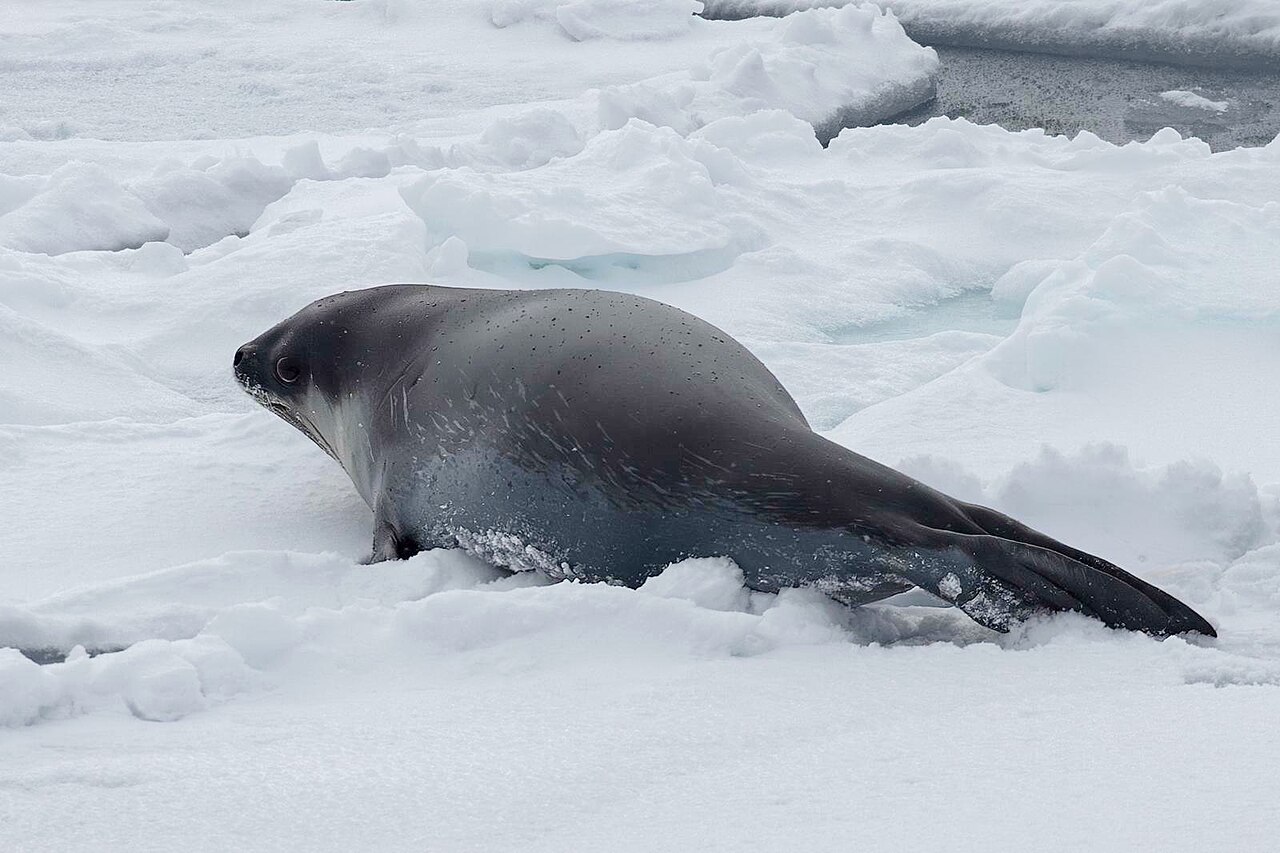
On paper, Ross seals are real, documented Antarctic mammals. In practice, they may as well be ghosts. They live on remote pack ice, make up only a tiny fraction of the region’s seal population, and almost never interact with humans. That’s why a recent dive trip that produced some of the only underwater video of a Ross seal hunting and playing immediately made waves in the marine world.
Photographers recorded a single animal cruising under the ice, offering rare, clear looks at its bullet-shaped head and sleek body. Antarctic conservation groups note that even surface sightings of Ross seals are considered notable; underwater footage is almost unheard of. Those few minutes are now some of the only behavioral records we have for the species in its natural pack-ice environment. Most expeditions still prioritize more “charismatic” animals like penguins and larger seals, so a repeat encounter is anyone’s guess.
#5 – The Once-in-a-Career Spotted Box Jelly

In the early 2000s, a dive team off Australia filmed a strange box jellyfish covered in big, distinct dark spots – later identified as Chirodectes maculatus, an extremely rare species confirmed from a single specimen and that one dive video. For years, marine biologists pointed to it as a textbook case of “one and done” footage.
Decades later, a recreational diver in the Coral Sea captured what appears to be the same species again, and experts still debated the ID frame by frame. But for most of modern marine biology, that original clip functioned almost like a myth: an oddly patterned, probably venomous jelly drifting through blue water with zero context. We still have almost no data on its lifecycle, diet, or distribution, despite how visually distinctive it is. That’s the brutal truth of ocean science – even an unmistakable-looking animal can go 20-plus years without a second clear shot.
#4 – The Bigfin Squid: A Family Known Mostly from Ghost Clips
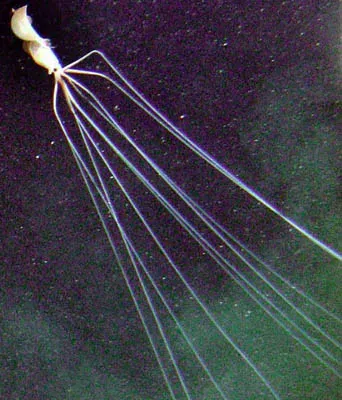
Bigfin squid, or Magnapinna, might be the most internet-famous “what did I just watch” deep-sea animal on the planet. They were first recognized from grainy ROV footage in the late 1990s and early 2000s, showing a bizarre squid with elbow-like joints and impossibly long, thin arm-filaments trailing straight down. For years, there was basically one good video, and that was it.
Even now, bigfin squid have only been filmed a dozen-ish times worldwide, scattered across different oceans. No confirmed adult specimen has ever been collected, so much of what we “know” comes from a handful of ROV clips. Researchers measure the pixels, estimate arm length, and try to reverse-engineer how they might hunt, probably by gently brushing the seafloor with those threads. It’s a strange situation – a large, wildly distinctive animal, clearly not globally rare, but known to science almost entirely through a short playlist of spooky videos.
Worth Knowing
- Genus name: Magnapinna, first recognized in ROV footage in the late 1990s
- Filmed only about a dozen times worldwide across different oceans
- No confirmed adult specimen has ever been physically collected
- Known for elbow-like arm joints and long, thread-like filaments
#3 – The “Golden Orb” That Wasn’t an Alien Egg
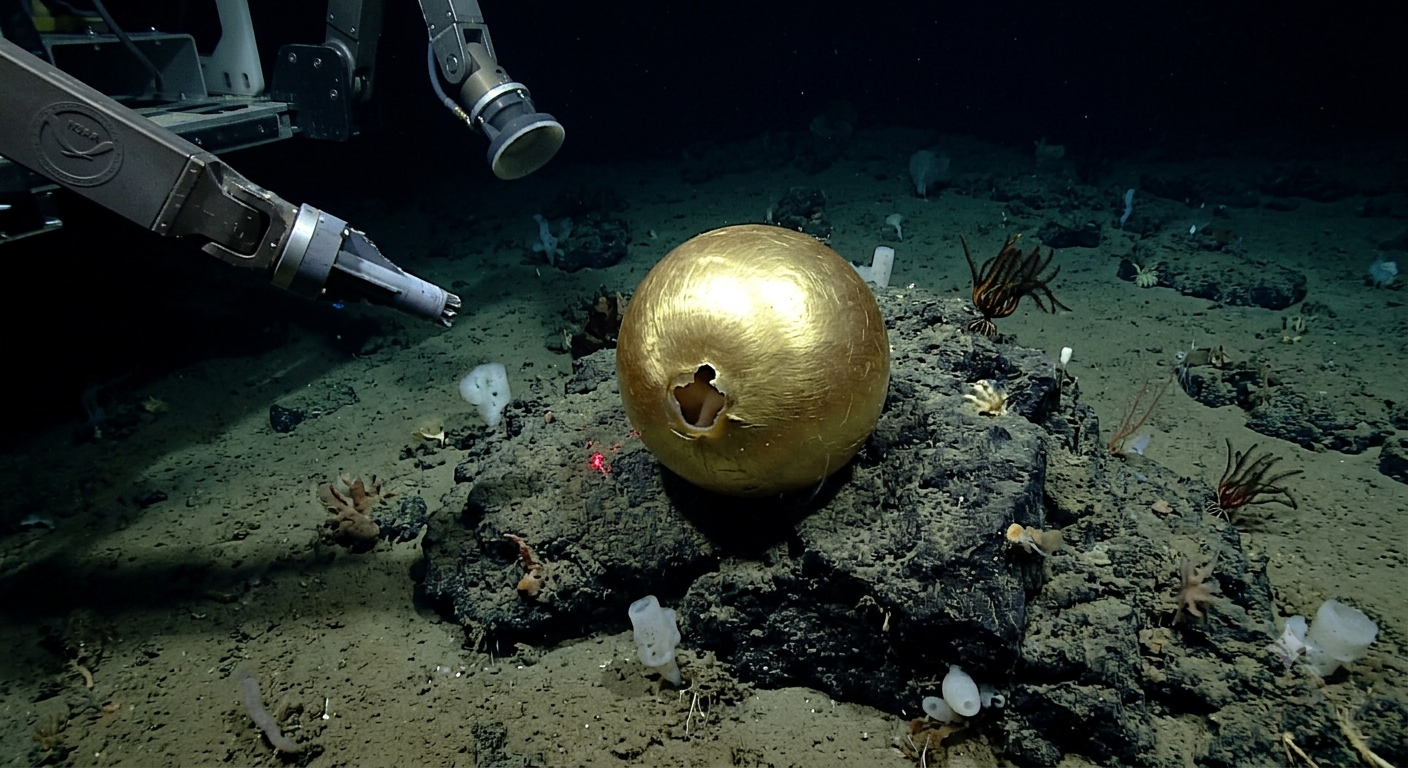
In 2023, a NOAA expedition livestreamed footage of a mysterious golden orb stuck to the seafloor at about 3,250 meters in the Gulf of Alaska. Viewers instantly started shouting “alien egg” and “deep-sea pod,” partly because the thing looked like a polished bronze dumpling with a hole torn in it. The team carefully vacuumed it up and took it to the lab, but for months, all anyone online had was that one eerie clip.
After detailed genetic work, scientists finally revealed the truth: the orb was a remnant from the base of a giant deep-sea anemone, Relicanthus daphneae – essentially dead tissue that had detached and settled on the seafloor. That answer disappointed plenty of sci-fi fans, but the real story is arguably weirder. That tissue normally stays hidden under the living animal; this piece just happened to break off and land exactly where an ROV could find it. The odds of capturing such a fragile, transitional structure on camera even once are tiny, which is exactly why that single clip still matters.
#2 – The Deep Antarctic Shark That Broke the “No Sharks Here” Rule
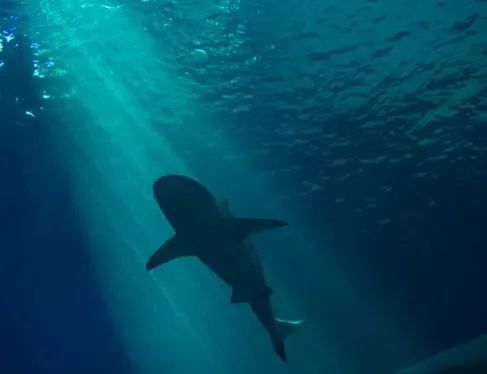
This is technically the same Antarctic sleeper-shark encounter from #12, but here’s the twist most people miss: it isn’t just a cool sighting, it breaks a long-held rule of biogeography. For decades, field guides implied that Antarctica’s deep, frigid waters were essentially a no-shark zone, especially for large species. That single camera deployment instantly blew that idea up.
The shark appears to be a tank-like member of the Somniosidae family, closely related to Greenland sharks known for living for centuries. If this Antarctic animal belongs to the same group, it suggests ultra-long-lived, slow-breeding predators are quietly working the deep Southern Ocean food web, completely unseen until now. Climate change may also be nudging more sharks toward colder waters, meaning this “world-first” clip could age very strangely. Some biologists argue it’s time to stop calling Antarctica shark-free; others want at least one more confirmed video before rewriting the field guides.
Quick Compare
- Old assumption: deep Antarctic waters host no large shark species
- New evidence: 2025 footage shows a large sleeper shark at roughly 1,600 feet
- Possible family link: Somniosidae, relatives of centuries-old Greenland sharks
- Emerging theory: climate shifts may be pushing more species poleward
#1 – The Creatures We Know Are Out There… But Haven’t Filmed Yet
Here’s the uncomfortable truth: the most important “” creatures are probably the ones we haven’t quite recognized as unique yet. Deep-sea cameras constantly record odd blurs, distant silhouettes, and partial bodies. In many cases, those clips get labeled “unidentified organism” and quietly filed away, possibly serving as the only visual record of an entire undescribed species.
Experts estimate that the vast majority of ocean species remain unknown to science, and we’ve directly explored only a small sliver of the seafloor with modern technology. That means the Marvins, Caspers, mystery molluscs, and golden orbs on this list are probably just the visible tip of a much larger iceberg of one-off encounters. Some researchers now push for AI-based re-analysis of old ROV archives, because there’s a real chance we already filmed brand-new creatures once and simply never realized it. The rarest animal on this entire list might be sitting on a forgotten hard drive, waiting for someone to press play with fresh eyes.
The Bottom Line
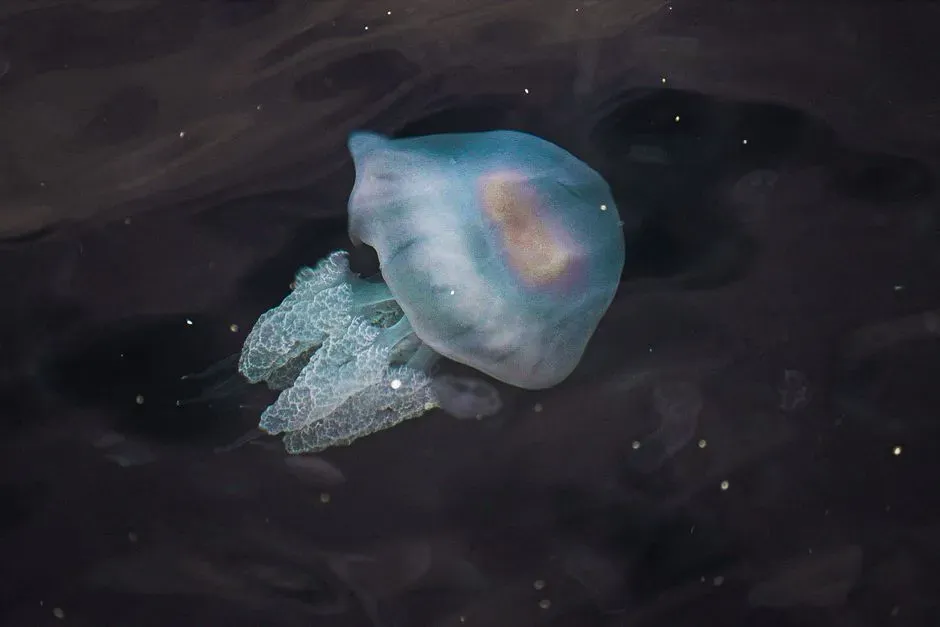
Strip away the hype and these twelve stories all point to one simple, slightly humbling fact: our cameras are finally good enough to show us exactly how little we still understand. A shark in “shark-free” Antarctica, a nameless ghost octopus, a one-off corkscrew animal from the 1960s, a jelly filmed once and then not again for years at a time – each clip isn’t really about the creature. It’s a quiet indictment of how little time, money, and attention we actually spend looking.
At the same time, not every mystery blob is a monster. The golden orb is proof that spooky footage often turns out to be biology doing exactly what biology does, just somewhere we’ve never watched closely enough. Personally, I think the most exciting part of this whole list isn’t any single creature – it’s the idea that the next world-shaking deep-sea animal is probably already sitting on video somewhere, unrecognized, waiting for the right person to hit play. So tell me: which one of these do you think is real, and which one do you suspect is just science catching up to old sea-monster stories?