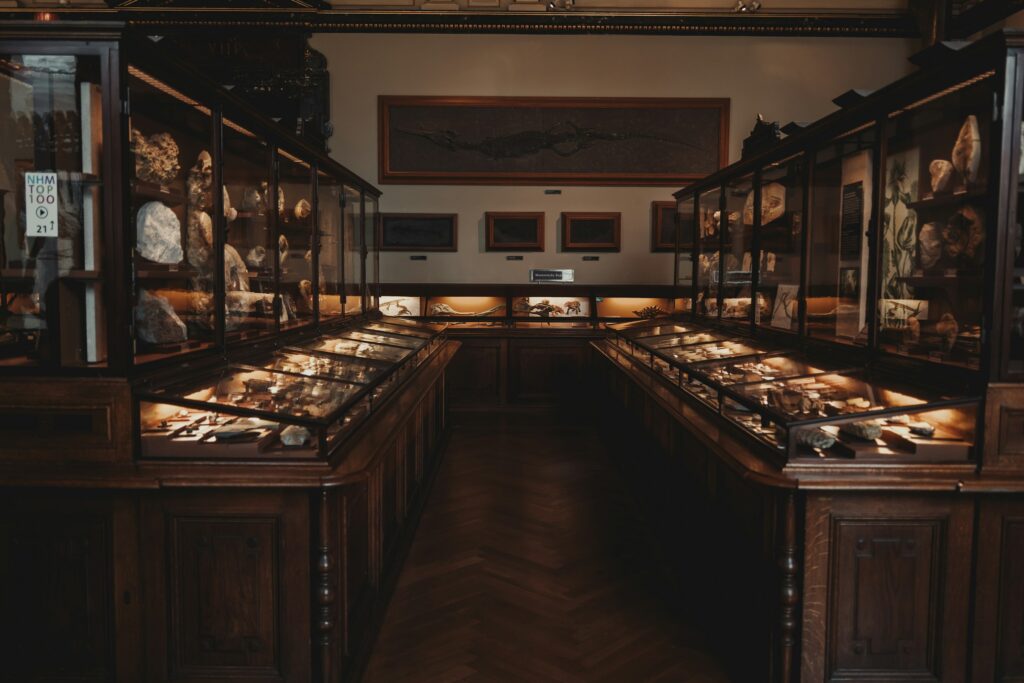
You go back to see that one exhibit you remember from a school trip – the mummy, the armor, the skull case – and it’s just… gone. No sign. No apology. Just an empty plinth and a suspiciously vague placard about “gallery rotation.”
Museums like to sell themselves as honest keepers of history, but plenty of objects have vanished from their walls without a word of explanation. Some disappeared because they were fakes. Some because they were stolen. Some because the truth behind them was too ugly for a gift shop. Here are 13 relics that quietly disappeared – and the real reasons curators never wanted to talk about it.
#1 – The “Cursed” Mummy That Stopped Drawing Crowds
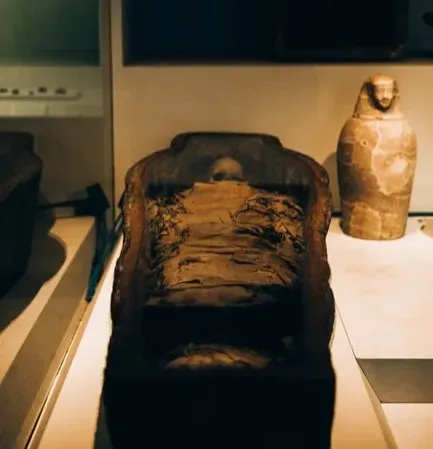
Staff will never admit it out loud, but some mummies simply become a liability. One widely whispered case involved a badly preserved, little-studied mummy in a mid-size European museum that vanished from its sarcophagus display almost overnight. No new research announcement, no conservation note – just an empty plinth and a generic “gallery rotation” sign taped up like an afterthought.
Behind the scenes, former staff say visitor complaints had spiked for months: nightmares, kids bursting into tears, even a few “the mummy blinked” stories that went viral locally. Once school groups started opting out of that room entirely, the artifact quietly went into climate-controlled storage. Some conservators also privately questioned whether the remains had been ethically acquired in the first place, which made the “cursed vibes” even harder to defend in a modern gallery.
#2 – A Set of Human Skulls With Questionable Origins
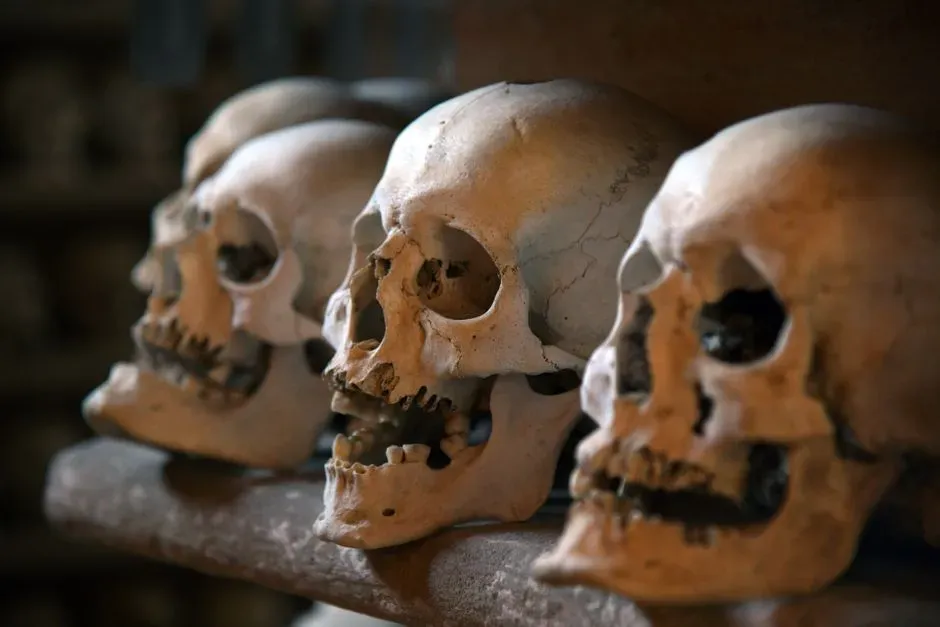
Rows of human skulls used to be standard museum decor, filed under “anatomy” or worse, “race science.” Today, that’s reputational dynamite. One North American institution quietly removed dozens of labeled human skulls that traced back to colonial-era collecting and, in some cases, outright grave robbing.
The glass cases were simply swapped out for a bland evolution exhibit – no public discussion of where the remains actually went. Insiders say provenance research had revealed some skulls came from enslaved people and Indigenous graves, with descendant communities never consulted, let alone asked. Legally, the museum could have kept them on display. Ethically, it was indefensible, so leadership chose the quiet route: pull them, start a slow repatriation process, and say as little as possible until it’s over.
Fast Facts
- 1990: The Native American Graves Protection and Repatriation Act (NAGPRA) became federal law, requiring museums and federal agencies to repatriate Native American human remains and sacred items.
- More than 110,000 Native American, Hawaiian, and Alaska Native human remains are still held in research institutions according to recent counts.
- 2023 marked a turning point for reform: institutions returned roughly 18,000 Native American ancestors that year alone.
#3 – The “Miracle” Relic That Didn’t Survive Scientific Testing
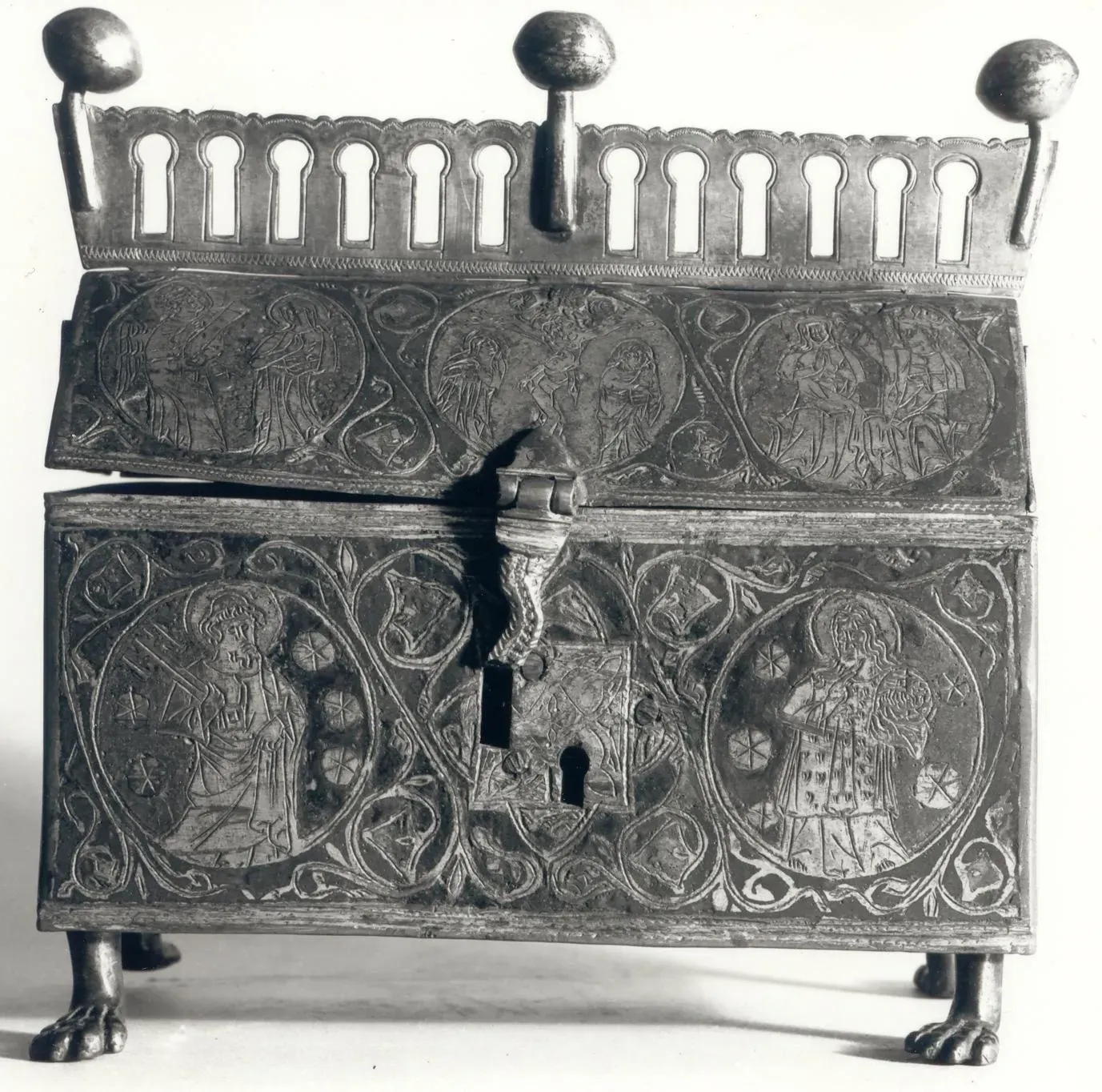
One small European museum rode a wave of attention after displaying what was carefully marketed as a genuine relic linked to a medieval saint. Pilgrims came. Candles were lit. Donation boxes filled up nicely. Then, without warning, the ornate reliquary vanished from its niche, replaced by a neutral panel about medieval piety in general.
What happened? In cases like this, carbon dating and material analysis routinely show that “ancient” relics are centuries younger than claimed, or assembled from mixed remains entirely. That puts museums in an awkward spot – religious visitors want devotion, not a lab report suggesting forgery. Rather than publicly undercut local faith, curators sometimes just quietly retire the object as “under review” and never speak of the results again.
#4 – The “Gifted” Indigenous Artifacts Under Repatriation Pressure
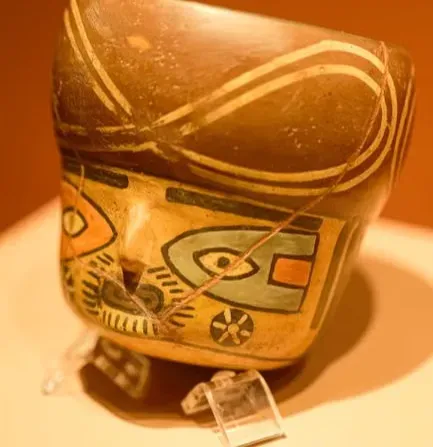
Walk into a big Western museum in the 1980s and you’d see dazzling Indigenous headdresses, ceremonial masks, and sacred bundles behind glass, often labeled with nothing more than a tribe name and a date. Fast forward a few decades, and some of those star pieces have simply disappeared, replaced by vague “cultural overview” panels.
The reason is rarely advertised: those “gifts” were often taken under duress, bought from intermediaries with no real authority to sell them, or seized outright during military campaigns. Once descendant communities started formally requesting their return – or at least the right to restrict display – museum lawyers got involved fast. Publicly admitting “we displayed sacred grave goods without permission for decades” invites backlash, so institutions reframe it as “new curatorial priorities” while the most contested objects vanish into a restricted vault.
#5 – The Colonial Trophy That Became Politically Radioactive

Imperial-era war trophies used to be centerpieces: captured banners, looted palace doors, even battlefield cannons. In at least one European museum, a heavily photographed item from a 19th-century punitive expedition was prominently displayed for generations – until it suddenly wasn’t. No plaque, no apology, just a newly minimalist wall where a piece of stolen history used to sit.
What changed wasn’t the object; it was public opinion. Once historians and activists began highlighting how such trophies symbolized massacres, burned towns, and generational trauma, they stopped looking like neutral “history” and started looking like an endorsement. Museum boards, worried about protests or diplomatic incidents, often choose silence over spectacle: the object gets moved to a study collection, accessible by appointment only.
#6 – The Fossil “Missing Link” That Was Quietly Downgraded
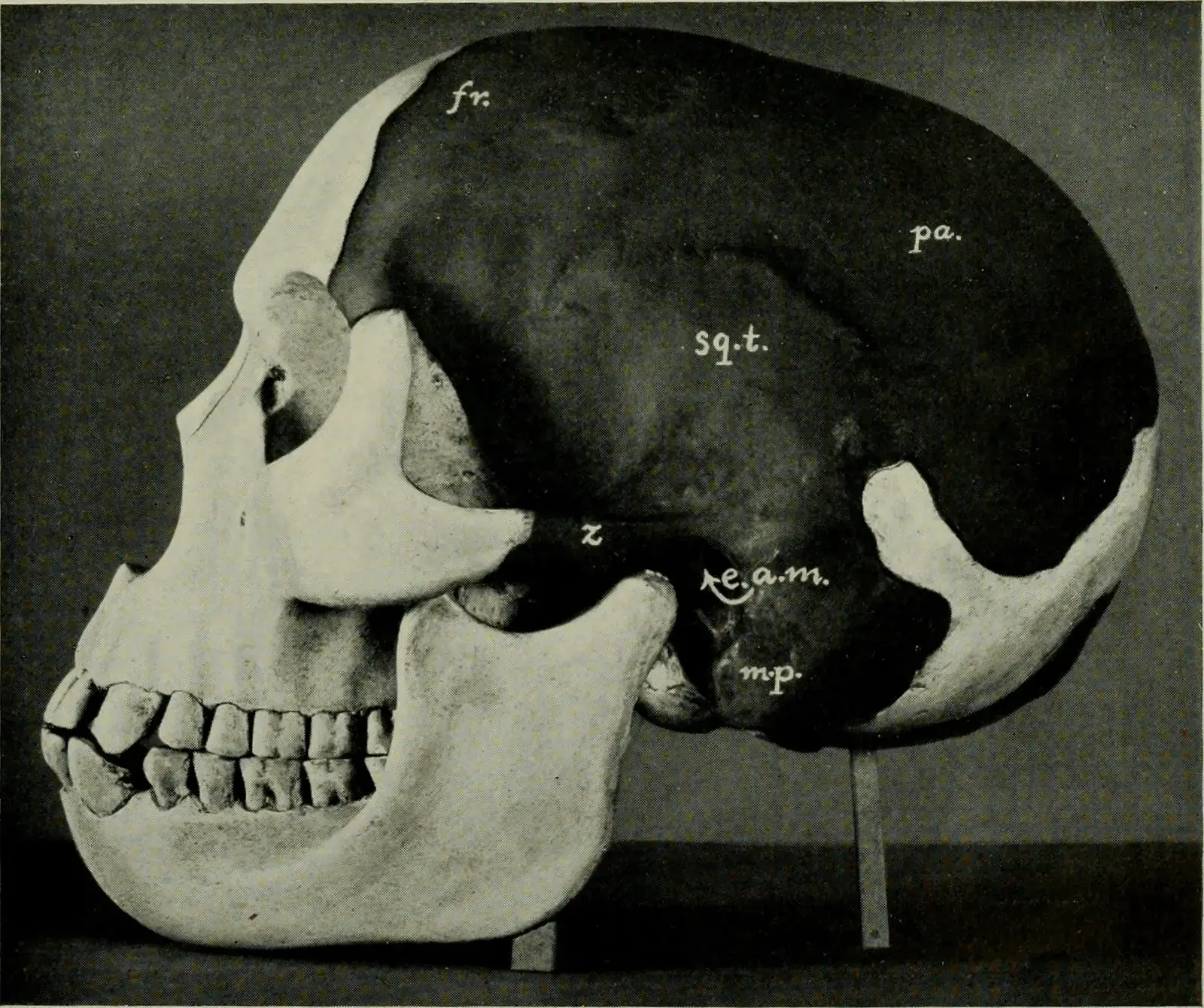
Paleontology loves a headline. Early 20th-century museums eagerly promoted certain fossils as “the missing link” between ape and human, sometimes built from remarkably fragmentary remains. A few of those celebrity specimens have been quietly pulled from main halls in recent decades as newer research overturned the hype.
In cases like this, later analysis revealed that a highly touted fossil was actually a composite of different individuals – sometimes different species entirely – assembled in a way that exaggerated its scientific importance. Rather than keep defending an outdated story, curators retire the original exhibit, quietly rewrite the text panels, and shift attention to newer finds. For casual visitors, nothing seems to have happened. For scientists, it’s a correction decades overdue.
Worth Knowing
- Piltdown Man was hailed as the “missing link” when announced in 1912, and the hoax was only definitively exposed in 1953 – a 41-year gap.
- The “fossil” turned out to be an altered orangutan jaw combined with the cranium of a modern human, deliberately stained to look ancient.
- An extensive scientific review in 2016 pinned the fraud on amateur archaeologist Charles Dawson.
#7 – The “Miraculously Intact” Medieval Armor With Modern Parts
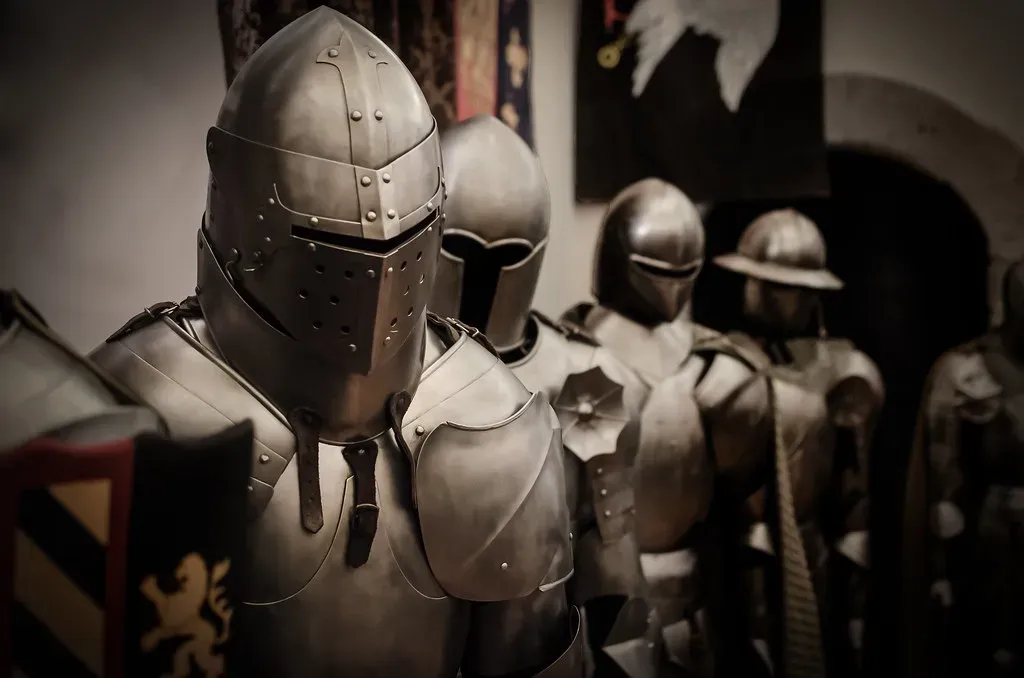
That stunning, gleaming suit of armor that always looked a little too perfect? In numerous collections, it was too perfect – because it wasn’t real. Many 19th-century dealers “completed” partial suits with spare pieces and fresh metalwork, creating Frankenstein armor later sold and displayed as authentic ensembles.
One such star display was eventually pulled from the floor and quietly swapped for a smaller, less dramatic arms exhibit. Internal reviews and metallurgical tests often expose carbon steel and manufacturing techniques dating centuries later than the supposed era – proof the piece was, at best, a historic restoration, at worst, a deliberate fake. Instead of publicly shaming past curators or embarrassed donors, museums simply relabel it a “composite construction” in the catalogue and let it disappear from view.
#8 – The “Ancient” Statue Proven to Be a 20th-Century Fake
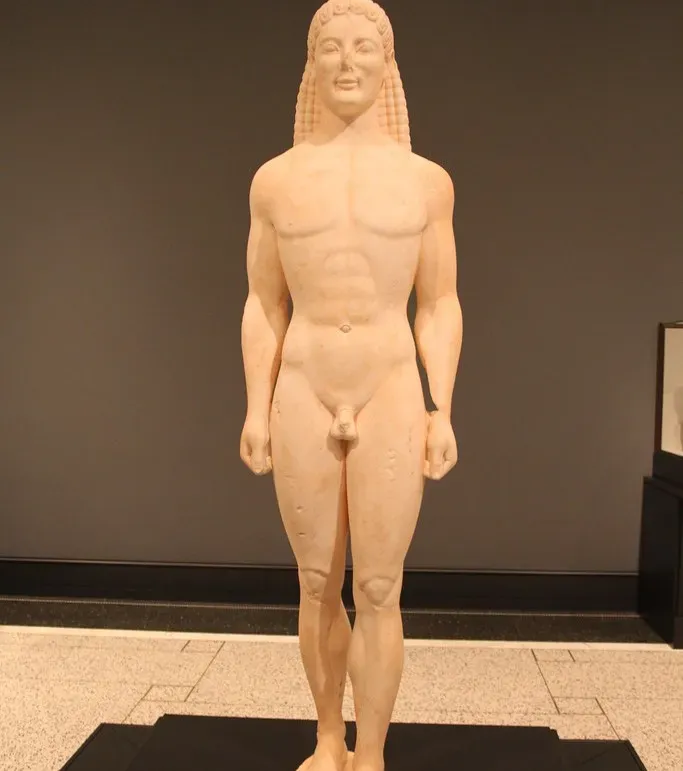
Some of the most embarrassing removals involve outright forgeries. A marble “Greek” statue or “Roman” bust can sit proudly in a gallery for 50 years before a new generation of experts notices telltale tool marks, stylistic oddities, or modern pigments hiding in plain sight. In several museums, once doubts became impossible to ignore, the object vanished from public view almost overnight.
What makes these cases so sensitive is ego and money. Donors sometimes paid millions for pieces later revealed as workshop fakes from the 1900s, and museums had already trumpeted them in glossy catalogues and marketing campaigns. Admitting that a marquee “antiquity” is a modern knockoff invites ridicule and legal headaches – so instead of a press conference, institutions quietly reclassify the piece as a “study object,” strip it from the floor plan, and hope the public remembers the exhibition, not the statue.
#9 – The Taxidermy Exhibit Built on Questionable Animal Deaths
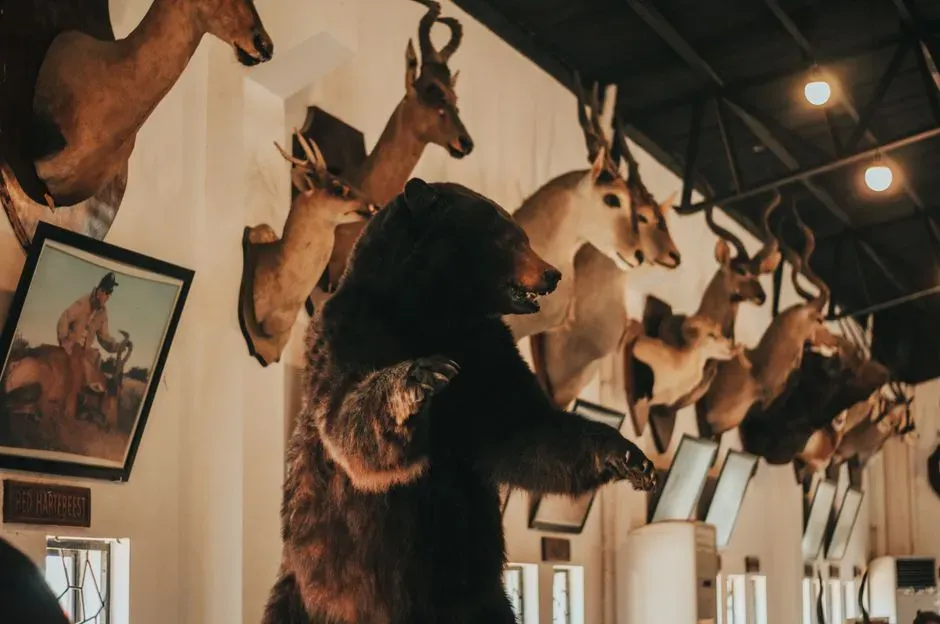
Old natural history dioramas can be gorgeous – and deeply uncomfortable once you know the backstory. That iconic big-cat tableau or tropical bird collection was often assembled in an era when hunting endangered species purely for display was socially acceptable, even celebrated as sportsmanship.
In the last two decades, more than a few of those dioramas have vanished, replaced by digital interactives or clean skeletal displays. Publicly, museums cite “space constraints” or “modernization.” Privately, curators admit it’s hard to justify a dozen rare animals killed for Victorian spectacle – especially when arsenic-laced taxidermy and fading dyes make restoration a nightmare anyway. Rather than pour money into something ethically messy, institutions quietly relocate entire cases to off-site storage, open to researchers only.
At a Glance: Why Relics Really Vanish
- Failed authentication – carbon dating, metallurgy, or pigment analysis exposes a fake.
- Ethical origin issues – remains or sacred items were taken without consent.
- Outdated science – new research overturns the original headline story.
- Legal or diplomatic pressure – repatriation claims or international disputes force a rethink.
#10 – The “Medical Oddities” From Non-Consenting Patients
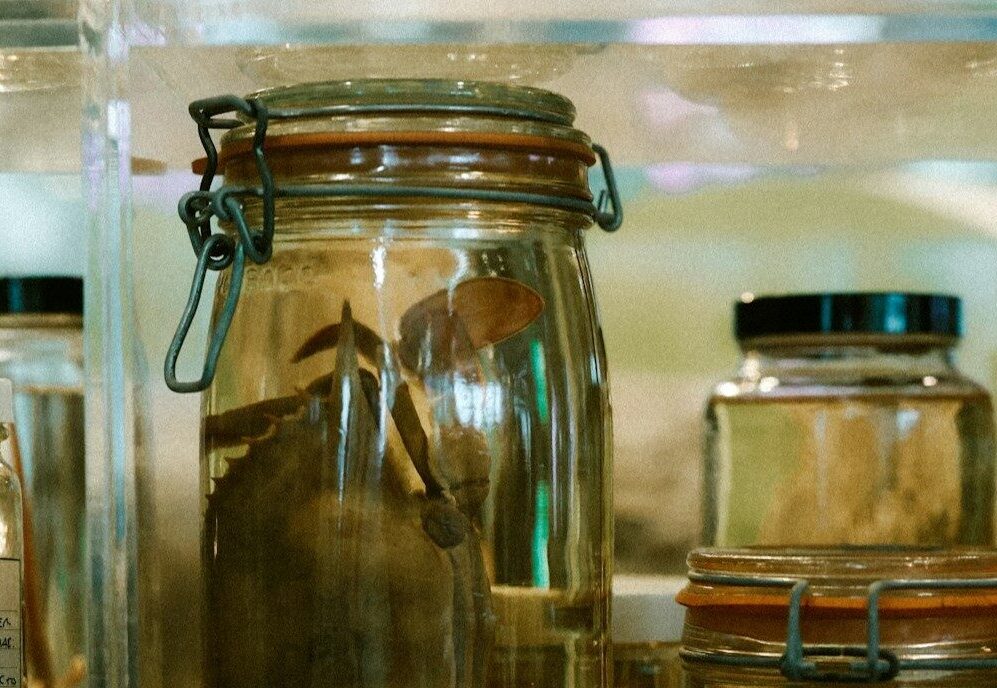
Many 19th- and early 20th-century medical museums proudly displayed jars of preserved organs, conjoined twins, and skeletal deformities – specimens that often came from poor patients or asylum inmates who never consented to being displayed. As ethics standards tightened, some of those jars simply disappeared from public shelves, no dramatic closure notice attached.
Bioethics committees now argue that displaying someone’s diseased limb or fetus as a curiosity, without consent, is a violation of basic dignity. Yet shutting the collections down entirely can hinder legitimate medical research, so the compromise has often been quiet removal: pull the most sensational, personal specimens from public view, restrict access to vetted scholars, and rewrite the surrounding exhibits to emphasize context and respect over shock value.
#11 – The “Heroic” Weapons Later Linked to Atrocities
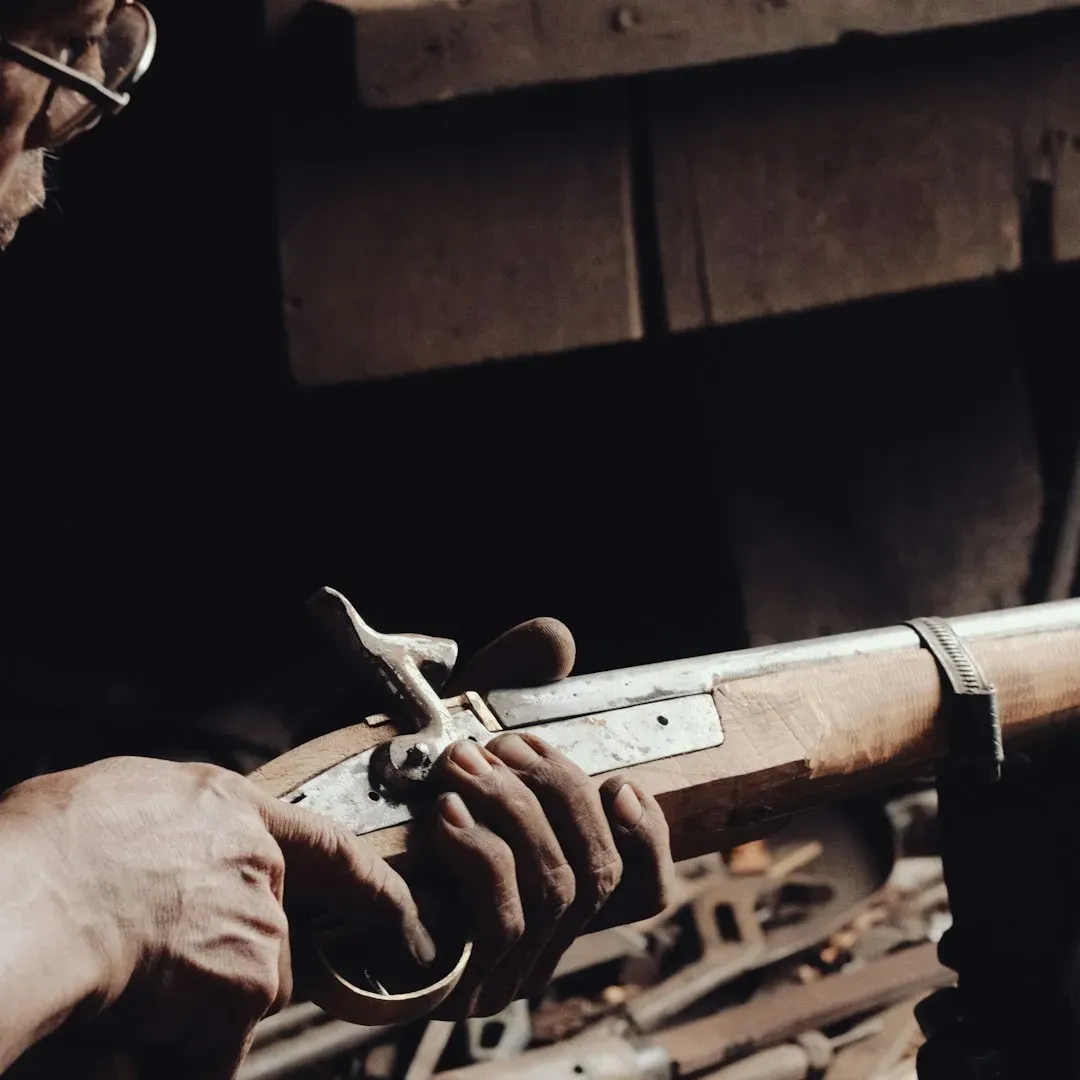
Museums long loved showcasing famous rifles, swords, and sidearms belonging to “great men.” A general’s revolver or a colonial officer’s saber made for an easy patriotic story to tell school groups. In recent years, some of those weapons have quietly vanished from front-and-center displays as archivists dug deeper into the record.
Digging through war diaries and unit reports can reveal that a celebrated officer’s weapon was used in massacres, summary executions, or terror campaigns against civilians – not just “heroic battles” the way the old plaque implied. Once that context surfaces, the simple hero narrative collapses. Rather than rewrite the label to say “this object symbolizes a war crime,” some museums just pull it and let a more anonymous artifact carry the same historical period.
#12 – The “Ethnographic” Photos That Were Basically Exploitation

For decades, anthropology galleries displayed early 20th-century photographs of Indigenous peoples, colonized subjects, and prisoners – often nude or posed in staged, dehumanizing ways – all under the polite banner of “ethnography.” In the last 10 to 15 years, visitors may notice those walls have gone strangely blank, replaced by contemporary art from the very communities once photographed.
Research has since shown many of those images were taken without consent, under duress, or explicitly for racist “type” catalogues meant to classify people like specimens. When descendants started recognizing their own grandparents in those demeaning shots, complaint letters and legal threats followed fast. Museums rarely hold a press conference to say “we’ve been objectifying your ancestors for a century” – they just quietly stop displaying the worst offenders and start, belatedly, asking communities what should be shown at all.
Quick Compare: Then vs. Now
- Then: Objects stayed on display indefinitely, with provenance rarely questioned.
- Now: Ongoing provenance research can pull a piece from the floor at any time.
- Then: Descendant communities were rarely, if ever, consulted about display.
- Now: Many institutions require community consultation before showing sensitive items.
#13 – The “Beloved” Local Relic With a Completely Fake Story
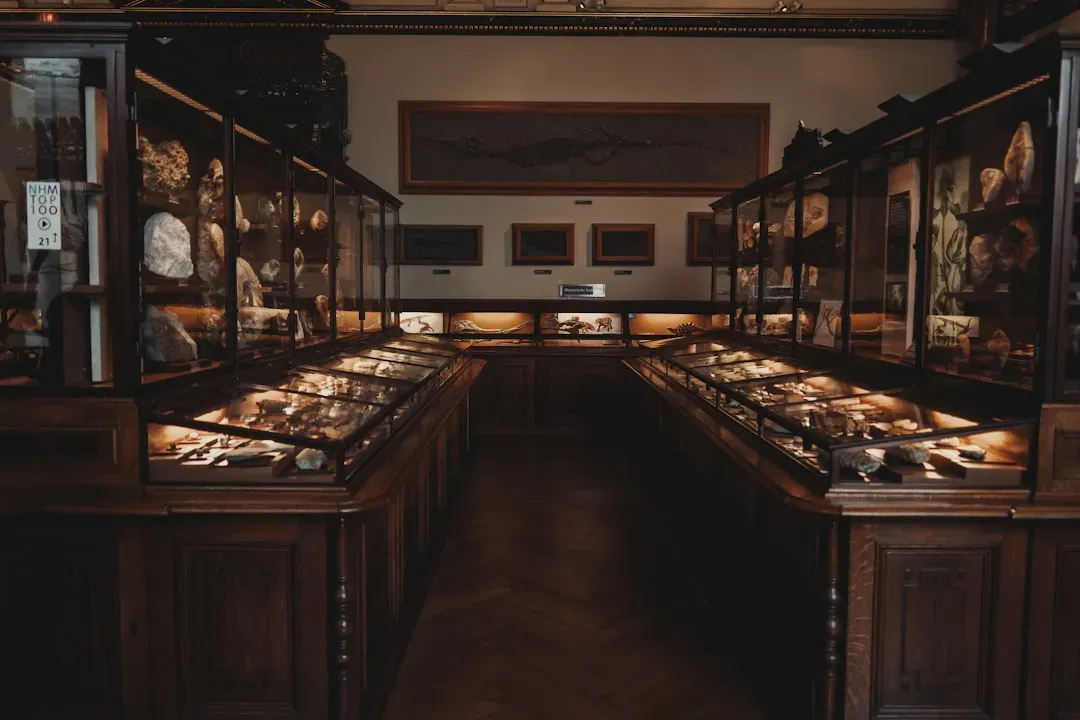
Every regional museum has one: the sword “from the first settler,” the chair “where the president once sat,” the relic “found in the old fort wall.” These stories, passed down through donors and local lore, tend to crumble the moment someone actually investigates them seriously.
In more than a few cases, provenance checks have revealed that a cherished town icon was made decades later, misattributed, or simply pinned to the wrong person entirely. Curators then face an ugly choice: humiliate local families, donors, and beloved schoolteachers by calling the legend a myth, or quietly pull the piece and hope nobody asks questions. Most choose silence – reassigning the object a vague date and tucking it into storage, where it survives mostly in the nostalgic memories of people who swear they saw “the real thing” on a childhood field trip.
The Bottom Line
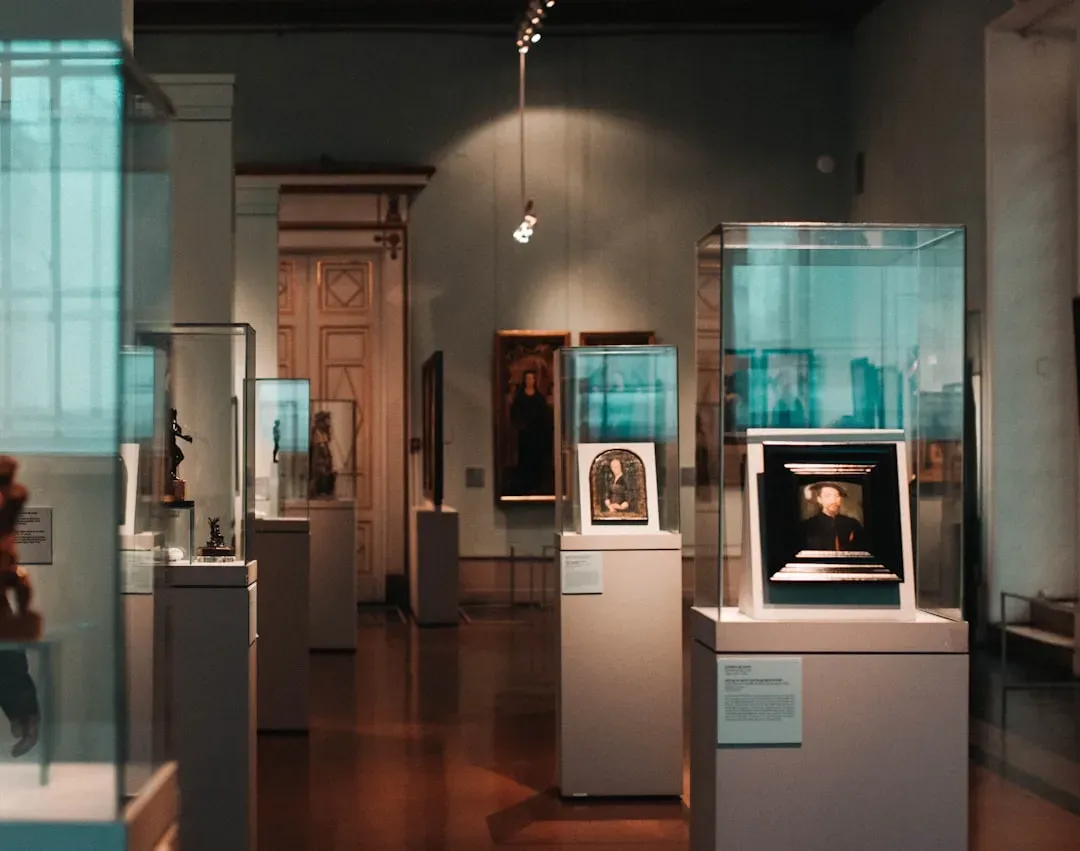
When museums quietly remove relics without explanation, it’s almost never random. Behind the scenes are three recurring forces: embarrassing fakes, ethically radioactive objects, and stories that simply don’t survive serious scrutiny.
Instead of open conflict with donors, governments, or hometown myths, institutions consistently choose the path of least resistance – silent storage and vague “gallery updates.” That discretion keeps boards happy, but it also feeds public mistrust and conspiracy theories that are often worse than the truth.
Personally, I think visitors can handle the messy version of history. Science changes. Ethics evolve. Sometimes your favorite childhood artifact was never what the label claimed, and that’s not a scandal – it’s just how knowledge works. Museums brand themselves as guardians of truth, so they should start acting like it, even when the truth is awkward, expensive, or politically inconvenient. So, which of these quiet removals do you think was justified – and which one feels like a cover-up?