
You were probably taught human evolution as a staircase: hunched ape, grunting caveman, then us – sleek, smart, and somehow inevitable. It’s a tidy story. It’s also mostly fiction.
Real graves don’t cooperate with tidy stories. Scattered across four continents and hundreds of thousands of years, a dozen burials have quietly forced scientists to tear up the family tree and start over. Some prove that “primitive” humans grieved exactly like we do. Others expose entire branches of humanity that vanished, interbred, or didn’t even get a name until DNA outed them. Here’s what’s actually buried beneath the ladder.
#12 – The First Neanderthal Burial That Proved They “Cared”
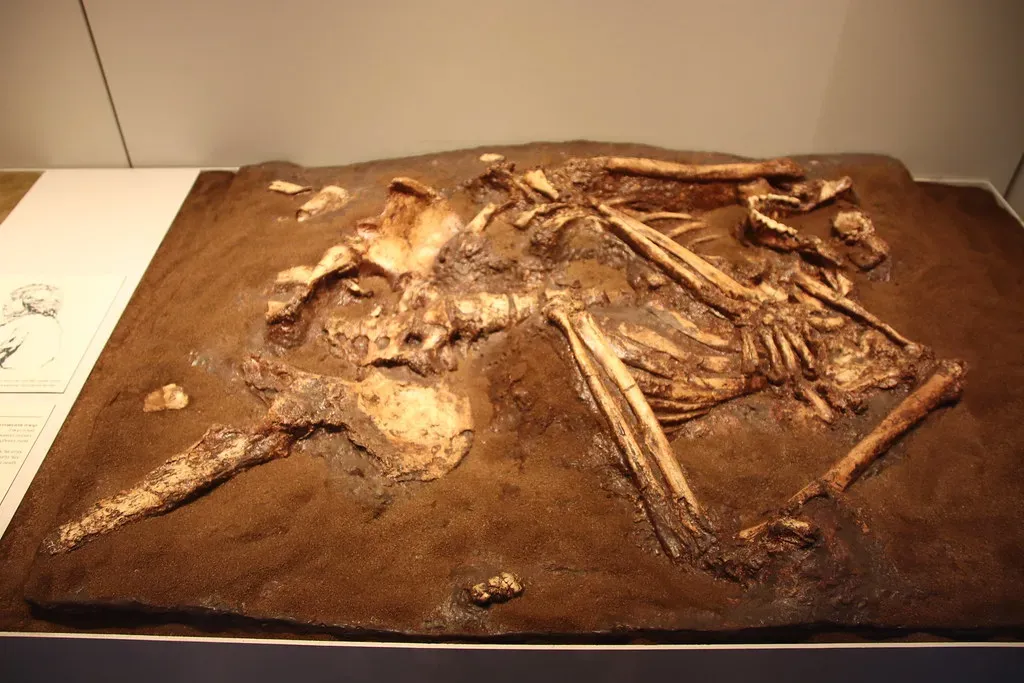
For most of the 20th century, textbooks treated Neanderthals as brutish dead ends – heavy brows, no art, no feelings, nothing worth mourning. Then diggers at La Chapelle-aux-Saints in France pulled a skeleton out of a shallow pit that didn’t look like an accident at all. The body had been curled into a deliberate depression, limbs positioned, protected from the teeth of scavengers roaming just outside.
That single detail – someone chose to do this – cracked the old stereotype wide open. Some of these same skeletons carry injuries so severe the person couldn’t have survived alone, meaning someone fed them and sheltered them for months, maybe years, before they finally died. Not every candidate “grave” holds up under modern scrutiny, but the pattern keeps repeating. That’s not a feral animal stumbling through the Ice Age. That’s something closer to family.
Fast Facts
- Location: La Chapelle-aux-Saints, southwestern France
- Discovery: an elderly male skeleton found curled in a dug hollow
- Key evidence: severe arthritis and tooth loss suggest years of care from others
- Impact: overturned the early 20th-century image of Neanderthals as brutish and mindless
#11 – Shanidar Cave: The Neanderthal “Flower Burial” That Got Messy
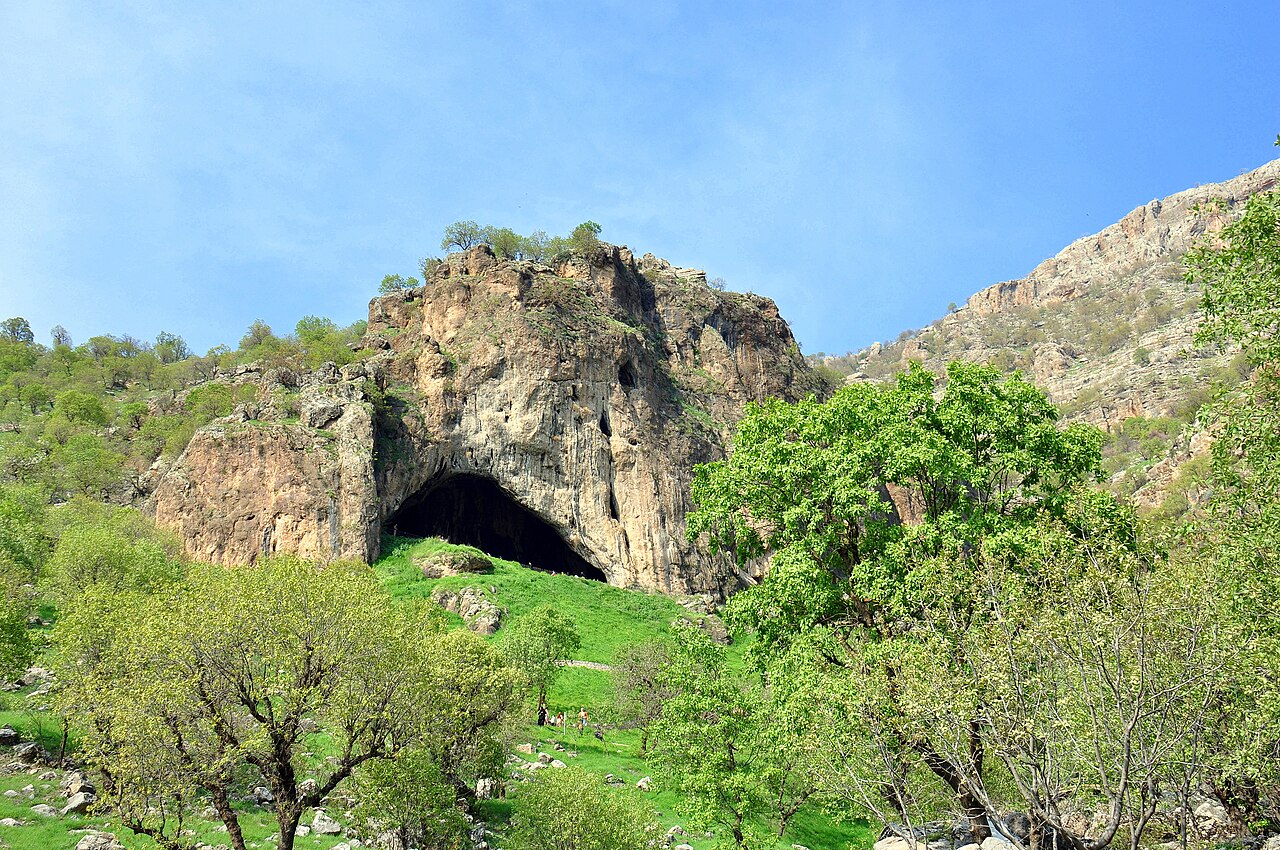
Shanidar Cave in Iraqi Kurdistan is one of those sites that refuses to behave. In the 1950s and ’60s, archaeologist Ralph Solecki uncovered several Neanderthal skeletons there, including one surrounded by ancient pollen grains. He argued the dead had been laid to rest with flowers – an almost painfully human gesture that flipped the public image of Neanderthals overnight, from knuckle-draggers to mourners.
Then came the backlash. Critics noted that rodents in the cave hoarded flowering plants and may have dragged the pollen in themselves, no funeral required. Newer work at Shanidar has muddied things further, suggesting some bodies really were carefully placed in dug hollows, even if the flowers are shaky. The real bombshell isn’t the romance of petals on a corpse – it’s that the same community buried its dead in the same place, over and over. That’s not an accident. That’s the beginning of tradition.
“Neanderthals have had a bad press ever since the first ones were found over 150 years ago.”
Professor Graeme Barker, Cambridge McDonald Institute for Archaeological Research
#10 – Qafzeh & Skhul: Early Homo Sapiens Who Weren’t “Us” Yet
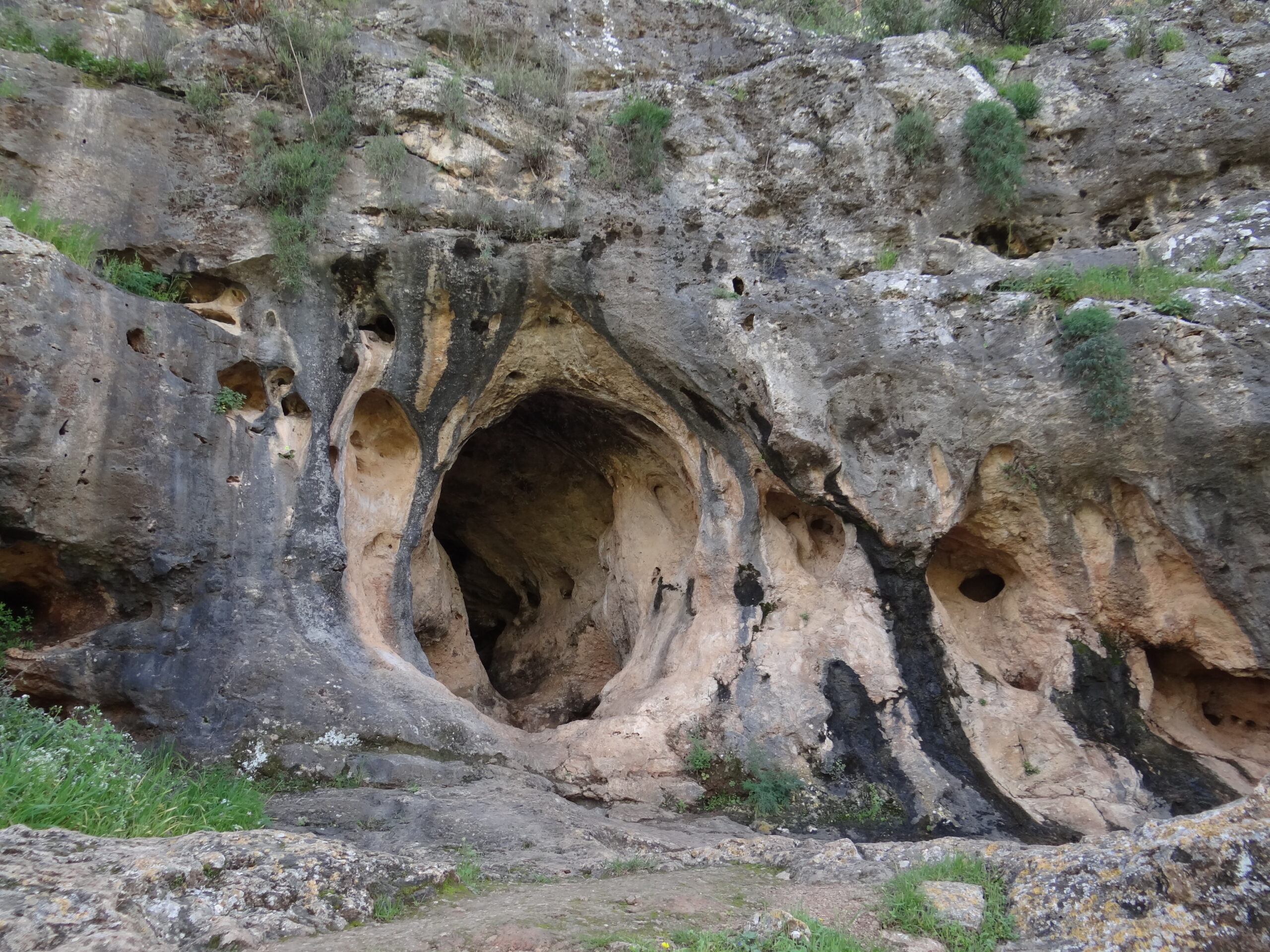
In the caves of Qafzeh and Skhul in Israel, archaeologists found Homo sapiens burials more than 90,000 years old – tens of thousands of years before the supposed “big migration” out of Africa was ever supposed to happen. These people were anatomically modern. Their world clearly wasn’t. Some of the graves show deliberate positioning, red ochre stains, and grave goods, including one Qafzeh child buried with a pair of deer antlers placed carefully by its head.
Here’s the twist that stings: these early modern humans didn’t seem to leave a continuous population behind. Genetic and archaeological evidence suggests their line simply fizzled out, replaced later by other waves of Homo sapiens. That means we’re looking at a failed expansion – people just like us, experimenting with ritual and identity, who ultimately vanished without a trace in our genome. Their graves force historians to admit that “out of Africa” wasn’t a single heroic march. It was a series of attempts, retreats, and dead ends.
#9 – Lake Mungo, Australia: The Cremation That Reset the Clock
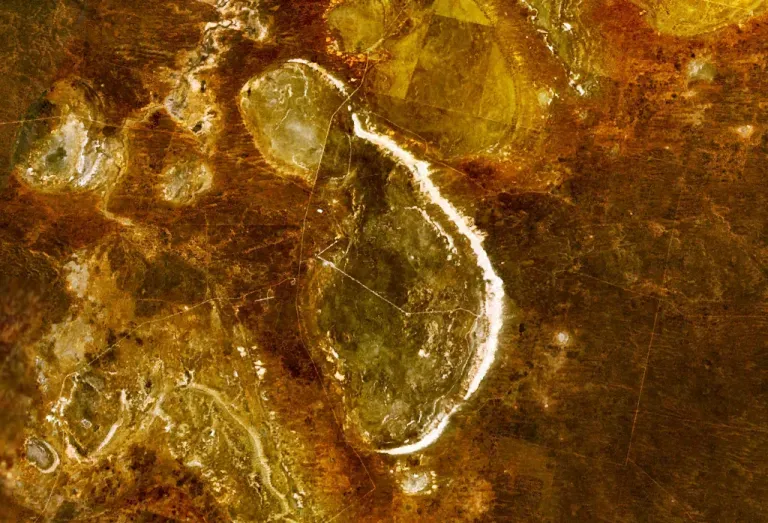
When Mungo Lady and Mungo Man were uncovered near Lake Mungo in southeastern Australia, the dates rattled more than a few desks. Mungo Lady shows evidence of one of the world’s earliest known cremations – her bones burned, crushed, and then carefully reburied. This wasn’t casual disposal. It was a multi-stage ritual carried out at least 40,000 years ago, on a continent once dismissed as a late stop in the human story.
Mungo Man made things worse for the old narrative. He was buried on his back, hands folded, dusted with red ochre carried from miles away. The sophistication made it impossible to keep treating early Australians as latecomer primitives stuck at the edge of the map. Instead, it forced a redraw: deep time, long continuity, and complex symbolic life happening far from the supposed “centers” of human civilization. Most schoolbooks still barely mention it, but serious researchers now treat these graves as a genuine turning point.
#8 – Dolní Věstonice: The Triple Burial That Reads Like a Story
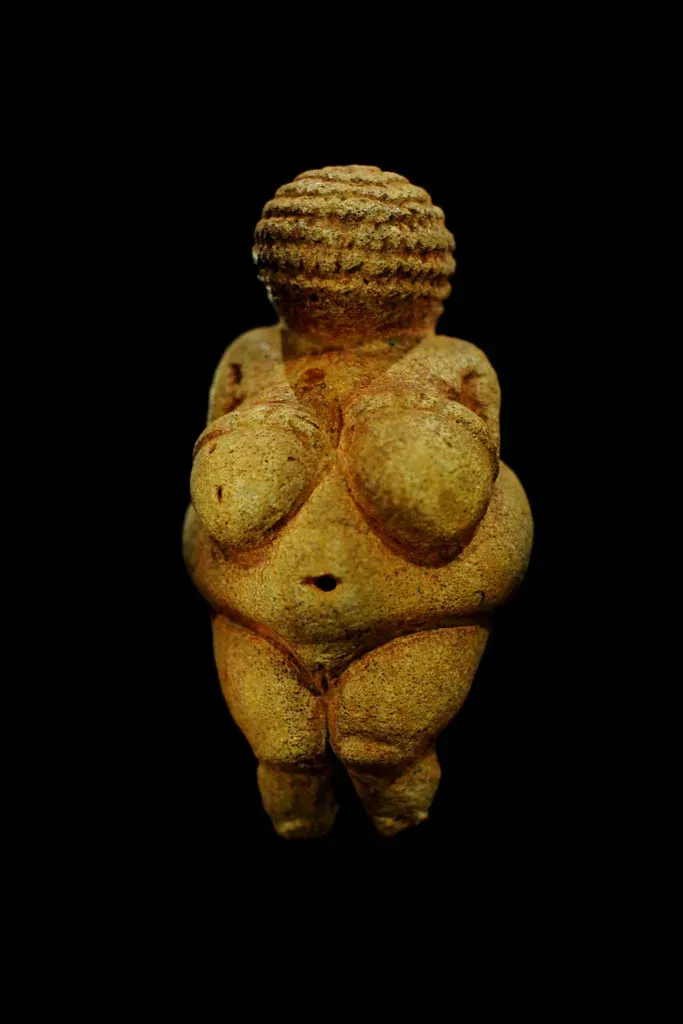
In what is now the Czech Republic, Dolní Věstonice is famous for its Venus figurines. Its most haunting find, though, is a triple burial of three young individuals laid side by side, bodies arranged in different positions, coated in red ochre. One appears to have had a severe spinal deformity. Another’s head is turned toward that same individual, as if mid-conversation, frozen for 28,000 years.
This wasn’t random. It reads like choreography staged in soil. Some anthropologists argue the grave records social roles, maybe status, maybe taboo – the community clearly spent time, energy, and precious pigment to freeze one very specific final scene. Whether you call it ritual, drama, or hierarchy, it says one thing loudly: Ice Age hunter-gatherers were not interchangeable stick figures. They had stories about who mattered, and why, and that has quietly dismantled the myth of a simple “egalitarian” prehistory.
#7 – Sungir, Russia: Children Buried Like Royalty
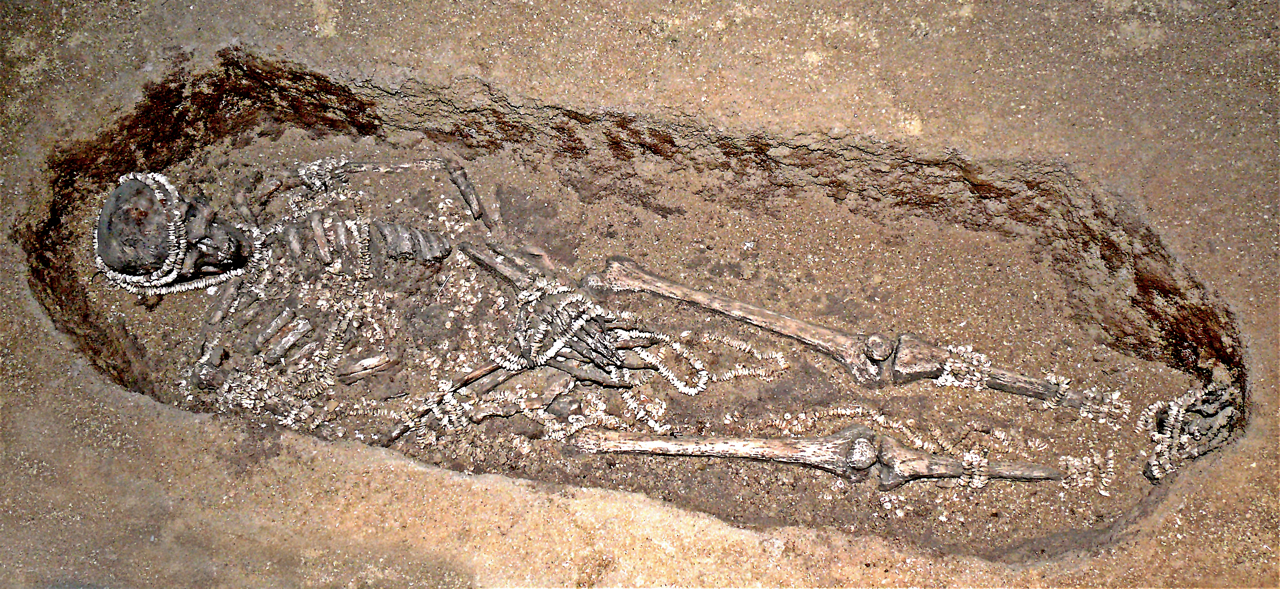
Sungir, near modern-day Vladimir in Russia, is the site that makes “stone age equality” sound almost naive. Two children, roughly 10 and 13 years old, were buried head-to-head, draped in thousands of painstakingly crafted ivory beads, fox-teeth pendants, and finely made spears. The time invested in those beads alone likely represents years of collective labor – for two kids who never grew up.
Either these children held extraordinary status on their own, or their community had ideas about lineage, inheritance, maybe even sacred bloodlines worth investing years of communal work into. A separate adult burial at the same site received similarly lavish treatment, reinforcing the pattern rather than breaking it. This isn’t a world where people simply scraped by. It’s a world with symbolic wealth, social stratification, and deep emotional investment in specific individuals – proof that inequality is far older than cities, kings, or writing.
Fast Facts
- Site age: roughly 34,000 years old, deep in the Upper Paleolithic
- Grave goods: thousands of hand-carved ivory beads, fox-tooth pendants, and ivory pins
- Weaponry: spears fashioned from straightened mammoth ivory
- Significance: among the earliest clear evidence of inherited status in prehistory
#6 – Kow Swamp: The “Robust” Australians Who Didn’t Fit the Mold
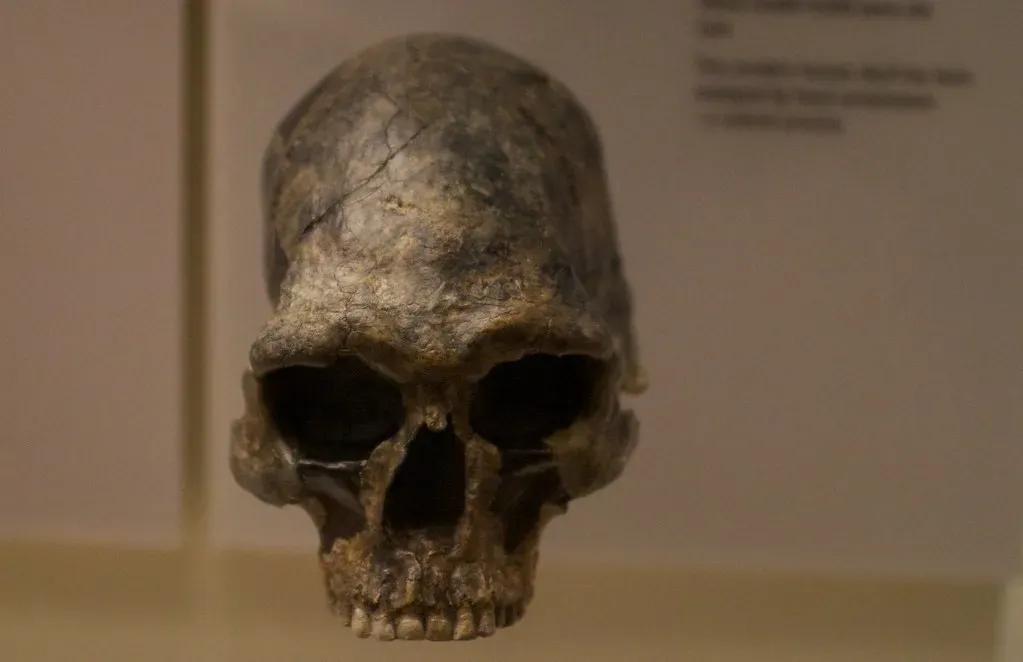
Kow Swamp in southeastern Australia produced burials that caused outright confusion when first described. The skulls looked off – thick-boned, heavily built, with features some researchers thought belonged to much older, more archaic humans. For a while, theories got wild: survivors of a “primitive” wave, relict populations, even hybrid species quietly lingering into recent millennia.
The idea that supposedly archaic-looking people were living so recently didn’t sit well with the clean, linear diagram everyone had grown up with. Later re-analyses pointed to plasticity – how skulls get reshaped by diet, lifestyle, and genetics – which pushed back against calling these individuals a separate species. But the damage to the ladder model was already done. Kow Swamp cemented an uncomfortable truth: anatomy is messy, evolution is regional and braided, and even recent humans can look wildly different from the textbook “modern” skull.
#5 – Dmanisi, Georgia: The “One Species, Many Faces” Graveyard
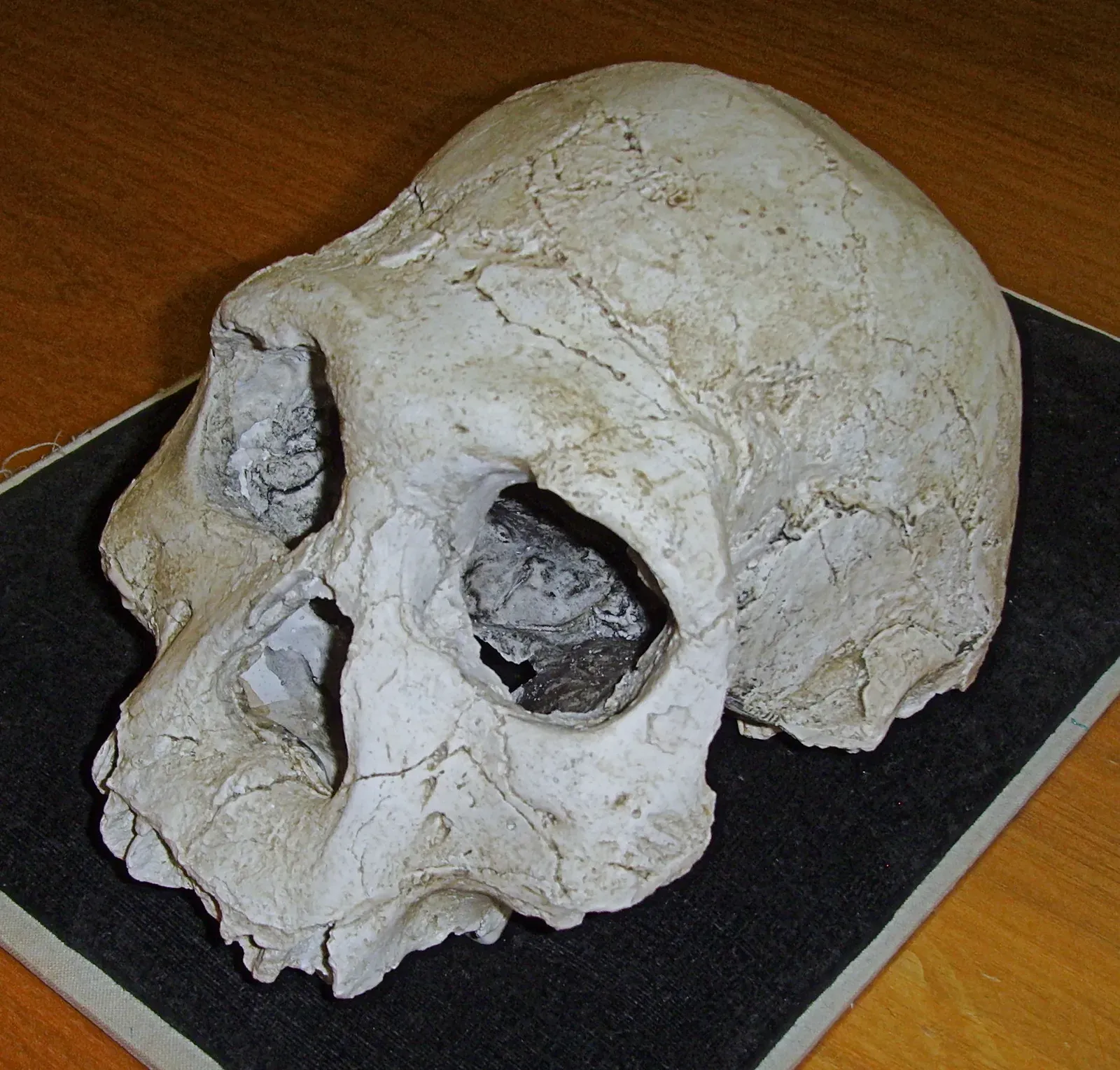
At Dmanisi, an ancient site in Georgia, researchers found a cluster of early Homo fossils around 1.8 million years old, likely accumulated near an old animal den. These weren’t ritual burials, but their tight clustering forced a burial-style rethink of species boundaries anyway. Five skulls, all clearly living in the same place at the same time, showed shockingly different shapes and sizes from one another.
Differences that might once have justified naming several separate species were all sitting inside one small population. This accidental graveyard pushed many paleoanthropologists to merge names that had been kept apart for decades, folding them into regional variants of a single, flexible Homo lineage. Our early relatives may have varied in face and form as much as modern humans do today. Dmanisi didn’t just redraw branches on the tree – it erased some of them entirely.
#4 – Atapuerca’s Sima de los Huesos: A Pit of Bones and a Mystery
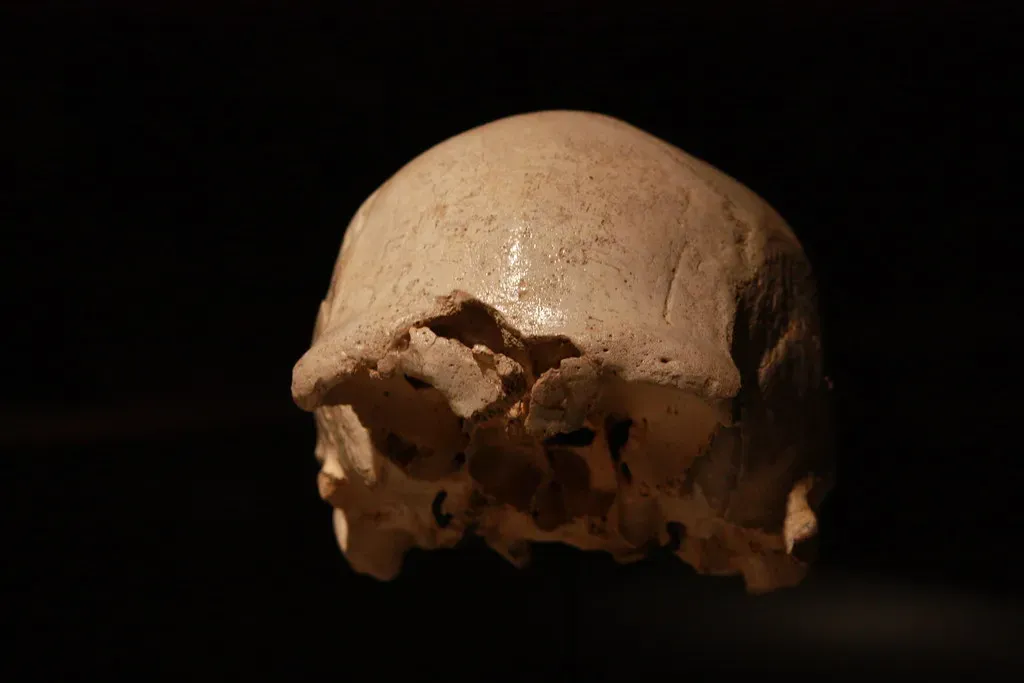
Deep in the Atapuerca cave system in Spain sits Sima de los Huesos – literally “the Pit of Bones.” More than two dozen hominin skeletons, at least 430,000 years old, ended up inside this natural shaft. Were they washed in by accident, or deliberately thrown down into a shared death chamber? A single, finely made hand axe nicknamed “Excalibur” was found among them, looking suspiciously like an offering rather than a lost tool.
If that placement was intentional, it may be the earliest known mass burial in human history. Genetic analysis of the remains linked them to both Neanderthals and an even stranger group: the Denisovans. That turned the pit into a genetic crossroads, not just a boneyard, proving that distinct archaic lineages had deep, tangled roots in Europe long before classic Neanderthals ever appeared. Instead of a neat succession of species, we’re looking at blending and branching that predates Homo sapiens entirely.
At a Glance
- Location: Atapuerca cave system, northern Spain
- Age: at least 430,000 years old
- Remains: more than two dozen individuals, mostly young adults
- Standout artifact: a hand axe nicknamed “Excalibur”
- Genetic link: ties to both Neanderthals and Denisovans
#3 – Denisova Cave: A Tooth, a Finger Bone, and a Phantom People
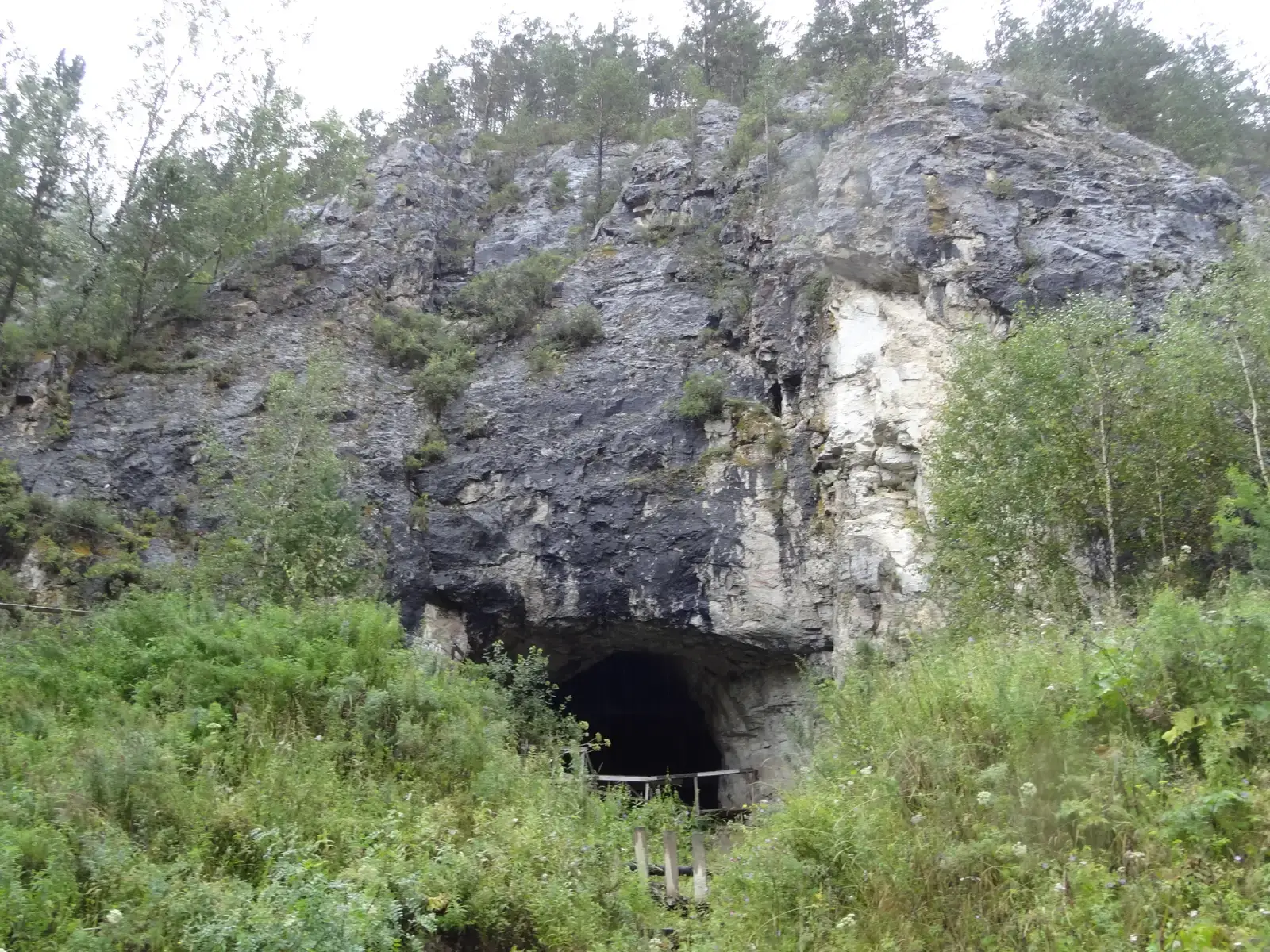
If you want a discovery that detonated the family tree without even being a classic grave, Denisova Cave in Siberia is it. Tiny fragments – a finger bone, a tooth – turned out not to belong to Neanderthals or modern humans once scientists sequenced their DNA. They came from an entirely different human group: the Denisovans, a “ghost lineage” that left almost no bones but a massive genetic footprint.
A jawbone later found on the Tibetan Plateau expanded their known range, and genome studies revealed that many people across Asia and Oceania still carry Denisovan DNA today. Even stranger, one bone fragment nicknamed “Denny” belonged to a girl whose mother was Neanderthal and whose father was Denisovan – a literal first-generation hybrid. Denisova didn’t hand us pretty burials with beads. It handed us a blunt message written in genetic code: the human past is a braid of interbreeding lineages, not a set of isolated branches.
#2 – Homo Naledi in Rising Star Cave: Ritual Without “Big Brains”
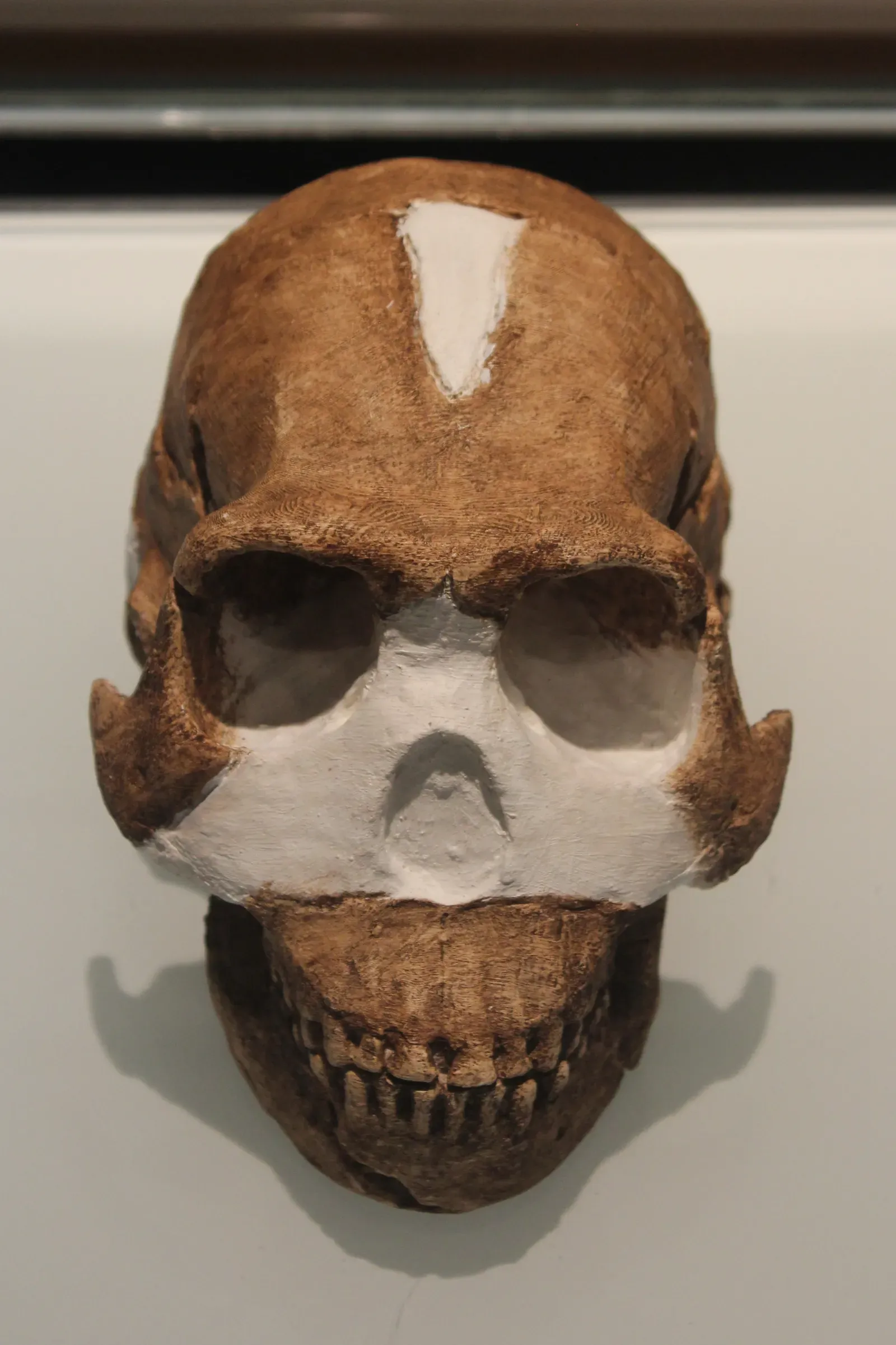
In South Africa’s Rising Star cave system, explorers crawled through passages barely wide enough for a shoulder to reach chambers packed with the remains of a previously unknown species: Homo naledi. The shock wasn’t just that these small-brained hominins may have been alive as recently as 250,000 years ago. It was how the bodies got there – evidence points to deliberate placement deep inside the cave, far from daylight or casual access.
Not everyone buys the ritual interpretation; some researchers argue for natural accumulation instead. But the repeated presence of remains in such punishingly difficult spaces, alongside possible engravings and burned material, has plenty of experts rethinking the assumed link between brain size and symbolic thought. If a small-brained relative was doing something like burial, the neat ladder from “primitive” to “advanced” simply collapses. And that leaves an uncomfortable question hanging: how many other “lesser” humans were quietly doing the same thing?
#1 – The Red Lady (Who Wasn’t) of Paviland: When Dates Flip the Script
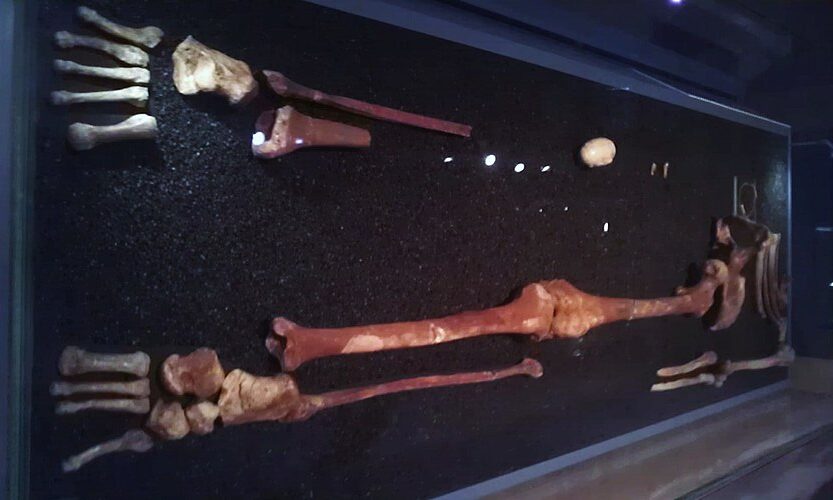
On the coast of Wales, a partial skeleton stained red with ochre was found in the early 19th century and confidently misidentified as a Roman-era woman – hence the nickname “Red Lady of Paviland.” Later studies delivered two jaw-dropping corrections. First, the bones belonged to a young man, not a woman. Second, and far more important: radiocarbon dating showed he died around 33,000 years ago, making this one of the oldest known ceremonial burials of a modern human anywhere in Europe.
The grave goods – ivory ornaments alongside the ochre coating – mark this as a fully symbolic burial, staged while ice sheets loomed and Neanderthals still lingered elsewhere on the continent. Paviland forced historians to admit that “modern” behavior in Europe wasn’t some sudden art-cave revolution in France; it was already quietly underway on the fringes, centuries before anyone thought to look there. The fact that experts misread both the sex and the age of this burial for so long is its own quiet lesson: even our interpretations are fossils, and they too can be dug up and rewritten.
Quick Compare
- Then (19th century): identified as a Roman-era woman, roughly 2,000 years old
- Now: confirmed male, dated to about 33,000 years ago
- Then: nicknamed the “Red Lady of Paviland”
- Now: recognized as one of the oldest ceremonial burials of a modern human in Europe
The Ladder Is Dead. Long Live the Tangled Bush.
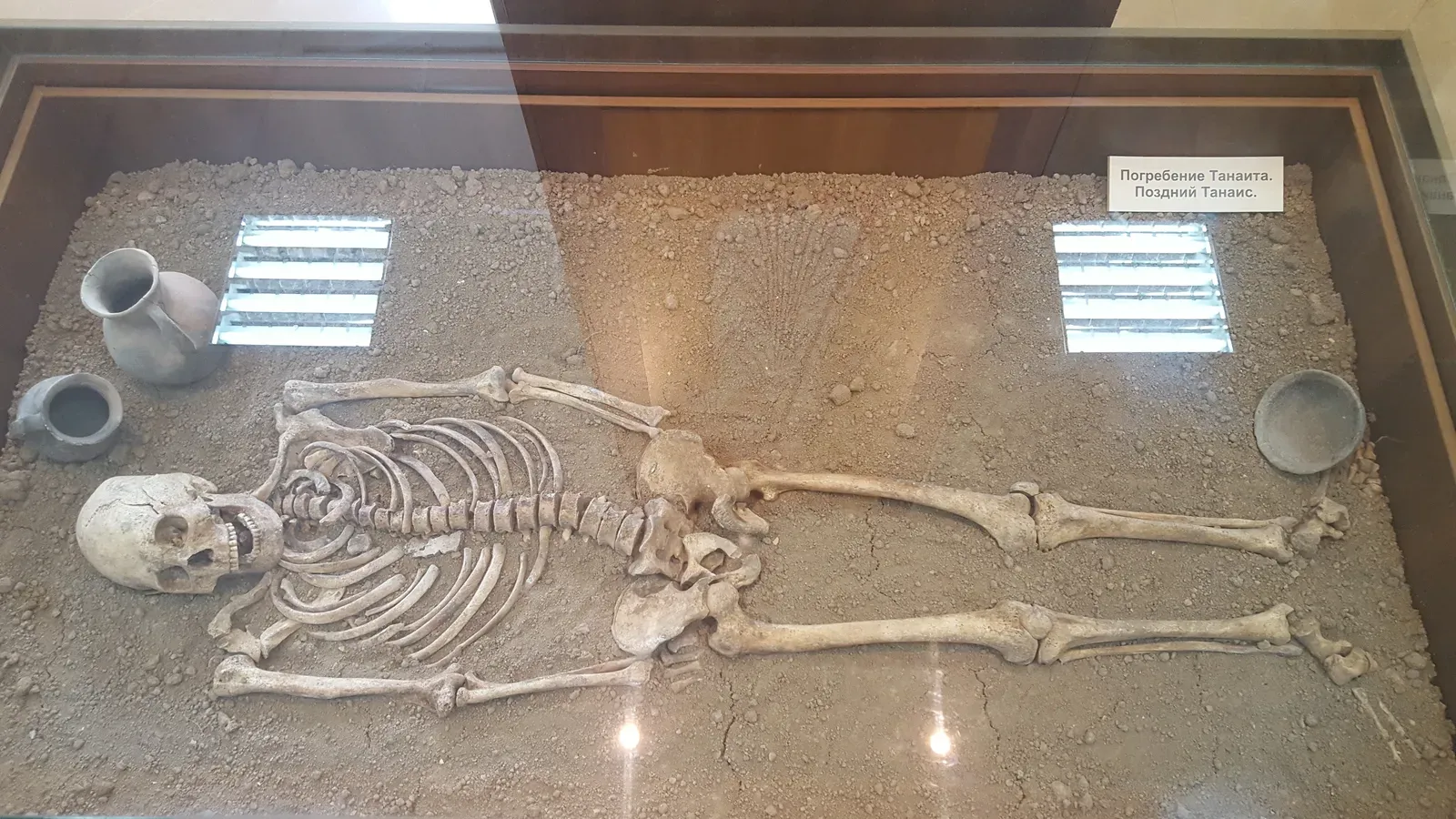
Taken together, these burials don’t just add colorful footnotes to human history – they obliterate the comforting myth of a straight, clean climb from ape to us. Neanderthals cared for their dead. Early Australians staged multi-stage cremations tens of thousands of years ago. Ice Age children in Russia were buried like royalty. A “ghost” people we can barely see in the ground still live on in millions of living genomes.
The real shock isn’t any single grave. It’s how many wildly different kinds of humans were thinking about death in deeply human ways, sometimes with brains a third the size of ours. If the evidence points anywhere, it’s toward a conclusion a lot of people still resist: we are not the inevitable peak of a ladder. We’re one branch of a crowded, emotional, interbreeding family, and most of our relatives never got the chance to write their own ending.
Which burial on this list do you think historians are still getting wrong – and what does that say about how we see ourselves today?