Every culture on Earth has buried its dead, but a few burials stop archaeologists in their tracks. They are so unusual, so carefully staged, or so hard to explain that even seasoned experts sit in the dirt for a moment and just stare. These graves are more than resting places; they are puzzles, performances, and sometimes outright challenges from people who lived thousands of years ago.
In this article, we will look at a dozen burials whose arrangements are so singular that, so far, nothing else quite matches them. Some are hauntingly tender, some are unsettling, and some feel almost theatrical. All of them pull back the curtain, just a little, on how humans have tried to make sense of death, power, and memory.
You will see skeletons holding hands, warriors turned into living walls for their leader, children laid to rest like royalty, and even a burial that looks suspiciously like a staged story about a vampire. These are not horror tales or fantasies. They are real graves, discovered by real archaeologists, and they show – sometimes shockingly clearly – how creative, symbolic, and emotional humans have always been about their dead.
#1 The Lovers of Valdaro: A 6,000-Year Embrace Frozen in Time
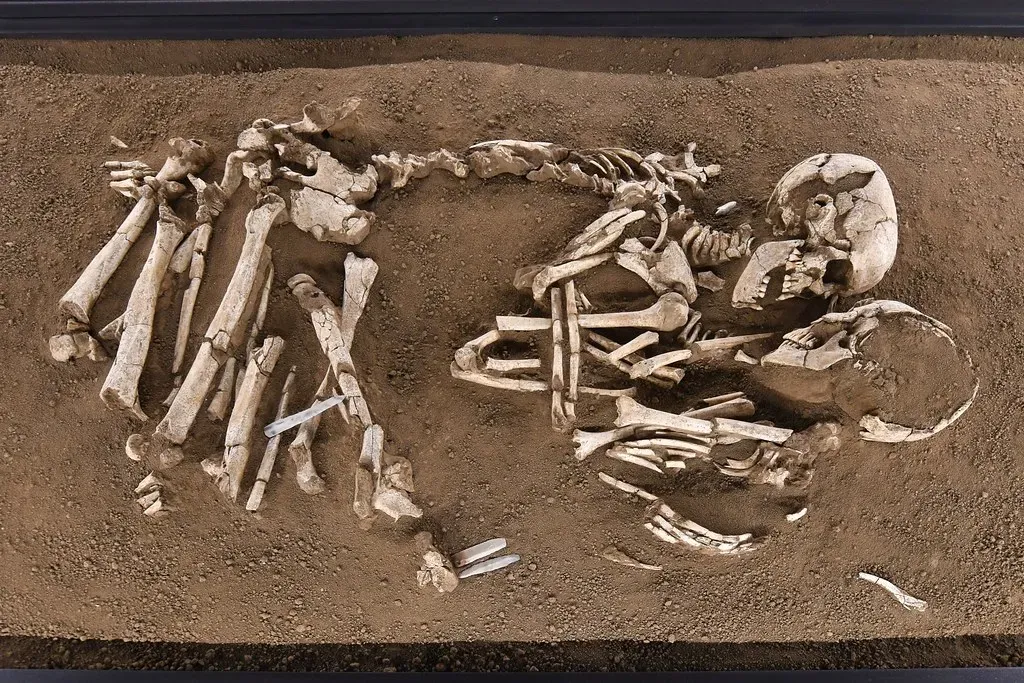
The Lovers of Valdaro, discovered near Mantua in northern Italy, look like something out of a tragic love story. Two young adults, likely in their late teens or early twenties, were buried facing each other around six thousand years ago, their arms and legs intertwined. Unlike the countless other Neolithic burials found across Europe, this one preserves a pose that resembles a deliberate embrace, and nothing else discovered so far quite mirrors its combination of age, intimacy, and preservation.
Scientific analysis has shown there is no clear evidence of violent death, despite popular speculation about a Romeo-and-Juliet-style tragedy. The bones do not show obvious trauma, and the grave goods are modest, which makes the care put into arranging their bodies even more striking. The burial appears less like a hurried internment and more like a carefully staged scene meant to be seen – if not by us, then by the community or the spirits they believed in.
What truly makes this burial unmatched is the combination of factors: a double burial, the close physical contact, and the fact that both individuals were placed simultaneously in a position that suggests emotional connection rather than ritual subordination. We know of other double burials, including couples and presumed relatives, but this highly theatrical sense of an embrace from the Neolithic world is still unique. It reminds us that affection, grief, and the urge to say goodbye in a moving way are anything but modern inventions.
#2 The Sunghir Burials: Children Buried Like Kings
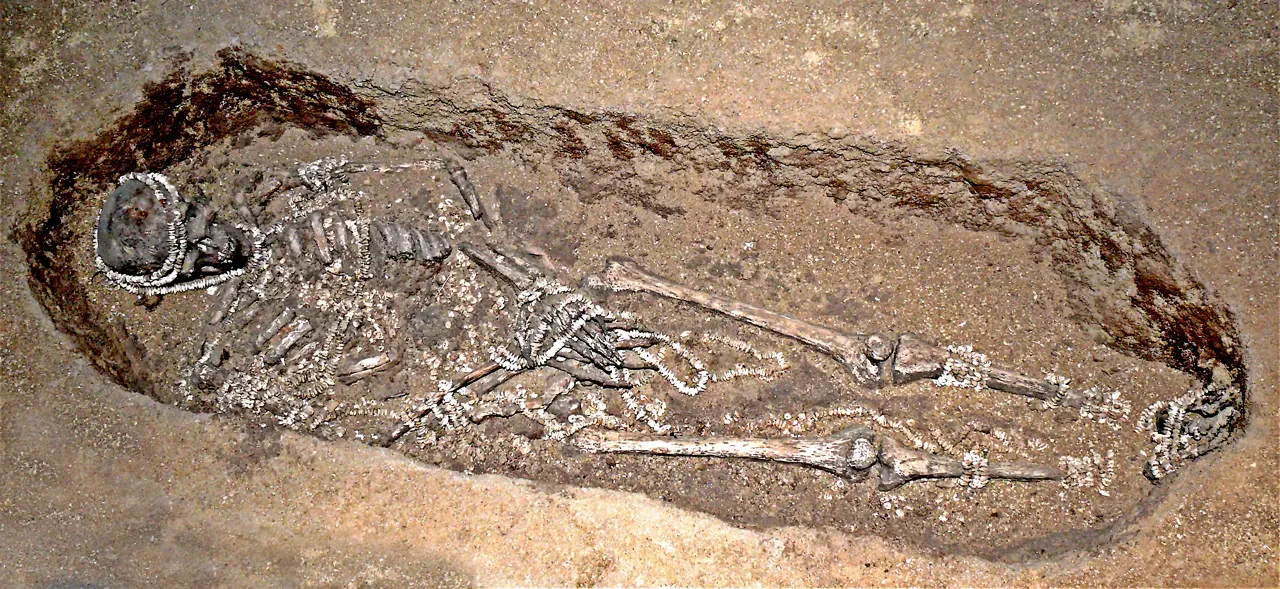
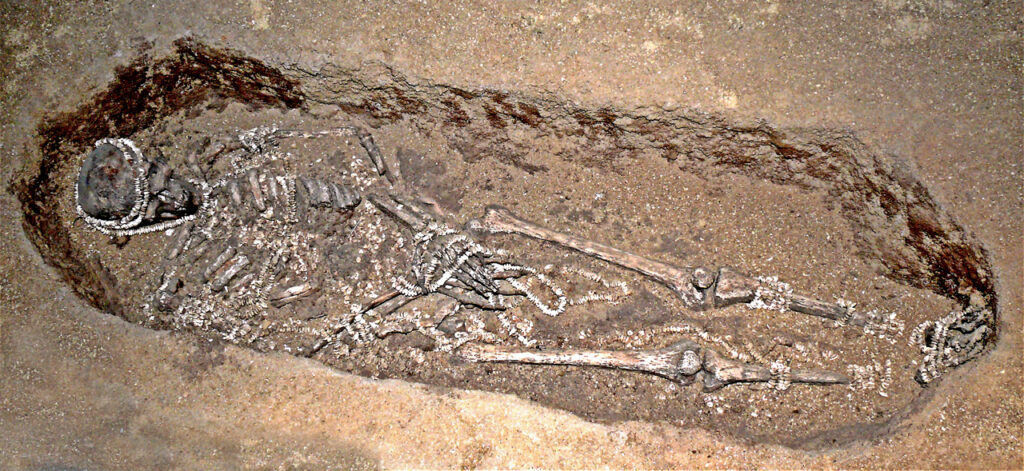
In a site near Vladimir, Russia, known as Sunghir, archaeologists uncovered Ice Age burials so lavish they still make researchers uncomfortable. One grave in particular contains two children, buried head to head, dating back more than thirty thousand years. Their bodies were covered in thousands of carefully made ivory beads, along with spears, jewelry, and other elaborate objects usually associated with powerful adults. For an Upper Paleolithic site, this kind of wealth poured into a child’s grave is astonishing and, so far, unmatched.
What stands out is not only the quantity of grave goods, but the time investment behind them. Each bead would have taken many minutes of effort to carve, polish, and perforate. When archaeologists add up the work, they estimate that producing the ornaments alone would have taken hundreds, if not thousands, of hours. That makes this double burial less like a simple farewell and more like a monumental project of mourning and display.
Key features that make this burial uniquely arranged include:
- The head-to-head positioning of the two children, creating a clear visual symmetry.
- The dense distribution of beads sewn onto clothing, indicating a display outfit rather than casual wear.
- The inclusion of high-status tools and ornaments not usually associated with children at this time.
There are other rich child burials in prehistory, but nothing yet matches the combination of extreme ornamentation, symmetry, and deep antiquity seen at Sunghir. It forces us to rethink ideas about status, childhood, and ritual in Ice Age communities.
#3 The “Wall of Skulls” at Çatalhöyük: The House as a Tomb
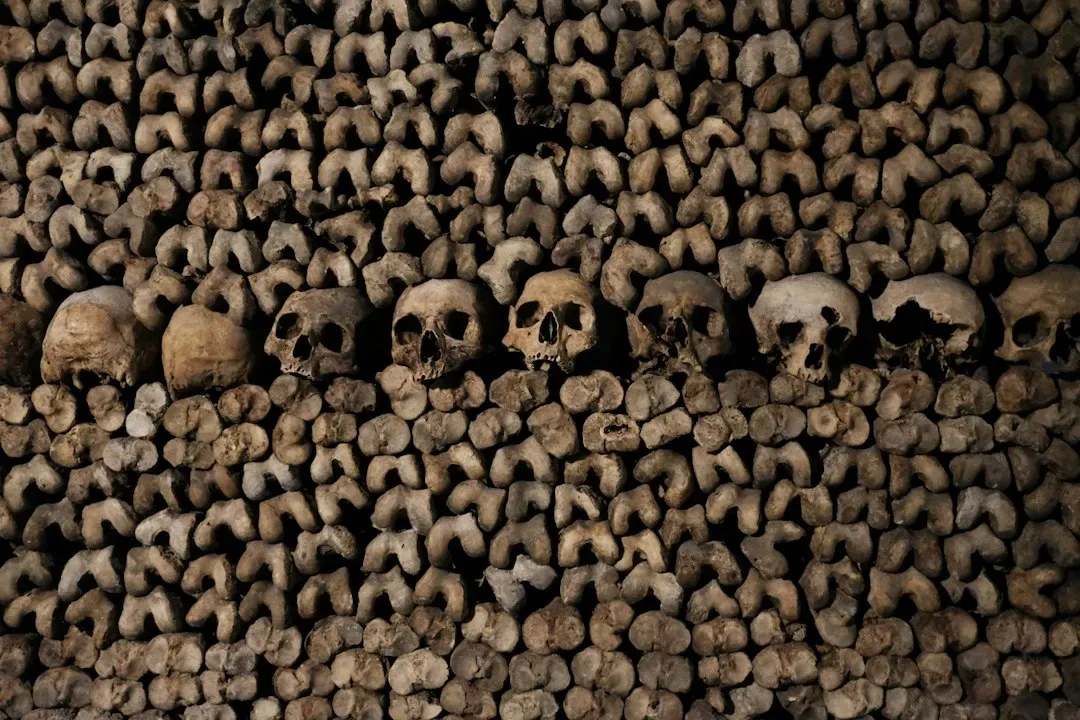
At the Neolithic mega-settlement of Çatalhöyük in what is now Turkey, people routinely buried their dead under house floors. This already blurs the line between domestic life and death, but one discovery is especially jarring: a burial in which skulls – carefully removed from previous burials – were arranged to form a kind of human wall or cluster around a newer interment. Rather than one grave, it is like a layered monument inside a home.
In some cases at Çatalhöyük, skulls were dug up, plastered, and even painted, then reburied later. But this particular configuration, with multiple skulls grouped deliberately next to or around a newer burial, is unlike the more familiar pattern of isolated individuals under floors. It suggests that older ancestors were being physically collected and repositioned to accompany or frame the burial of someone recently deceased, turning the grave into a kind of human-built altar.
What makes this arrangement so distinctive is how it repurposes earlier individuals. Instead of leaving earlier burials untouched or scattering remains, the community seems to have curated the dead, selecting skulls and repositioning them for maximum symbolic effect. This is not random disturbance or looting; it is intentional architecture built from human remains. We see skull cults elsewhere, but this domestic, layered “skull wall” inside a living space hits a very intimate note: your house literally rested on, and sometimes was decorated by, your dead.
#4 The Bog Body of Tollund Man: Perfection Without a Funeral
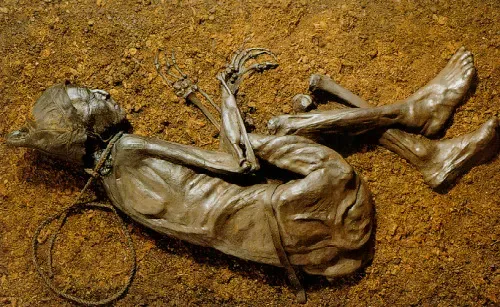
When Tollund Man was unearthed from a Danish peat bog in the 1950s, his face looked so peaceful that locals thought he was a recent murder victim. In reality, he died roughly two and a half thousand years ago. Unlike most burials, he was not placed in a cemetery, not surrounded by grave goods, and not buried in a coffin. Instead, he was laid gently in a watery bog, naked except for a cap and a belt, with a noose still around his neck. The combination of perfect preservation and stripped-down ritual makes this “burial” like almost nothing else.
Bog bodies are known across northern Europe, and several show signs of violent death: slit throats, blows to the head, strangulation. But Tollund Man’s posture is unique – curled slightly, eyes and mouth closed, with a remarkably serene expression. He looks less like a dumped victim and more like someone fast asleep in a shallow grave, but in the wrong medium. Scientists have debated whether this was an execution, a ritual sacrifice, or a special form of offering, but there is agreement that he was placed with care.
Unlike formal cemeteries with markers and monuments, Tollund Man’s resting place was invisible, swallowed by the bog. The ritual emphasis seems to shift from public memory to a hidden transfer to the gods or the land. That combination of gentle positioning, near-total nudity, ritual killing, and natural embalming by the bog gives us a burial that does not fit neatly into the categories of grave, sacrifice, or execution. It is a one-of-a-kind choreography between human intention and the chemistry of the peat.
#5 The Vlad Dracula–Era “Vampire” Burials: Pinning the Dead Down
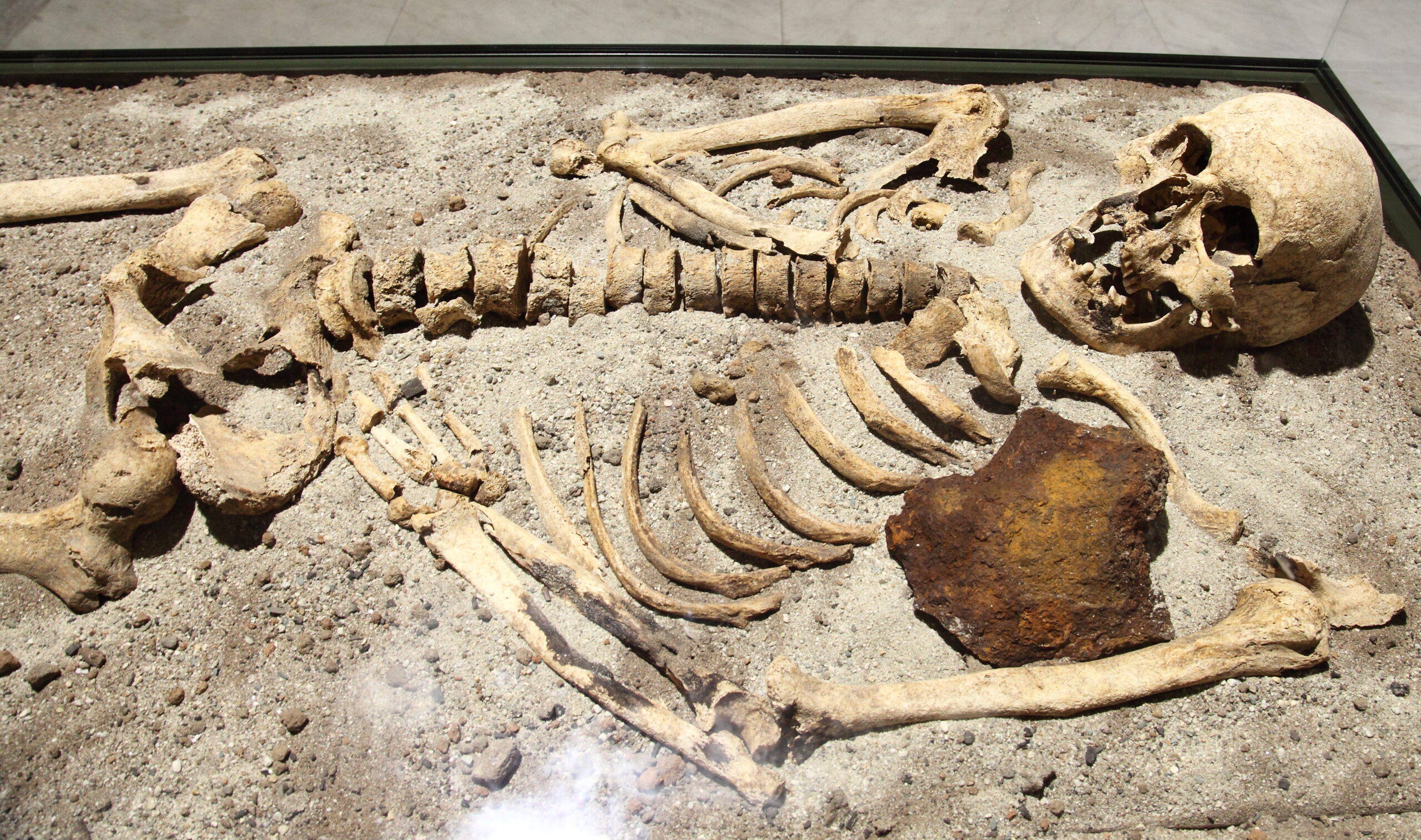
Across eastern Europe, archaeologists have found so-called “vampire burials,” but a cluster of examples from Romania and neighboring regions is particularly striking. In some cases, the dead were buried with iron stakes or sickles pressed across their necks or chests, stones wedged into their mouths, or heavy rocks pinned atop their bodies. These burials date to periods when fears of the undead were intense, including the late medieval and early modern centuries, overlapping with the historical era of Vlad III (often associated with the Dracula legends, even if only loosely).
What makes certain burials in this group unmatched is not just a single measure, but the layering of anti-vampire precautions in one grave. For example, an individual might have a sickle placed across the throat, a rock fixed in the mouth, and the limbs nailed down or bound. Each of these elements has been seen separately in different regions, but in a few graves they appear stacked together like an anxious checklist to keep the dead from walking.
Some key aspects frequently found together in such unique arrangements include:
- Tools or blades positioned to decapitate or slice if the body moved.
- Large stones filling the mouth to block biting or speech.
- Heavy weights over the chest or legs to physically restrain the corpse.
These burials read like physical manifestations of medieval and early modern fear. They are not gentle goodbyes; they are negotiations with something people deeply dreaded. No single grave has become the absolute textbook example, but a handful with piled-up precautions remain unmatched in how intensely they try to control what happens after death.
#6 The “Horse and Rider” Burials of the Eurasian Steppe
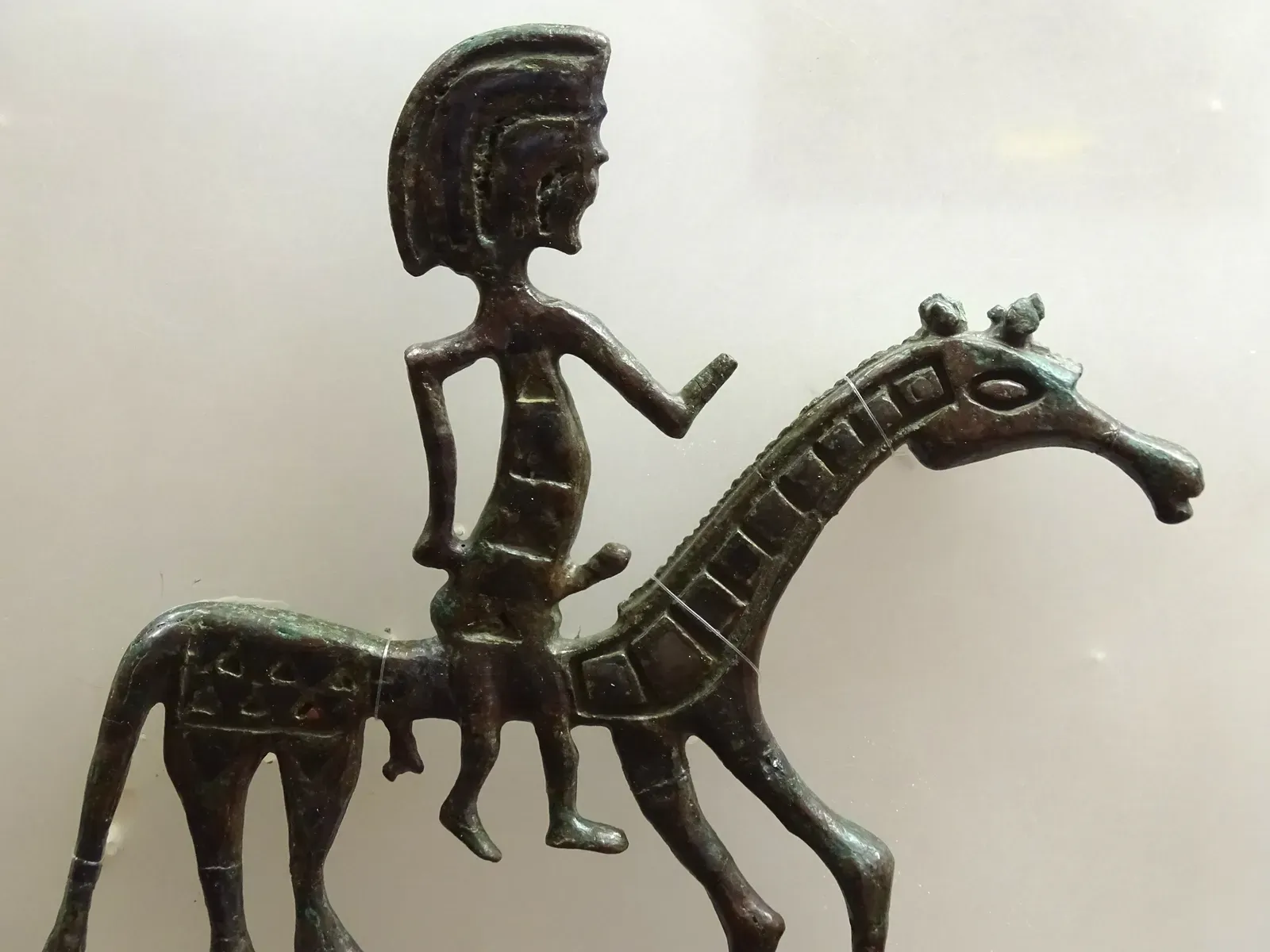
Nomadic and semi-nomadic cultures of the Eurasian steppe often buried elite warriors with their horses, but a few graves stand out so sharply they feel like frozen battle scenes. In certain burials, the rider is laid out with full military gear – bows, arrows, lances, armor – while the horse is placed beside or even partially above the human, as if the pair has been staged mid-charge. Some graves include multiple horses forming a fan around the warrior, echoing a mobile entourage even in death.
What makes particular horse-and-rider burials unmatched is their excessive symbolism. Instead of one horse as simple transport, you get several animals laid out in careful alignment, sometimes decorated or bridled, turning the grave into a three-dimensional emblem of power and mobility. Archaeologists have found cases where the horse skulls are arranged in sequences, or the animals’ legs are positioned as if in motion, while the human body lies centrally like a commander frozen at the heart of a cavalry unit.
Summarizing some of the unique elements seen in these singular burials:
- Multiple horses buried in symmetrical patterns around a single human.
- Use of full battle gear and status symbols arranged for dramatic effect.
- Body and animals oriented to mirror movement rather than rest.
Other cultures have buried people with animals, but this combination of theatrical military imagery, symmetry, and sheer number of sacrificed horses in one grave pushes these steppe burials into a category of their own. They are not just graves; they are frozen political posters about who this person was meant to be, even beyond death.
#7 The “Sitting” Pharaoh: KV55 and the Puzzle of Royal Memory
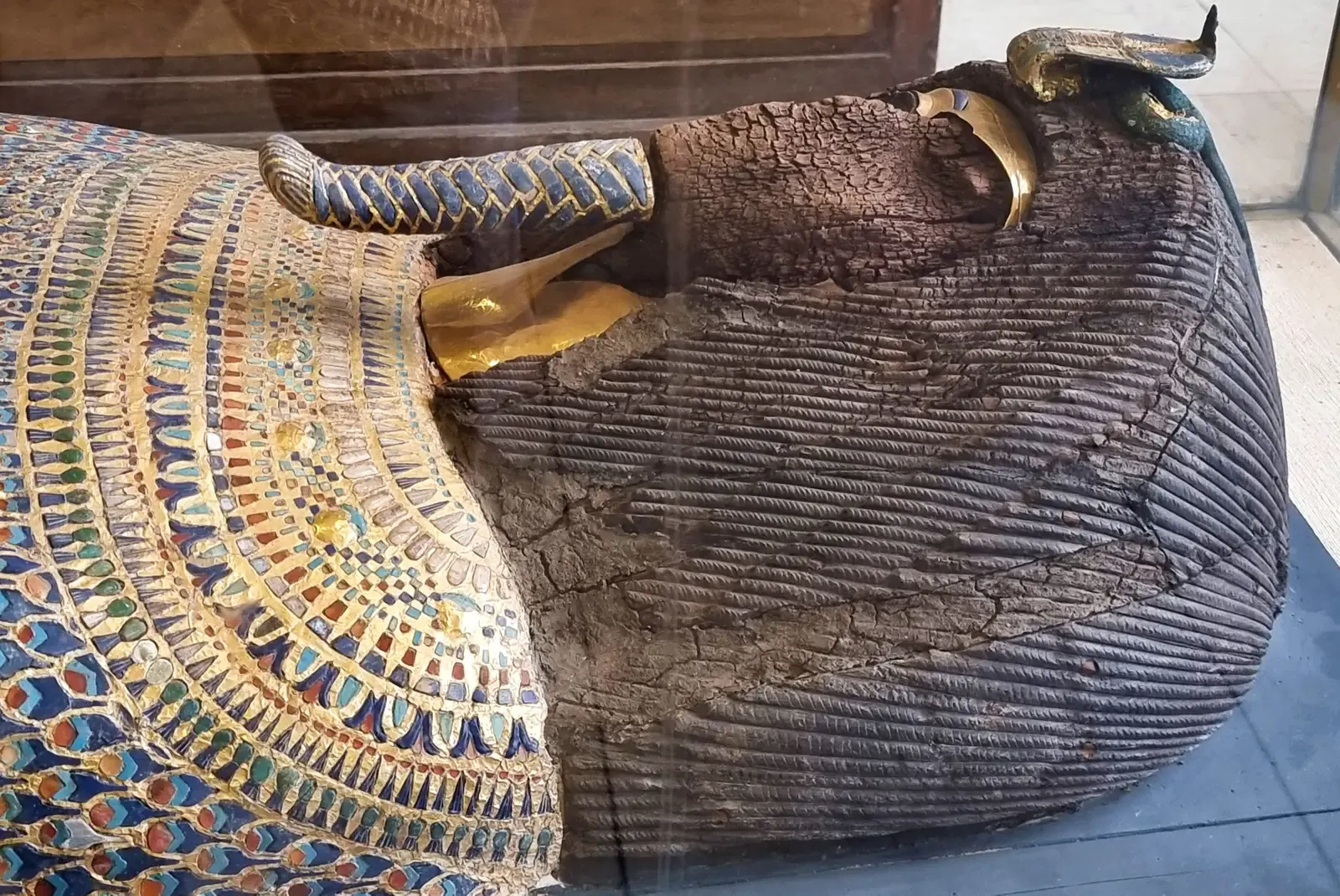
The tomb known as KV55 in Egypt’s Valley of the Kings is one of the most debated royal burials in archaeology. When opened in the early twentieth century, it contained a single mummy – likely connected to the revolutionary pharaoh Akhenaten – lying in a desecrated coffin that had been altered multiple times. What makes this burial so unusual is not a dramatic pose, but the deliberate confusion: names hacked out, insignia shifted, and the coffin originally designed for one royal then repurposed for another, all inside a hastily prepared tomb.
In most royal Egyptian burials, everything screams order: carefully inscribed sarcophagi, nested coffins, spells, and flawlessly laid-out grave goods. KV55 is the opposite. The mummy seems to have been placed there as an afterthought, and the coffin’s inscriptions were reworked, almost as if later rulers were trying to bury not just a body but a memory they no longer wanted in the official story. This intentional scrambling makes KV55 more like an attempted erasure than a standard burial.
What remains unmatched here is the mix of high-status elements with obvious damage and modification. The tomb is in the royal valley, the coffin is luxurious, yet the whole setup feels rushed and conflicted. Many scholars think this is what it looks like when a condemned king is given a burial that is both respectful of the office and hostile to the individual. It is a rare archaeological example of political revisionism physically encoded into a grave.
#8 The Mass Sacrifice at Ur: A Royal Death with Human Accompaniment
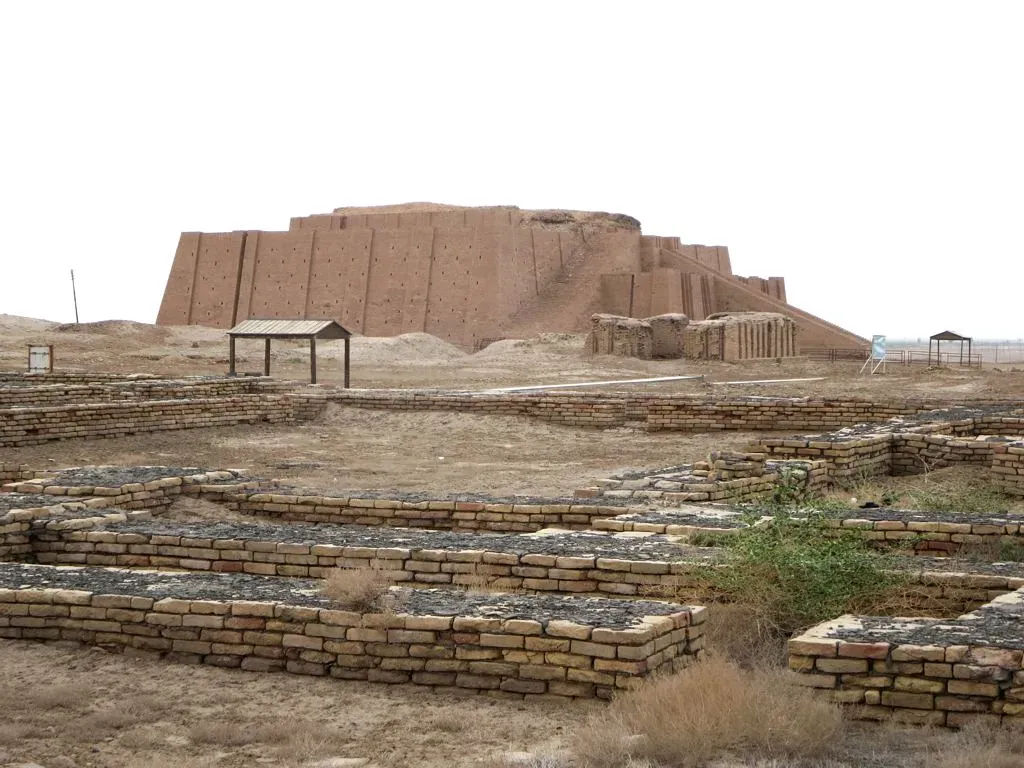
The Royal Cemetery at Ur, in present-day Iraq, produced one of the most chilling burial arrangements ever uncovered: a royal tomb surrounded by chambers packed with the bodies of attendants, soldiers, and musicians. In one famous example from the third millennium BCE, a queen’s burial chamber is accompanied by a “death pit” where dozens of people lay in orderly rows, adorned with jewelry and holding instruments, as if they had calmly lain down for a final performance.
Human sacrifice in connection with elite burials is known in several cultures, but the way it plays out at Ur is unusually staged. The attendants are neatly arranged, not piled; they wear their finest ornaments; the soldiers carry their weapons. Archaeochemical analyses suggest that at least some may have been sedated or poisoned rather than violently killed in a chaotic struggle. The result is a frozen tableau of obedience, wealth, and absolute loyalty made literal.
A few points highlight why this burial complex is in a class of its own:
- A central royal burial with extensive grave goods, including elaborate lyres and metalwork.
- Multiple surrounding pits where human attendants are arranged almost like living furniture.
- Evidence suggesting planned ritual deaths, not improvised massacres.
Modern eyes often find this deeply unsettling, but in its original context it was probably seen as the ultimate expression of cosmic order: the queen or king surrounded by their proper household even in the underworld. The sheer scale and careful positioning of these sacrifices set the royal burials of Ur apart from most other known funerary rituals.
#9 The Double-Headed Burial of Çernavodă: One Body, Two Skulls
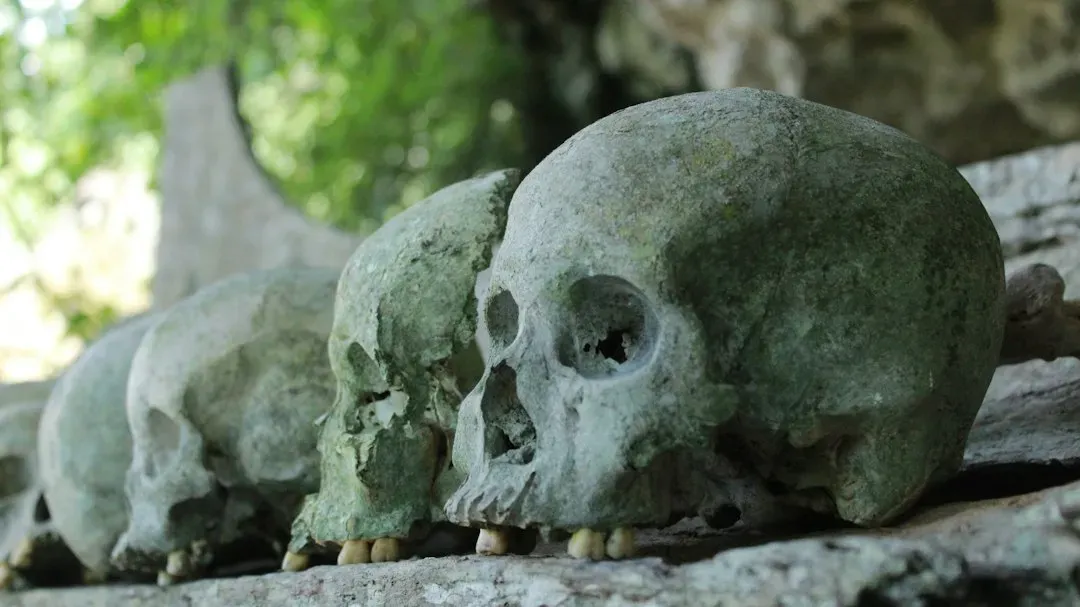
In southeastern Europe, a small number of Copper Age graves have produced arrangements that stop researchers cold. One especially strange case from the region of Çernavodă, in Romania, has been described as a single skeleton accompanied by two skulls – one belonging to the body and another from a different individual, placed deliberately nearby. This is not a typical secondary burial or a case of disturbed remains; the second skull appears to have been carefully added as part of the funerary staging.
On its own, having extra bones in a grave is not rare. Cemeteries are messy places, and older graves sometimes get cut by newer ones. But in this case, the second skull is positioned in a way that suggests intention rather than accident, sometimes near the chest or beside the primary head, as if representing a second presence or a spiritual companion. No full skeleton accompanies that extra skull, making the imbalance even more striking.
So far, archaeologists have not found a perfect parallel arrangement in the region with the same clarity: a normal primary burial deliberately partnered with a lone skull. Interpretations range from ancestral veneration to ritual trophies to complex kinship symbolism. Whatever the truth, the grave breaks the neat rule that one body belongs to one head, and that rule-breaking is the point. It hints at a worldview where individuality in death could be fluid, shared, or even doubled.
#10 The Stone Age “Shaman” from Skateholm: Dog, Antlers, and a Stage
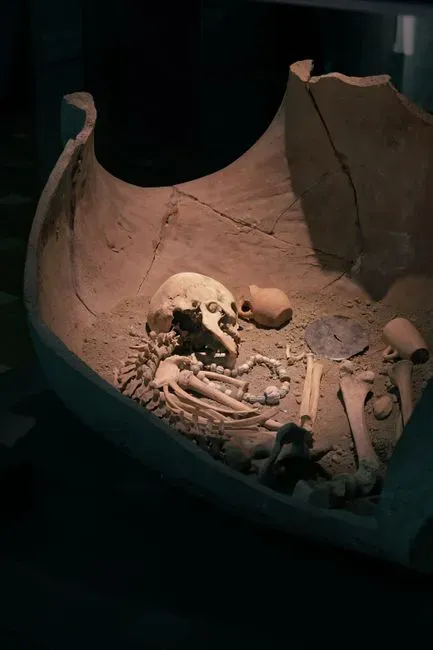
In southern Sweden, at the Mesolithic cemetery of Skateholm, one grave in particular stands out: a person believed by many researchers to have been a ritual specialist, buried with a dog, red ochre, and impressive animal parts such as antlers. The body is positioned in a way that emphasizes display, with grave goods laid out around and above, turning the burial into what looks like a mini stage set about identity and spiritual power.
Dogs are occasionally found in human graves, and red ochre shows up in prehistoric burials all over the world. What makes this grave singular is the combination: a human, a dog companion, vivid pigment, and large animal elements arranged in a composition that practically shouts that this individual was unusual. The antlers, for example, are not just tossed in; they appear to have been placed to frame the body, possibly referencing costumes or ritual roles the person held while alive.
Some notable aspects that contribute to the uniqueness of this arrangement include:
- Deliberate pairing of a human and a dog in a shared grave, suggesting partnership.
- Heavy use of red pigment, likely meant to transform the scene visually.
- Large animal elements positioned for symbolic emphasis rather than simple disposal.
There are other so-called “shaman” burials across Europe and Siberia, but this Skateholm grave stands out for how many symbolic layers are piled into one relatively small space. It feels less like a quiet burial and more like a condensed biography rendered in bones and color.
#11 The Medieval Heart Burials: Bodies Here, Hearts There
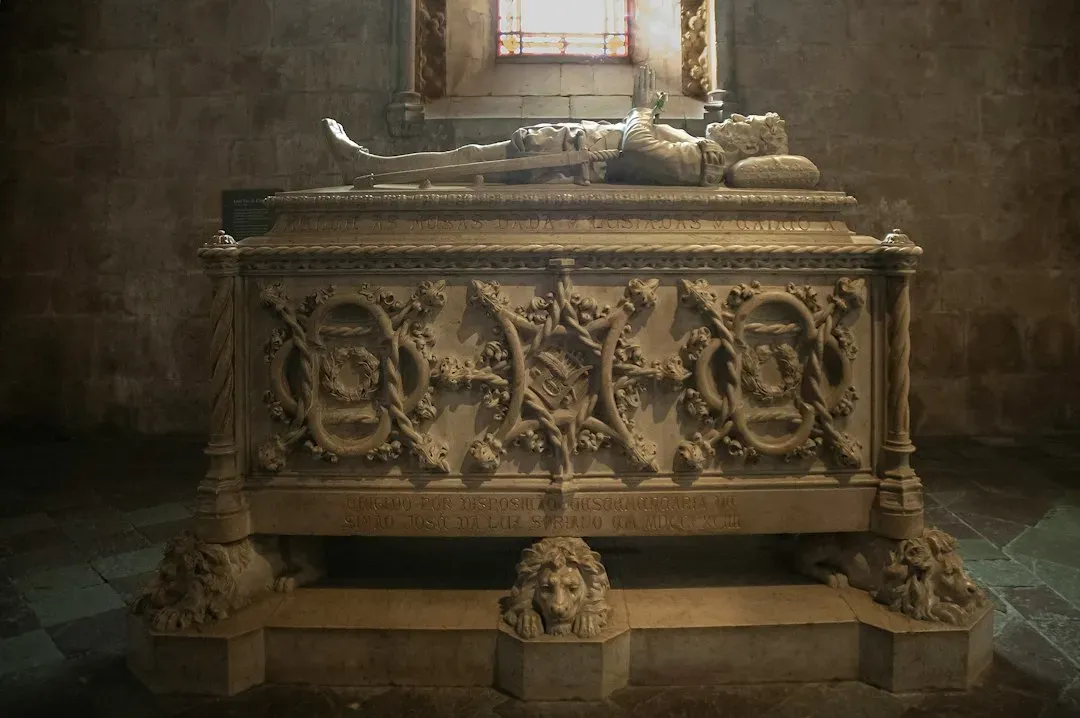
In medieval Europe, especially among the elite, it was not unheard of for hearts to be buried separately from bodies. But a few cases take this to an almost surreal level: individuals whose hearts were placed in tiny containers – often metal or stone – and interred in locations charged with political or spiritual meaning, while their bodies rested somewhere else entirely. In some instances, the heart was buried in one major religious center while the body remained in a family crypt hundreds of kilometers away.
What makes these heart burials so singular is the precision of the symbolism. The body stays with kin, anchoring lineage and bloodlines, while the heart is dispatched like a final message to a favorite monastery, a homeland, or a city the deceased helped shape. The logistics alone are intense: removal of the organ, careful preservation, transport, ceremony, and then a second burial service, all for a single part of the person.
Unlike more diffuse practices where body parts might be distributed casually or displayed, these medieval heart burials follow a clear, almost legalistic logic. A few individuals ended up effectively having two tombs: one for the person, one for the heart. While other cultures have split remains for various reasons, the formality and documentation around these European examples, especially among certain nobles and royalty, give them a uniquely bureaucratic yet emotional character. It is as if the heart itself became a portable monument of love, loyalty, or power.
#12 The Modern “Space Burials”: Ashes Leaving the Planet
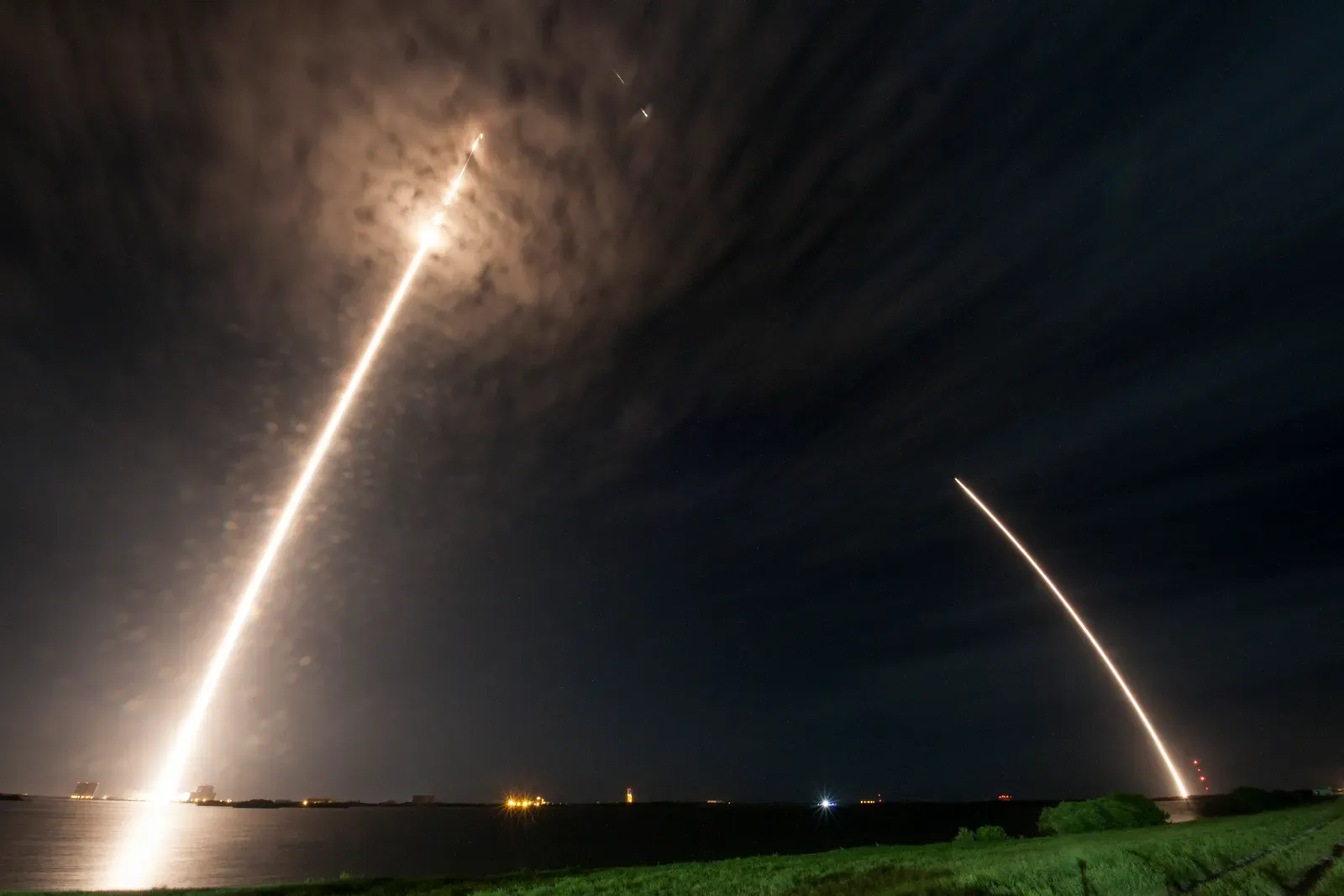
In recent decades, a new and very literal kind of extraordinary burial has emerged: space burials. Instead of being laid in a cemetery or scattered at sea, a small portion of a person’s cremated remains is loaded into a capsule and launched into space – sometimes to orbit Earth for a while, sometimes to travel deeper, and occasionally to return as a symbolic gesture. While many cultures have myths about souls ascending to the heavens, this is one of the first times technology has allowed a physical piece of the deceased to actually leave the planet.
The arrangement is unlike any traditional grave. There is no headstone, no soil, and no fixed place you can visit. Instead, the “grave” might be a satellite in orbit, a capsule headed toward the Moon, or even a payload eventually burning up in the atmosphere. Families often hold a separate ceremony on Earth, but the emotional focus shifts toward the launch moment: the roar of rockets standing in for the lowering of a coffin.
Some key characteristics that make these burials currently unmatched include:
- Tiny fractions of ashes shared between space and traditional Earth-based memorials.
- Use of aerospace technology more commonly associated with satellites or scientific missions.
- Publicly trackable “graves,” where orbits can be monitored digitally instead of visited physically.
There are debates about cost, sustainability, and symbolism, yet space burials capture something very human: the urge to push boundaries even in how we say goodbye. For now, they remain a rare, technologically demanding form of memorial that no past culture could have matched, turning the sky itself into a new kind of cemetery.
Conclusion: What Unmatched Burials Really Tell Us About Being Human
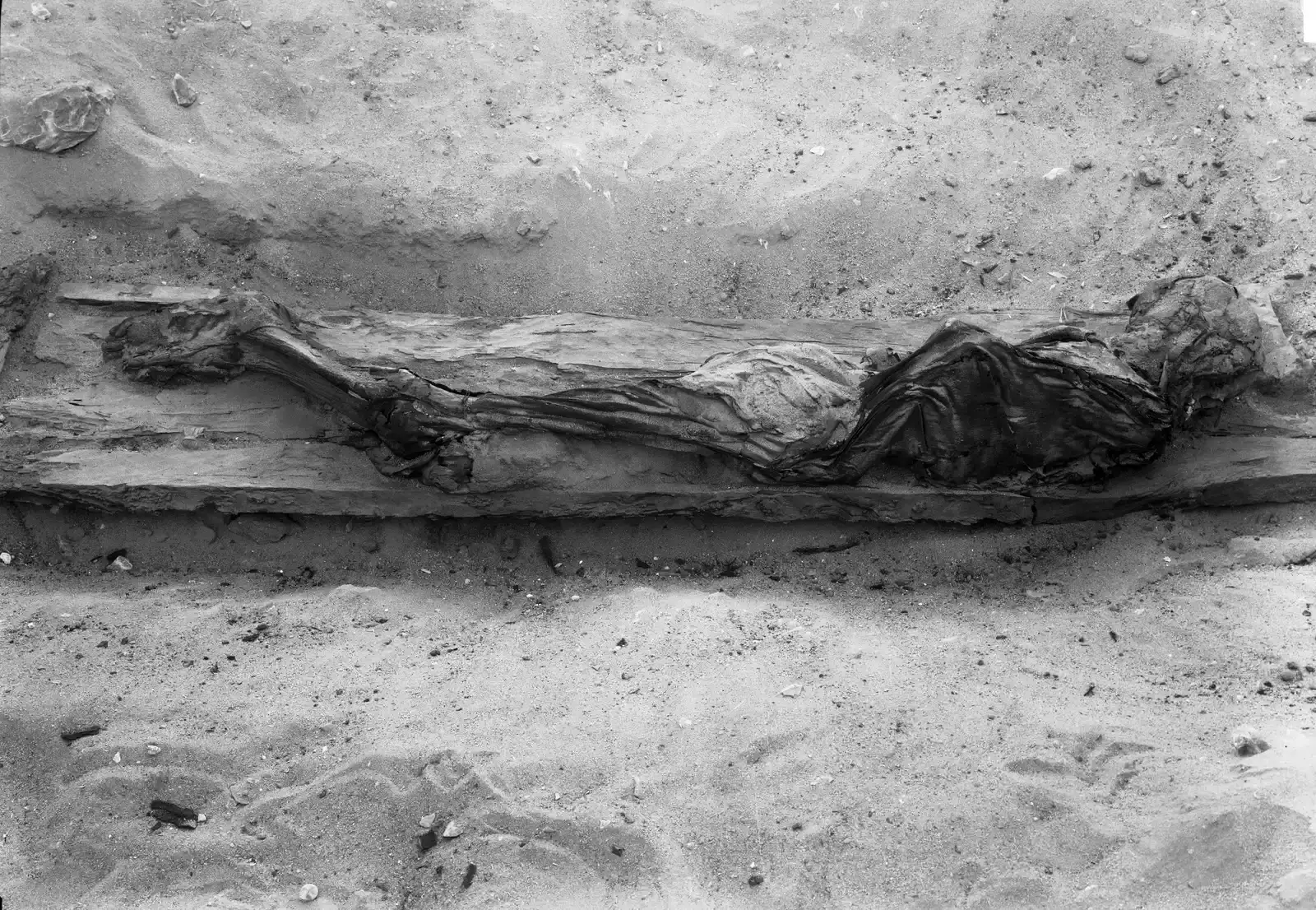
Looking across these twelve extraordinary burials, one pattern becomes impossible to ignore: when people bury their dead in truly unusual ways, they are rarely just disposing of bodies. They are telling stories – about love, fear, status, loyalty, belief, and sometimes raw anxiety. A Neolithic embrace in Italy, a pharaoh whose memory was half-erased, a space capsule carrying ashes into orbit: each burial is a statement about what that community thought mattered most when life ended.
From a scientific point of view, the unmatched arrangements are often the most revealing. They break the norms that archaeologists expect, forcing us to reconsider neat theories about how a given culture handled death. A grave stuffed with sacrificed attendants at Ur or terrified “vampire” measures in Eastern Europe are not just oddities. They are hard evidence that people have long been willing to rearrange flesh, bone, objects, and even landscapes to wrestle with their ideas of the afterlife and the dangers of the dead.
Personally, I find these burials comforting and unsettling at the same time. Comforting, because they prove that grief and imagination have always traveled together; unsettling, because they show how far we will go to control what we fear or honor what we love. Even our newest experiments, like sending ashes into space, are just the latest chapters in a very old story: humans refusing to let death be purely biological, insisting it must also be symbolic. If you had to choose, would you rather rest under a quiet stone – or orbit the Earth as one more star in someone else’s night sky?