Every now and then, science bumps into a wall of pure weirdness. A rock turns up where no rock like it should exist. A metal alloy shows properties that do not match the furnace it supposedly came from. A microscopic grain in a meteorite looks older than the Sun. When researchers trace these materials back to their supposed source, the story just does not add up.
This is where things get really fun. Instead of shrugging and moving on, geologists, physicists, and chemists start pulling on those loose threads. Sometimes they uncover honest mistakes or gaps in our models. Other times, they find something so strange that it forces an update to how we think stars explode, planets form, or even how humans worked metal thousands of years ago.
In this article, we’ll walk through fourteen cases where materials have been very little sense at first glance. Some are cosmic in origin, some are buried under our feet, and some were dug up by archaeologists holding tools that shouldn’t exist in their time. None of them are magic. All of them are genuinely puzzling, and together they show how science deals with things that do not fit the script.
#1 Presolar Grains: Stardust Older Than the Sun
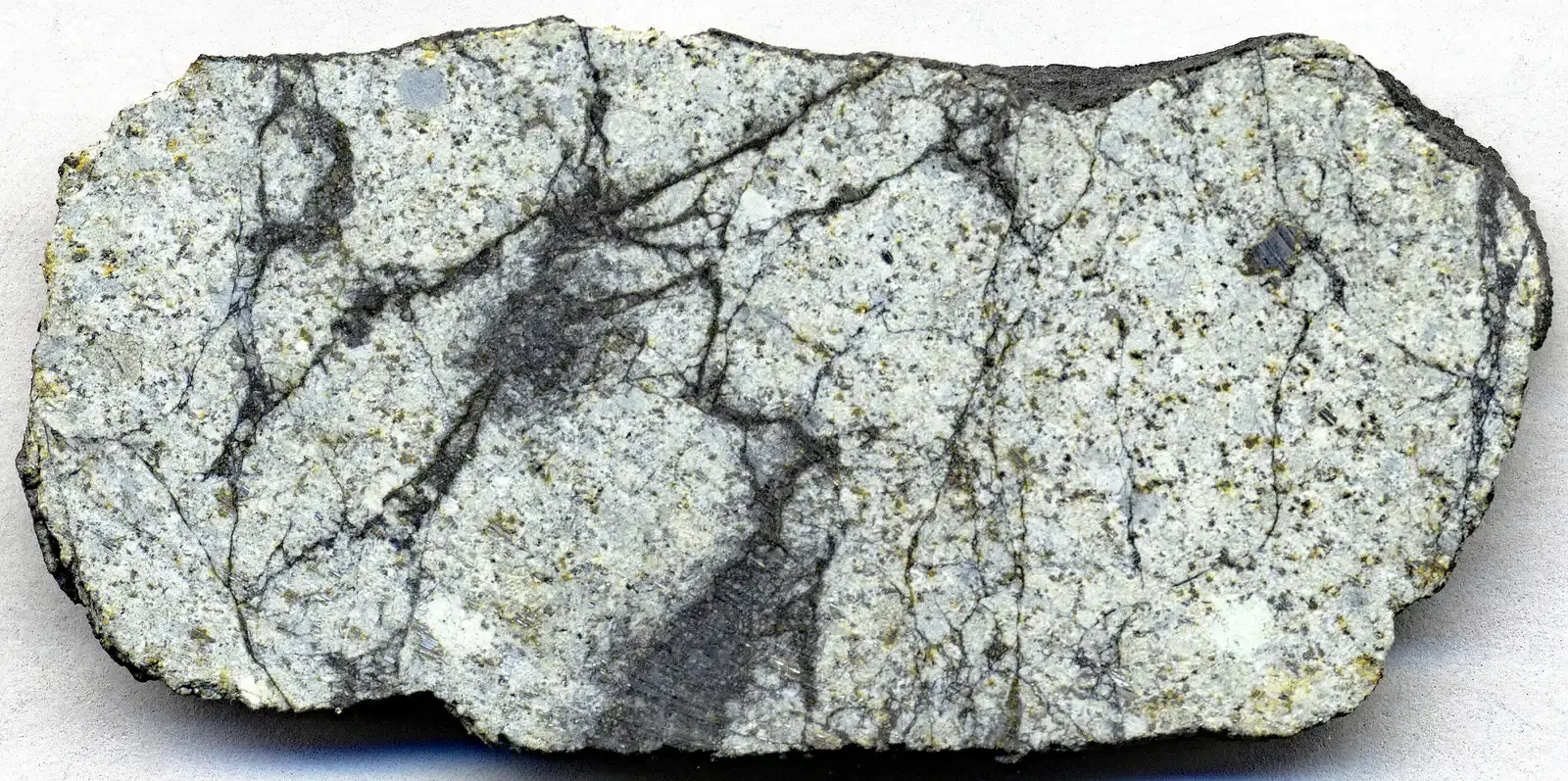
Imagine holding a speck of dust in your hand that is literally older than the Solar System. That sounds like mystical poetry, but presolar grains are just that: microscopic fragments in meteorites whose isotopic fingerprints say they formed in ancient stars long before our Sun lit up. The strange part is how they survived the violent birth of the Solar System without melting or dissolving in the nebular chaos.
Chemically, presolar grains look like tiny rebels. Their ratios of isotopes of elements like carbon, oxygen, and silicon differ so wildly from normal Solar System material that they cannot have formed here. Instead, they match processes inside red giant stars or supernova explosions. When scientists first traced their signatures, it seemed absurd that such fragile grains could ride out shock waves, accretion, and planetary formation intact.
So the “source” story became delightfully weird: these grains are traced not to the meteorite’s parent body, not even to our Sun, but to dead stars scattered through the Milky Way. Their presence forces models of planet formation to allow for surprisingly gentle handling of at least some solid particles. In simple terms, even while young planets were smashing into each other, tiny stardust time capsules quietly refused to melt.
- Presolar grains are physically tiny but chemically loud.
- Their isotopes trace them to stars that died before the Sun existed.
- They prove that parts of our rocks are literally older than our Solar System.
#2 Superheavy Elements That Should Decay Instantly
On the far edge of the periodic table live elements so massive they barely exist. We make them by slamming lighter nuclei together in particle accelerators, watching for the ultra-brief decay signals. Sometimes, though, researchers see nuclei that seem to hang around slightly longer than expected, as if they have no right to be as stable as they are.
The whole concept of an “island of stability” for superheavy elements grew partly out of this mismatch. Nuclear theory suggested that certain proton–neutron combinations might be unexpectedly stable, but finding hints of such isotopes has sometimes looked like chasing ghosts. A reported detection can clash with our calculations about how quickly such a nucleus should fly apart.
Here’s where the “” angle appears. In a few controversial cases, teams have reported signals in natural minerals that were tentatively attributed to extremely heavy, unknown elements. If real, it would mean nature somehow forged and preserved nuclei that should have vanished long ago. Most of these claims remain unconfirmed, and the scientific consensus is cautious, but the very idea that a rock sample could host atoms from a hypothetical region of the periodic table feels like reality trolling our textbooks.
#3 Tektites: Glass That Doesn’t Match Its Crater
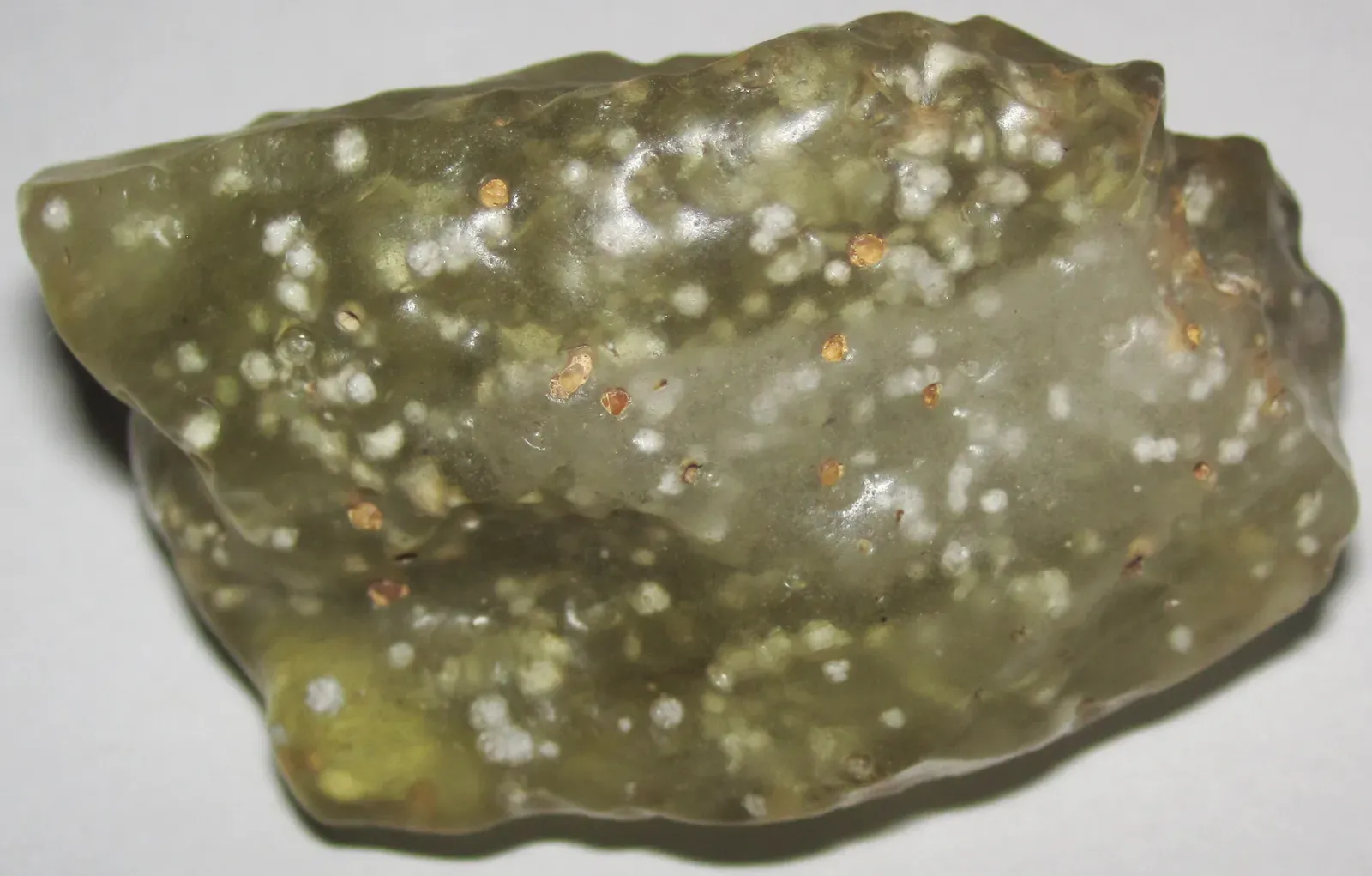
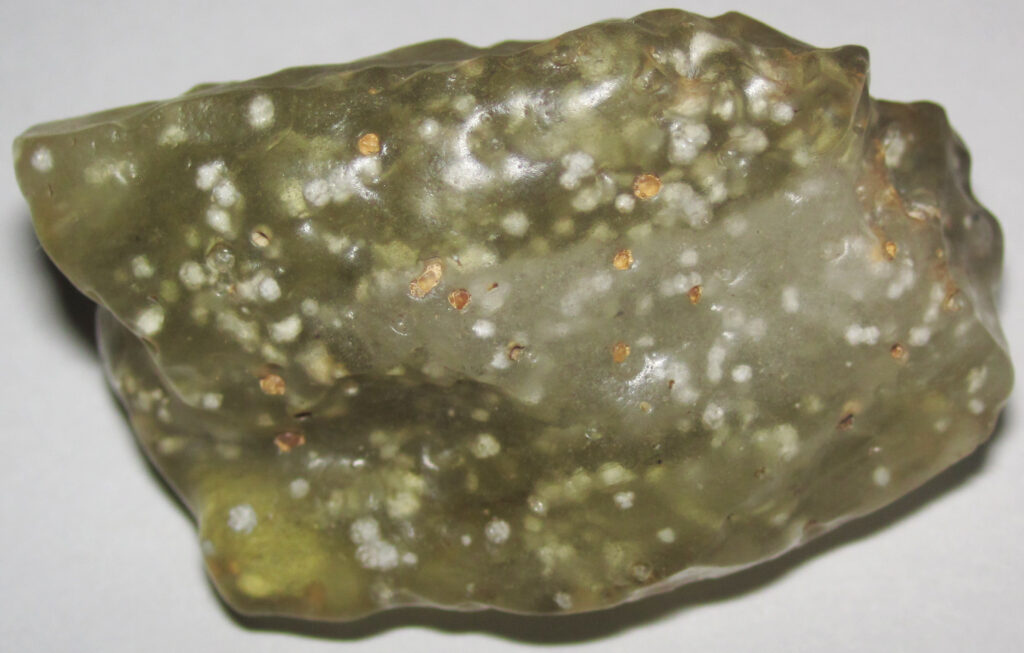
Tektites are chunks of glass scattered across huge regions of the Earth’s surface, especially in so‑called strewn fields in Southeast Asia, Central Europe, and elsewhere. They look like they come from violent impacts, and their chemistry points to melted crustal rocks. But in many cases, the crater that supposedly produced the tektites either doesn’t match them well or is missing entirely.
Take the Australasian tektite field. It covers a massive area, from Indochina to Australia and even parts of the Indian Ocean. By age, it should trace back to a single giant impact roughly in that region. Yet locating the exact crater has been surprisingly hard, and attempts to match tektite composition to plausible source rocks have raised more questions than answers.
It gets stranger when you look at individual tektites under a microscope. Some have shapes and internal structures suggesting they cooled while flying through the atmosphere at extreme speeds, more like tiny molten spacecraft than simple splashes. The story we tell is: “They formed when a meteor slammed into the Earth.” But when you carefully trace the chemistry, geography, and apparent launch conditions, the neat one‑crater‑one‑glass narrative starts to wobble.
- Tektites are impact glass, but their parent craters are sometimes elusive.
- Their shapes suggest high‑speed flight and rapid cooling.
- For the largest strewn fields, the source event still feels oddly unresolved.
#4 The Tunguska Event’s Missing Meteorite
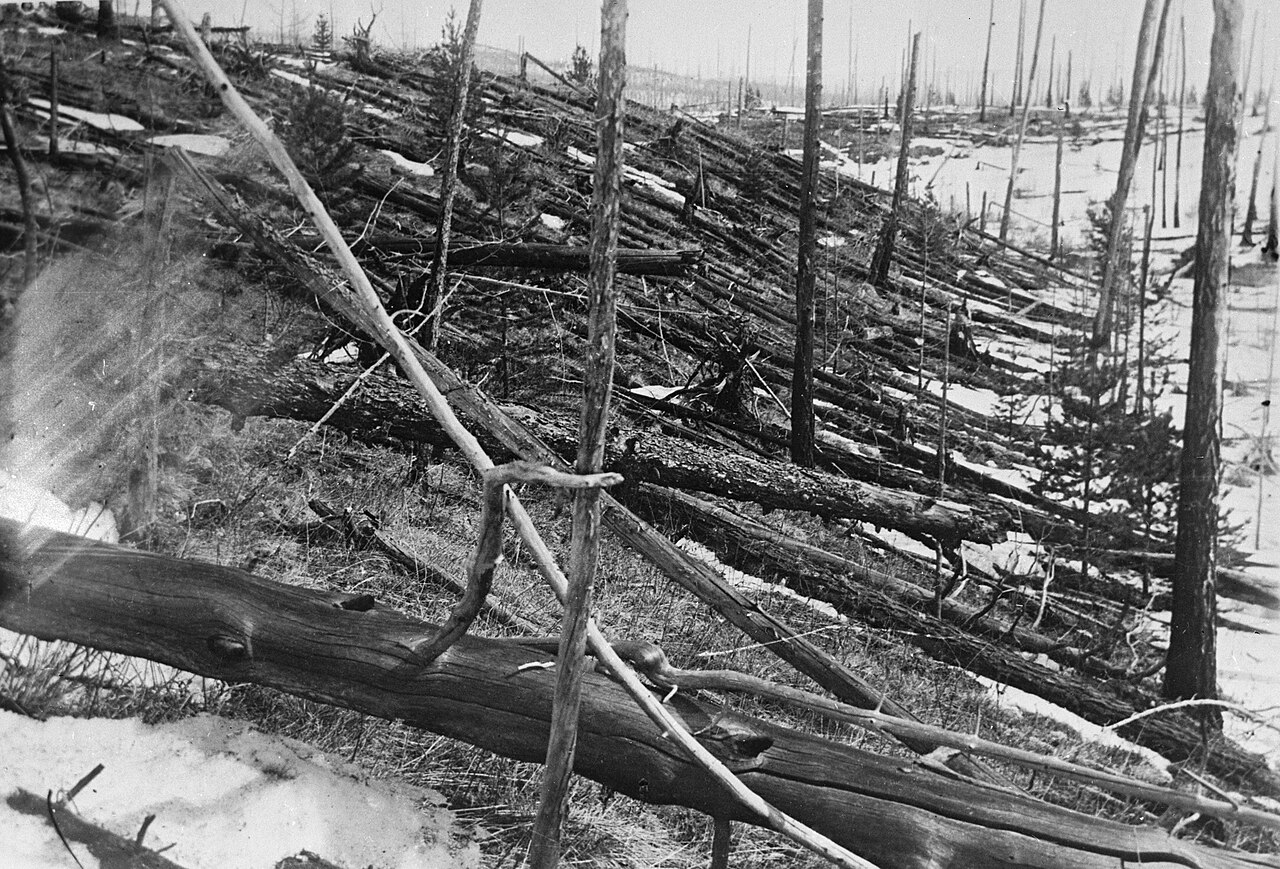
In 1908, something exploded over the Tunguska region of Siberia with the force of a large thermonuclear weapon, flattening trees over an area the size of a small country. The blast, shockwave, and forest damage all scream “cosmic impact.” Yet when scientists have combed the region for classic meteorite fragments, they’ve come up strangely empty-handed.
Some tiny glassy spheres and microscopic fragments have been found embedded in peat and soil, and these are often cited as extraterrestrial material. The chemistry of some of them suggests a stony or cometary body. But there still is no big obvious meteorite chunk or neat crater to anchor the narrative, which is bizarre given the scale of the destruction.
The standard explanation is that a fragile icy or stony object disintegrated in the atmosphere, dumping its energy as an airburst. That broadly works. Still, the traceable “material” from Tunguska is almost insultingly minimal. For many people, it feels like claiming a massive car crash happened, pointing at a few flakes of paint, and saying the rest just conveniently evaporated. The physics is solid, but the tangible evidence feels out of proportion to the event.
#5 The Voynich Manuscript’s Peculiar Ink and Vellum
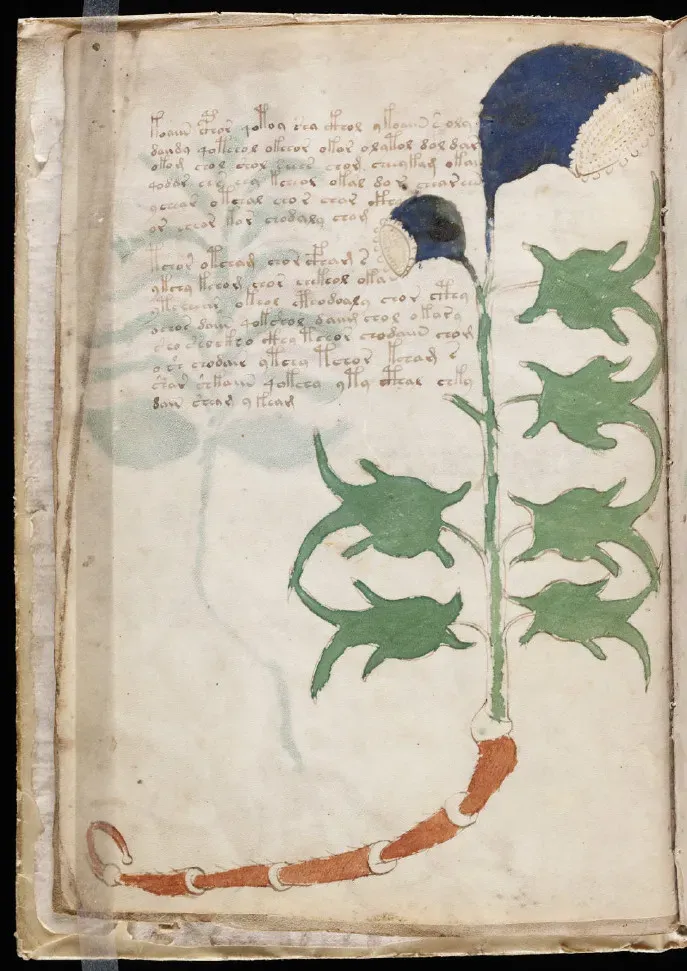
The Voynich Manuscript is famous for its undeciphered writing and strange drawings, but the materials it is written on are almost as confusing. Radiocarbon dating of the vellum points firmly to the early fifteenth century. The inks and pigments are consistent with that period too. So far, so good. The problem is what those carefully dated materials are being used for.
The text appears in an unknown script that does not correspond cleanly to any known alphabet or obvious cipher from its era. Linguistic analysis shows patterns that look language‑like, but no one has been able to prove exactly what language or encoding it represents. So you have totally normal medieval materials deployed in a way that feels digitally modern – a dense, systematic, possibly algorithmic text.
It is like finding a smartphone etched into a stone tablet from a thousand years ago, except here the mismatch is conceptual rather than technological. We trace the vellum to healthy medieval cows and the ink to known recipes, but the information written with those materials stubbornly resists being traced to a culture, a known author, or a recognizable purpose. The physical source makes sense; the intellectual source does not.
- Vellum and ink date solidly to the early 1400s.
- The script and content refuse to align with known languages or codes.
- The materials are ordinary; the way they are used is deeply odd.
#6 OOPArt Metal Objects: Alloys Ahead of Their Time
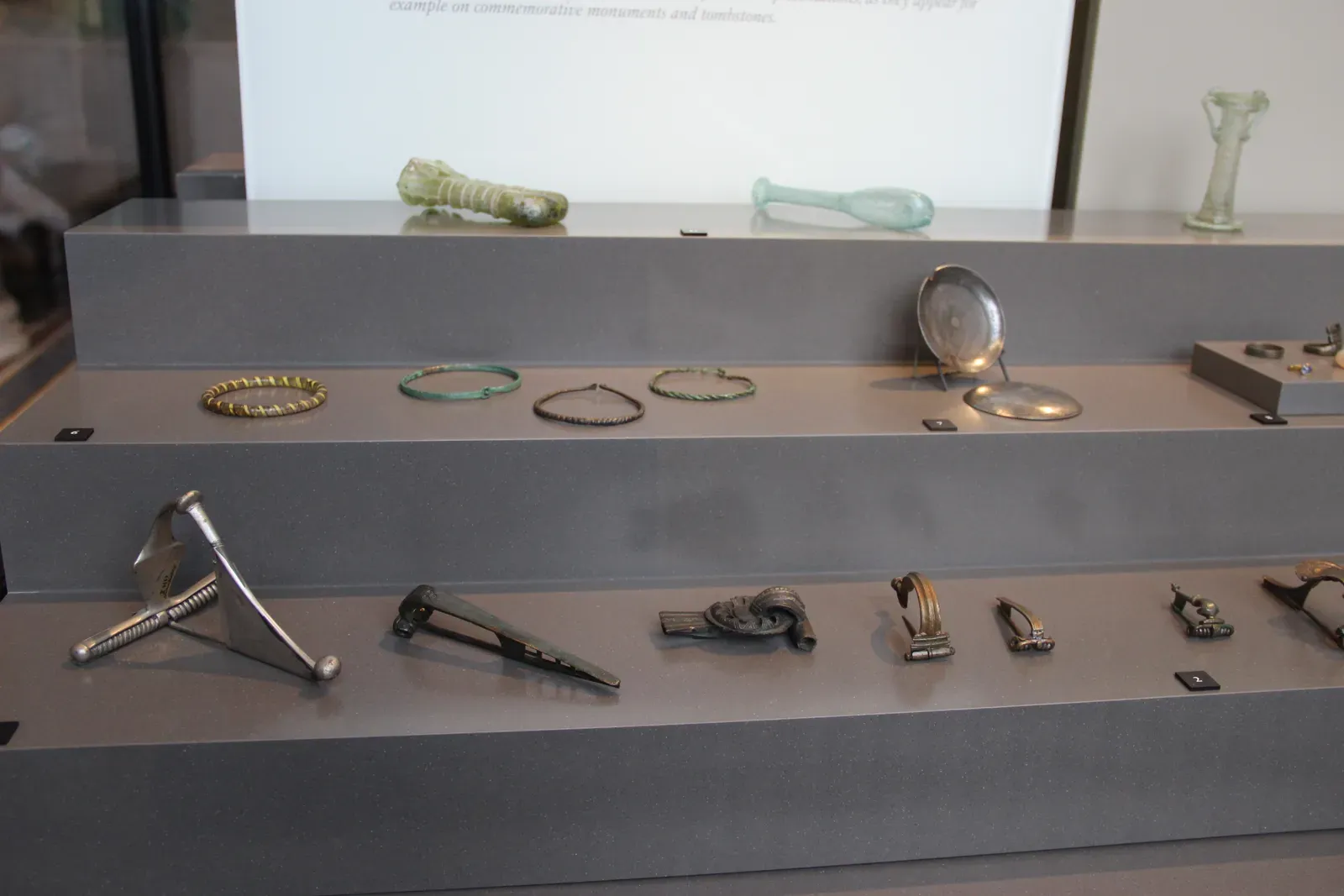
Occasionally, archaeologists and miners stumble on metal objects whose composition seems to be ahead of their supposed age. These are often labeled “OOPArts,” or out‑of‑place artifacts. The most famous stories get exaggerated into wild claims, but underneath the hype there are genuine puzzles where a tool or decorative item shows the kind of alloying skill we did not think local cultures possessed at that time.
For example, some ancient high‑carbon steels and composite blades from places like South Asia and the Middle East show extremely sophisticated control of temperature and impurities. When their microstructure is studied, it reveals carbon nanotube‑like features or patterns of carbide distribution that modern metallurgists associate with advanced process control, not charcoal furnaces and clay crucibles.
Once you dig deeper, the source confusion gets sharper. The ores used sometimes trace to regions that do not neatly align with known trade routes for that period, or the slag chemistry implies repeated refining cycles that seem overkill for the tools in question. While most of these puzzles eventually get grounded in improved understandings of trade, craftsmanship, or dating, there is a persistent sense that human metallurgical ingenuity kept running a few centuries ahead of the written record.
#7 Glass Beads From Unknown Trade Routes

Archaeological digs all over the world turn up tiny glass beads. On the face of it, that sounds boring compared with meteorites and cosmic rays, but bead chemistry is like a passport stamp. By analyzing trace elements and manufacturing techniques, researchers can often pinpoint the workshop traditions or regional glass recipes that produced them. And sometimes, the beads end up where they have no business being.
In a number of pre‑modern sites in Africa, Asia, and the Americas, glass beads have turned up whose composition matches far‑off production centers long before there are written records of direct contact. The sodium, calcium, or rare earth profiles can tie them to regions in the Middle East, India, or Europe that do not line up nicely with what historians thought about the timing and pathways of trade.
The net effect is that the “source” we trace chemically – a particular glass recipe from a specific cluster of workshops – does not line up with the socially acceptable source in the written histories. Someone, somewhere, moved those fragile materials across great distances long before we had neat stories about voyages and caravans. Beads, in their quiet way, keep exposing how messy and creative pre‑modern globalisation really was.
- Glass chemistry can fingerprint production regions.
- Beads sometimes appear far outside known trade routes.
- They quietly rewrite timelines of contact and exchange.
#8 Deep Mantle Diamonds With Impossible Passengers
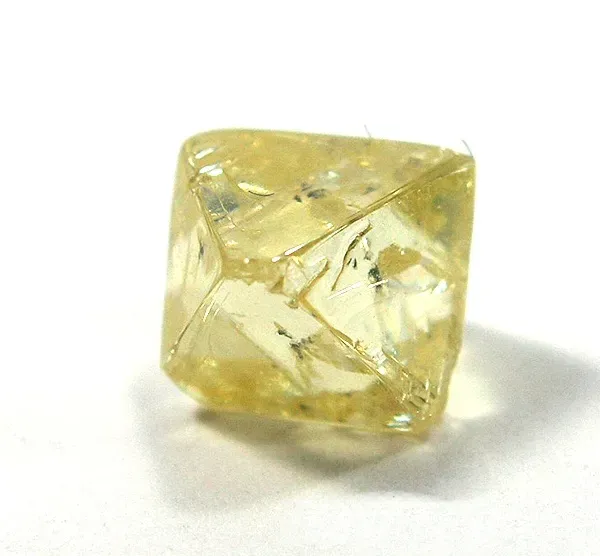
Some diamonds carry tiny mineral inclusions trapped inside them when they formed deep in the Earth. Think of them as geological snow globes: little pockets of high‑pressure mineral phases preserved inside a crystal shell. The catch is that some inclusions record pressures and compositions that suggest they formed hundreds of kilometers deeper than classic diamond models allowed.
Even more baffling, certain inclusions look like altered pieces of oceanic crust that somehow made it all the way down to the mantle transition zone or even deeper, and then were carried back up in the host diamond. The material is traced chemically to shallow ocean plate rocks, but physically it has clearly lived at crushing depths. It is like finding seashells locked inside a brick baked in the lower levels of a skyscraper foundation.
These “impossible passengers” force geologists to think differently about subduction and mantle circulation. If bits of ocean floor can really ride conveyor belts down to such depths and then return embedded in rising diamonds, it means the Earth’s interior is more interconnected and active than the simple layered‑cake image many of us grew up with. The source of the material makes sense at the surface but looks bizarre when plotted on a cross‑section of the planet.
#9 Interstellar Visitor ‘Oumuamua’s Odd Material Signature
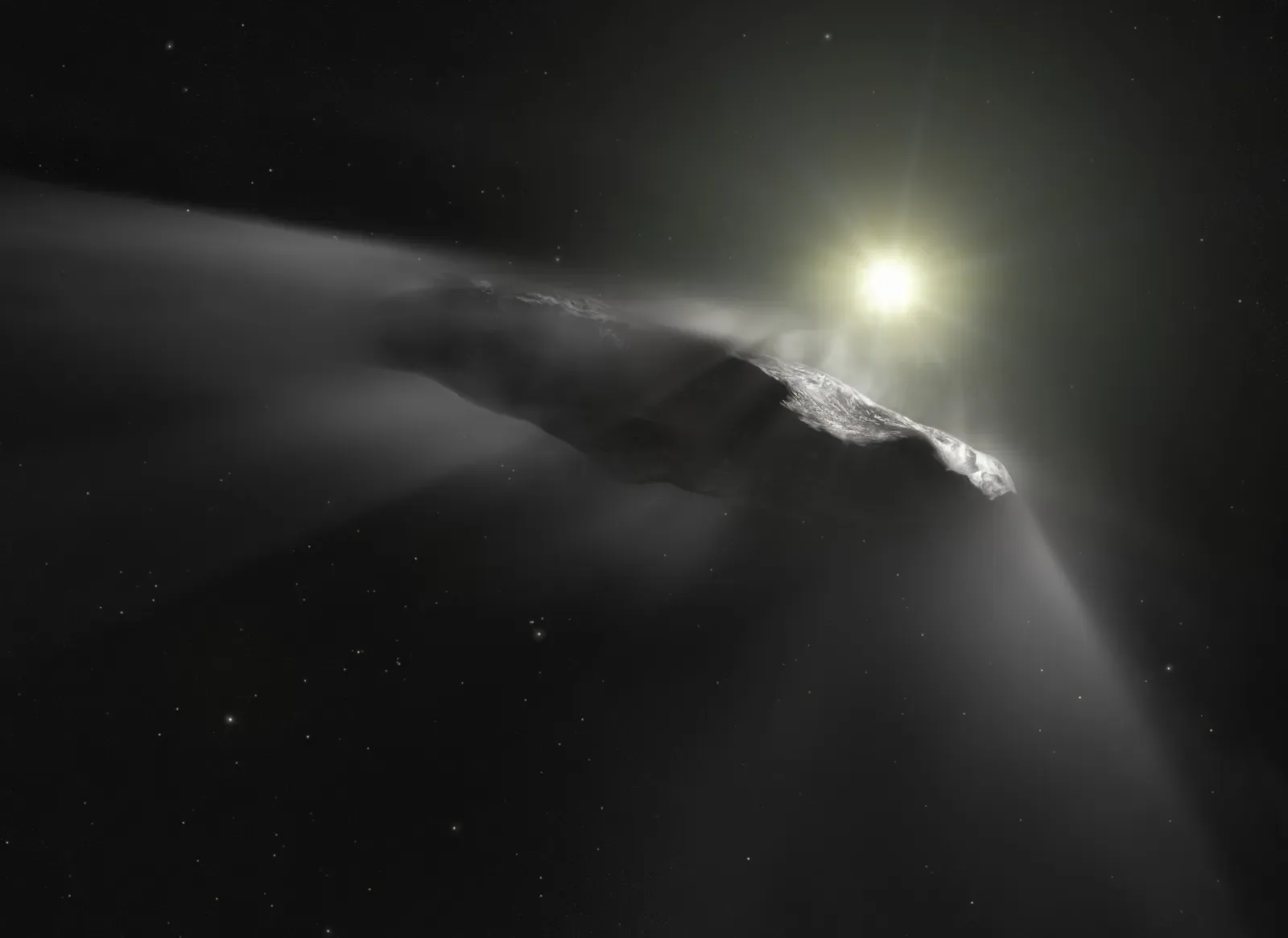
When the object nicknamed ‘Oumuamua passed through the Solar System in 2017, astronomers quickly realized it came from interstellar space. That alone was amazing. But what truly shook people was that it did not behave like a normal comet or asteroid. It did not show a classic dusty tail, yet it accelerated slightly as if something was outgassing from its surface.
The usual explanation is that ices or volatile materials were sublimating in a way we could not easily see from our telescopes. The problem is that the observed motion did not fit cleanly with the expected behavior of an icy body, and its brightness variations suggested a bizarre, elongated or flattened shape. When scientists tried to reconstruct the material makeup that could cause such effects, they ended up with options that all felt uncomfortable.
One camp suggested exotic ices or a porous, fractal‑like structure. Another floated the possibility that it was a shard of nitrogen ice from a Pluto‑like world. To be clear, mainstream scientists did not need aliens to explain it. But whichever natural scenario you pick, you are left tracing the object’s material back to a kind of parent body and formation history that stretches our current catalog. For a time, we were basically saying: it comes from a place whose geology we do not yet have a box for.
- ‘Oumuamua showed non‑gravitational acceleration without a classic comet tail.
- Its shape and reflectivity defied standard asteroid categories.
- Any plausible material source required unusual or rare parent worlds.
#10 Odd Isotopes in Cosmic Rays and Meteorites
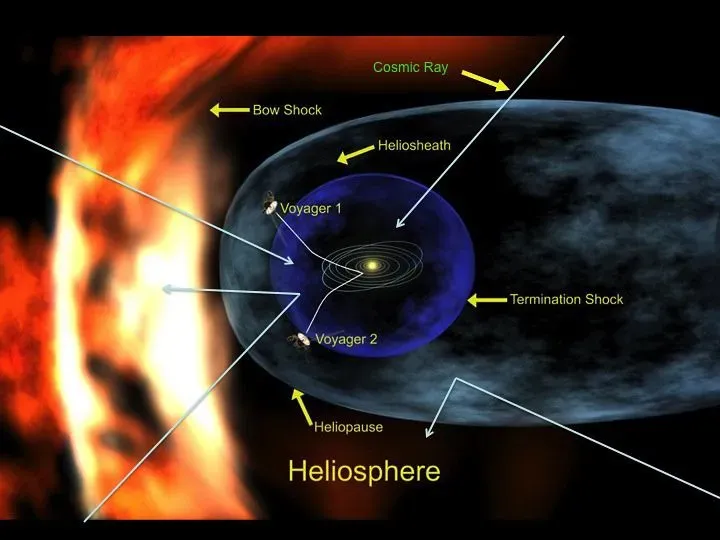
High‑energy particles rain down on Earth from space all the time. When we catch these cosmic rays or examine meteorites that have soaked in them for ages, we can measure the isotopes they create or carry. Most of the time, the patterns match our understanding of nucleosynthesis in stars and supernovae. But a subset of isotopic ratios, especially for light elements like lithium, beryllium, and boron, has nagged at astrophysicists for decades.
The trouble is that simple models of stellar production and cosmic ray spallation cannot neatly reproduce all the observed abundances. In some cases, meteorites contain tiny inclusions whose isotopic signatures look like they were cooked in extremely unusual astrophysical environments, possibly rare types of stellar explosions or exotic events. Tracing those isotopes back leads not to familiar sources like standard supernovae, but to hypothetical categories of stellar fireworks that we struggle to observe directly.
This mismatch is subtle but important. We are not talking about one element out of place; we are talking about patterns of isotopes that, taken seriously, say “your map of how the universe makes elements is incomplete.” The material in our hands – literally little rock fragments – quietly insists that we are missing chapters from the story of where the periodic table came from.
#11 Nuclear Fallout Traces in the Strangest Places
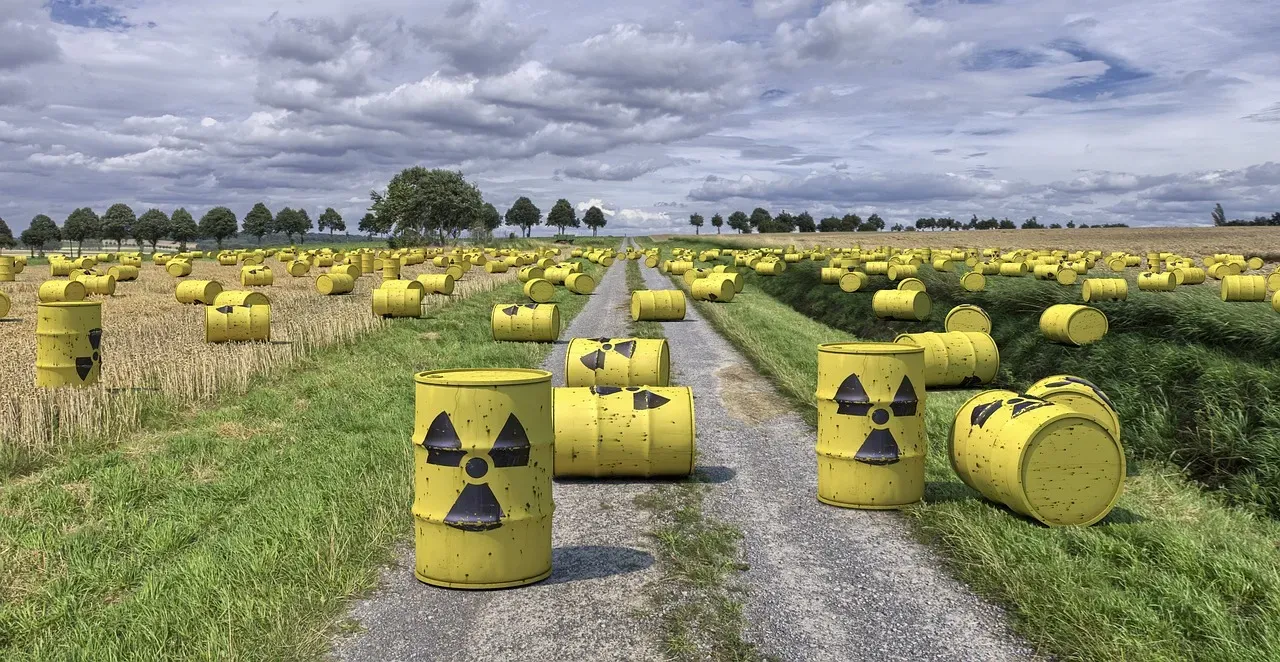
Since the twentieth century, nuclear tests and accidents have left their fingerprints everywhere, from deep‑sea sediments to polar ice. Sometimes those traces show up exactly where you expect them. Other times, scientists find radioisotopes in locations or at concentrations that do not neatly track with the known test sites or accident plumes. Wind patterns, precipitation, and ocean currents can move material in surprisingly chaotic ways.
There have been instances where soil, lichens, or animal bones in remote regions carry unexpectedly high levels of particular isotopes, while nearby locations show much less. When researchers run atmospheric transport models, they sometimes get solutions that require dust or aerosols to have looped around the planet in complex spirals, concentrating in narrow bands before falling out of the sky. The source is known – human nuclear activity – but the path from source to sampling point can look almost absurd.
From a scientific standpoint, these anomalies are extremely useful, because they stress‑test models of global circulation and deposition. From a human standpoint, there is something deeply unsettling about the idea that you can stand on a windswept, seemingly untouched mountainside and detect atoms in the soil that trace back to a bomb test on a distant atoll decades earlier. The material source is familiar, but its final resting place really is not.
- Nuclear isotopes can travel globally in complex, non‑intuitive paths.
- Remote hotspots sometimes clash with simple dispersion expectations.
- These anomalies refine our models of atmosphere and ocean circulation.
#12 Microplastics in the Most “Pristine” Environments

Now for something painfully modern. Microplastics – tiny fragments and fibers from our consumer products – have been found in Arctic snow, deep‑ocean trenches, and remote mountain lakes that almost never see direct human traffic. Chemically tracing them back points to everyday sources: clothing fibers, tire wear, packaging, and industrial pellets. Emotionally, though, it feels wrong to connect a crisp high‑altitude glacier to the inside of someone’s washing machine.
Studies have collected airborne microfibers high in the atmosphere and shown that they can be carried hundreds or thousands of kilometers before falling out as dust or snow. Other work has found them in the guts of deep‑sea organisms that live far below the reach of sunlight, let alone floating shopping bags. The polymers and additives match common plastics, but the journey from urban roadways and factories to abyssal plains and polar ice reads like a dystopian travelogue.
Of all the examples in this list, this is the one I personally find hardest to shrug off. It is not a mystery in the sense of “we do not know the mechanism.” We mostly do. The mystery is more about scale and denial. We did not expect our disposable habits to write their signature into the planet’s remotest sediments so quickly and so thoroughly, and yet here we are, tracing a plastic fiber from a fleece jacket to the snowpack of a supposedly untouched mountain range.
#13 Strange Organics on Comets and Asteroids
Space missions that sample comets and asteroids have repeatedly turned up organic molecules – sometimes fairly complex ones. At first, this was surprising, but manageable: organic chemistry is widespread, and simple molecules can form in interstellar clouds and be baked into icy bodies. The complication arises when the inventory of compounds looks richer and more diverse than basic models predict, blurring the line between lifeless chemistry and prebiotic potential.
Some samples show amino acid‑like molecules, sugar‑related compounds, and a zoo of carbon‑rich species that would not look out of place in a beginner’s biochemistry textbook. Tracing them back suggests synthesis in cold interstellar environments, irradiation on icy surfaces, and mild aqueous alteration inside small parent bodies. The resulting story is not that comets are alive, but that they are far more chemically creative than we expected frozen rubble to be.
So when a spacecraft returns a sample capsule and lab instruments start listing off ingredients that sound uncomfortably life‑adjacent, it forces a rethink of what “lifeless” raw material actually means. The source is a chunk of rock and ice that never formed a planet, but the molecules it carries edge closer to the building blocks of biology than feels intuitively reasonable. Our categories – inert rock versus living world – suddenly look a bit too simple.
- Comets and asteroids host surprisingly rich organic chemistry.
- Many compounds resemble precursors to biomolecules.
- Their existence blurs the boundary between simple and prebiotic matter.
#14 The Anthropocene Layer: A Future Archaeologist’s Nightmare
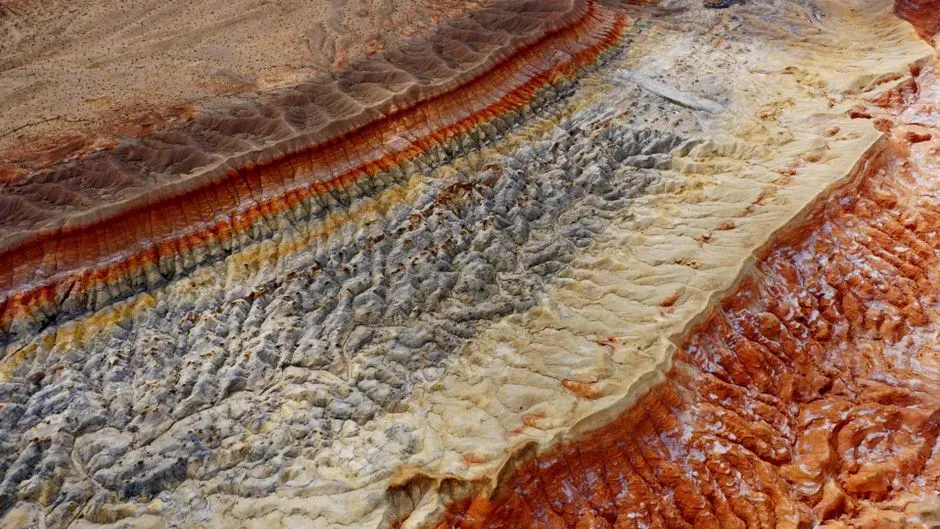
If you zoom out and look at the Earth as a geologist from the far future might, our current era is rapidly building a very weird rock layer. It contains concrete, aluminum, synthetic fertilizers, plastics, radioactive isotopes from nuclear tests, and a spike in certain metals and combustion products. Some of these materials, like pure aluminum or long‑lived plastics, almost never occur naturally in the forms and concentrations we are dumping into sediments.
A future scientist might drill a core, hit this layer, and be forced to ask: what on Earth happened here? The materials would trace back to ores, hydrocarbons, and natural minerals, but the arrangements would make no sense in a purely geological narrative. You do not get thin aluminum beverage can fragments uniformly spread across a continent from ordinary volcanoes or rivers. You certainly do not get microscopic plastic spheres embedded in lake mud by random chance.
This is the strangest case of all, because we are both the cause and the puzzled observer. We are already doing the forensic work on ourselves, measuring how our industrial activities are writing an unmistakable signature into the rock record. The source of the material is, in a very real way, us – a single species that turned sunlight stored in ancient carbon into an unprecedented cocktail of new substances, and then scattered them everywhere.
Conclusion: When Materials Refuse to Match the Story
Across these fourteen examples, a pattern emerges: the universe is constantly handing us materials that do not line up with our first‑draft stories. Stardust grains older than the Sun say our Solar System grew out of a recycled cosmic junkyard. Superheavy nuclei and odd isotopes hint that there are still gaps in our map of how elements are made. Deep mantle diamonds, tektites, and out‑of‑place artifacts show that both the Earth and human history have been more dynamic, connected, and surprising than we liked to imagine.
Personally, I think the most revealing contrast is between ancient mysteries and modern ones. On one side, we have presolar grains, enigmatic manuscripts, and exotic cosmic visitors test‑driving our models to their limits. On the other, we have microplastics and nuclear fallout, which are not mysterious in origin at all, but feel absurd when you trace them from everyday human actions to the most isolated corners of the planet. In one case, the materials are strange because nature is more inventive than us; in the other, the materials are strange because we underestimated our own reach.
If there is a single takeaway, it is that “making no sense” is usually a temporary state. Given time, new data, and a willingness to revise our assumptions, those out‑of‑place materials often become the seeds of better theories. But that only works if we let the evidence stay uncomfortable for a while and resist the urge to smooth it into a story too quickly. The world, and the wider cosmos, are clearly capable of assembling matter in ways we have not fully mapped yet – and if history is any guide, the next baffling sample is already sitting in a lab tray somewhere, waiting to be taken seriously.
So the next time you hear about a rock, a speck of dust, or a microscopic fiber that seemingly comes from the wrong place, it might be worth paying attention; that tiny contradiction could be the doorway to a much bigger shift in what we think is possible. Which of these materials would you have guessed was real before you read this, and which still feels almost too strange to accept?