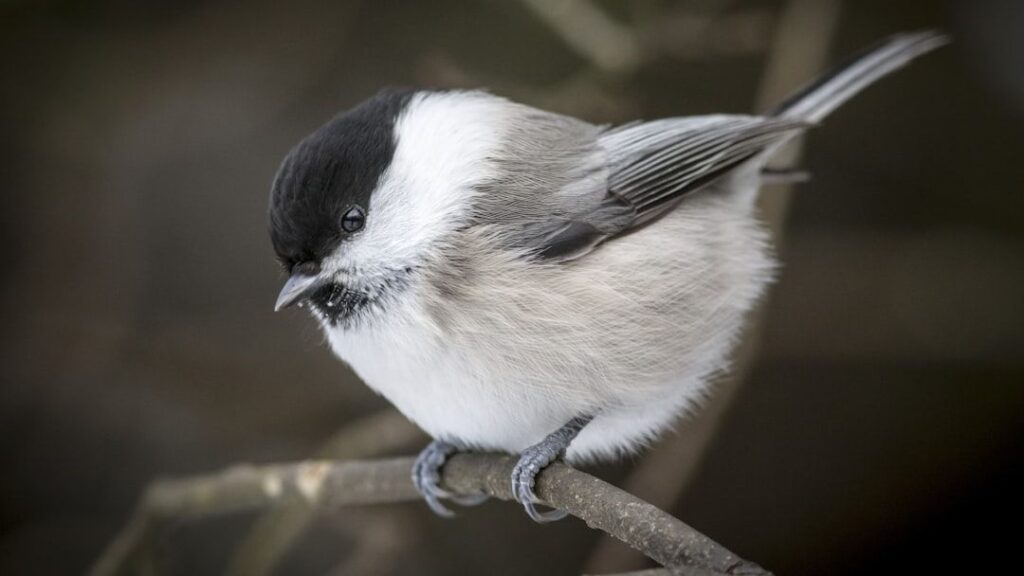

If you’ve ever watched a chickadee for more than a few seconds, you know they seem a little too busy, a little too alert, to be just another “cute little bird.” The more closely you pay attention, the more you realize you’re looking at a tiny brain with wings, constantly making decisions and solving problems in real time. You might go out to top off your feeder and suddenly notice: that one chickadee is not just grabbing seeds at random. It’s choosing, testing, and planning like a feathered strategist.
Once you know what to look for, these birds stop being background scenery and start feeling like tiny, wild neighbors with inner lives. In fact, chickadees show a whole toolkit of behaviors that scientists use to measure intelligence in animals: memory, problem-solving, social awareness, even a kind of “language.” As you read through these eleven behaviors, you may catch yourself thinking that the chickadees in your yard are quietly running a sophisticated operation right under your nose.
1. They Remember Hundreds of Hiding Spots for Their Food
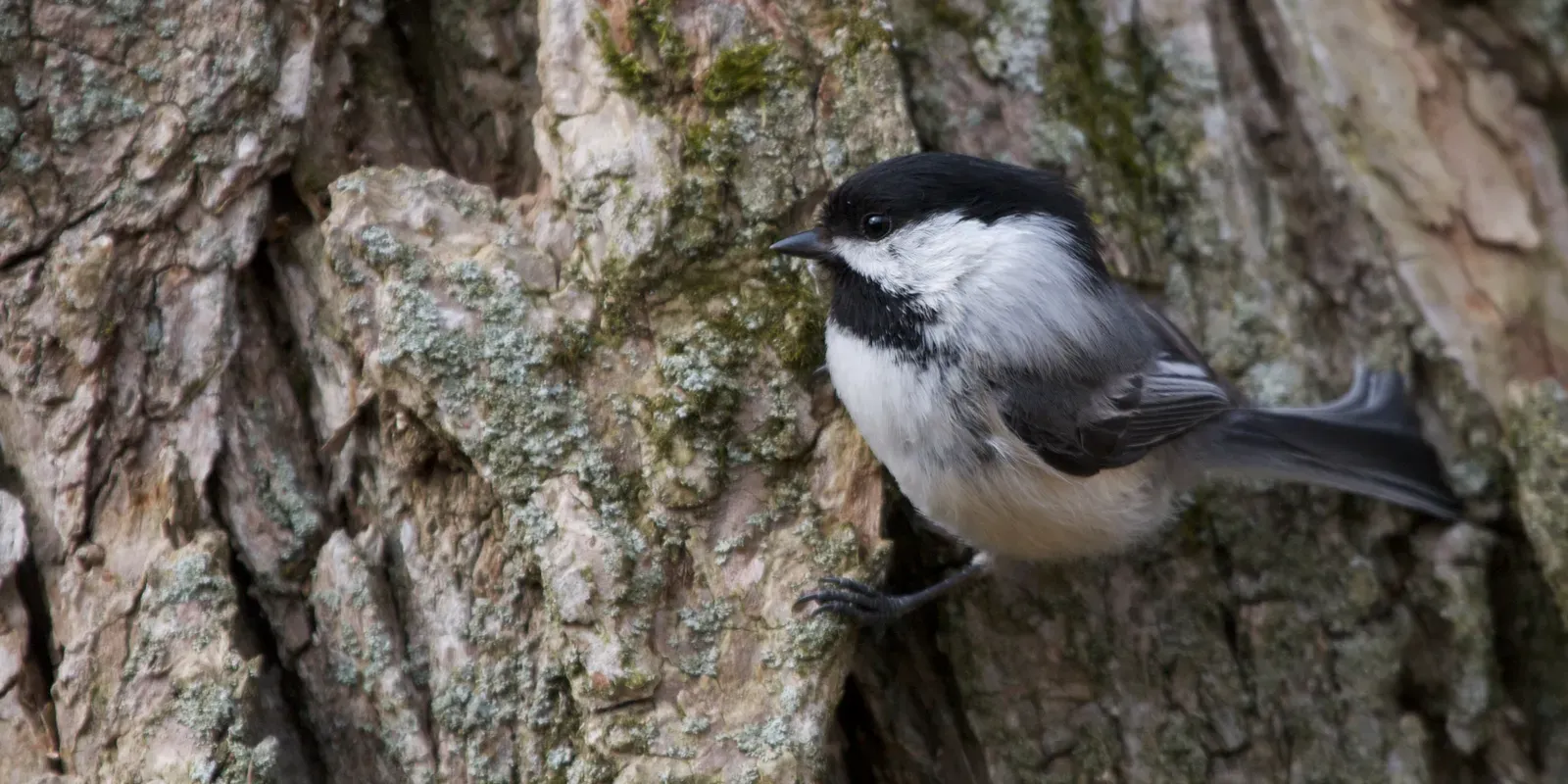
When you watch a chickadee snatch a single seed and zip off into the trees, you might assume it’s just going somewhere private to eat. What you are actually seeing much of the time is a bird “banking” that food for later. Chickadees hide individual seeds and tiny bits of food in bark crevices, under flakes of lichen, in clusters of pine needles and even behind small twigs. You would probably struggle to remember a few such hiding places; a single chickadee can cache hundreds or even thousands across its territory.
What makes this genuinely impressive is that they do not rely on smell or chance to find those stashes again. They use spatial memory like you use mental maps of your neighborhood. Over the course of a season, a chickadee keeps track of which hiding spots are still full, which have been emptied, and where new ones are being created. When conditions turn harsh and feeders are empty or storms drag on, that hidden pantry becomes a life-saving safety net built entirely from memory.
2. Their Brains Literally Grow for Winter Survival
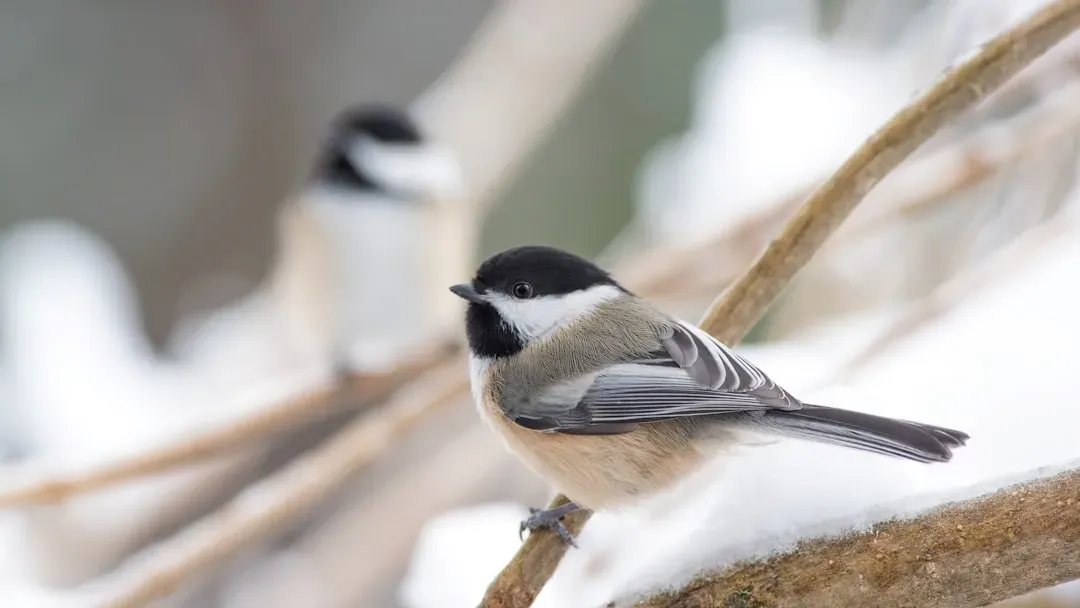
As the days get shorter and temperatures drop, you probably grab a warmer coat; a chickadee upgrades its brain. In colder climates, the part of a chickadee’s brain responsible for spatial memory actually increases in size as winter approaches. You can think of it as installing extra mental “RAM” so the bird can store and recall a much larger map of all those secret food caches. This is not a slow, evolutionary change over generations. It’s a seasonal tune-up that happens within the life of one bird.
What is even more astonishing is that this brain region shrinks again when that extra capacity is no longer needed, saving energy when spring brings abundant food. You rarely see such flexible remodeling in animals as small as a chickadee. In practical terms, when you see a chickadee calmly riding out bitter cold, you are looking at a bird that has spent weeks quietly rewiring its own brain in preparation, all so it can keep track of where tomorrow’s meals are hidden under ice and snow.
3. They Use Complex Alarm Calls to Describe Different Threats
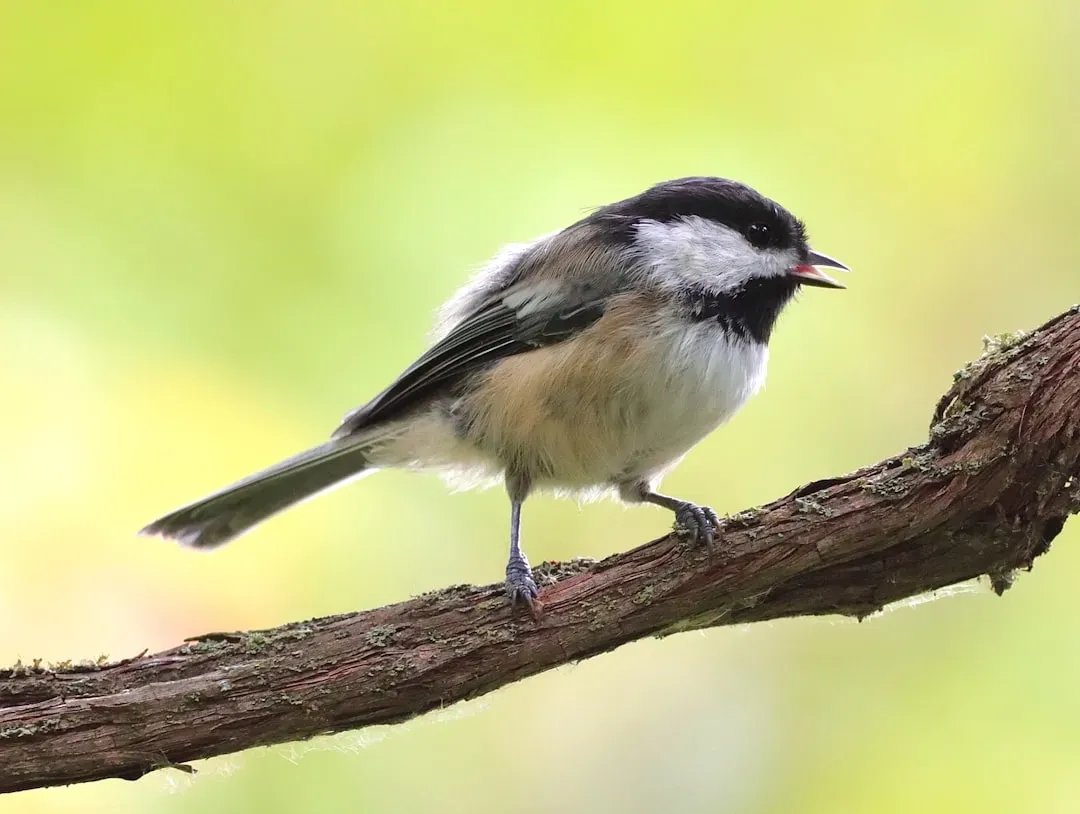
When you hear that familiar “chick-a-dee-dee” call, you might think it is just background forest noise, but it is closer to a spoken warning label. Chickadees change their calls depending on the type of predator lurking nearby and how dangerous it is. If you listen carefully, you will notice that the number of “dee” notes at the end can increase dramatically when a small, agile predator like a tiny owl is perched nearby. The call you hear is not random chatter; it is a graded alarm system that other birds interpret and rely on.
Other songbirds (and even squirrels) pay attention to these calls and adjust their behavior. When you’re in your backyard and hear a sudden burst of intense chickadee calls, the birds are effectively announcing, “Something dangerous is right here.” This is more than a simple scream of fear. It is more like a shouted sentence that says which predator is present and how urgently everyone should react. In that sense, chickadees are acting as translators of danger, turning what they see into information others can use.
4. They Can Learn and Solve New Problems Remarkably Fast
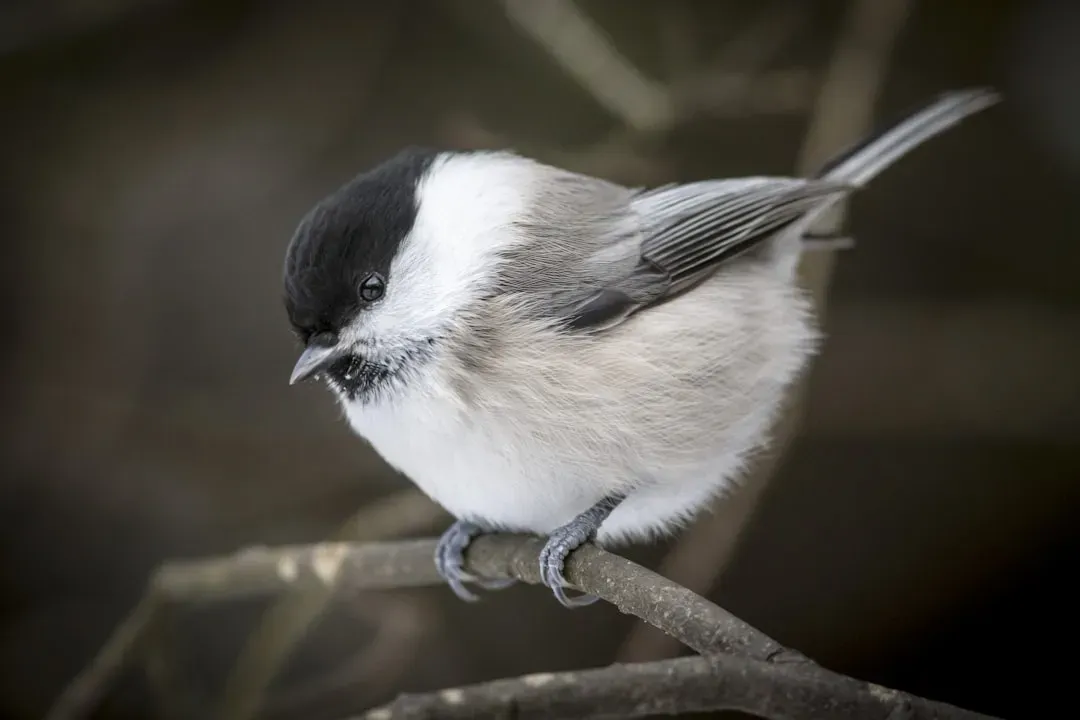
If you ever set up a slightly tricky bird feeder, you may have already seen chickadee problem-solving in action. Give them a feeder with a sliding lid or one that requires hovering at just the right angle, and they will often figure it out faster than larger, supposedly “smarter” birds. In studies where birds have to pull a string, flip a cover, or peck a particular part of a device to get food, chickadees learn the sequence quickly and stick with the solution once they’ve cracked it.
You might not think of a wild bird as a kind of tinkerer, but that is exactly how chickadees behave when they encounter new challenges. They test, adjust, and learn from what works, much like you experimenting with a new gadget. Once a chickadee figures out how to access a food source, it does not just bumble around the same way again. It returns with a refined plan, often repeating the successful moves with surprising consistency, which is a clear marker of flexible, learned intelligence.
5. They Eavesdrop on Other Species to Stay One Step Ahead
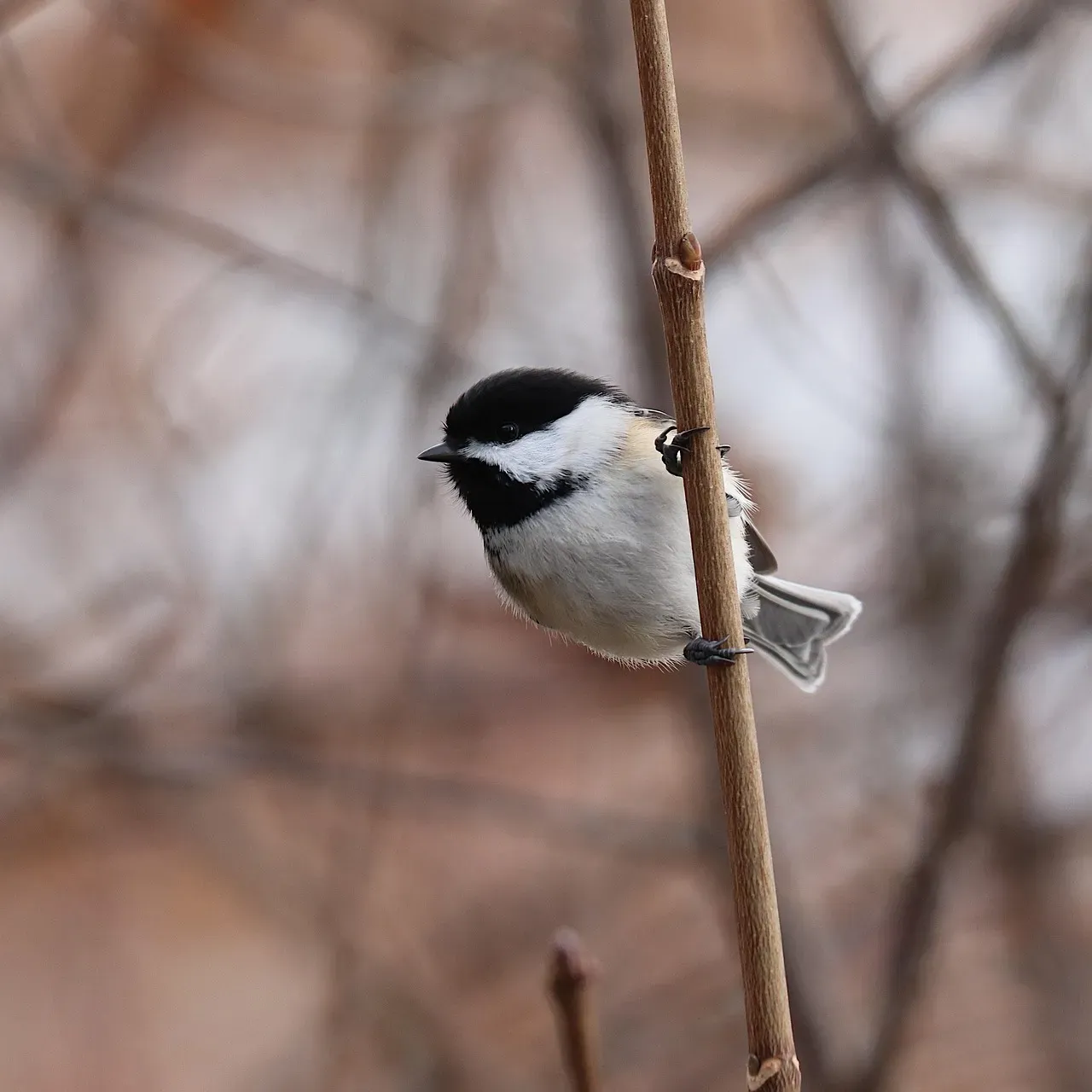
You probably assume that every animal mainly listens to its own kind, but chickadees specialize in listening in on the neighbors. They react not only to their own alarm calls but also to the warning calls of nuthatches, titmice and other small birds that share their habitat. When a different species sounds the alarm, chickadees frequently respond as if a chickadee had called, adjusting how boldly they feed and how close they fly to cover.
For you, it would be like learning several different languages well enough to understand a shouted warning in each one. This eavesdropping is not just extra caution; it expands the chickadee’s early-warning network far beyond what its own species alone could provide. By constantly paying attention to this surrounding chorus of information, a chickadee builds a richer picture of local threats, which helps it balance risk and reward every time it leaves the safety of a branch to grab a seed.
6. They Remember Which Humans and Feeders Are Safe
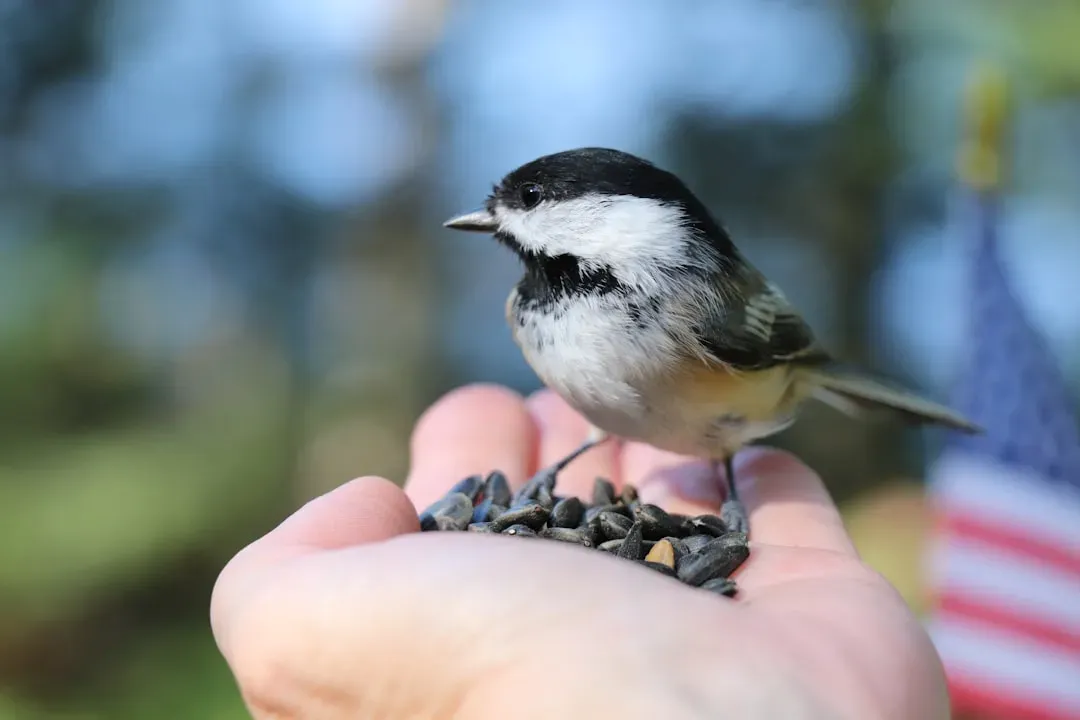
If you have a feeder that you fill regularly, you may already be part of a chickadee’s mental map. These birds can remember where reliable food appears and will incorporate your yard into their daily circuit, often visiting at roughly predictable times. Over days and weeks, they learn the layout of your space, discovering the safest approach routes, the best escape branches and even which spots allow a good line of sight while they crack seeds.
There is also evidence that chickadees distinguish between individual humans or at least between types of human behavior. If you consistently move calmly and refill feeders without chasing them away, they tend to allow you to come much closer over time. On the other hand, if someone regularly startles or disturbs them, the birds quickly build in extra distance and caution around that person. In a quiet way, chickadees are keeping a running file on who in their environment acts like a threat and who acts like a walking food dispenser.
7. They Lead Mixed-Species Flocks Like Tiny Forest Guides
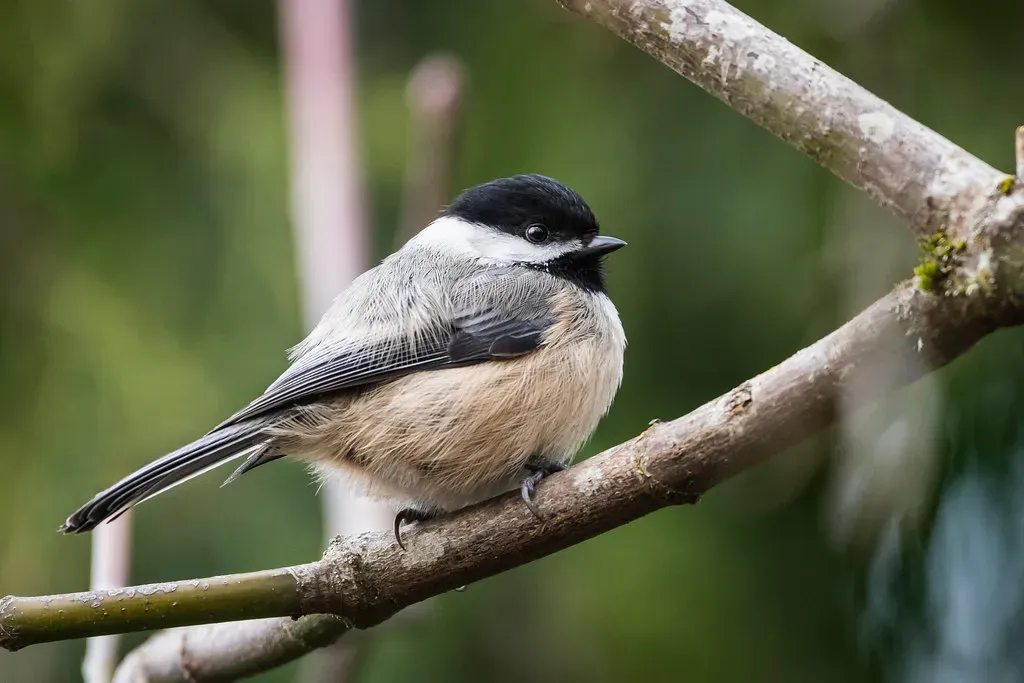
When you walk through winter woods and hear a busy chorus of small birds, take a closer look at who is in charge. Very often, chickadees are at the center of these mixed flocks, with nuthatches, creepers and kinglets loosely clustering around them. You can think of chickadees as the forest’s tour guides, moving from tree to tree while a small entourage follows, relying on their vigilance and information-sharing. The flock’s routes often reflect chickadee decisions about where to feed and when to move on.
For you, joining such a group would feel like walking with experienced locals through a city you do not know. The leadership role chickadees play suggests that other species trust their alarm calls and their knack for locating food-rich patches. That position at the center of the action is not accidental; it grows out of a reputation built on reliability. By monitoring the surroundings and communicating danger clearly, chickadees earn their place as the unofficial coordinators of their neighborhood bird community.
8. They Adjust Risk-Taking Based on Weather and Hunger
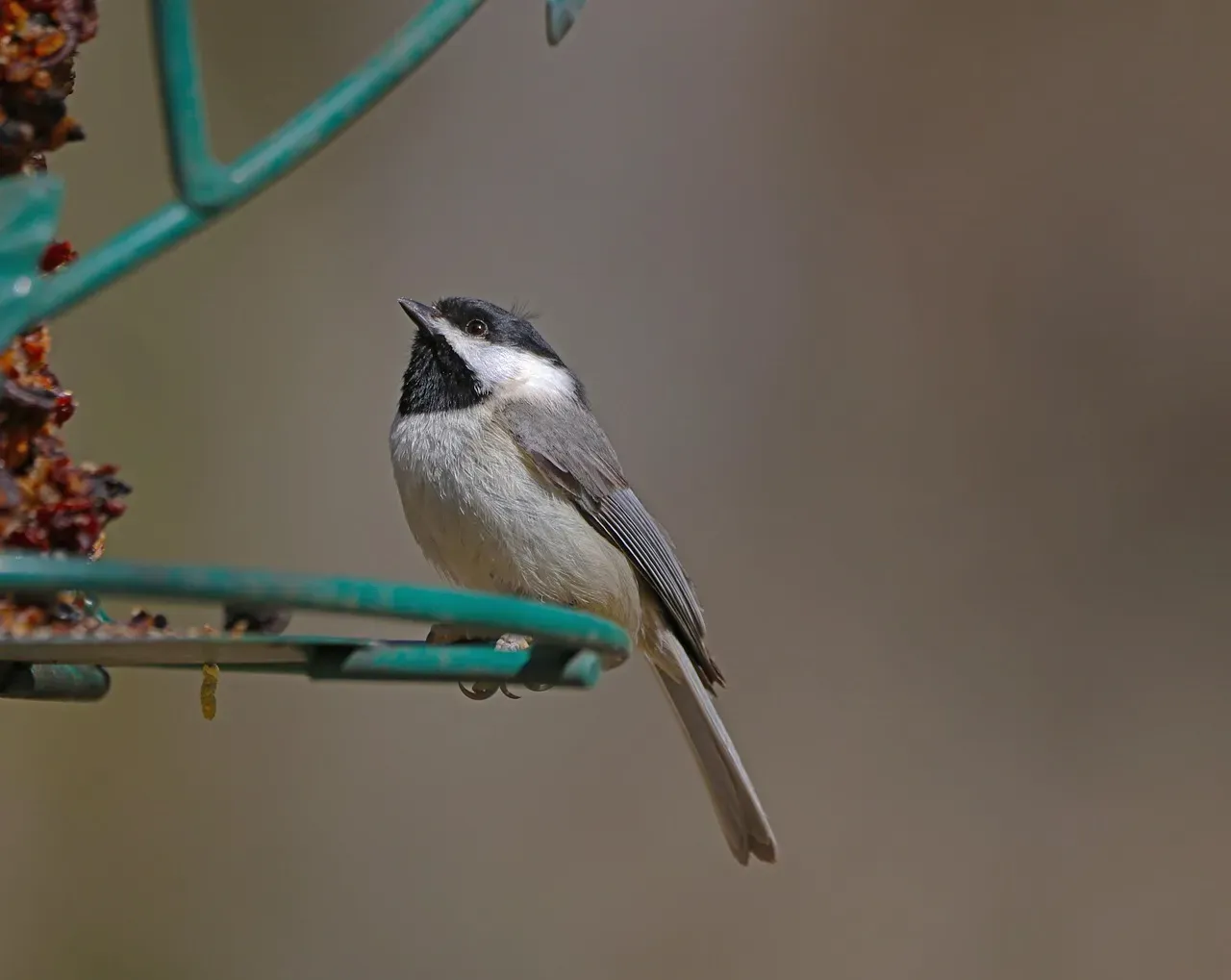
On a bitterly cold morning, you might see chickadees doing something that looks reckless: spending more time exposed at feeders, sometimes far from cover. It is not that they have suddenly become careless. They are actively weighing the trade-off between burning precious energy and risking predators. When the temperature drops and their energy demands spike, they will push a little closer to danger to secure enough high-fat food to get through the night. On milder days, they hang back, darting in and out more cautiously.
This flexible strategy is a sign that chickadees do not operate on a rigid script. They adjust their behavior in real time as conditions change, just as you might drive more conservatively in heavy rain and relax your guard a bit on a clear afternoon. Instead of always doing the same thing at the feeder, they shift patterns: longer visits when desperate, shorter and more careful ones when they can afford to be picky. That ability to change the rules on the fly shows a level of situational awareness that goes far beyond instinct.
9. They Use Social Rank to Decide When to Fight or Flee
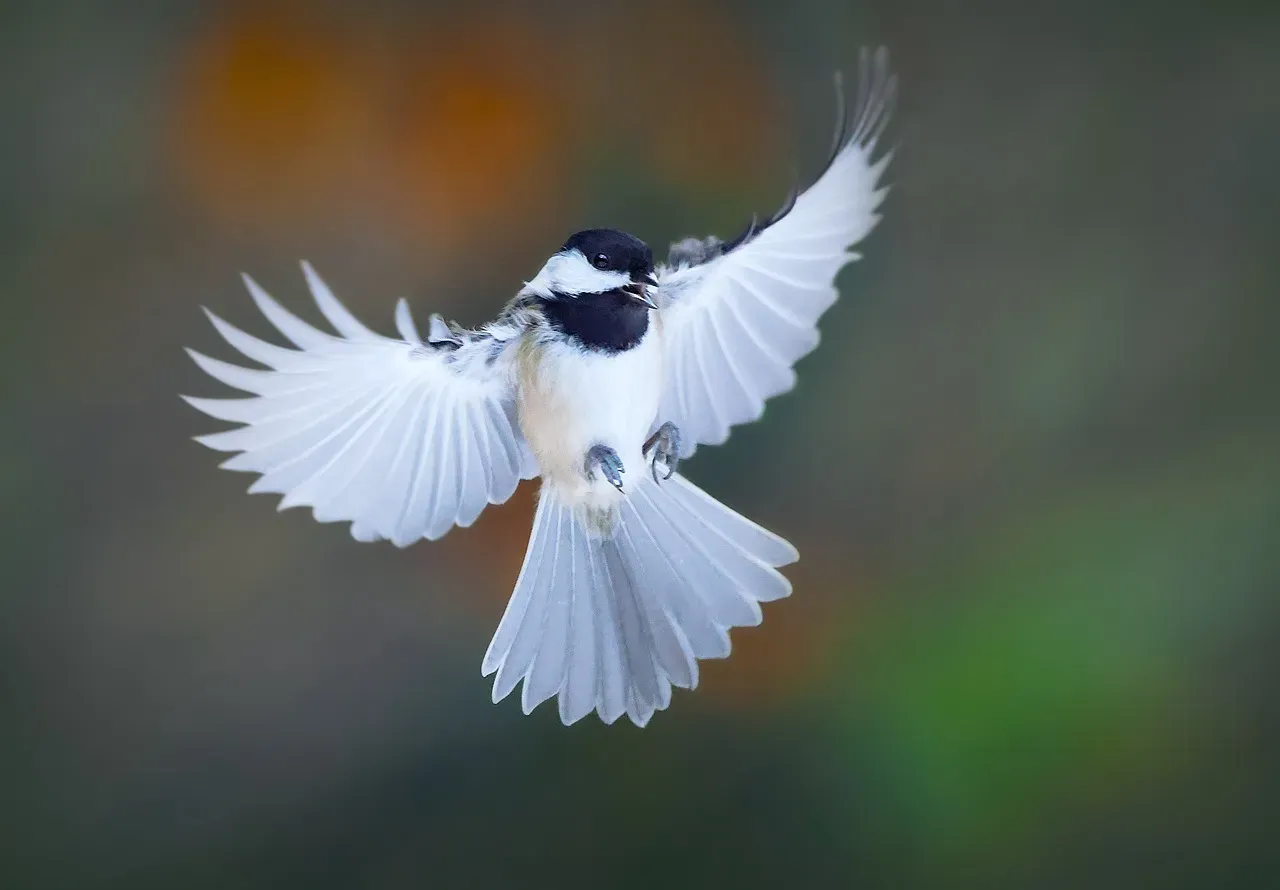
When several chickadees gather at a feeder, it might look like harmless chaos, but there is a social order playing out in those quick chases and sidesteps. Some birds hold higher rank, winning more access to prime spots and better food. Instead of constantly battling, lower-ranked individuals learn when to yield and when it is worth standing their ground. You can often see this when a dominant bird lands and a quieter one instantly gives way without a fight.
For you, this is a bit like reading the room at a crowded party: knowing who to avoid challenging, who is safe to approach and when to speak up. Chickadees learn these social dynamics over time and then use that knowledge to conserve energy. Rather than wasting effort in constant conflict, they pick their battles and rely on prior experience with specific rivals. That subtle social intelligence lets them navigate tight winter feeding groups with far less risk of injury or exhaustion.
10. They Recognize Patterns and Learn New Ones Quickly
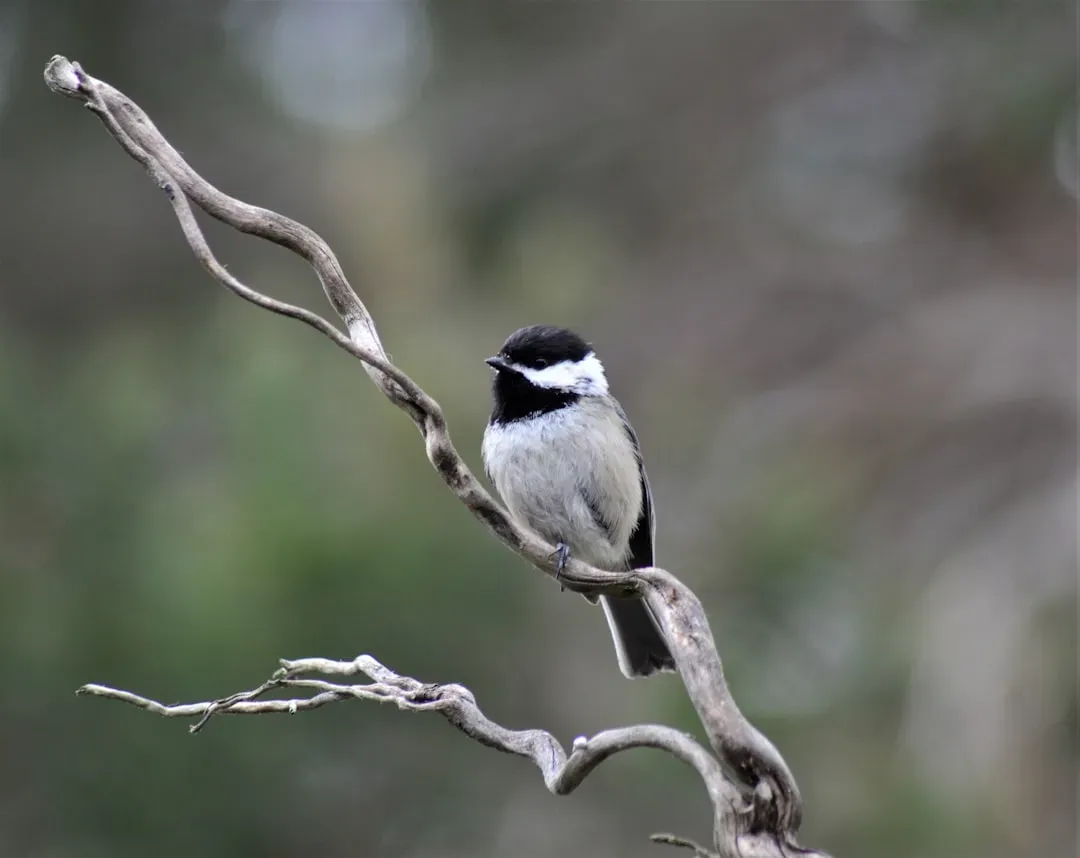
You might assume that a wild bird just reacts to whatever is directly in front of it, but chickadees are surprisingly good at spotting and using patterns. If you tend to fill your feeder at the same time each day, they will often start showing up just before that, anticipating your routine. In experimental setups where different colors, shapes or positions predict where food appears, chickadees pick up the rules and then follow them with impressive accuracy.
For you, this level of pattern recognition is what helps you remember that the left cabinet holds the spices or that the second light switch controls the porch. Chickadees use similar mental shortcuts to make daily life more efficient. Instead of treating every situation as brand new, they constantly test for regularities: where food tends to appear, which branches provide the best cover, even which calls from other birds reliably signal safety. The more patterns they notice, the better their odds of staying one step ahead of both hunger and danger.
11. They Thrive in Harsh Winters Through Strategic Micro-Habits
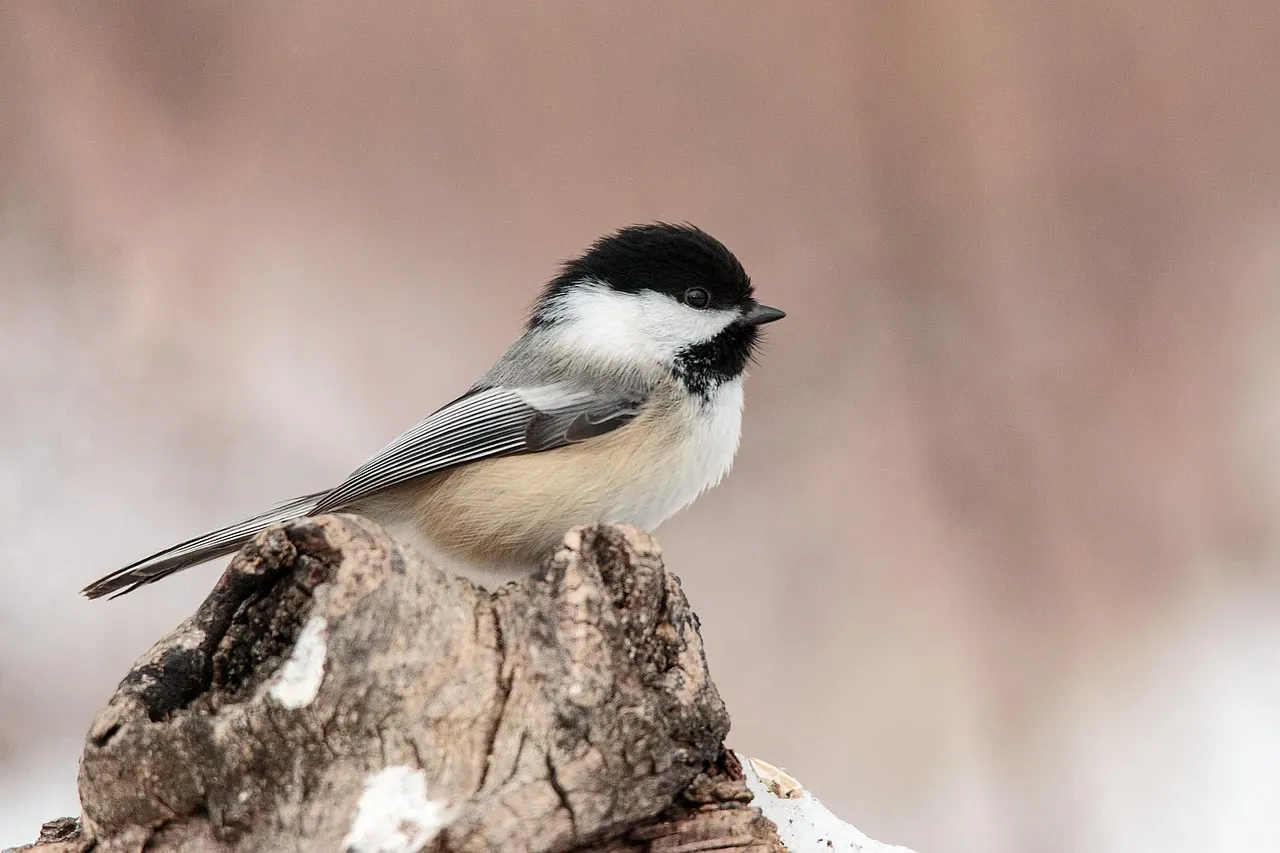
On a freezing night, a bird that weighs about as much as a handful of paperclips should not survive, yet chickadees routinely do. Part of this resilience comes from a set of tiny, strategic behaviors they stack together like life-saving habits. During the day they focus on high-energy foods, and at night they lower their body temperature slightly to conserve fuel, a controlled mini-drop that saves precious calories. They also choose sheltered roosting spots in dense conifers, tree cavities or thick shrubs to block wind and retain warmth.
When you see a chickadee fluffed up like a little feathered ball, it is not just trying to look cute. It is trapping a layer of air close to its body, using the same basic principle as your insulated winter coat. Combined with smart cache management and constant vigilance, these micro-habits form a sophisticated survival strategy. The bird you casually watch at your feeder has effectively built a multi-layer winter plan, from brain changes to nightly energy budgeting, all without a calendar, weather app or warm house to retreat to.
Conclusion: The Tiny Bird with a Giant Playbook
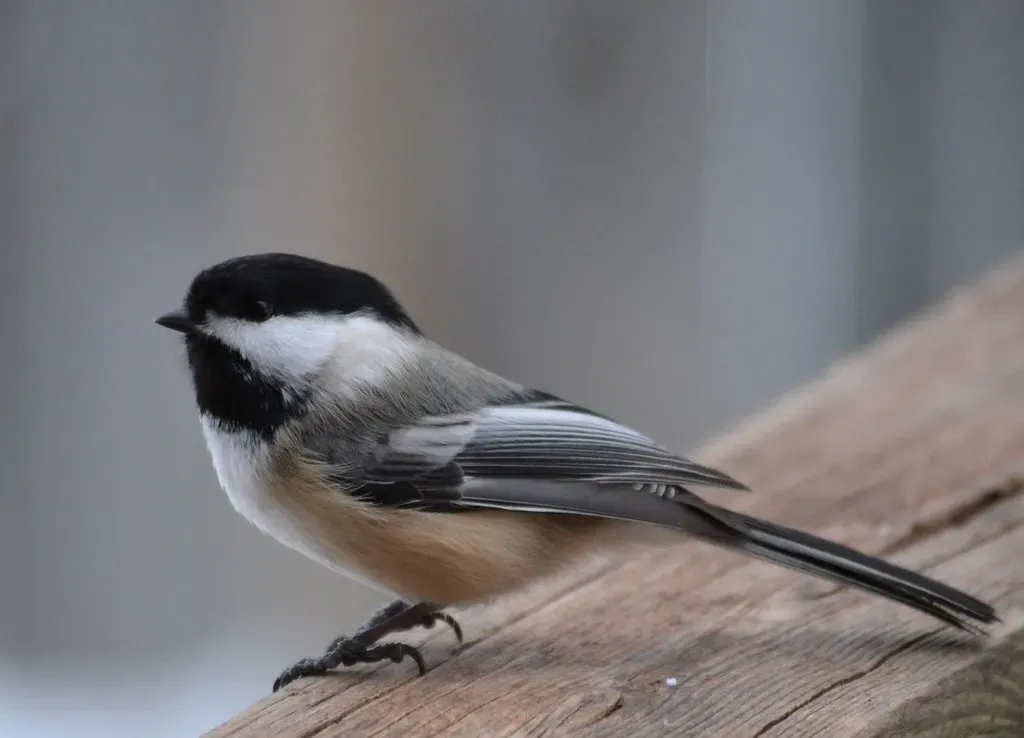
Once you start paying attention to chickadees with all this in mind, you never quite see them the same way again. What used to be a blur of wings becomes a series of deliberate choices: where to hide food, when to call, whom to follow, how close to let you stand. You are not just looking at a cute garden ornament; you are watching an animal that rewires its brain, reads its neighbors, and constantly updates its survival strategy in a world that can turn deadly in a single cold night.
The next time a chickadee lands a few feet from you, cocking its head as if it is sizing you up, it probably is. In its own way, it is filing you under “safe,” “risky,” or “worth watching.” If such a tiny creature can juggle memory, communication, social nuance and careful risk-taking, it raises an intriguing question for you as an observer: how much intelligence is quietly fluttering around you every day that you have not learned to notice yet?