Archaeology likes to sell itself as a tidy science: dig something up, run it through a lab, and the date becomes permanent fact. That’s the story in textbooks and documentaries. It’s not the story in the actual paper trail.
Some of the most famous, most argued-about dates in human prehistory come from a single radiocarbon run on material that no longer exists. Burned up in old-style counters, discarded before archiving was standard practice, or simply lost to time – these samples can never be double-checked. Below are 11 sites where a missing sample, not a solid consensus, is quietly holding up a piece of the story we tell about our own past.
11. Meadowcroft Rockshelter’s Vanished Ice-Age Charcoal
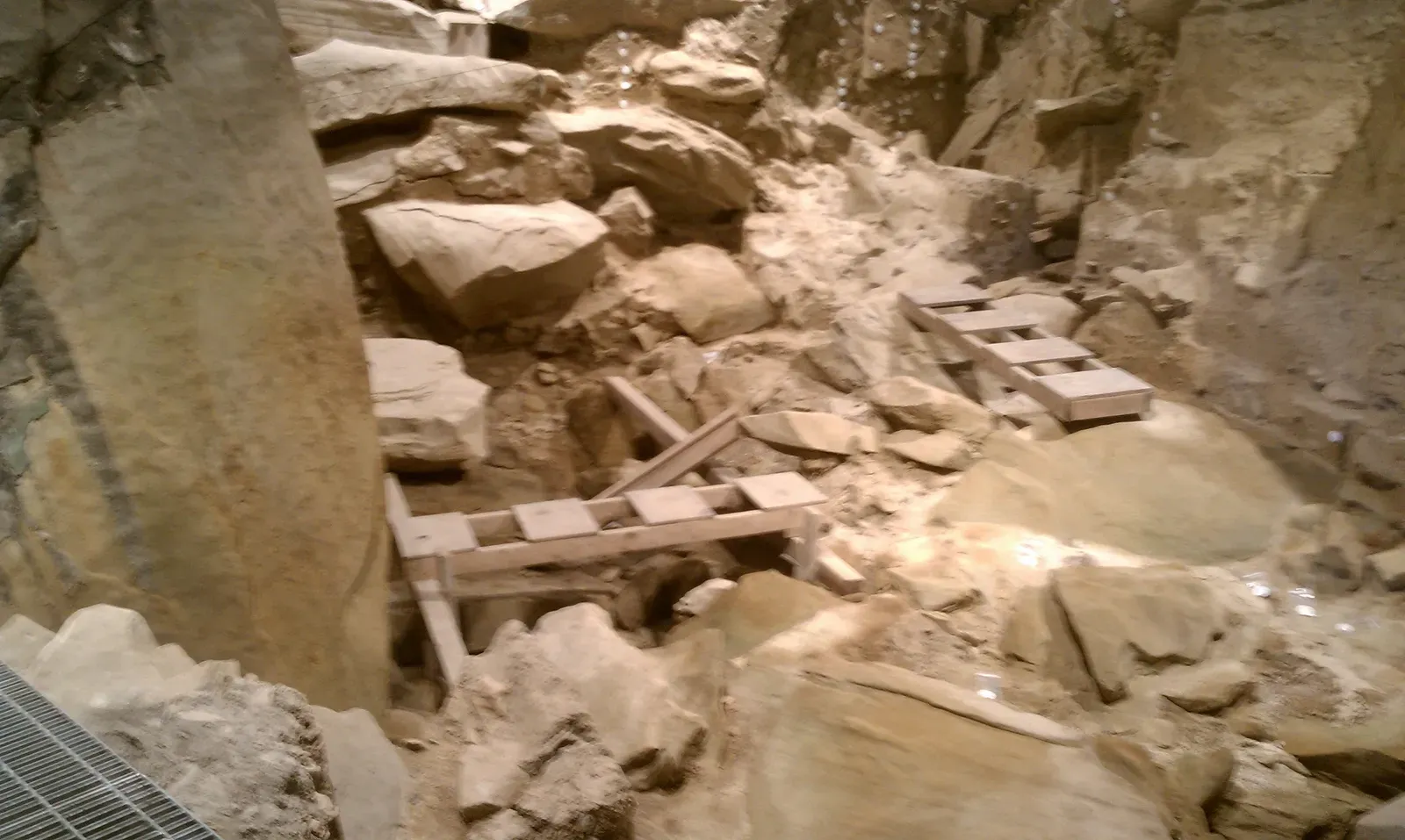
Meadowcroft Rockshelter in Pennsylvania made its name by claiming human occupation as early as 16,000 to 19,000 years ago – thousands of years before the Clovis culture was supposed to exist in North America. That claim rests heavily on charcoal collected in the 1970s, pieces that returned startlingly old ages for the continent. The catch is that several of the key samples were entirely consumed during the original testing, or simply weren’t preserved for future use.
Without the exact same charcoal in hand, no modern lab can run it through today’s AMS methods and improved pretreatment to confirm or kill the ultra-early date. Defenders point to other supporting layers and multiple labs backing an older-than-Clovis timeline. But the single most explosive samples are gone, leaving Meadowcroft in a permanent gray zone: too provocative to dismiss, too unverifiable to fully accept.
Fast Facts
- Location: Washington County, Pennsylvania
- Claimed occupation: roughly 16,000 to 19,000 years ago
- Key evidence: charcoal collected during 1970s excavations
- Problem: several samples fully consumed in testing, none archived for modern AMS retesting
10. Monte Verde’s Ghost Layer Older Than the Site Itself
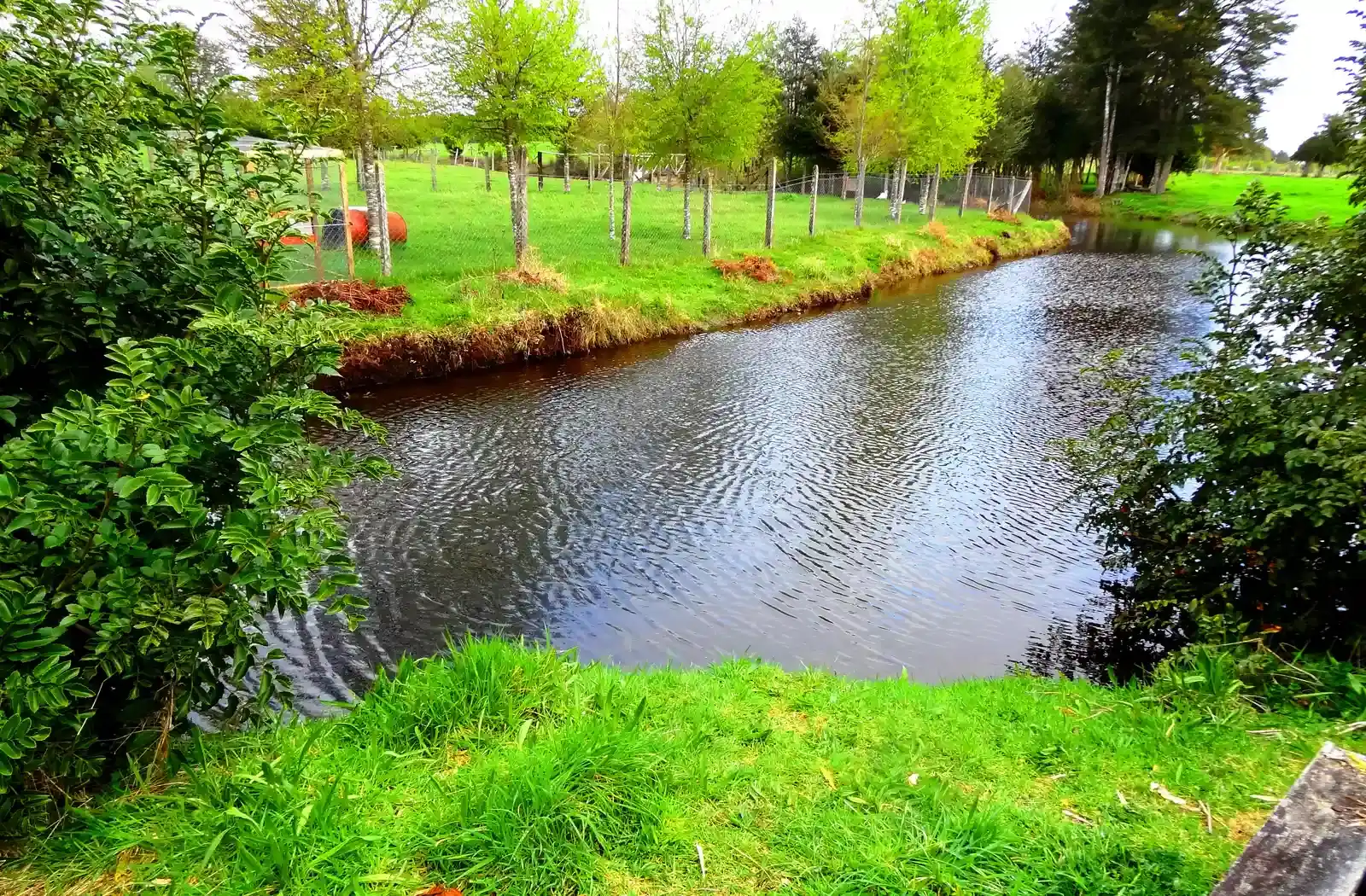
Most people know Monte Verde in Chile as the discovery that broke the “Clovis-first” model, with solid evidence of humans in South America around 14,500 years ago. Fewer people know that researchers also flagged hints of an even older layer, sometimes nicknamed “pre-MV-II,” based on scattered charcoal flecks and organic material. Those early flecks were tested before strict chain-of-custody rules existed, and most were used up or misplaced in the process.
Today, the main Monte Verde layer is treated as rock-solid archaeology. But the older, stranger layer beneath it survives only as a rumor built from radiocarbon runs that can never be repeated on the original material. New excavations could theoretically find fresh charcoal from the same context, but that’s a different experiment, not a retest. The ghost layer stays a ghost.
9. Pedra Furada’s 30,000-Year-Old Hearths That Can’t Be Checked

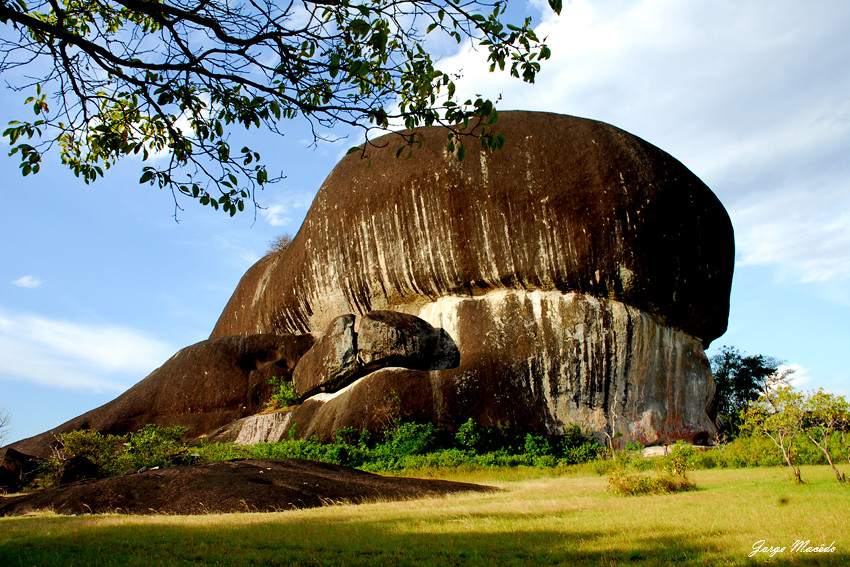
In Brazil’s Serra da Capivara region, Pedra Furada became one of archaeology’s loudest fights by producing what its excavators called human hearths older than 30,000 years. Supporters saw deliberate fire pits. Skeptics saw natural wildfires, rockfalls, and geology playing tricks on the imagination. The earliest, most explosive charcoal samples were tiny and fragile, and many were fully consumed in older beta-counting labs long before AMS testing became standard.
That means nobody today can run those specific fragments through modern contamination checks or replicate them across independent labs – the exact tools that would settle a debate this heated. Carl Sagan’s old rule about extraordinary claims still hangs over the site like a warning label.
Extraordinary claims require extraordinary evidence.
Carl Sagan
Pedra Furada never got that extraordinary, repeatable evidence – because the samples that could have provided it are gone.
8. Pedra Pintada’s Missing Pollen and the Age That Wouldn’t Die
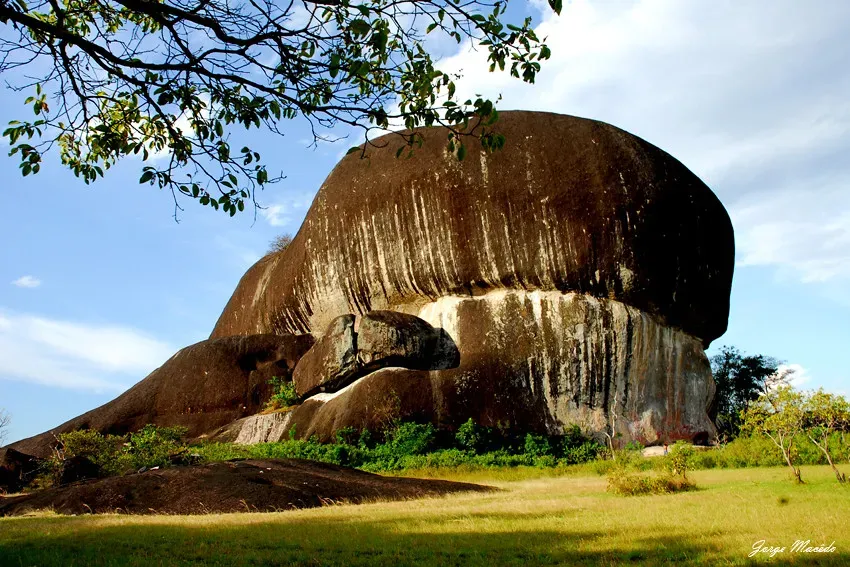
Caverna da Pedra Pintada, also in Brazil, is often treated as the more respectable cousin of Pedra Furada, with clear evidence of people living there around the end of the last Ice Age. But early researchers also reported surprisingly old dates from bulk sediment organics and pollen-heavy layers, tested with methods that look crude by today’s standards. Once those bulk samples were run, most were simply discarded – nobody expected they’d matter decades later.
Modern specialists wouldn’t stake a claim on a single unreplicated bulk-organic date, but back in the 1980s and ’90s, these numbers slipped into the literature as tempting evidence of deeper antiquity. Because the exact organic composites and pollen fractions are gone, nobody can now isolate specific plant material or apply more selective chemistry to sharpen the picture. The result is a fuzzy, unresolved halo of “maybe older” hanging over an otherwise solid site.
7. Topper’s Lost Pre-Clovis Flecks
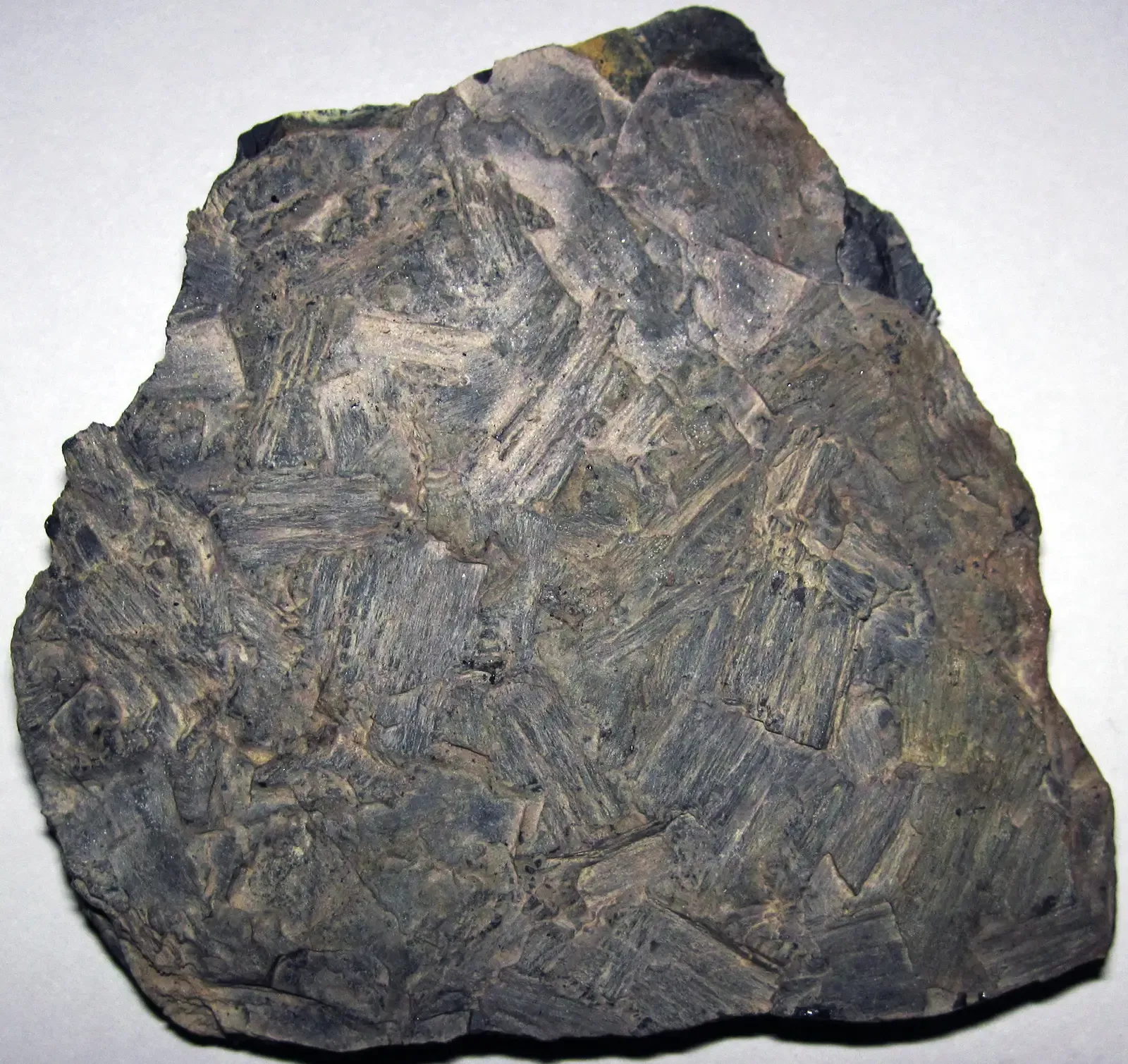
Topper, in South Carolina, briefly became a household name in archaeology circles when researchers proposed that artifacts below the Clovis layer might be 50,000 years old or more. The claim leaned partly on tiny, scattered charcoal flecks recovered near possible stone tools. Several of those key fragments were submitted for testing before the controversy exploded – and were either fully used up or never properly cataloged for long-term storage.
When skeptics later demanded independent AMS redating of the same material to check such an extreme age, there was nothing left to test. Later excavation seasons produced more dates, but from different micro-contexts, not exact replications. The scientific question quietly shifted from “what do the dates say” to “what did the lost dates actually measure” – a much weaker position for such a bold claim to stand on.
6. Paisley Caves’ First Coprolite Dates
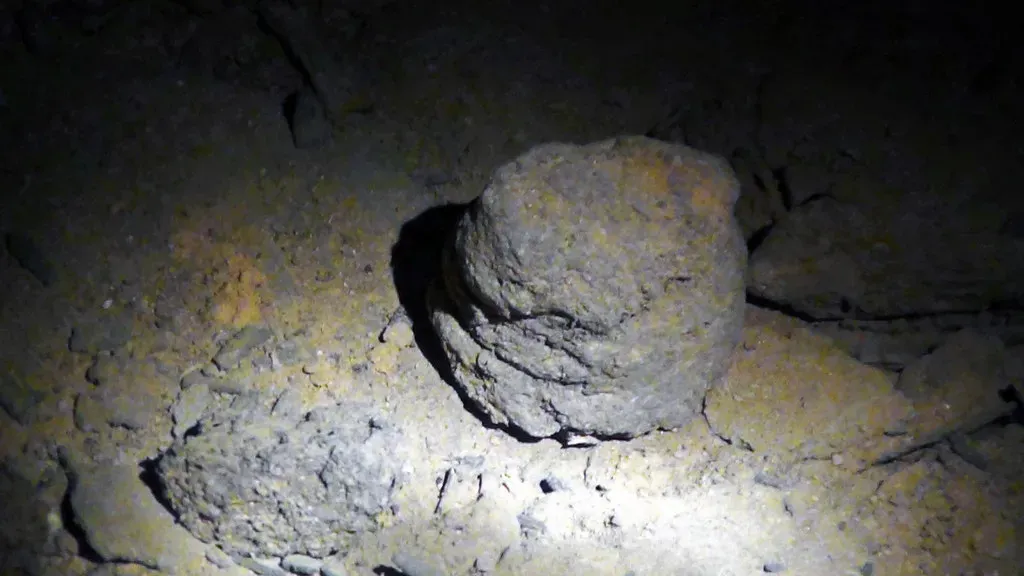
Paisley Caves in Oregon rewrote part of the North American story when human DNA turned up in fossilized feces – coprolites – dated to roughly 14,000 years ago. The earliest tests on these coprolites and related organic material used far less rigorous pretreatment than would be expected for a claim this significant today. Some of the most-cited early dates came from samples that were only partially documented, with no way to precisely retest the leftover material.
Later work at Paisley did apply stronger protocols, cross-checking results across multiple labs and dating methods. But that first wave of results – the ones that made headlines and sparked conference debates – can’t be fully reconstructed from what survives. Supporters say the newer evidence outweighs the doubts; critics say the foundation still has a permanent asterisk on it.
Quick Compare
- Early testing: minimal pretreatment, partial documentation, samples not preserved for reuse
- Later testing: stronger protocols, cross-checked across multiple labs and dating methods
- Shared limitation: the original headline-making coprolite material no longer exists to bridge the two eras of testing
5. Lynford Quarry’s Missing Plant Fractions
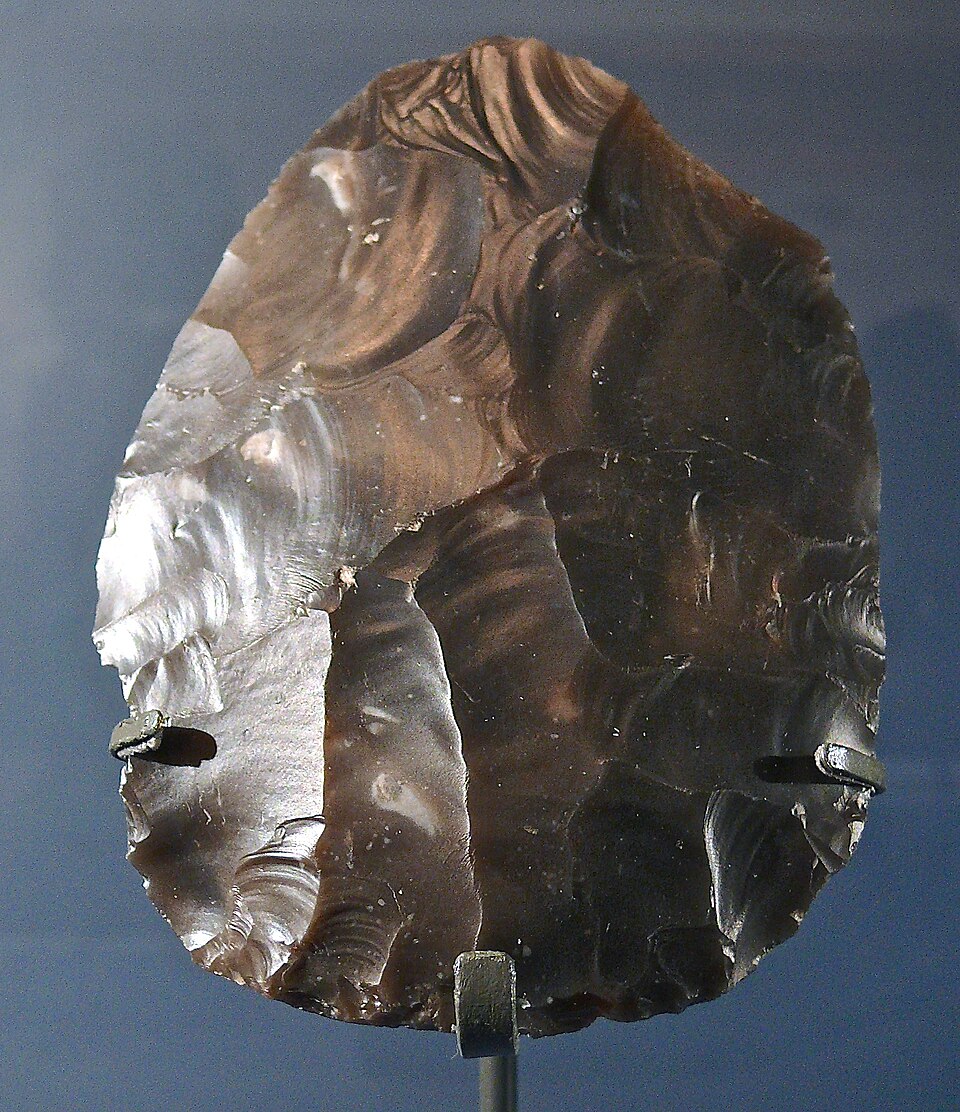
Lynford Quarry in England is generally considered a well-documented Neanderthal site, tied to mammoth remains and stone tools from a genuine kill-and-butchery event. But buried in its otherwise solid chronology are early radiocarbon dates on plant and peat fragments that told a slightly different environmental story. Those samples were processed as generalized bulk organics, back when almost nobody thought to preserve the leftover material for future analysis.
The core Neanderthal-era dates rely on bone and stratigraphy, so the missing plant fractions don’t threaten the main story. What they do erase is the chance to isolate specific plant species or apply today’s compound-specific radiocarbon techniques to sharpen the environmental picture. What was once cutting-edge is now a dead end – a small but real gap in a site regularly used as a textbook example.
4. Çatalhöyük’s Buried Bulk-Sediment Mystery
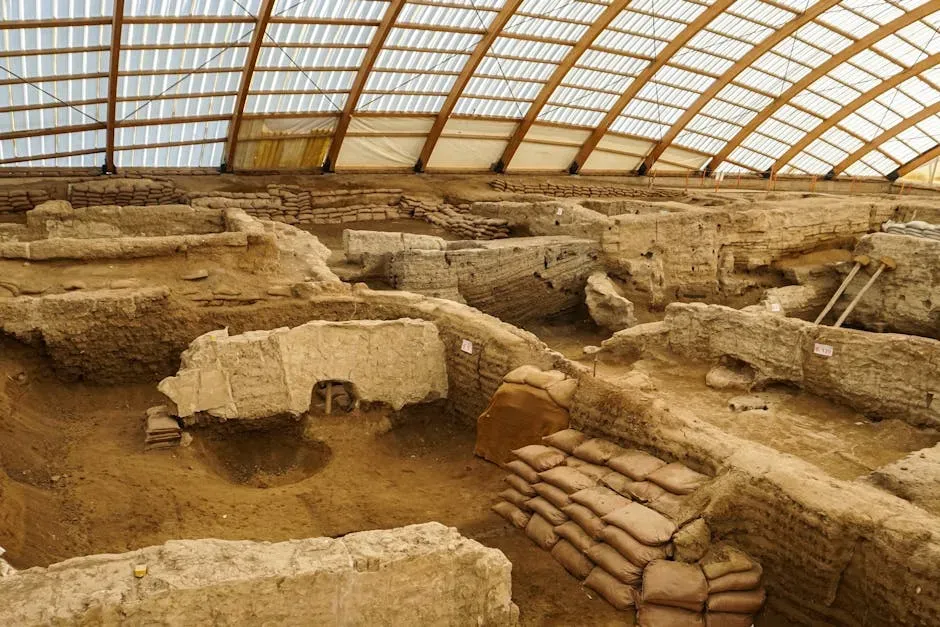
Çatalhöyük in Turkey is one of the most iconic Neolithic sites in the world, packed with dense architecture and striking art. Its main occupation phases are dated with confidence, but some of the earliest work on deep sediments and basal layers relied on bulk sediment organics instead of clearly identified artifacts. A few of those bulk samples hinted at activity even before agriculture took hold at the site – but the material was homogenized and discarded under the standards of the time.
Modern archaeologists are deeply wary of bulk-sediment dates, especially at long-occupied sites where old carbon can get mixed in from deeper, older layers. With no original fractions or subsample archives left to test, there’s no way to know if those early “deep” dates reflected real human activity or just recycled ancient carbon. They now sit in the literature like half-legible footnotes nobody can verify.
Worth Knowing
- Location: central Anatolia, Turkey
- Famous for: dense mudbrick architecture and elaborate wall art
- Disputed material: bulk sediment organics from basal, pre-agricultural layers
- Modern concern: bulk-sediment dates risk contamination from older carbon mixed into deeper strata
3. Grotte du Renne’s Neanderthal Bone Puzzle
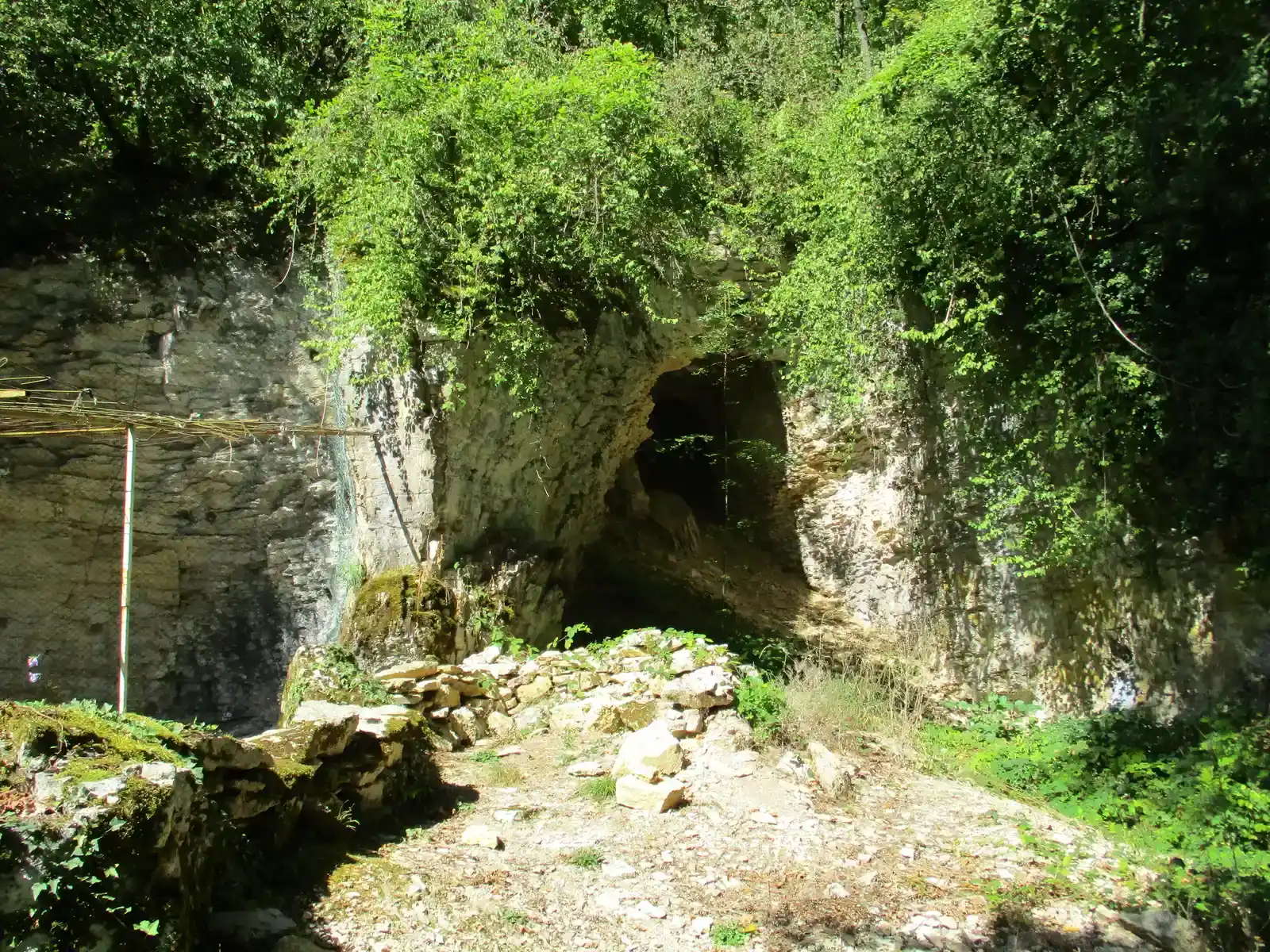
Grotte du Renne in France sits at the center of one of paleoanthropology’s most stubborn arguments: did Neanderthals make symbolic ornaments tied to the Châtelperronian culture? Early radiocarbon dates on bone and antler suggested a surprisingly late, Upper Paleolithic age, muddying the clean handoff from Neanderthals to modern humans. Those first-generation dates used relatively large collagen samples and looser decontamination methods than today’s ultrafiltration standards demand.
Portions of the original bone were consumed during testing, with nothing set aside for future comparison. Later studies used better methods and produced a messier, more contradictory picture – but the exact bone fragments behind the earliest claims can never be rerun to see if ultrafiltration would shift their age. That missing apples-to-apples comparison might have settled part of the debate. Instead, Grotte du Renne remains a magnet for arguments that can’t be fully resolved.
2. Skhul and Qafzeh’s Blunt-Instrument Dates
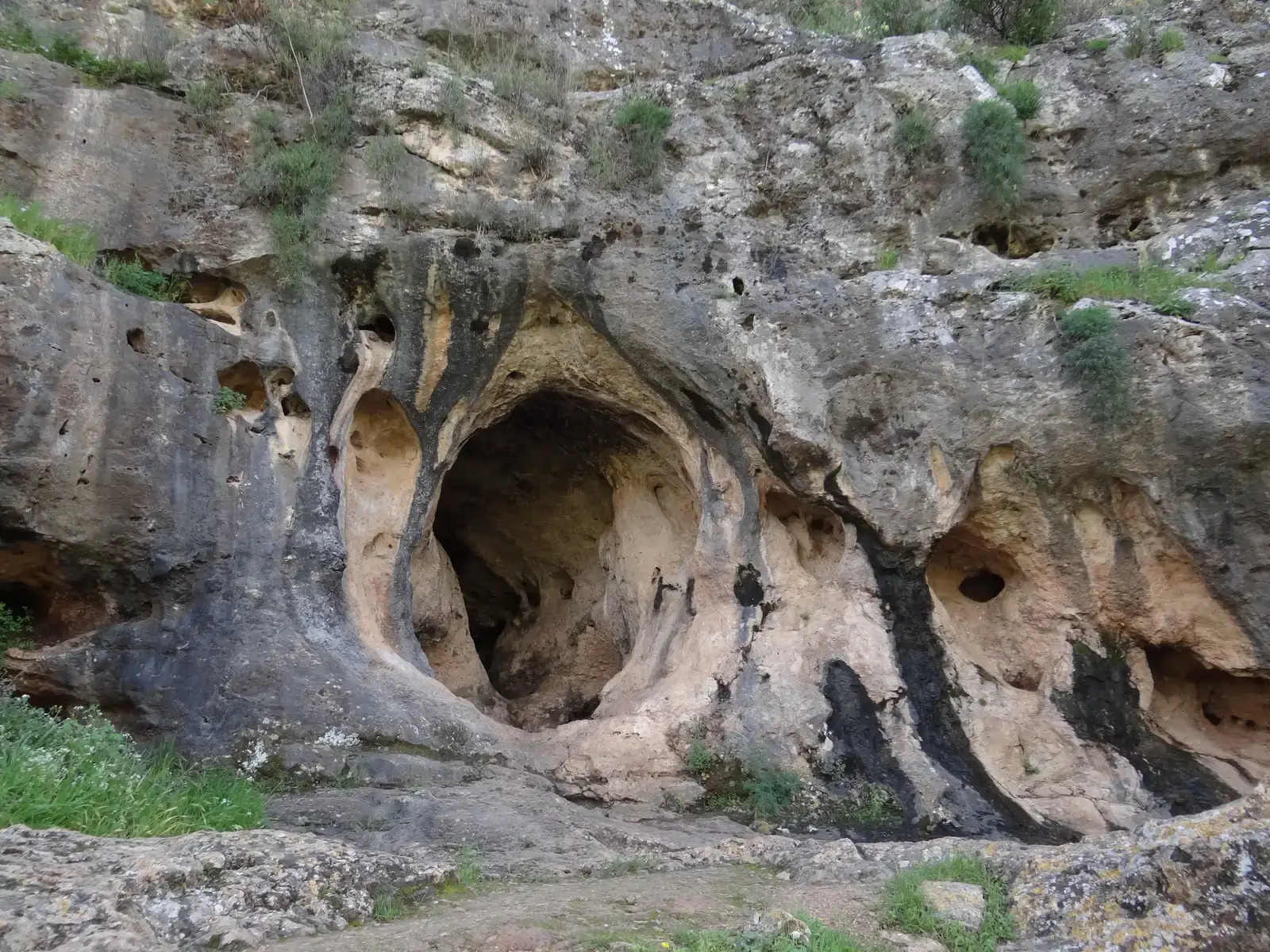
Skhul and Qafzeh caves in Israel hold some of the earliest fossils widely accepted as anatomically modern humans found outside Africa. Their core ages come from uranium-series dating and stratigraphy, since the fossils are older than radiocarbon’s usable range. But in the mid-20th century, some associated younger materials were tested with what we’d now call blunt instruments, and the physical samples weren’t archived to modern standards.
Those early radiocarbon dates were never central to the fossils’ main age, but they did shape broader models of how long people occupied – or abandoned – the caves. Because the bone fragments, shell, and organic crusts used were often ground up or destroyed in testing, there’s no way to check how their “young tail” dates compare against today’s high-precision methods. Those nuanced questions about overlap and reuse of the site now require entirely new samples, not a retest of the old evidence.
1. The Shroud of Turin’s Vanished 1988 Sample
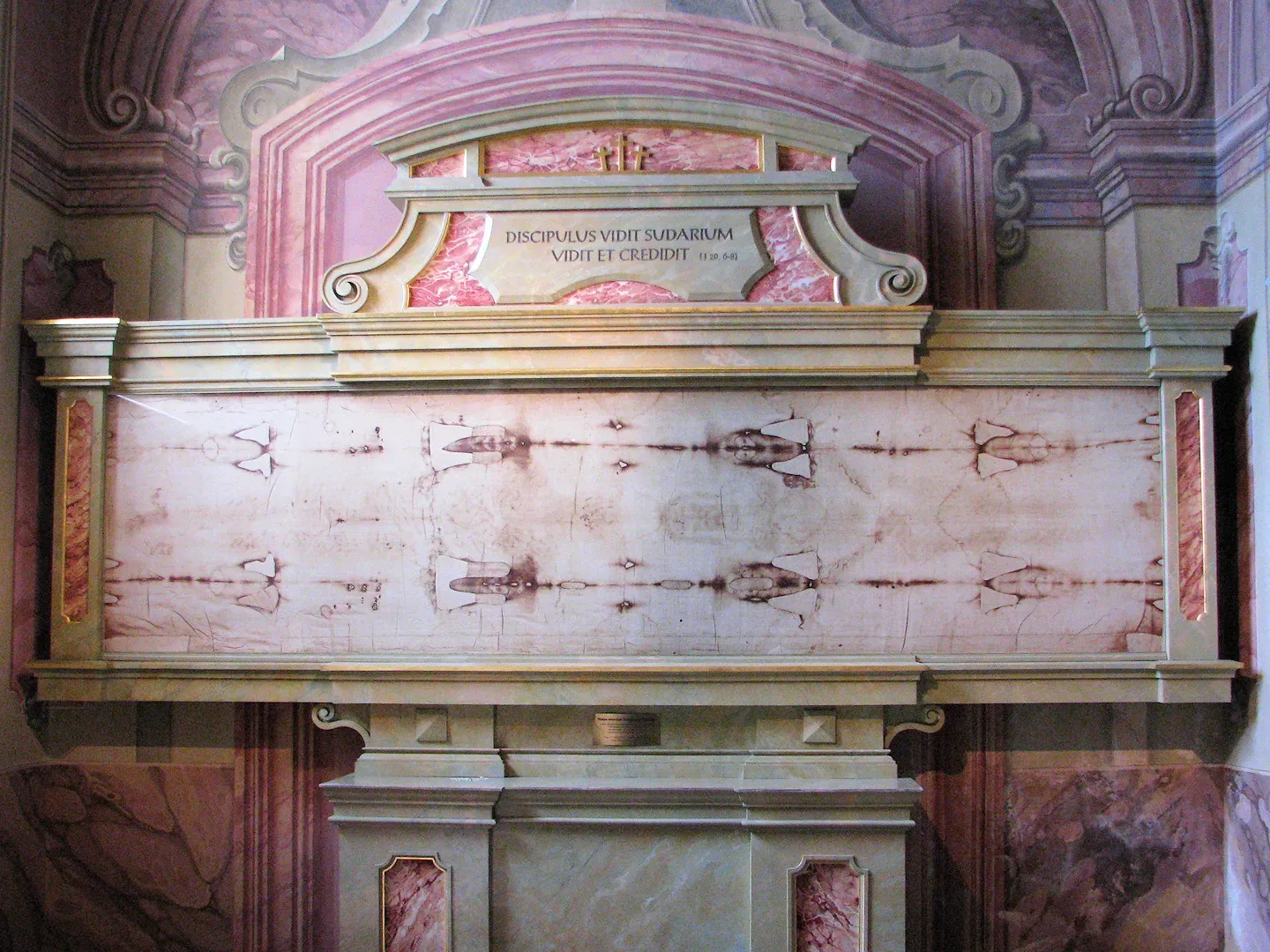
No radiocarbon result has been fought over in public more than the 1988 dating of the Shroud of Turin. Three independent labs converged on a medieval origin, somewhere between 1260 and 1390 CE. For almost any other relic, that would have closed the book. The Shroud’s religious and cultural weight turned every technical detail into a battlefield instead.
The real problem is that the specific textile samples cut in 1988 were divided up, processed, and largely used up in testing, leaving no identical thread from that exact spot for a modern re-test. Supporters of a re-dating argue the sample may have come from a repaired corner or been contaminated by biological residue. Critics counter that the original protocols were rigorous and that three labs agreeing is powerful evidence on its own. What both sides quietly agree on is this: the 1988 sample is gone, and any future test would need fresh material from elsewhere on the cloth – a comparison, not a confirmation.
Why It Stands Out
- Three independent labs tested the 1988 sample and agreed on a medieval date range
- Result: 1260 to 1390 CE, centuries after the traditional first-century origin claimed by some
- The tested textile fragment was consumed during processing, leaving nothing identical to re-run
- Any future test would use fresh cloth from elsewhere, making it a comparison rather than a true retest
The Bottom Line
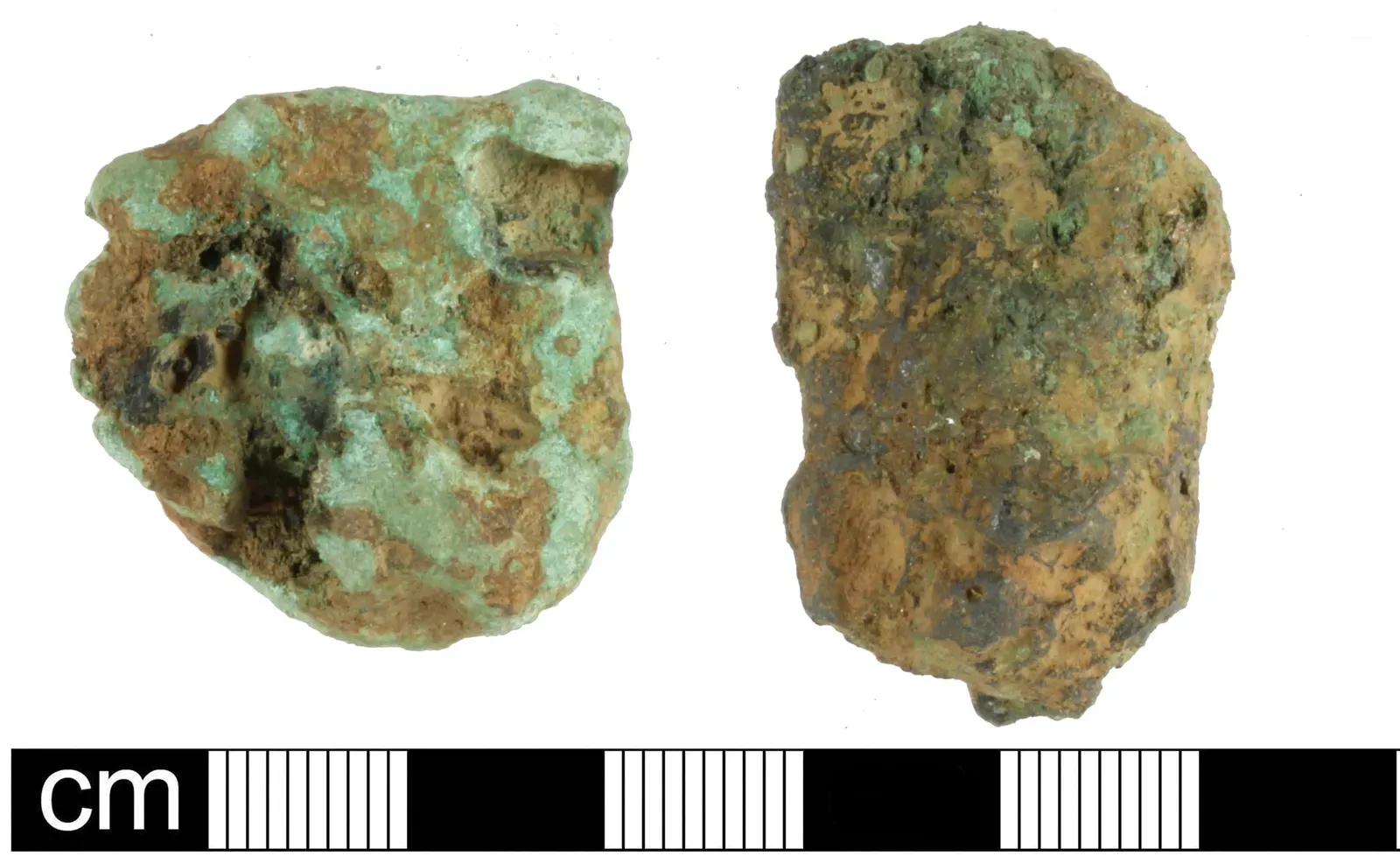
Across all 11 sites, the same uncomfortable pattern shows up again and again. Meadowcroft’s earliest charcoal, Pedra Furada’s ancient hearths, Topper’s pre-Clovis flecks, Çatalhöyük’s buried sediments, and even the Shroud of Turin all share one quiet flaw: the evidence behind their loudest claims is documented in papers but physically gone from the world.
That doesn’t mean every one of these dates is wrong. It means we’ve been treating unrepeatable results with far more confidence than they’ve earned. Science is supposed to be built on results other people can check – and a date nobody can ever run again isn’t science in the fullest sense, it’s testimony. My honest take: any theory that leans its full weight on a single, lost radiocarbon sample deserves to be called provisional, not proven, no matter how many textbooks have already printed it as fact.
Did we miss a site whose lost samples are still quietly propping up a theory? Drop your candidate in the comments – and make your case.