
You probably expect DNA testing to tidy up history: identify the bones, settle the arguments, close the files. But often, once the lab work is done and the charts are printed, the story does not become clearer at all. It becomes weirder. Suddenly, family trees twist, national myths wobble, and people you thought you “knew” start looking very different from the portraits in your school textbooks.
As you walk through these 11 cases, imagine you’re standing in a museum where every quiet glass case just had its label rewritten. DNA did not just solve crimes or paternity disputes here; it forced you to rethink who belongs where, who counts as “us,” and what the past really looked like. You will see royal dynasties, founding fathers, ancient skeletons, famous murders, and even your mental picture of the “first Britons” all shaken up by a few strands of genetic code.
1. The Rediscovery of King Richard III Under a Parking Lot
![1. The Rediscovery of King Richard III Under a Parking Lot (‘The king in the car park’: new light on the death and burial of Richard III in the Grey Friars church, Leicester, in 1485, taken from [1], CC BY 4.0)](https://nvmwebsites-budwg5g9avh3epea.z03.azurefd.net/dws/c44785634cf78ae9c3712a95a9c8bed5.webp)
If someone told you a lost king would be found under a modern parking lot, you’d probably assume they were pitching a strange TV drama, not describing real science. Yet in 2012, archaeologists dug beneath a car park in Leicester and uncovered a skeleton with a curved spine and battle injuries that lined up uncannily well with descriptions of King Richard III’s death. DNA testing was supposed to be the final, sober confirmation that this was just another solved case of royal remains.
Instead, things got stranger once you follow the genetics. Researchers compared mitochondrial DNA from the skeleton with living maternal-line descendants of Richard’s relatives and found a strong match, tying the remains convincingly to the royal family. But when they looked at Y‑chromosome data from modern male-line relatives, the pattern did not line up, suggesting a historical “break” in the supposedly unbroken male royal line somewhere in the family tree. Suddenly, DNA did not just tell you where Richard’s body ended up; it quietly hinted that at least one past link in that royal lineage is not what the official genealogy claims, leaving you wondering which piece of royal history is off-kilter.
2. The Romanov Family: Solved Identities, Deeper Ghosts
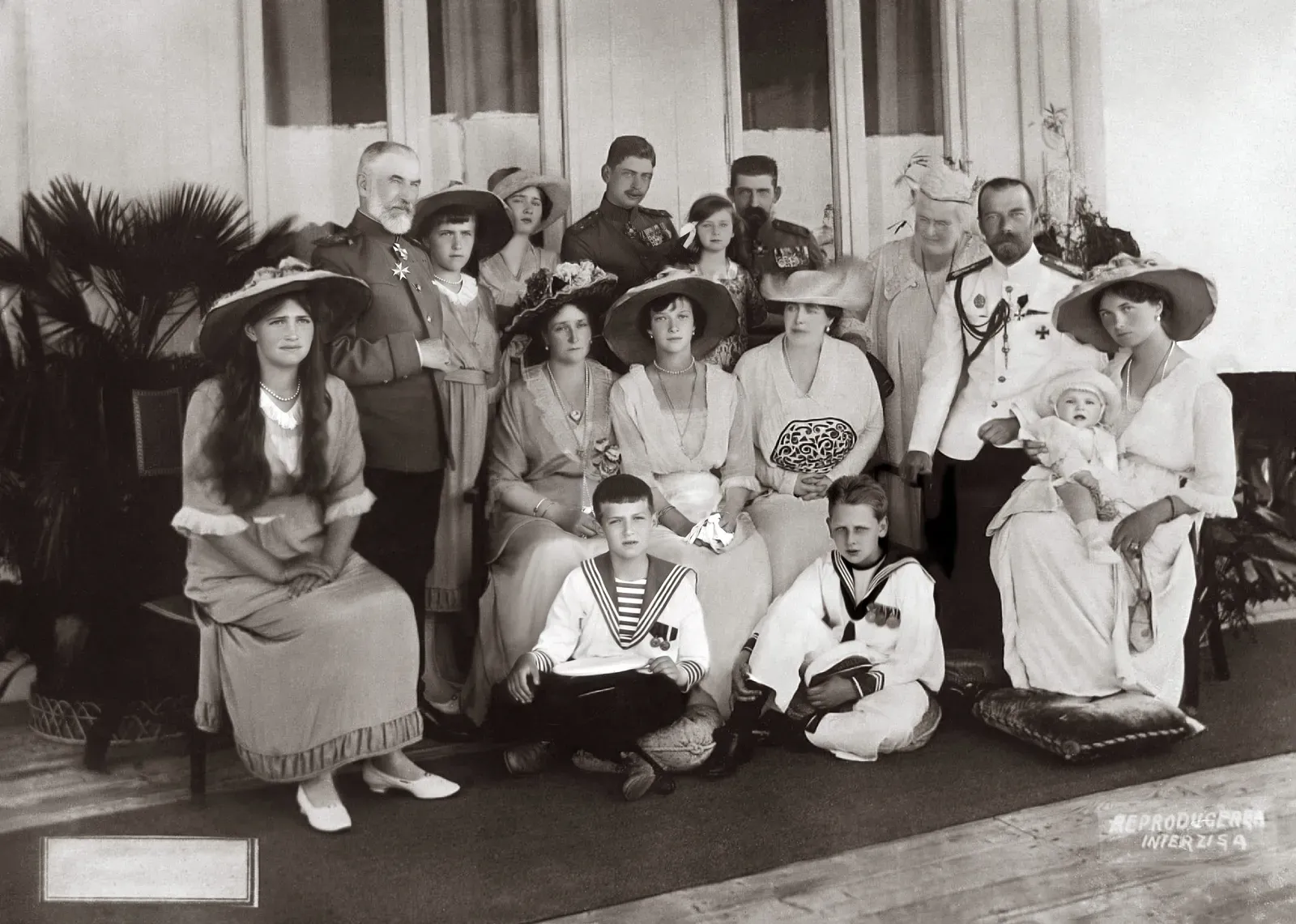
You’ve probably heard the story: Russia’s last tsar, Nicholas II, and his family were executed in 1918, yet for decades rumors swirled that one daughter, often imagined as Anastasia, survived. When mass graves were uncovered in the 1990s and 2000s, DNA analysis was meant to be the cold, final word. Testing showed that the remains in one grave matched Nicholas, Alexandra, three of their daughters, and several loyal servants, while a second site held the missing son and another daughter. On paper, that should close the book.
But if you look closer, the DNA tests actually make the legend more haunting, not less. By proving that all the immediate Romanovs died together, the science wipes away the romantic idea of a surviving princess, but it also deepens the psychological mystery of why so many “Anastasias” appeared over the years. DNA makes it impossible for those impostors to be who they claimed, yet it leaves you with a different, unsettling puzzle: why were so many people across Europe willing to rebuild an entire identity around a lost dynasty, even after the genes said no? Instead of a single missing princess, you’re left with a lingering question about collective longing and self‑invention.
3. Cheddar Man and the First Britons You Didn’t Picture
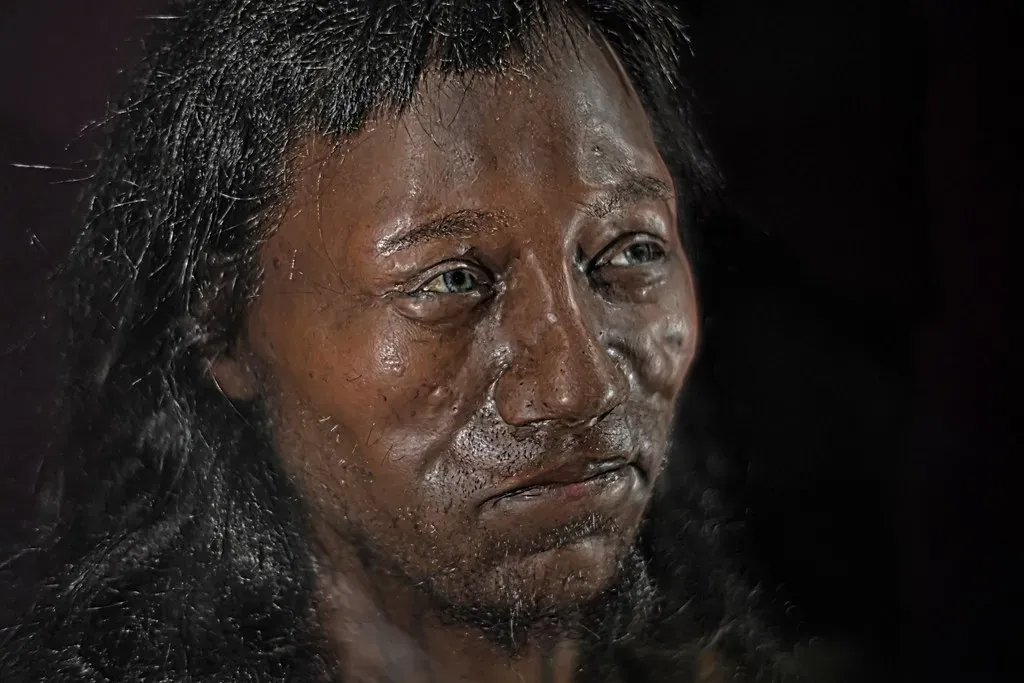
When you think of ancient Britain, your mind probably serves up a lineup of pale, fair-haired people trudging around in the drizzle. Then along comes Cheddar Man, a roughly ten-thousand-year-old skeleton found in a cave in Somerset, and DNA testing blows your mental casting choices to pieces. Genetic analysis of his ancient DNA suggests he likely had dark or dark-to-black skin, dark hair, and blue or greenish eyes, a combination that looks nothing like the history paintings you grew up with. You suddenly realize you may have been mentally repainting the past in your own image without even noticing.
It gets even stranger when you look at how his genes connect to people living in Britain today. Cheddar Man belonged to an ancient hunter-gatherer population whose genetic influence survives only as a small fraction of the ancestry of many modern Britons. You are not looking at a simple straight line from “first Britons” to “you,” but at a tangled story of multiple waves of people, replacements, and mixtures. DNA does not just put a new face on a skeleton; it forces you to admit that your mental picture of national roots might be more recent and more fragile than you thought.
4. Kennewick Man and the Battle Over Who Owns the Past
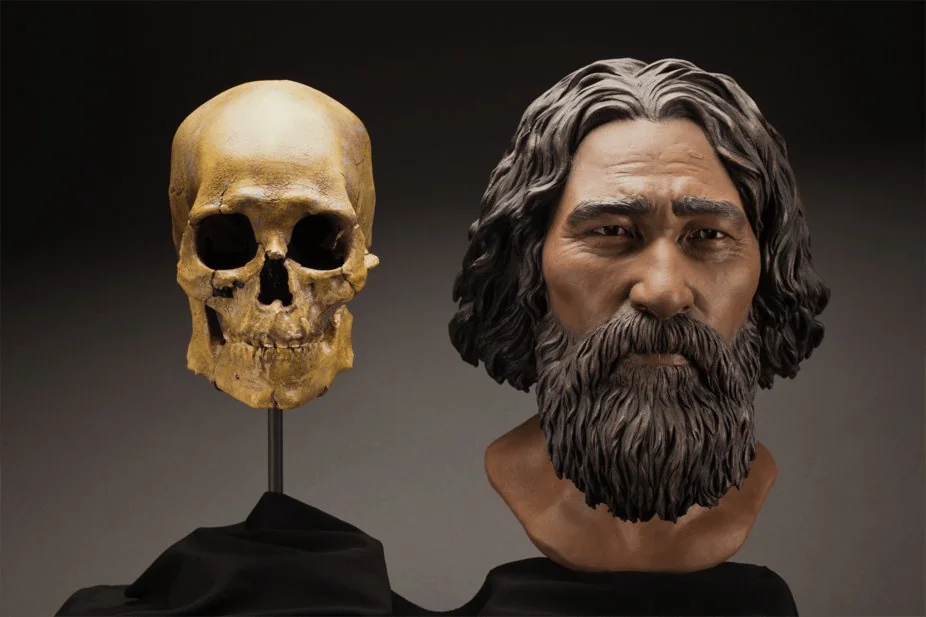
Imagine you find an eight-thousand-year-old skeleton along a riverbank, and the skull looks, to some eyes, different from modern Native Americans. For years, some researchers argued that “Kennewick Man,” or the “Ancient One,” might be connected to distant populations like Polynesians or the Ainu of Japan. That narrative quietly suggested that the earliest people in North America might not be closely related to present-day Native tribes, a claim with huge political and cultural implications. DNA analysis was meant to settle the argument.
When ancient DNA finally came through, it pointed decisively toward a much closer relationship with modern Native Americans than with any other global group. That result did not just contradict earlier skull-based theories; it swung the spotlight onto how easily physical appearance can mislead you about ancestry. At the same time, it intensified the debate about who has the right to control ancient remains: scientists eager to study them or Native communities that see them as ancestors. Instead of quietly solving a technical question, the DNA dragged questions of identity, sovereignty, and respect into the lab, and you are left realizing the past is not just old bones – it’s living politics.
5. Thomas Jefferson, Sally Hemings, and a Rewritten Founder
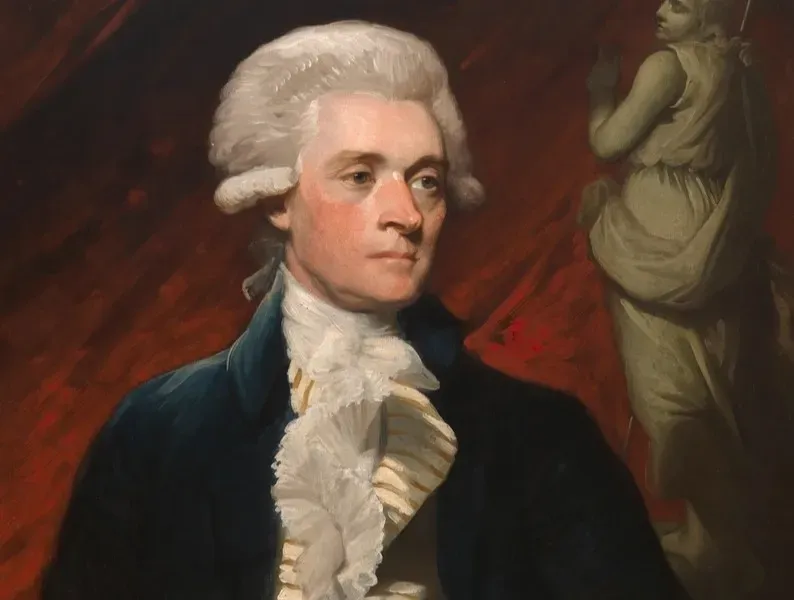
If you grew up with a polished image of Thomas Jefferson as the eloquent author of stirring words about liberty, DNA testing forces you to sit with a more uncomfortable reality. For generations, white descendants of Jefferson denied that he fathered children with Sally Hemings, an enslaved woman at Monticello. Family stories blamed other male relatives, and many historians went along with that version. It was all treated as a murky, unprovable rumor hanging awkwardly at the edge of the founder’s biography.
Then a late‑1990s DNA study compared Y‑chromosome markers from documented Jefferson male-line descendants to those of a descendant of Hemings’s youngest son, Eston. The match was strong enough that, combined with documentary evidence, many historians concluded that Jefferson himself was the likely father of at least one, and probably several, of Hemings’s children. The science did not clarify every detail, but it wiped away the comfortable alternatives and left you facing a man who wrote about equality while fathering enslaved children he legally owned. DNA did not just answer a paternity question; it cracked open your idea of the founding era and made you ask what it really means when freedom is drafted by people who benefit from bondage.
6. Tutankhamun’s Family Tree and the Genetics of a Cursed Line
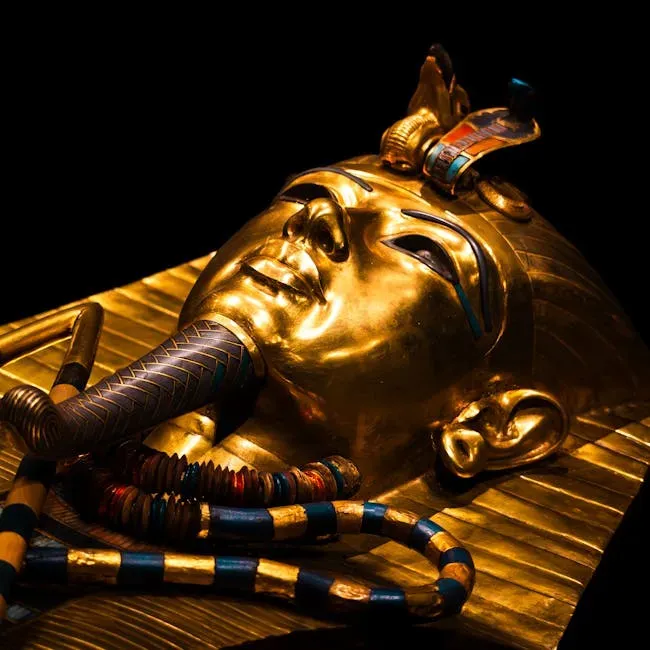
You probably know Tutankhamun as the “boy king” with the golden mask and a supposed curse. For a long time, his actual family tree was a twisted mess of theories, fueled by fragmentary records and speculation. Modern DNA studies on mummies believed to be his close relatives attempted to straighten things out, suggesting that his father was likely the pharaoh Akhenaten and that he may have been born from a union between close relatives. That alone already pushes you into an uncomfortable space where royal bloodlines look more like genetic bottlenecks than glamorous dynasties.
But the tests also claimed to identify inherited health issues and infections that might have contributed to Tutankhamun’s early death, painting a picture of a physically fragile teenager burdened by the consequences of generations of inbreeding. Critics, however, have challenged some of these interpretations, pointing out the technical limits of testing damaged ancient DNA. So you are left in a limbo where genetics suggests a story of a compromised lineage but can’t fully prove every detail. Instead of closing the case on a neat family tree, the DNA turns Tut’s saga into a murky mix of science, speculation, and the uneasy feeling that royal power often came at a hidden biological cost.
7. Ötzi the Iceman and Unexpected Living Relatives
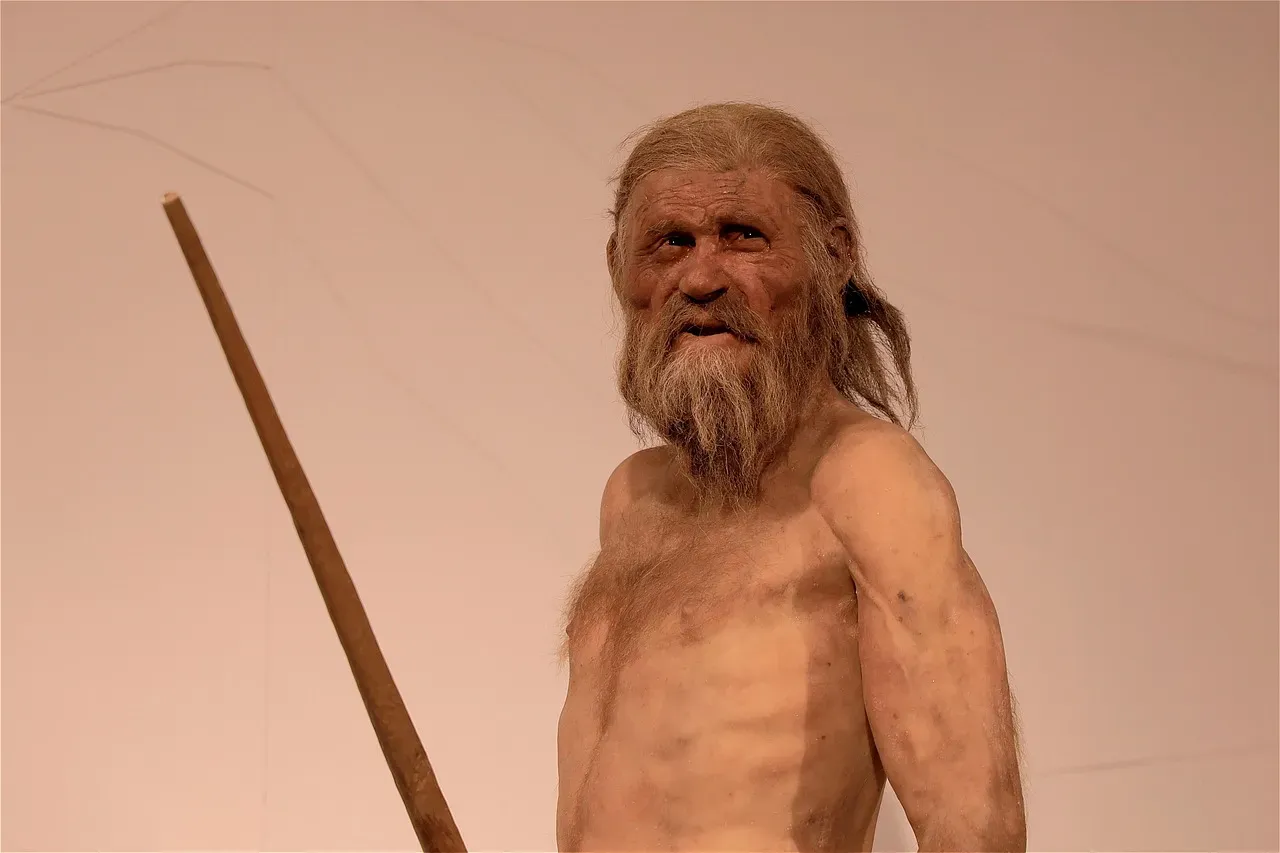
When you picture a five-thousand-year-old mummy frozen in the Alps, you probably do not imagine he might still have thousands of distant cousins walking around today. Yet that is exactly what genetic studies of Ötzi the Iceman have hinted at. His genome shows affinities with early European farmers, and when researchers compared his markers to modern populations, they found clusters of people – especially in certain Alpine regions – who share significant stretches of ancestry with him. Suddenly, this museum specimen is not just an exhibit; he is part of someone’s extended family whether they know it or not.
Even stranger, Ötzi’s DNA has revealed details about his health and lifestyle that feel oddly intimate for someone who died millennia ago. You learn he carried risk factors for heart disease and signs of lactose intolerance, that his last meal and even some of his infections can be read in his remains. DNA turns a distant, almost mythical “ice mummy” into a person whose genetic issues would not look that foreign on a modern medical chart. The more you know, the harder it is to treat him as a generic caveman; instead, you start to see a man who could, in some ways, be your neighbor with a bad diet and a dangerous commute through the mountains.
8. The Irish “Bog Bodies” and Identities Preserved in Peat
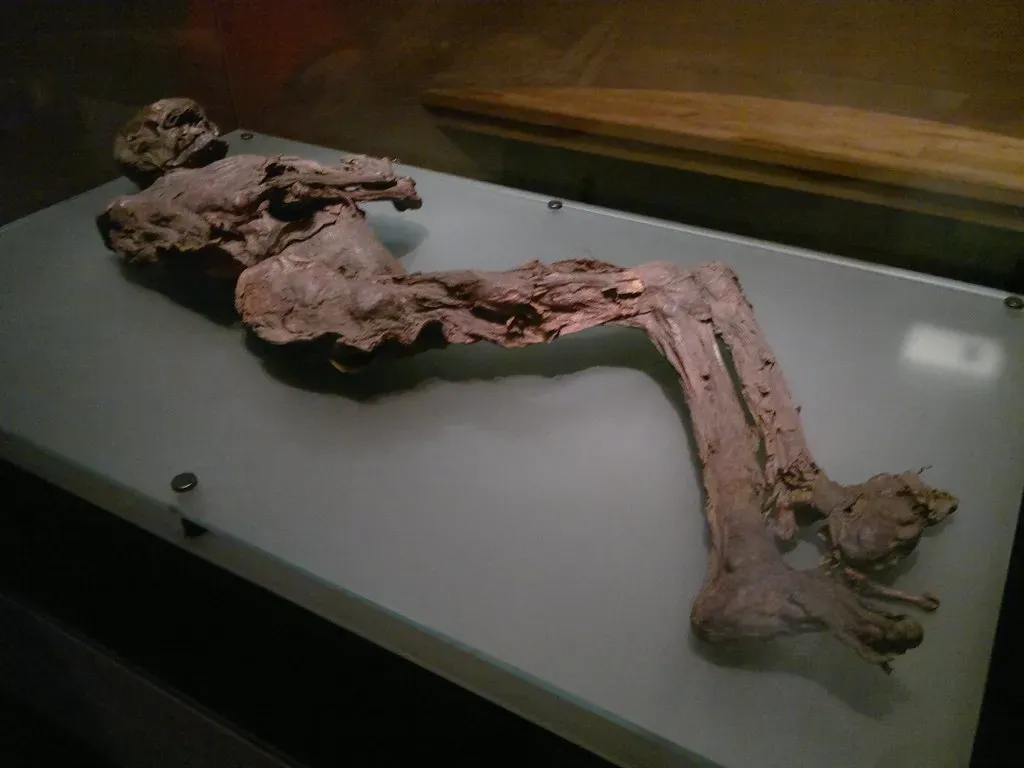
You might think of the famous Irish and northern European bog bodies as eerie but anonymous victims, their skin tanned by peat, their stories lost in the mist. For a long time, that was the best anyone could offer: educated guesses about ritual sacrifice or punishment, based mostly on how they died. But as scientists began to extract tiny amounts of DNA from these remains, a different, more complex picture started forming. Genetic signatures in some bog bodies point toward high status, connecting them to broader elite lineages rather than random victims.
That twist makes their brutal ends all the more unsettling for you. Instead of simply imagining them as unlucky peasants, you now have to entertain the possibility that some were powerful individuals caught up in political or religious struggles, perhaps even members of ruling families offered as symbolic sacrifices. The DNA cannot tell you their names or motives, but it shows you that their roots were anything but ordinary. Rather than resolving the mystery, the genetics pull you deeper into it, suggesting that behind each carefully preserved body in the peat lies a lost drama of privilege, betrayal, and belief.
9. The “Prince in the Tower” Debate and Royal Children in Limbo
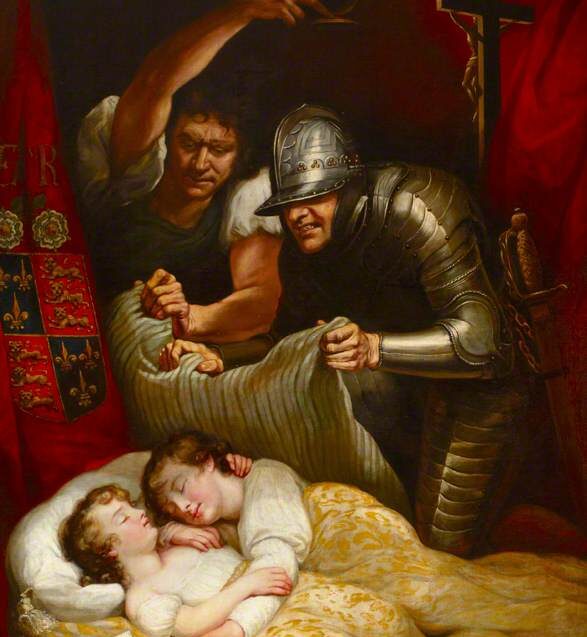
For centuries, you have been told the tragic story of the two young princes supposedly murdered in the Tower of London, likely on the orders of an ambitious relative. Bones found under a staircase in the seventeenth century were quickly claimed as theirs and reburied with regal respect. Without modern testing, the story rested on rumor, political propaganda, and the desire for a neat ending. Then DNA techniques matured, and suddenly you had a way – at least in theory – to test whether those bones really belonged to the vanished princes.
Here is where the irony kicks in: in the age of powerful DNA analysis, the remains and royal reference samples you would need for a definitive answer are locked up behind layers of tradition and reluctance. A clear genetic test could confirm or overturn a centuries-old narrative, but repeated calls to analyze the bones have run into resistance. You end up in a strange situation where the science that could clarify one of England’s most infamous child disappearances sits unused, while the legend rolls on. DNA hovers over the case like an unopened letter that might completely upend what you think you know about royal ruthlessness.
10. The Mystery of Cheddar Man’s Modern “Cousins”
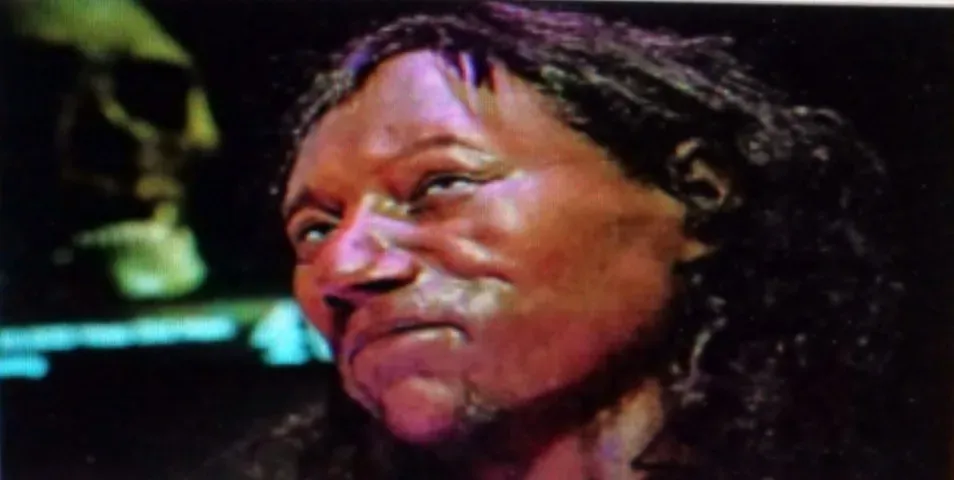
Even if you already knew Cheddar Man changed how you picture ancient Britons, another twist lurks in his genetic story. Early work on his mitochondrial DNA suggested that people living very close to where he was found shared the same maternal lineage, hinting that some local residents might be distant relatives along a single, deeply ancient line. That idea caught the public imagination because it collapses ten thousand years of time into a single human connection – you can suddenly imagine a modern schoolteacher and a Mesolithic hunter sharing a distant grandmother, separated only by hundreds of generations.
But when you zoom out, you realize how misleading that simple story can be. Mitochondrial DNA tracks just one thin thread of ancestry out of thousands available in your full genome, and that kind of match can be surprisingly common across a region. So DNA both gives you this wonderfully intimate tale of long continuity and, at the same time, forces you to admit that ancestry is far messier than a single neat line. You are left holding two truths at once: people today really can share direct maternal links to ancient individuals, and yet those links do not map straightforwardly onto modern ideas about ethnicity, nation, or identity.
11. Ancient DNA and the Shifting Borders of “Who You Are”
As you follow case after case, a pattern starts to emerge: you keep expecting DNA to deliver simple answers, and instead it keeps blowing up your categories. Ancient Britons do not look how you were taught, royal lines wobble, founding fathers look morally smaller up close, and very old skeletons turn out to be closely tied to modern communities that were once written out of their own story. The technology that was sold to you as a kind of high-tech truth serum turns out to be more like a spotlight that shows you every crack and inconsistency you tried to paper over.
At the same time, these findings quietly challenge a lot of the easy talk about “pure” ancestry or unbroken national lines. DNA keeps revealing mixtures, replacements, and surprising connections that cut across modern borders and labels. It nudges you away from tidy myths and toward a more tangled, more honest sense of the past. You start to see history less as a clean family tree and more as a braided river, where streams split, rejoin, and sometimes vanish beneath the ground before reappearing somewhere unexpected.
Conclusion: When the Past Refuses to Sit Still
By the time you step back from these 11 mysteries, one thing is clear: DNA is not a magic eraser that tidies up historical debate. It is more like a new lens that lets you see details you did not know were there, often forcing you to rewrite stories you thought were settled. Bodies under car parks become kings, anonymous graves become royal families, and the faces of “first” peoples turn out to be nothing like the ones you imagined. In the process, uncomfortable truths surface about power, inequality, and the stories societies prefer to tell about themselves.
What you are really learning is that identity – whether royal, national, or personal – is a moving target. Genes are part of the picture, but so are memory, myth, and who gets to tell the story in the first place. As DNA testing digs deeper into ancient bones and forgotten burials, you can expect more surprises, more broken certainties, and more chances to rethink where you fit into the long human story. When you look at your own ancestry, are you ready for it to be stranger than you imagined?