You learned this rule in third grade: dig down, go back in time. Deeper dirt means older bones, older pottery, older walls. It’s the first commandment of archaeology – and it breaks more often than anyone with a diploma wants to admit.
From Rome to Bangkok, real excavation teams have opened trenches expecting a clean timeline and instead found something that looked like a mistake: a newer civilization’s floor, drainpipe, or coin hoard sitting stubbornly beneath an older one that was supposed to be buried first. Earthquakes drop entire city blocks into pits. Rivers swallow neighborhoods and spit them back out of order. Empires accidentally bury their own best inventions under older temples. By the time you reach the strangest site on this list, you won’t trust a museum’s tidy cross-section diagram the same way again.
#11 – Mexico City’s Spanish Cathedral Sitting Over (and Under) Tenochtitlan
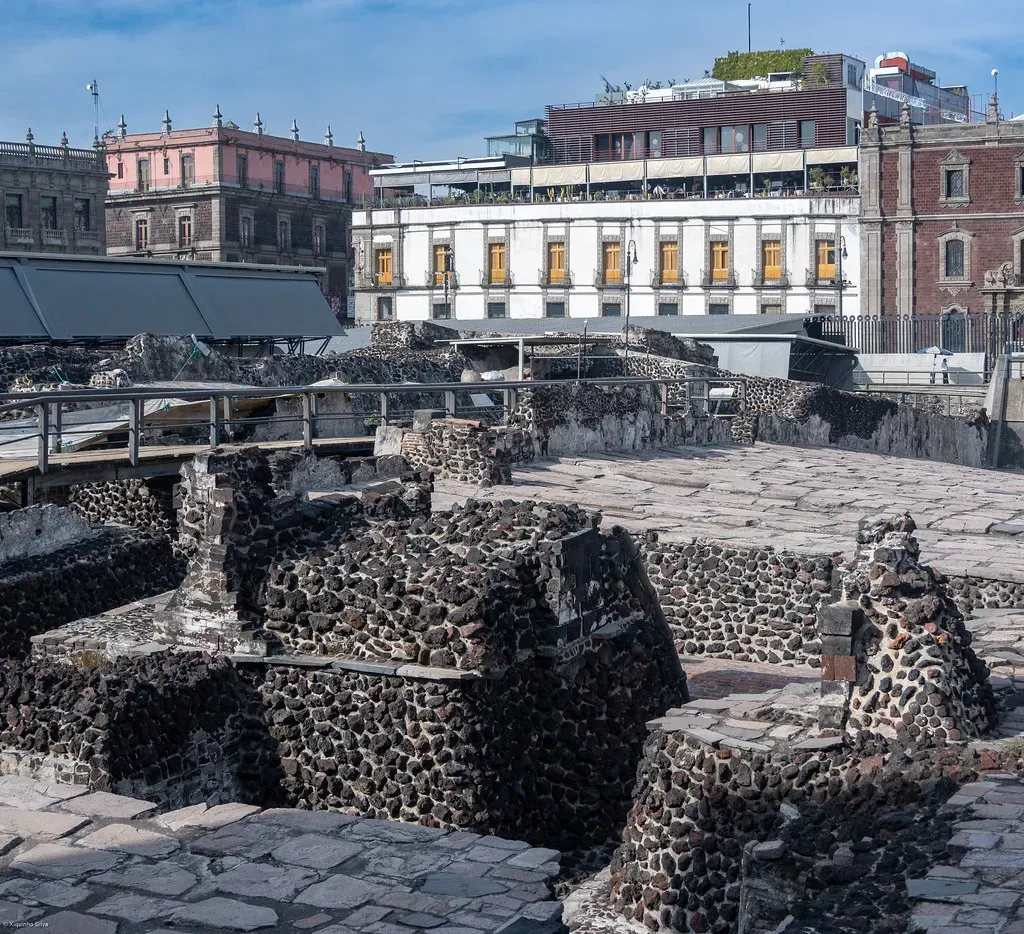
Everyone knows Mexico City’s cathedral was built on top of the Aztec capital. Fewer people realize the ground itself has scrambled the timeline – digging around the Zócalo has exposed younger Spanish structures buried beneath visible Aztec platforms, courtesy of centuries of subsidence and rebuilding.
The whole historic center is slowly sinking into what used to be a lakebed, and buildings have literally slid downward while older stonework stayed higher and drier. Archaeologists keep finding colonial drains and reworked foundations tucked under pre-Hispanic causeways that should, by every textbook rule, be older by depth. The Spanish cannibalized Aztec stones for their own buildings, then later city works cut beneath even earlier foundations – so the sequence in the ground reads like a shuffled deck of cards.
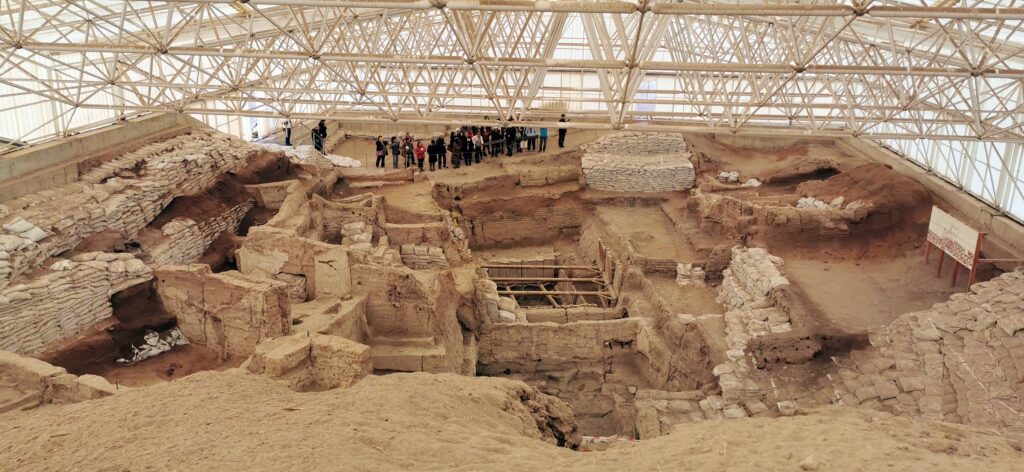
#10 – The Tilted Time Layers of Çatalhöyük, Turkey
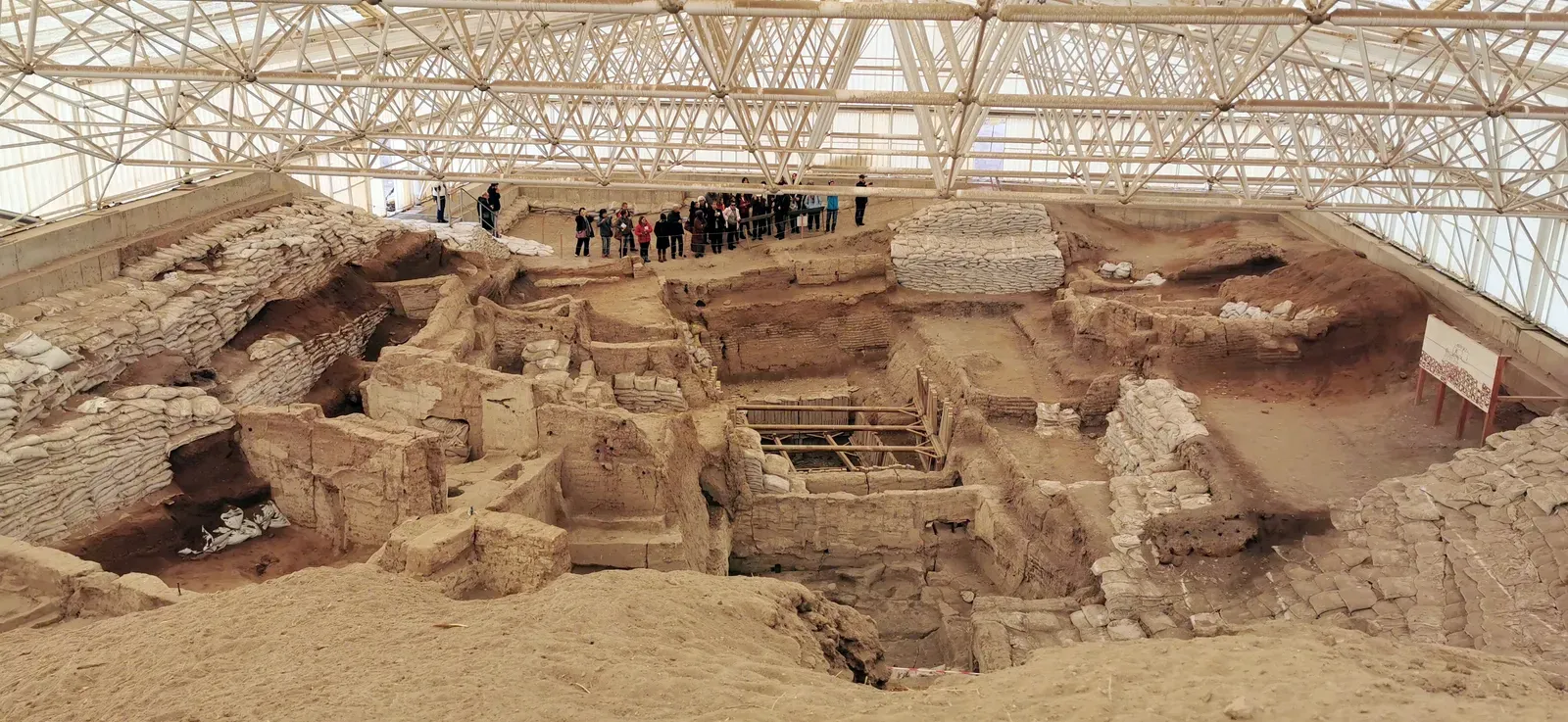
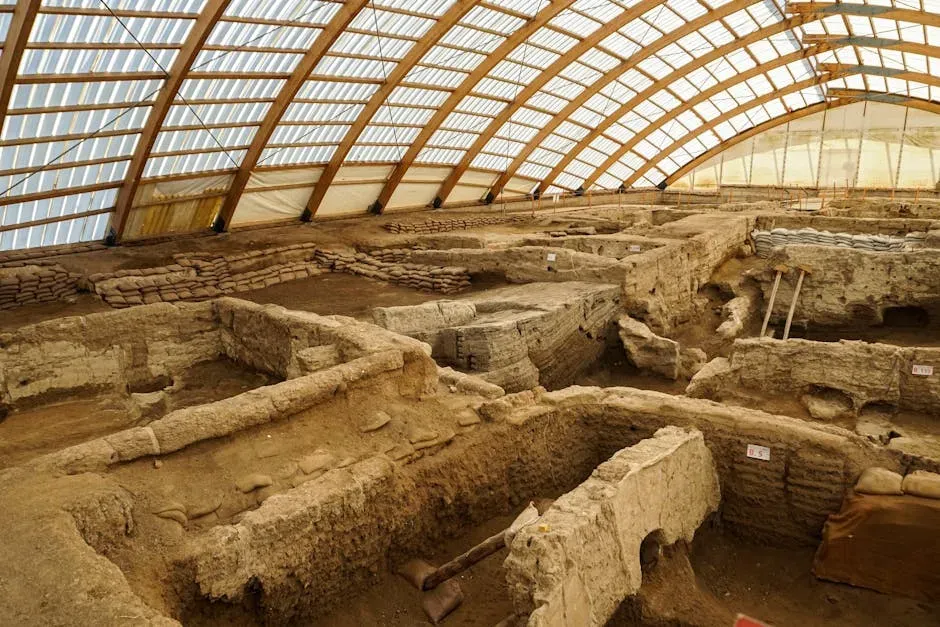
Çatalhöyük gets called a textbook Neolithic mound, until you look closely at how warped that textbook actually is. Over 9,000 years of continuous occupation, people kept razing and rebuilding mudbrick houses on the same spot – but the mound itself also slumped and tilted, twisting the layers so that younger homes can end up physically beneath older walls.
Archaeologists here can’t just dig straight down; they map micro-strata almost like a crime scene, because roofs doubled as streets and houses were built practically on top of each other. When sections of the mound sagged over time, later buildings slid downslope and ended up below earlier construction that never moved an inch. Depth stops meaning time here – a genuinely newer house can be trapped underneath an older, collapsed neighbor.
Fast Facts
- Excavations of the Eastern mound have revealed 18 levels of Neolithic occupation dating from 7,400-6,200 BC – roughly 1,200 years of houses stacked on houses.
- The two large tells of Çatalhöyük rise up to 20 m above the Konya plain on the Southern Anatolian Plateau.
- Ladders extended from the inside of dwelling places to exits through roofs, and movement between houses would have occurred by walking over rooftops – there were no streets at all.
- When a house wore out, old houses were filled in or burnt down, and when this occurred new dwellings were built directly on previously existing ones.
#9 – Alexandria, Egypt: When the Newer City Sank Below the Ancient One
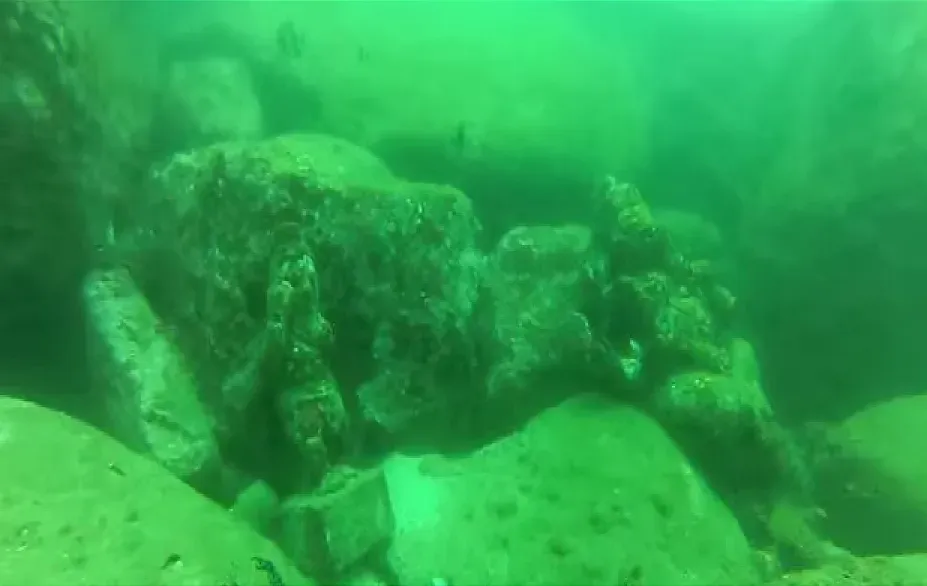
Picture Alexandria as a clean layer cake – Greek, Roman, Islamic, modern, stacked neatly like a lasagna. Reality is messier: the coastline and harbor shifted so violently that younger waterfront structures plunged below older, more stable parts of the city during repeated earthquakes and subsidence.
Underwater archaeology has pulled up Roman and Byzantine piers, columns, and warehouses sitting at depths where you’d expect much earlier material – while older Ptolemaic blocks remain closer to the surface on firmer ground. In places, 4th-7th century CE harbor works are deeper and more buried than Hellenistic features simply because entire sections of the city collapsed seaward. When a city is half on land and half on sinking shoreline, archaeologists have to read tectonics right alongside pottery dates.
#8 – Port Royal, Jamaica: The “New” City Trapped Under the Sea Floor
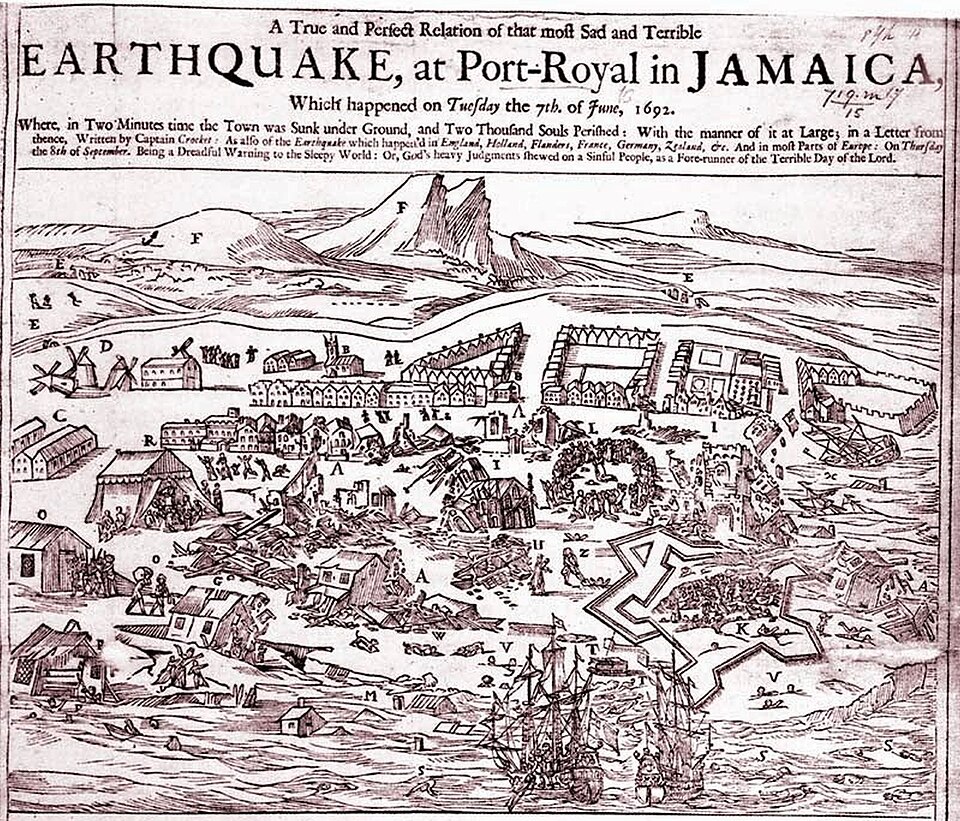
Port Royal was once called “the wickedest city on earth.” In 1692, an earthquake and violent soil liquefaction sent a huge chunk of it sliding straight into the sea. Here’s the twist: those submerged streets and taverns are chronologically younger, yet they now sit under layers of marine sediment that look older to anyone digging on land.
Divers have found 17th-century houses, wine bottles, clay pipes, and even intact doorways preserved beneath the silt that built up after the disaster. On land, older fortifications sit closer to the modern surface, while the city’s final, thriving commercial district is entombed in deeper underwater layers sealed off by everything that settled on top later. Some maritime archaeologists treat Port Royal as required reading before anyone repeats the “depth equals age” rule out loud.
At a Glance
- The quake struck on June 7, 1692, and scientists believe it measured 7.5 on the Richter scale, making it a “major” event.
- Immediately after the main earthquake, two-thirds of the town sank.
- About 2,000 people died as a result of the earthquake and the following tsunami, and another 3,000 people died in the following days due to injuries and disease.
- Before the disaster, the town consisted of 6,500 inhabitants living in about 2,000 buildings, many constructed of brick and with more than one storey.
#7 – Classical Corinth’s Earthquake-Jumbled Strata, Greece
Tourists see neat marble ruins at Corinth and assume a clean, orderly timeline. Archaeologists know better – this is earthquake country, and multiple seismic events dropped later constructions into fissures and depressions below older, more stable platforms.
In several excavation areas, collapsed 1st-3rd century CE buildings fell into much earlier cuttings and were rapidly buried:
- Younger artifacts end up deep inside earthquake pits.
- Earlier features sometimes remain higher and untouched.
You’ll find Late Roman shops, coins, and street surfaces oddly buried under older terrace walls that never budged. Repeated re-leveling and drainage work only made it worse – newer pavements got laid in cuts that slice beneath archaic layers, so their true age is younger even though their physical position is lower. It’s exactly the kind of site that tricks an inexperienced excavator into mis-dating an entire layer by trusting depth alone.
#6 – The Sliding Hillfort of Maiden Castle, England
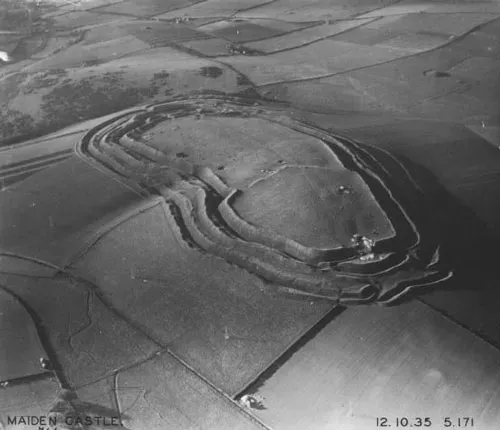
People picture British hillforts as static rings of earth that never changed. In reality, sites like Maiden Castle have seen so much erosion and slope movement that some younger Roman-period activity now sits buried under Iron Age ramparts that simply held their shape better.
After the hillfort’s main occupation ended, Roman farms and small buildings popped up on its slopes. Over centuries, soil creep and ploughing dragged these later deposits downhill, letting the earlier, more compacted earthworks stay relatively higher and intact. Archaeologists have pulled Roman-era coins, pottery, and post-holes out of colluvial fills sitting below the massive pre-Roman ditches and banks above them – a quiet, almost accidental reversal of the expected order.
#5 – Pompeii’s Post-Eruption Squatters Buried Beneath the “Frozen” City
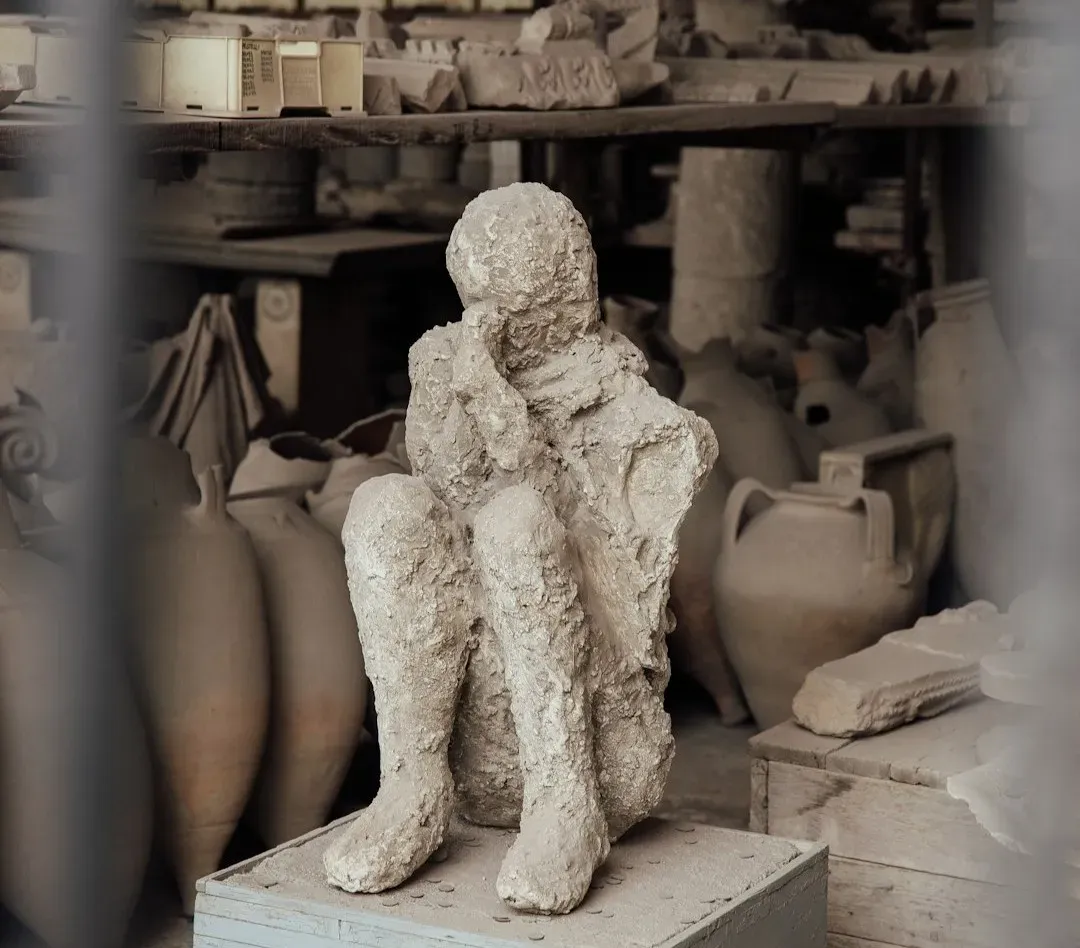
Everyone repeats that Pompeii is a moment frozen in 79 CE. That’s a nice line for a documentary, but it’s oversimplified to the point of being wrong. After the eruption, people came back. They tunneled, they looted, and in some zones they reoccupied spaces beneath the volcanic deposits, leaving newer traces literally under the iconic destruction layer.
Archaeologists have found post-eruption burials, makeshift shelters, and mining tunnels where survivors and scavengers dug down through the ash to salvage valuables. Some of these later intrusions cut under collapsed Roman walls and floors, meaning younger human activity now sits deeper than the original city fabric around it. A looting tunnel dug decades after the eruption can physically sit lower than the very structure it was raiding – which quietly demolishes the tidy “end date” story most schoolbooks love.
Worth Knowing
- Pompeii was destroyed because of the eruption of Mount Vesuvius on August 24, 79 CE.
- When the ash finally settled, Pompeii was a gently undulating plain of grey volcanic debris, 4-6 meters deep.
- Before the eruption, the city of 11,000 had been erased from the landscape.
- In the following days and weeks, survivors returned to the Pompeii area, some digging tunnels into the hardened ash to recover valuables from buildings whose locations they remembered.
#4 – The Buried Canals Beneath Bangkok, Thailand
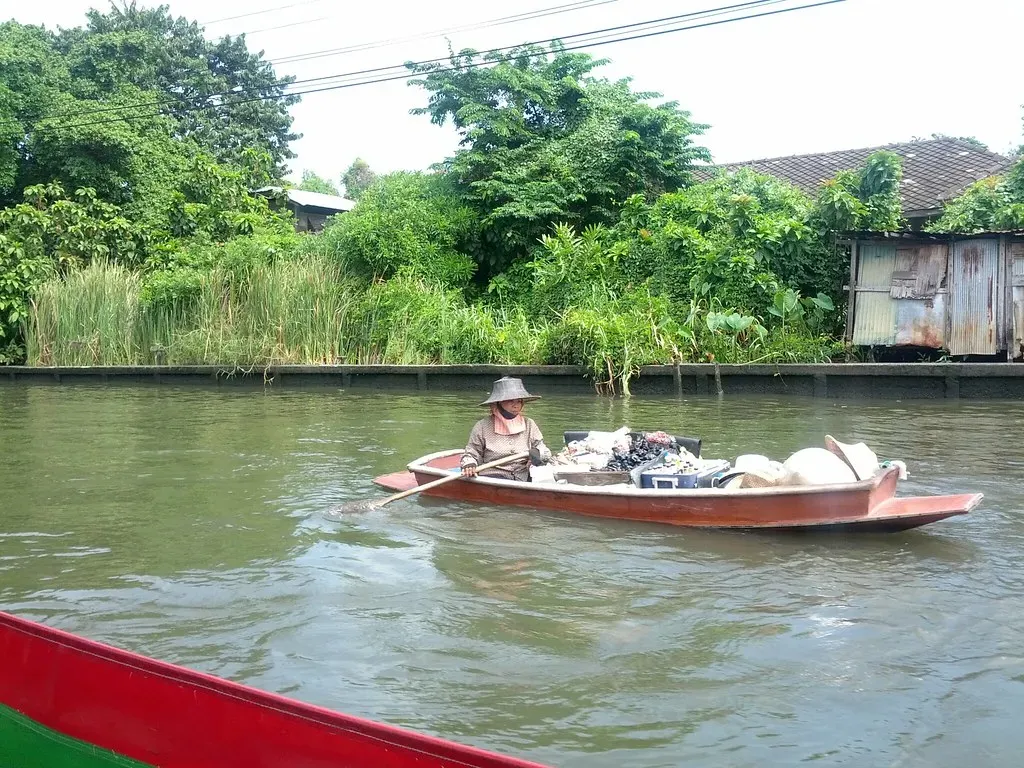
Bangkok’s reputation is skyscrapers and gridlocked traffic, but its real story is water. The city was once a dense web of canals and stilt houses. As the metropolis modernized, many of those waterways were backfilled or built directly over, turning relatively recent canal-side neighborhoods into deeper, hidden layers beneath newer road grids.
In some urban excavations, late 19th and early 20th century canal infrastructure – wooden piles, boat landings, embankments – now sits under 21st-century pavement, while older, undisturbed earth surfaces stay closer to present grade nearby. Instead of building up, Bangkok often dug down, backfilled, and paved over, effectively burying its own younger hydrological history below older floodplain soil that was never touched. Add in subsidence from groundwater extraction, and you get city profiles where the “modern” phase is physically deeper than the countryside that came before it.
#3 – Angkor, Cambodia: Newer Waterworks Buried Under Ancient Temples
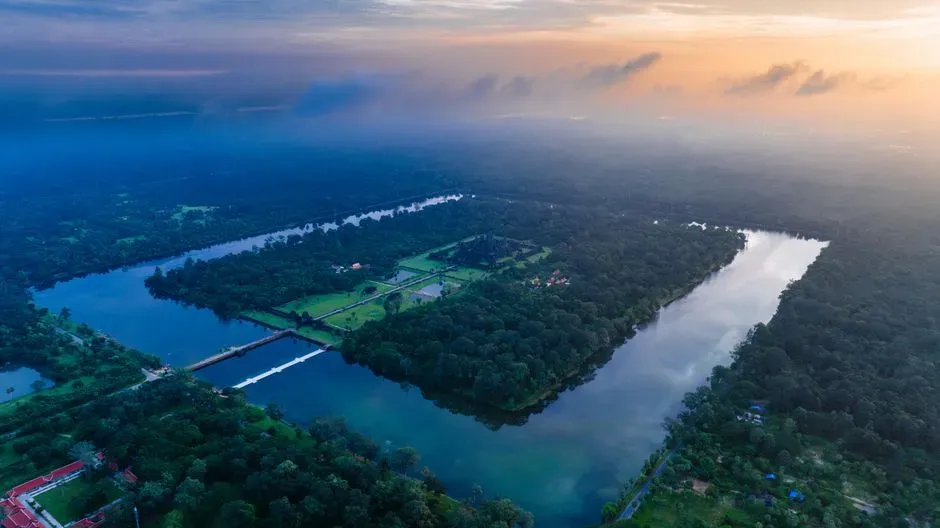
Most tourists think Angkor is simple – old temples in the jungle, layer after older layer, end of story. LiDAR scans and careful excavation blew that story apart. The Khmer empire constantly re-engineered its water system, and later canals, dikes, and reservoirs often cut below and beneath earlier sacred layouts, leaving younger hydraulic features sitting deeper than older religious structures.
Archaeologists have documented phases where enormous new reservoirs, called barays, and fresh channels were dug straight through existing temple landscapes. When those works eventually silted up, older shrines could remain visible higher in the ground, while the more sophisticated engineering that came after them stayed buried underneath as deep alluvial fill. In some soil cores, 12th-13th century sediment tied to reworked water management sits under shallower layers linked to earlier land clearance – meaning as the empire got more advanced, its smartest infrastructure literally buried itself beneath the past.
#2 – Istanbul’s Metro Digs: Newer Cities Hidden Beneath Old Walls
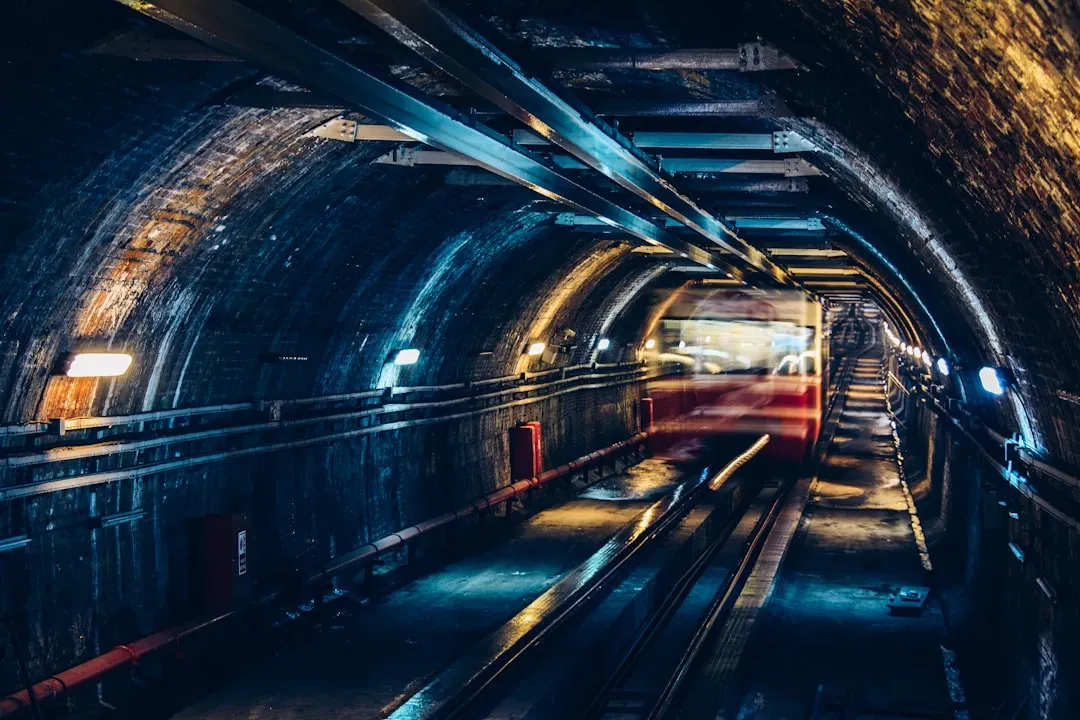
When Istanbul pushed new metro lines through the old city, archaeologists got their dream project and their nightmare all at once. The city is a labyrinth of reuse. In several areas, later Byzantine and Ottoman structures were inserted into deep cuts below older Roman or even earlier remains, completely scrambling the vertical order.
Builders across the Middle Ages and beyond were not sentimental about what came before them. They dug foundation trenches, cisterns, and cellars straight through existing fabric, then built new rooms down inside those voids. Modern metro excavations have turned up:
- A younger Ottoman cellar sitting deeper than an adjacent Roman floor.
- Late burials cut directly beneath much older but still-intact masonry.
Shoreline shifts around the Golden Horn made it stranger still – some “newer” harbors and warehouses sank or were landfilled, ending up buried under earlier, more inland urban zones. Chronology in Istanbul stopped being vertical and became three-dimensional, and the metro tunnels proved exactly how aggressively cities overwrite their own pasts.
#1 – The Palimpsest of Rome: When Modernity Burrows Under Antiquity
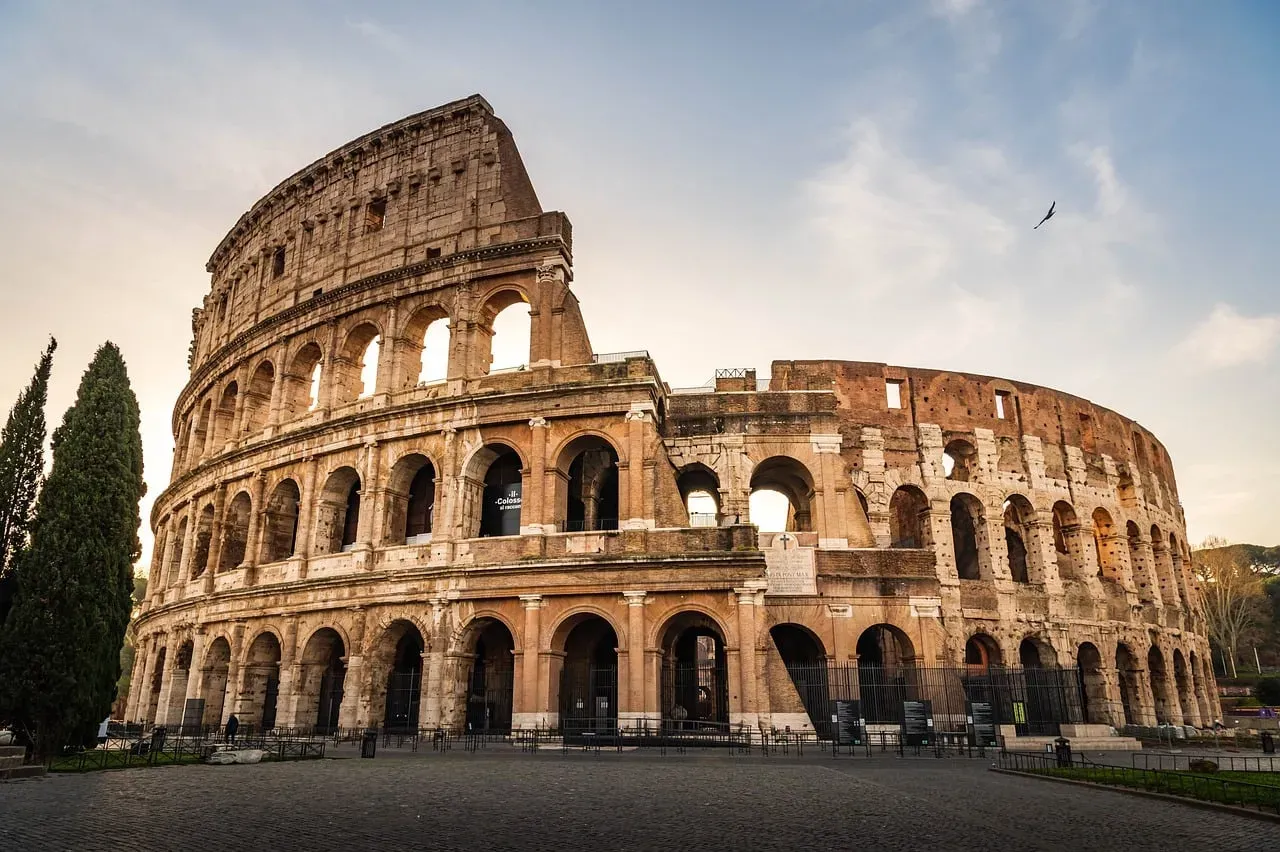
If one city proves that “deeper equals older” is a comforting myth, it’s Rome. The cliché is that modern Rome simply sits on top of ancient Rome. The reality is far more twisted: newer infrastructure and post-ancient occupation often lie beneath, inside, or threaded straight through classical remains, creating a genuine archaeological knot.
Medieval and Renaissance builders reused Roman walls as ready-made foundations, then dug cellars and crypts literally under imperial floors and streets. Modern utilities – sewers, subway lines, service tunnels – burrow below all of it, so 19th and 20th century engineering can end up as the deepest “layer” in some sections of the city. Excavations routinely uncover a Baroque drainage tunnel cut underneath an intact Roman mosaic, or a modern service conduit sitting lower than a Republican-era wall, while other Roman structures that were simply never built over remain close to today’s surface.
Why It Stands Out
- Rome’s most famous sewer, the Cloaca Maxima, may have initially been constructed around 600 BC under the orders of the king of Rome, Tarquinius Priscus.
- Remarkably, it is often stated that the Cloaca Maxima is still in use; this is not untrue, but the whole truth is that only a trickle of water flows through the age-old sewer.
- Digging near the Forum, one excavator was working at a depth of more than 6 meters, well below the modern water table, and excavated at least 9 cubic meters of deposit through the lowest strata.
- Even the ancients weren’t immune to decay: although it remained in continuous use, the underground structure suffered damage and neglect under the Byzantines, along with other parts of the ancient city.
“The past is never dead. It’s not even past.”
William Faulkner
Time in Rome isn’t stacked, it’s folded – younger layers wrapped around and underneath older ones in whatever order human need demanded. That’s exactly why serious archaeologists tell their students the same blunt lesson before any dig: depth is data, not destiny.
The Bottom Line
Across all eleven of these sites, the most unsettling pattern is that there is no clean pattern. Earthquakes throw a Late Roman street under earlier walls. Subsidence drops colonial plazas below indigenous platforms. Engineers bury 19th-century canals deeper than soil nobody had touched in centuries. The “deeper equals older” rule is closer to superstition than science once you zoom into real, lived-in cities.
That’s an uncomfortable truth for anyone who wants archaeology to behave like a filing cabinet, but it’s the honest one. Real archaeologists don’t trust raw depth – they trust pottery style, radiocarbon dates, building technique, and context, because civilizations don’t rise and fall in neat layers. They slide, sink, tunnel, and rebuild in place, again and again, until the ground itself forgets which century came first. If you ask me, that’s not a flaw in the science – it’s the most honest thing archaeology has ever admitted about how humans actually live.