
Most people picture a “lost empire” as something buried under jungle vines or desert sand, just waiting for a lucky archaeologist with a shovel. That image is comforting. It’s also wrong more often than you’d think.
Some of history’s most consequential powers only exist today because someone else wrote about them. No inscriptions of their own. No royal archives. Sometimes not even a ruin anyone can confidently point to and say “here, this was theirs.” These are the shadow empires – real enough to terrify pharaohs and topple dynasties, yet ghostly enough to make historians argue for decades. Here are 11 of them, and what the evidence, read carefully, actually tells us.
#11 – The Sea Peoples’ Coalition That Wrecked the Bronze Age and Vanished
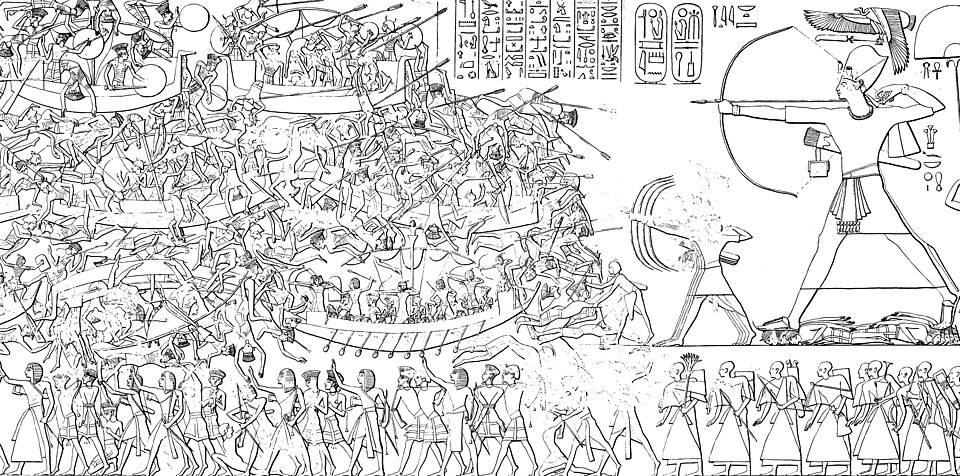
Egypt, Ugarit, and the Hittites all wrote about the same nightmare: waves of maritime raiders sweeping in by land and sea, dragging ox-carts loaded with entire families behind their warriors. Pharaoh Ramesses III carved their defeat into his temple walls in triumphant detail. But flip the question around and ask where these people actually came from, and the trail goes cold instantly.
No city has ever been confidently labeled a Sea Peoples capital. No stela, no palace, no royal archive. Modern scholars now think “Sea Peoples” was never one nation at all, but a shifting cluster of displaced groups and desperate war bands riding the chaos of a collapsing world system. They crippled palace states from Anatolia to Canaan and then dissolved back into history without leaving a signature. We can see the crater. We never found the meteor.
#10 – The Nameless Kingdoms Hiding Behind Urartu
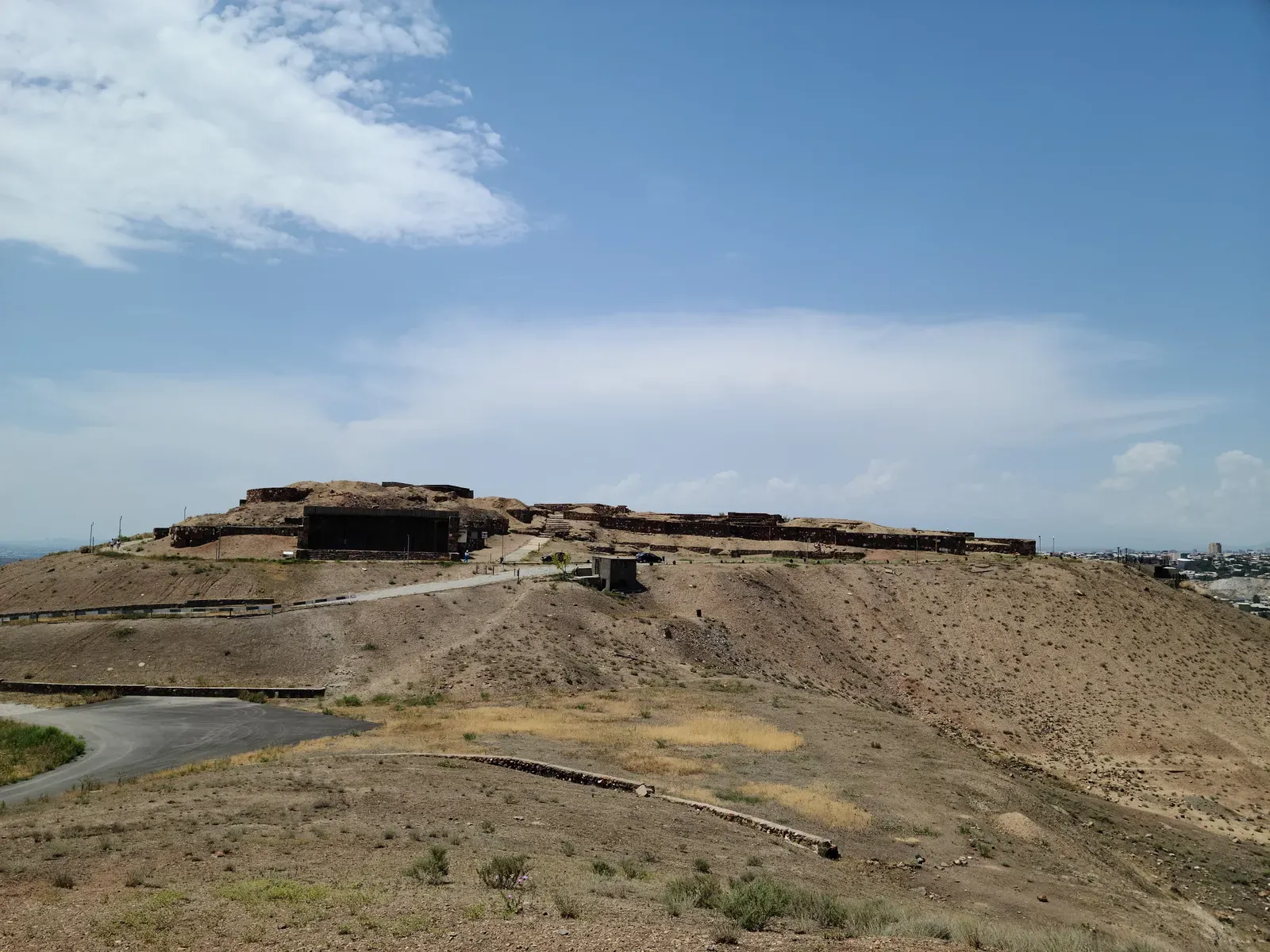
By the 9th century BCE, Urartu was unmistakably real – fortresses, inscriptions, a bureaucracy carved straight into the Armenian highlands. But Assyrian scribes, writing generations earlier, describe something else: a string of earlier “lands” and “kings” tough enough to make Assyria’s armies sweat. Try to match those names to actual sites today, and archaeologists start shrugging.
Quick Compare
- Urartu (9th-6th century BCE): Fortresses, royal inscriptions, and a documented capital at Tushpa.
- Earlier highland kingdoms: Known only through Assyrian annals, with no confirmed capital or self-written record.
- Assyria’s version: Repeated mentions of stubborn “kings” and “lands” worth full military campaigns.
Some historians think Urartu was simply the final, most literate chapter of a much older highland tradition that never bothered building in inscription-friendly stone. Others suspect Assyrian scribes inflated these enemies to make their own victories sound grander. Either way, the imbalance is stark: stacks of clay tablets from Nineveh describing these kingdoms, and total silence from the kingdoms themselves.
#9 – Elam, the Empire Mesopotamia Couldn’t Stop Talking About
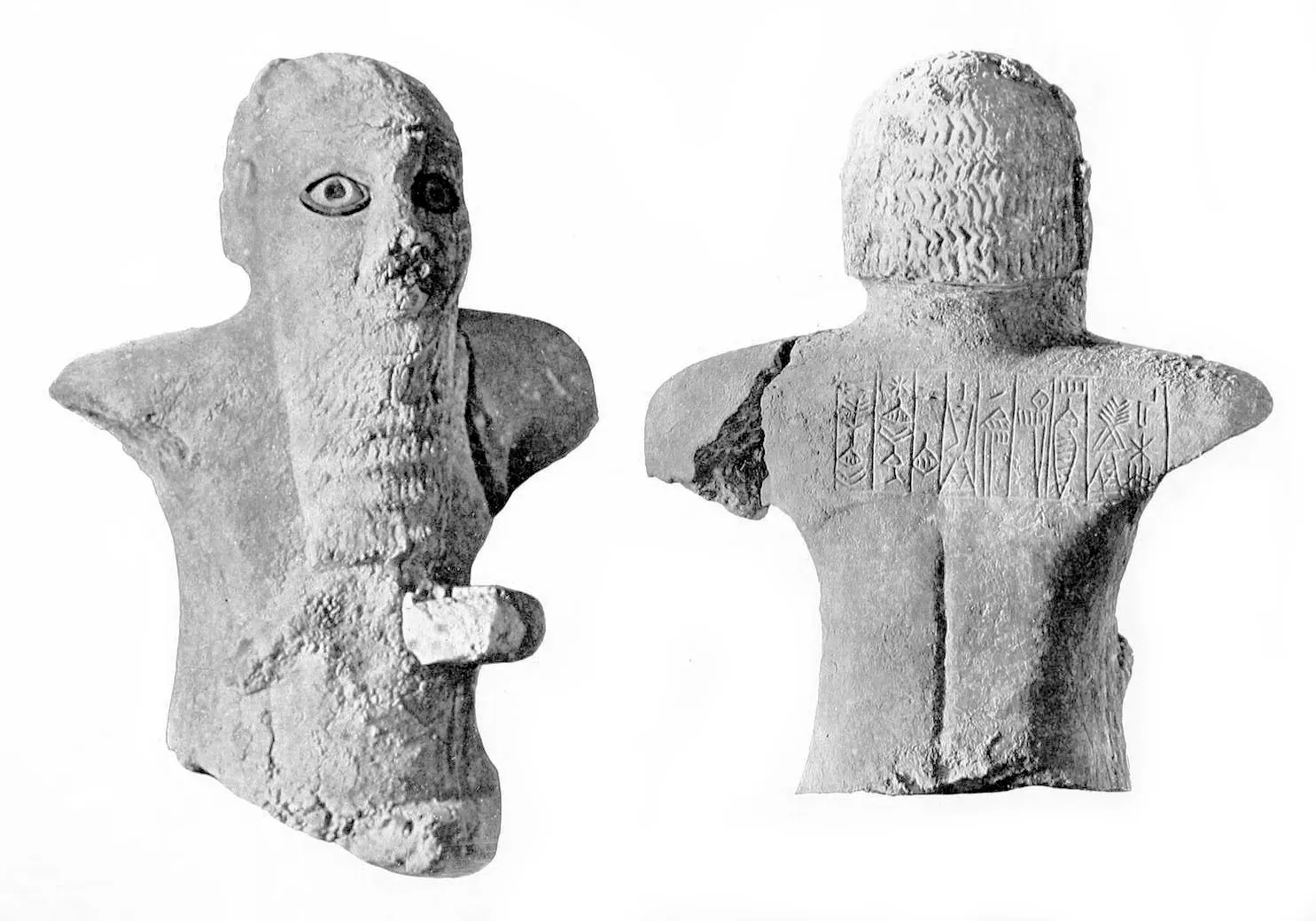
Read enough Babylonian and Assyrian texts and Elam starts to feel less like a neighbor and more like a recurring nightmare. It raided cities, toppled dynasties, and once hauled off the sacred statue of Marduk himself, humiliating Babylon for generations. We know Elamite kings by name almost entirely because their enemies bothered to write those names down.
Yet Elam’s own written record is astonishingly thin for a power that mattered for over a thousand years. Its archives weren’t preserved the way Mesopotamia’s were, its monumental inscriptions are rare, and many of its key cities remain barely excavated. Humidity, later rebuilding, and repeated collapses likely destroyed untold documents. So we mostly meet Elam mid-crisis, through the eyes of people it had just humiliated.
#8 – The Aegean Power Egypt Called “Keftiu”
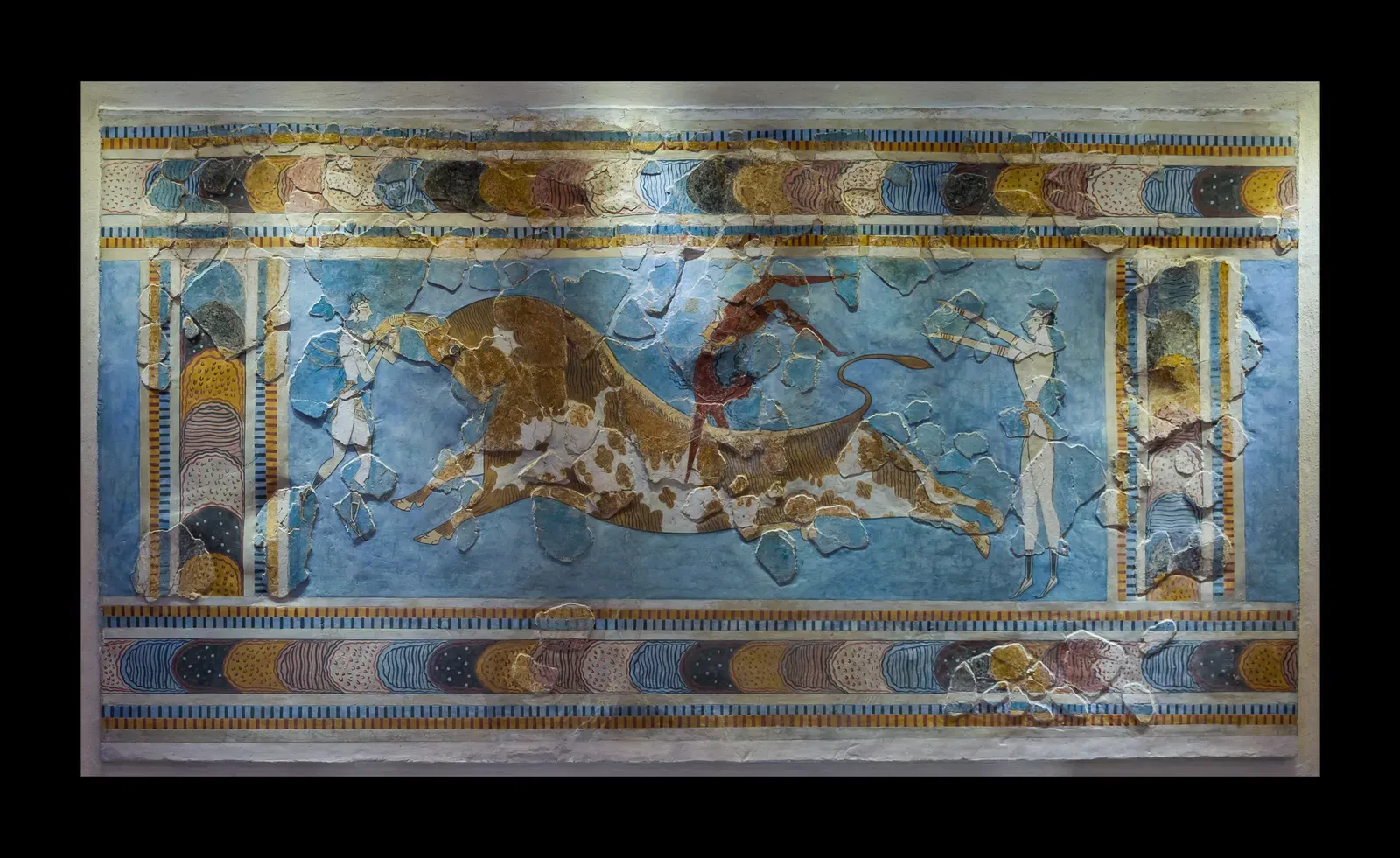
Egyptian tomb paintings show elegant foreigners called Keftiu arriving with exotic gifts, clearly wealthy, clearly seafaring, clearly important enough to paint on a noble’s wall for eternity. Most scholars link them to Crete and the wider Minoan world. It sounds like clear evidence of a great maritime empire.
Here’s the catch: the Minoans left almost no long historical texts of their own. Linear A remains undeciphered, and what survives is palace art and pottery, not the kind of “we conquered this, we rule that” narrative Egyptians and Mesopotamians loved to carve. The dominant Aegean thalassocracy we imagine may really have been several smaller, looser powers that Egyptian scribes simply lumped together under one convenient label.
#7 – The Yuezhi, Before They Became an Empire Everyone Remembers
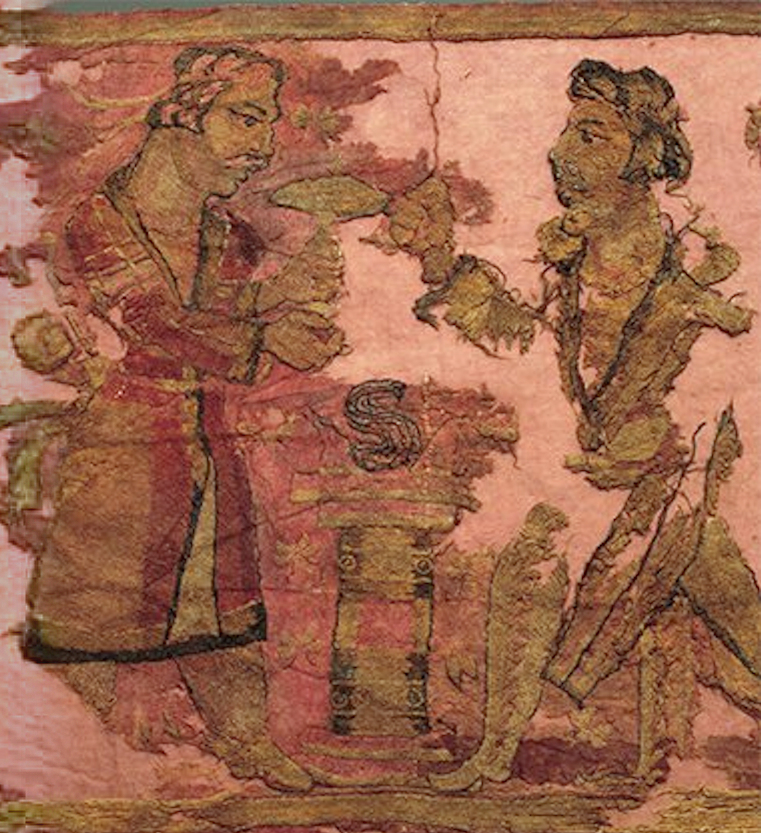
Han-dynasty chroniclers describe the Yuezhi as a formidable Central Asian people, powerful enough to matter on the steppe until the Xiongnu drove them west. That migration eventually produced the Kushan Empire, which left behind coins, inscriptions, and Buddhist art scattered across Afghanistan and northern India. As Kushans, they’re loud and visible in the historical record.
At a Glance
- Driven westward by the Xiongnu around the 2nd century BCE
- That migration eventually produced the Kushan Empire
- Kushan-era remains include coins, inscriptions, and Buddhist art across Afghanistan and northern India
- No secure, self-authored inscription survives from the earlier Yuezhi homeland phase
As Yuezhi, in their original homeland, they’re almost silent. No secure, self-authored inscription survives from that early phase, and archaeologists still argue over which burials or ceramics can even be confidently tied to them. Were they a loose steppe confederation or something closer to a settled kingdom? The evidence is thin enough that one good excavation could rewrite the whole story tomorrow.
#6 – Kindah, the Arabian Kingdom Known Mostly Through Poetry
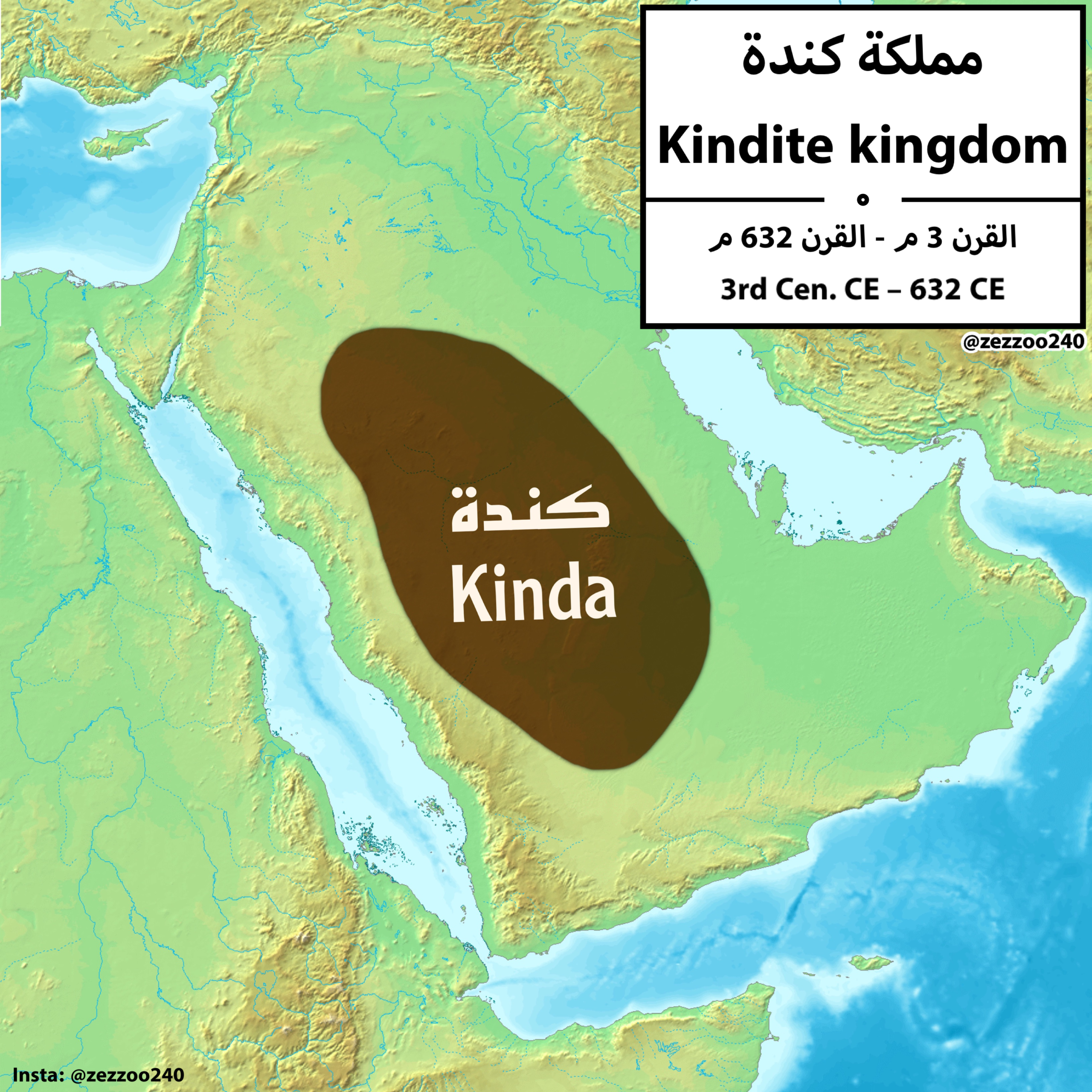
Pre-Islamic Arabian poetry and later Islamic historians describe Kindah as a tribe, or coalition of tribes, powerful enough to rule over other Arabs and even negotiate as something like a client power to Himyar and Lakhm. On paper it reads like a real regional empire: a ruling dynasty, subordinate tribes, foreign diplomacy.
In the desert itself, unambiguous royal inscriptions or a clearly labeled Kindah capital are frustratingly hard to find. A handful of inscriptions might reference them, and some rich tombs and fortified sites line up with their supposed heyday, but most of the story comes from Muslim authors writing centuries later, blending oral memory with political spin. Some historians now suspect Kindah was less a lasting empire than a failed experiment, erased almost as fast as it formed.
#5 – The Hyksos, Told Entirely Through the Mouths of the People Who Beat Them
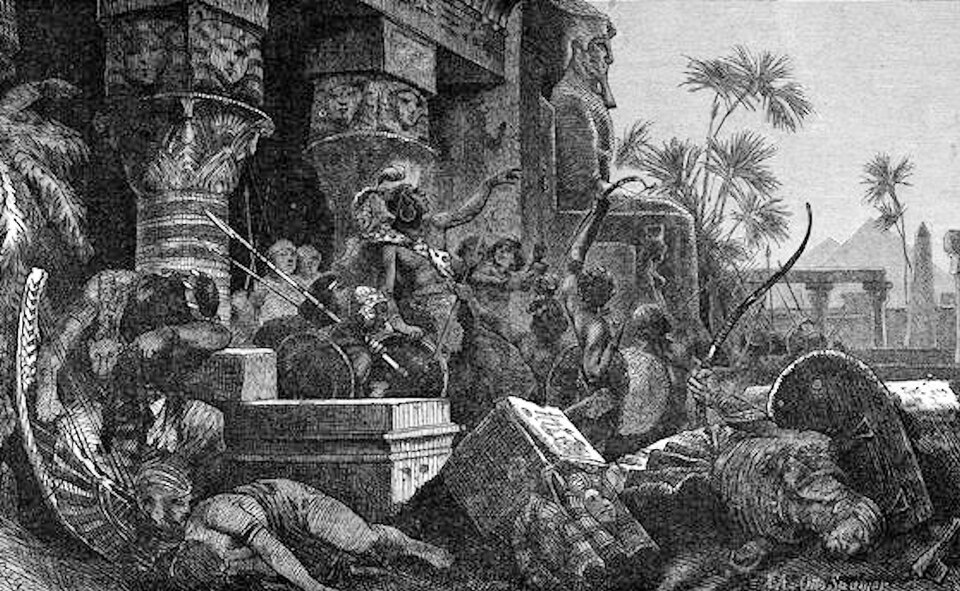
Everyone thinks they know the Hyksos story: foreign invaders seize northern Egypt, rule from Avaris, and get gloriously expelled by native pharaohs. That entire narrative comes from one side only. Even the word “Hyksos” is Egyptian, and our main sources are Egyptian royal inscriptions and the later historian Manetho, framing the expulsion as a heroic national comeback.
Worth Knowing
- The Hyksos ruled from Avaris in the Nile Delta, roughly 1650-1550 BCE
- Even the name “Hyksos” comes from Egyptian, not their own language
- Main sources are Egyptian royal inscriptions and the historian Manetho, writing centuries later
- Archaeology shows fortifications, artifacts, and scarabs, but no self-glorifying royal annals
The Hyksos did leave fortifications, artifacts, and scarabs behind, but no grand self-glorifying annals have ever surfaced. That silence made it easy for Egyptians, and later writers, to flatten a messy situation into a clean myth of invasion and liberation. Some modern historians now argue the Hyksos rise looked less like a sudden conquest and more like generations of immigration colliding with internal Egyptian fragmentation. Without their own version of events, we’re left reconstructing an entire regime from the propaganda of the people who eventually crushed it.
#4 – The Fang-States That Haunted Shang China’s Oracle Bones
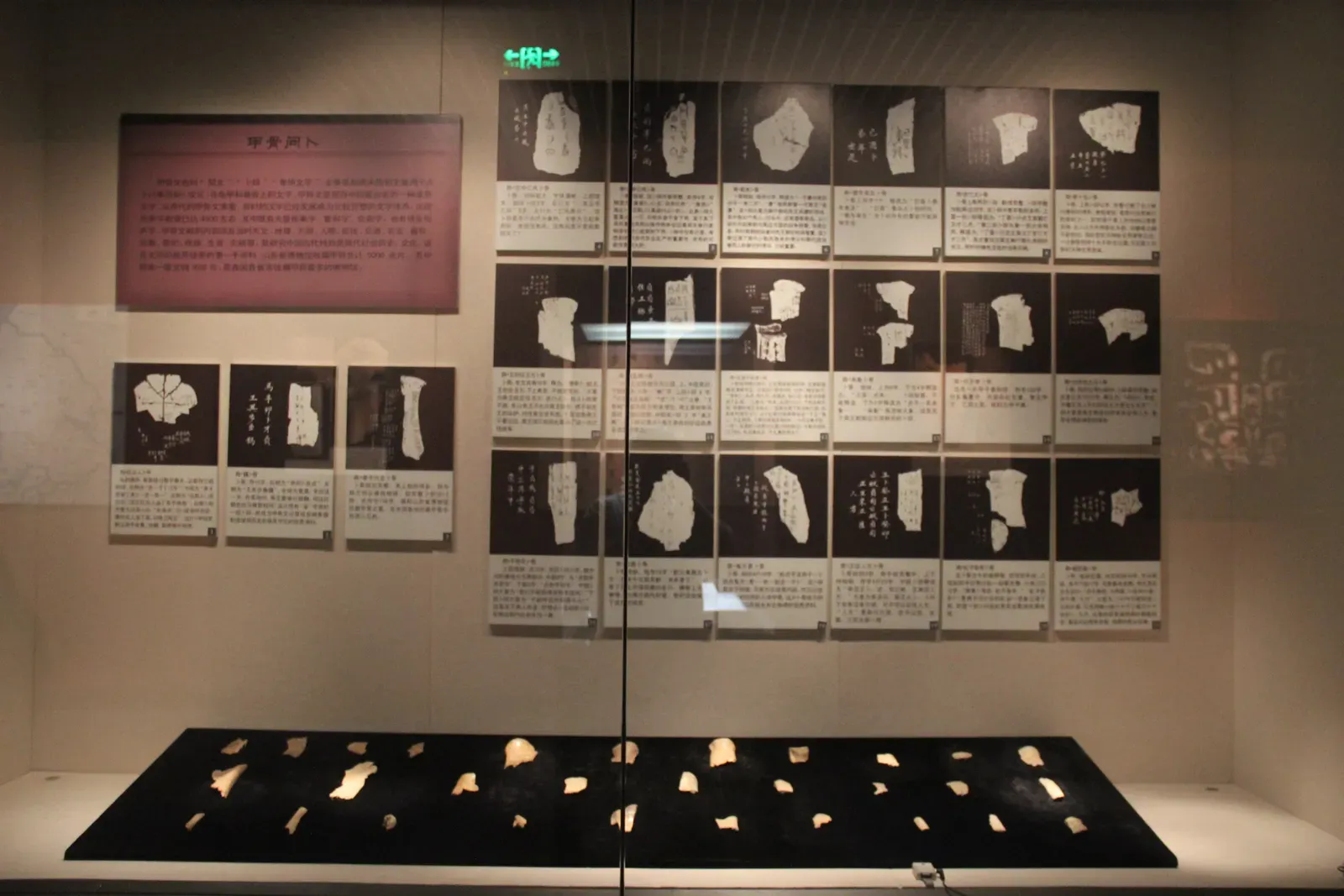
The Shang dynasty gives archaeologists almost everything they could want: oracle bones, bronze inscriptions, royal tombs, a full bureaucratic paper trail carved in bone and metal. Those same oracle bones constantly mention outside threats, groups like the Qiang and Tufang, some clearly strong enough to force repeated Shang military campaigns.
Go looking for these rivals as self-documenting states, though, and the evidence thins out almost immediately. Archaeologists have found genuinely distinct cultures around the Shang heartland, with their own ceramics and burial styles, but matching those cultures to specific named enemies from the oracle bones is still fiercely debated. It’s entirely possible some of these “barbarian” threats were complex chiefdoms whose records simply weren’t durable enough to survive three thousand years.
#3 – The Vassal Kingdoms That Only Exist Inside Hittite Letters
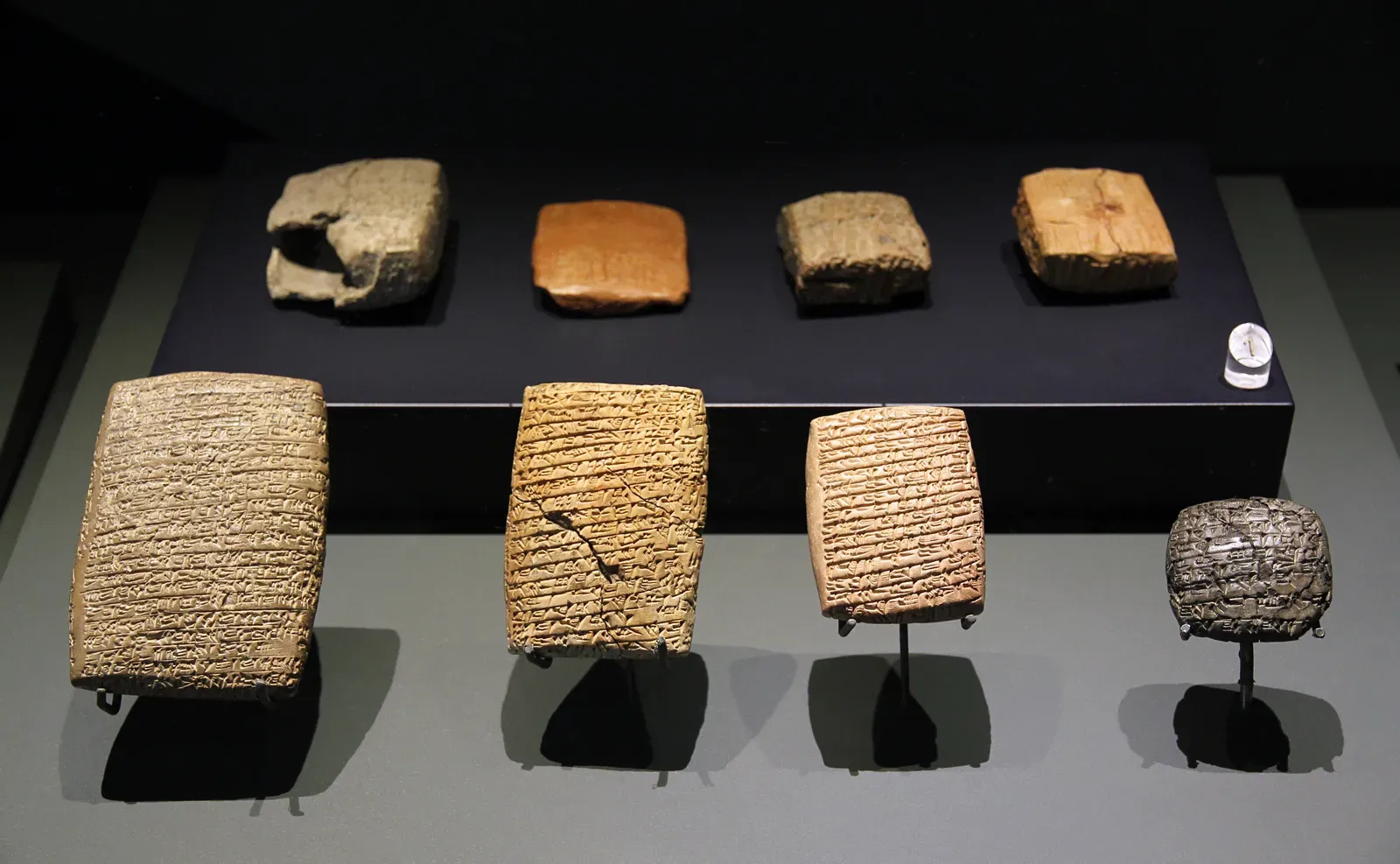
Tablets from the Hittite capital Hattusa describe a crowded political chessboard: Arzawa, Kizzuwatna, Tarhuntassa, and more, each with kings, dynasties, and diplomatic ties stretching to Egypt and Assyria. On paper these sound like small empires in their own right, complete with royal marriages and shifting alliances.
But every detail we have about them comes filtered through Hittite eyes. Royal inscriptions from their own capitals are rare to nonexistent, and climate, resettlement, and plain bad luck likely destroyed whatever clay archives they once kept. Half the political map of Bronze Age Anatolia survives today only as lines in someone else’s treaties and letters, describing states that clearly negotiated, rebelled, and intermarried, yet never got to tell their own story.
#2 – The Andean Powers the Incas Remembered but Couldn’t Fully Explain
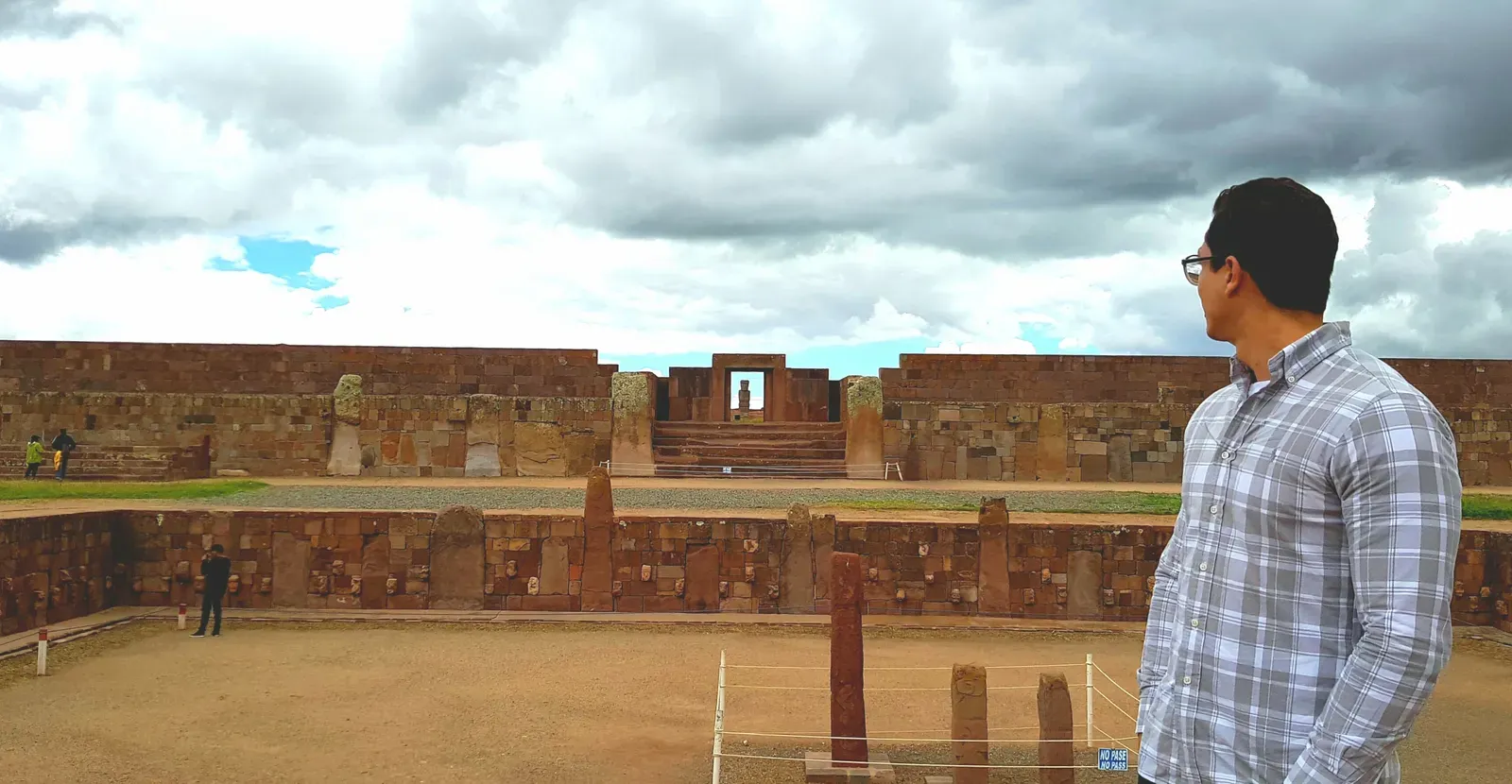
When Spanish chroniclers arrived in the 16th century, the Incas told them about earlier great powers, the Wari, the Tiwanaku realm, and others said to have once dominated huge stretches of the Andes. Archaeology backs up plenty of this; Wari and Tiwanaku were real, extensive, and impressive. But other named empires in the oral tradition are far harder to pin down.
Fast Facts
- Wari and Tiwanaku both flourished before roughly 1000 CE and are archaeologically confirmed
- The Andes relied on quipus, knotted cords read by trained specialists, rather than carved narrative texts
- Spanish chroniclers began recording Inca oral accounts of earlier powers in the 16th century
- Some named “empires before the Inca” remain archaeologically invisible to this day
The Andes were never kind to written records. Most cultures there relied on quipus, knotted cords read by trained specialists, rather than carved narrative texts like the Maya used. That means “empires before the Inca” are often triangulated from three shaky legs at once: early colonial writing, Inca oral memory, and patchy excavation. Some of these powers were probably real but archaeologically invisible; others may simply be tidy labels stitched onto a much messier political patchwork.
#1 – The Ghost Empires Colonial Scholars Invented to Explain Great Zimbabwe
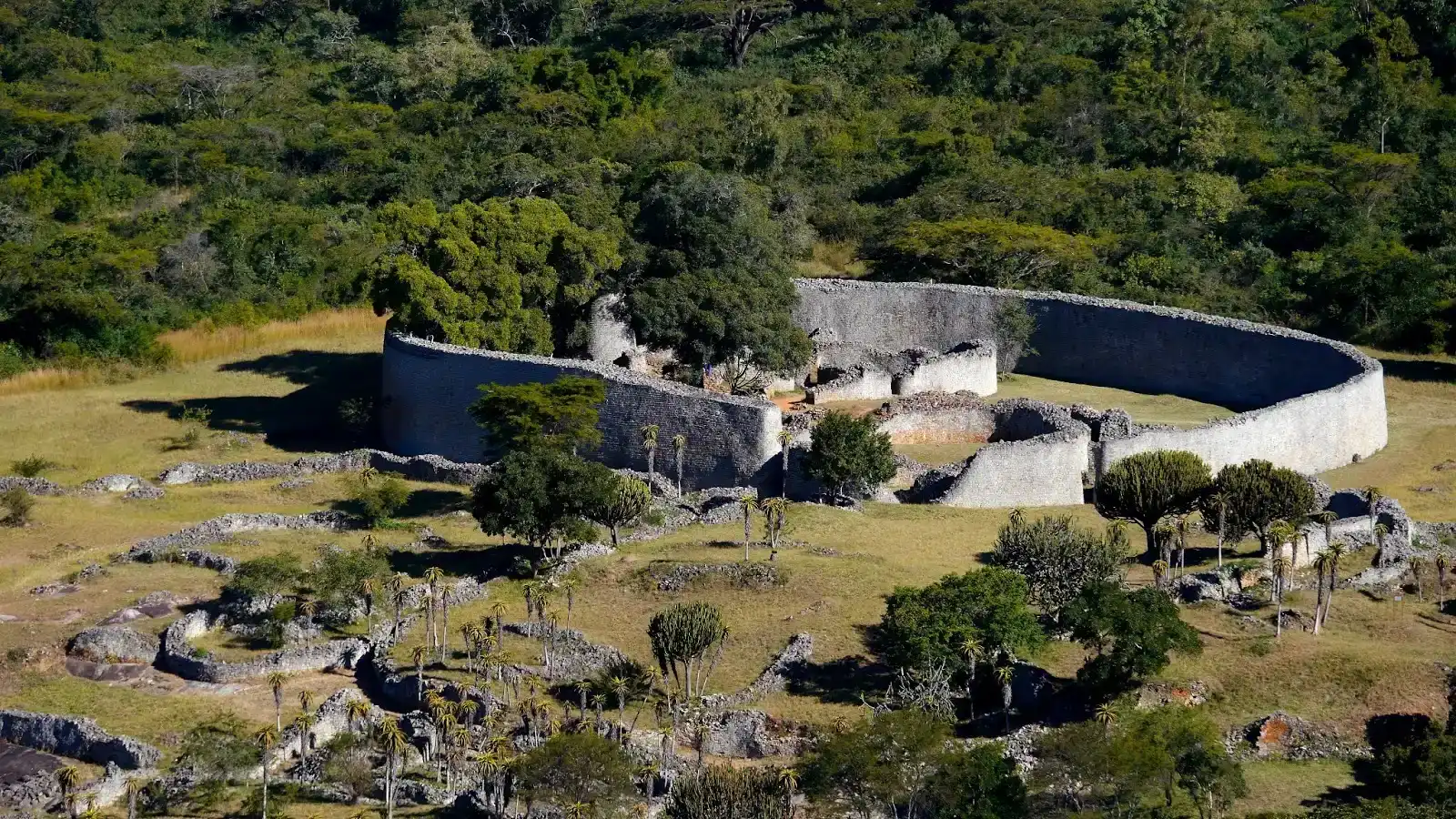
For decades, European colonial scholars refused to accept that Great Zimbabwe, a monumental stone city thriving between the 11th and 15th centuries CE, was built by local African populations. So they invented foreign “civilizing empires,” Phoenicians, Arabs, even lost Israelites, to explain ruins they simply didn’t want to credit to the people actually living there. It’s one of history’s most telling examples of an empire being “recorded” by outsiders who were flatly wrong.
The past is a foreign country: they do things differently there.
L.P. Hartley
Modern scholarship has settled the core question: Great Zimbabwe was built by the ancestors of local Shona-speaking peoples, full stop. But the debate over shadowy “predecessor” polities in local oral tradition is still instructive. Some archaeologists suspect there really were earlier, less centralized stone-building chiefdoms whose sites have since eroded or been misattributed. Others warn that hunting too hard for unnamed proto-empires just repeats the same old colonial habit of over-systematizing African history from flimsy data. Sometimes the most dangerous lost empire is the one we badly want to find.
The Bottom Line
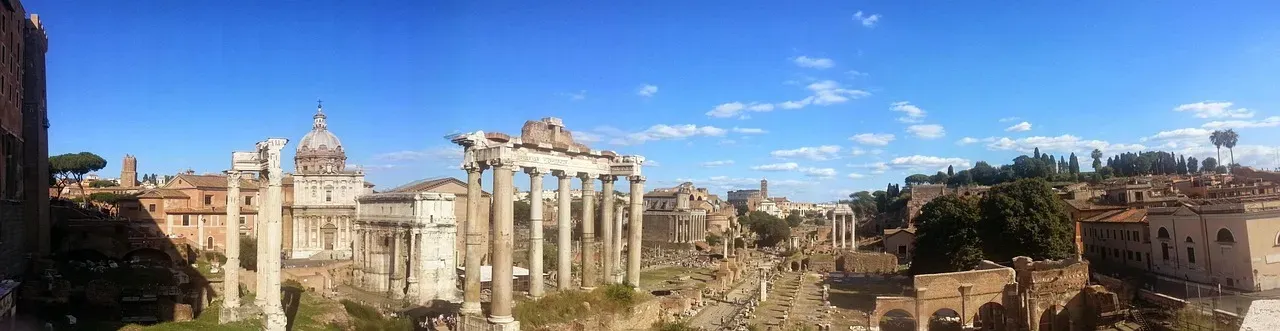
“” sounds like a tidy category. It isn’t. In almost every case above, the real problem is radically uneven survival: clay tablets pile up in one valley while an entire neighboring kingdom leaves nothing but oral memory. Stone fortresses hold up for millennia in one climate, while mud brick and thatch dissolve within a generation somewhere else.
Here’s my honest take: most of these weren’t ever going to be remembered fairly, no matter what they built. History rewards durable materials and self-interested scribes, not importance. That means the empires that shaped the ancient world the most violently are often the ones we understand the least, and the loudest, best-preserved civilizations we study today may simply be the ones that got lucky with their neighbors’ filing habits. Which of these do you think got the rawest deal from history?