
Most people assume ancient Egypt is a solved case: pyramids mapped, gods cataloged, hieroglyphs translated down to the last squiggle. Museums reinforce that illusion with tidy little placards – “ritual vessel,” “ceremonial tool,” “decorative amulet” – as if every object arrived with instructions.
It hasn’t. Tucked into storerooms and behind glass cases sit pieces that have quietly humiliated generations of experts. Some come from royal tombs, others from sacred temples, and a few from digs that rewrote textbooks. They refuse to fit into “tool,” “ritual,” or “art,” and Egyptologists still argue about them in hushed, slightly embarrassed tones. Here are 11 real objects that have never earned a confident label – and the closer you look, the stranger they get.
#11 – The “Nubian Cone” from Qustul
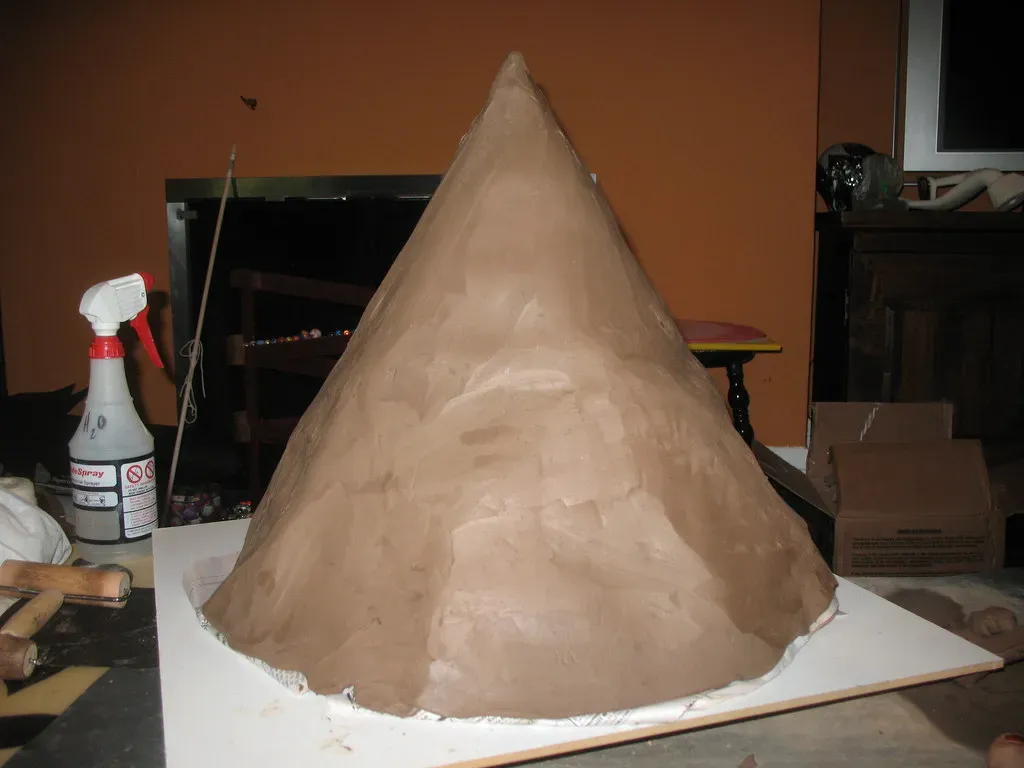
At first glance it’s almost boring: a small clay cone, palm-sized, pulled from a Nubian burial linked to early Egyptian elites. But the longer scholars sit with it, the less sense it makes. It borrows Egyptian motifs while coming from a distinctly non-Egyptian culture, and it doesn’t slot into any known category of grave good from either side of the border.
No one can agree whether it’s a seal, a ritual token, or something else entirely. Some think it was pressed into mud or fabric like an administrative stamp; others insist the burial context makes it more like a portable shrine emblem. There’s no matching set, no inscription, and no wear pattern you’d expect from daily use – just a single object stuck permanently between categories.
#10 – The Multi-Loop “Bird Trap” That Never Caught Anything
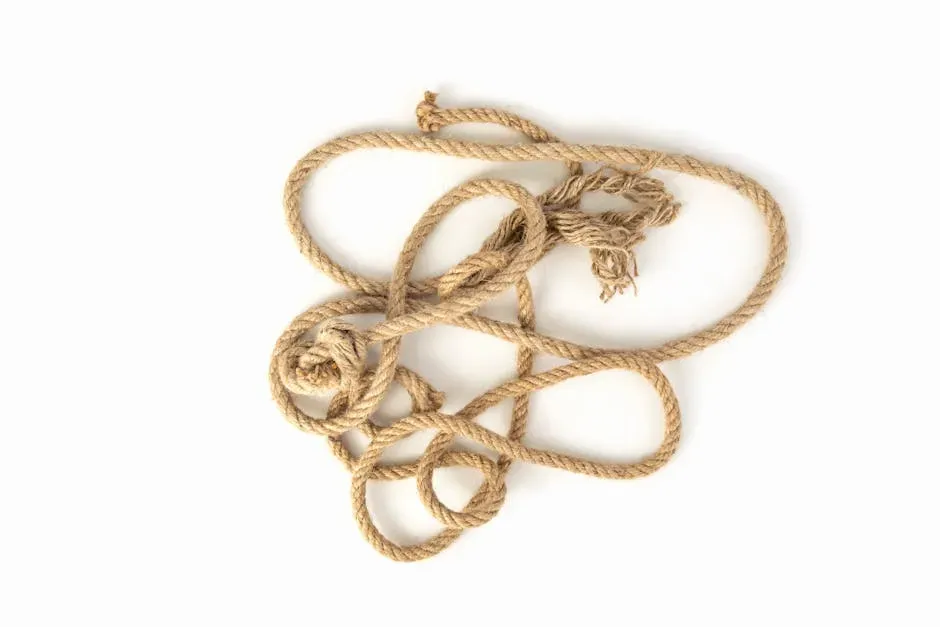
Small wooden frameworks from late New Kingdom sites look like miniature scaffolds wrapped in loops, and for decades lazy catalog entries just called them “bird traps” or “fishing devices.” Then experimental archaeologists actually tried using them as traps. They failed, badly and repeatedly – the mechanics simply don’t work the way a trap should.
So the guesses have gotten more interesting: training tools, ritual props, maybe even children’s toys built to teach knotting and rope handling. Others argue they were symbolic offerings representing control over chaos – birds, fish, the unpredictable Nile – rather than devices meant to actually catch anything. The wood shows almost no practical wear, which quietly kills the “tool” theory, but nobody has landed on a replacement. For now they sit in limbo as “unidentified wooden implements.”
Fast Facts
- Found at late New Kingdom sites, built from wood and knotted rope
- Long mislabeled in catalogs as bird traps or fishing devices
- Experimental archaeology tests show they fail as functional traps
- Wood shows almost no wear consistent with practical use
#9 – The Saqqara Tablet Carved in Hieroglyphs That Don’t Actually Say Anything
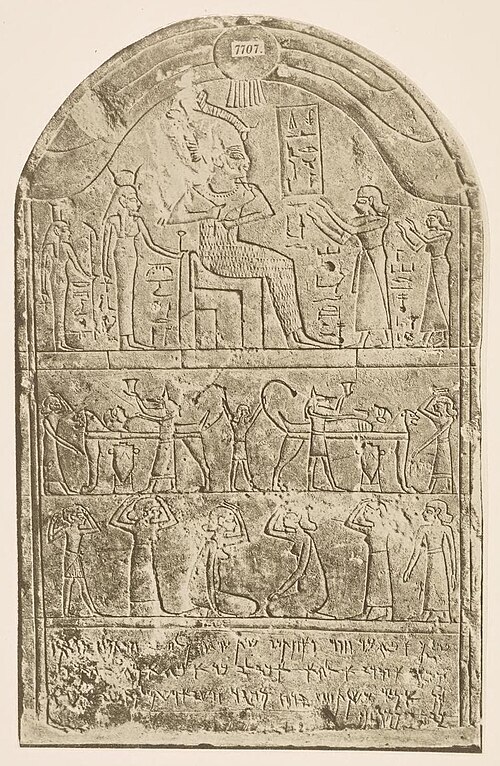
A small limestone tablet from Saqqara looks, at first, like ordinary hieroglyphic text. Then you try to read it. The signs are distorted, oddly repeated, and arranged in patterns that ignore standard grammar entirely – Egyptian enough to recognize, not Egyptian enough to translate.
Some epigraphers think it’s decorative script, the ancient version of carving “fake calligraphy” onto a vase for looks alone. Others suspect a trainee’s practice board, where an apprentice turned real glyphs into copy-paste busywork. A more radical camp floats the idea of a coded or private ritual script used inside a narrow priestly circle. With no parallel examples and no context that clearly says “schoolroom” or “cult,” the tablet just sits there – not quite writing, not quite art, not quite nonsense.
#8 – The Double-Ended Copper Tool With No Known Job
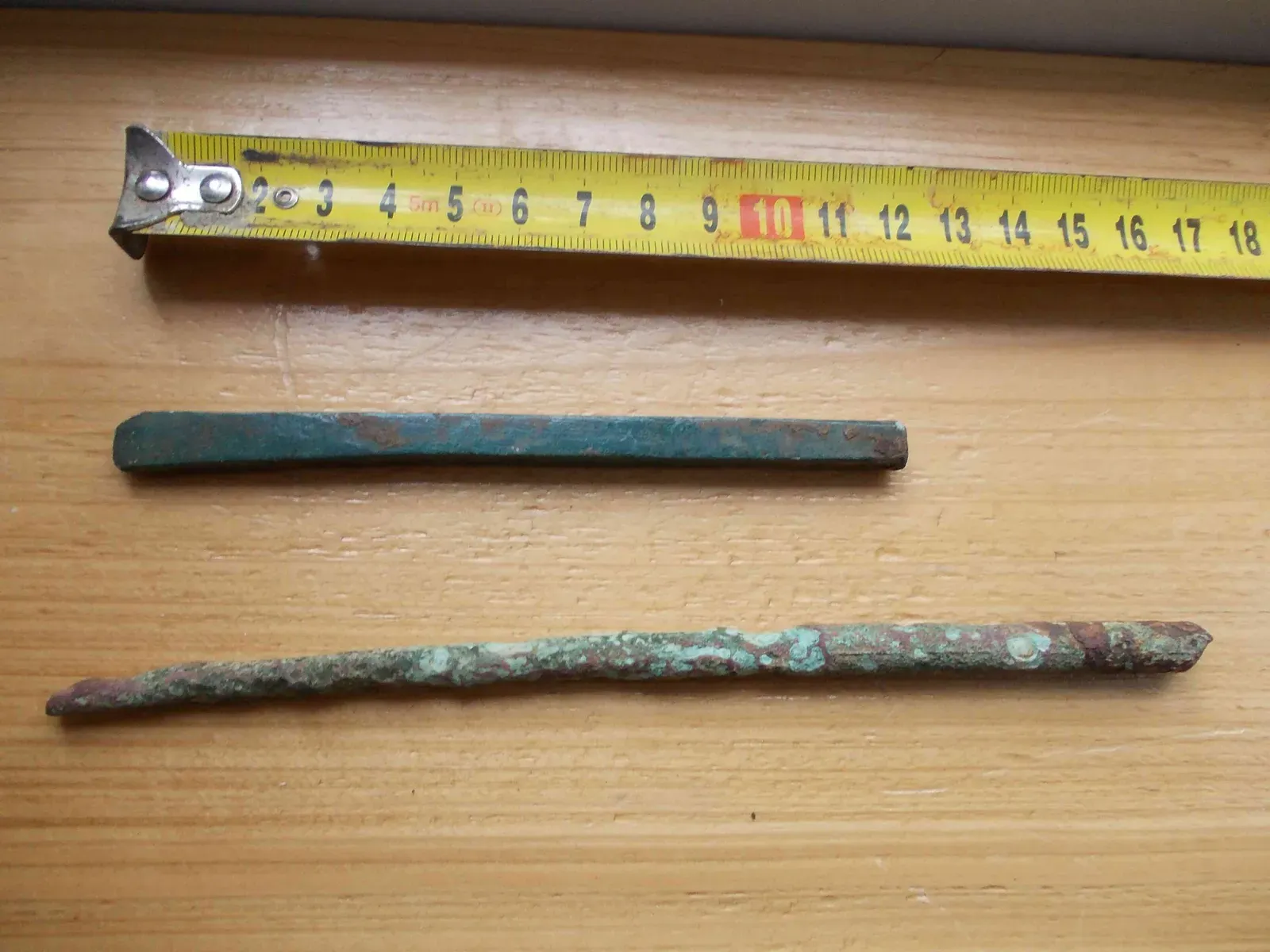
Early dynastic tombs keep producing the same puzzling object: a copper tool flat on one end and oddly flared or forked on the other, with proportions that match no known knife, chisel, or surgical instrument. When metallurgists examined the edges under magnification, they found almost no micro-wear consistent with cutting, carving, or scraping of any kind.
That’s led to some genuinely unpopular theories in the field. A few researchers think these were purely symbolic – tokens of craft rather than working tools. Others suspect multi-purpose temple use: handling offerings, lifting lids, cleaning ritual vessels. More speculative voices mention textile or leather work, but the wear patterns refuse to confirm any of it. Museum labels hedge with “ritual implement (function unknown),” which is academic shorthand for a shrug.
#7 – The Abydos Blocks That Hum When You Sing Into Them
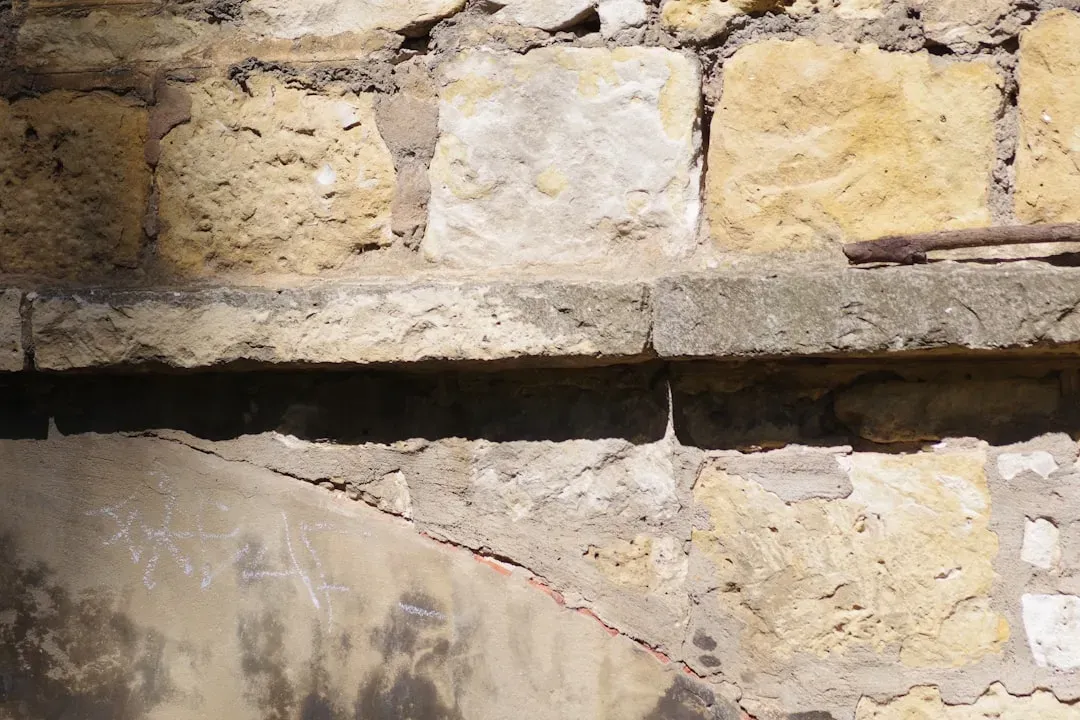
At Abydos, several sandstone blocks were carved with deep, rounded cavities that don’t match any known offering table, basin, or altar design. Curious acoustic engineers built replicas and tested them – and found something genuinely strange. The cavities amplify certain frequencies, producing a low, humming resonance when struck or sung into.
That detail alone has fueled breathless headlines about ancient “sound technology.” Serious scholars are far more careful, but even they admit the shapes are unusually well-tuned for coincidence. The blocks are too heavy and immovable to be simple containers, and their smooth cavities feel architectural rather than decorative – possibly built for chanting or processional sound. But there’s zero textual evidence anywhere describing acoustic devices, which leaves the blocks stranded between elaborate basin and deliberate instrument.
Worth Knowing
- Carved from sandstone with unusually deep, rounded cavities
- Replicas produce a low, humming resonance when struck or sung into
- Too heavy and immovable to have served as portable containers
- No surviving text ever describes a deliberate “sound technology” use
#6 – The Faiyum Painted Head With No Body Attached
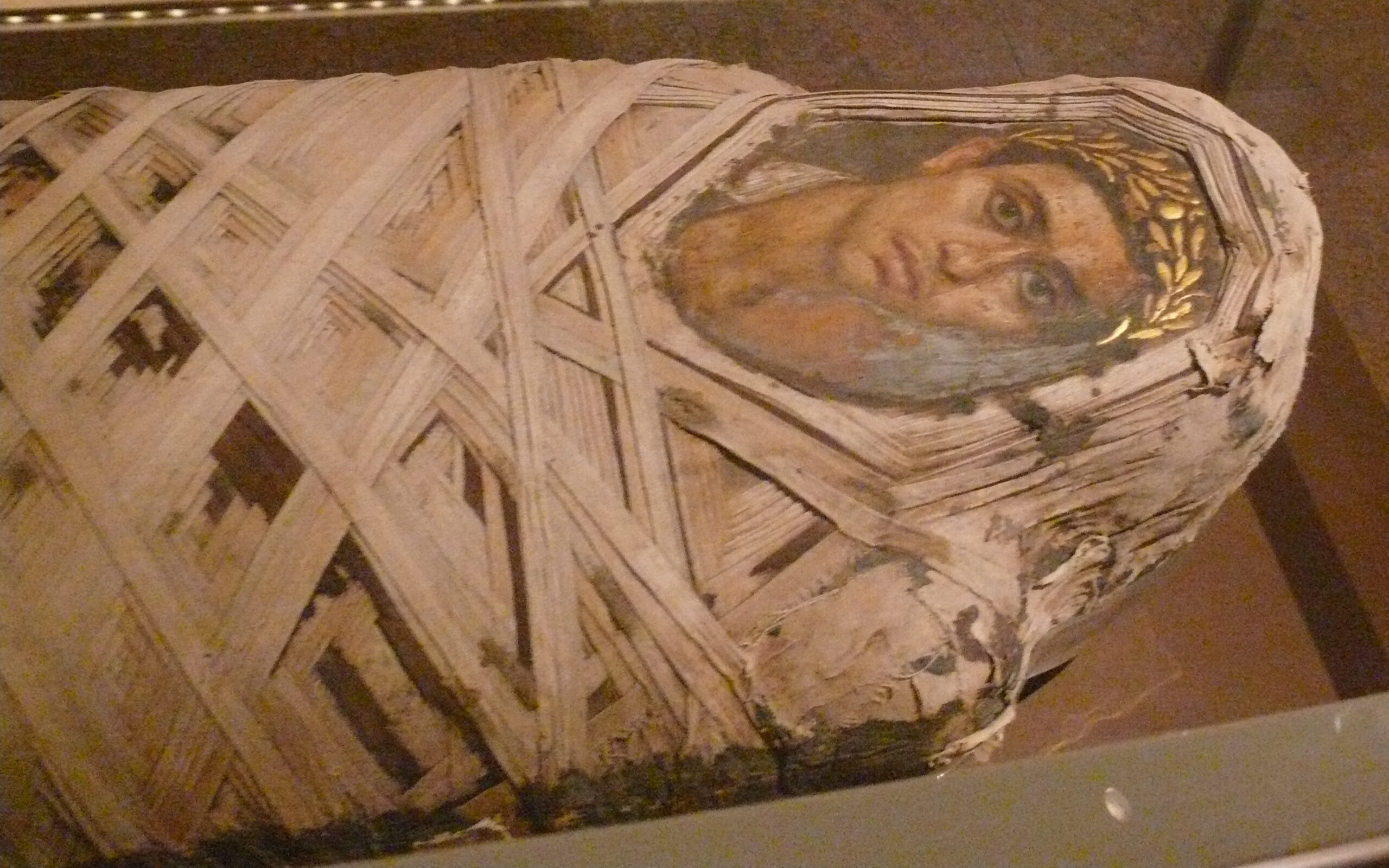
The Faiyum region is famous for its haunting Roman-era mummy portraits, but one find breaks the pattern entirely: a life-sized, remarkably detailed painted head made of plaster and linen, with no mummy, no coffin, and no body ever recovered. It looks less like a funerary mask and more like a studio bust someone set on a shelf.
It doesn’t fit cleanly into Greco-Roman portrait traditions or classic Egyptian coffin art either. Was it a memorial piece kept in a home shrine? An artist’s workshop model? An unused death mask abandoned mid-project? The pigments and materials suggest an elite commission, but its total isolation from any burial context is exactly the kind of gap that breaks archaeological classification – because context is usually how we know what something is for.
#5 – The Star-Chart Ceiling That Matches No Sky, Ever
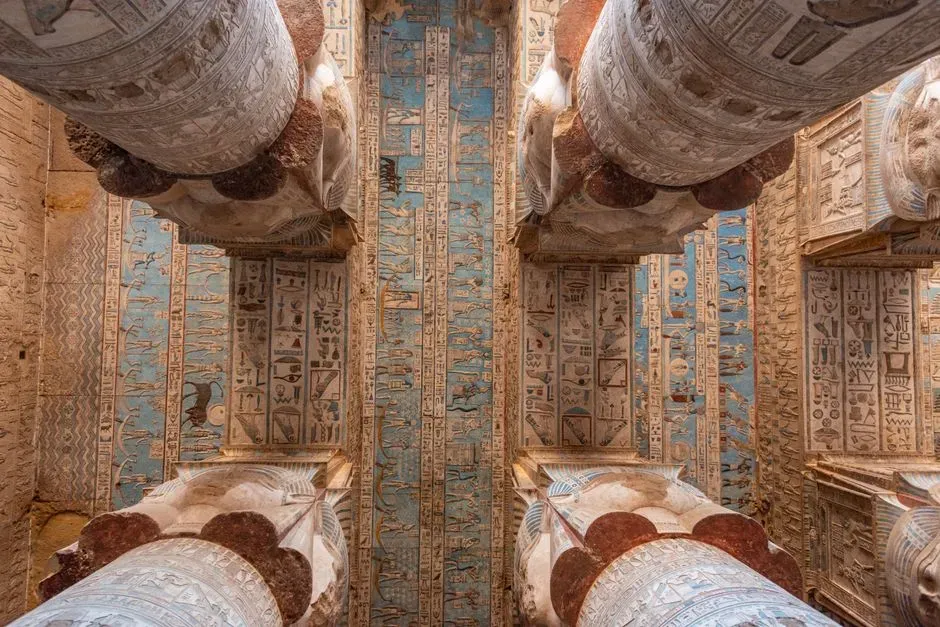
A fragmentary temple ceiling covered in star-like points, curved bands, and zodiac-looking icons was labeled an astronomical chart the moment it was uncovered. Modern sky-modeling software has since been blunt about it: the pattern doesn’t correspond to any real night sky over Egypt, for any period in recorded history.
So what is it, if not a map of the stars? Some argue it’s a purely symbolic “mythic sky,” blending constellations, gods, and sacred directions rather than actual astronomy. Others think it encodes a ritual calendar of festivals and processions instead of planets. It’s an image that looks technical but behaves like religious art – and it stubbornly refuses to be filed under either science or myth alone.
#4 – The Stone Vessels of Saqqara You Literally Cannot Hold
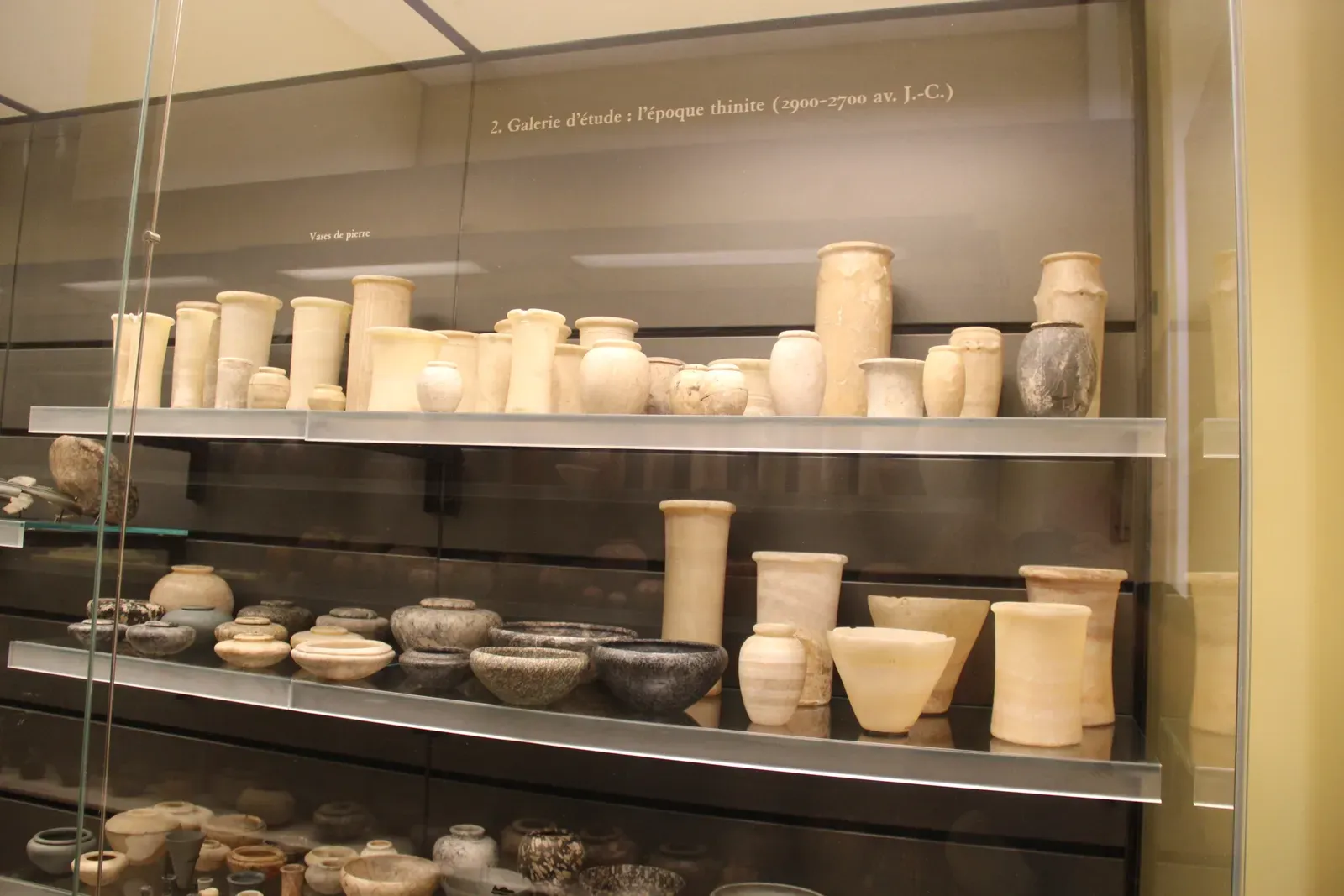
Old Kingdom Egypt is full of stone vessels, but a particular cluster from Saqqara breaks the logic of the category entirely. They’re flawlessly carved from brutally hard stone – diorite, basalt, even porphyry – with necks so narrow you can barely fit a fingertip inside. No handles. No spouts. No obvious way to pour or hold them without risking a fall.
Microscopic analysis shows minimal wear inside, ruling out everyday kitchenware or routine ritual use. Some researchers have essentially given up and called them prestige objects – proof of technical mastery rather than functional containers. Others suggest they held rare substances in tiny quantities, handled with spoons or reed droppers rather than poured. Neither theory explains why some were buried completely unused, leaving the vessels hovering somewhere between art, engineering flex, and religious paraphernalia.
Quick Compare
- Prestige-object theory: valued as pure displays of carving mastery, not for use
- Rare-substance theory: held tiny quantities, handled with spoons or reed droppers
- Shared clue: minimal internal wear rules out everyday kitchenware
- The wrinkle: several were buried completely unused either way
#3 – The Gold Sheets Deliberately Crumpled Before Burial
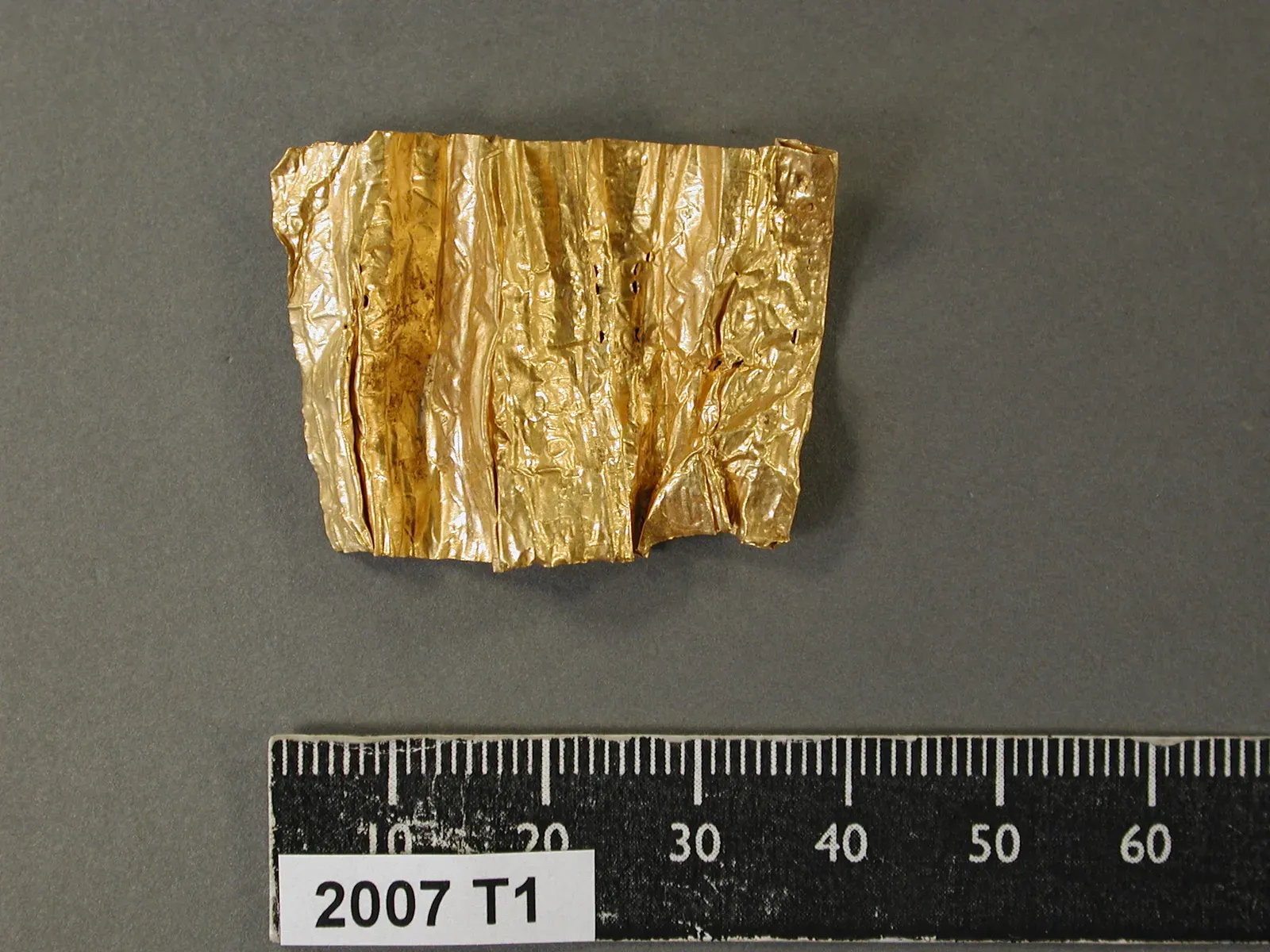
In several elite tombs, excavators found thin sheets of gold that were intentionally folded or crumpled into compact, irregular shapes before being placed near the deceased. These aren’t damaged grave goods wrecked by looters or a collapsing ceiling. The deformation looks purposeful, as if the gold’s “usable” flat form was never the point at all.
That leaves a real naming problem. Not jewelry, not currency, not a standard amulet. Some Egyptologists suspect a ritual of “killing” valuable items so they could travel safely, and un-stealably, into the afterlife in a purely spiritual form. Others think the folding itself was the offering – a way to condense raw wealth into something more potent. Egyptian texts never spell it out, so museum labels tiptoe around the mystery with phrases like “ritually folded gold sheets, purpose uncertain.”
#2 – The Hybrid Animal Figurines That Match No God
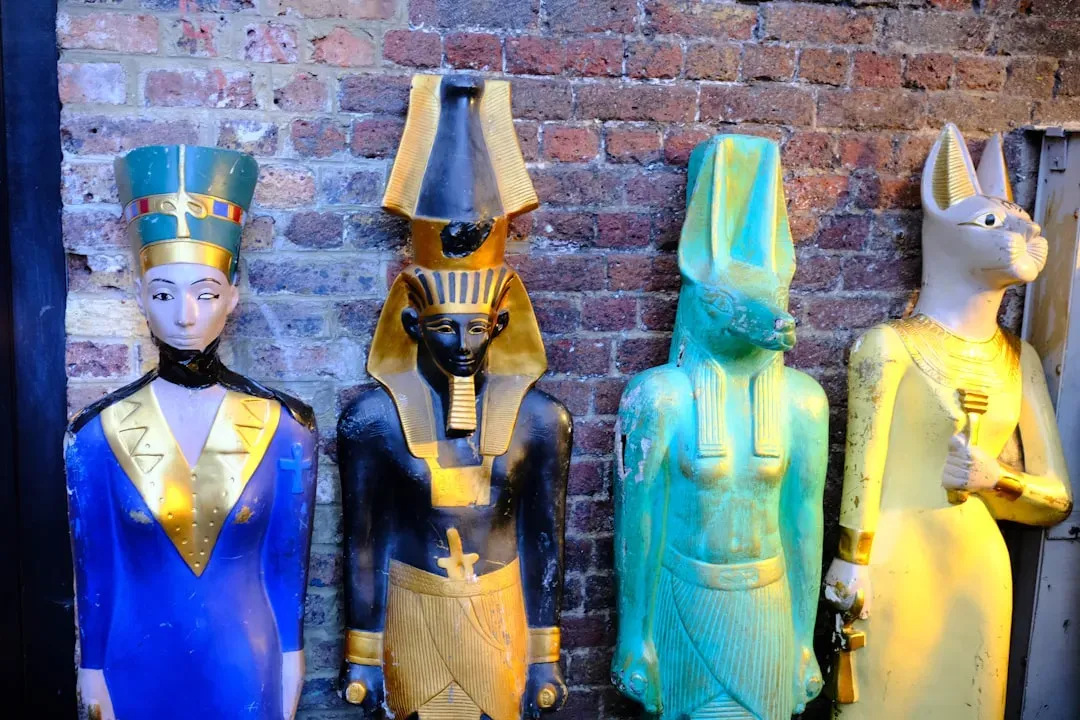
Egyptian religion is famous for animal-headed deities, but a scattered group of small figurines from various sites breaks even those generous rules. These creatures mix animal features in combinations that no known deity, demon, or mythic being is ever shown wearing in surviving texts – composite snouts, mismatched ears, body plans that look more like a surrealist sketch than a canonical god.
Are they toy animals born from imagination? Local cult spirits that never made it into state religion? Prototype gods that simply didn’t catch on? Iconography experts tend to dislike that last theory, but nobody has a better typology to offer. The figurines are too carefully carved and too formally buried in shrines to be dismissed as accidents, yet without a name or myth attached, they float outside the official divine roster entirely – worshipped, apparently, by nobody’s official record.
#1 – The Hieroglyphs Carved Onto Everyday Objects That Spell Nothing
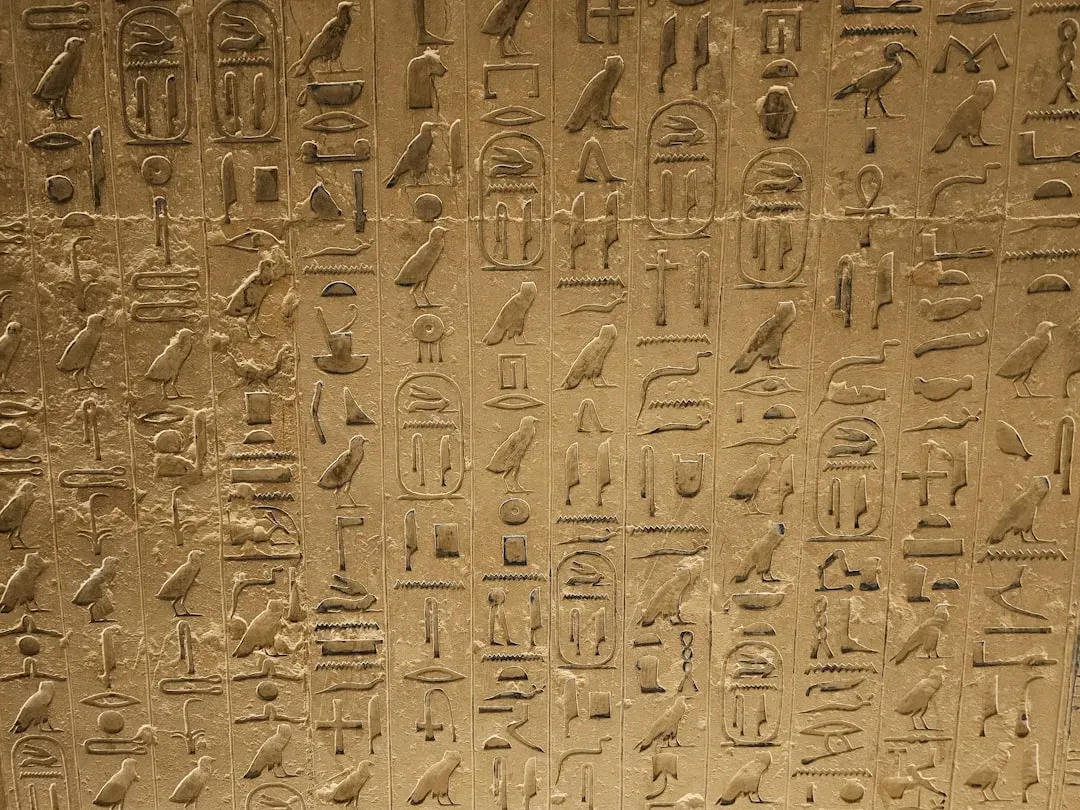
The strangest entry on this list is also the one most visitors walk right past. Short runs of hieroglyphs turn up on combs, spoons, and cosmetic jars that don’t form readable words or sentences of any kind. They aren’t careless scribbles – the signs are deliberately carved and often beautifully composed – they’re just linguistically empty.
For a civilization famously obsessed with meaningful writing, that’s a real problem. Many Egyptologists quietly treat these as pure design, hieroglyphs reduced to pattern the way someone today might tattoo Latin letters purely for the look rather than the grammar. Others argue they might encode private nicknames, magical phrases, or phonetic wordplay nobody has cracked yet. The real question – is it still writing if it carries no language? – sits these humble little objects right on the fault line between text, symbol, and decoration.
Why It Stands Out
- Turns up on everyday items: combs, spoons, and cosmetic jars
- Signs are carefully carved, not rushed or careless
- Never forms a readable word or sentence
- Forces a genuine question: is it still writing without language?
The Bottom Line
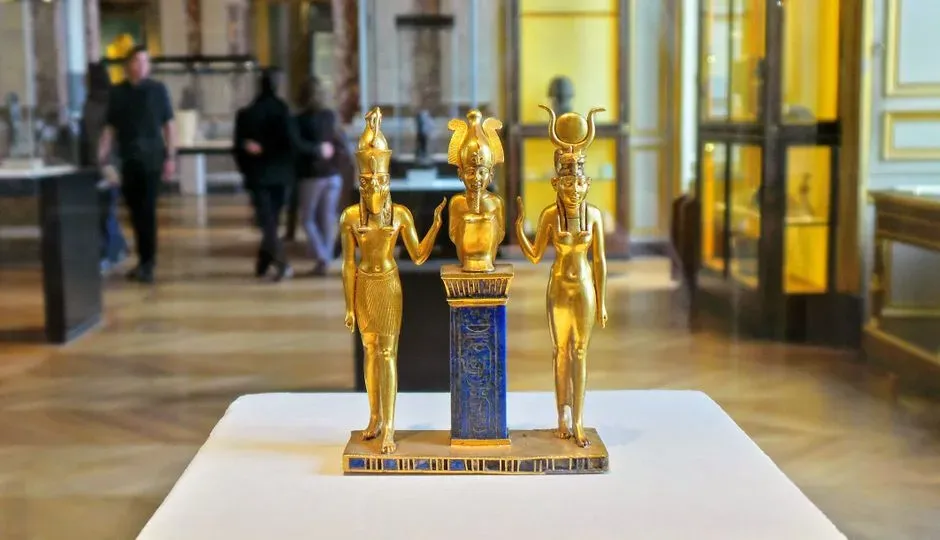
Across museums and dig reports, these eleven objects quietly expose something specialists rarely say out loud: our neat categories of tool, ritual, art, and text are modern comforts, not ancient realities. When an object hums with sound, maps a sky that never existed, or carries hieroglyphs that say nothing at all, it cracks open the tidy story we like to tell about a fully “decoded” civilization.
In my view, the most honest label for most of these pieces isn’t a mystery to be solved by aliens or lost technology – it’s simply “we don’t know yet.” That’s not a failure of archaeology. It’s a rare, refreshing dose of intellectual humility from a field that usually speaks with total confidence. Egypt has had thousands of years to bury its best secrets in plain sight, right there on shelves and ceilings we still can’t quite explain – and honestly, that’s a far better ending than a clean answer would ever be.