
Every so often, archaeology stumbles across an object that seems poised to rewrite a chapter of human history. The scans are done, the first paper appears, photos circulate online – and then, suddenly, the object is gone from view. Labels are rewritten, exhibition cases quietly rearranged, and the once-celebrated find slips into storage, a private collection, or a legal tug‑of‑war. It feels a bit like watching the trailer for a film that never actually gets released.
These disappearances are rarely accidental. They sit at the crossroads of science, politics, money, ethics, and national identity. When you look closely, a pattern starts to emerge: the more disruptive the object is to established narratives, ownership claims, or market value, the more likely it is to vanish when the spotlight hits. Below are eleven cases where artefacts were pulled from display or public circulation soon after researchers shared preliminary interpretations – sometimes for legitimate reasons, sometimes in ways that raise uncomfortable questions.
1. The Gospel of Jesus’ Wife Papyrus Fragment
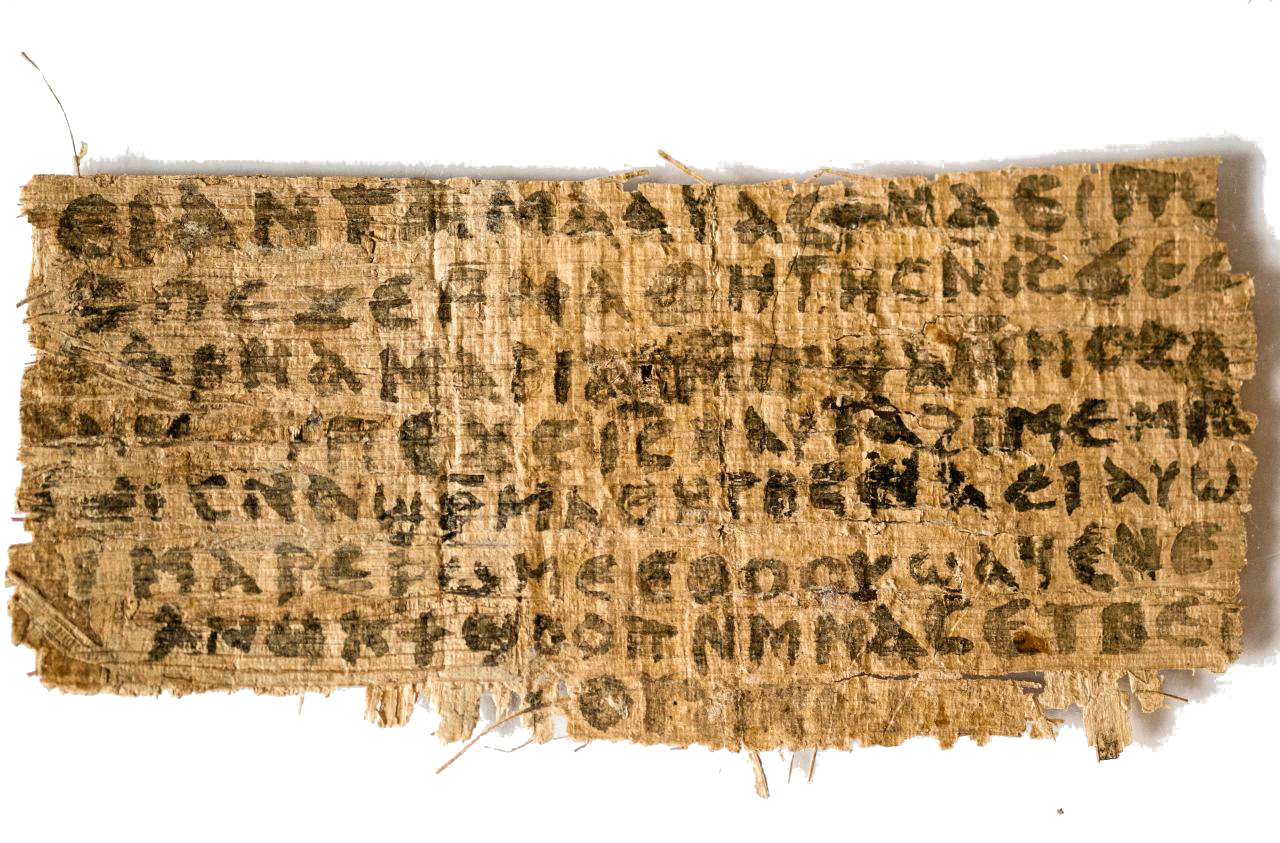
When a tiny scrap of papyrus dubbed the Gospel of Jesus’ Wife was first presented in the early 2010s, it triggered a global shockwave. The fragment appeared to record Jesus referring to “my wife,” a phrase that challenged centuries of theological imagination and instantly grabbed headlines. Within a very short time, transliterations, photographs, and preliminary analyses were circulating in scholarly circles and the media, and some museums and institutions considered it for display or teaching collections.
Then the tone shifted. Papyrus specialists and linguists began spotting red flags: suspiciously familiar phrases lifted from known Coptic texts, odd grammar, and an unconvincing modern collecting history. As doubts hardened into consensus that the fragment was almost certainly a modern forgery, it quietly disappeared from any prospect of public exhibition. It was withdrawn from the conversation not only because it was likely fake, but because it had become a case study in how easily desire for a headline-grabbing find can outrun slow, methodical scrutiny.
2. The James Ossuary and Its Disputed Inscription
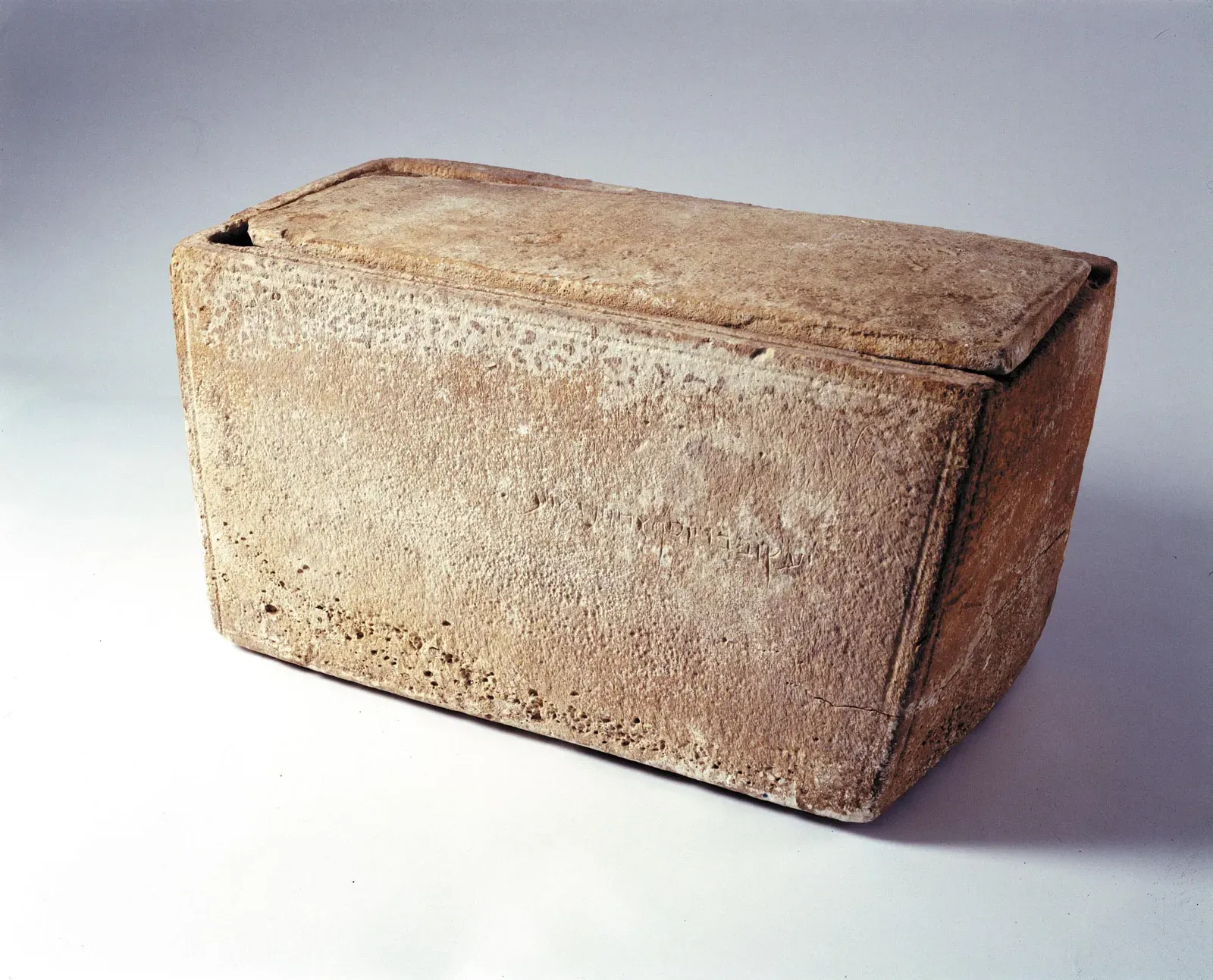
The so‑called James Ossuary, a limestone bone box with an inscription mentioning “James, son of Joseph, brother of Jesus,” was introduced to the public with almost cinematic drama. Preliminary epigraphic analyses suggested at least part of the inscription might be ancient, and photographs and early reports circulated widely. For a time, the ossuary was exhibited in North America and elsewhere, drawing crowds eager to see what some called the first archaeological link to Jesus’ family.
Legal and scholarly storms quickly followed. Authorities in Israel initiated a major forgery trial, arguing that at least part of the inscription had been added in modern times, while some experts defended the artefact’s authenticity. In this climate of accusation and counter‑claim, the ossuary was pulled from most public circulation and high‑profile display. It became less a devotional or historical object and more a cautionary emblem of how the antiquities market, faith, and scholarship can collide, leaving museums reluctant to stand too close when the dust has not yet settled.
3. The “Archaeoraptor” Fossil Composite
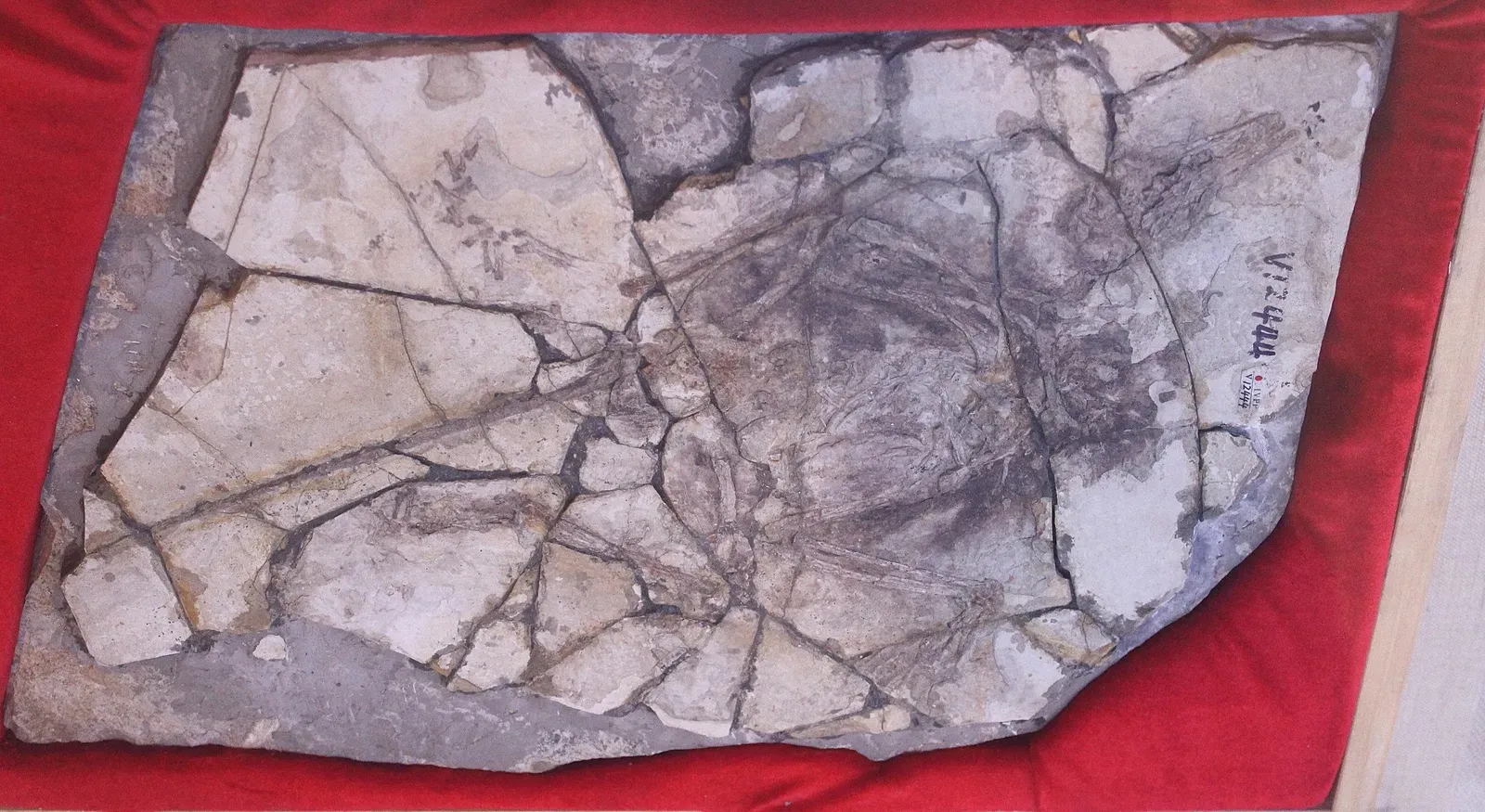
At the end of the 1990s, a fossil nicknamed Archaeoraptor was originally hailed in popular science media as an almost perfect “missing link” between dinosaurs and birds. The composite fossil, constructed from material smuggled out of China and acquired on the private market, was introduced through preliminary descriptions and dramatic images before a full peer‑reviewed publication existed. It seemed tailor‑made for museum displays, and there were early moves to feature it prominently as a star evolutionary specimen.
Careful anatomical and CT‑based study soon revealed an uncomfortable truth: Archaeoraptor was not a single animal but a Frankenstein assemblage of unrelated fossil parts, grafted together for maximum impact and market value. Once this came to light, the fossil vanished from planned public display and was reclassified as an instructive forgery rather than a scientific breakthrough. Its rapid rise and fall pushed institutions to rethink how they handle unprovenanced fossils and set a tougher tone on displaying spectacular specimens that have not yet run the full gauntlet of peer review.
4. The “Joash Inscription” Stone Tablet
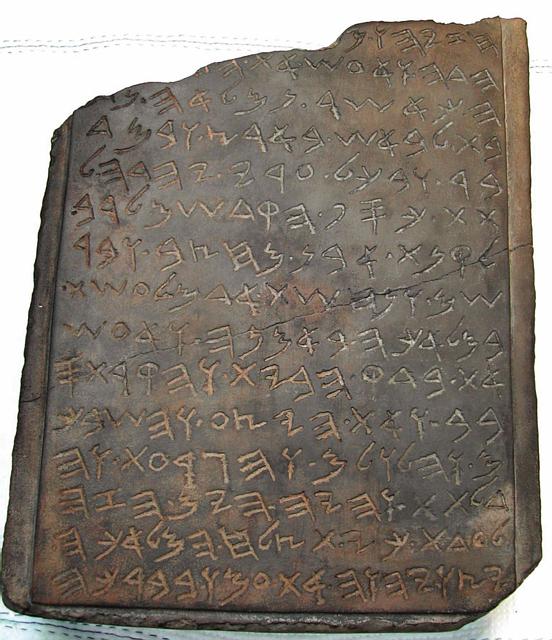
A stone tablet bearing what became known as the Joash Inscription burst onto the scene with claims that it recorded repairs to the First Temple in Jerusalem under a biblical king. Preliminary epigraphic reports and translations, shared in conference papers and the press, suggested that the script might be consistent with an ancient date. For some, this was tantalizing evidence tying the archaeological record more tightly to biblical narratives, making it a natural candidate for exhibition in biblically focused museums and collections.
Very quickly, however, geologists and epigraphers began raising serious doubts. Microscopic analysis of the patina, inconsistencies in the language, and the tablet’s murky appearance on the antiquities market all pointed toward a modern fabrication crafted to command a high price. As debates intensified and legal investigations unfolded, the object was withdrawn from public display and quietly relegated to a disputed status. It became a private problem for collectors and courts instead of a centerpiece for museums, and many institutions used the episode to justify a more conservative stance on newly surfaced artefacts without secure excavation histories.
5. The Nebra Sky Disc’s Companion Finds
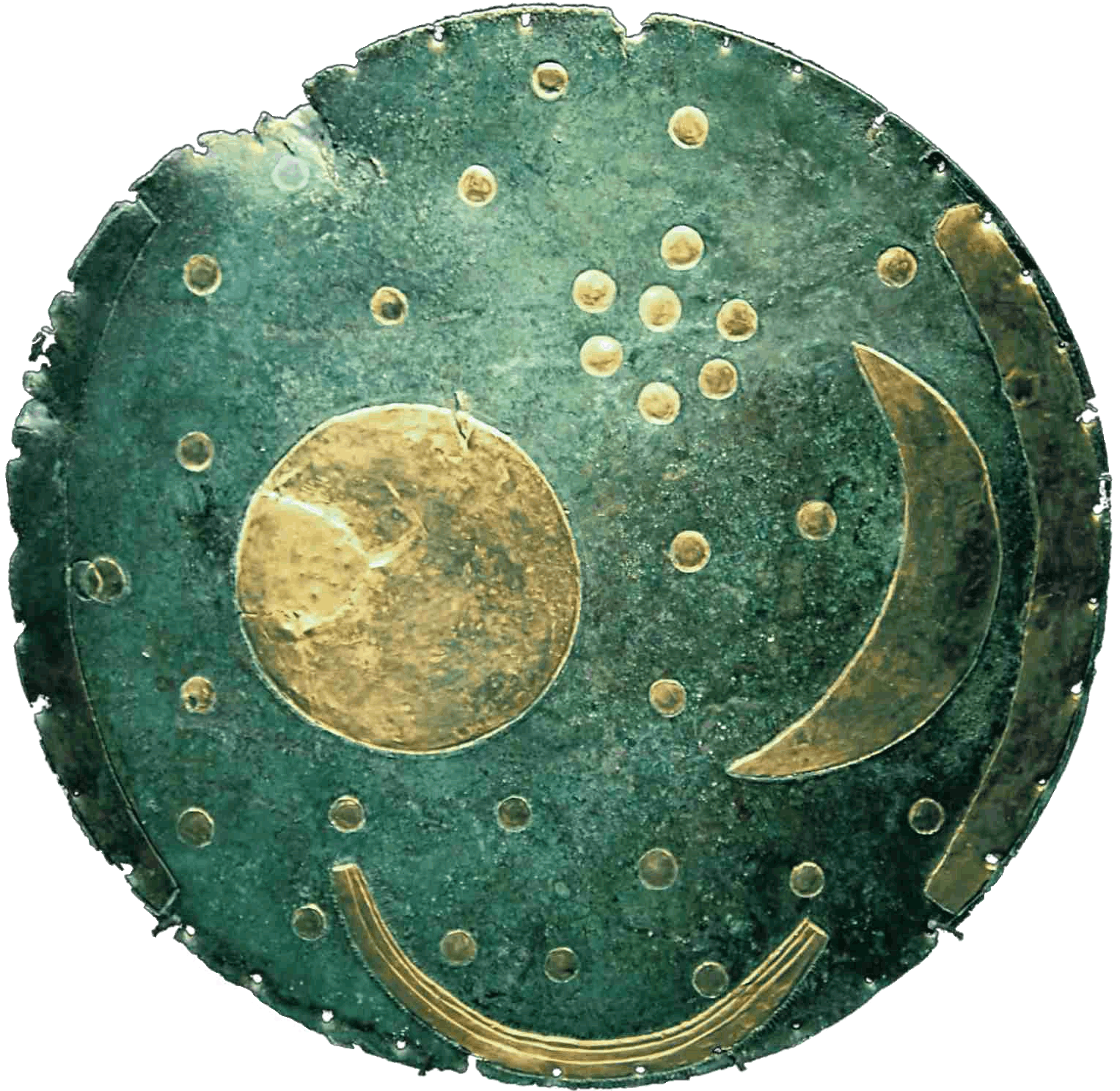
The Nebra Sky Disc, one of the most extraordinary Bronze Age artefacts ever found in Europe, eventually secured a home in a German state museum and is now widely exhibited. But some of the objects associated with its discovery – including swords and axes supposedly from the same hoard – experienced a bumpier path. Early on, as archaeologists tried to piece together the story from looted material recovered through police operations, preliminary reports listed a bundle of artefacts that were said to belong together.
Subsequent careful investigation revealed that the looters and intermediaries had mixed pieces from separate findspots to increase the perceived significance and price of the hoard. As these discrepancies emerged, several associated objects were pulled from prominent display or moved into less visible research collections. The lesson was uncomfortable but important: once the chain of custody has been contaminated by looting and commerce, even genuine artefacts may end up sidelined because their archaeological story has been irreparably blurred, and museums become understandably wary of telling narratives they can no longer fully trust.
6. The Bosnian “Pyramids” and Their Claimed Artefacts

In Bosnia and Herzegovina, a controversial project around hills promoted as human‑made “pyramids” produced a flurry of preliminary claims in the mid‑2000s and 2010s. Supporters announced stone blocks, tunnels, and artefacts that they presented as evidence of a lost, highly advanced prehistoric civilization. Some of these items were briefly showcased locally or online as museum‑style displays, with early interpretations published in pamphlets, websites, and talks aimed at a wide public rather than in standard academic venues.
Professional archaeologists and geologists, however, largely rejected the pyramid interpretation, arguing that most of the supposed artefacts and engineered structures could be explained as natural formations or recent activity. As critical assessments mounted, some of the more heavily publicized items disappeared from the spotlight, removed from prominent display or recast in more mundane terms. The episode highlighted a recurring tension: when extraordinary claims hit the public before they withstand rigorous scrutiny, institutions often back away later, sometimes quietly, to avoid endorsing narratives that do not hold up under sustained examination.
7. The Yale–Peru Machu Picchu Dispute Objects
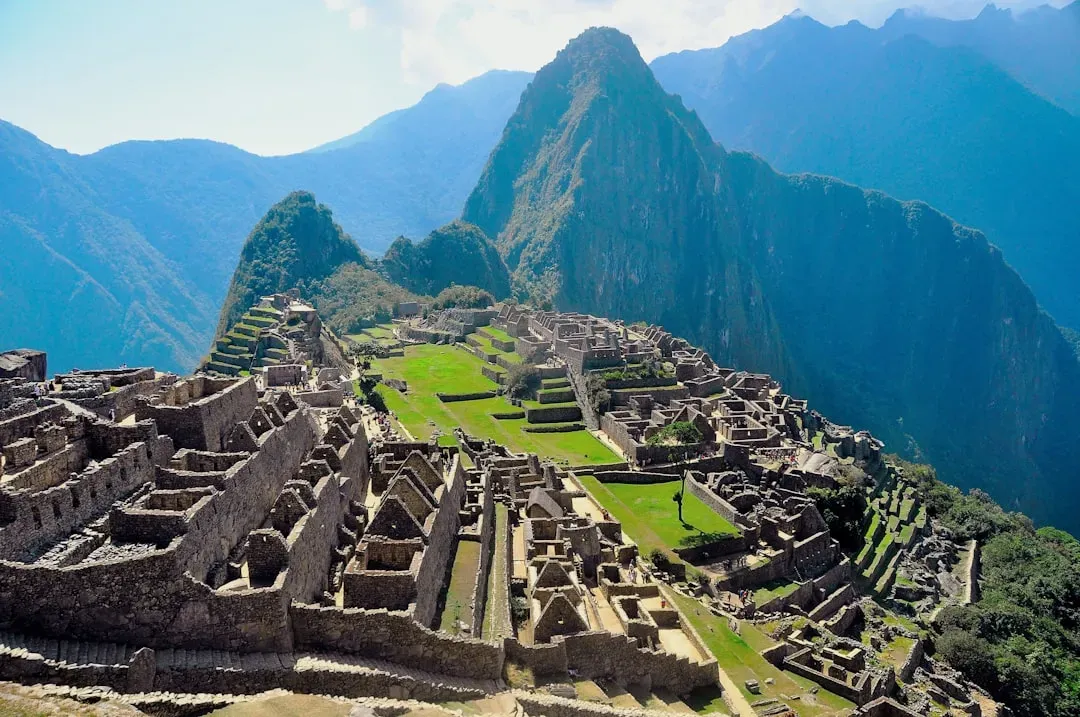
Excavations at Machu Picchu in the early twentieth century sent thousands of artefacts to Yale University under agreements that both sides later interpreted very differently. For decades, many items stayed behind the scenes, but in the late twentieth and early twenty‑first centuries, preliminary catalogues, research papers, and selected displays began bringing some of them to wider attention. As Peruvian scholars and officials used this exposure to press legal and moral claims for repatriation, several high‑profile objects became the focus of public argument.
In the years leading up to negotiated returns, some artefacts that had just begun to appear in exhibitions or promotional materials were pulled back, either removed from galleries or moved into transitional storage. This was less about doubts over authenticity and more about a rapidly changing legal and ethical landscape. Once a borrowing institution senses that an object is likely going to be repatriated or is at the center of a diplomatic dispute, the incentive to keep it in public view fades fast, and the tone of interpretation often shifts from “our collection” to “a contested guest” almost overnight.
8. The Benin Bronzes in Western Museums
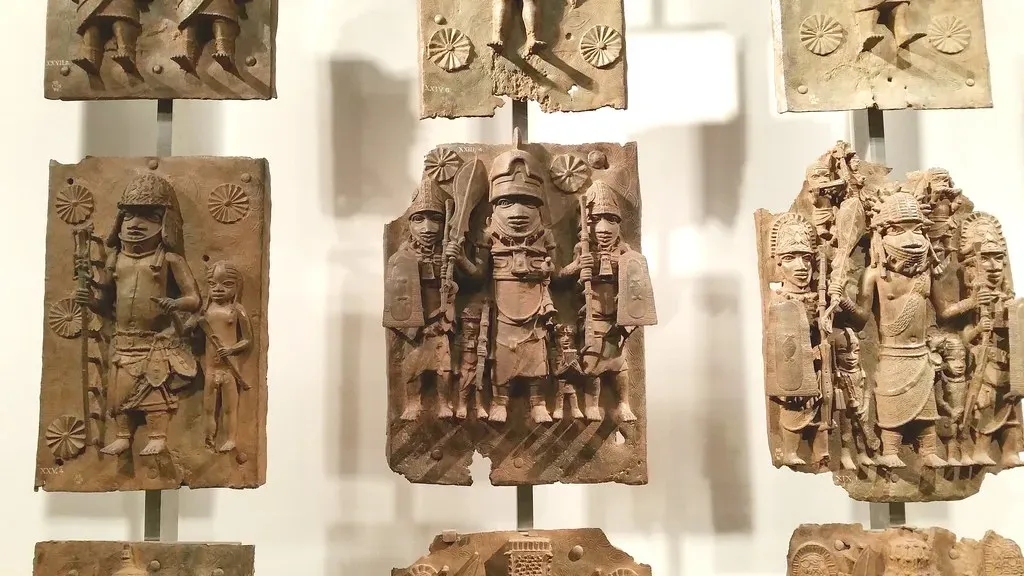
The Benin Bronzes – a broad term for brass, ivory, and other works looted by a British military expedition from the Kingdom of Benin (in present‑day Nigeria) in the late nineteenth century – have been central to debates about colonial plunder. For much of the twentieth century, they were star exhibits in European and North American museums, often framed as masterpieces of “African art” with little mention of the violent way they were acquired. In recent decades, however, deeper provenance research and preliminary collaborative studies with Nigerian institutions have reframed the story dramatically.
As restitution discussions accelerated and agreements were signed, several museums removed some Benin pieces from open display soon after publishing or sharing these new findings. Sometimes this was a deliberate ethical gesture; in other cases, it was a prelude to physical repatriation or a response to public pressure. The shift exposed a hard truth that many visitors never see: a collection label can survive unchanged for decades, but the moment serious provenance work is done and made public, certain objects become ethically radioactive, and curators race to change how, or even whether, they are shown.
9. Human Remains in Phrenological and Racial Collections
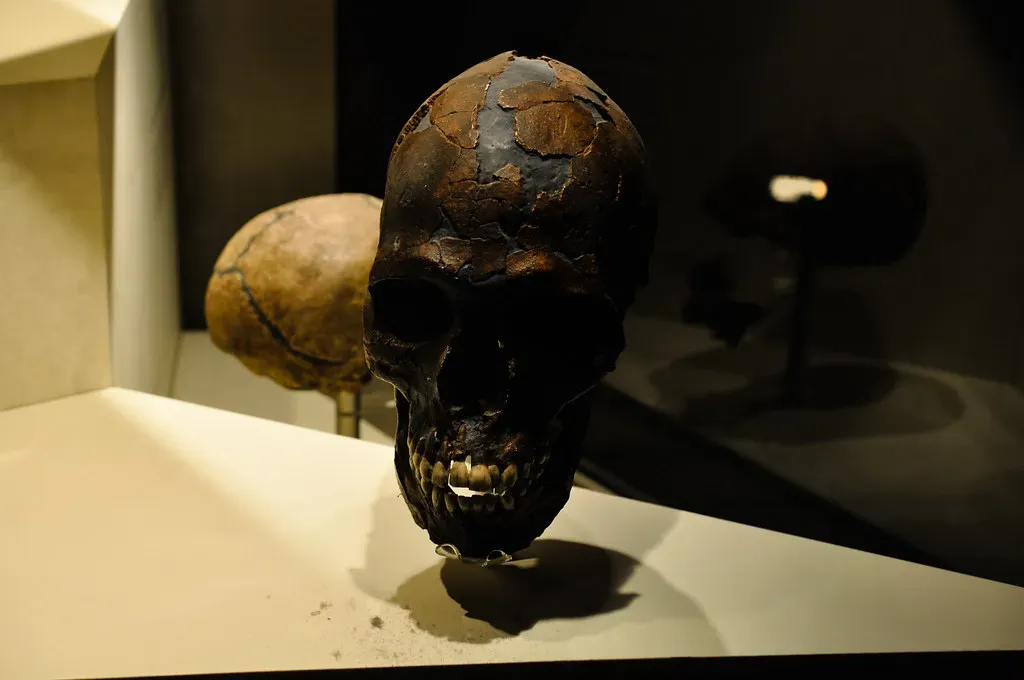
Across Europe and North America, many museums and universities quietly held collections of human crania and skeletal remains assembled in the nineteenth and early twentieth centuries for phrenology, racial anthropology, or colonial medicine. For a long time, they stayed offstage, occasionally surfacing in highly technical anatomical papers. In the past few decades, preliminary inventories and research reports naming the origins and identities of some of these individuals have been published or released, often revealing ties to enslaved communities, colonized populations, or unethical grave robbing.
Once that information became public, a predictable pattern followed: cases, displays, or study collections featuring this material were rapidly dismantled or restricted from public view. In many institutions, remains that had just begun to be acknowledged in exhibitions were taken down again in preparation for repatriation, reburial, or new consultation processes. Here, removal from public collections is not about hiding the truth, but about admitting past wrongs and recognizing that an ancestor’s skull is not a neutral scientific specimen. In my view, these are some of the most necessary and overdue disappearances in the entire museum world.
10. The Hohokam and Other Native American Graves Protection Cases
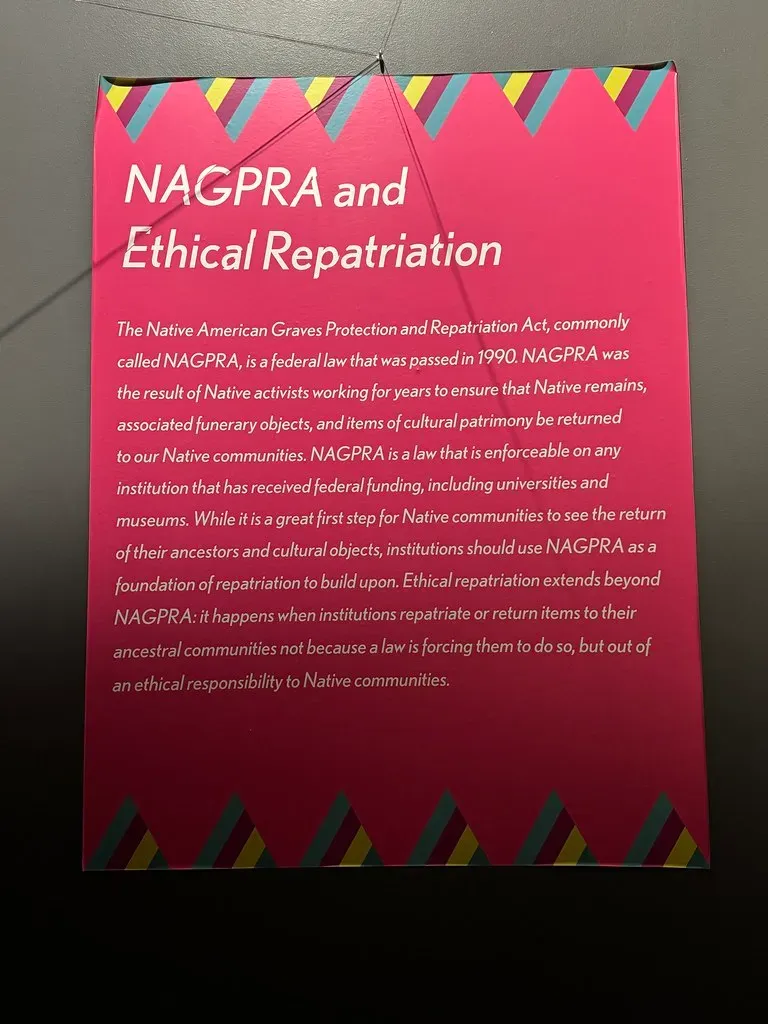
In the United States, the Native American Graves Protection and Repatriation Act (NAGPRA) has reshaped how museums handle artefacts and human remains from Indigenous communities, including cultures such as the Hohokam in the Southwest. For years, some of these items – pottery, personal ornaments, even funerary goods – appeared in displays or research collections, supported by preliminary cultural attributions in catalogues and academic articles. Those early identifications later became key evidence in claims brought by descendant communities.
As tribal authorities and archaeologists worked together to refine cultural affiliations and share data, many items that had been part of permanent exhibitions were quietly removed. Storage rooms filled up with objects awaiting consultation or return, even as public galleries suddenly sprouted empty cases or new interpretive panels explaining why certain things were no longer shown. The withdrawals can feel jarring if you remember the older displays, but they mark a shift from treating Indigenous material as detached “data” toward recognizing living relationships, responsibilities, and rights that outlast any museum trend.
11. Looted Middle Eastern Antiquities Linked to Conflict Zones
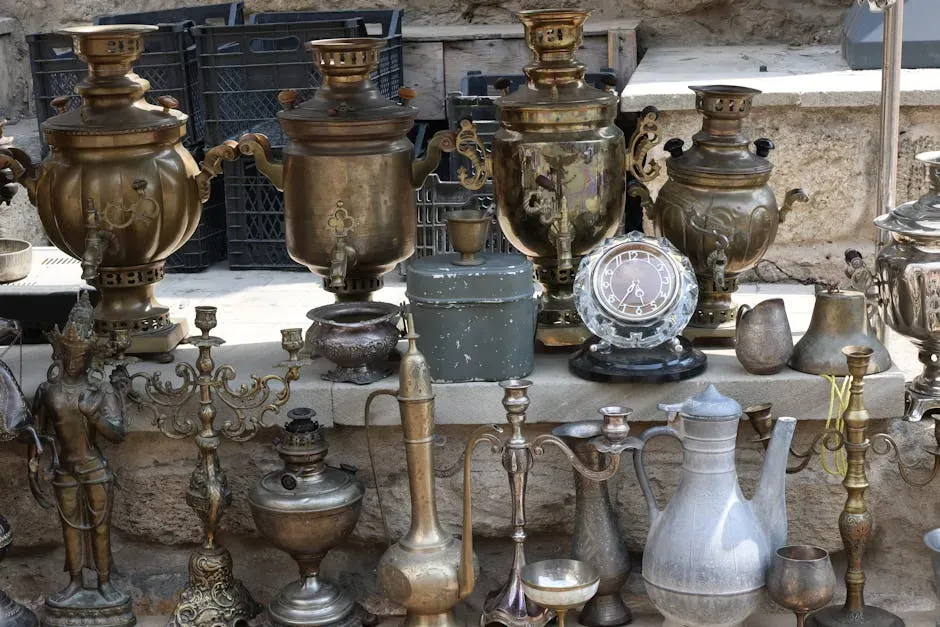
Conflicts in Iraq, Syria, and surrounding regions have unleashed waves of looting over the last few decades, sending cuneiform tablets, cylinder seals, sculptures, and other antiquities into international markets. Some pieces reached Western museums and private collections, where preliminary research reports and digital catalogues identified new inscriptions, unknown sites, or rare iconography. This scholarship often happened alongside or just after public display, boosting the objects’ scholarly profile while also, unintentionally, broadcasting evidence of their recent, illicit movement.
As investigative journalists, customs authorities, and archaeologists pieced together the routes these artefacts had taken, a number of high‑profile pieces were pulled from galleries or even seized. Museums that had proudly unveiled new acquisitions a few years earlier suddenly found themselves returning them to source countries or holding them as evidence. The speed with which some of these items went from “new highlight” to “removed pending investigation” underlines a painful reality: in a world where war and looting are still very real, preliminary findings can turn into a trail of breadcrumbs that leads straight into a legal and ethical minefield.
Conclusion: When Objects Vanish, What Does That Say About Us?

Looking across these stories, what strikes me most is not that objects vanish from public collections, but how predictable the triggers are. Question a religious narrative, expose a colonial wound, reveal a forged past, or tie a museum darling to looting or unethical science, and the display lighting tends to go dark. Sometimes that retreat is responsible – a necessary pause so evidence can be weighed or descendants consulted. Other times, it feels like institutions ducking public accountability, hoping that if the artefact disappears, the uncomfortable questions will fade with it.
In my opinion, the healthiest path forward is not to stop showing controversial objects, but to be radically transparent about why they are contentious, and equally transparent when the decision is made to remove them. A blank space in a gallery, with an honest label explaining what used once to be there and why it is gone, can teach more about archaeology, power, and ethics than a dozen glossy cases packed with unexamined trophies. When the next “world‑changing” artefact appears and then quietly vanishes, the real test will be whether we treat that disappearance as just another curatorial secret, or as a chance to talk openly about who gets to own, display, and define the material traces of the past. If you walked into a museum tomorrow and saw only the empty spaces where the hardest stories used to be, what would you think had really been taken away?