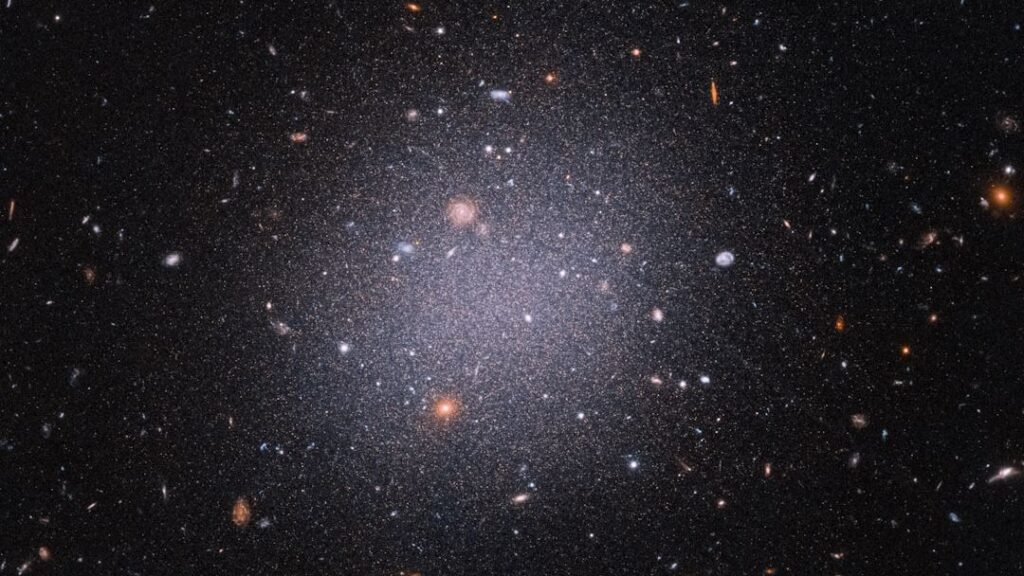
You know what’s fascinating? There’s so much out there in the cosmos that remains utterly invisible to our eyes. We’ve mapped the surfaces of distant moons, charted the movements of galaxies millions of light years away, and yet the universe keeps surprising us with phenomena that challenge everything we thought we knew. Right now, scientists are developing tools and techniques to finally pull back the curtain on cosmic mysteries that have eluded us for decades.
Think about it like this. You’re trying to understand the ocean by only looking at what floats on the surface. But beneath those waves lies an entire ecosystem of strange creatures, underwater mountains, and currents that shape everything above. That’s essentially where we are with the universe. We’re just scratching the surface, and what lies beneath is frankly mind-blowing. So let’s dive into these hidden wonders that researchers are only now beginning to understand.
The Invisible Scaffolding: Dark Matter’s Hidden Architecture
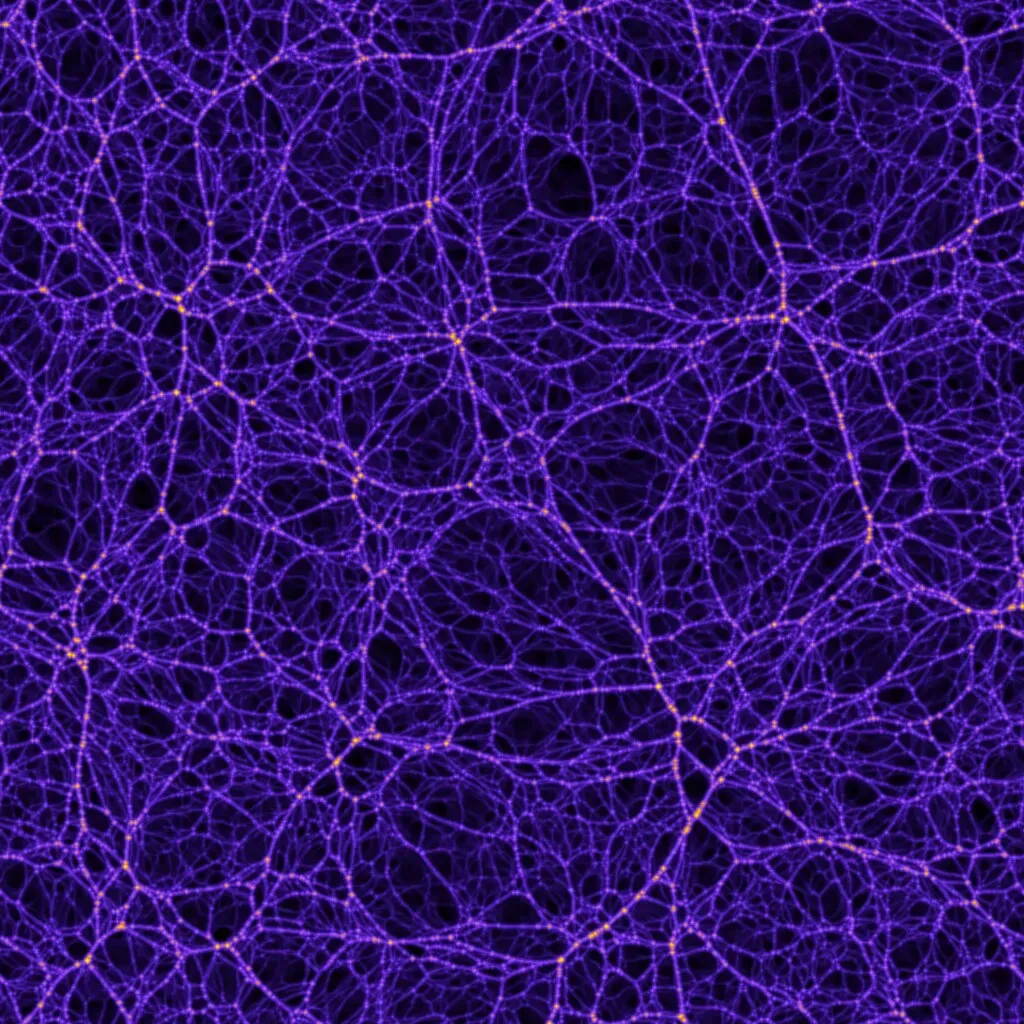
Dark matter makes up most of the matter in the universe, with scientists estimating that ordinary matter comprises only about five percent of the universe while dark matter accounts for roughly twenty-seven percent. The really wild part? We can’t see it, touch it, or detect it directly with any instrument we’ve built.
While dark matter interacts with ordinary matter through gravity, it doesn’t seem to interact at all with the electromagnetic spectrum, including visible light, meaning dark matter doesn’t absorb, reflect, or emit any light. Scientists can only infer its existence by watching how galaxies move and how light bends around massive objects. The most prevalent explanation is that dark matter is some as-yet-undiscovered subatomic particle, such as either weakly interacting massive particles or axions. Honestly, it’s like knowing there’s a giant invisible elephant in the room because you can see the floorboards sagging beneath its weight.
The Mysterious Force Pulling Everything Apart: Dark Energy
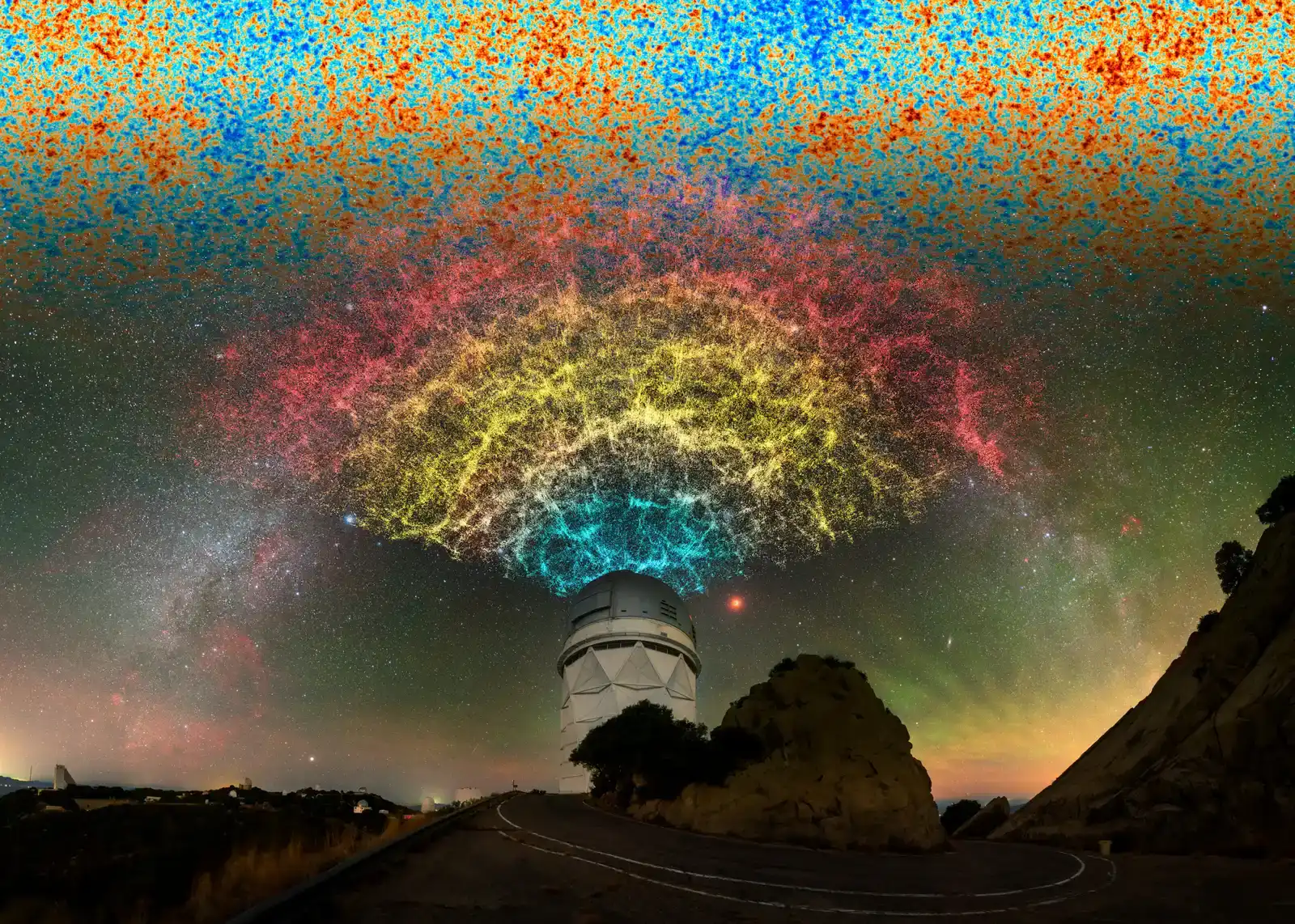
Here’s where things get really strange. In 1998, two independent groups of researchers announced they had measured cosmic expansion to a higher degree of precision and found that it was getting faster, with this acceleration implying some unknown force is counteracting gravity to make the universe expand at a greater rate, which we call dark energy. Let that sink in for a moment. The universe isn’t just expanding, it’s accelerating.
Dark energy is the dominant component, accounting for about sixty-eight percent of the universe’s total energy. But what is it? Nobody knows for sure. Some studies suggest this mysterious ingredient may not be necessary after all, with researchers finding that using an extended version of Einstein’s gravity, cosmic acceleration can arise naturally from a more general geometry of spacetime. The idea that we might not need dark energy at all is both exciting and unsettling. It’s a bit like realizing the map you’ve been following might be drawn upside down.
Ripples in the Fabric of Reality: Gravitational Waves
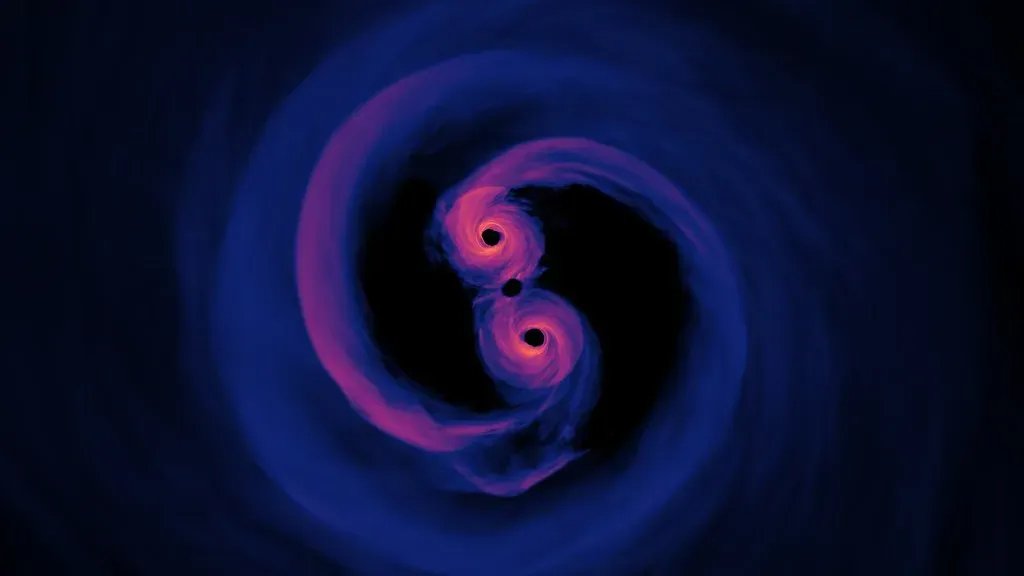
Gravitational waves are ripples in spacetime caused by some of the most violent and energetic processes in the Universe. Einstein predicted them over a century ago, but it took until 2015 for us to actually detect them. The LIGO-Virgo collaborations announced the first observation of gravitational waves from a signal detected on 14 September 2015 of two black holes with masses of 29 and 36 solar masses merging about 1.3 billion light-years away.
The detection was insanely difficult. By the time gravitational waves reach Earth millions or billions of light years away, they are thousands of billions of times smaller, and by the time gravitational waves from LIGO’s first detection reached us, the amount of spacetime wobbling they generated was ten thousand times smaller than the nucleus of an atom. In 2023, multiple pulsar timing arrays announced that they found evidence of a gravitational wave background created over cosmological time scales by supermassive black holes. We’re essentially listening to the universe’s heartbeat now.
The Cosmic Web: An Invisible Network Connecting Everything
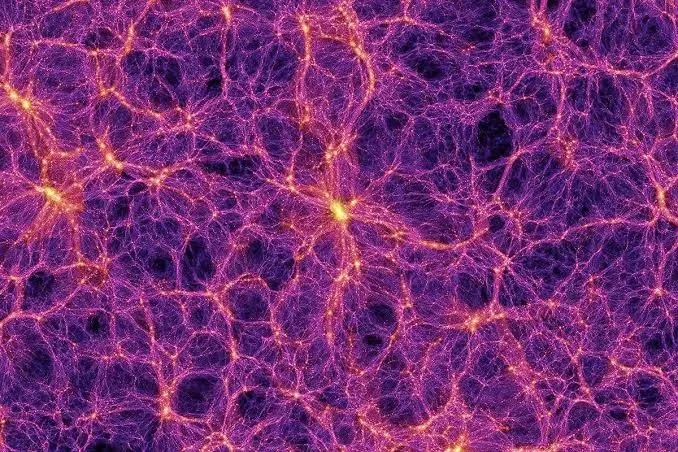
Over time, the universe evolved into a web of filaments and vast sheets largely made of dark matter, which form the structure of the universe today, creating the cosmic web that forms the largescale backbone of the universe. Imagine a sprawling spider web stretching across billions of light years, with galaxies strung along its threads like dewdrops at dawn.
Dark matter makes up eighty percent of the universe and provides the skeleton for what cosmologists call the cosmic web, the largescale structure of the universe that, due to its gravitational influence, dictates the motion of galaxies and other cosmic material. New maps have identified several new structures that require further investigation, including smaller filamentary structures that connect galaxies. The challenge is that this cosmic scaffolding is mostly invisible, so scientists are using machine learning and clever techniques to map where it must be based on how galaxies move.
Little Red Dots: The Universe’s Newest Mystery Objects
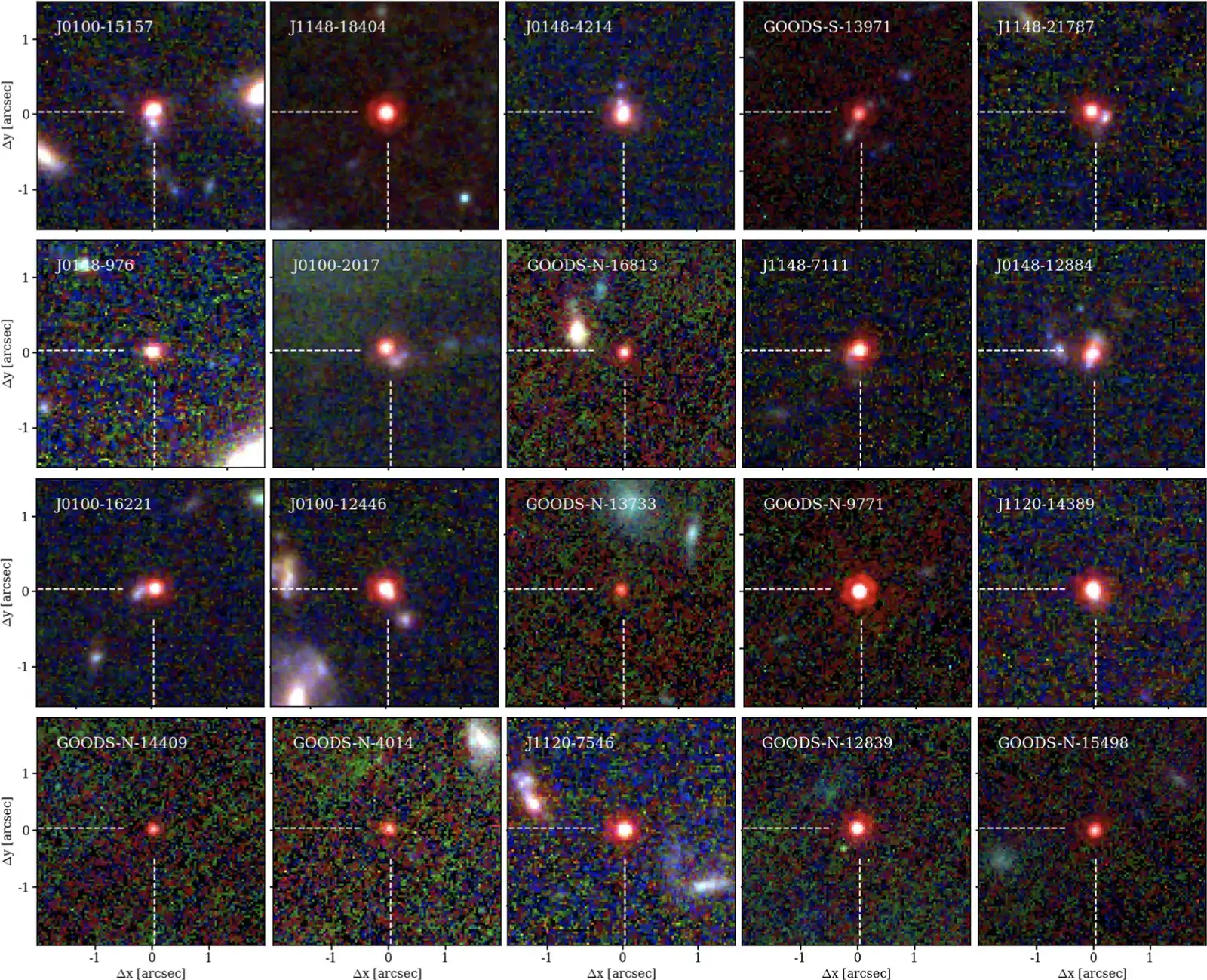
These bright, small and very red objects called little red dots were detected in some of JWST’s early images and they’ve been challenging to explain, with researchers initially suspecting they were very early galaxies, but they’re so small it would mean they were inexplicably compact. I know it sounds ridiculous, but these tiny crimson specks have astronomers scratching their heads.
As of 2025, the leading theory is that LRDs are a new classification of object: a black hole star, which are thought to be active black holes surrounded by hot, dense gas, with the black hole itself being the thing that warms the gas enough that it glows. It’s genuinely wild how much we still don’t understand. These objects appeared in images from the early universe, and they simply don’t fit into our existing categories. They’re like finding a new color that shouldn’t exist according to physics.
Population III Stars: The Universe’s First Light
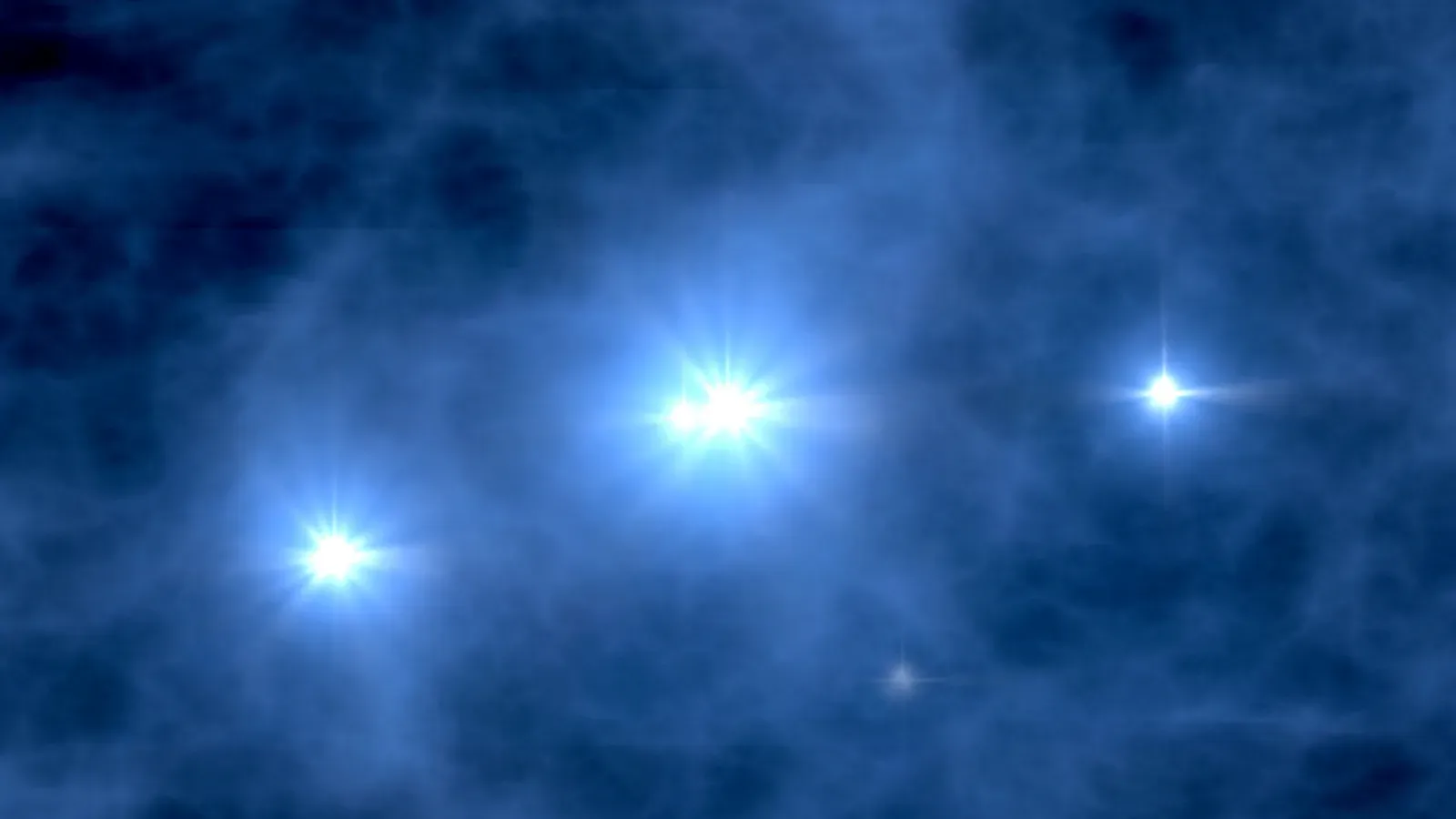
According to a study published in The Astrophysical Journal Letters on October 27, 2025, astronomers believe they have discovered Population III stars, which are the universe’s first generation of stars that formed shortly after the Big Bang, with researchers arguing that this is the first cluster to satisfy all the major theoretical predictions about the earliest stars. These aren’t just any old stars. They’re the primordial furnaces that created the first heavy elements in the universe.
These ancient stellar objects have been theoretical for decades, but finding actual evidence of them is incredibly difficult. They existed when the universe was fundamentally different, made purely of hydrogen and helium without any of the heavier elements that later stars would forge. Think of them as the cosmic ancestors of every star you see in the night sky, including our sun.
Super-Earths in Habitable Zones: Potential New Homes
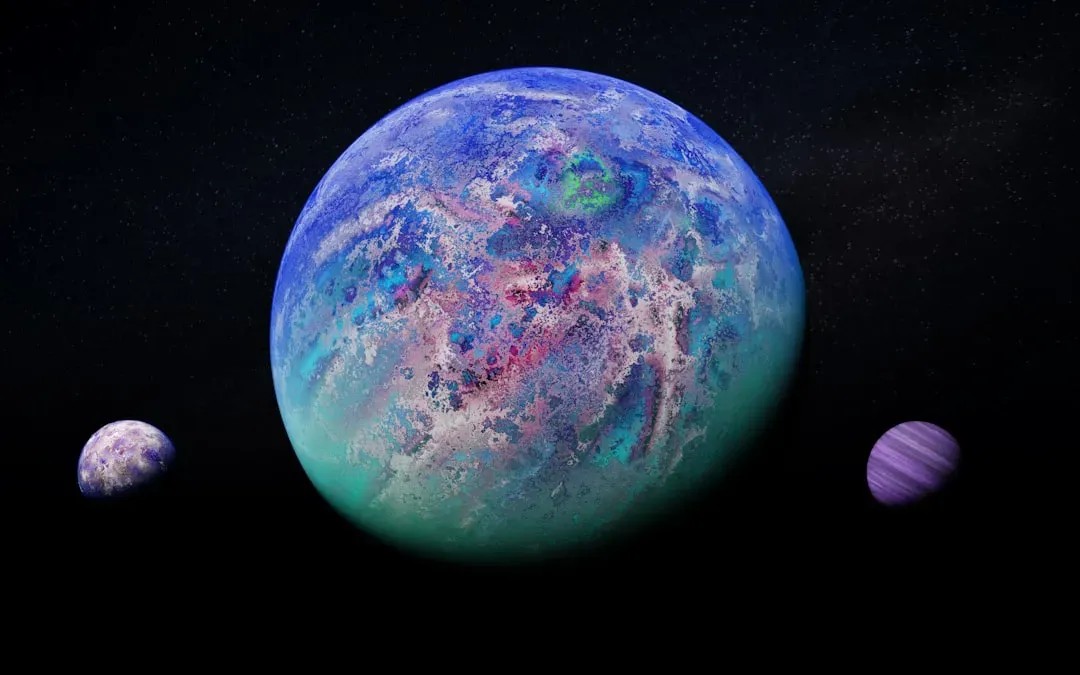
An international team has confirmed the discovery of a superEarth orbiting in the habitable zone of a nearby Sunlike star, with the planet originally detected two years ago by Oxford University scientist Dr Michael Cretignier. The habitable zone is that sweet spot around a star where temperatures could allow liquid water to exist on a planet’s surface.
Astronomers have identified a newly discovered exoplanet called HD 137010 b that may orbit within the outer edge of its star’s habitable zone, detected orbiting a sunlike star 146 lightyears from Earth, with early observations suggesting the planet is slightly larger than Earth and follows an orbit that places it near the cooler boundary of the socalled habitable zone. In the upcoming years, astronomers anticipate that JWST will help uncover dozens of potential habitable planets, bringing us closer to answering one of humanity’s biggest questions: Are we alone in the universe?
Wandering Black Holes: Cosmic Rogue Agents
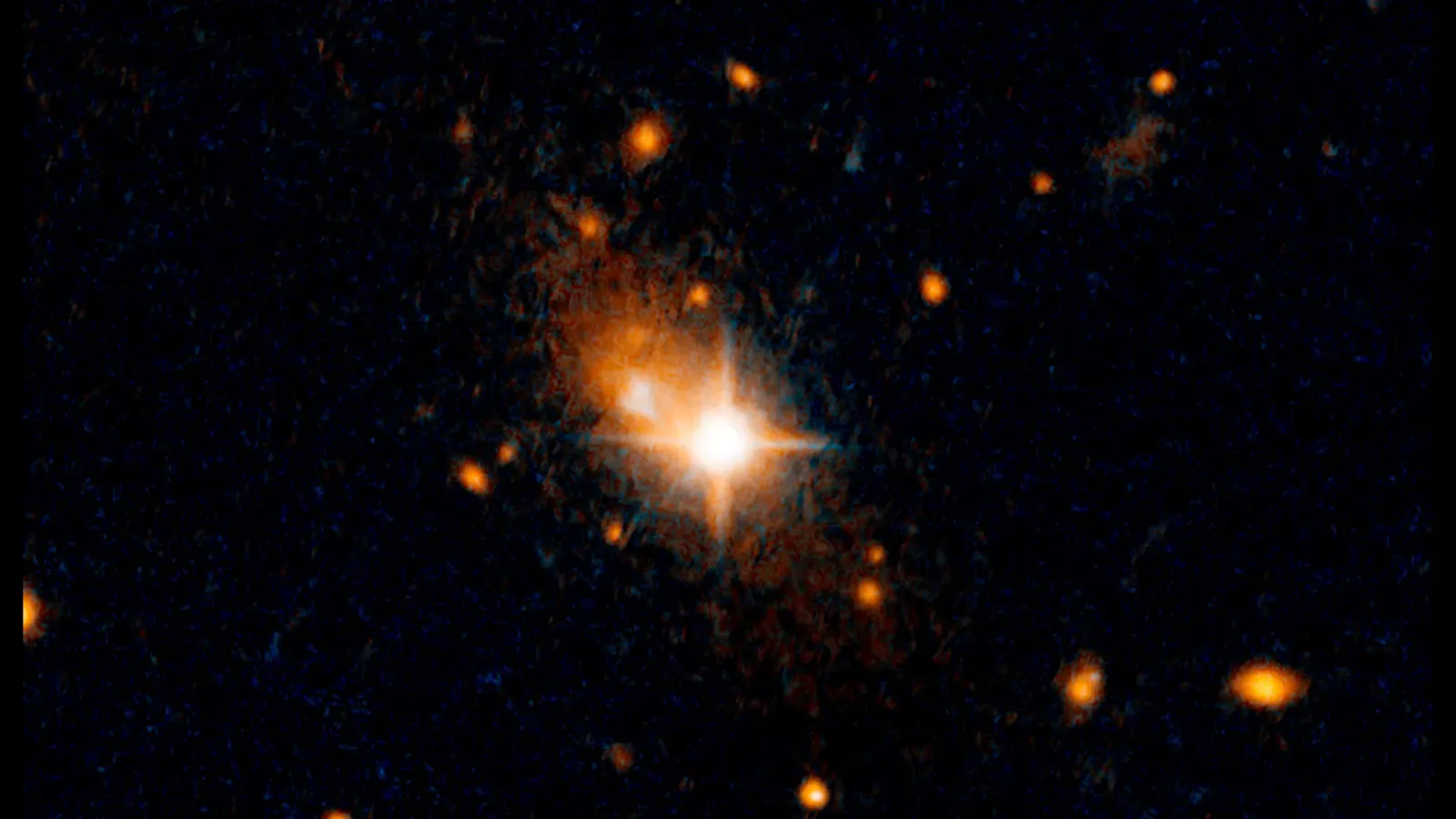
In 2025, researchers discovered a new candidate for a wandering black hole in a dwarf galaxy named MaNGA 12772-12704, around 230 million lightyears from the Sun, with the black hole not in the galaxy’s centre but roughly 3000 lightyears from it. This is concerning in a fascinating way. Black holes are supposed to sit politely at the centers of galaxies, not wander around like cosmic nomads.
As if that isn’t surprising enough, this black hole is emitting huge radio jets, showing it’s still actively accreting material despite having been kicked out of its usual home. How does a black hole get kicked out of its home galaxy? Probably through a collision or merger with another galaxy, but the specifics remain unclear. These wandering monsters could be far more common than we realize.
The Quipu Superstructure: A Cosmic Giant Beyond Imagination
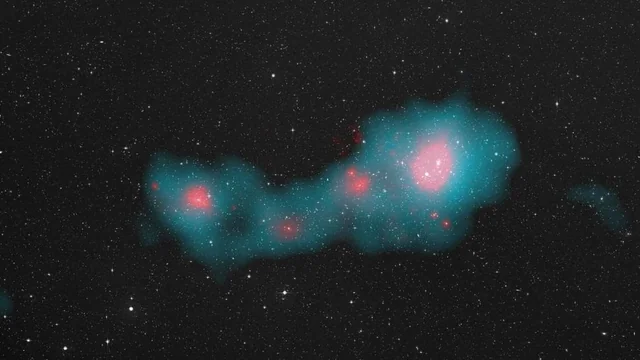
Superstructures such as Quipu help us understand how matter is distributed across the Universe. These aren’t just big, they’re incomprehensibly massive. We’re talking about structures so large that entire galaxy clusters look like tiny beads strung along their length.
Astronomers have uncovered a colossal, searinghot filament of gas linking four galaxy clusters in the Shapley Supercluster, a discovery that could finally solve the mystery of the Universe’s missing matter. The scale is genuinely difficult to wrap your mind around. If you tried to cross one of these structures at the speed of light, it would take hundreds of millions of years. These massive cosmic threads are helping scientists understand how the universe assembled itself after the Big Bang.
The Universe’s Early Massive Galaxies: A Timeline Problem
MIT researchers found that early dark energy could explain the baffling number of bright galaxies that astronomers have observed in the early universe, and when they incorporated a dark energy component only in that earliest sliver of time, they found the number of galaxies that arose from the primordial environment bloomed to fit astronomers’ observations. This is a big deal because JWST keeps finding massive, mature galaxies that shouldn’t exist so early in cosmic history.
From new exoplanetary neighbors and a weakening dark energy to the best evidence for life on Mars and an interstellar comet that’s got everyone talking, 2025 has been jampacked with astronomical excitement and revelation. The universe formed roughly thirteen point eight billion years ago, and yet JWST is spotting galaxies that look impossibly old and organized just a few hundred million years after the Big Bang. It’s like finding a skyscraper in a town that was supposedly founded last year.
Conclusion: The Universe Refuses to Stay in Its Box
Let’s be real, every discovery we make seems to raise ten new questions. Gravitational wave astronomy is a discoverydriven field that is full of surprises, interesting puzzles and open questions. What seemed like a wellmapped cosmos just a few decades ago has exploded into a frontier filled with invisible matter, mysterious forces, wandering black holes, and structures that shouldn’t exist according to our models.
Roughly ninetyfive percent of the cosmos is made up of dark matter and dark energy, leaving just five percent as the familiar matter we can see around us, with experimental particle physicists working to uncover this hidden majority by designing advanced semiconductor detectors equipped with cryogenic quantum sensors that support experiments around the world. We’re living in an incredible moment where our technology is finally catching up to the universe’s secrets. The next decade promises revelations that will probably make today’s discoveries look quaint. What do you think we’ll find next? Will it confirm our theories or send us back to the drawing board entirely?