
You grow up thinking danger always comes with big teeth and a massive shadow. Lions, sharks, crocodiles – those are the animals you’re warned about. But some of the most ruthless hunters on Earth can sit on your fingertip, swim past unnoticed, or buzz right past your ear while you barely react. When you look closer, you start seeing a different world: tiny bodies, brutal strategies, and survival tactics that make even a lion look almost polite. These small predators stalk, ambush, trap, paralyze, and sometimes eat their prey alive from the inside. You’re about to meet ten miniature hunters that prove you really should not judge a predator by its size.
1. Praying Mantises: The Still, Silent Assassins
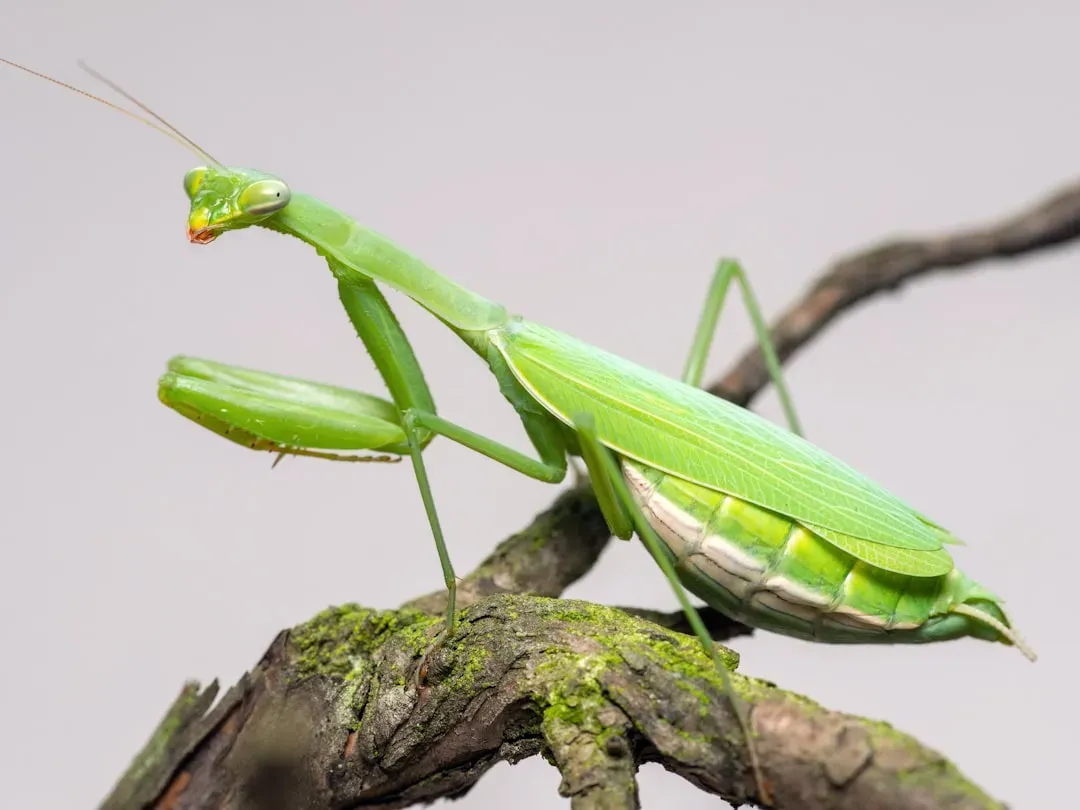
You’ve probably seen a praying mantis sitting perfectly still on a branch and assumed it’s peaceful and calm. In reality, you’re looking at a patient, heavily armed ambush predator waiting for the perfect moment to strike. A mantis uses its triangular head and huge compound eyes to track movement, then lashes out with lightning-fast, spiked forelegs that clamp down on prey before it can react. You might expect it to stick to flies, but larger mantis species have been documented taking down small birds, lizards, frogs, and even other mantises. Once it grabs something, it usually starts eating while the prey is still alive, calmly chewing while its victim struggles. If you scale up that kind of speed, strength, and appetite to lion size, you’d be looking at a nightmare-level predator roaming your backyard.
2. Antlion Larvae: Sand-Pit Serial Killers
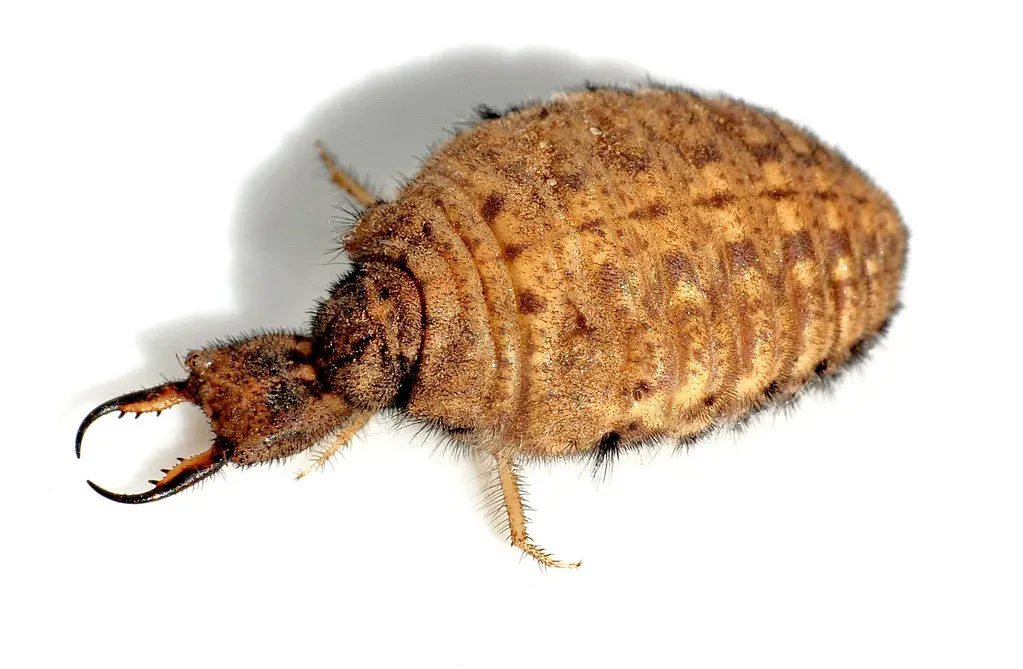
If you’ve ever seen small, conical pits in dry sand, you might have walked right past a tiny death trap without knowing. At the bottom of those pits, antlion larvae bury themselves, leaving only their powerful jaws exposed. When an ant or small insect tumbles into the pit, the loose sand makes climbing out almost impossible, and the hidden predator starts flicking sand to drag the victim down. As the insect slides helplessly toward the center, the antlion snaps its massive sickle-shaped jaws shut and injects digestive fluids into the prey. It basically drinks its victim from the inside, then tosses the empty husk out of the pit like garbage. If a shark used the same tactic, it would be like digging a crater in the seafloor and waiting for careless fish to slide into its mouth.
3. Assassin Bugs: Toxic Stab-and-Suck Specialists
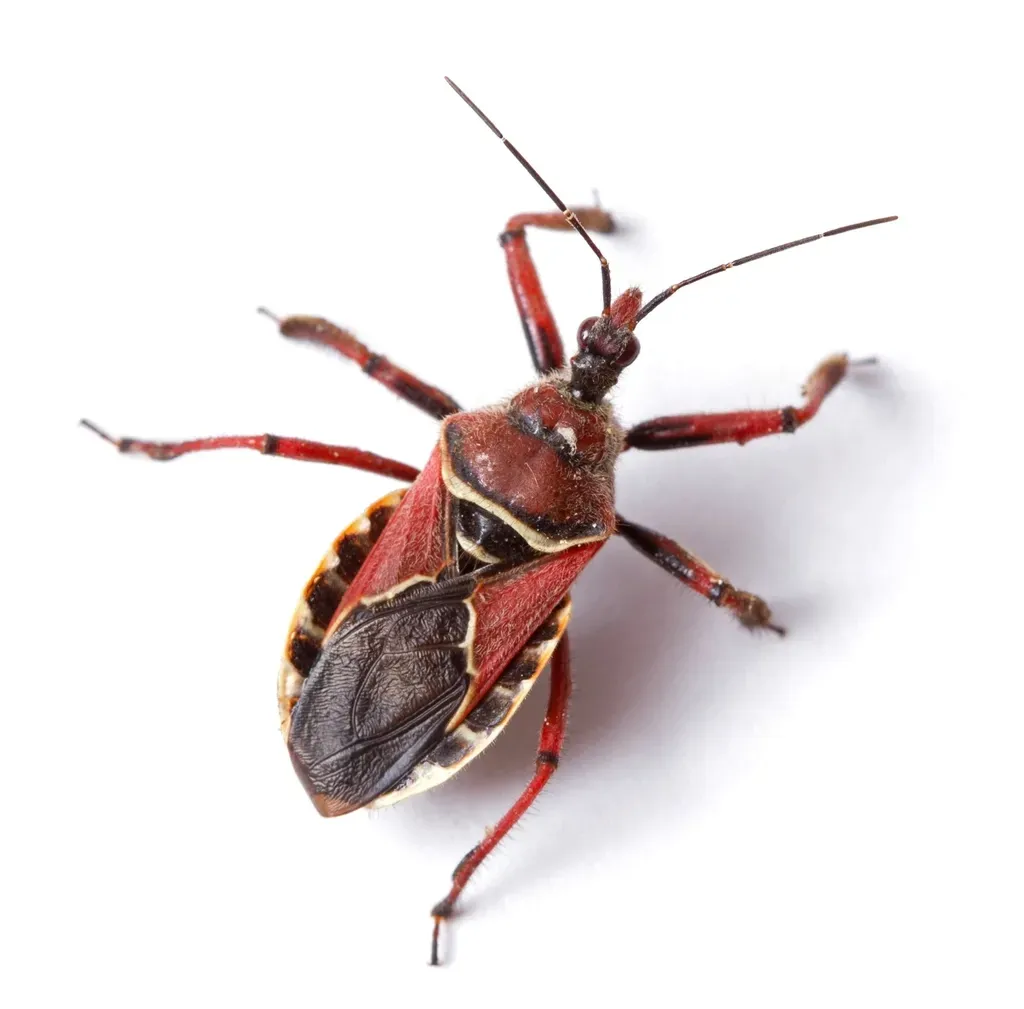
You know how some predators rely on brute force, while others rely on clever tools? Assassin bugs bring both, packaged in a surprisingly small insect body. They carry a long, sharp beak that works like a hypodermic needle, which they drive into their prey to inject a cocktail of enzymes. Those enzymes break down tissues so that the bug can then suck up the liquefied insides like a grisly smoothie. You might see them stalking spiders, beetles, or even other insects far larger than themselves, and they’re not shy about going after difficult or dangerous prey. Some species will even camouflage themselves with the corpses of their previous victims, turning their own kill count into armor. If you imagine a lion that stabs zebras with a single dagger strike, dissolves their insides, then wears part of the carcass as camouflage, you’re pretty close to an assassin bug’s style.
4. Dragonfly Nymphs: Underwater Jet-Powered Hunters
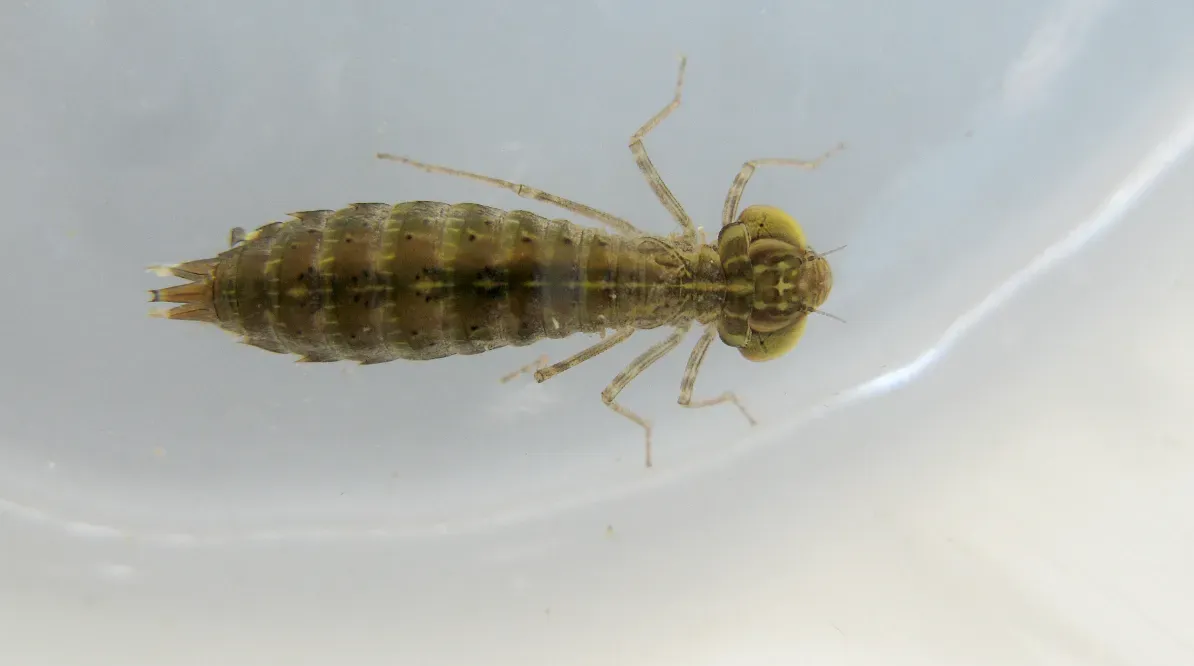
When you picture a dragonfly, you probably think of a delicate insect skimming over ponds, but its baby form is a completely different story. Dragonfly nymphs live underwater and are armed with a bizarre extendable lower jaw that shoots out to grab prey. They use it to catch tadpoles, insect larvae, and even small fish with rapid, precise strikes. The way they move is just as wild. Dragonfly nymphs use jet propulsion by rapidly expelling water from their rectum, giving them sudden bursts of speed to escape danger or ambush unsuspecting victims. Imagine if a shark could launch itself forward with a water jet while firing a spring-loaded mouth to snatch fish – that’s the kind of built-in weapon system these larvae come with, all before they ever grow wings.
5. Ladybugs: Cute Shell, Brutal Appetite
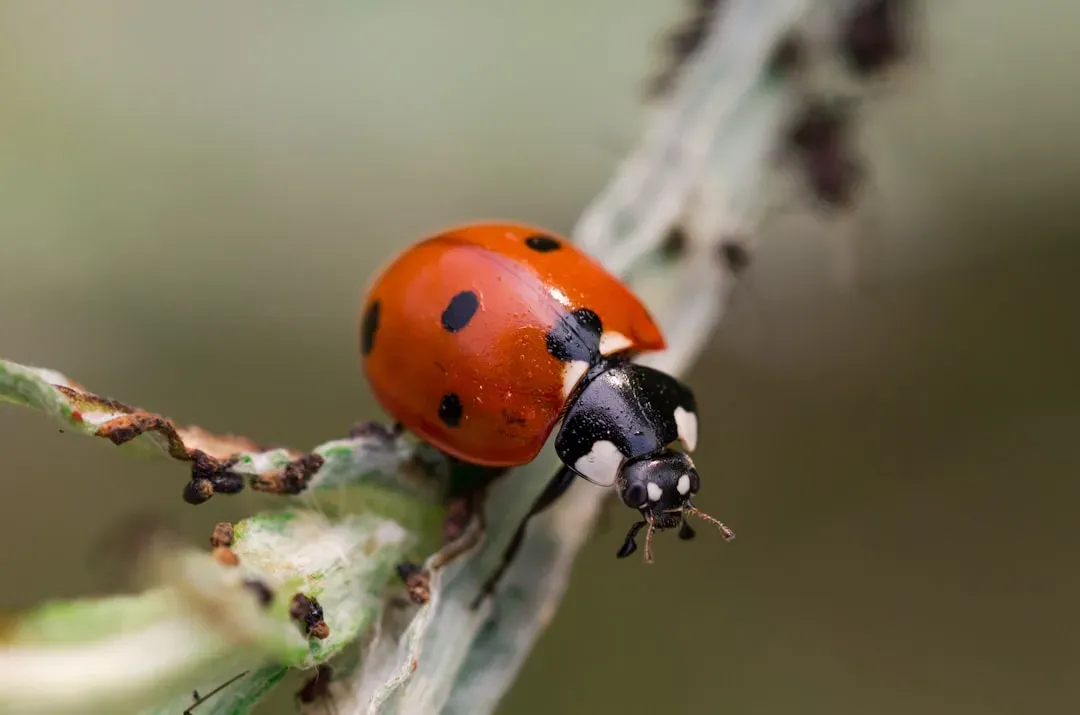
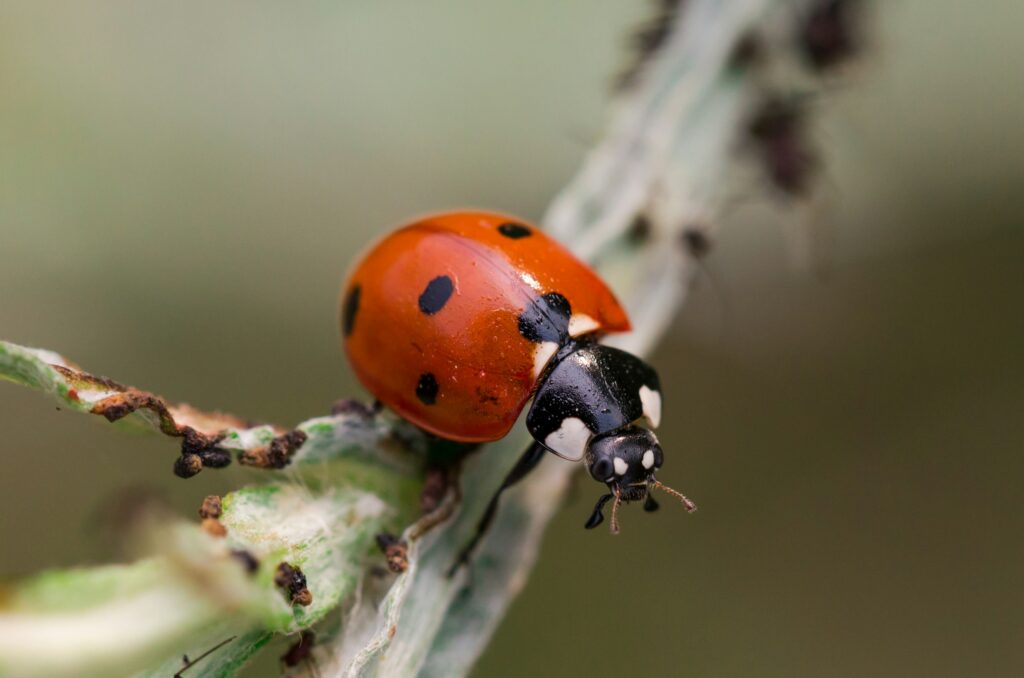
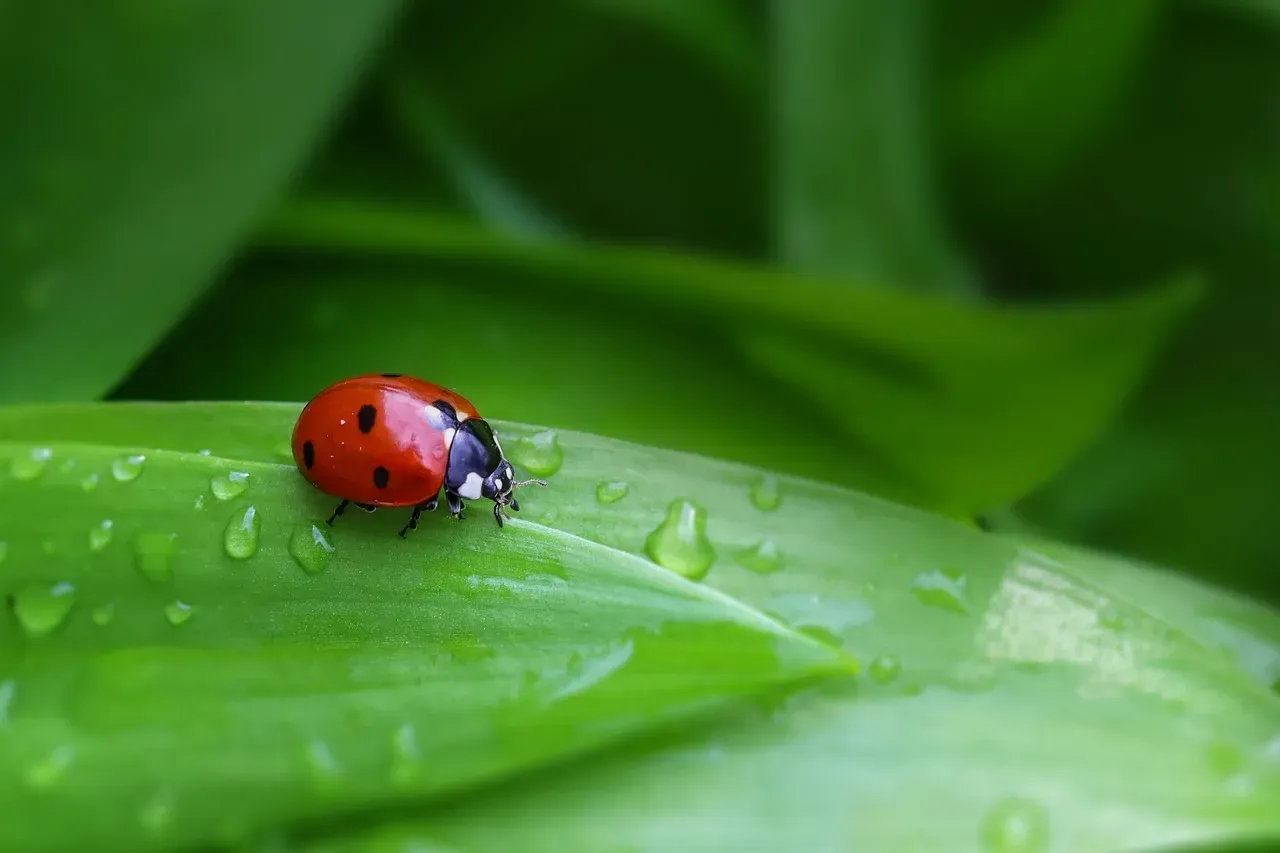
You probably grew up thinking ladybugs were gentle, lucky little beetles you should never harm. In reality, you’re dealing with a voracious tiny predator that can eat dozens of aphids in a single day. When you look closely at a ladybug on a garden plant, it’s not “hanging out” – it’s actively hunting and devouring soft-bodied insects with serious focus. Their larvae look even more intimidating, like small armored alligators crawling across stems and leaves. Those larvae spend their time chewing through aphid colonies, scale insects, and mites, often wiping out huge numbers of pests in a short period. If you scaled a ladybug’s hunting drive and feeding rate to lion size, you’d be staring at a predator that could strip an entire savanna of small animals in record time.
6. Jumping Spiders: Tiny Eyes, Huge Attitude
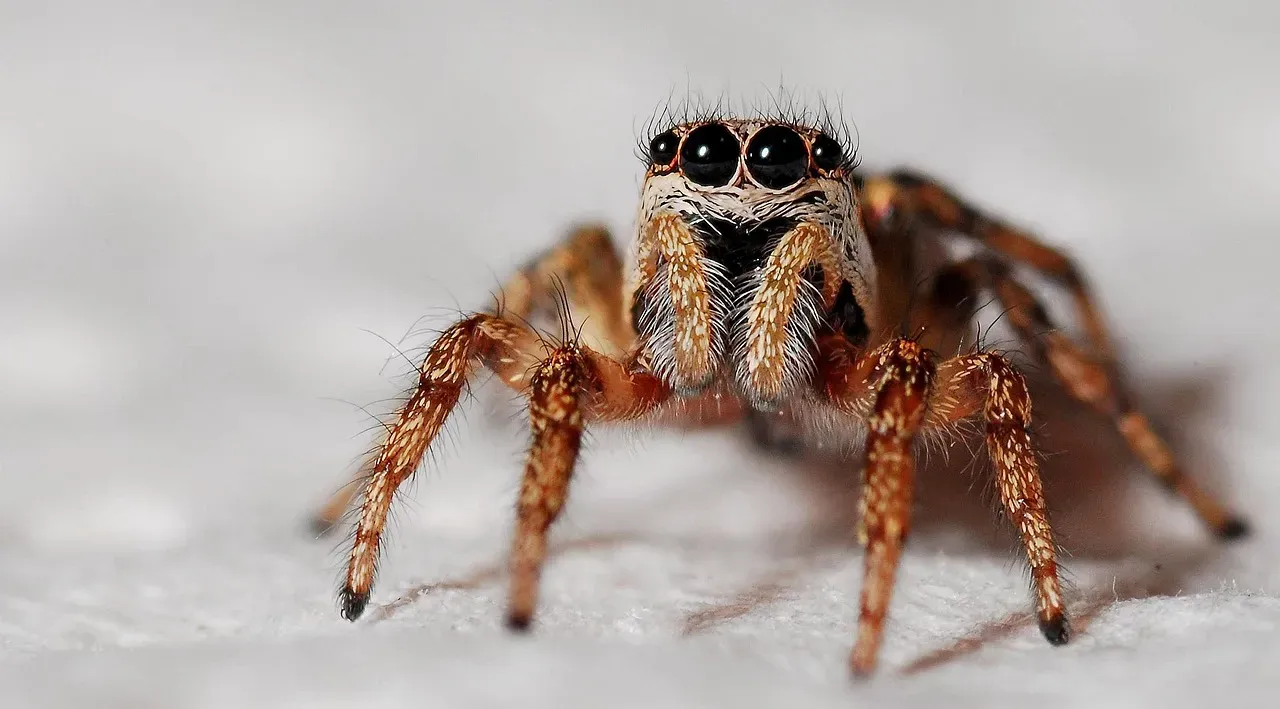
You might instinctively flinch when you see a spider, but jumping spiders are in a league of their own. They have large, forward-facing eyes that give them surprisingly sharp vision, almost like a cat in miniature. Instead of building webs to passively catch food, they actively stalk and pounce on their prey, planning their jumps and calculating distance with impressive accuracy. You’ll often see them tilting their heads, tracking your movement, clearly aware and curious about what’s around them. That intelligence pairs with serious athleticism: they can leap many times their body length to land directly on unsuspecting insects. If a lion could jump across a football field and land perfectly on the back of a running antelope every time, it would still be playing catch-up with the precision you see in a jumping spider.
7. Cone Snails: Slow Bodies, Instant Kill Shots
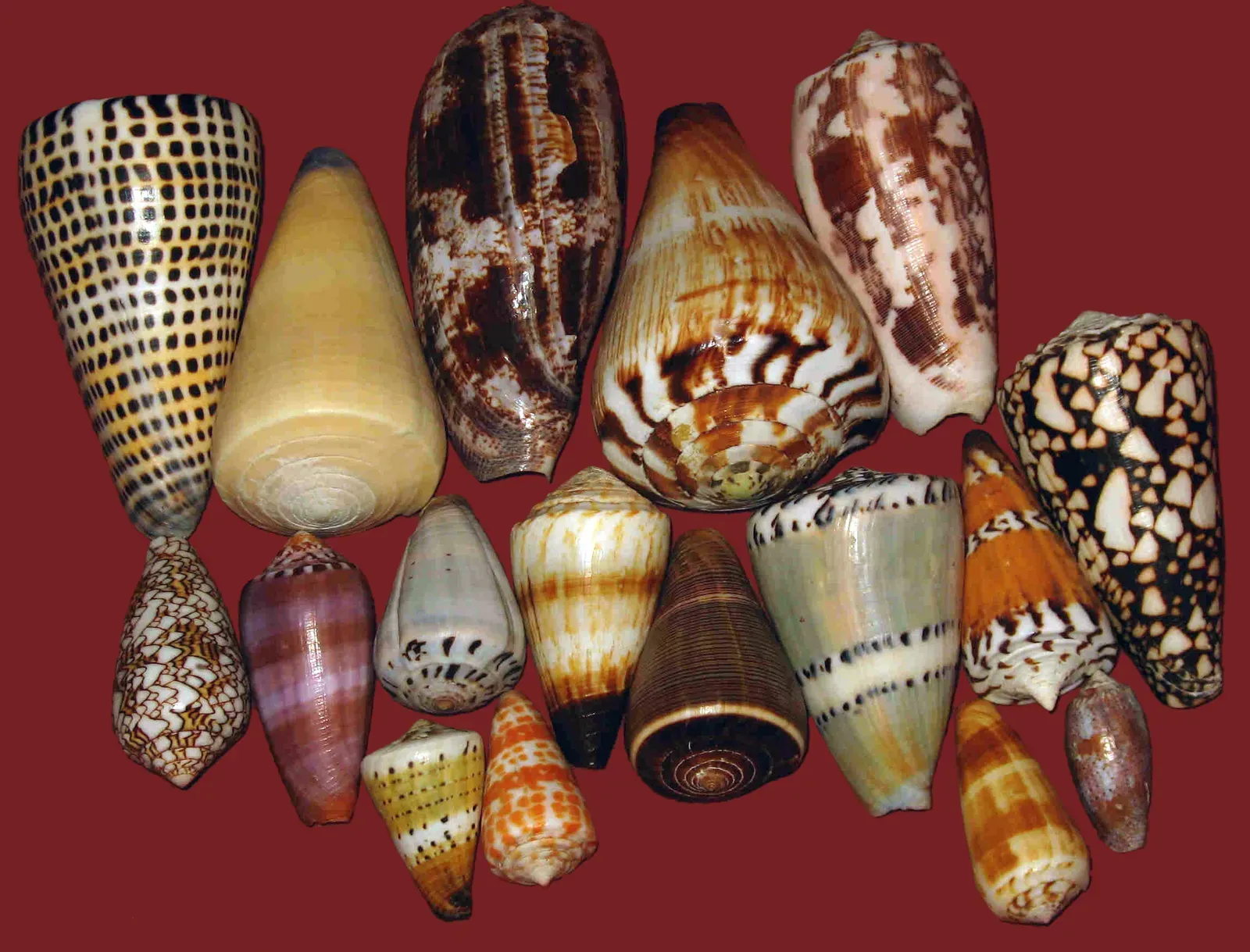
When you look at a cone shell on a tropical beach, you might think it’s just a pretty souvenir. But if it belongs to a live cone snail, you’re looking at a slow but deadly predator with one of the most sophisticated venom systems on Earth. Instead of chasing its prey, it fires a harpoon-like tooth loaded with venom into passing fish, worms, or other snails. The venom acts incredibly fast, paralyzing the prey almost instantly so the snail can reel it in and swallow it whole. Some cone snail species carry toxins that are dangerous to humans, which is remarkable considering their small size and slow movement. If a shark had this kind of weapon, it would be like firing poison-tipped spears at fish from a distance, turning a slow swimmer into an instant-kill sniper.
8. Parasitic Wasps: Living Horror Movies for Insects
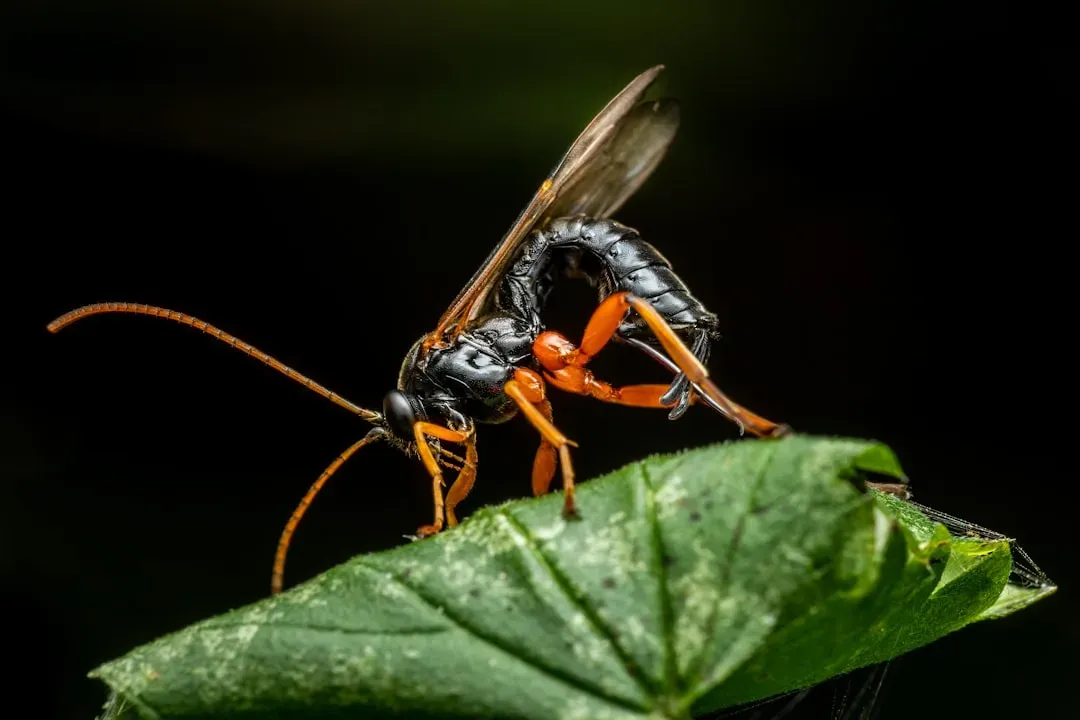
If you enjoy horror films, parasitic wasps might be the closest thing to a real-life version of what you see on screen. Many species lay their eggs directly inside or on top of other insects, like caterpillars or spiders. The wasp larvae hatch and slowly eat the host from the inside, carefully avoiding vital organs at first to keep the host alive as a fresh food source. You can sometimes see a caterpillar crawling around with wasp cocoons hanging off its back, still moving even though it has effectively already been consumed. For the victim, there’s no escape and no real defense against this kind of attack. Compared to that, a lion’s quick bite to the throat almost feels merciful, which tells you just how ruthless tiny predators can be when they’ve evolved to make use of every last bit of their prey.
9. Pistol Shrimp: Sonic Blasts in a Small Package
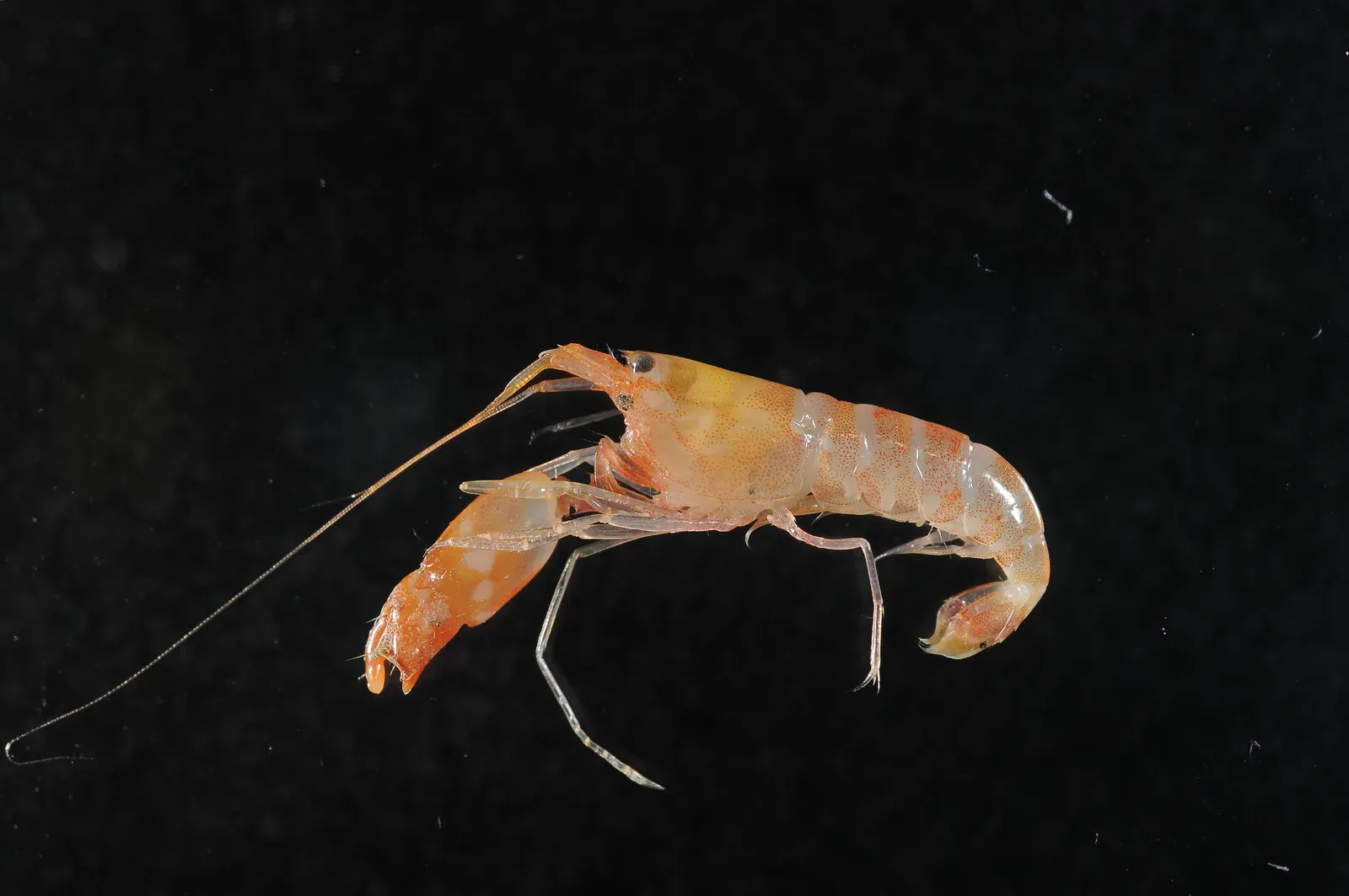
If someone told you a tiny shrimp could create a shockwave that stuns or kills prey, you might assume it’s an exaggeration. But pistol shrimp do exactly that with one oversized claw that snaps shut so fast it generates a bubble collapsing at incredible speed. The collapse produces a short burst of heat and a pressure wave strong enough to knock out small fish and crustaceans nearby. You usually do not see the bubble with your naked eye, but the effect is easy to recognize: prey suddenly goes still, and the shrimp calmly drags its meal back to its burrow. The sound of that snap can be loud enough to interfere with underwater communication equipment in areas where many of these shrimp live. If you gave a shark the ability to fire underwater sonic booms from its fins, it still would not match the weird power that’s naturally built into this little crustacean.
10. Ants: Cooperative Killing Machines
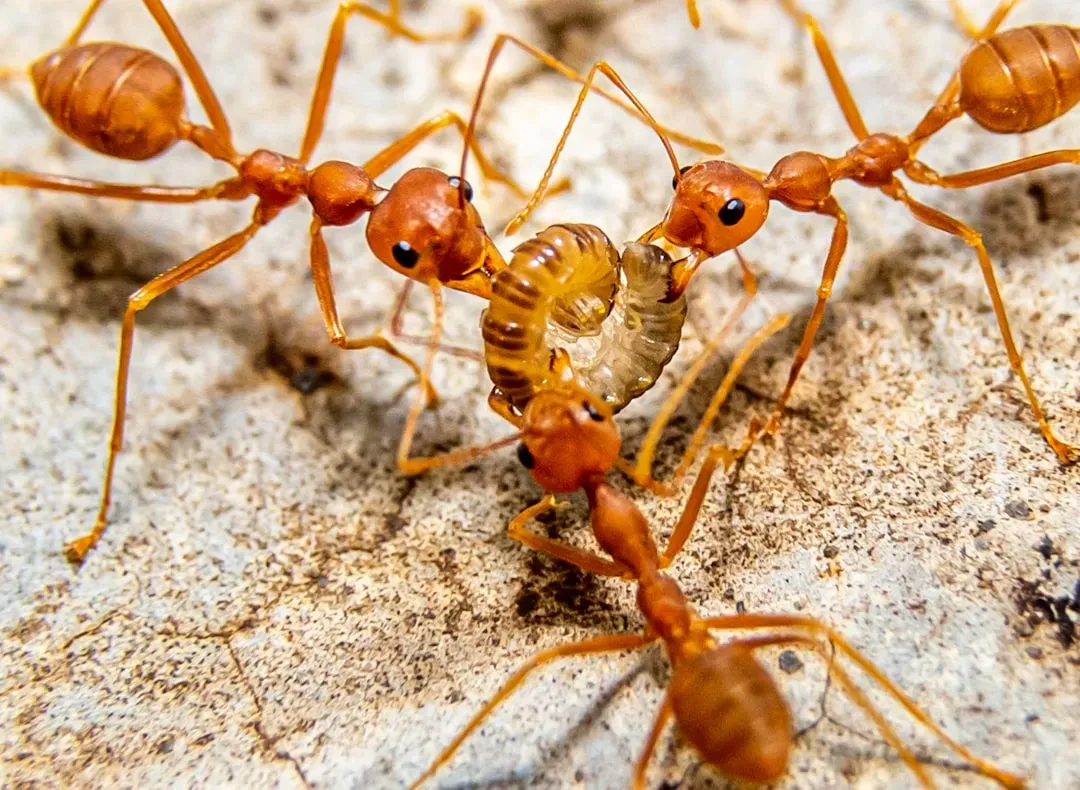
You probably step over ants every day without thinking much about them, but collectively they’re among the fiercest predators on the planet. Many ant species hunt in coordinated groups, overwhelming prey much larger than any single worker could tackle alone. They use chemical signals to organize attacks, surround their target, and use their mandibles and sometimes stings to slowly tear it apart. In some regions, army ants form enormous raiding swarms that strip the ground of almost every soft-bodied animal in their path. Other species specialize in raiding insect nests, carrying off larvae and pupae like looted treasure. If you scaled up their organization, communication, and relentlessness to the size of lions, you’d be dealing with an unstoppable army that could clear entire ecosystems in waves.
Conclusion: Small Bodies, Big Consequences
Once you step back and look at all these tiny predators together, you start to see a clear pattern: size has almost nothing to do with viciousness in nature. You’ve got insects that liquefy their prey, larvae that set traps in sand, snails that fire venomous harpoons, and shrimp that weaponize physics itself, all hidden in plain sight around ponds, gardens, beaches, and forests. The next time you see something small crawling, hiding, or hovering nearby, you might wonder what kind of hunter it really is and what brutal little dramas are playing out at ground level. Nature does not reserve ruthlessness for lions and sharks; it spreads it generously across the tiniest creatures too. So now that you know what’s out there in miniature, which of these tiny predators would you least want to face if you were their size?