Everyone assumes the biggest museum secrets are missing paintings or stolen jewels. They’re not. The real secrets sit behind plain metal doors that visitors walk past a thousand times without a second glance – doors staff have quietly agreed never to open unless a lawsuit, a scandal, or a court order forces their hand.
These aren’t fantasy treasure vaults. They’re logistical nightmares and moral minefields, stacked floor to ceiling with donations that arrived decades ago, got a line in a ledger, and then vanished from institutional memory on purpose. What’s actually inside them says more about power, money, and guilt than any exhibit upstairs ever could – and the reasons curators won’t touch them get stranger the further down this list you go.
#10 – The Room Full of Unlabeled Crates No One Dares Open
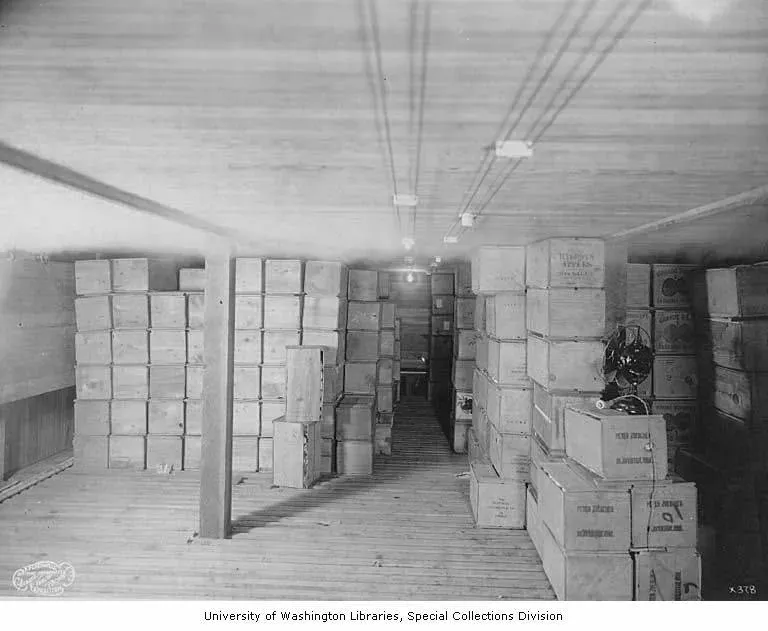
Every major museum has one: a donation that arrived decades ago in wooden crates from a now-defunct dealer or a forgotten estate, with an accession file that’s a few yellowed pages at best. Nobody currently on staff remembers what’s actually inside. It could be minor decorative objects, or it could be something with a paper trail that leads somewhere very uncomfortable.
That’s exactly the fear. Nobody wants to crack open a crate and discover an object that legally belongs to another country, because that turns a quiet backlog into a front-page restitution case overnight. Provenance research on a single item can take years, and claims from foreign governments or descendant communities can follow. So the crate sits, technically owned, functionally untouched, until someone with funding, time, and nerve finally decides to look.
Worth Knowing
- Large museums typically display only a small slice of their total holdings, with the majority sitting in collections storage indefinitely.
- Provenance research on a single contested object can take years and require digging through multiple archives across countries.
- Decades-old accession files were often just a handwritten line or two, never meant to survive a modern legal review.
- Restitution claims can surface from foreign governments, descendant communities, or heirs long after a donation was quietly accepted.
#9 – The Vault Holding a Donor’s Ruined Reputation
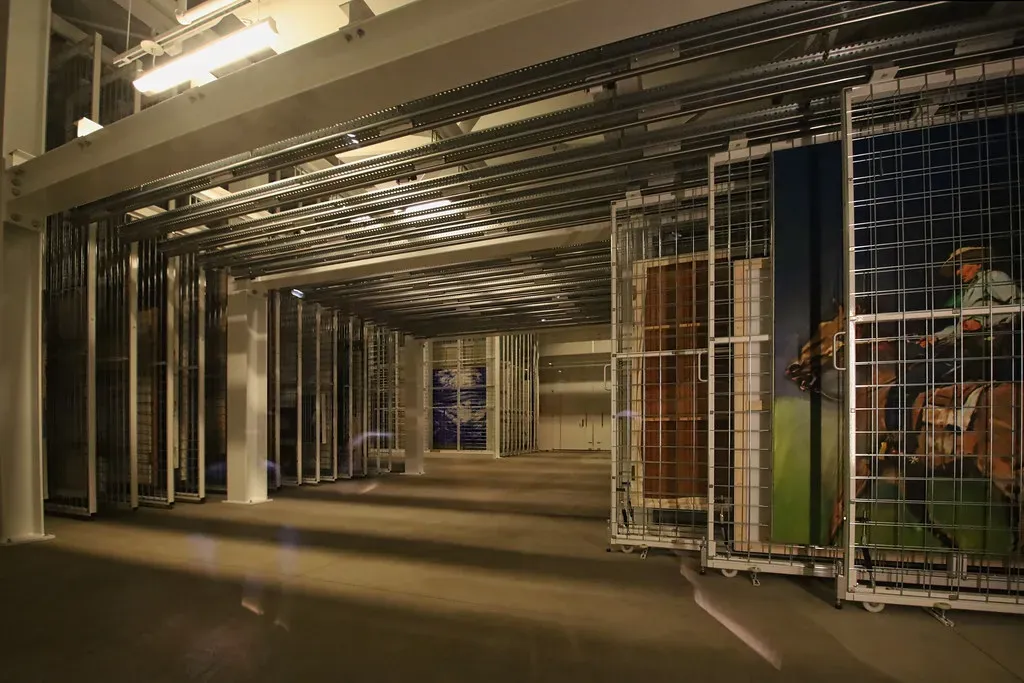
Some donations age badly in ways no curator could have predicted. A collection from a once-celebrated industrialist looks completely different once the public learns about the environmental disaster, the labor abuses, or the political extremism tied to that fortune. Museums quietly push those objects into deep storage rather than risk celebrating a name that now triggers protests outside the front doors.
Some institutions keep entire rooms sealed for this exact reason – not because the objects are dangerous, but because reopening them means reopening a controversy the museum barely survived the first time. Do you risk exposing pieces tied to a discredited regime or a disgraced patron, or leave the room closed and hope nobody asks? Communication teams know one badly worded press release can blow up online in hours, so the boxes stay catalogued just enough to satisfy the law and never examined again.
#8 – The Human Remains Room Everyone Knows Is There
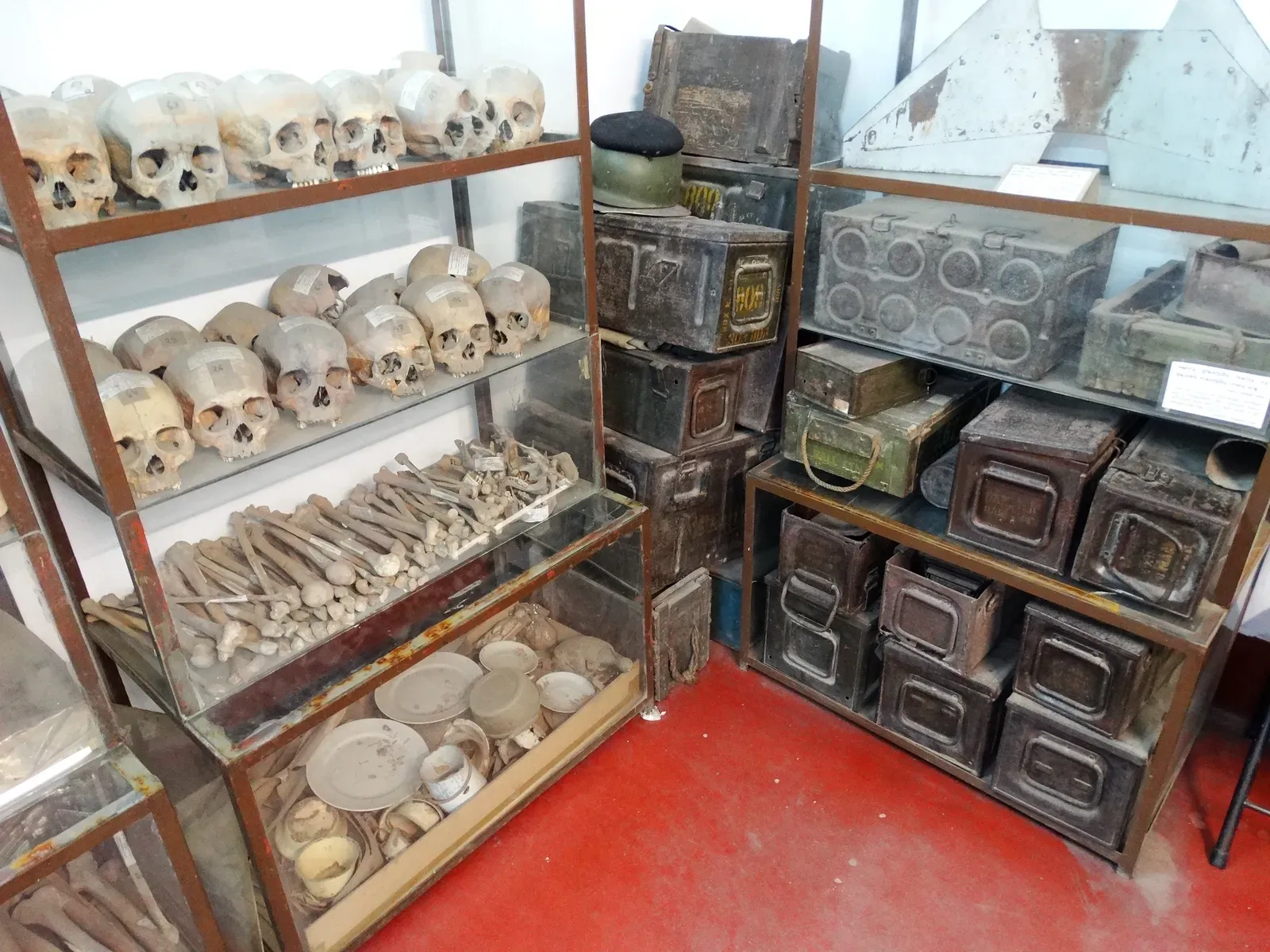
Human remains are the most ethically loaded objects any museum can hold. Skulls collected during colonial expeditions, mummified bodies, bones bought from dealers who never asked hard questions – decades ago, these were filed away as “scientific specimens.” Today, many are recognized for what they actually are: people, taken from graves without consent.
Some museums still hold hundreds, sometimes thousands, of unidentified remains in storage, and reopening that inventory means confronting questions nobody wants to answer casually. Who do these remains belong to? Which descendants or communities need to be contacted, and what happens if none can be found? Curators quietly admit they know the room is there, they know it’s a problem, and they’re genuinely afraid of what unsealing it will force them to reckon with.
Fast Facts
- NAGPRA is a ground-breaking human rights law passed by Congress in 1990 that requires museums and federally funded institutions to return Native American human remains, funerary objects, sacred objects, and objects of cultural patrimony taken without consent.
- As of September 2024, NAGPRA has resulted in 126,299 human remains, out of 216,804 reported, being repatriated.
- Major updates to NAGPRA took effect on January 12, 2024, and the 2024 updates aimed to fix delays by strengthening tribal authority, eliminating the “culturally unidentifiable” loophole, and setting strict deadlines for compliance.
- Harvard University’s Peabody Museum of Archaeology and Ethnology, University of California, Berkeley and the Field Museum in Chicago each hold the remains of more than 1,000 Native Americans.
#7 – The Toxic Specimen Room Treated Like a Hazmat Site
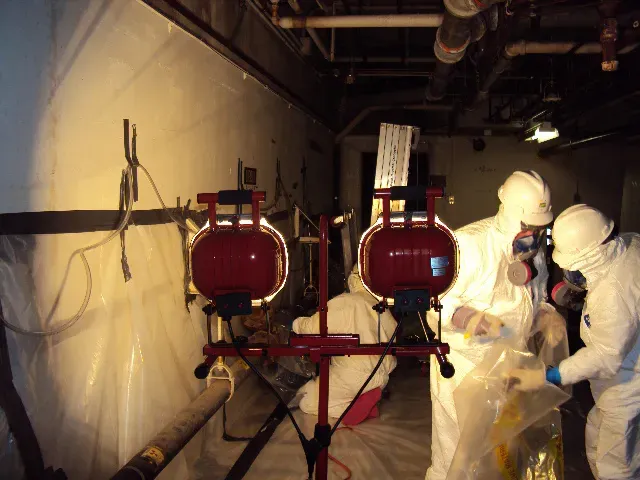
Before modern safety standards existed, museums happily accepted donations of early plastics, taxidermy mounts, preserved specimens, and industrial samples without asking what was actually inside them. Conservators now know better. Those jars and drawers can contain mercury, arsenic, formaldehyde, asbestos, or radioactive compounds that were perfectly normal to handle in 1955 and are a serious hazard today.
Opening one of these rooms isn’t a matter of dusting off a shelf. It can require environmental testing, full protective gear, and specialized disposal contracts that cost far more than the objects are worth displaying. So curators face a genuinely brutal choice: leave the door shut and hope nothing leaks, or open it and trigger a multi-year cleanup the public will never even see, let alone thank them for.
Worth Knowing
- The invention of arsenical soap in the mid-1700s and the publication of its recipe in 1800 made arsenic a popular pesticide used in collections for nearly two centuries.
- Since 1770, alongside arsenic, mercury chloride, also known as “corrosive sublimate,” was widely used in taxidermy.
- Mercury mostly stopped being used in taxidermy by the early 20th century, but arsenic was advocated for until at least the 1970s.
- Since documentation of pesticide treatment on museum objects was often sporadic, staff may not know whether an artifact is contaminated without lab testing.
#6 – The Room Buried in Duplicate Everything
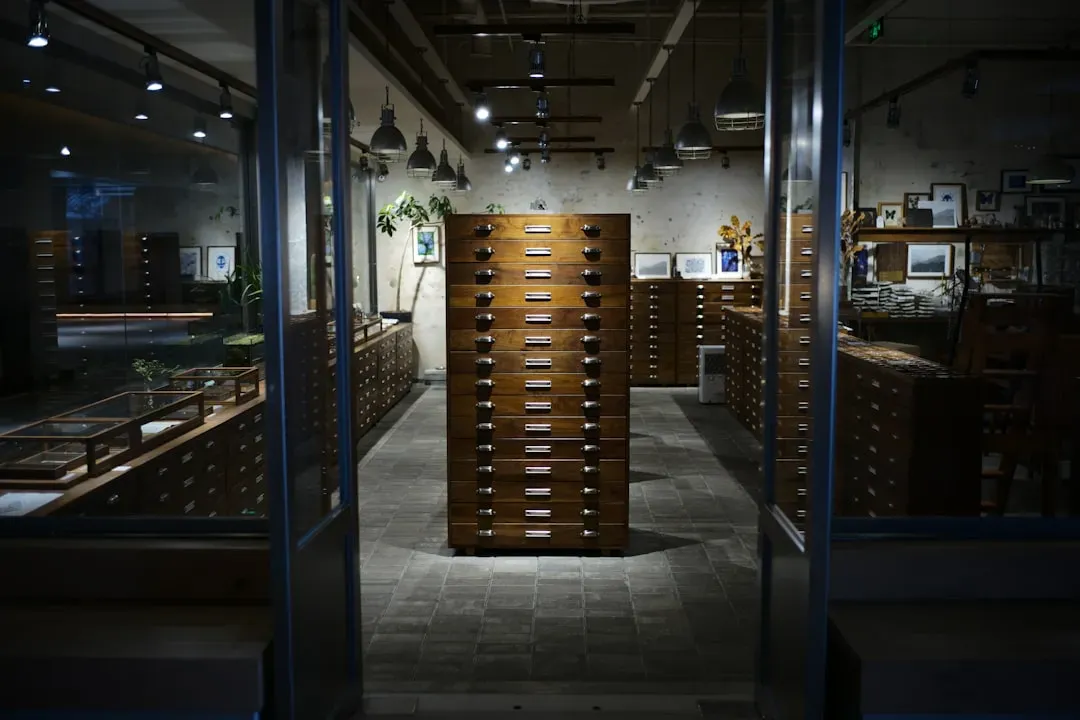
This one isn’t dramatic, and that’s exactly why it’s so paralyzing. Somewhere in most large museums sits a room stuffed with thousands of near-identical coins, stamps, ceramic shards, or shells – the entire life’s obsession of one collector who left everything to the institution in a single bequest. In some cases, a single donor’s collection fills an entire room that no curator has ever fully inventoried, item by item.
Storage space is finite and expensive, and processing thousands of duplicates takes time no museum actually has to spare. Worse, deaccessioning any of it is politically risky if the donor’s family is still around and watching closely. So the room becomes a frozen monument to one person’s passion rather than anything the public will ever see – hidden redundancy instead of hidden treasure.
Quick Compare: Keep It or Cull It
- Keep everything: Honors the donor’s full intent, but eats climate-controlled shelf space that could hold more varied acquisitions.
- Selective deaccession: Frees up storage and staff hours, but risks upsetting a watchful donor family or violating gift terms.
- Digitize, then store minimally: Makes the collection searchable for researchers, though it doesn’t solve the physical space problem.
- Transfer to a specialty institution: A stamp collection may serve a philatelic society better than a general museum, but transfers require legal review and mutual consent.
#5 – The Corporate Time Capsule Nobody Wants to Unwrap
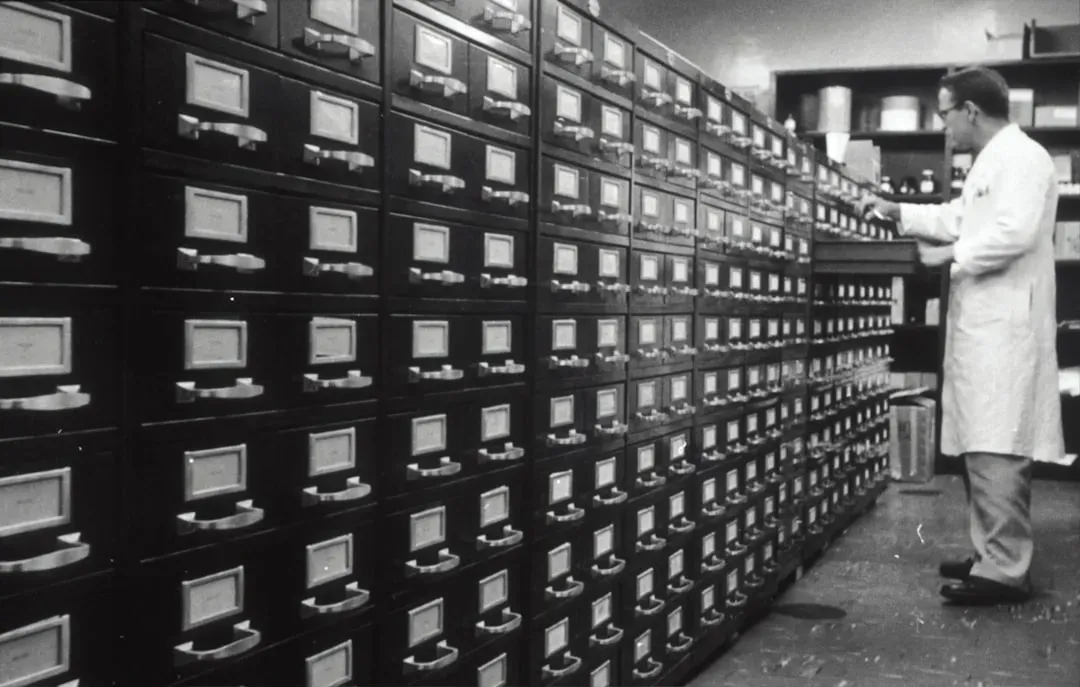
In the late twentieth century, corporations loved donating promotional materials to burnish their image: branded displays, product prototypes, glossy marketing archives meant to capture “the future.” Decades later, a lot of that future looks embarrassingly dated, or worse, is tied to a company now best known for a scandal or a bankruptcy filing.
Some of these storerooms are basically graveyards of corporate ego, frozen in the exact moment before the PR disaster hit. Curators hesitate to open them because the questions get awkward fast – is this genuine history, or just old advertising dressed up as culture? Design historians argue these materials are crucial records of consumer life, but until someone has the funding and the nerve to decide what story to tell, the boxes just stay sealed.
#4 – The Archive Where Ownership Is Still in Dispute
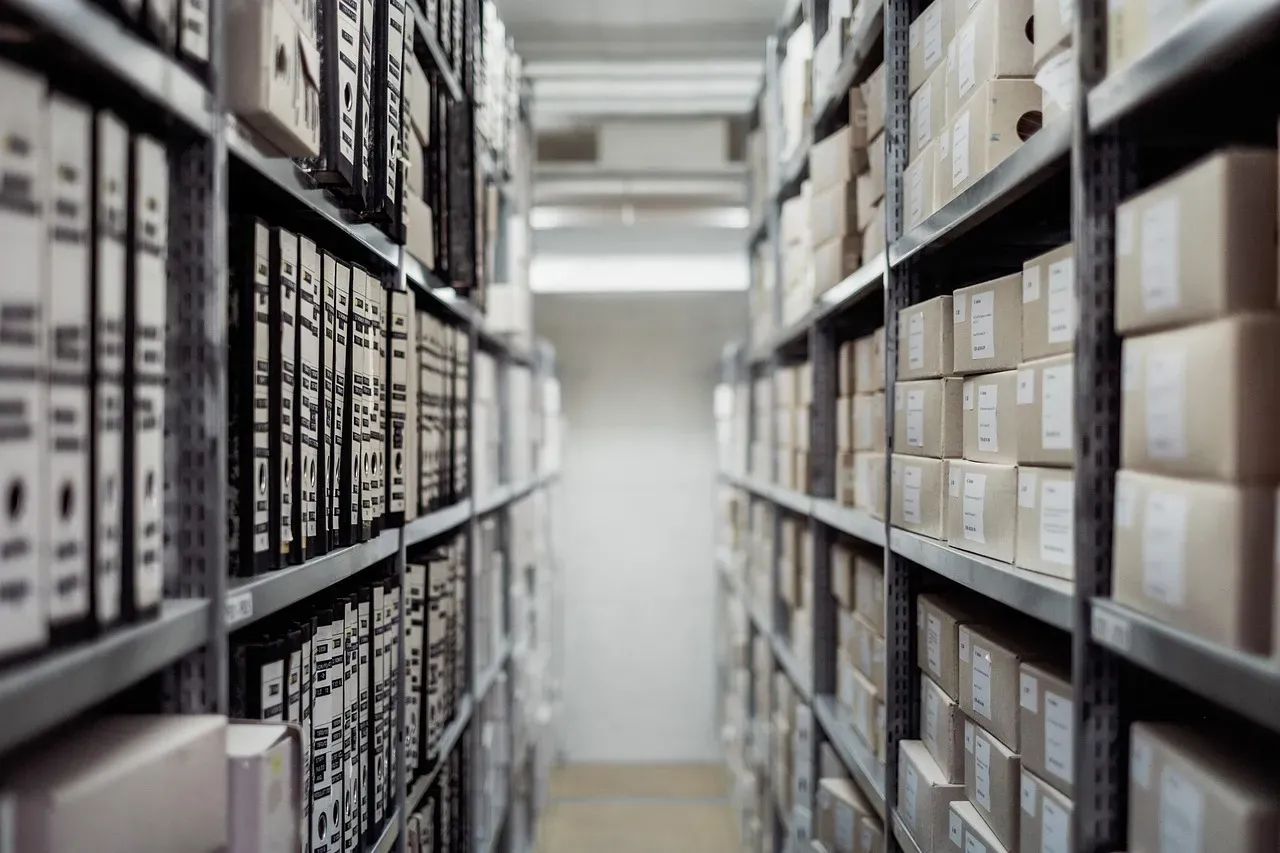
Some donations arrive with paperwork that later turns out to be incomplete, misleading, or flat-out wrong. Maybe the donor conveniently forgot to mention the object left its home country illegally, or that a sibling, co-heir, or previous owner still disputes the gift entirely. Legal teams flag these items as “sensitive,” and they’re shuffled into a storeroom where every single object is a potential lawsuit waiting to be filed.
Documenting or researching any of it can expose the institution to claims it isn’t ready to fight. Some argue facing this head-on is the only ethical option; others worry limited budgets mean years spent on legal defense instead of education. So the door stays locked, the spreadsheet marked “restricted,” and everyone quietly hopes nobody asks the wrong question at the wrong time.
#3 – The Room That Doesn’t Match the Museum Anymore
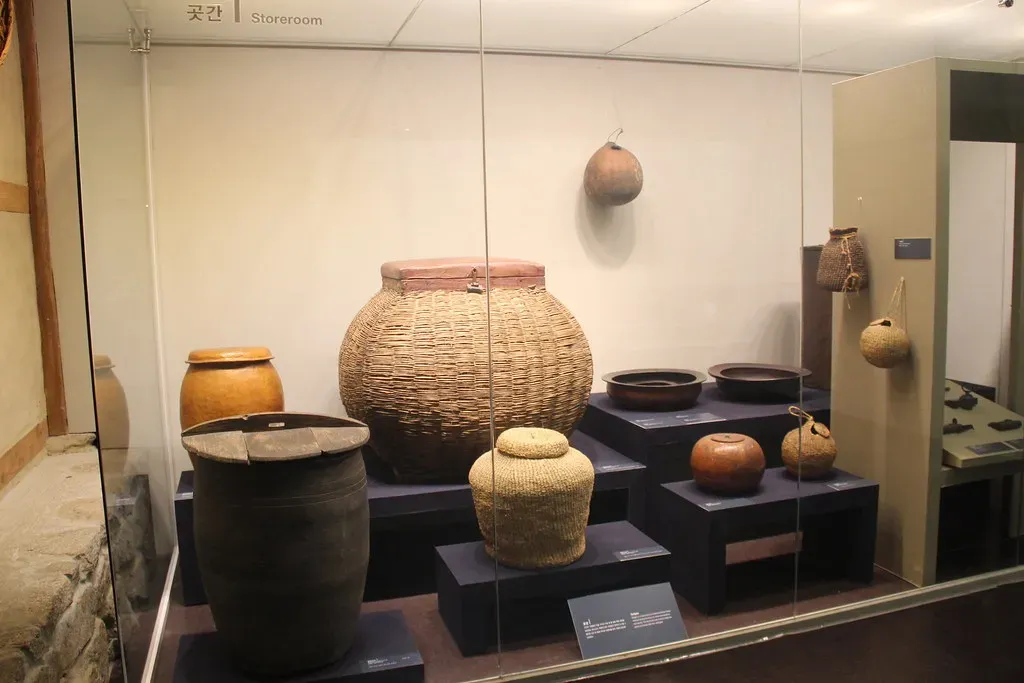
Museums evolve. A local history museum reinvents itself as a contemporary art space; a generalist institution refocuses entirely on underrepresented artists. But donations accepted under the old mission don’t just disappear – they sit in storerooms that no longer match anything the current brand stands for.
Opening those doors forces uncomfortable conversations nobody wants to have out loud: why did we say yes to this in the first place, and are we willing to admit publicly that it no longer fits? Boards and long-time donors often resist the idea that their cherished gift is now “off-strategy,” while younger curators see the same objects as dead weight dragging the institution backward. Until there’s real consensus on deaccessioning or transfer, nobody volunteers to be the one who reopens the past.
#2 – The Legacy of Fieldwork Done the Wrong Way
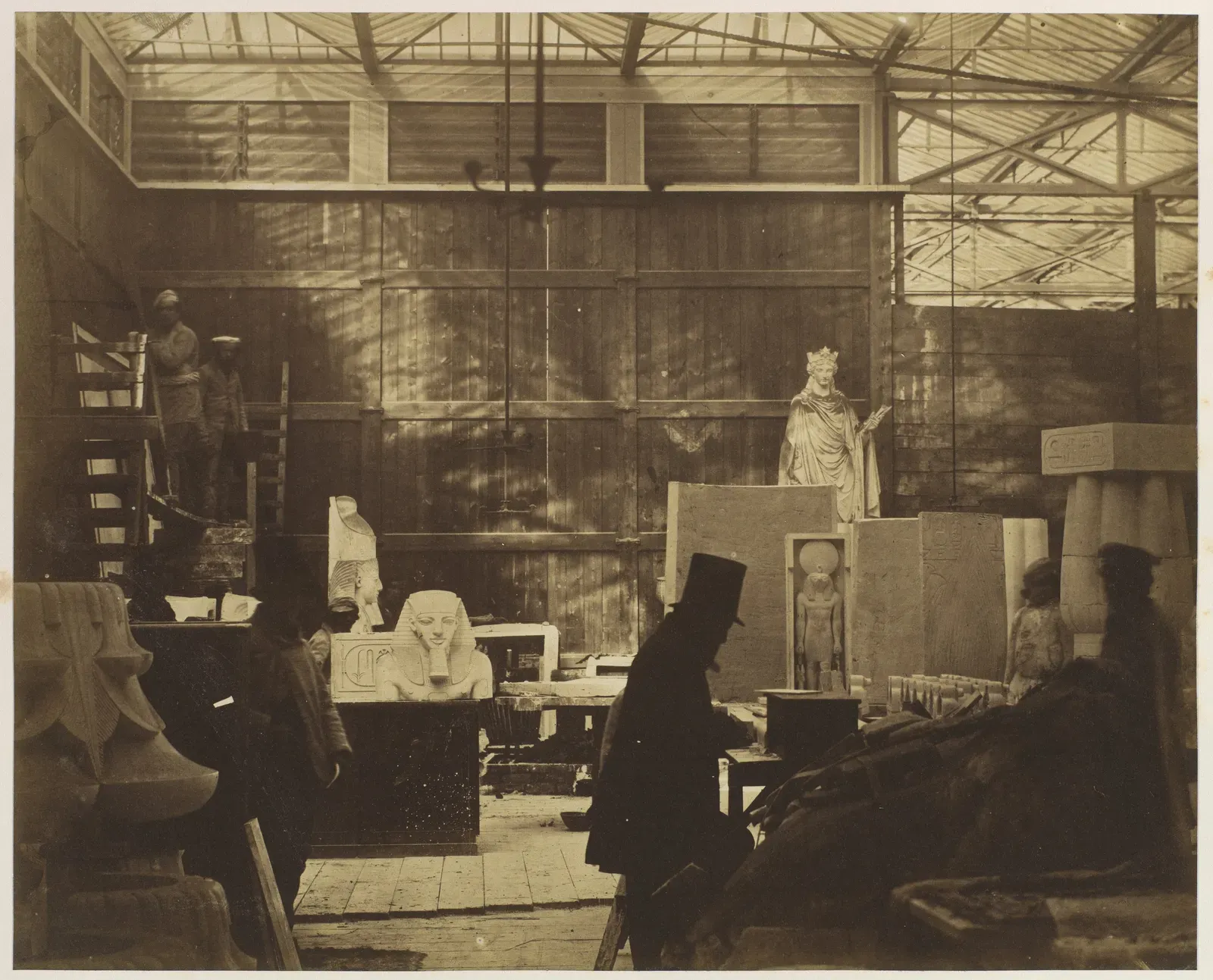
Some of the most sensitive storerooms trace back to research trips and excavations conducted under serious power imbalances – colonial expeditions, war zones, communities that had no real ability to say no. Field notes from a century ago describe “specimens” where modern ethics would say sacred objects, or simply someone’s family property taken without permission.
Many museums quietly hold collections whose origin stories would spark outrage if displayed without serious context and a genuine apology attached. Opening them means admitting past wrongdoing by respected, sometimes still-celebrated figures, and contacting descendant communities who may rightfully demand return, ceremony, or reparations.
Museums are not neutral. They collect, and by collecting, they tell stories – and stories from institutions have to be true.
David Fleming, former director, National Museums Liverpool
Some argue leaving these rooms closed is a second act of erasure. Others insist careful, community-led processes simply can’t be rushed for the sake of a headline. Either way, the keys stay in a drawer far longer than anyone likes to admit.
#1 – The Room Locked by a Contract No One Will Challenge
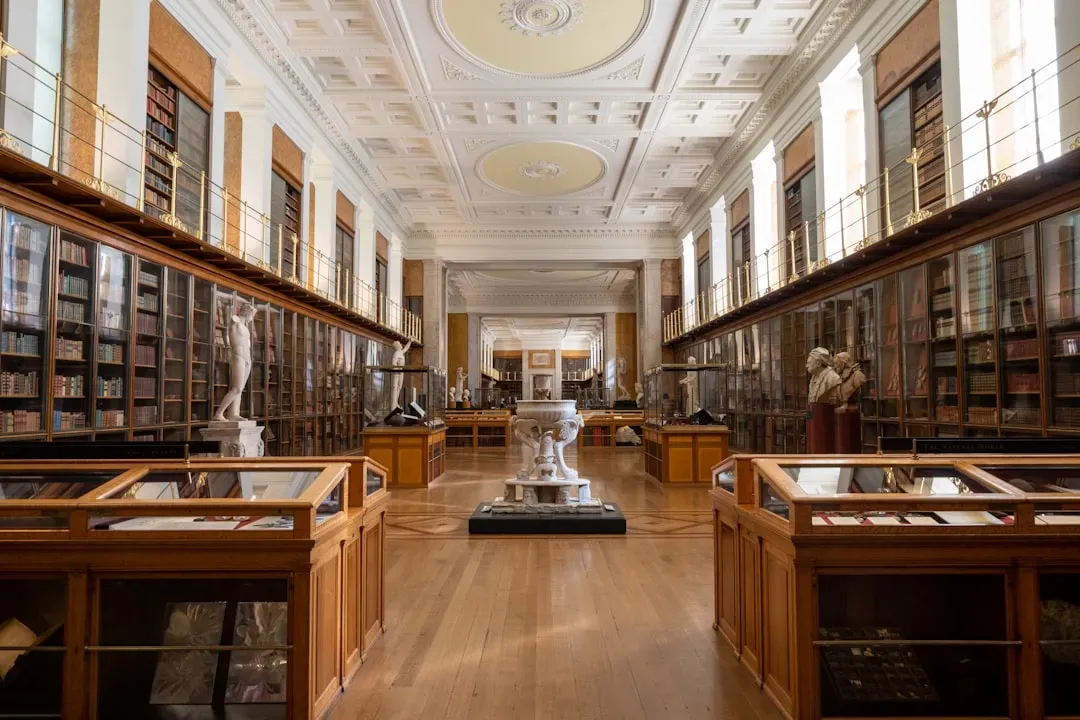
At the very top of the list is the donation that came with strings attached – sometimes wildly restrictive ones. Contracts can demand items never be sold, never broken up, always displayed together, or never exhibited at all without family approval, no matter how many decades pass. Staff change and memory fades, but the legal document never expires.
There are real cases where a donor’s conditions are so restrictive that the safest option was simply to accept the gift and quietly never open the room again. Inside could be work that clashes with the museum’s current values, pieces too fragile to show but legally barred from deaccession, or an entire collection that undermines everything the institution now claims to stand for. Challenging the contract risks lawsuits and lost funding; obeying it means burning space, insurance, and staff time on something that serves almost no public benefit at all. So the room becomes a legal fiction – meticulously secure, technically accessible, practically frozen since the day it arrived.
Why It Stands Out
- Donor contracts can legally outlive the donor, the curator, and even the museum’s original mission statement by decades.
- Some agreements bar sale, loan, or display without family sign-off, no matter how public taste or ethics shift.
- Challenging a restrictive gift agreement in court can spook other major patrons who are watching closely.
- Insurance, security, and staff hours still apply to a locked room, even when the public never sees what’s behind the door.
The Bottom Line
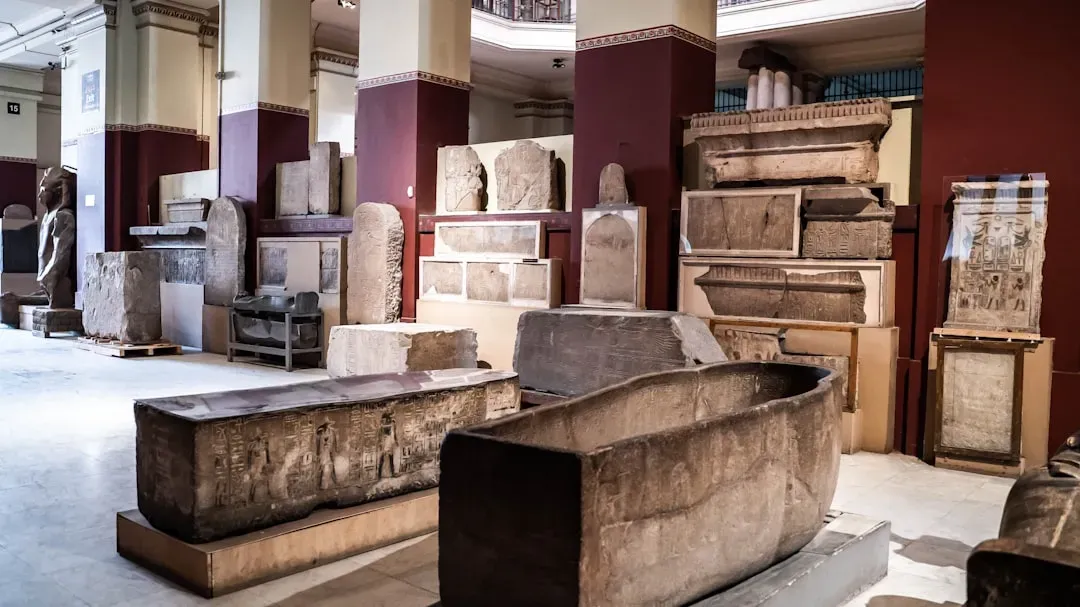
The fantasy of secret treasure vaults makes for great movies, but the real unopened storerooms are about fear, not fortune. Fear of lawsuits, of bad press, of toxic residue, of finally admitting a mistake made by someone whose name is still on the building.
What sits behind those locked doors is rarely a lost masterpiece. It’s far more often a messy reminder that collecting has consequences, and that museums aren’t neutral warehouses – they’re institutions negotiating power, memory, money, and morality every time they decide what to open and what to leave shut.
My honest take: the museums that eventually earn real trust will be the ones willing to unlock these rooms and show the public the discomfort along with the beauty, instead of managing it quietly forever. Until that happens, the quietest room in the building is usually the one saying the most.