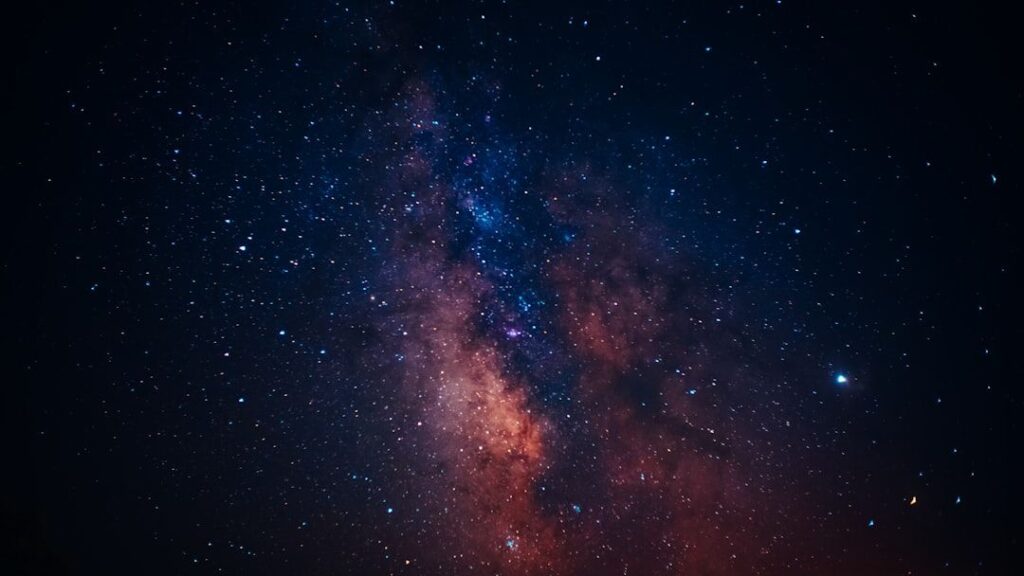

You live at a time when your entire picture of the cosmos has been turned upside down in just a few decades. Ideas that once sounded like wild science fiction – invisible matter, planets around distant suns, a universe that is literally accelerating as it expands – are now part of the standard story you are taught about reality. It is hard to overstate how radical that shift really is.
As you read through these discoveries, you might notice something unsettling and exciting at the same time: every time you think you get a handle on how the universe works, nature pulls the rug out from under you. These ten breakthroughs did not just add new details; they forced you to redraw the entire map in your head. By the end, you may find yourself looking at the night sky with very different eyes.
1. You Discovered the Universe Is Expanding
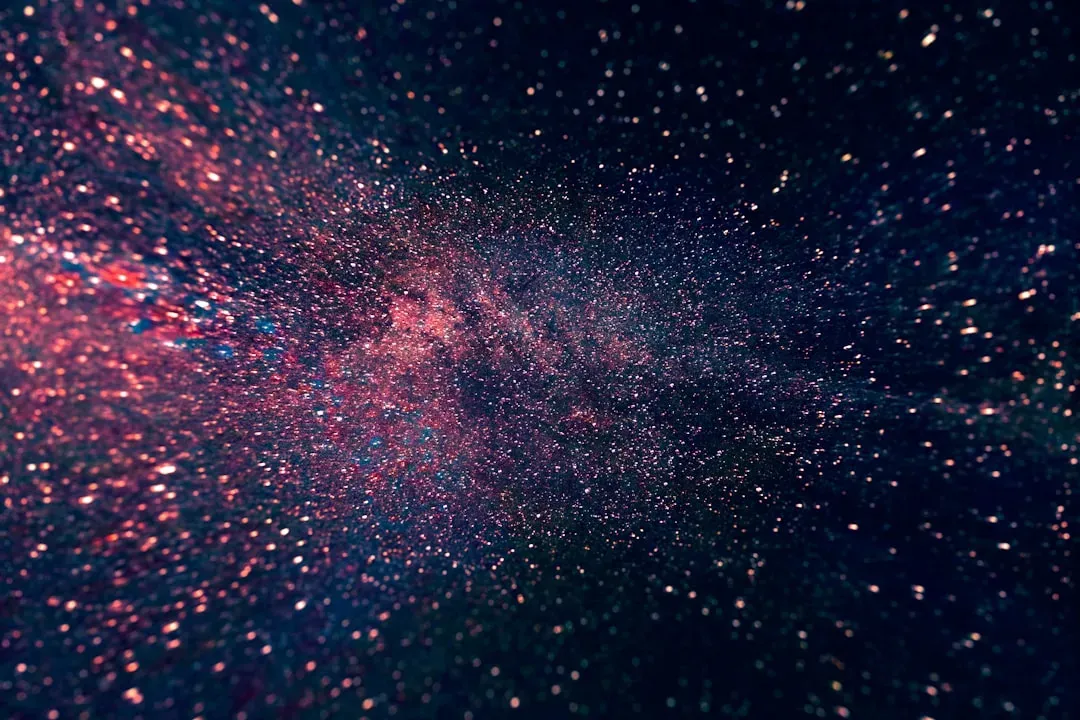
Imagine growing up believing the cosmos is static, calm, and eternal – and then learning that it is actually stretching like a balloon being slowly inflated. When astronomers studied the light from distant galaxies in the early twentieth century, they saw that the light was shifted toward the red end of the spectrum, a sign those galaxies are speeding away from you. The farther away a galaxy is, the faster it recedes, which tells you that space itself is expanding, not just the things in it drifting apart.
This single realization completely reshaped your sense of cosmic history. An expanding universe implies it used to be smaller, denser, and hotter, which naturally led to the idea of a definite beginning: the Big Bang. Instead of picturing an unchanging backdrop, you now have to see the universe as a dynamic, evolving thing with a childhood, a turbulent adolescence, and a long future. It is like discovering your seemingly quiet hometown is actually built on a moving tectonic plate.
2. You Found the Afterglow of the Big Bang
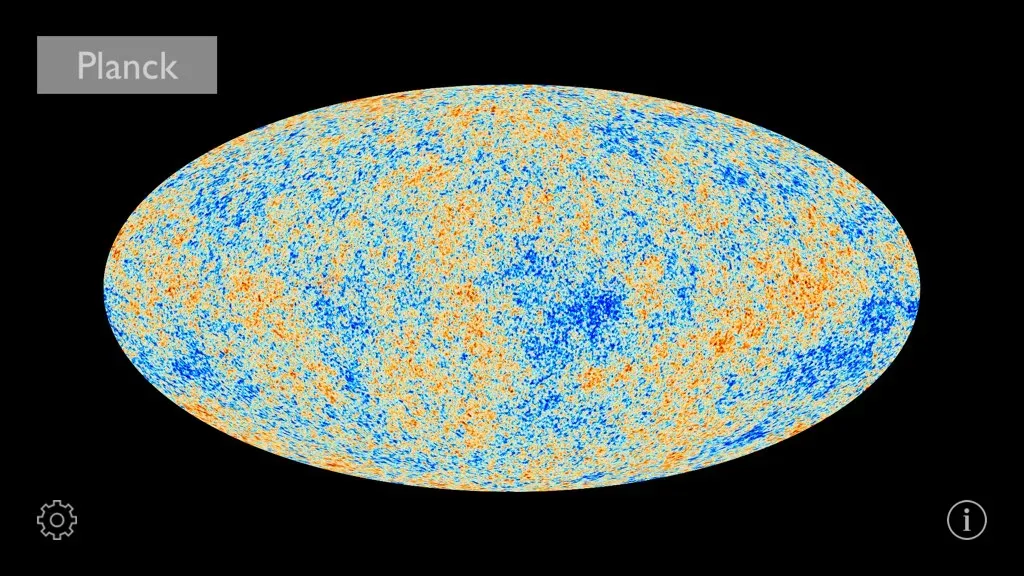
If the universe began in a hot, dense state, you would expect some faint leftover heat still lingering everywhere today. When scientists accidentally detected a weak, uniform microwave signal coming from every direction in the sky in the mid‑twentieth century, they had in their hands exactly that: the cosmic microwave background, the cooled afterglow of the Big Bang. You are literally bathed in this ancient radiation all the time, whether you look for it or not.
By carefully mapping tiny temperature variations in this background, you can read a kind of baby picture of the universe, taken when it was only a few hundred thousand years old. Those subtle ripples show where matter was slightly denser, eventually collapsing into the galaxies and clusters you see today. This discovery turned the Big Bang from a bold idea into a testable picture, and it let you measure the age, shape, and content of the cosmos with stunning precision. In a very real sense, you now know what the universe looked like long before there were stars, planets, or you.
3. You Realized Most Matter Is Invisible Dark Matter
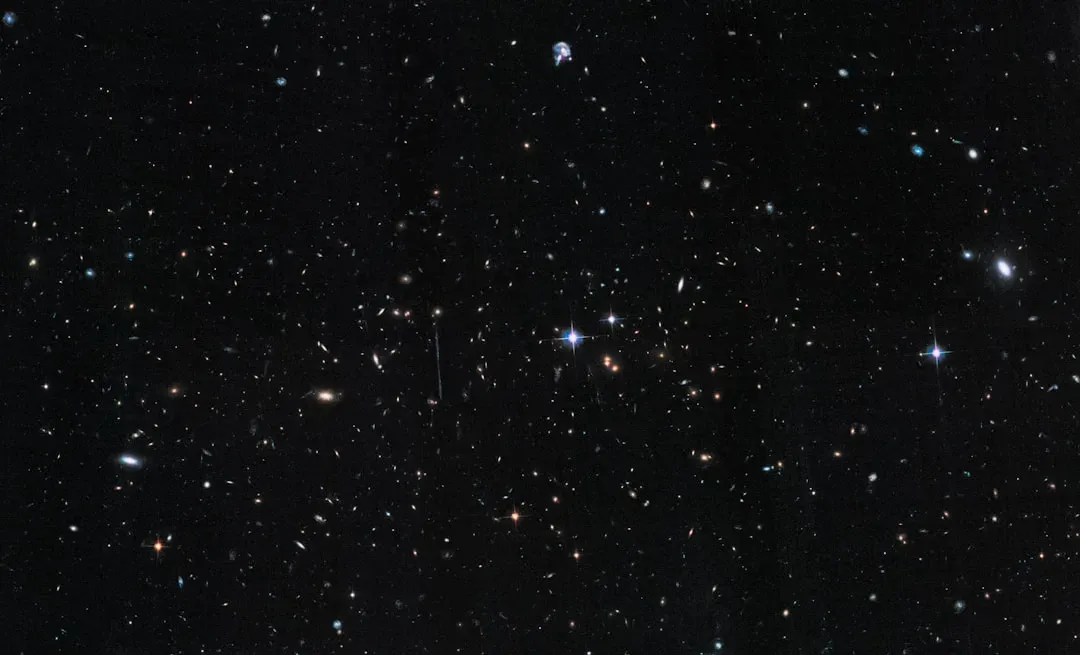
When you look up at the stars, it is tempting to think you are seeing the main ingredients of the universe. Then you find out that all the stars, planets, gas, and dust you can detect make up only a small fraction of what is actually out there. By studying how galaxies rotate and how clusters of galaxies bend light from even more distant objects, you see gravity behaving as if there is much more mass than you can see. You gave this unseen mass a straightforward name: dark matter.
Dark matter does not shine, absorb, or reflect light in any way you can currently detect, yet its gravitational pull quietly sculpts the large‑scale structure of the cosmos. Without it, galaxies like your Milky Way would probably never have formed in the way they did. You are left in a strange position: the bulk of matter in the universe is something you have never touched, never seen, and cannot yet produce in a lab. The everyday atoms that make you, your phone, and your coffee cup are just the decorative foam on top of a deep, invisible cosmic ocean.
4. You Discovered an Even Stranger Force: Dark Energy
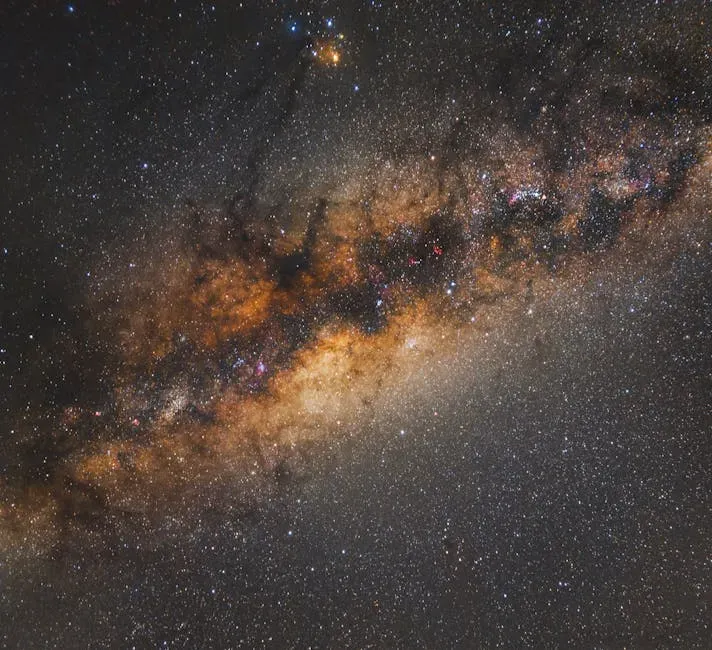
Just when you were getting used to an expanding universe dominated by invisible matter, you learned that the expansion itself is speeding up. By observing distant exploding stars known as supernovae, astronomers expected to see the expansion slowing down under gravity. Instead, the data showed that the expansion is accelerating, as if some mysterious energy is baked into space itself, pushing everything apart. You call this puzzling ingredient dark energy.
Today, dark energy appears to make up the majority of the total energy content of the universe, dwarfing both ordinary matter and dark matter. You do not yet know what it truly is: a property of empty space, a new field, or a sign that your theory of gravity needs a serious upgrade. Yet its effects are undeniable. In the long run, this acceleration shapes the ultimate fate of everything you see, slowly isolating galaxies from one another as cosmic distances grow. It is a bit like realizing that the ground beneath you is not just moving but accelerating, and you do not yet know who or what is pressing the gas pedal.
5. You Confirmed Black Holes Are Real, Not Just Theory
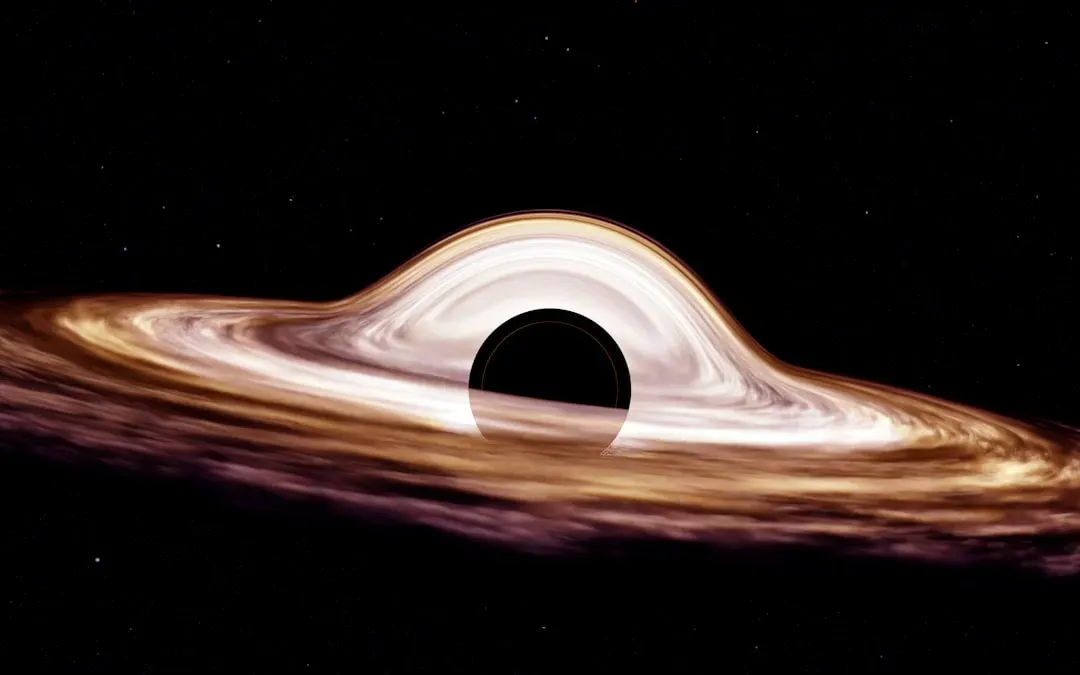
For a long time, black holes sounded like a mathematical dare: regions of space where gravity is so intense that not even light can escape. You could write them down on paper, but believing they truly existed in nature felt like a stretch. Then you started finding strong evidence that some stars end their lives as incredibly dense remnants that pull in nearby matter and emit powerful X‑rays. At the centers of galaxies, including your own, you saw objects millions to billions of times more massive than the sun shaping the motion of stars around them.
The picture became dramatically more concrete when you detected ripples in spacetime itself – gravitational waves – produced by merging black holes, and when you assembled a planet‑sized virtual telescope to capture an image of the shadow of a supermassive black hole. Suddenly, black holes were no longer exotic thought experiments; they were real actors in the cosmic story, swallowing gas, powering jets, and influencing galaxy evolution. When you realize that space and time can be twisted that violently, your comfortable intuition about what is possible in nature has to stretch just as far.
6. You Discovered Thousands of Planets Around Other Stars
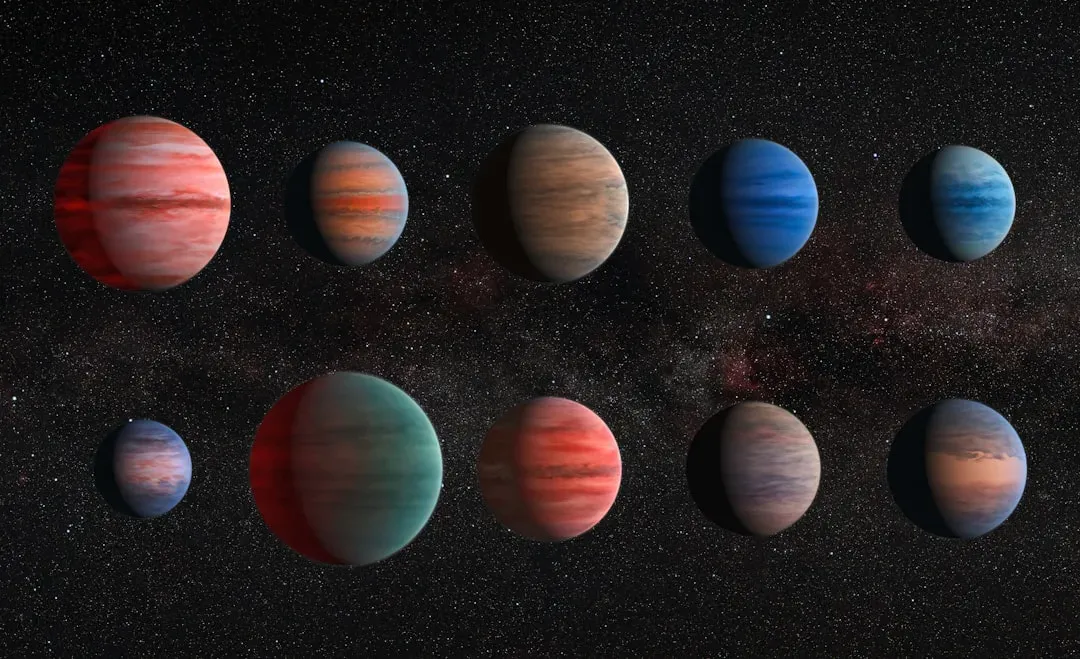
For most of human history, you could only guess whether other stars had planets. Today, you have evidence for thousands of them, ranging from scorched gas giants hugging close to their suns to small rocky worlds not so different from Earth. By watching tiny dips in a star’s brightness as a planet crosses in front of it, or by measuring subtle wobbles in the star’s motion, you have turned what used to be pure speculation into a thriving field of exoplanet science.
This flood of discoveries shattered the idea that your solar system is a neat template the rest of the galaxy follows. You see planetary systems with hot Jupiters, tightly packed inner worlds, and orbits that look nothing like the ones you grew up memorizing in school. At the same time, you have found planets in the so‑called habitable zone, where liquid water could exist on the surface. Every new catalog forces you to widen your imagination about what a “normal” planet looks like, and it quietly boosts the odds that life may have found a foothold elsewhere.
7. You Learned That Galaxies and Their Black Holes Grow Together
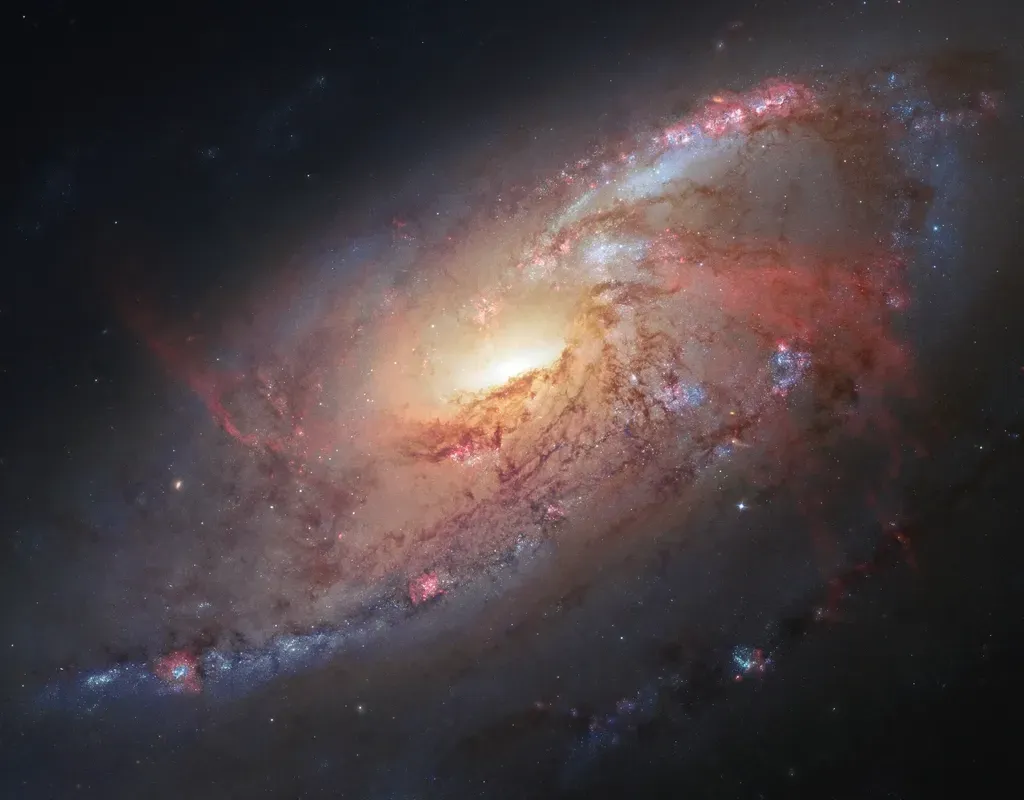
It is easy to picture a galaxy as a collection of stars orbiting in a big, mostly empty volume of space. Then you discover a pattern that changes how you think about that structure: the mass of a galaxy’s central supermassive black hole is closely linked to the properties of the galaxy’s inner region. Bigger bulges tend to host bigger black holes, suggesting that the growth of the galaxy and the growth of its dark heart are not random but deeply connected.
You now see supermassive black holes as cosmic engines that can regulate star formation. When matter falls in, they can launch jets and winds that blast through the surrounding gas, heating it and sometimes stopping new stars from forming. Your own Milky Way’s central black hole is relatively quiet right now, but you can see galaxies elsewhere caught in dramatic episodes of feeding and feedback. Once you recognize this relationship, you stop seeing black holes as mere sinkholes and start seeing them as architects shaping the evolution of entire galaxies.
8. You Detected Gravitational Waves – Ripples in Spacetime
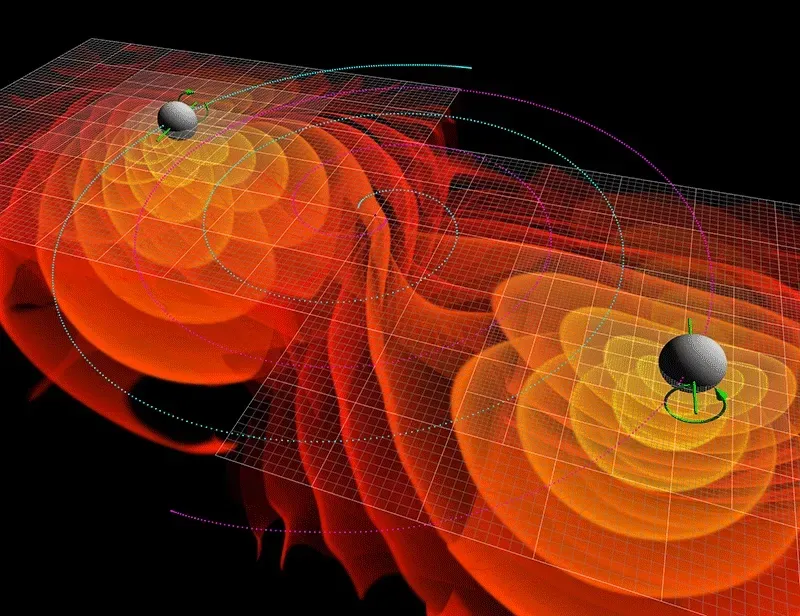
For a century, the idea that massive accelerating objects could send out ripples in spacetime itself was a bold prediction from your theory of gravity. Detecting those waves, however, required measuring changes in distance smaller than the width of a proton over kilometers‑long instruments. When you finally pulled it off and saw the distinctive signal from two black holes spiraling into each other, you opened a completely new way of “listening” to the universe.
Gravitational waves let you observe cataclysmic events that are nearly impossible to study with light alone. Colliding neutron stars, for example, not only produce gravitational waves but also forge heavy elements like gold and platinum, and you have now watched this process unfold in real time across multiple types of telescopes. You effectively added a new sense to your astronomical toolkit, like suddenly being able to hear after relying only on sight. This discovery did not replace what you knew from light; it enriched it and hinted at future surprises hiding in the subtle tremors of spacetime.
9. You Found Complex Organic Molecules in Space
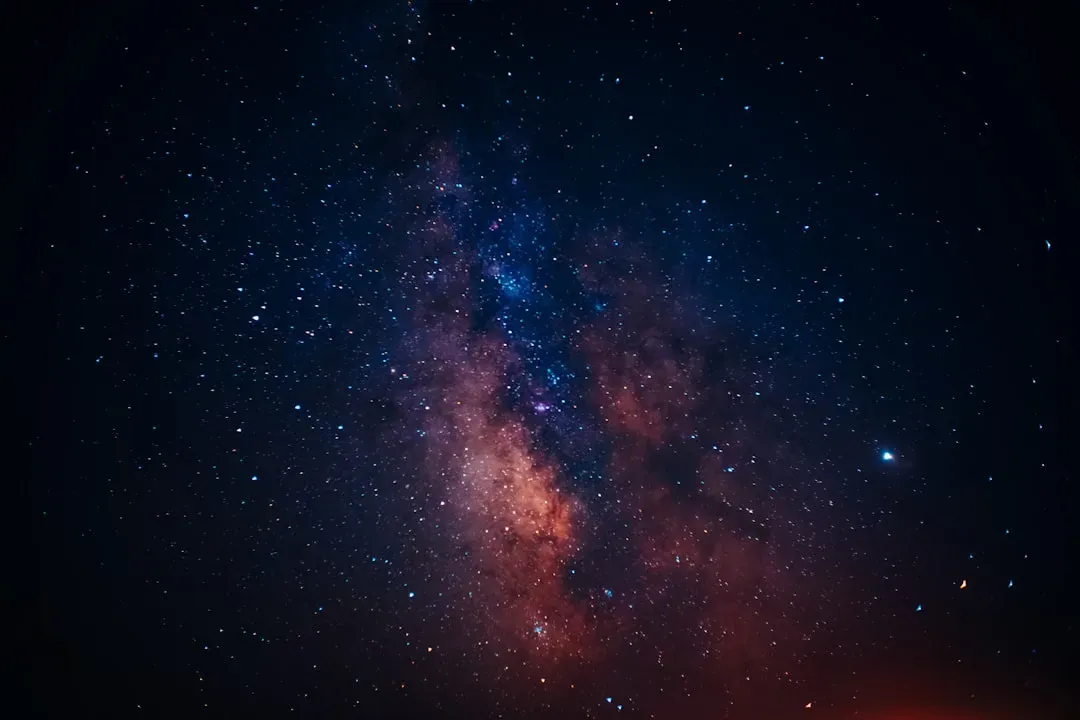
When you think about organic chemistry, you might picture lab benches, glassware, and the occasional coffee stain on a notebook. Then radio and infrared observations reveal that vast interstellar clouds, comets, and even protoplanetary disks contain complex carbon‑based molecules, including amino acid precursors and other building blocks of life. Space, it turns out, is not a sterile vacuum but a kind of slow‑motion chemical factory.
This changes how you think about life’s origins. Instead of imagining that all the key ingredients had to be cooked up from scratch on a young planet, you now know that many of them may have been delivered already partially assembled, riding in on comets, meteorites, and cosmic dust. It makes the transition from chemistry to biology feel a little less like a miraculous one‑time event and more like a natural outcome given enough time and the right environment. You still do not know how often that last leap to living cells happens, but you can no longer call life’s raw materials rare or uniquely terrestrial.
10. You Discovered the Universe Has No Single “Center”
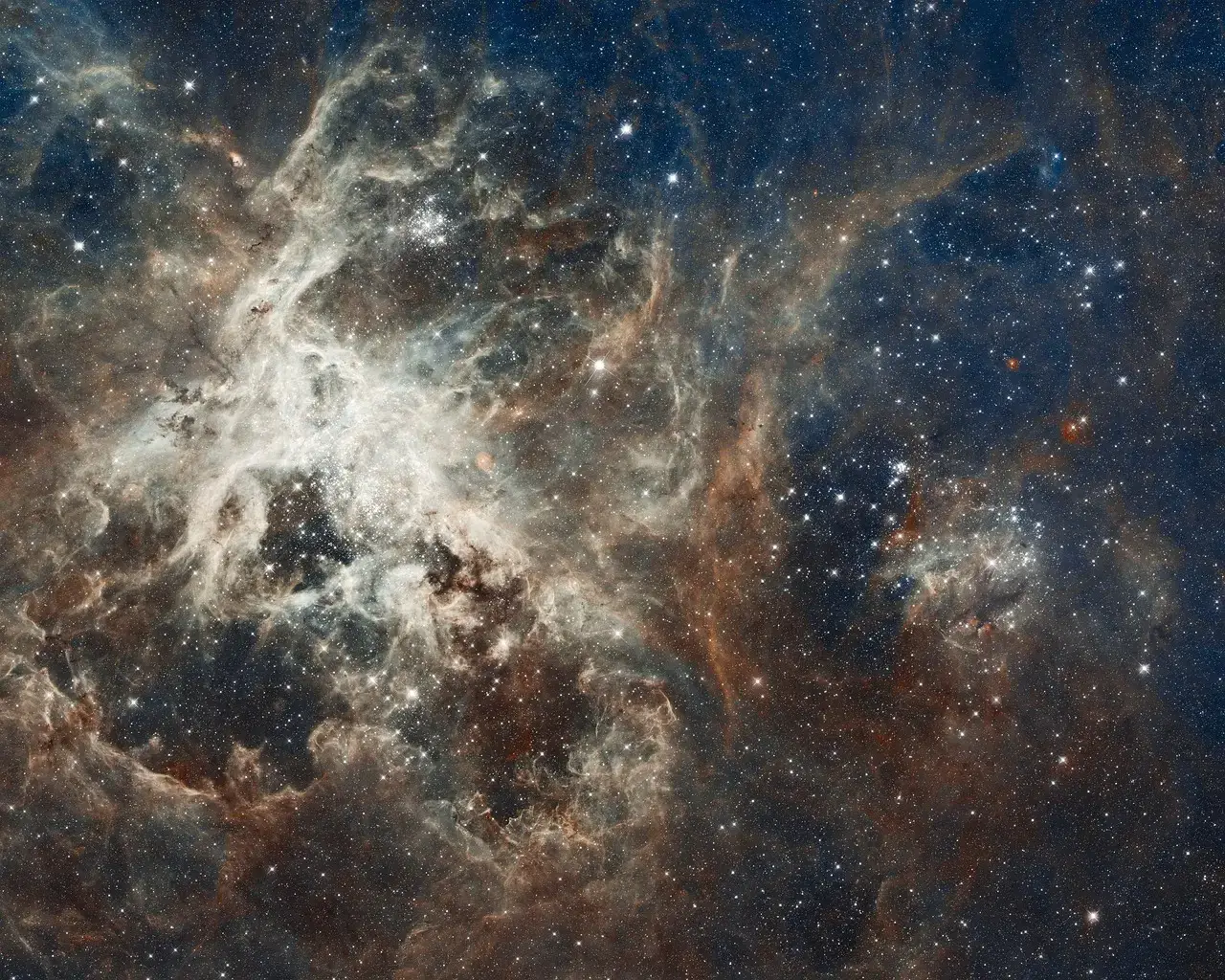
Your instincts push you to ask where the universe is expanding from and where the center is located, as if the Big Bang were an explosion from a single point into pre‑existing space. The surprising answer is that, from your perspective, every direction looks roughly the same on very large scales, and distant galaxies are receding in a pattern that does not pick out any privileged location. The expansion is not things rushing away from a center; it is space itself stretching everywhere at once.
This realization forces you to give up the comforting idea that you occupy a special vantage point. On cosmic scales, your region of space is not particularly central or unique. You live in an ordinary galaxy on the outskirts of a cluster, riding along with billions of others in an expanding fabric that has no edge you can point to and no middle you can mark on a map. Once you accept that, the question subtly shifts from “Where are you in the universe?” to “What does it mean to be anywhere in a cosmos like this at all?”
Conclusion: A Universe That Keeps Surprising You
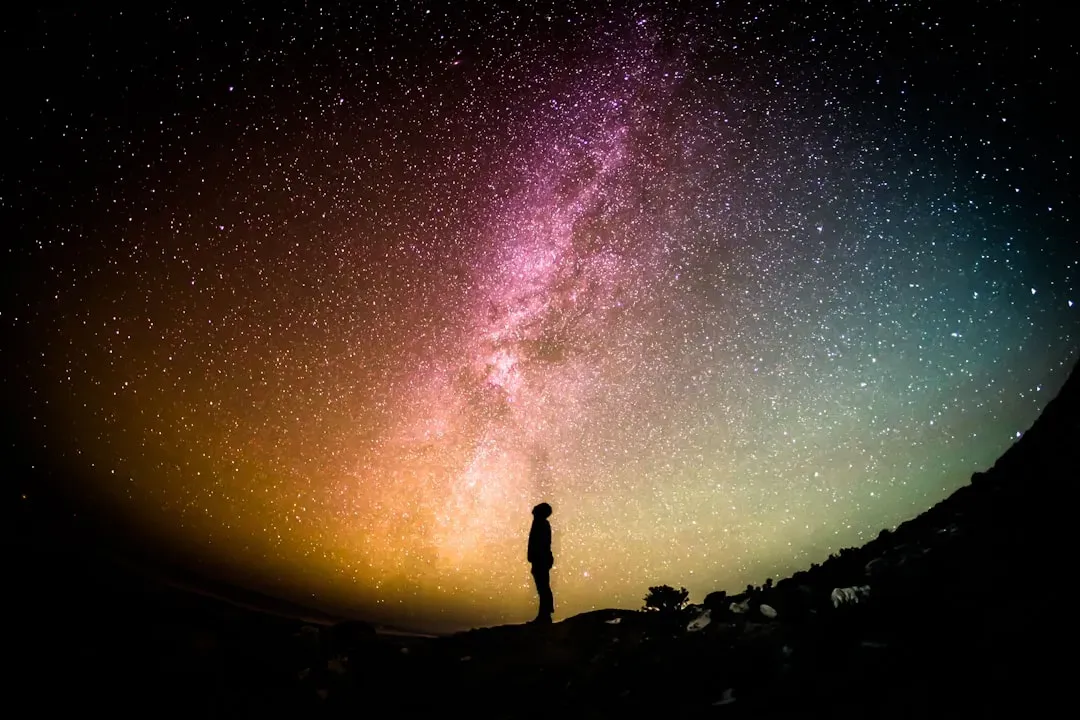
When you step back and look at these discoveries as a whole, a pattern jumps out: every time you peel back a layer of the universe, you find that reality is bigger, stranger, and more dynamic than you assumed. You learned that the cosmos is expanding, that it had a hot young phase, that most of its matter is invisible, and that an even more mysterious energy is driving its acceleration. You confirmed that space and time can collapse into black holes and ripple like a pond, and that planets and organic molecules are common features, not rare exceptions.
All of this forces you to hold two ideas in your mind at once: you are cosmically tiny, and yet you are part of a species capable of reconstructing the history and structure of the entire observable universe from a small rocky world. That tension can feel humbling, unsettling, and oddly empowering all at the same time. The most honest conclusion you can draw is that your current picture, as impressive as it is, is still incomplete. So when you look up tonight, maybe the better question is not whether the universe has more surprises left, but how ready you are to let them change the way you see everything.