You do not hike in Montana expecting to lock eyes with a mountain lion, but it happens more often than most visitors realize. One moment you are admiring a ridgeline, the next your heart is hammering and every instinct is screaming at you to run. How you handle those first few seconds matters far more than how brave you feel, and the difference between panic and a plan can literally decide what happens next.
Montana is big, wild country, and that is exactly why you love it. It also means you are sharing the landscape with one of North America’s top predators. You do not need to be terrified to be smart, and you definitely do not need to avoid the backcountry. You just need a clear mental script: what to do, what not to do, and how to stack the odds in your favor long before you ever see a tawny shape on the trail.
Understand Mountain Lion Behavior Before You Ever See One
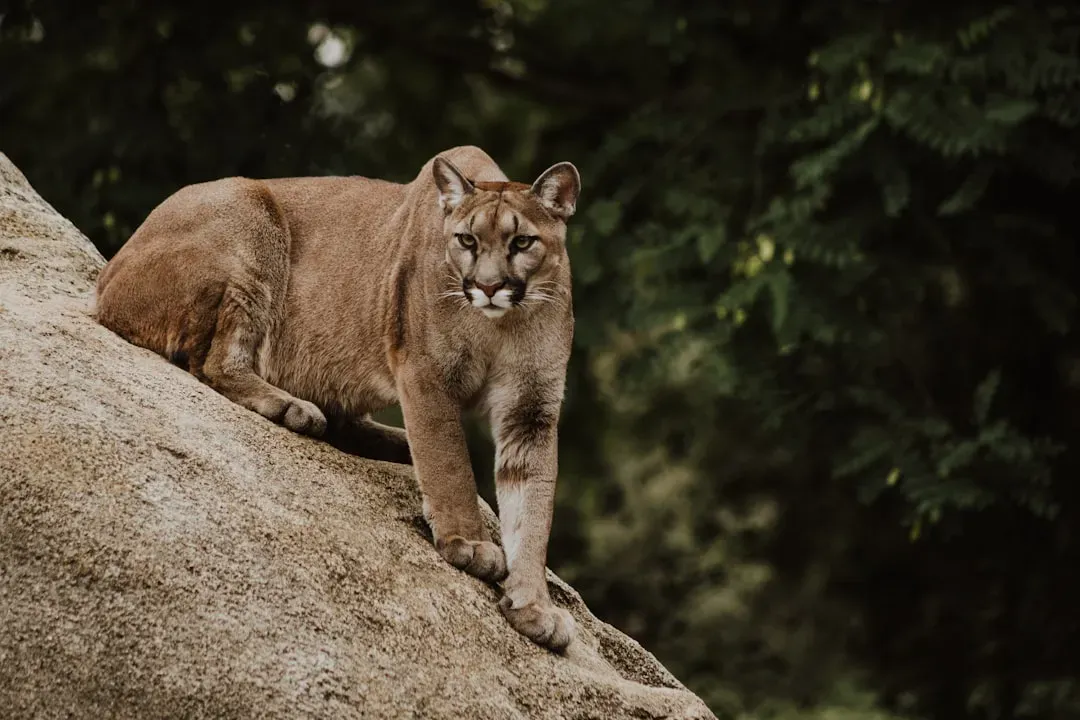
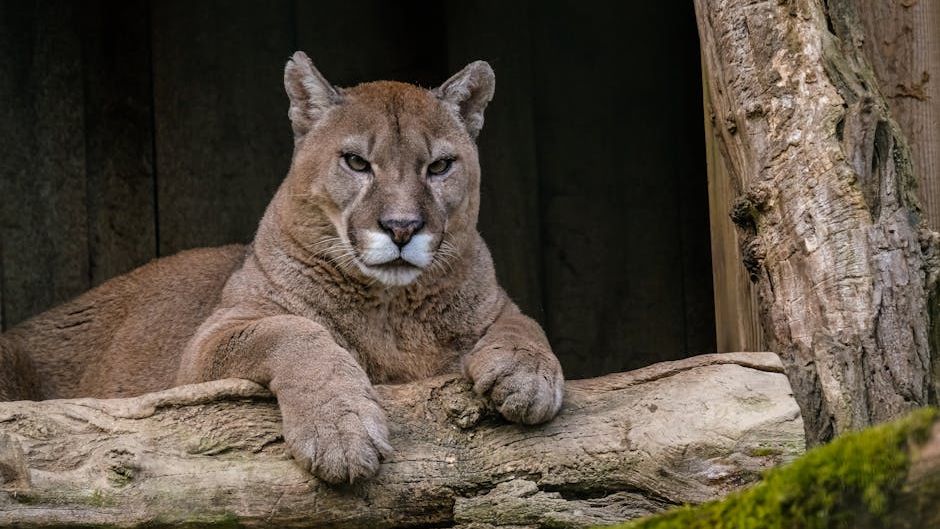
If you picture a mountain lion as a raging, bloodthirsty animal that wants to attack anything that moves, you are already starting from the wrong mindset. In reality, these cats are extremely shy and go out of their way to avoid you; most people who hike for years in Montana never knowingly see one at all. If you do spot a lion, there is a decent chance it has been aware of you for a while and is just deciding whether you are a threat, an odd curiosity, or something to ignore.
You help yourself most by understanding that you are not on its menu in any normal sense. Mountain lions prefer deer, elk, and other wildlife; humans are awkward, upright, noisy, and unfamiliar. When you know this, you can respond from a place of calm control instead of sheer terror. Your goal is not to “fight off a crazed predator” but to convince a cautious, calculating animal that you are too much trouble to mess with.
Recognize You Are in Lion Country and Pay Attention
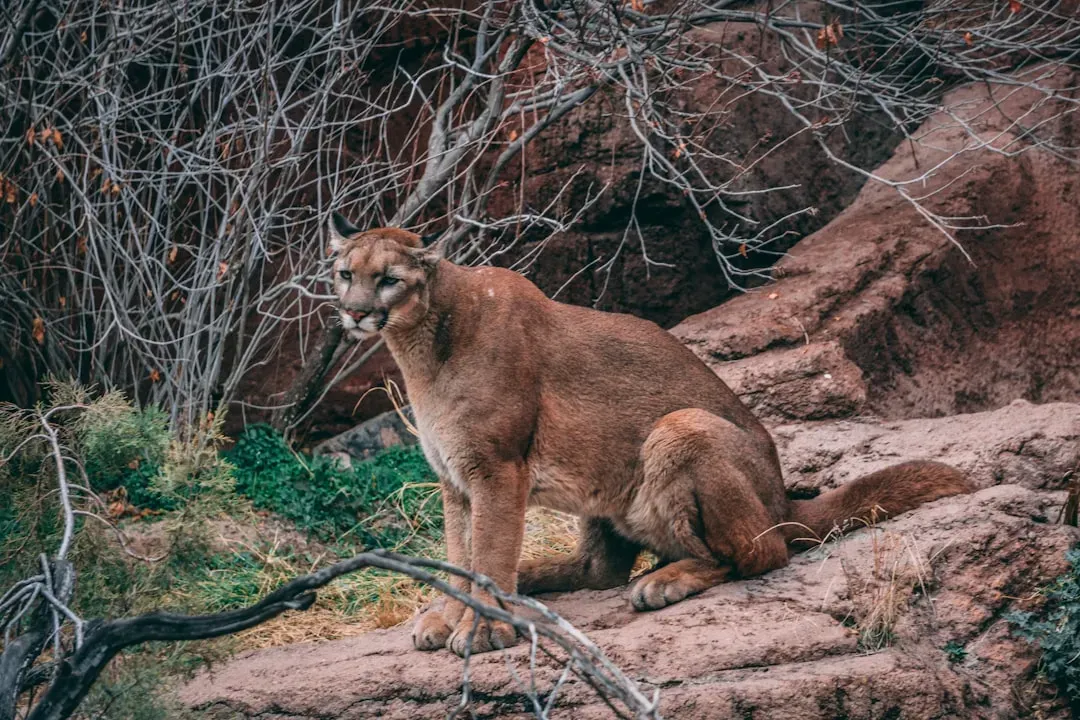
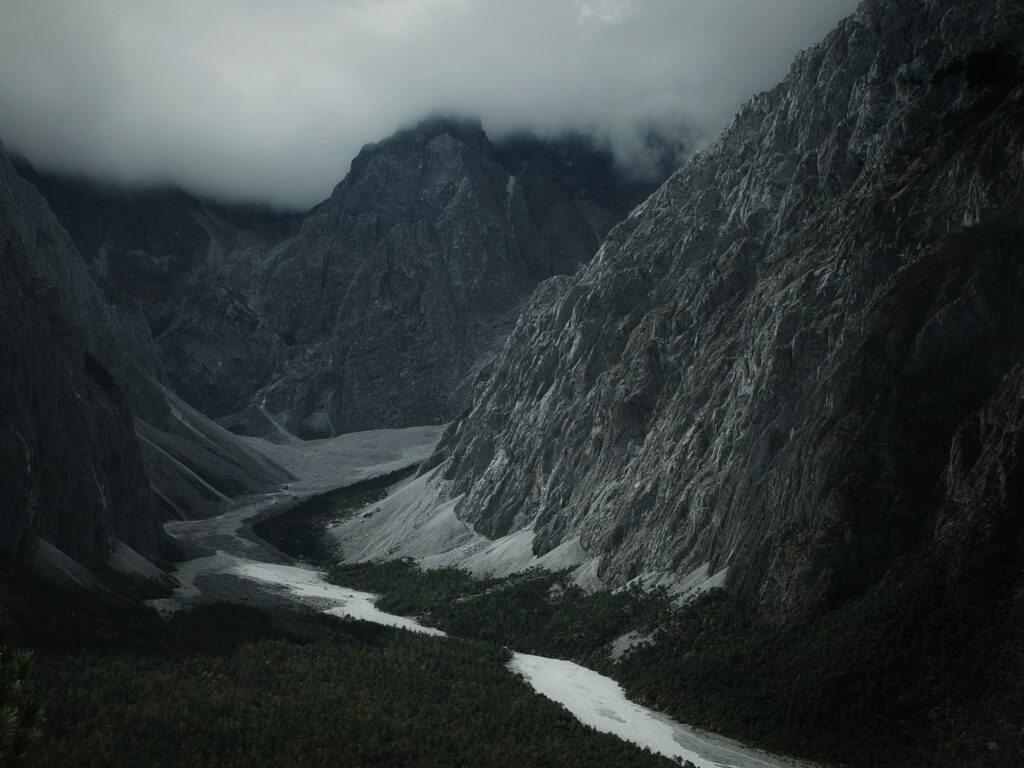
Long before you ever see a cat, you can usually tell you are in good lion habitat just by reading the landscape. Steep, broken terrain with rocky outcrops, brushy draws, forest edges where deer like to feed, and secluded creek bottoms all make great ambush country for mountain lions. If you are hiking at dawn or dusk in these places, especially where deer sign is obvious, you should assume a lion could be around even if you never spot one.
As you move, take mental notes instead of zoning out completely: fresh deer kills, claw marks on trees, or large cat-like tracks with no visible claw marks can all be signs lions pass through. You are not trying to turn every walk into a search mission, but you are giving yourself an early-warning mindset. When you accept that you are sharing the landscape with a top predator, you automatically start moving a little more alert, a little more aware, and that alone makes you less likely to surprise a cat at close range.
Stay Calm, Stand Tall, and Do Not Run
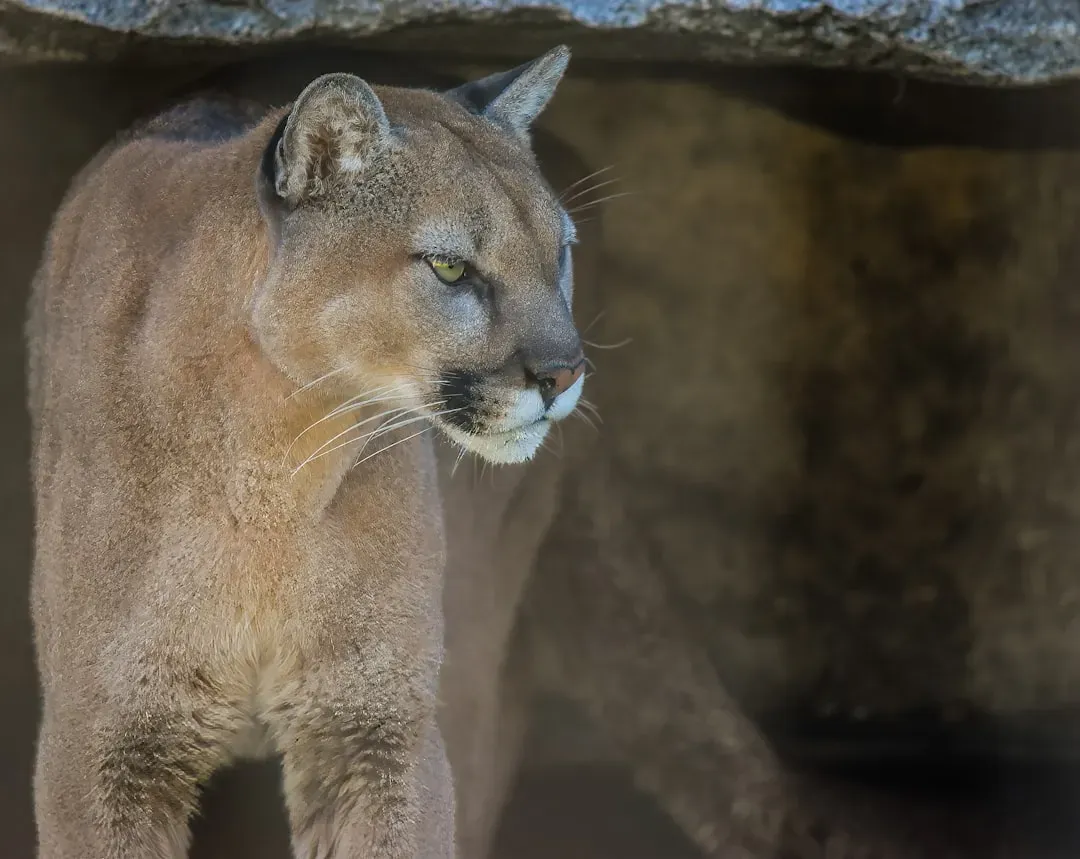
If you suddenly notice a mountain lion watching you from the trail or a nearby slope, your body will want to do exactly the wrong thing: turn and sprint. You have to override that urge. Cats are built to chase fleeing prey, and running can flip a mental switch you really do not want flipped. Instead, you stop, take a breath, and plant your feet so you feel solid and grounded.
From there, you make yourself look as large and in control as you can. Stand tall, face the lion directly, and raise your arms or open your jacket to increase your apparent size. Speak in a firm, steady voice rather than screaming. This is you sending a clear message: you are not prey, you are aware, and you are ready to defend yourself if needed. That calm, steady posture often convinces a cat to simply slip away.
Keep Children and Pets Close and Under Control

In any mountain lion encounter, small, fast-moving beings are your biggest liability. Children and dogs can trigger that chase instinct far more easily than a tall adult standing still. If you are in lion country, you keep kids within arm’s reach and teach them ahead of time not to run off alone, especially at dawn or dusk. It is not about scaring them; it is about giving them a simple rule they can actually remember when things feel weird.
Pets need strict boundaries too. A dog that runs off-leash into thick brush can stumble right into a lion, get hurt, or lead a defensive cat back to you at full speed. In Montana’s wilder areas, keeping your dog leashed or under tight voice control is not just a courtesy to wildlife; it is a safety measure for your whole group. If you suddenly see a lion, you pull kids in close, grab your dog, and gather up into one solid, unified presence instead of a scattered group of potential targets.
Back Away Slowly While Keeping the Lion in Sight
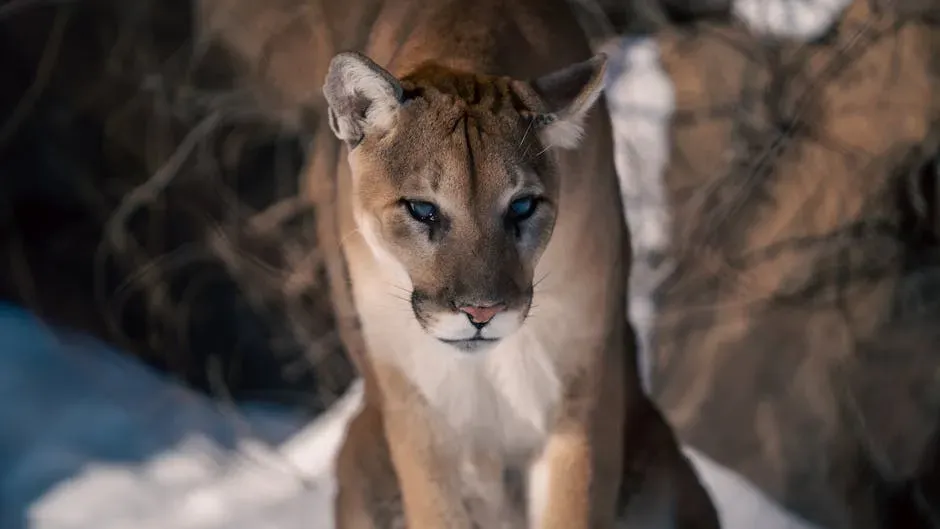
Once you have made yourself look big and established that you see the cat, your next step is usually to create distance without looking like you are fleeing. You do this by maintaining eye contact as much as possible and slowly stepping backward, one careful step at a time. You are showing confidence, not panic, and you are keeping your awareness locked on the animal so it cannot close the gap without you noticing.
As you move, you talk calmly and avoid turning your back or stumbling. If the lion seems curious but not aggressive, it may simply watch you go and then melt back into the cover. Your goal is to increase the space between you and the cat until you can no longer see it, then continue moving toward safety without rushing. Think of it as a controlled retreat, not a chaotic escape.
Use Deterrents and Be Ready to Fight Back if Necessary
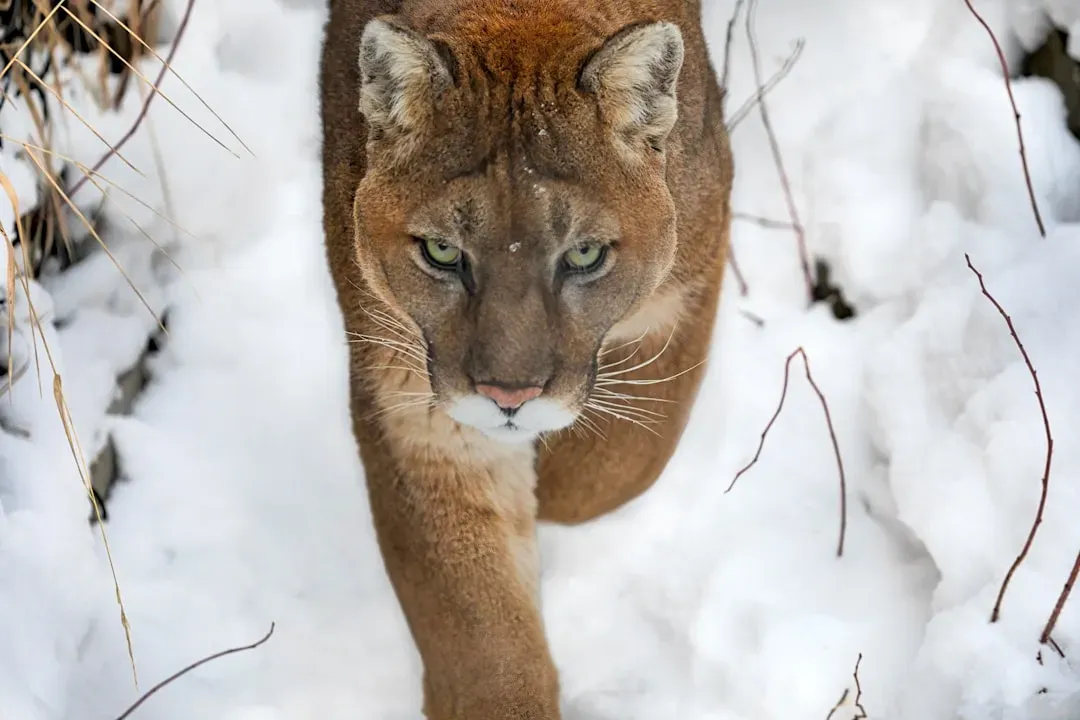
Although attacks on humans are rare, you have every right to defend yourself if a lion acts aggressively or closes in. In Montana, many people already carry bear spray, which also works on mountain lions when used correctly. You keep it somewhere you can reach quickly, practice drawing it, and know how to use it before you ever need it. In a tense moment, fumbling with a canister you have never handled is the last thing you want.
If the cat charges or makes contact, you switch from deterrence to full-on defense. You fight back with everything you have, targeting the lion’s face and eyes with rocks, sticks, trekking poles, or your bare hands if you have to. You protect your neck and throat as best you can, and you do not curl up or play dead. You want the cat to decide you are a dangerous, painful mistake, not easy prey.
Avoid Behaviors That Increase Your Risk
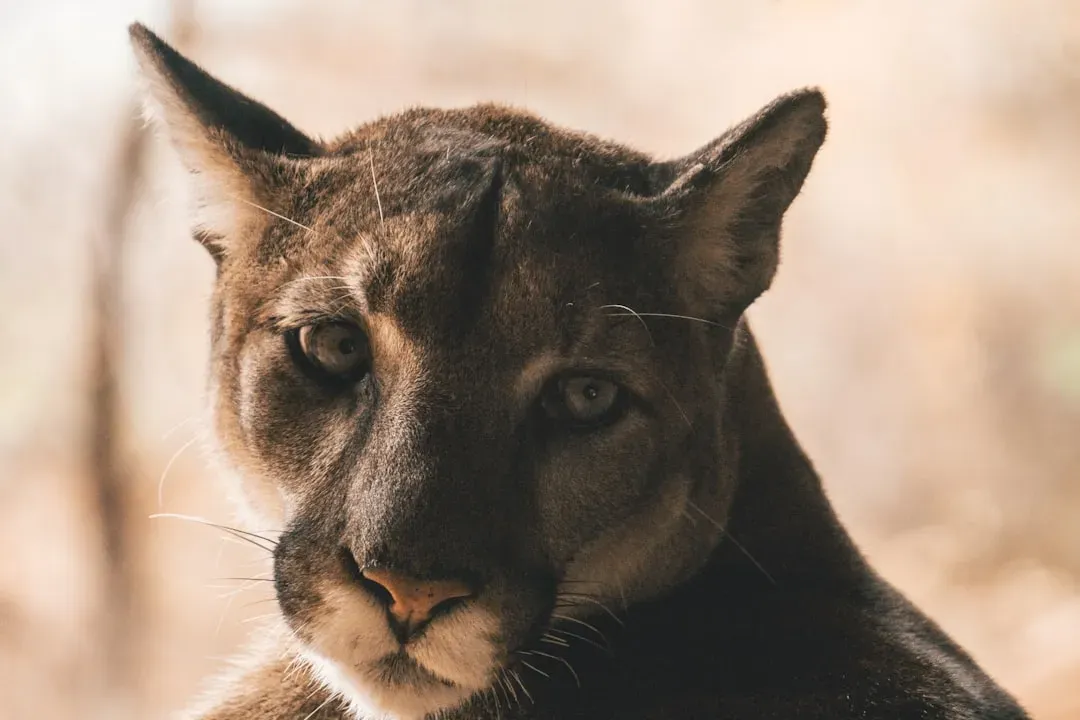
While it feels dramatic to focus on worst-case scenarios, most of your risk management happens in the quiet, boring decisions you make all the time. Hiking alone at night on game trails, wearing headphones that block out sound, or wandering off-trail into dense brush are all examples of choices that make it easier to surprise a lion or miss early warning signs. When you choose to hike with a friend, stick to clearer paths, and keep your senses sharp, you are quietly stacking the odds in your favor.
Food and carcasses are another piece people often forget. If you are hunting in Montana, you avoid lingering right over a fresh kill at dawn or dusk, because to a lion that carcass is a high-value resource worth defending. Even as a hiker, if you stumble on a fresh deer carcass that looks partly eaten and recently cached, you move away rather than hanging around to investigate. In lion country, curiosity is best directed at scenery, not at half-buried meat.
Report Aggressive Encounters and Learn From Them
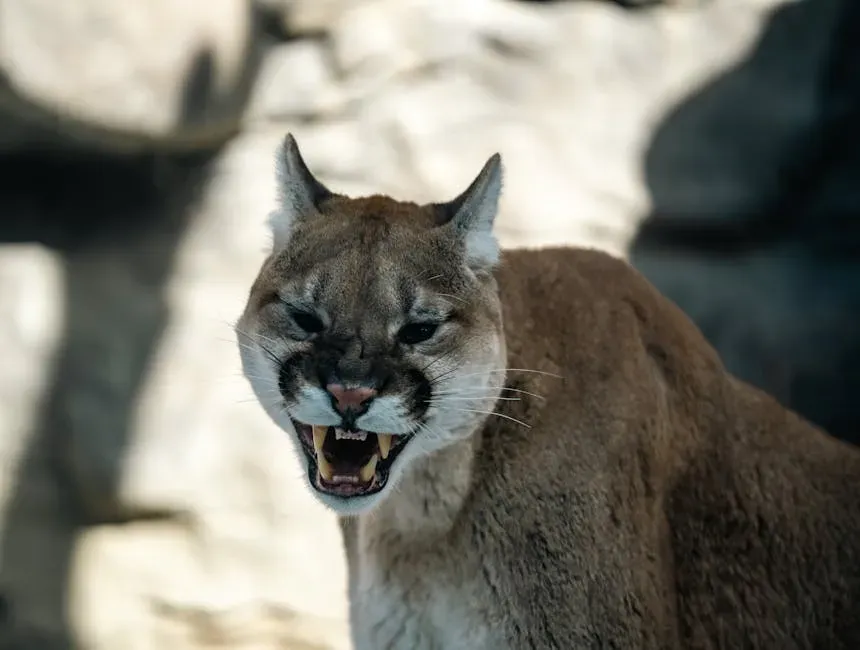
Once you are safe, your responsibility does not end with a wild story for your friends. If a mountain lion behaved aggressively, followed you, or showed unusual boldness, you contact Montana wildlife authorities and report what happened. Your account, with details like time, location, and behavior, helps professionals decide whether there is a specific problem cat in the area or a pattern that other recreationists should know about.
On a personal level, you also debrief with yourself. You ask what you did well, what you would change next time, and whether your gear and habits matched the reality of where you were hiking. Every close encounter, even a non-threatening one, is free training in how to handle the next time better. Instead of just feeling shaken, you turn that surge of adrenaline into practical experience you carry into every future trip into Montana’s wild country.
Prepare Your Mindset Before You Hit the Trail
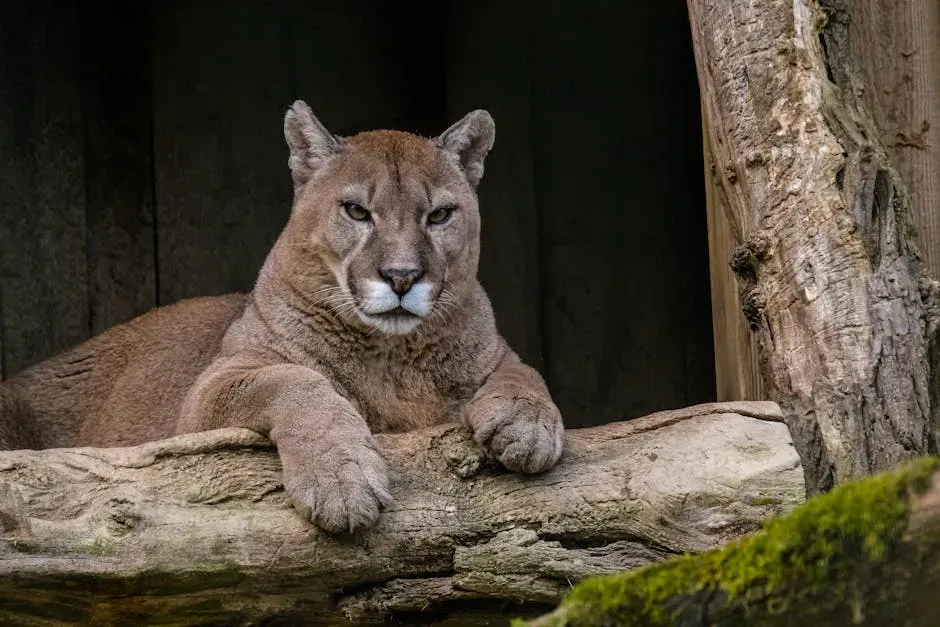
The most powerful tool you carry into lion country is not bear spray or a walking stick; it is a calm, rehearsed mindset. Before you even lace up your boots, you can run through a quick mental script: if you see a lion, you stop, stand tall, do not run, keep kids and pets close, back away slowly, and fight back hard if attacked. When your brain has already walked through that playbook a few times, it is much easier to access under stress.
That preparation does not have to be grim or fear-driven. You can treat it like learning to swim or practicing a fire drill: something you hope you never use, but feel better having in your back pocket. When you accept that mountain lions are simply part of Montana’s wild fabric, you stop viewing them as monsters and start seeing them as another risk you manage, like weather or terrain. Confidence grows not from denying danger, but from knowing you have a solid plan if it ever appears on the trail in front of you.
Conclusion: Sharing Wild Country With Respect and Confidence
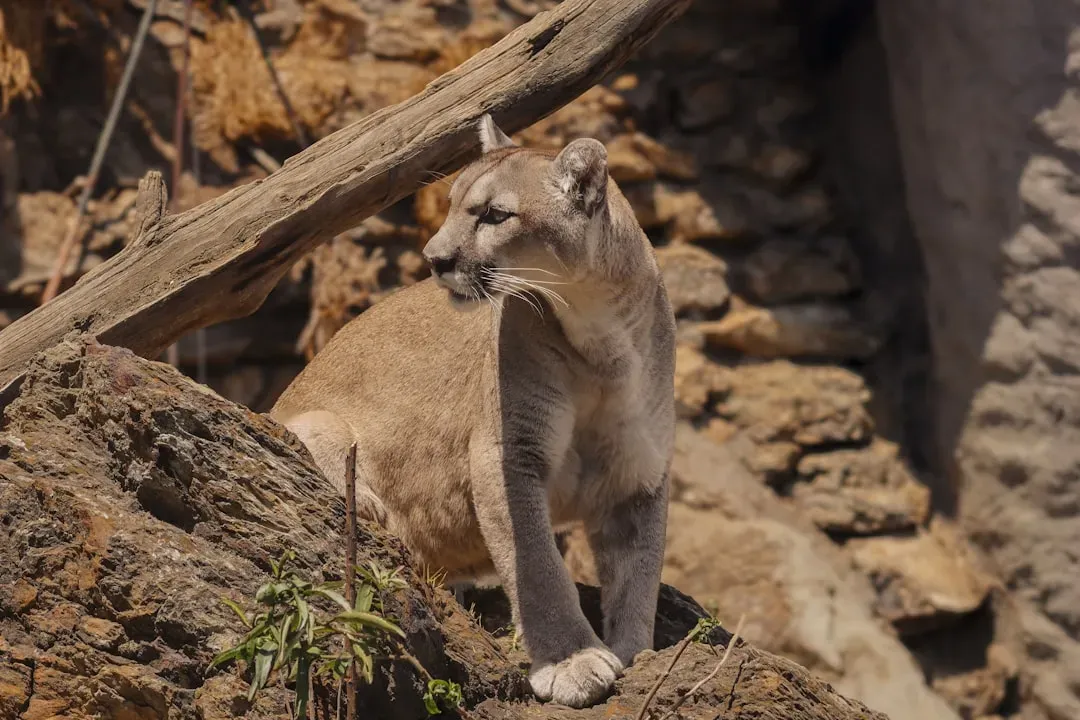
Coming across a mountain lion in Montana is one of those moments people imagine as pure nightmare fuel, but in reality it is usually a brief, tense encounter that ends with both of you walking away. When you understand how these cats think, recognize their habitat, and know exactly how you will respond, you transform a terrifying surprise into a challenge you are actually ready for. You do not have to avoid the places you love just because a big predator lives there too.
In the end, respecting mountain lions is really about respecting the wildness that drew you to Montana in the first place. You give these animals space, you move through their home with awareness, and you carry the skills to stand your ground if you ever need to. The mountains feel different when you know you can handle what lives in them, not because you are fearless, but because you are prepared. If you rounded a corner tomorrow and saw a tawny shape watching you from the trees, how differently would you feel now compared to before you knew what to do?