If you think your life is tough, wait until you see what some animals deal with every single day. Burning deserts, crushing ocean depths, polar nights, boiling hot springs – and yet these creatures not only survive, they thrive. When you look closely, you start to realize that nature has turned them into specialist problem-solvers, each with its own wild toolkit for dealing with extremes.
As you go through these ten remarkable adaptations, try to imagine what it would feel like to live in those bodies, in those places. How would you keep warm at forty degrees below freezing? How would you see in a world of total darkness? You will notice a pattern: evolution never wastes a challenge. Every hardship becomes an opportunity to shape something new, strange, and surprisingly clever – and it quietly raises the question of how adaptable you are in your own extreme moments.
1. Tardigrades: The Tiny Survivors That Practically Pause Life
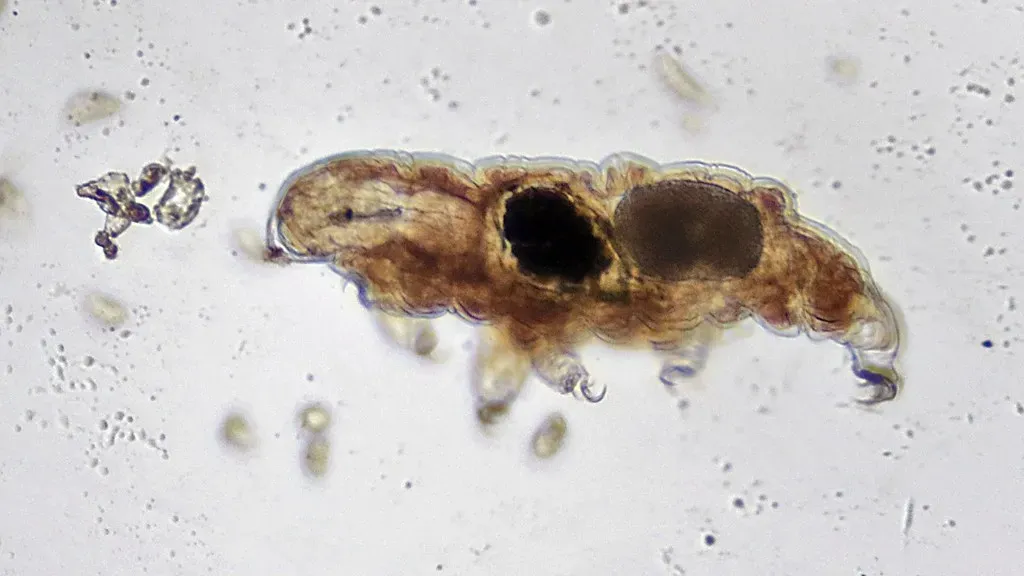
You might walk through a patch of moss and never realize that you just stomped over one of the toughest creatures on Earth. Tardigrades, often called water bears, are microscopic animals that can survive things that would instantly destroy you: intense radiation, crushing pressure, near‑vacuum, and temperatures from far below freezing to well above boiling. The way they pull this off is by entering a state called cryptobiosis, basically shutting down almost all biological activity until conditions improve.
In this suspended state, you would shrink and curl into a dry, protective ball known as a “tun,” replace much of your body water with special sugars, and rely on unique proteins that help shield your DNA and cell structures. When water returns, you would slowly “reboot,” sometimes after years of being dried out. You cannot copy this trick yourself, but it gives you a powerful idea: life can build backup modes so extreme that they look like death from the outside, and yet they are just another way to ride out a crisis until the environment plays nice again.
2. Camels: Masters of Desert Heat and Thirst
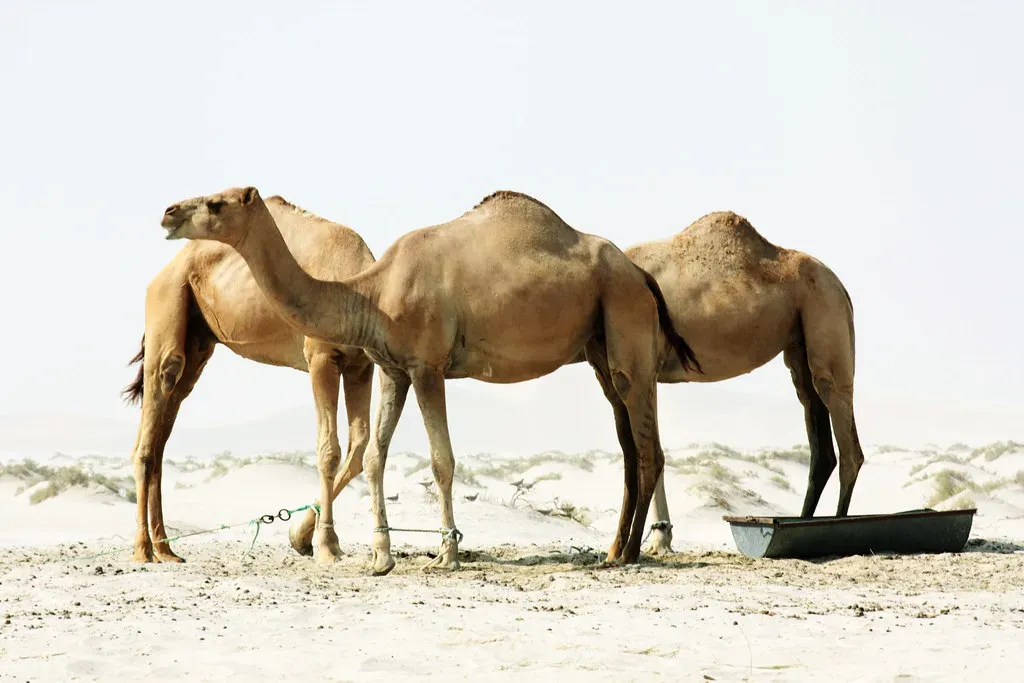
If you dropped yourself into a scorching desert with no shade and barely any water, you would be in trouble within hours. Camels, on the other hand, are built for this. You might think their humps are water tanks, but they mostly store fat, which you would use as a slow‑burning fuel source that does not overheat the rest of your body. That fat being stored high on your back also helps keep the rest of you cooler by reducing insulation across your whole torso.
You would also manage water like a strict accountant: your red blood cells would be shaped so they can still flow even when your blood becomes thick from dehydration, your kidneys and intestines would squeeze every possible drop of water back into your system, and your body temperature would be allowed to swing over a wider range so you sweat less. Even your nose would help, with complex surfaces to trap water from your exhaled breath and recycle it. When you finally reach an oasis, you could drink a huge amount in one go without bursting blood cells, because your body is built for these wild swings between scarcity and abundance.
3. Emperor Penguins: Enduring Antarctic Cold as a Team Sport
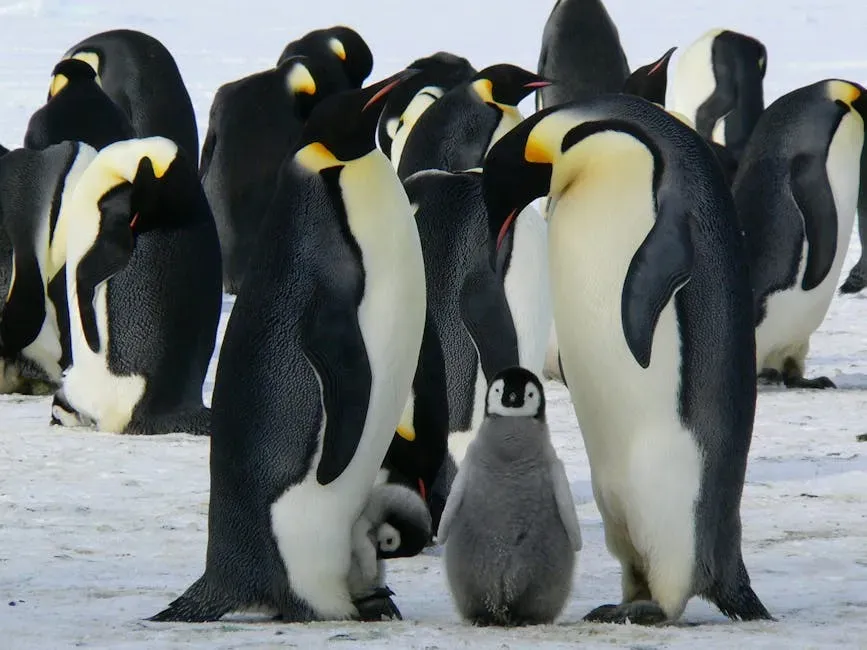
Imagine standing for months on sea ice in the dark, blasted by winds that can feel colder than anything you have ever experienced. As an emperor penguin, you would not do it alone. Your first line of defense would be your body: a thick layer of fat, incredibly dense waterproof feathers, and a circulation system that keeps warm blood away from the ice as much as possible by using countercurrent heat exchange in your limbs. You would be a compact, streamlined shape that conserves heat rather than losing it.
Your second, even more powerful defense would be your social life. You and thousands of others would huddle into a tightly packed group, taking turns at the freezing edge and the warm center, constantly shuffling to share warmth like a living, breathing blanket. If you are incubating an egg, you would balance it carefully on your feet, tucked under a skin fold to keep it off the ice, while your partner spends weeks out at sea feeding. You survive one of the harshest climates on Earth not just with insulation, but with cooperation so coordinated it almost feels like one super‑organism.
4. Arctic Foxes: Shape‑Shifting Coats and Heat‑Saving Bodies
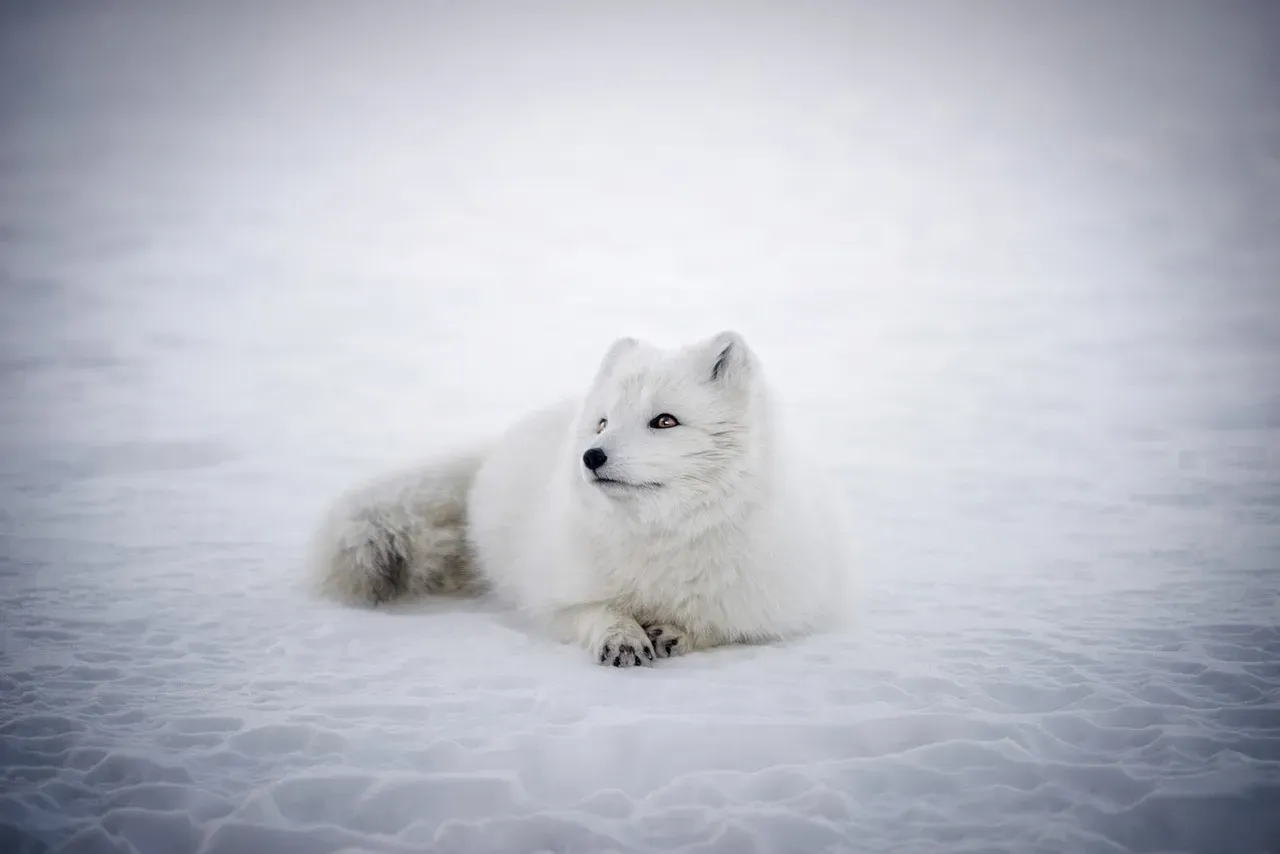
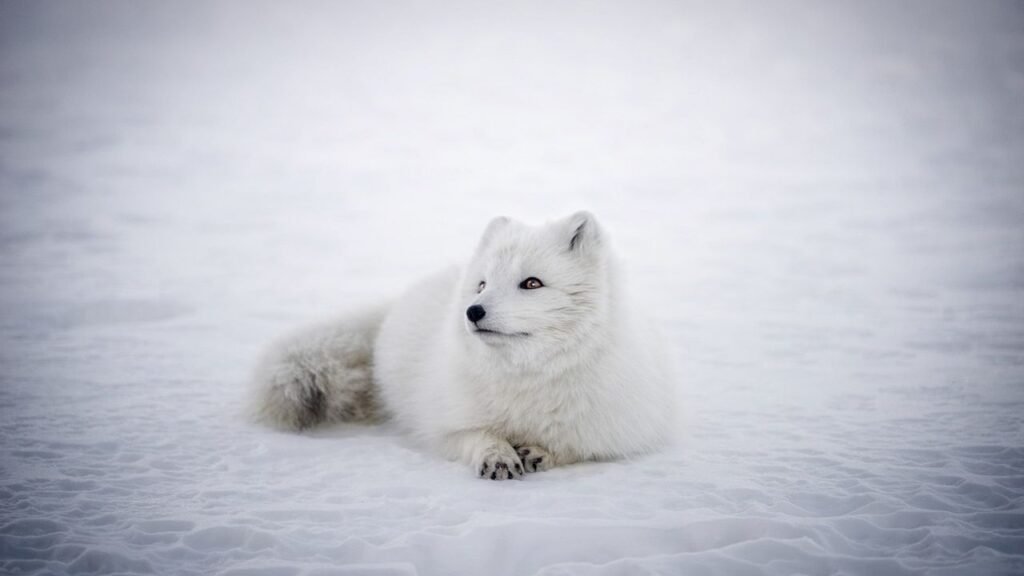
If you want a masterclass in winter survival, you can look at the Arctic fox. To live where temperatures plunge far below freezing and winds never seem to stop, you would wear one of the warmest natural coats on the planet. In winter, your fur would grow thick and fluffy, trapping layers of insulating air, and turn bright white so you blend seamlessly into snow and ice. In summer, you would shed that bulky coat for a thinner, brownish one that helps you disappear into rocks and tundra instead.
Your body would be tailored to minimize heat loss: short ears, a compact muzzle, and a stocky build that reduces the surface area where warmth can escape. You would wrap your bushy tail around your face like a built‑in scarf when you curl up to sleep. Even your paws would have thick fur underneath, working like natural snow boots while still giving you enough grip to hunt and roam over frozen ground. With these adaptations, you would move easily between seasons that would otherwise be deadly, changing clothing and camouflage as naturally as breathing.
5. Deep‑Sea Anglerfish: Thriving in Crushing Darkness
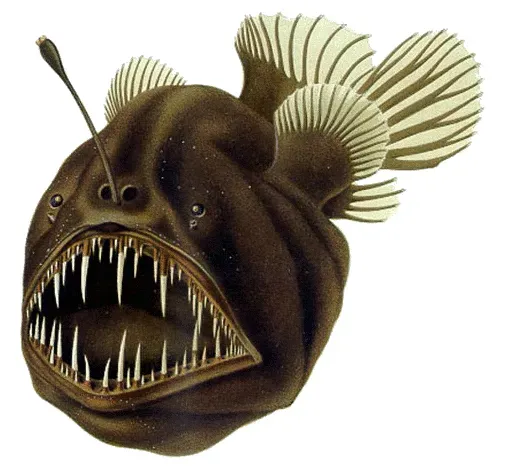
If you ever found yourself at the bottom of the ocean, you would be in a world with almost no light, enormous pressure, and very little food. As a deep‑sea anglerfish, you would turn that darkness into an advantage. You would grow a long spine on your head tipped with a glowing lure, powered by bioluminescent bacteria living in a special organ. By gently waving this light in front of your mouth, you would draw in curious prey in a place where anything that looks like food is worth a risk.
Your body would be adapted to a slow, opportunistic lifestyle. Instead of fast swimming, you would rely on stealth and patience, with a huge mouth and expandable stomach so that when you finally caught something, you could swallow it even if it was almost as big as you. Your muscles and bones would be relatively light and flexible to withstand deep pressure. In some species, if you are a male, you would take extreme adaptation even further by fusing permanently to a female’s body, living as a tiny attached partner that provides sperm while she handles all the hunting and survival in the vast, empty dark.
6. Kangaroo Rats: Desert Rodents That Live Without Drinking
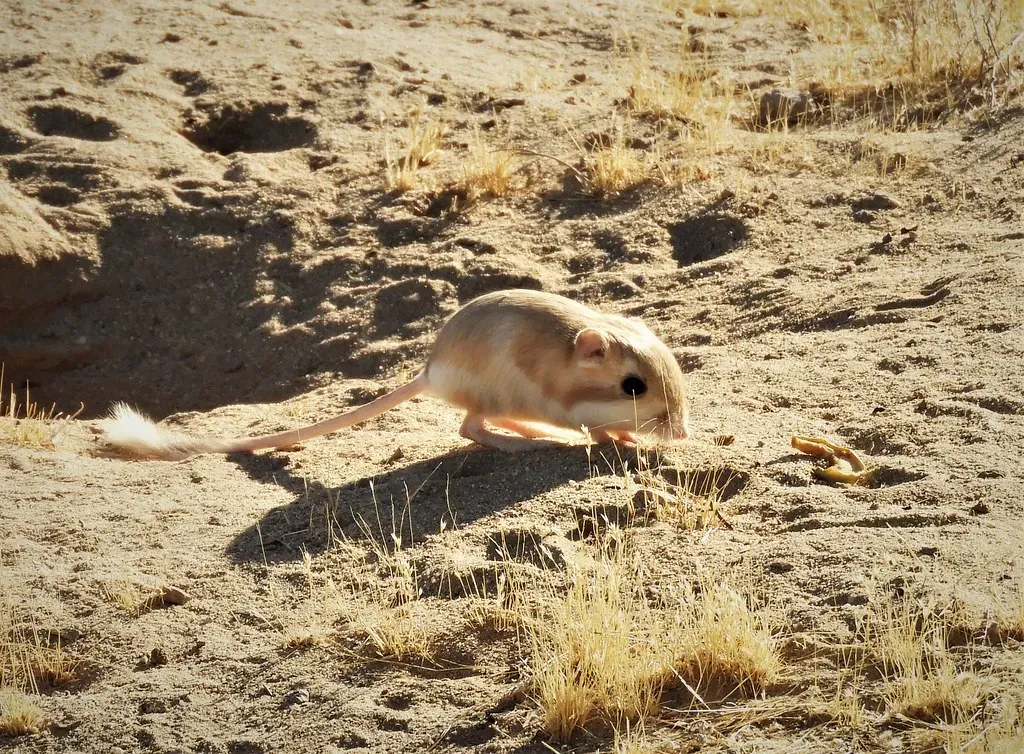
Put yourself in a blistering desert where water is so rare that drinking is a luxury you almost never get. As a kangaroo rat, you would still manage to go your entire life without taking a single sip. Instead, you would get nearly all your water from the dry seeds you eat, thanks to a metabolism and kidney system tuned to squeeze out every bit of moisture. Your kidneys would concentrate urine so intensely that you would lose almost no water that way.
You would also live a lifestyle that protects your precious fluids. You would spend the hottest part of the day in underground burrows where it stays cooler and more humid, only coming out at night. Your nose would be designed to reclaim water from each breath before you exhale it, acting like a personal condenser. With long hind legs, you would hop quickly over hot sand, covering distance with minimal contact time. Everything about you would say one thing: waste nothing, especially not water.
7. Polar Bears: Apex Predators Built for Ice and Cold Seas
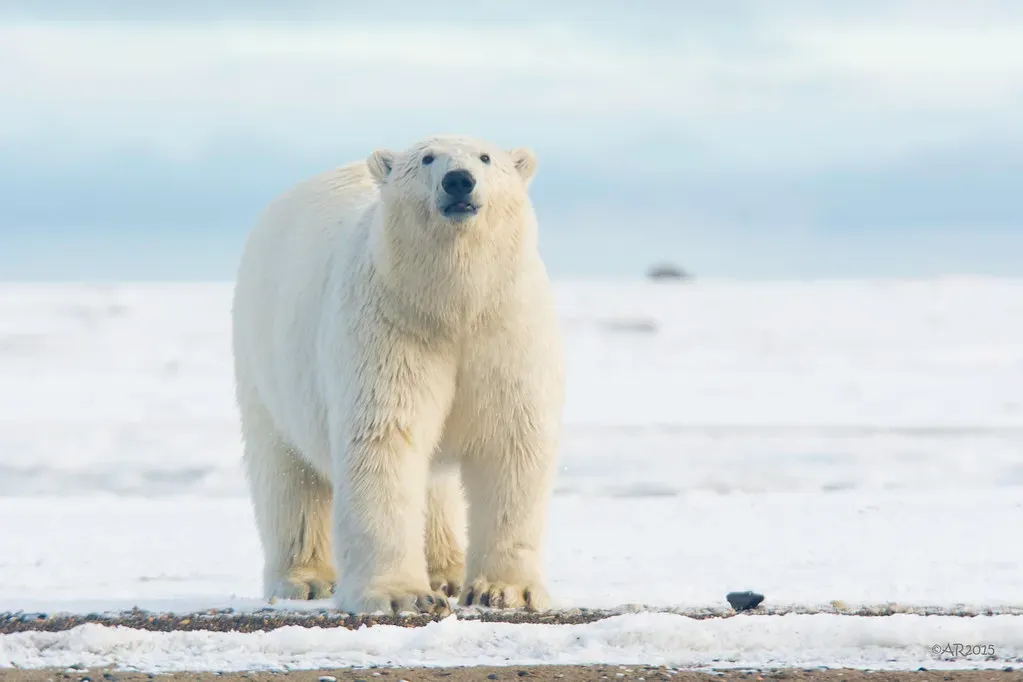
When you imagine walking across drifting sea ice in the Arctic Ocean, you probably picture yourself freezing in minutes. As a polar bear, though, you would be wrapped in a double defense against that cold: a thick layer of blubber under your skin, and dense fur that traps air and sheds water after you swim. Even though your fur looks white, each hair is actually translucent, helping scatter light and blend you into the snowy landscape so your prey struggles to see you coming.
Your paws would be enormous, acting like snowshoes that spread your weight over thin ice, with rough pads and small bumps for grip. You would be a powerful swimmer, using your front paws like broad paddles to cover long distances between ice floes and hunting grounds. Your sense of smell would be so sharp that you could detect seals hiding under snow or breathing through tiny openings in the ice from surprisingly far away. In an environment where missing a meal can be fatal, every part of you is tuned to conserving energy, finding food, and moving confidently in a place that looks hostile to almost everything else.
8. Wood Frogs: Freezing Solid and Coming Back to Life
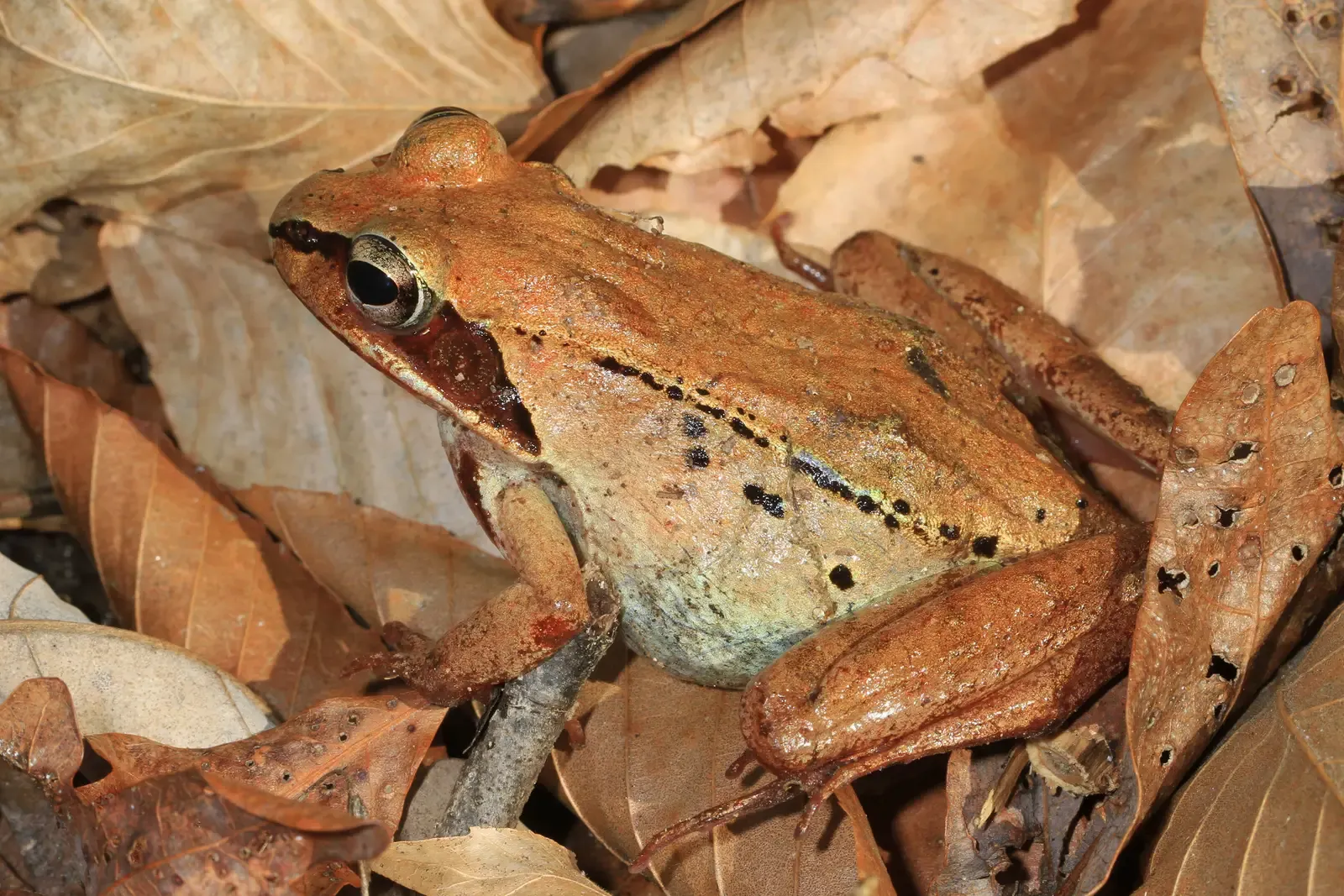
Think about what happens to water when it freezes: it expands and shreds cells apart. For you, that is usually the end of the story. For wood frogs, though, freezing is just a seasonal pause button. When temperatures plummet, you would allow up to a large part of your body water to turn to ice, letting your heart stop and your breathing cease. To survive this, you would flood your cells with natural antifreeze compounds like glucose and other cryoprotectants, which help keep the insides of your cells from freezing solid.
All the while, ice would form mostly in the spaces between your cells and around your organs, where it causes less damage. Come spring, as temperatures rise, you would slowly thaw, your heart would start beating again, and you would hop off as if nothing happened. You would have essentially survived as a partially frozen animal through the winter. This ability shows you that even something as absolute as freezing can be turned into a controlled, reversible condition if your body has the right built‑in chemistry.
9. Albatrosses: Long‑Distance Flyers of the Open Ocean
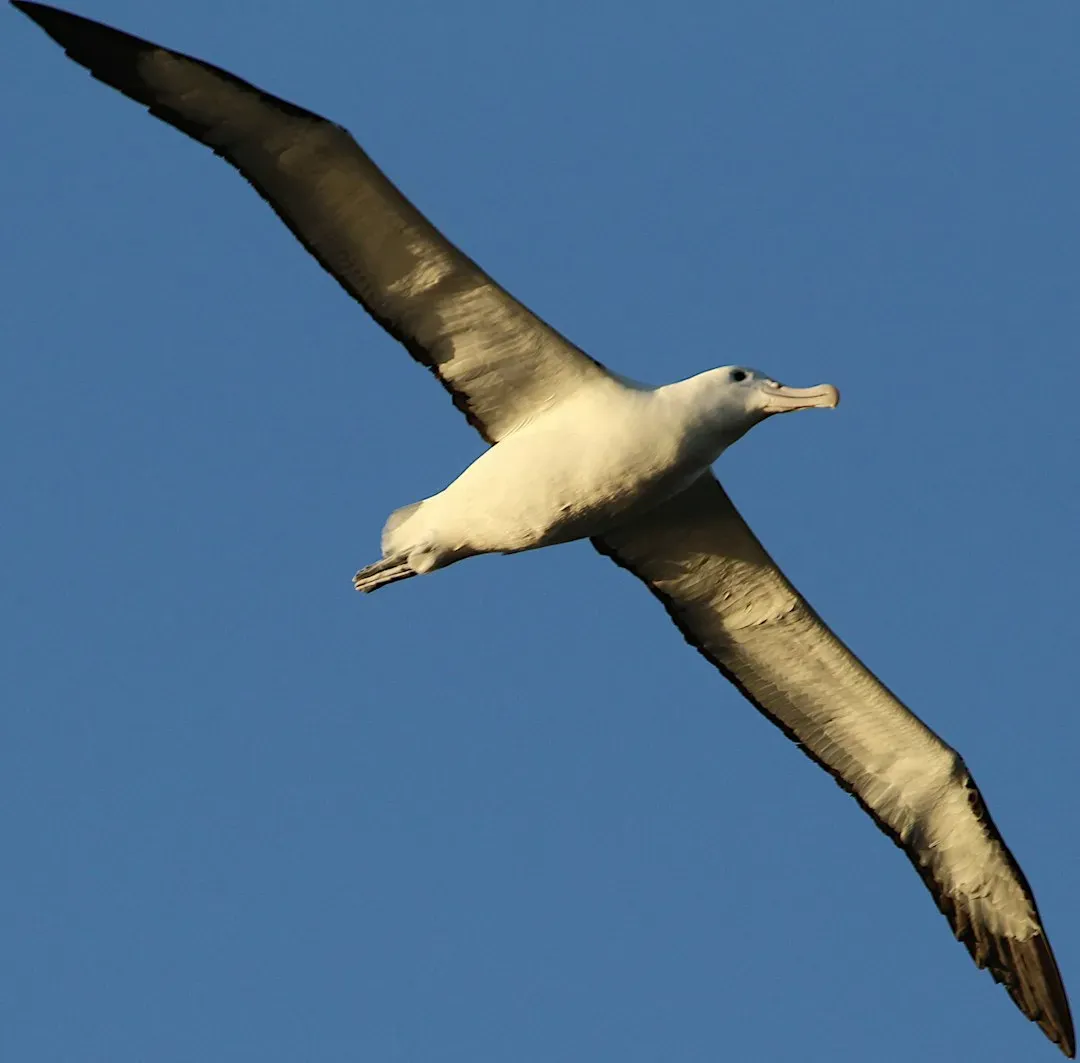
Imagine spending most of your life at sea, sleeping on the wing, crossing oceans without seeing land for days or weeks at a time. As an albatross, you would be perfectly built for this kind of extreme lifestyle. Your wings would stretch impressively wide, allowing you to glide on wind currents with very little effort, using a technique known as dynamic soaring. Instead of flapping constantly, you would tap into differences in wind speed above the waves, converting them into forward motion with barely any energy cost.
Your body would be streamlined and efficient, and you would have special tendons that can lock your wings open so your muscles do not have to work to keep them extended during long glides. To deal with salty seawater, you would carry a built‑in desalination system in the form of salt glands above your eyes, which filter excess salt from your blood and let you excrete it through your nostrils. With these tools, you would turn the vast, empty ocean into a highway rather than a barrier, living a life of movement that few other animals can match.
10. Thermophile Microbes: Life at Boiling and Beyond
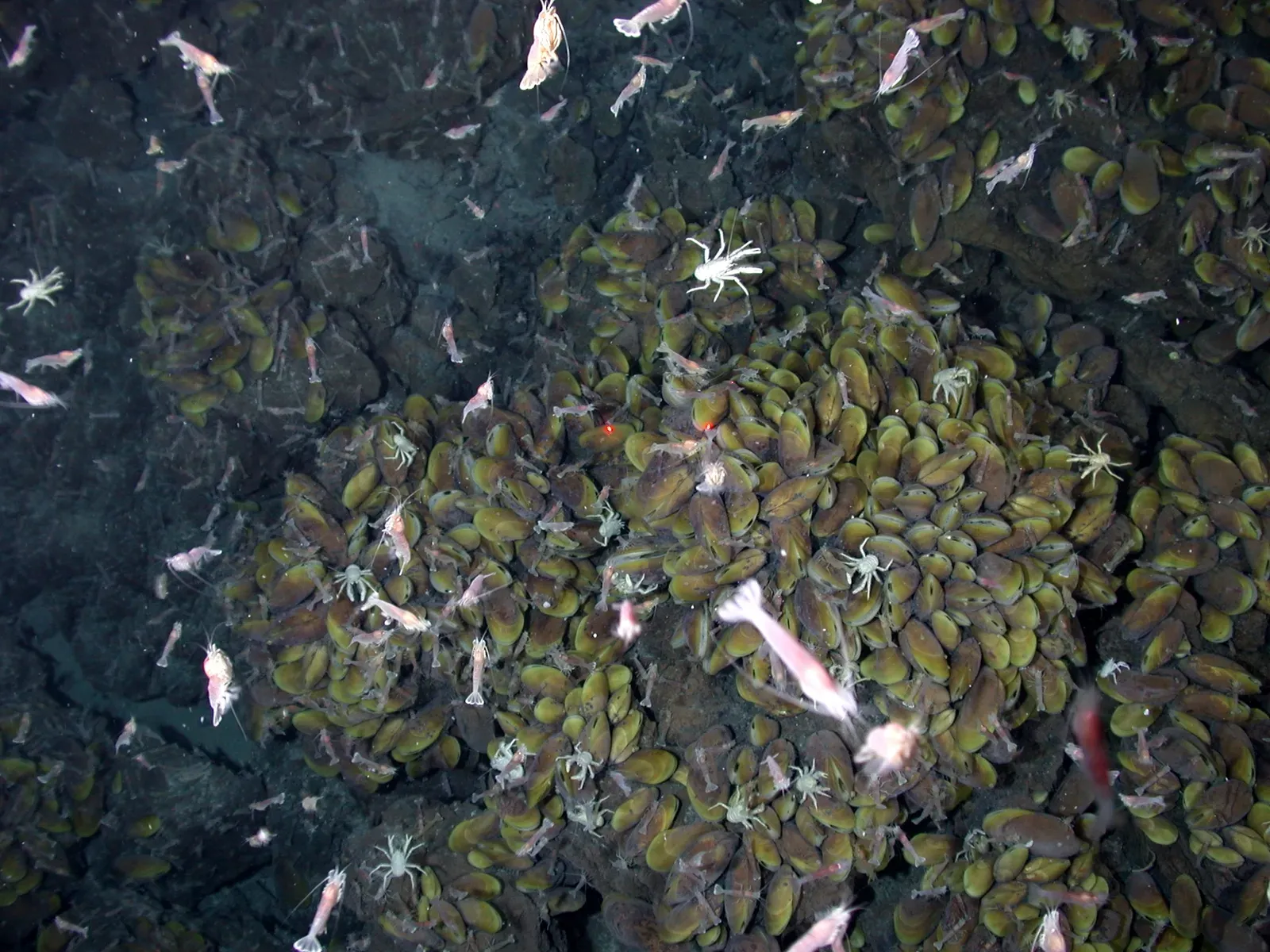
If you think a hot bath is intense, consider living in water that is close to boiling, inside hydrothermal vents, or even in acidic hot springs. As a thermophilic microbe, you would not just tolerate these conditions – you would depend on them. Your proteins and cell membranes would be specially structured to stay stable and functional at temperatures that would unravel the molecules in your own body. Instead of sunlight, many of you would use the rich chemistry around you, such as sulfur or iron compounds, as your energy source.
Your existence would quietly rewrite what you assume about where life can survive. You would be found in places that once seemed completely sterile, deep under the ocean floor or in extreme geothermal environments on land. Your enzymes would be so stable that humans would borrow them for industrial processes and lab techniques that require high heat. By thriving where almost nothing else can, you would suggest that if life ever evolves on other worlds with harsh conditions, it may look more like you than like anything large or familiar.
When you look back at these ten adaptations, you can see that extreme environments do not just push life to the edge; they carve it into incredible shapes. You watched animals and microbes bend the rules of temperature, pressure, darkness, and drought, each finding a different way to turn danger into an everyday routine. In a way, every one of these species is a lesson in flexibility, resourcefulness, and persistence under pressure.
You may never need to freeze solid, glow in the deep sea, or walk calmly across Antarctic ice, but you do face your own versions of extreme environments: emotional, social, or practical. The wild part is that your brain and behavior can adapt just as dramatically over time as any fur coat or kidney. So the next time life feels harsh, you might ask yourself: if a microscopic water bear can outlast a vacuum, what unexpected adaptation might you be capable of too?