
You probably think of solid ground as the one thing in life you can rely on. Yet, a handful of U.S. earthquakes have shown you that the earth under your feet can twist, heave, and rip open in a matter of seconds. These quakes didn’t just rattle buildings; they rewrote maps, reshaped science, and forced people to rethink how to live with a restless planet. As you walk down a quiet city street, it’s wild to imagine that some of America’s calmest landscapes once shook so violently that church bells rang a thousand miles away and the land itself rose and sank like waves on an ocean. When you look back at the ten most powerful earthquakes in U.S. history, you’re really looking at ten moments when the planet reminded you who’s in charge – and offered lessons you can still use today.
1. The 1964 Great Alaska Earthquake: When the Ground Dropped by Nearly Two Stories
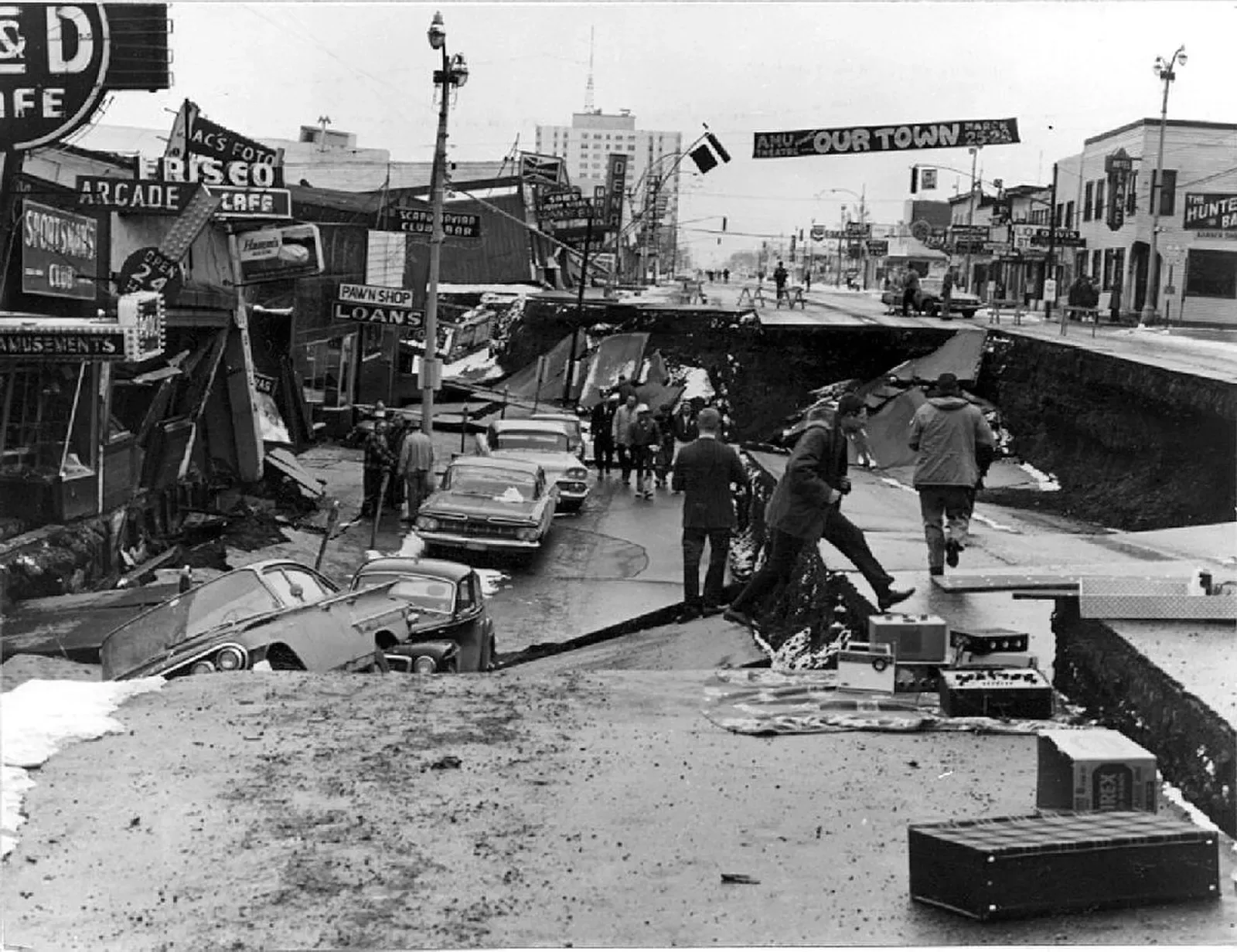
If you ever visit Anchorage or the small communities along Prince William Sound, it’s hard to picture the moment in March 1964 when the ground there slid, buckled, and dropped by as much as nearly two stories in some spots. This magnitude 9.2 giant remains the most powerful earthquake ever recorded in the United States, and one of the strongest anywhere on Earth since modern instruments started keeping score. You’re not just talking about a strong shake here – you’re talking about entire neighborhoods shifting, coastlines sinking, and the ocean suddenly rushing in where land used to be. What this quake taught you is that the biggest danger often isn’t just the initial shaking. In Alaska, the long-duration shaking set off underwater landslides that generated devastating local tsunamis, and the earthquake itself triggered a major tsunami that traveled across the Pacific, hitting places as far away as California and Hawaii. From this disaster, modern earthquake science in the U.S. got a huge boost: better hazard maps, stronger building codes, and a deep respect for how subduction zones (where one tectonic plate dives beneath another) can unleash enormous energy. When you hear warnings about tsunami risk after any large offshore quake, you’re hearing echoes of the hard lessons from 1964.
2. The 1700 Cascadia Megaquake: The “Orphan Tsunami” That Gave You a Wake-Up Call Centuries Late
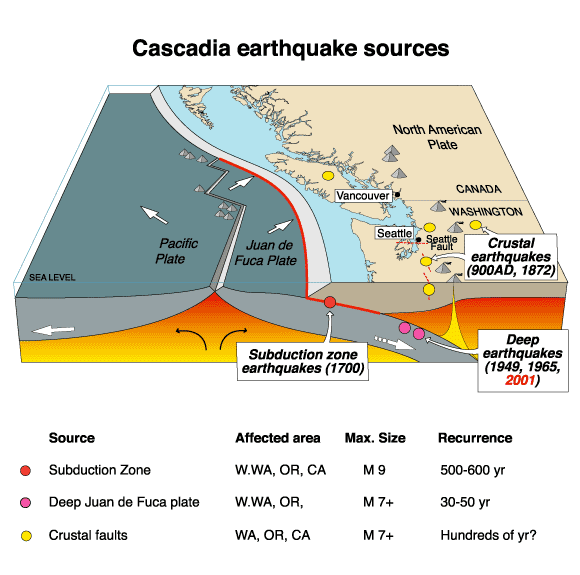
You weren’t around when the Cascadia subduction zone off the Pacific Northwest coast snapped in the year 1700, but you live with its legacy every time you see a tsunami evacuation route sign in Oregon or Washington. This magnitude 8.7 to 9–class event was so powerful it sent a major tsunami across the Pacific and onto Japanese shores, where observers recorded mysterious flooding with no felt shaking – a so‑called “orphan tsunami.” Centuries later, scientists used tree rings, coastal marsh deposits, and those Japanese records to pin down that this massive quake struck the U.S. and Canadian west coast on a winter night. What it really teaches you is that your biggest seismic threats aren’t necessarily the ones you’ve seen in your lifetime. Cascadia has been quiet for more than three centuries, but geologic evidence shows it has unleashed megaquakes many times over the last several thousand years. That pushes you to think in terms of generations, not years. Emergency planners in the Pacific Northwest now assume that one day, without much warning, you could see several minutes of violent shaking followed by large tsunamis. If you live or travel in that region, these lessons translate into very practical advice: know your evacuation routes, store supplies, and never ignore natural tsunami signs like sudden strong shaking or a quickly receding shoreline.
3. The 1965 Rat Islands Quake: A Remote Giant That Quietly Rewrote the Rulebook
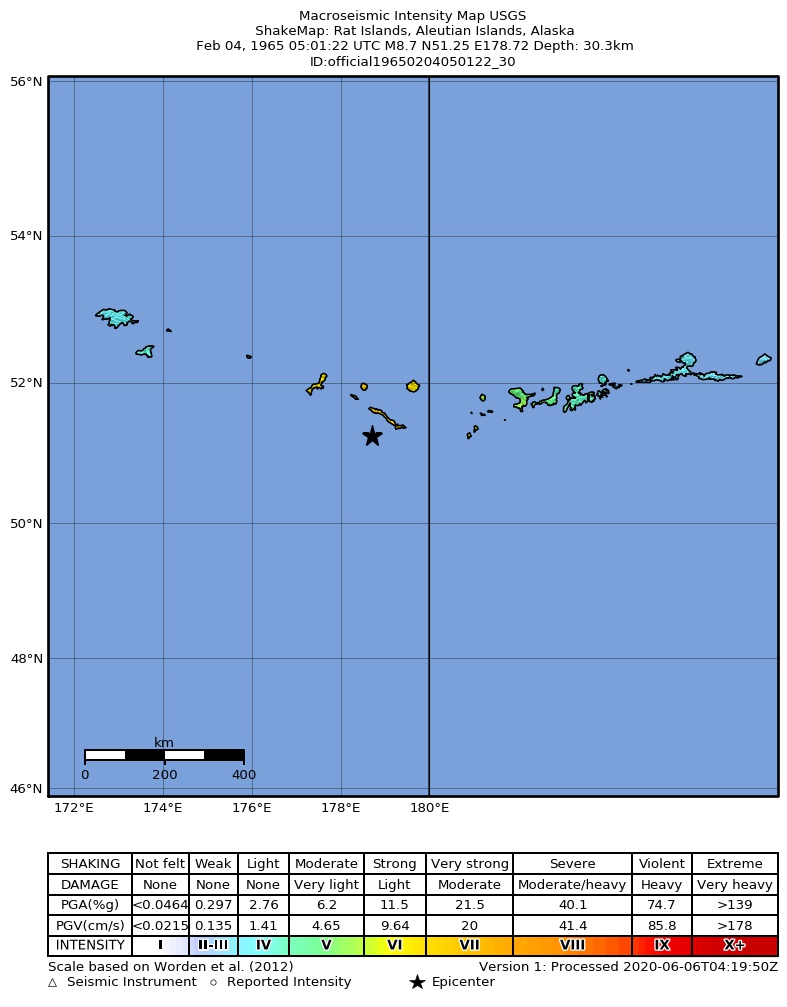
Way out in the Aleutian chain, where few people live and storms outnumber sunny days, the 1965 Rat Islands earthquake reached about magnitude 8.7. You might never have heard of it precisely because it struck such a remote area, but in terms of raw energy it rivals some of the most powerful quakes on the planet. That contrast – massive event, relatively low loss of life – reminds you that the impact of an earthquake depends as much on where it hits as on how big it is. For scientists, though, this quake was a gold mine. Seismologists used it to refine their understanding of how long fault ruptures can get and how subduction-zone earthquakes unfold along curved plate boundaries like the Aleutian arc. In a practical sense, that helps you today through improved global tsunami models and hazard assessments. Even if you live thousands of miles away, the data from this remote corner of Alaska feeds into the tools that predict how waves might travel after a future large quake, giving coastal communities more accurate warnings and more time to move to safety.
4. The 1957 Andreanof Islands Earthquake: Showing You the Power of Tsunami-First Thinking
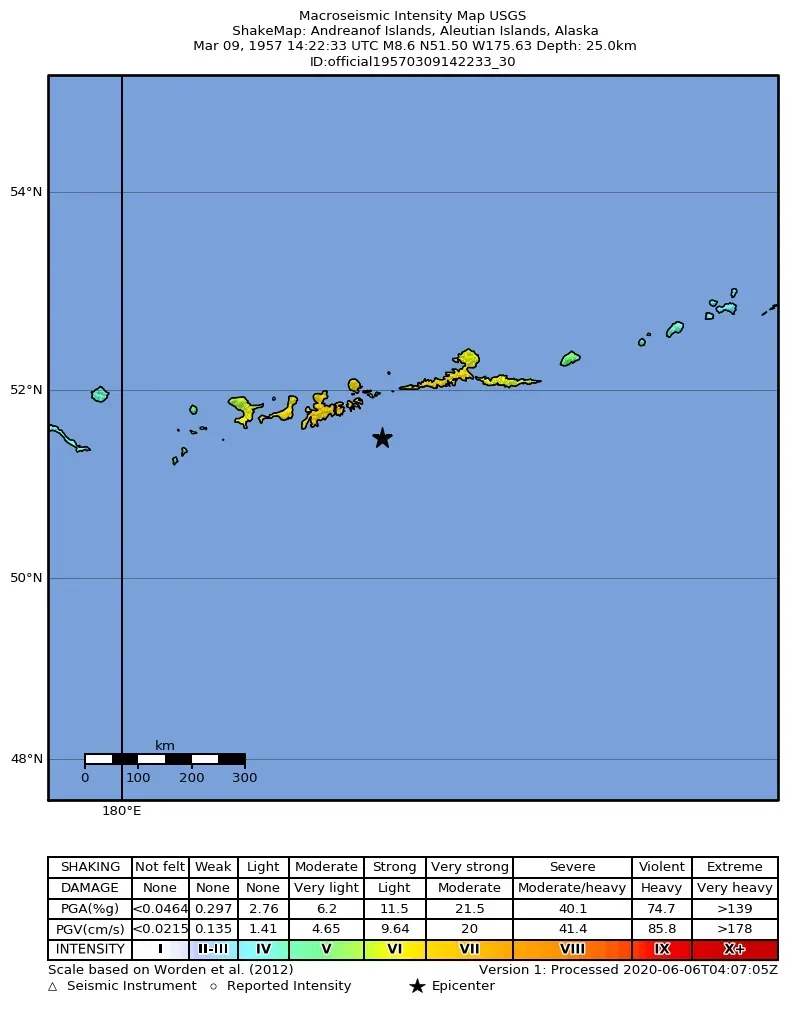
Another huge Aleutian event, the 1957 Andreanof Islands earthquake, clocked in around magnitude 8.6 to 8.7 and stretched along a long segment of the subduction zone. You might think of these islands as just tiny dots on the map, but the shaking there was intense enough to damage structures and trigger landslides. More importantly for you, the quake generated a significant tsunami that moved across the Pacific and was recorded at tide gauges thousands of miles away. This earthquake underscored a crucial lesson that emergency managers still drill into you today: after a large offshore quake, you must think tsunami first. Coastal communities learned that even if shaking is moderate or far away, water levels can still surge dangerously later. Because of events like this one, you now have an international network of deep‑ocean pressure sensors, tide gauges, and satellites feeding data into tsunami warning centers. The technology is complex, but the takeaway for you is simple: if you’re on a coast and you feel strong or long-lasting shaking, do not wait for an official alert – move inland or to higher ground immediately.
5. The 1938 Alaska Peninsula Quake: A Reminder That “Middle‑of‑Nowhere” Still Matters to You
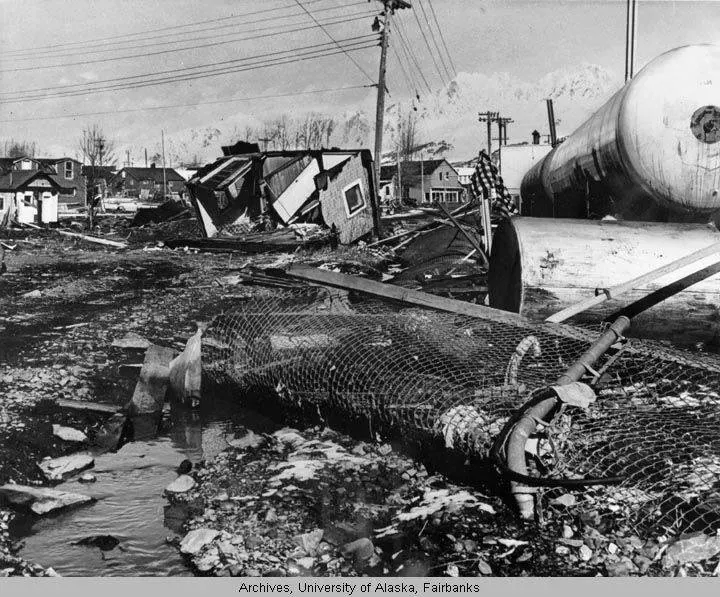
The 1938 Alaska Peninsula earthquake, with a magnitude in the high 8 range, struck along another part of the same long subduction system that runs beneath southern Alaska and the Aleutians. Back then, fewer instruments and fewer people meant the details weren’t documented as thoroughly as more recent events. You could be tempted to shrug at an old, remote quake, but these historical giants are crucial puzzle pieces. They show you that the region has a long record of producing enormous earthquakes again and again. For you, that historical perspective matters in two ways. First, it reminds you that seismic hazard is often based on patterns spanning centuries, not just the disasters you remember from the news. Second, knowing that such large quakes have occurred along multiple segments of the Alaskan subduction zone helps refine risk estimates for tsunamis that can affect communities far from Alaska. When engineers and planners in places like California, Hawaii, and even other Pacific nations build coastal defenses or design evacuation plans, they factor in the energy released by events like the 1938 quake. You benefit from that work every time tsunami risk maps are updated or siren systems are tested.
6. The 1946 Aleutian Earthquake and Tsunami: The Disaster That Built a Warning System for You
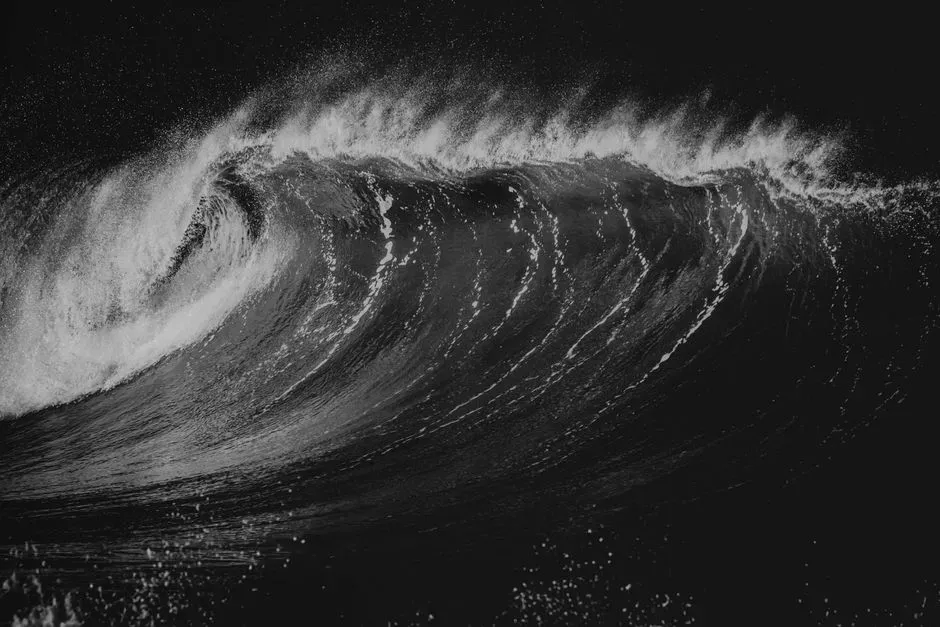
In 1946, a powerful earthquake off Unimak Island in the Aleutians triggered a tsunami that was far more destructive than its estimated magnitude might make you expect. Waves devastated the lighthouse at Scotch Cap and then traveled across the Pacific, causing deadly flooding in Hawaii. For many people, the shaking itself was less memorable than the water that followed hours later, arriving like a dark, fast-moving wall where the ocean should have been. This event was a turning point: it led directly to the creation of what would become the Pacific Tsunami Warning Center. If you’ve ever heard your phone buzz with a tsunami alert or seen scrolling warnings across a TV screen after a large earthquake, you’re witnessing the long-term consequences of 1946. The lesson for you is sobering: even when the earthquake itself feels far away, the ocean can carry its energy right to your doorstep. Modern warning systems give you precious time, but they only work if you respect them, know your evacuation routes, and take drills seriously instead of treating them as background noise.
7. The 1906 San Francisco Earthquake: When a City Taught You How Not to Build
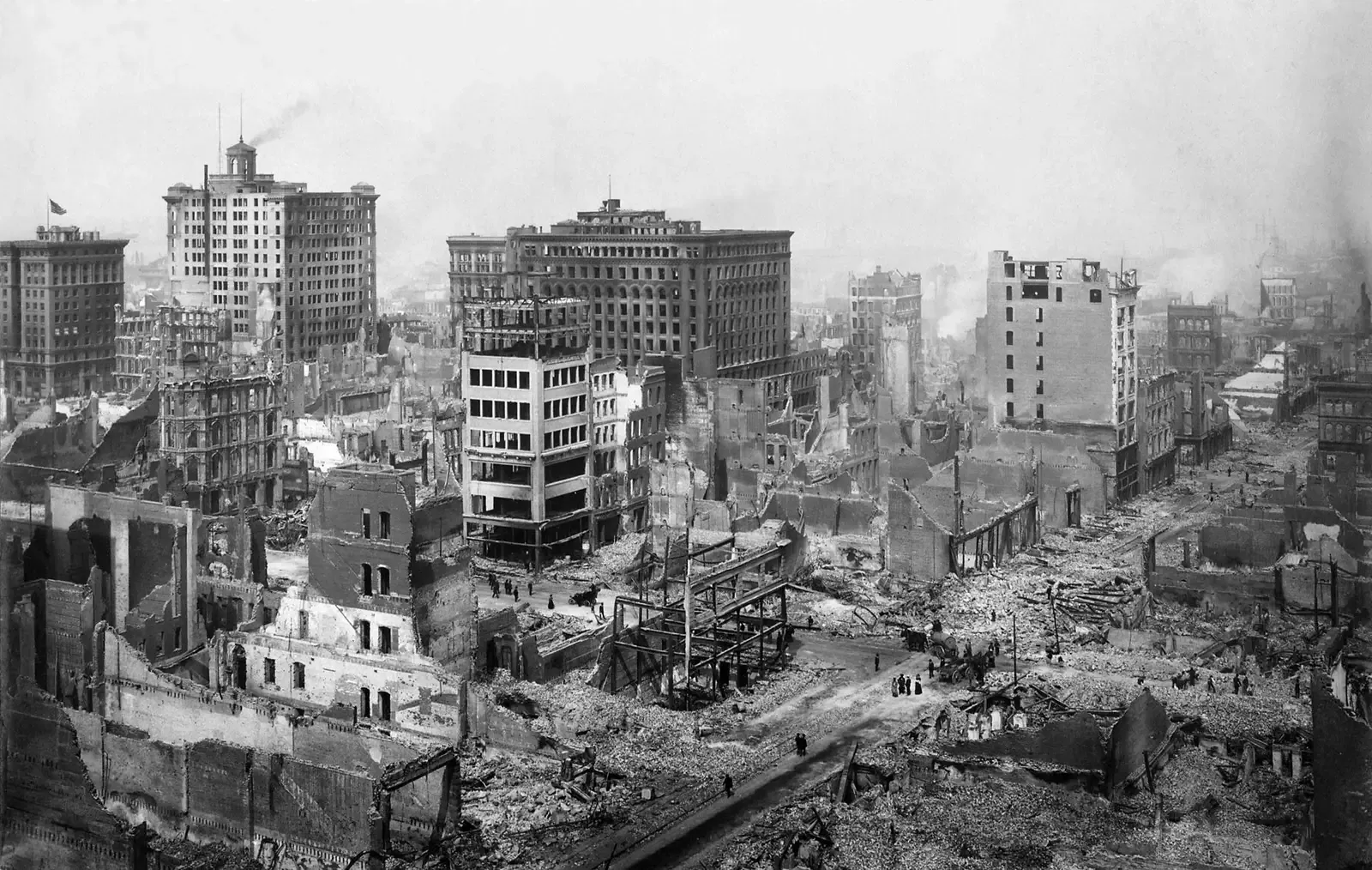
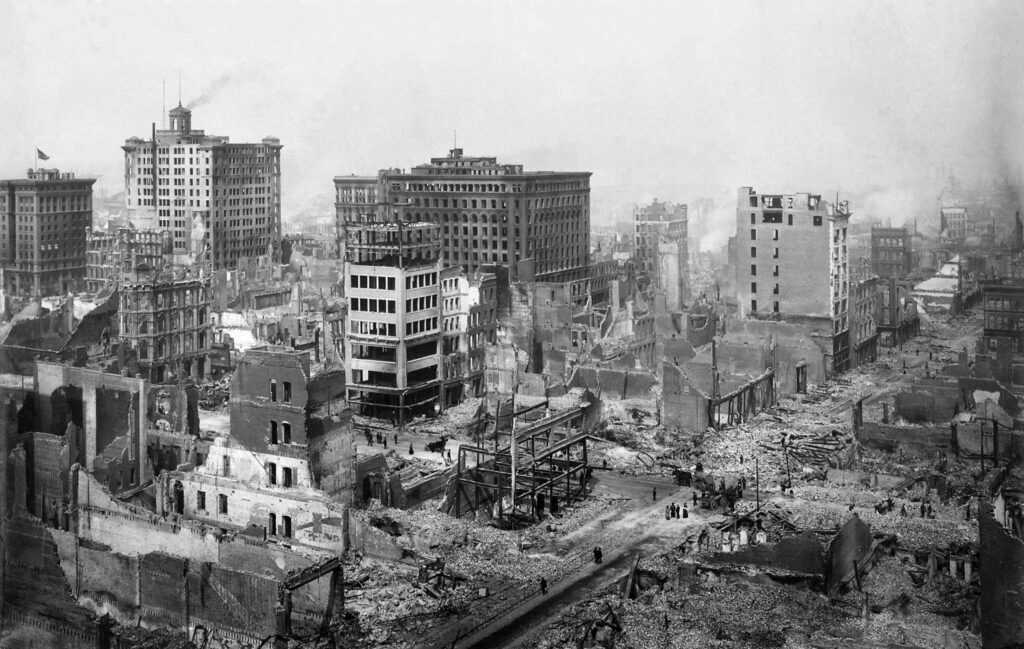
The 1906 San Francisco earthquake, with a magnitude of about 7.8, might not top the raw power list compared to Alaska’s behemoths, but in terms of social and scientific impact on your life, it is enormous. The quake ripped along roughly hundreds of kilometers of the San Andreas Fault and shook the city so violently that sidewalks buckled and brick buildings crumbled. Fires ignited and raged for days, destroying large parts of San Francisco and leaving many residents homeless. When you see old photos of city blocks reduced to ashes, you’re looking at the reason modern urban America takes earthquakes seriously. What this disaster taught you is that design and planning matter at least as much as magnitude. Many of the worst collapses came from unreinforced masonry buildings and poorly constructed structures, which simply couldn’t handle lateral shaking. In the decades that followed, California began developing some of the world’s strongest seismic building codes. If you live or work in a modern high‑rise on the West Coast, you benefit from lessons learned painfully in 1906: flexible steel frames, shear walls, base isolation systems, and strict inspection rules. In a very real sense, San Francisco’s tragedy bought you a safer skyline.
8. The 1811–1812 New Madrid Sequence: The Day the Mississippi Ran Backward
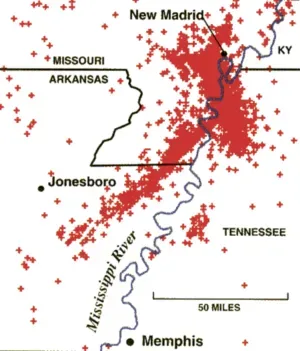
Far from any ocean trench or famous fault line, the central United States endured a bizarre series of massive earthquakes between late 1811 and early 1812 in the New Madrid region (present-day Missouri and surrounding states). These quakes, estimated around the high 7 to low 8 range, were strong enough that people reported church bells ringing hundreds of miles away and the Mississippi River appearing to briefly run backward in places due to uplift and waves. Picture living in what you thought was the stable interior of a continent and suddenly finding the ground rolling like waves on a lake. The New Madrid sequence taught you that damaging earthquakes are not just a coastal problem. Ancient, buried faults in the middle of tectonic plates can still awaken and cause widespread shaking over a huge area, because seismic waves travel more efficiently through older, colder crust. Today, if you live anywhere from Arkansas to Illinois, your building codes, insurance rates, and emergency plans are quietly shaped by those early nineteenth-century events. You might not feel frequent tremors there, but the risk is not zero, and ignoring it would mean repeating a history that your region worked hard to reconstruct from fragile written accounts and subtle changes in the landscape.
9. The 2018 Anchorage Earthquake: A Modern Stress Test for Your Infrastructure
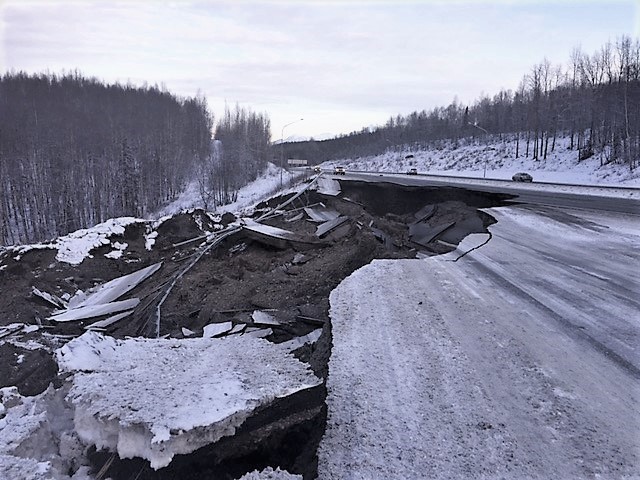
Jumping to the twenty-first century, the 2018 magnitude 7‑class Anchorage earthquake gave you a different kind of lesson: how a modern city, built with decades of seismic knowledge, actually holds up when the ground really moves. Roads cracked and buckled, overpasses were damaged, and shelves in stores emptied themselves in seconds. Yet, considering the strength of the shaking and the population exposed, the level of destruction and loss of life was far lower than it could have been in an earlier era. For you, this quake is proof that preparation works. Updated building codes, improved engineering practices, and public education meant more structures stayed standing and more people knew how to respond. You also saw how quickly social media and real-time data can spread situational awareness: maps of damaged roads, school closures, and utility outages appeared in minutes. That connectivity can help or hurt you – rumors and misinformation can fly, but so can accurate guidance. The clear takeaway is that investing in resilient infrastructure and drills isn’t some abstract government hobby; it pays off when your family can safely ride out a major quake in a well‑designed home or quickly find open routes out of danger.
10. The 1994 Northridge Earthquake: Revealing Hidden Faults in Your Own Backyard
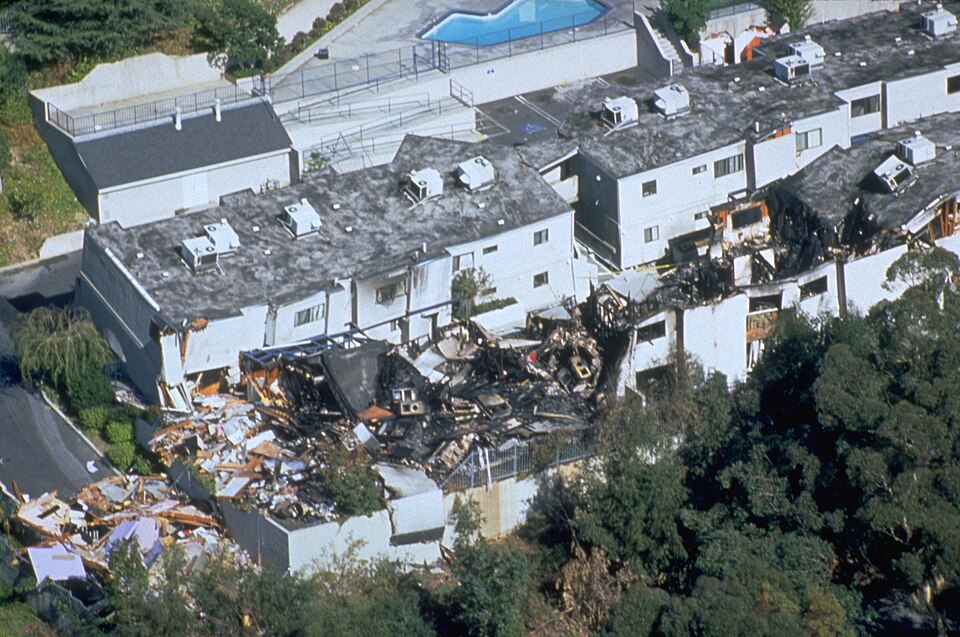
When the Northridge earthquake struck the Los Angeles region in 1994, it came from a buried, previously unrecognized fault – a blunt reminder that even in one of the most studied seismic regions on Earth, you don’t know every crack under your feet. This moderate‑to‑strong magnitude 6‑plus event caused intense shaking, collapsed freeway overpasses, and heavily damaged apartments and offices, especially those with weak first stories used as parking areas. You might still remember images of crumpled highways and leaning buildings as a symbol of how vulnerable even a modern metropolis can be. Northridge changed how you think about risk in several ways. Engineers discovered that some welded steel frames, once considered nearly invincible, had brittle fractures that needed serious redesign. City officials revised building codes, targeted retrofits for soft‑story apartments, and strengthened hospitals and essential facilities. If you live in Southern California today, your apartment building, workplace, or favorite freeway ramps may have been evaluated or upgraded because of what Northridge exposed. The deeper lesson is humbling: you can’t map every fault before it breaks, but you can design your structures with enough strength and flexibility to handle surprises.
Conclusion: What These Giant Quakes Really Ask of You
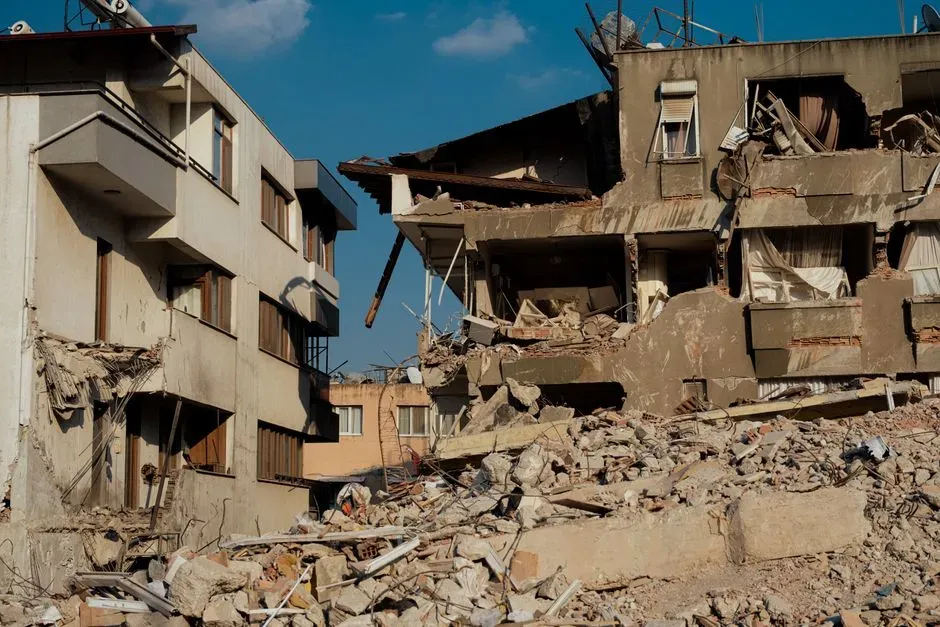
When you step back from this list, you see more than ten scary stories about the ground gone wild. You see patterns: subduction zones that unleash monster quakes and tsunamis, hidden faults that reveal themselves without warning, and inland regions that shake far more widely than you’d expect. Each event carved new knowledge into the scientific record and into the laws, codes, and habits that quietly shape your daily life. You live in a world where skyscrapers sway instead of snap and sirens wail before waves arrive, largely because past generations endured the worst and chose to learn from it. The real question for you is what you do with those lessons now. Do you secure heavy furniture, learn your evacuation routes, and push for stronger building standards in your community, or do you hope that the ground stays kind in your lifetime? Earthquakes do not care whether you are ready; they only care about physics. But your choices before they strike decide how much of your world is still standing afterward. So next time you feel a small tremor or see news of a distant quake, will you shrug it off – or take it as a reminder that the safest time to prepare is always right now?