
Out in forests, oceans, grasslands, and even city ponds, animals are quietly designing and constructing structures that would make human engineers pause and take notes. These are not just shelters, but intricate fortresses, climate-controlled palaces, and underwater cities built with precision and purpose. For decades, biologists underestimated many of these builders, treating nests and burrows as simple instincts rather than complex engineering solutions. That view is rapidly changing as new imaging tools, sensors, and long-term field studies reveal the hidden blueprints behind animal-made structures. What we are learning is reshaping how scientists think about intelligence, design, and even the future of sustainable architecture.
The Beaver’s Dam: Nature’s Controversial Hydrologist
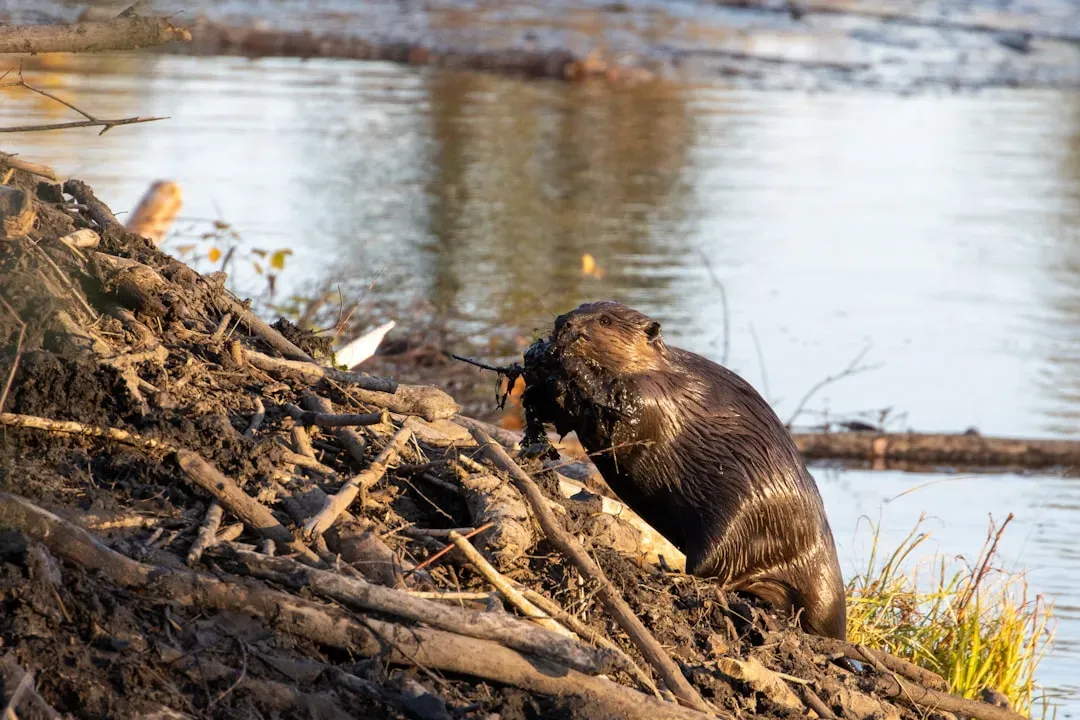
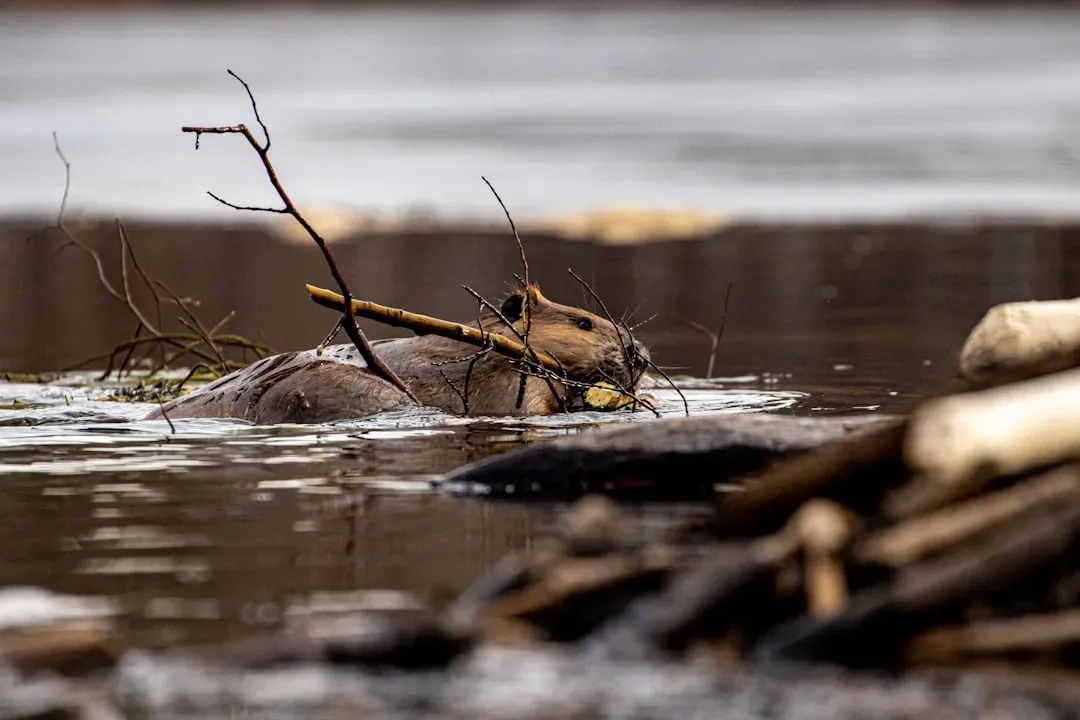
Walk along a quiet stream in North America or Europe, and you might stumble on one of the most radical engineering projects in the animal world: a beaver dam that has literally redrawn the local map. Beavers fell trees with teeth that self-sharpen, drag branches into position, and pack mud and stones to build barriers that can stretch for dozens or even hundreds of meters. The result is a flooded landscape of ponds and channels that slow water, trap sediment, and create wetlands buzzing with life. What looks like a mess of sticks is actually calibrated to leak just enough water to avoid catastrophic failure while maintaining a stable pond level.
For ecologists, beaver engineering has become a hot topic in climate and water management circles. Beaver dams raise groundwater levels, store water during droughts, and can cool streams in summer, creating refuges for fish and amphibians. In some parts of the western United States, land managers are even installing artificial “beaver dam analogues” to jump-start the kind of hydrological repair that real beavers can achieve. Of course, it is not always a love story: farmers with flooded fields and landowners whose trees keep disappearing see beavers as destructive. But whether considered pests or partners, their dams are a clear demonstration that one medium-sized rodent can reshape an entire watershed.
Termite Cathedrals: Climate-Controlled Skyscrapers of Soil
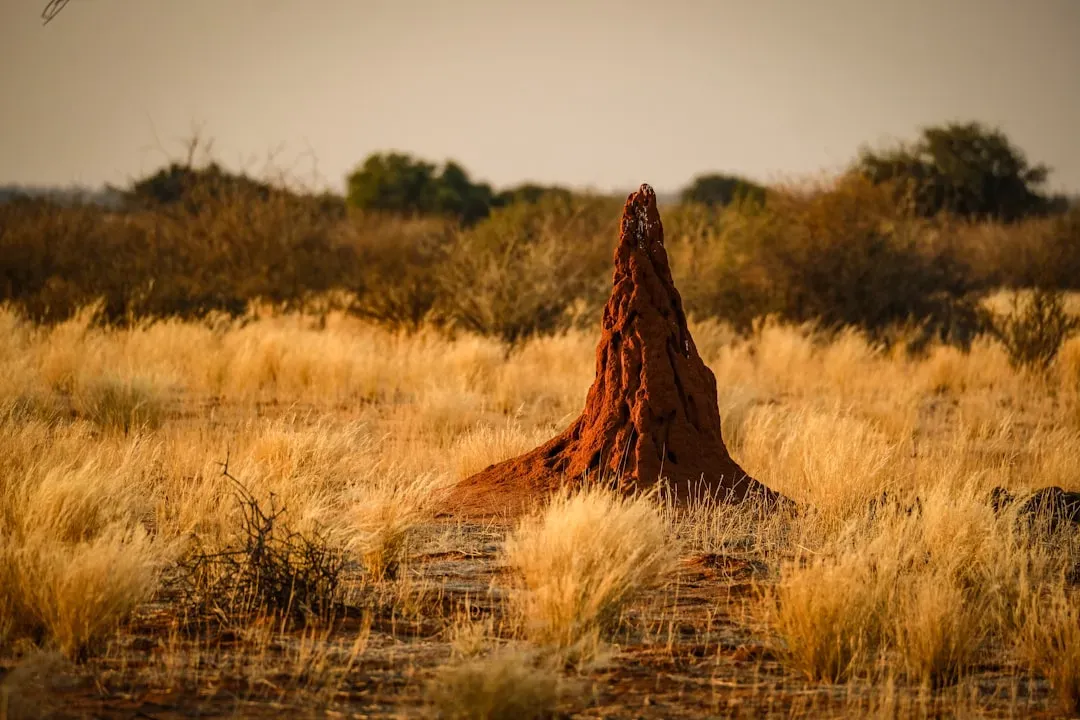
In the savannas of Africa, Australia, and South America, towering mounds of hardened earth rise like a skyline designed by a minimalist architect. These are termite mounds, some taller than a person, built by insects barely longer than a grain of rice. At first glance, they look like solid dirt, but inside is a labyrinth of tunnels, vents, nurseries, and fungus gardens arranged with astonishing precision. The colony uses bits of soil, saliva, and fecal material as construction paste, layering it grain by grain over years.
What has fascinated engineers most is the way these mounds manage air and temperature. The termites themselves are delicate and must keep their fungus farms within a narrow temperature and humidity range, even as outside temperatures swing from chilly nights to searing days. The mound’s intricate network of vents acts like a lung, using small temperature differences and wind to drive air circulation and gas exchange. Researchers have built physical models and digital simulations to explore this “passive climate control,” and some architects are experimenting with ventilation designs inspired by termite mounds. When you see one of these eroded towers glowing in the evening light, you are looking at living proof that smart climate engineering does not require electricity or steel.
Weaverbirds and Their Hanging Cities in the Trees
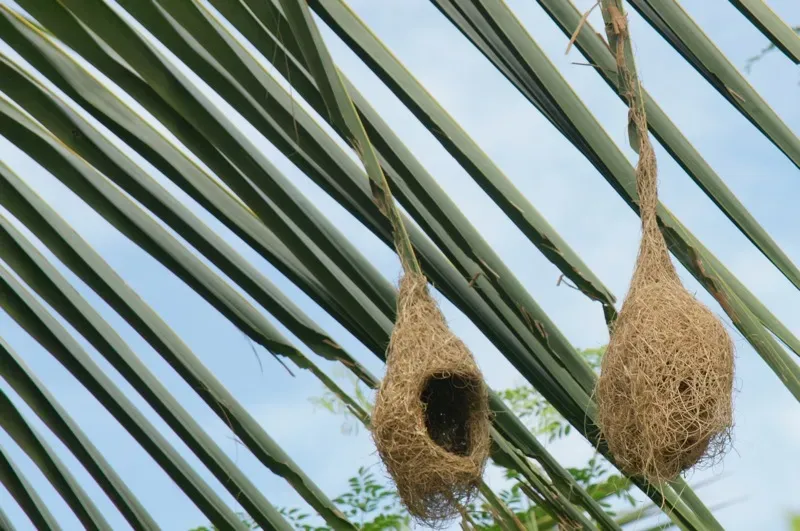
In many African and Asian landscapes, you might first hear the weaverbirds before you see them: a cacophony of chirps around what looks like a tree dripping with woven baskets. Male weaverbirds construct elaborate hanging nests from strips of grass, reeds, and palm fibers, knotting them with a precision that would impress a textile artist. These nests are not just shelters but also advertisements, because females inspect their structure and stability when choosing a mate. A poorly tied knot or a sagging entrance can mean instant rejection.
Some species take this to communal extremes, building cooperative “apartment blocks” that shelter dozens or even hundreds of birds under one sprawling thatched roof. The internal architecture of these complexes matters, with different chambers offering varied microclimates for breeding or roosting. Field biologists have documented that younger males often copy the nest-building techniques of experienced neighbors, suggesting a cultural component layered on top of instinct. From an engineering perspective, weaverbird nests are testing grounds for tension, compression, and shock absorption, hanging through storms that would shred many human-made garden structures. When the wind picks up and those nests start swinging in unison, it is like watching a natural stress test in real time.
Bowerbirds: Artists, Engineers, and Color-Coded Designers
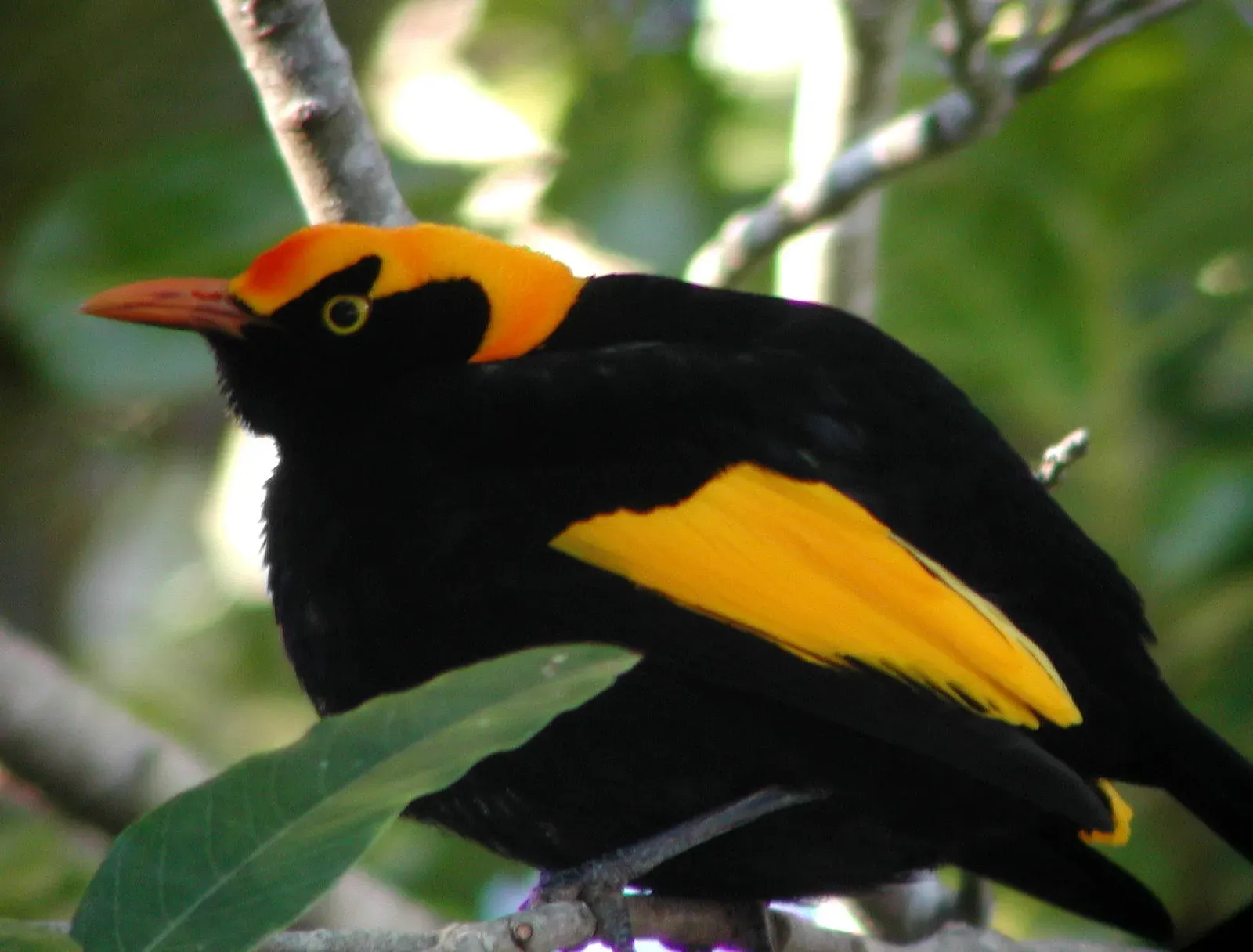
On the forest floor of Australia and New Guinea, male bowerbirds spend weeks building something that is not a nest, not a shelter, and not exactly a tool, but clearly a deliberate work of design. Their bowers – arched avenues, huts, or cleared courts decorated with carefully placed objects – serve as performance stages to attract mates. Each species has its own architectural style, from simple stick-lined runways to complex structures that resemble miniature pergolas. The birds gather colored items such as berries, flowers, shells, and plastic fragments, arranging them by hue and size in a meticulous pattern.
Scientists studying bowers have found evidence of perspective tricks that hint at surprisingly sophisticated spatial reasoning. Some bowerbirds place larger objects farther from the central viewing area and smaller ones closer, creating an optical illusion that makes the display appear more uniform. That kind of forced perspective, familiar from theme parks and set design, is rare in non-human animals. There is also a social and cognitive arms race at play: females seem to develop preferences for more complex and tidy bowers, pushing males to innovate and refine their craft over generations. If architecture is frozen behavior, as some designers like to say, then bowerbirds are living proof that the boundary between art and engineering is blurrier than we once thought.
Coral Reefs: Slow-Motion Cities Built by Tiny Animals
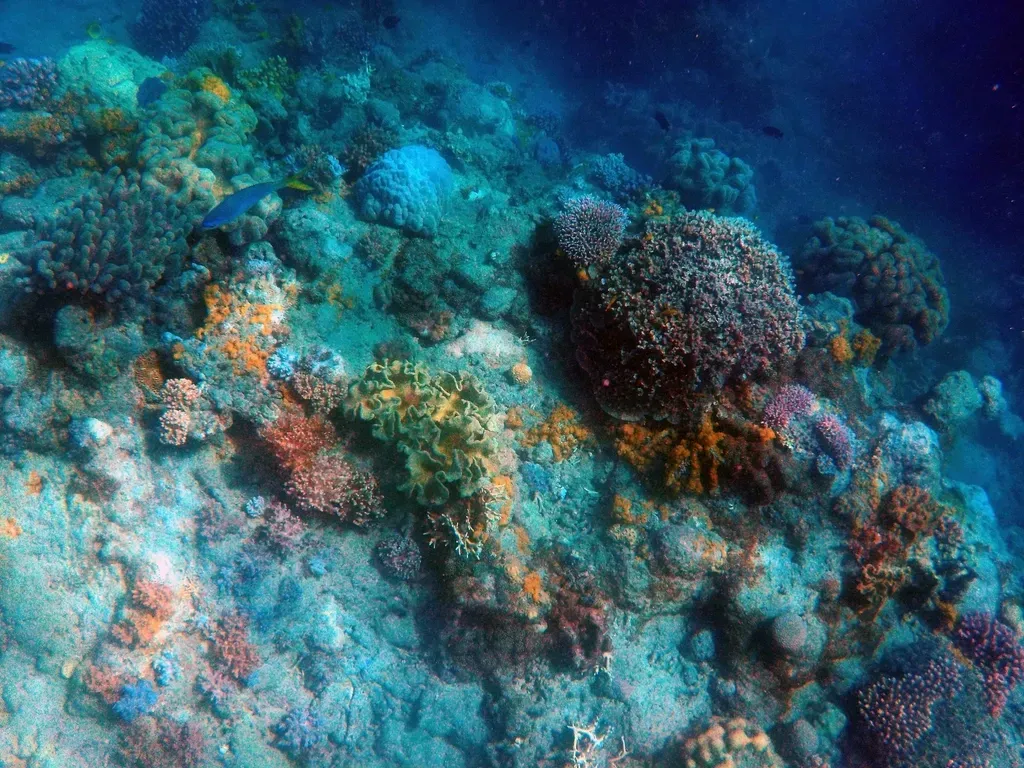
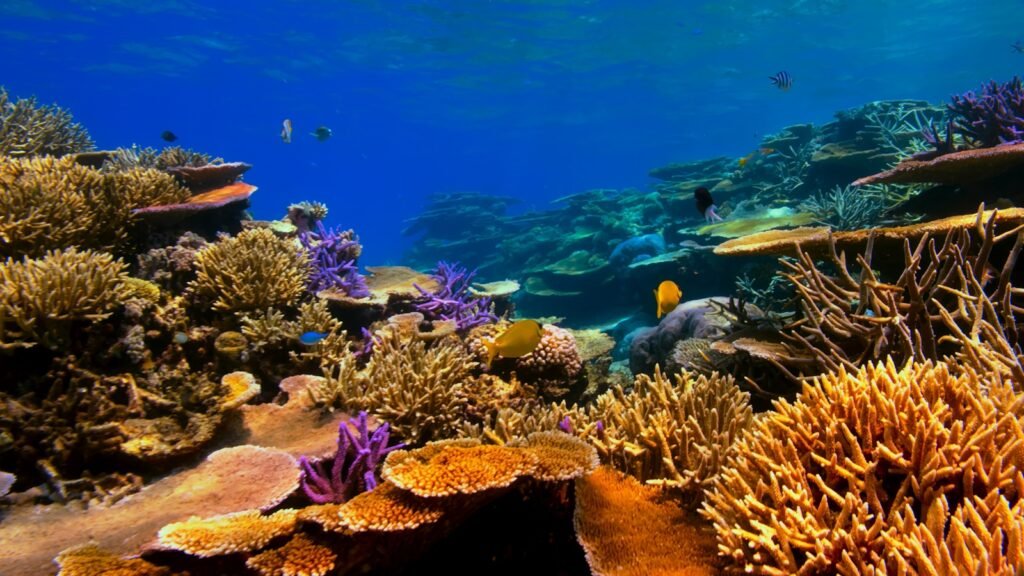
Stretching across tropical oceans, coral reefs are sometimes described as underwater rainforests, but from an engineer’s point of view they are more like sprawling stone cities. Each coral colony is built by countless tiny polyps that secrete calcium carbonate skeletons, layer upon layer, as they grow and divide. Over centuries to millennia, these skeletons fuse into massive reef structures that can be seen from space. The result is a fortress against waves, a maze of alleys and towers, and a home for an astonishing diversity of fish, crustaceans, mollusks, and other marine life.
Reefs demonstrate how small builders can collectively engineer entire coastlines. They break wave energy before it reaches shore, helping to protect beaches and mangroves from erosion and storms. In many tropical countries, a significant share of the population lives within a short distance of coral-protected coasts, and their homes, fisheries, and tourism industries depend on the structural integrity of these animal-built barriers. Yet these same reefs are under severe pressure from warming seas and ocean acidification, which weakens the very skeletons that hold them together. Conservationists and marine engineers are now experimenting with artificial reef modules and coral gardening, trying to support the natural builders that assembled these living breakwaters in the first place.
Termite, Ant, and Mole-Rat Metropolises Beneath Our Feet
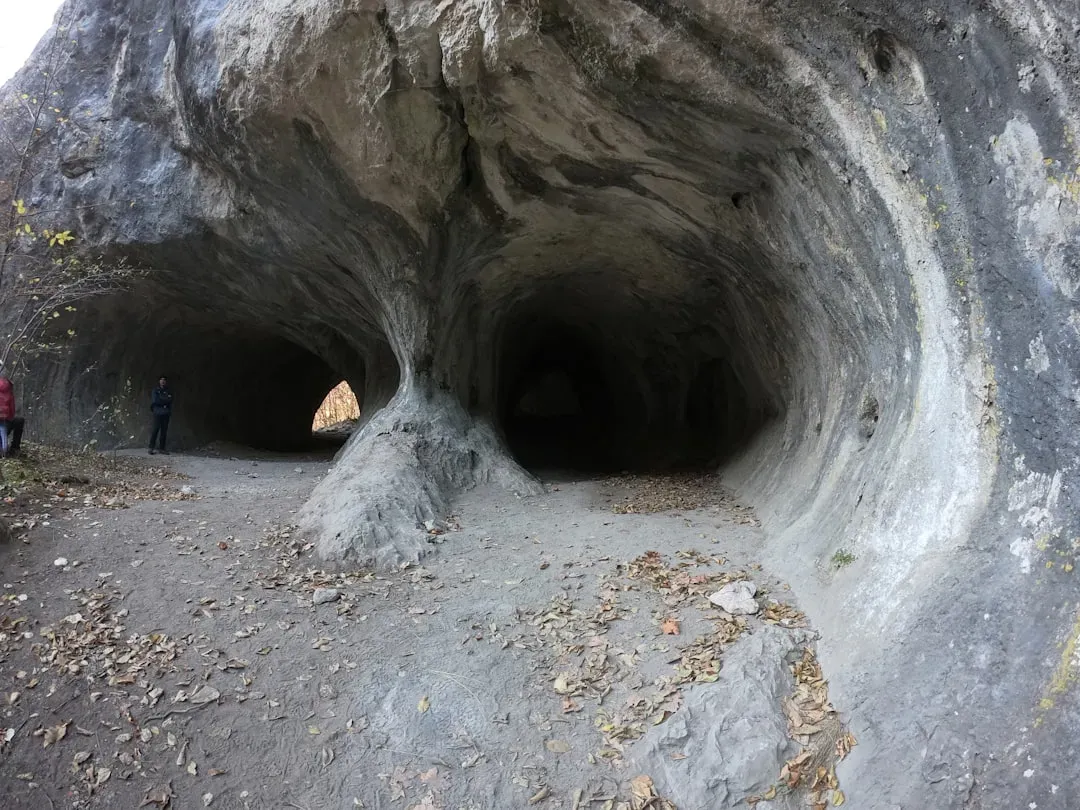
Not all great animal architecture reaches for the sky; some of the most spectacular designs exist entirely underground. Leafcutter ants in Central and South America create multisided tunnel systems with fungus gardens, waste chambers, and ventilation shafts extending many meters below the surface. Naked mole-rats in East Africa carve out honeycomb-like burrow networks with specific chambers for sleeping, storing food, and raising pups. Termites, even when they do not build tall mounds, excavate intricate subterranean complexes with branching highways and storage rooms.
Modern imaging techniques, such as casting tunnels with liquid plaster or using ground-penetrating radar, have revealed just how extensive these underground cities can be. A single ant colony’s excavated nest can span areas comparable to a small building’s footprint, with clear traffic management: some tunnels are dedicated high-speed routes, others local side streets. What looks like chaotic digging is in fact a distributed construction project coordinated by simple rules, chemical signals, and the physical constraints of soil. Engineers interested in swarm robotics and decentralized construction often study these insect systems for inspiration. It is humbling that a species wielding tiny jaws and no blueprints can, collectively, outperform many of our carefully planned excavation projects in efficiency and redundancy.
Spider Webs and Pufferfish Circles: Delicate Masterpieces of Design
The lace-like spiral of an orb-weaver spider web is almost a cliché symbol of nature’s design, but when you look closely, the precision remains astonishing. Spiders measure with their legs as they anchor radial lines, then spin sticky spirals optimized to catch insects without wasting silk. Different species tune the spacing, tension, and placement of their webs depending on prey type and wind conditions. Silk itself is a wonder material: lighter than many synthetic fibers yet stronger, weight for weight, than steel, and able to stretch without breaking.
In the oceans off Japan, a small species of pufferfish creates a very different kind of masterpiece: circular sand patterns etched on the seafloor that look almost like crop circles. Males flap their fins to sculpt ridges and valleys in the sand, decorating the central zone with shells and small stones. These structures, roughly a couple of meters across, enhance water flow over the eggs and probably serve as visual signals to potential mates. They are temporary – eventually erased by currents and storms – but the fish rebuild them with remarkable consistency and care. Together, spider webs and pufferfish circles remind us that animal architecture is not always about permanent housing; sometimes it is about fragile, fleeting works that balance form, function, and beauty.
Why These Wild Architects Matter to Science and to Us
It might be tempting to treat animal-built structures as curiosities, the kind of thing that fills a coffee-table book but does not change how we live. Yet these natural designs are increasingly influencing human engineering, from beaver-inspired wetland restoration to termite-mound-based ventilation in office buildings. Unlike many human projects that rely on concrete, fossil fuels, and constant maintenance, animal architecture tends to use local materials, passive energy flows, and self-repairing systems. That makes it an appealing model at a time when cities are wrestling with heat waves, floods, and soaring energy demands. The fact that these builders do all of this with tiny brains and simple rules points to new ways of thinking about design and problem-solving.
For scientists, studying animal architects is also a way to test deeper questions about intelligence, culture, and evolution. How much of a bowerbird’s design is inherited, and how much is learned by watching neighbors? When termites coordinate to add just the right amount of soil in the right place, are they following a pre-set program or responding in real time to subtle feedback cues? These questions echo debates in human fields from urban planning to artificial intelligence. By comparing traditional engineering approaches, which often centralize planning and control, with the distributed creativity of animals, researchers are starting to see alternatives that are more resilient and adaptable. In that sense, every nest, mound, and dam becomes a kind of living lab bench.
The Future Landscape: Bio-Inspired Buildings and Living Infrastructure

Engineers and architects are increasingly turning to biological blueprints as they search for sustainable ways to build in a warming, crowded world. Lessons from termite mounds have already informed designs for passively cooled buildings that reduce the need for mechanical air conditioning. Beavers are being welcomed back into watersheds as partners in natural flood control and drought buffering, offering a low-tech alternative to more concrete dams and levees. Coral-inspired structures are being 3D-printed and placed offshore to help restore damaged reefs and protect coastlines.
At the same time, there is a growing interest in literally merging biology and infrastructure. Some researchers are exploring construction materials that can host living organisms, allowing walls to self-heal small cracks or adjust their porosity over time. Roboticists study ants and termites to design swarms of simple robots that can collectively build without centralized control, useful in disaster zones or on other planets where human labor is risky. Of course, copying nature is not simple, and there are ethical and ecological risks in trying to “engineer” wild systems too aggressively. But if the past few decades are any guide, the next generation of engineers will see animal architects not just as inspiration, but as collaborators in reshaping the built environment.
How You Can Support the World’s Wild Builders
Protecting animal architects starts with protecting the habitats they transform and depend on. Simple choices – supporting wetland conservation groups, backing reef-safe coastal policies, or favoring forest-friendly products – can help keep beavers, corals, and weaverbirds in business as engineers. Local actions matter too: allowing a stream to meander, leaving old trees standing where safe, or tolerating a few chewed branches can create space for beavers and nesting birds. Even urban dwellers can make a difference by supporting green roofs, pollinator gardens, and water-friendly city designs that echo the principles of natural builders.
If you are curious, you can dive deeper into the science by following research projects, visiting nature reserves, or joining citizen-science efforts that monitor nesting colonies, reef health, or beaver activity. Educators can bring these stories into classrooms, using animal architecture as a gateway to talk about physics, ecology, and design. The more familiar people become with these wild construction projects, the harder it is to see them as disposable curiosities. These animals are not just background characters in nature documentaries; they are fellow engineers shaping the same planet we inhabit. The next time you pass a pond, a crumbling dirt tower, or a tangle of grass in a tree, it might be worth asking: what kind of architect lives here, and what can we still learn from them?
Suhail Ahmed is a passionate digital professional and nature enthusiast with over 8 years of experience in content strategy, SEO, web development, and digital operations. Alongside his freelance journey, Suhail actively contributes to nature and wildlife platforms like Discover Wildlife, where he channels his curiosity for the planet into engaging, educational storytelling.
With a strong background in managing digital ecosystems — from ecommerce stores and WordPress websites to social media and automation — Suhail merges technical precision with creative insight. His content reflects a rare balance: SEO-friendly yet deeply human, data-informed yet emotionally resonant.
Driven by a love for discovery and storytelling, Suhail believes in using digital platforms to amplify causes that matter — especially those protecting Earth’s biodiversity and inspiring sustainable living. Whether he’s managing online projects or crafting wildlife content, his goal remains the same: to inform, inspire, and leave a positive digital footprint.