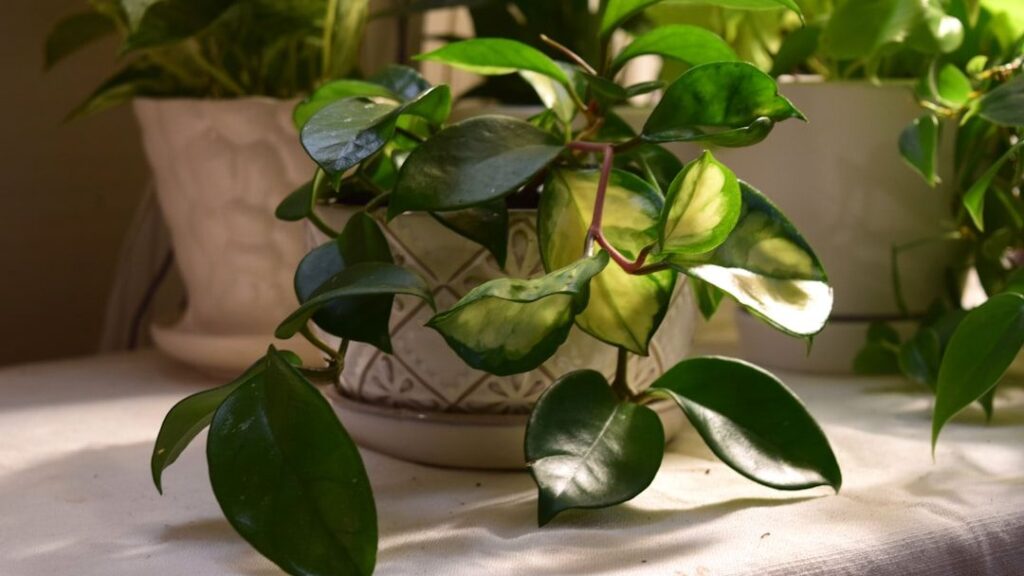
If you’ve ever thought of plants as silent, passive background decor, you’re in for a surprise. Once you start looking closely, you realize they’re more like a hidden network of chatter, constantly sending signals above and below ground. You do not hear it, but you can see the results in how forests recover, gardens thrive, and even how a single houseplant bends toward a window.
In the next sections, you’ll see how plants use scents, electrical pulses, underground fungal “internet,” and even color to share information and react to the world around them. As you read, try picturing each plant in your home or neighborhood as an active participant, tuned into a living conversation that’s been going on for millions of years. Once you see it that way, a walk in the park never feels the same again.
1. Chemical “Alarm Calls” Through The Air

When an insect chews on a leaf, the plant does not just sit there and take it. It releases a burst of volatile organic compounds into the air, a kind of chemical alarm that nearby plants can detect. You can think of it as a neighborhood watch message drifting on the breeze, warning others that hungry attackers are around.
Once those neighbors pick up the signal, they often boost their own defenses before the attack even reaches them, thickening leaves or increasing bitter or toxic chemicals that make them less appealing. You also see predators like parasitic wasps drawn in by those same scents, turning the plant’s distress signal into a call for reinforcements. In a very real sense, you’re watching a plant use the air as a shared emergency radio channel.
2. Underground “Conversations” Via Fungal Networks
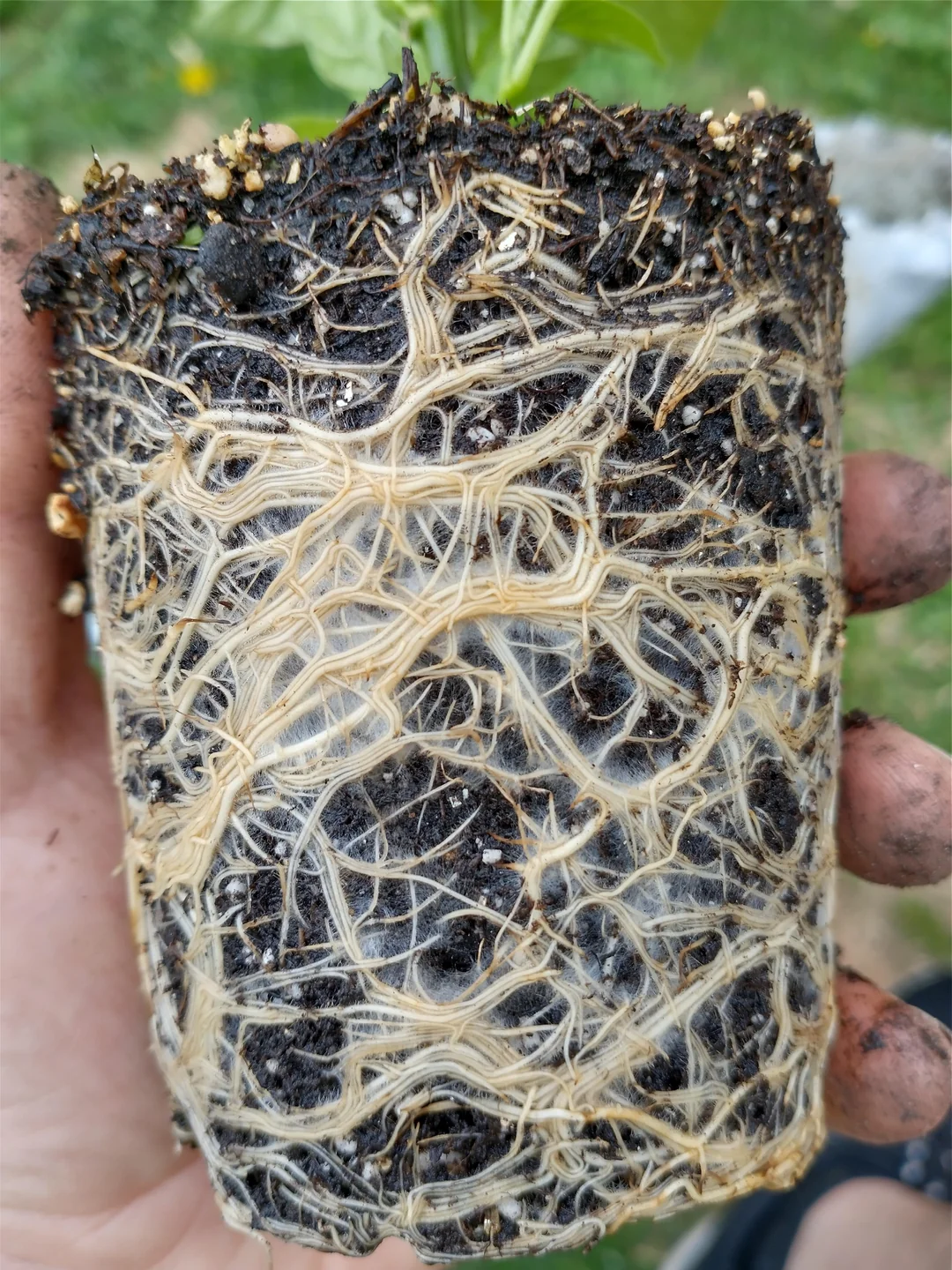
Beneath your feet, plant roots are often woven into vast networks of fungi called mycorrhizae, sometimes nicknamed the “wood-wide web.” Through these networks, plants can send chemical signals and even share nutrients, much like data packets moving along a cable. You can imagine an old tree acting like a router, distributing carbon and information to younger seedlings shaded under its canopy.
When one plant is stressed by pests, drought, or disease, it can trigger changes in the flow of compounds through that fungal network. Neighboring plants pick up the shift and start adjusting their own chemistry, preparing for trouble before it reaches them. If you grow a mixed garden, this hidden pipeline is likely shaping which plants thrive, which struggle, and how resilient the whole mini-ecosystem really is.
3. Root Exudates: Messages Written Into The Soil
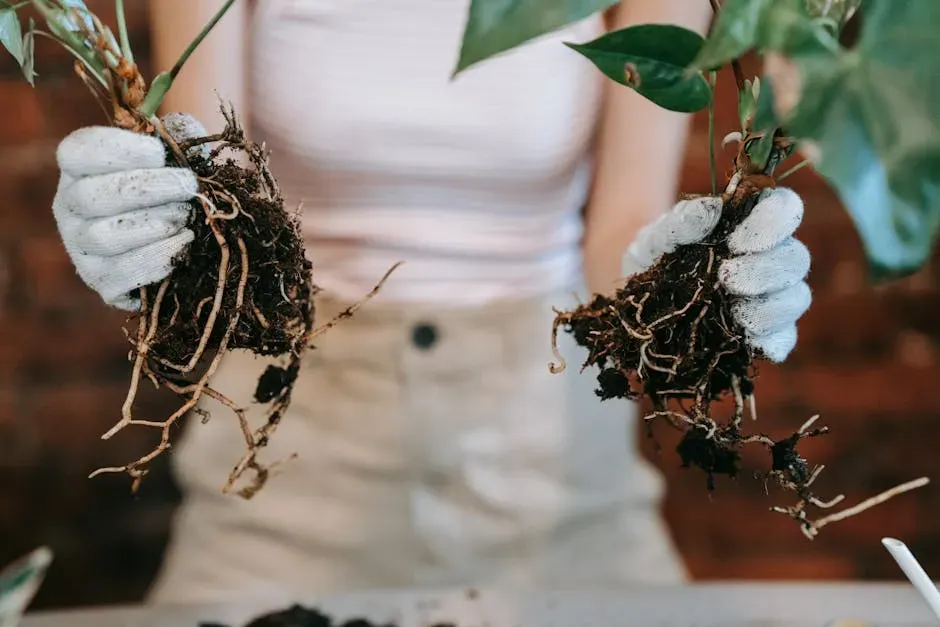
Roots do far more than soak up water and minerals; they actually secrete a complex cocktail of sugars, acids, and signaling molecules into the soil. These “root exudates” act like tiny handwritten notes that other roots, microbes, and fungi can read. When you picture soil as just dirt, you miss that it’s also a dense cloud of chemical messages.
Some of those exudates recruit helpful bacteria that improve nutrient uptake or protect against disease, while others repel competing plants or deter root-eating pests. You can even have situations where one species subtly sabotages another by releasing compounds that slow its growth. If you’ve ever noticed certain plants just never doing well together, odds are you’re bumping into this quiet root-level politics.
4. Electrical Signals Racing Through Plant Tissues
Plants do not have brains or nerves like you do, but they still use electrical impulses to move information quickly from one part of the body to another. When a leaf is wounded, electrical signals can shoot through the plant’s tissues in seconds, prompting changes in distant leaves and stems. You can think of it as a stripped-down version of a nervous system, tuned perfectly for plant life.
These pulses can trigger defense compounds, close leaf pores to reduce water loss, or adjust growth patterns based on touch or light. Next time you see a plant quickly folding its leaves after being touched, you’re watching that electrical communication in action. Even slow, steady growers are running a constant current of tiny signals under the surface.
5. Color And Pattern As Visual Signals
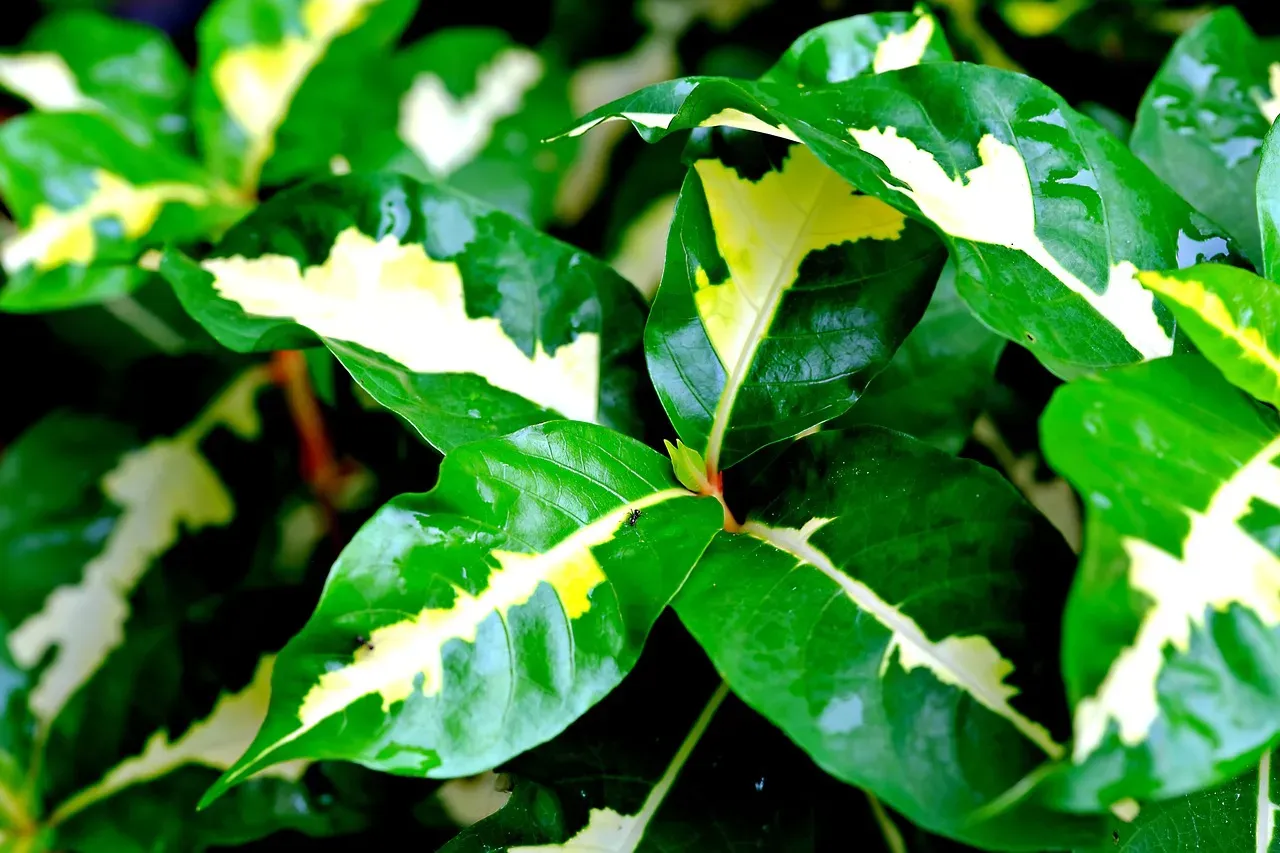
While you might focus on flowers when you think about color, plants use visual cues far beyond simple attraction. Leaves can change tone or develop patterns that signal stress, disease, or nutrient shortage, both to other organisms and, indirectly, to you. When your houseplant’s leaves yellow in certain ways, that’s a signal you’re already trained to read, even if you never thought of it as communication.
Some plants develop striking variegation or temporary color shifts that influence how insects behave, guiding them toward or away from certain parts of the plant. Fruits use color to advertise ripeness, essentially telling animals when it’s the perfect time to eat and spread seeds. Once you start seeing color as a language, your garden becomes a field of signals instead of just a pretty backdrop.
6. Scent Trails That Attract Allies And Repel Enemies
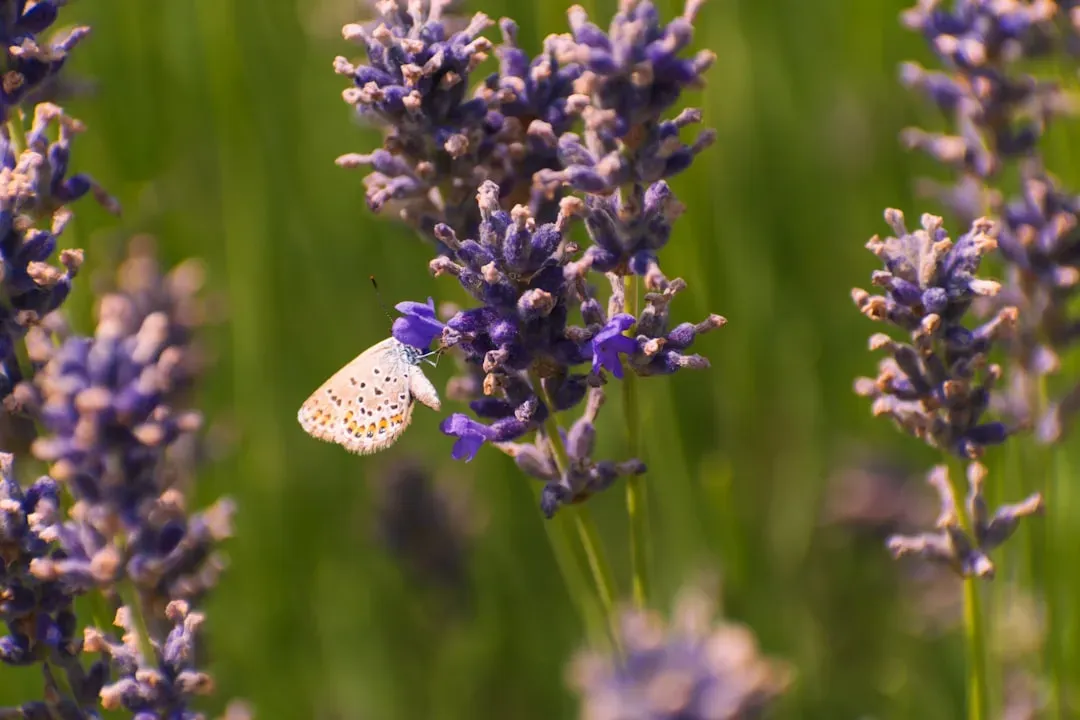
Plant scents are not just there for your enjoyment; they carry very specific meanings out in the wild. When attacked, a plant can shift its aromatic profile to become less attractive to herbivores while becoming more attractive to the predators of those herbivores. You can imagine it as a two-part message: one saying “do not eat me” to the pest and another saying “dinner is served” to its enemy.
Even in a calm state, floral and leaf scents guide pollinators, seed dispersers, and beneficial insects to exactly where they need to go. If you grow herbs, that strong fragrance you love in the kitchen is also part of a finely tuned communication system outdoors. By choosing particular plants, you’re shaping who shows up in your yard, from bees to butterflies to beetles.
7. Touch And Vibration: Feeling The World Around Them
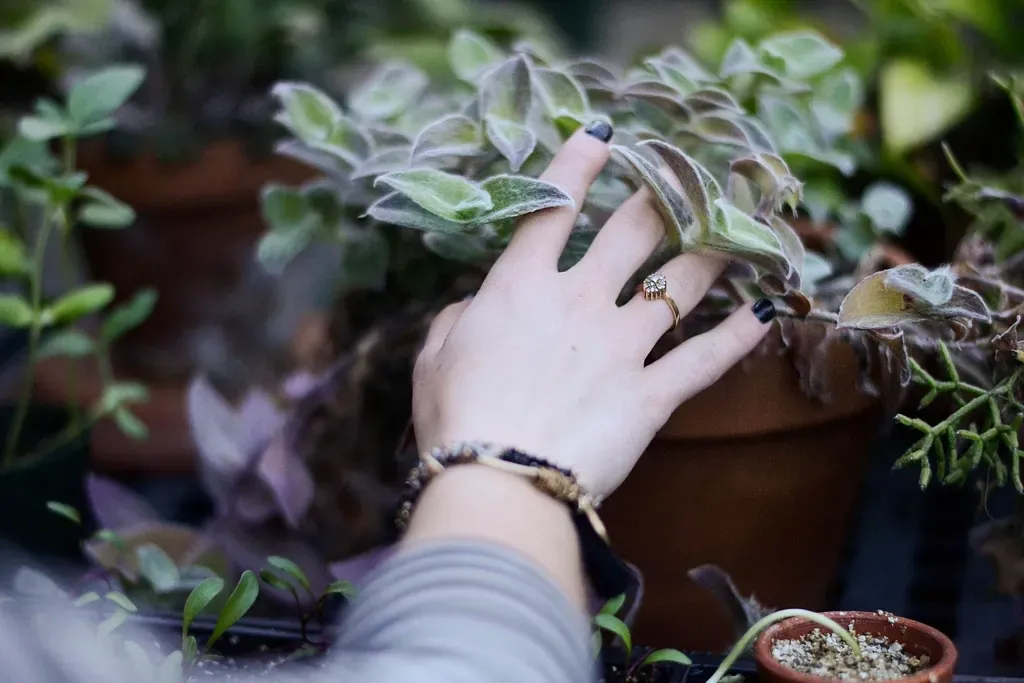
Plants are surprisingly sensitive to touch and mechanical vibrations, and they use that sensitivity to adapt and survive. When stems or leaves are brushed repeatedly by wind, animals, or even your hand, many species respond by growing shorter and sturdier. You can think of it like a built-in strength training program that kicks in whenever the environment feels rough.
Some climbing plants and tendrils can detect surfaces and wrap around them, essentially feeling their way through space. Others adjust flowering or growth when exposed to certain vibration patterns, such as those caused by pollinators’ wings. The next time you gently touch a plant, remember that you’re not just handling an object; you’re sending a signal that it can sense and remember in its own way.
8. Light Sensing And Shade Warnings
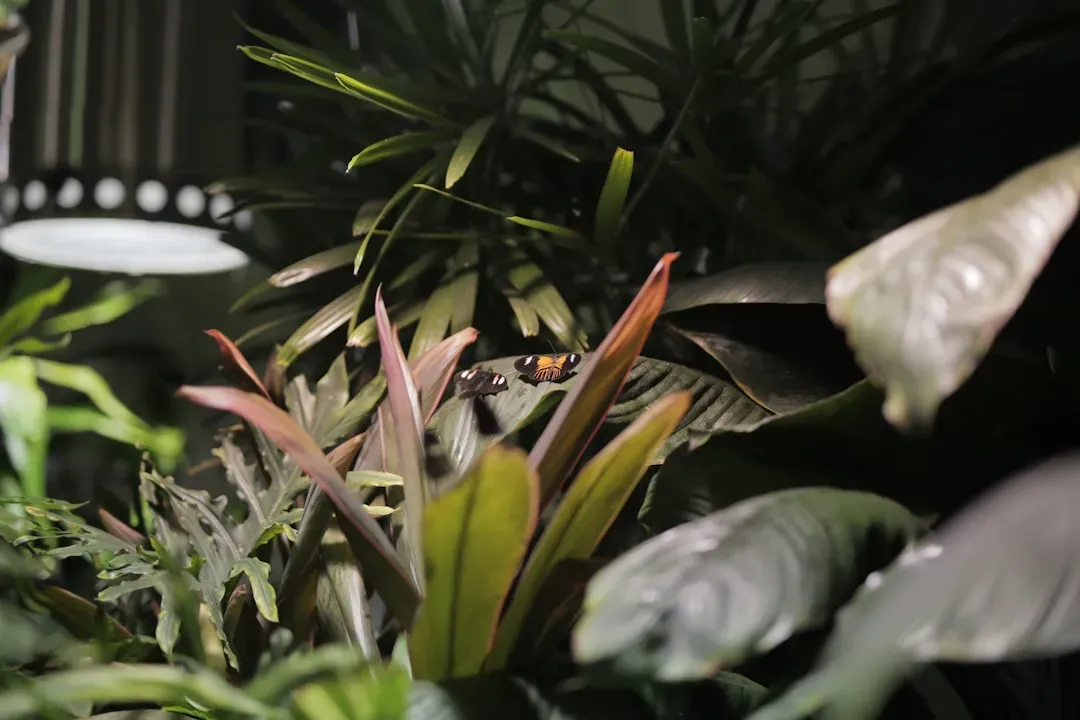
Plants read light far more precisely than you might expect, tracking not just brightness but color, angle, and even day length. When a plant senses a shift toward more far-red light, it often means a neighbor is shading it, and that can trigger growth changes to stretch higher or branch differently. You can picture a crowded field where each plant is constantly recalculating its strategy based on who is blocking the sun.
This sensitivity helps plants time flowering, leaf drop, and dormancy, so they sync with seasons and local conditions. It also means that when you move a plant to a new spot in your home, you’re suddenly changing the entire light conversation it’s been listening to. That lag you see before it perks up or sulks is the plant rewriting its internal schedule in response to a new light story.
9. Sound And Vibration In Water Movement And Stress
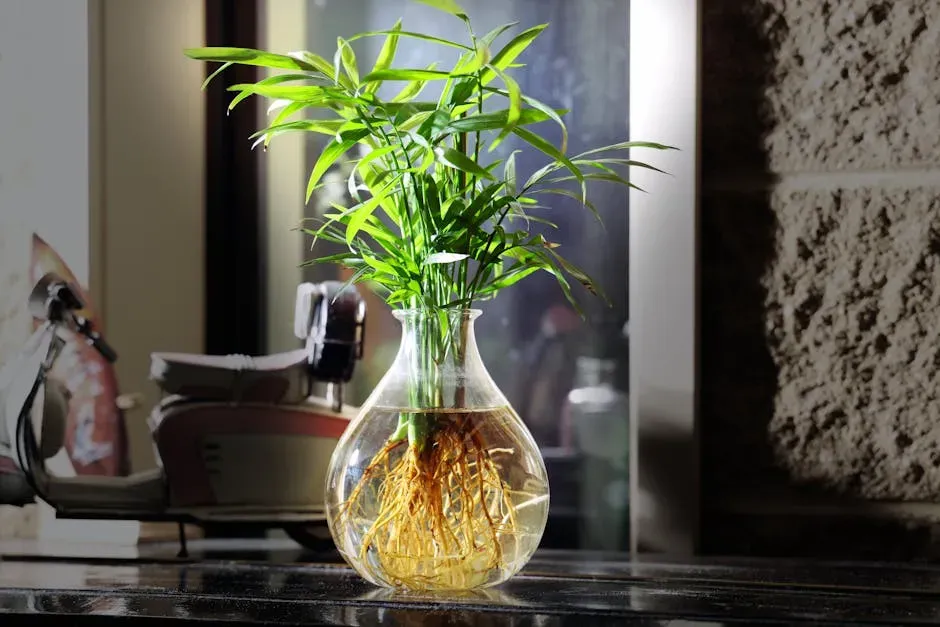
Although it’s a newer area of research, there’s growing evidence that plants respond to certain sound frequencies and internal vibrations. As water moves through their tissues, tiny vibrations ripple along, and under drought stress, plants can produce distinctive acoustic signals inside their stems. You cannot hear these with your ears, but sensitive instruments can pick them up like faint knocks in the plumbing.
Some studies suggest that roots may grow toward the sound of running water, as if they’re following an underground soundtrack that leads to moisture. While the details are still being worked out, it adds another layer to how plants perceive and respond to their surroundings. When you water your garden, you might be doing more than quenching thirst; you could be changing the entire soundscape the roots are tuned into.
10. Seed And Offspring Signaling Across Generations
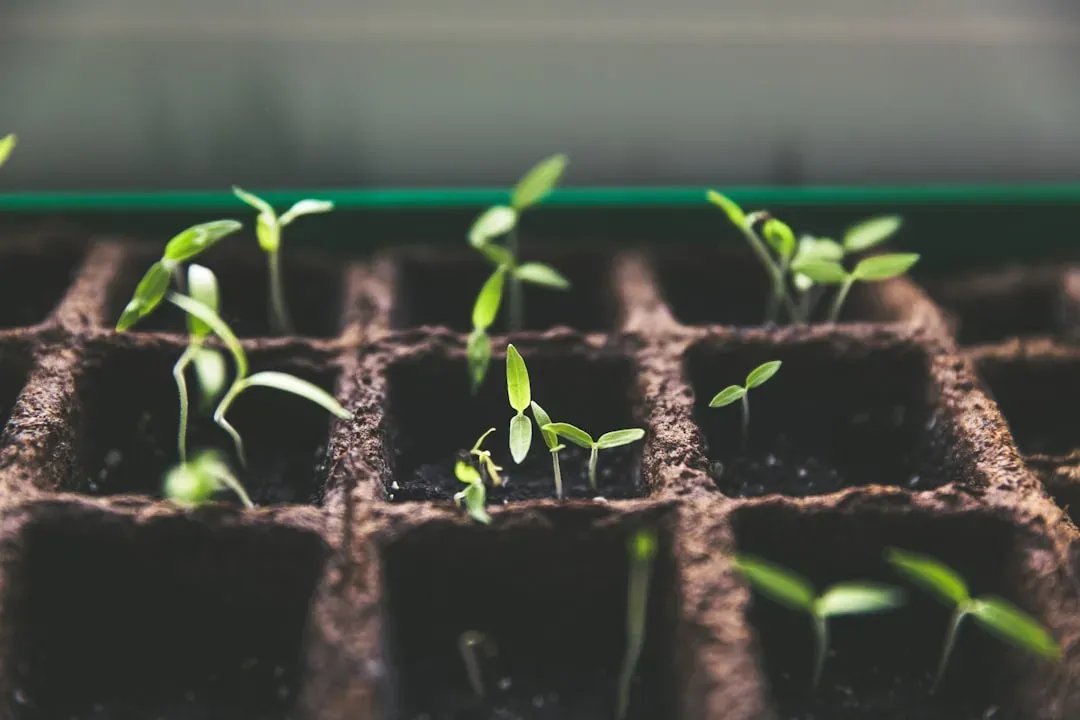
Plant communication does not stop with a single generation; it can spill over into the next one. Environmental stresses like drought, insects, or nutrient shortages can influence which compounds are packed into seeds. You can think of these as little notes sent forward in time, giving the next generation a heads-up about what kind of world they might be born into.
Those chemical messages can affect how quickly seeds germinate, how robust seedlings become, and how sensitive they are to future stress. If you save seeds from particularly resilient plants in your garden, you’re unintentionally working with this built-in messaging system. Over seasons, your patch of soil becomes a place where family lines carry memories of past conditions, written into their biology rather than words.
Conclusion: Listening To The Green Conversation Around You

Once you realize how many channels plants use to communicate – scents, colors, electrical signals, underground networks, even subtle vibrations – you start to see them very differently. They’re not ornamental extras in your environment; they’re active participants, constantly sensing, responding, and sharing information with each other. You might not speak their language, but you benefit from their quiet coordination every time a forest stays healthy, a crop resists pests, or a small garden keeps humming along.
You can tune into this green conversation by paying closer attention: the way leaves change color, how certain plants grow better as neighbors, or how quickly a damaged plant recovers. If you treat your garden, balcony pots, or even a single office plant as living communicators rather than decorations, you’ll start to notice patterns you missed before. Next time you walk past a tree or water a houseplant, you might wonder what messages are moving through that living network at that very moment – what do you think they’re saying?