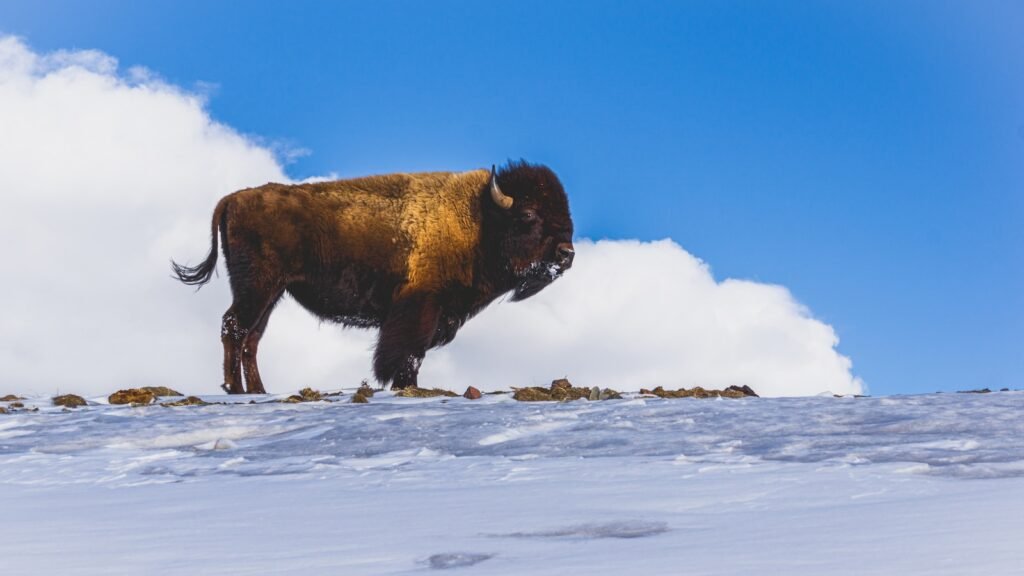
Once driven to the edge of oblivion, the American buffalo has returned from a population crash so extreme that many scientists, even in hindsight, still call it one of the most dramatic wildlife recoveries in history. A sea of dark, shaggy bodies that once stretched from the Appalachians to the Rockies was whittled down to a few hundred desperate survivors huddled on private ranches and in remote pockets of the plains. Today, those survivors have become the foundation for a quiet, powerful resurgence that is reshaping grasslands, Indigenous communities, and conservation science across North America. This is not just a story about an animal; it is a story about how a continent nearly lost its ecological heartbeat – and how people are trying, against the odds, to restart it.
The Vanishing Herds: From Tens of Millions to Almost None
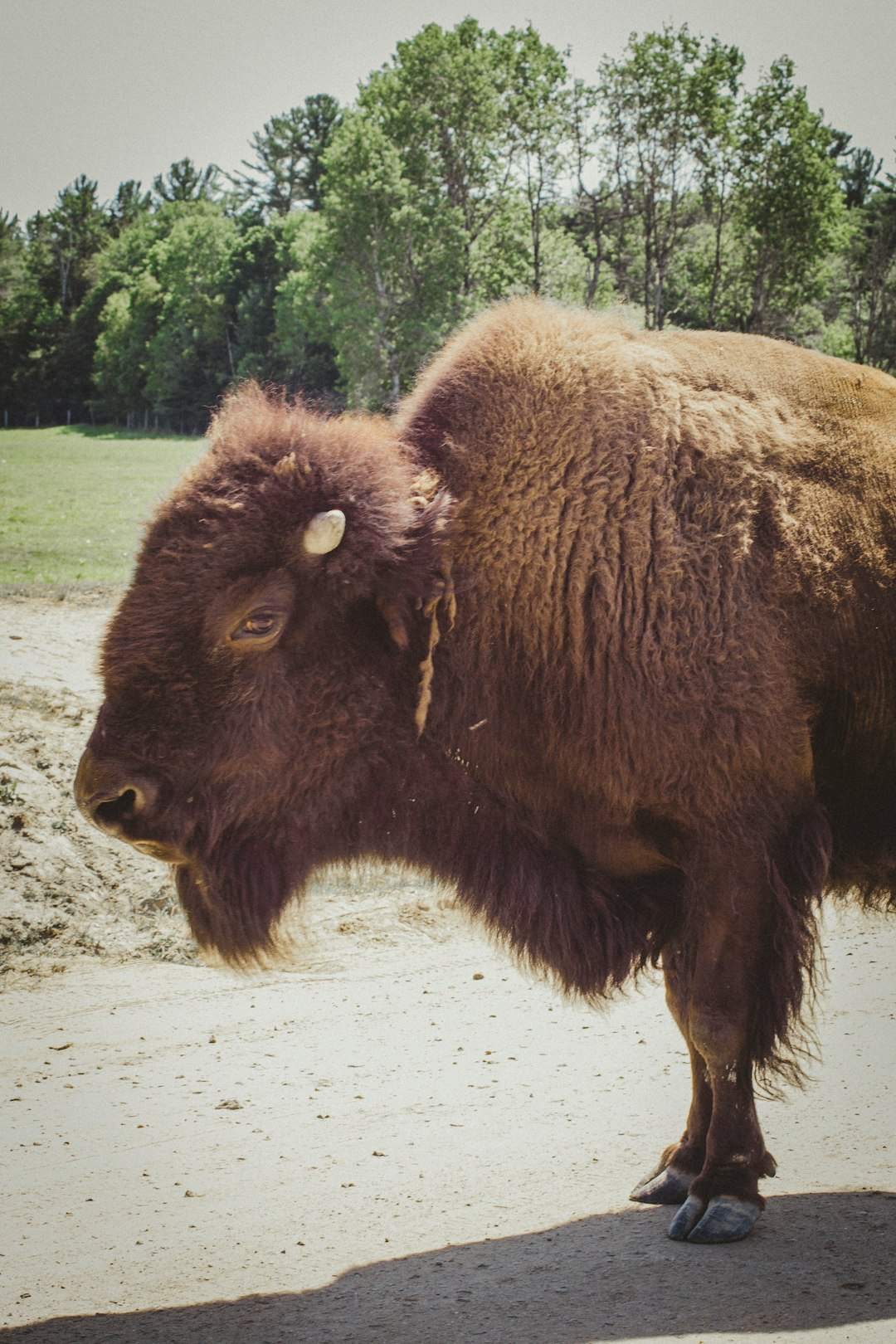
Imagine looking out across the Great Plains and seeing the horizon itself moving, a living tide of animals so dense that wagon trains had to wait for days to pass. That was the American buffalo, or plains bison, before European settlement accelerated its collapse. Historical accounts and modern reconstructions suggest that before the nineteenth century, the population probably reached many tens of millions of animals, making it one of the largest concentrations of big mammals on Earth at the time. Within just a few decades in the late 1800s, that vast population was shredded by commercial hunting, market demands for hides and meat, and campaigns that saw buffalo slaughter as a way to break the resistance of Plains tribes. By the early 1880s, the herds that had shaped Indigenous cultures and grasslands for thousands of years were reduced to scattered remnants.
The numbers are almost impossible to emotionally process: a continental super-species going from near-infinite abundance to a population small enough to count by hand. In many areas, the last wild buffalo were shot not for food or survival, but for sport, trophies, or to make room for cattle and railroads. Bones were piled and sold for fertilizer, and skulls became morbid decorations in cities far from the plains that had once echoed with their hoofbeats. Ecologists looking back see more than just the loss of a charismatic giant; they see the removal of a keystone species that had engineered entire ecosystems. The near-erasure of buffalo was a warning shot about how quickly human economies can erase what once felt eternal.
The Hidden Clues: How Archaeology and DNA Rebuilt Their Story
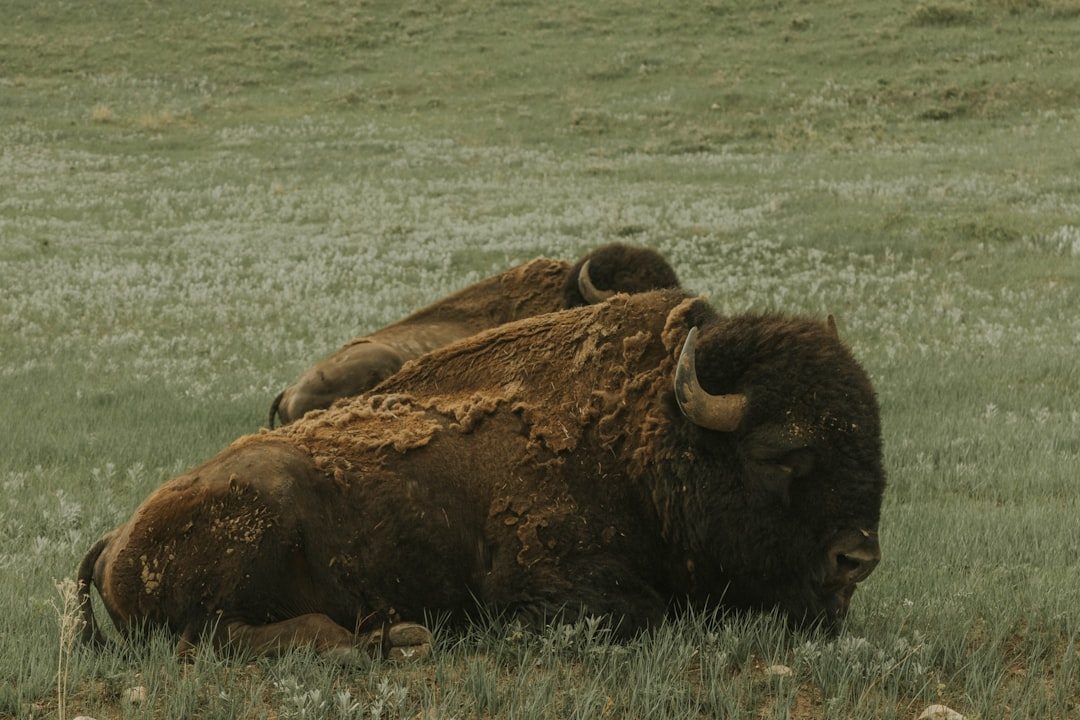
To understand how deep the relationship between buffalo and North America runs, scientists have turned to bones, ancient tools, and even frozen genetic code. Archaeological sites across the plains reveal buffalo bones stacked in layers that go back thousands of years, often associated with carefully built kill sites and butchering areas. These remains tell a story of Indigenous hunters who, far from being wasteful, used nearly every part of the animal for food, clothing, tools, and ceremony. At mass kill sites along ancient cliffs and river valleys, researchers have pieced together how highly organized buffalo hunts were, requiring intimate knowledge of herd behavior and landscape.
Genetic studies add another layer, tracing how different lineages of bison spread and shifted with ice ages, droughts, and human presence. By comparing DNA from ancient bones and modern herds, scientists have identified how narrow the genetic bottleneck became when the species nearly vanished, and how that may still ripple through current populations. Subtle differences in genes can help researchers understand disease resistance, fertility, and even how well buffalo adapt to changing climates. In a way, the species is carrying a record of its own trial by extinction within its cells, and scientists are still decoding what that means for its long-term survival and resilience.
Engineers of the Prairie: How Buffalo Shape Entire Ecosystems
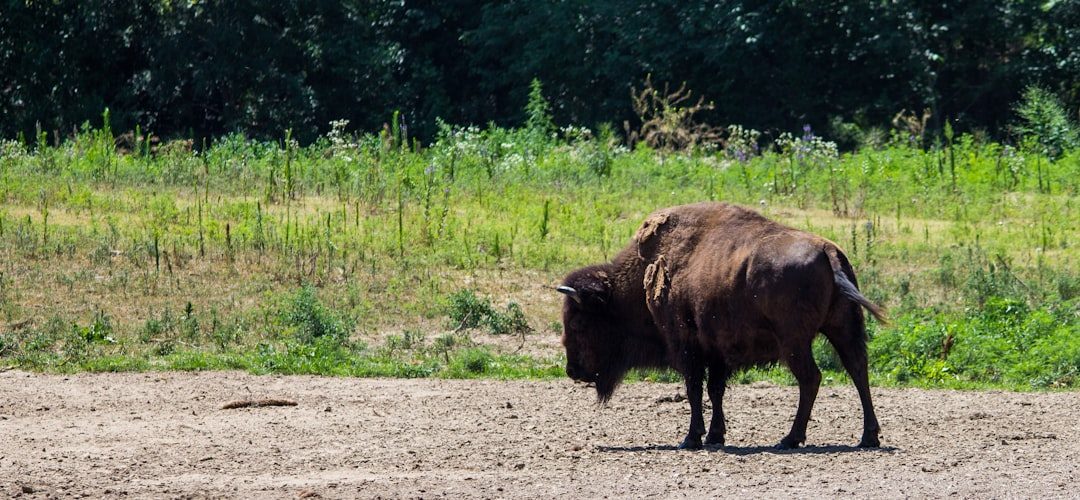
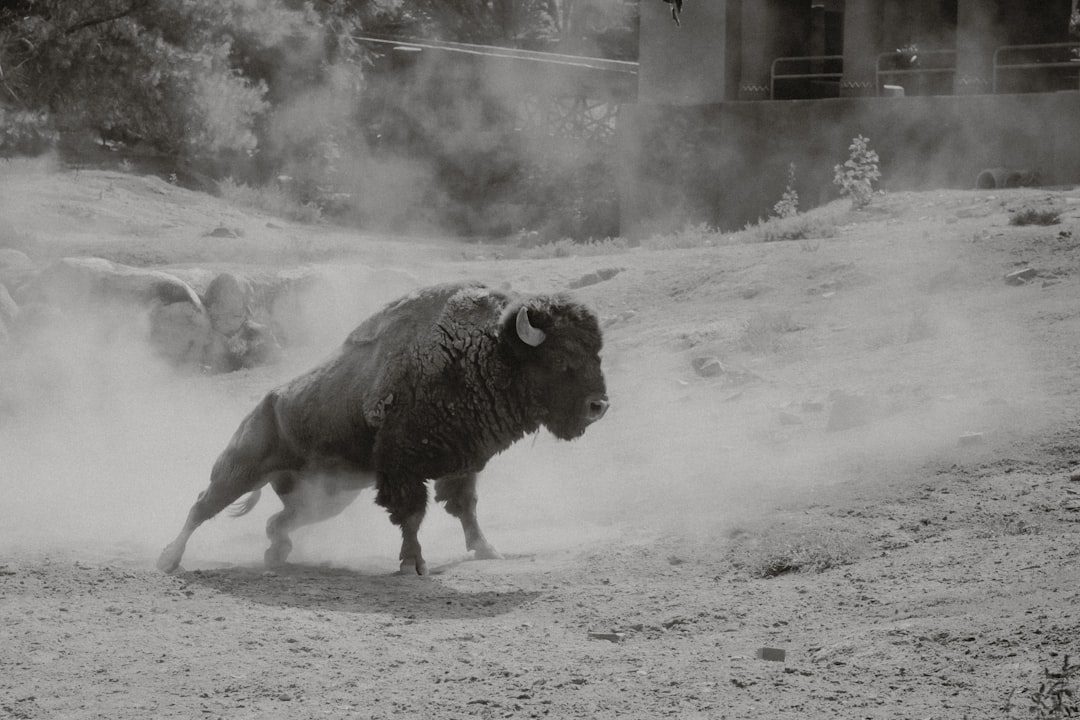
Buffalo are not just big grazers wandering around eating grass; they are more like heavyweight landscape architects. Their hooves break up soil crusts, allowing seeds to germinate and rainwater to soak in rather than run off. Their grazing patterns create a shifting patchwork of short and tall grasses, which in turn support different birds, insects, and small mammals. When buffalo wallow, rolling in dust to rid themselves of parasites, they leave shallow depressions that fill with water and become temporary wetlands for amphibians and water-loving plants. Fire, which is a natural part of many grassland systems, also interacts with buffalo grazing to maintain open, diverse prairies that resist invasion by shrubs and trees.
Ecologists have compared buffalo to the elephants of the Great Plains, because their presence or absence can tilt entire ecosystems toward health or decline. Where buffalo have been reintroduced, researchers have documented increases in native plant diversity, healthier grass cover, and changes in bird communities that favor grassland specialists over generalists. Even their dung plays a role, serving as a nutrient hot spot and micro-world for insects that, in turn, feed birds and other animals. When buffalo disappeared, many of these subtle interactions were lost or weakened; bringing the herds back is not just about restoring a symbol, but about repairing living systems that depend on them in ways we are still discovering.
From Relics to Resurgence: The Human Heroes Behind the Comeback
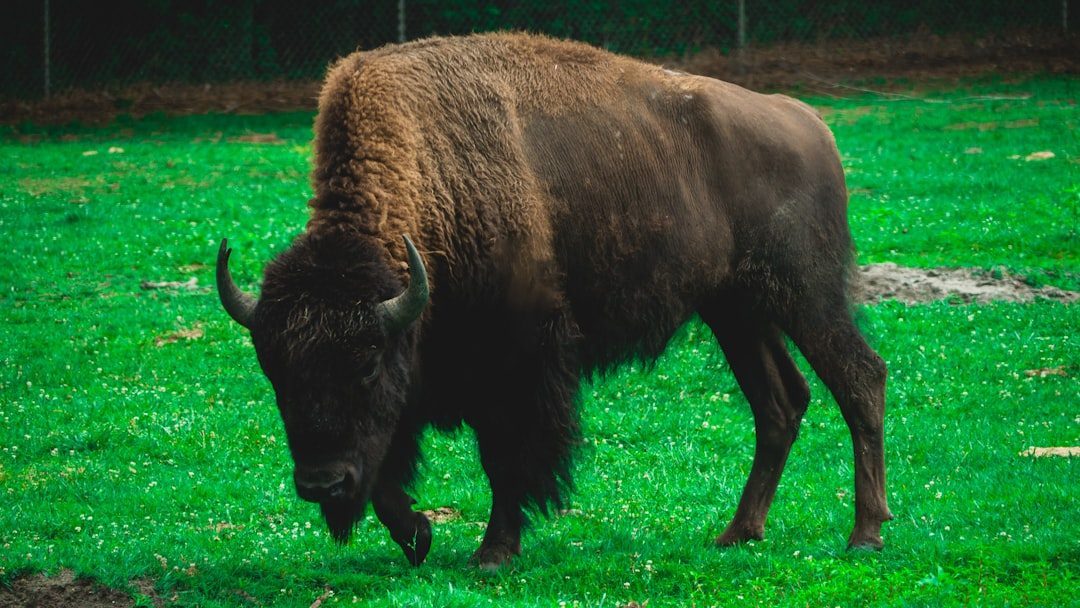
The comeback of the American buffalo did not happen by accident; it happened because a small, stubborn group of people refused to watch the species vanish. In the late nineteenth and early twentieth centuries, ranchers, conservationists, and Indigenous leaders gathered the last scattered animals and began breeding them, often on private lands. Yellowstone National Park’s tiny remnant herd, protected by federal law, became a crucial genetic reservoir. At the same time, some ranchers who had once profited from buffalo hunts pivoted to preserving them, intrigued by their hardiness and cultural weight. These early efforts were imperfect and sometimes entangled with colonial attitudes, but without them, buffalo might exist today only in museum cases.
In the last few decades, tribal nations have become some of the most important forces in buffalo restoration, reframing the animal not as a relic but as a living relative returning home. Dozens of tribes across the United States and Canada now manage their own herds on tribal lands, often with a focus on food sovereignty, cultural revitalization, and ecological restoration. Partnerships between tribes, federal agencies, and nonprofit groups are moving animals from national parks and preserves to new grasslands where they can roam, graze, and reset old ecological rhythms. Each transfer is both a logistical challenge and a moment of ceremony, tying modern conservation science to ancient relationships that never fully disappeared, even when the herds did.
Why It Matters: Lessons from a Near-Extinction
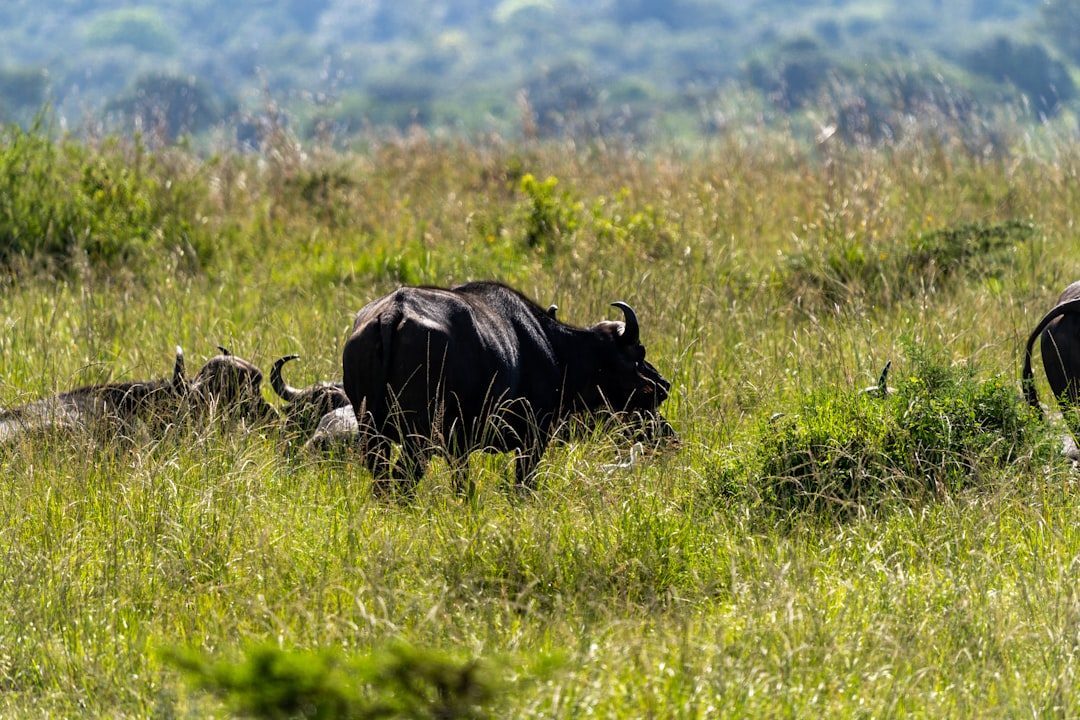
Focusing on buffalo is not just about nostalgia or national identity; it is about learning what happens when a dominant species is nearly erased – and then brought back. The near-extinction of buffalo exposed how economic incentives, military goals, and disregard for Indigenous rights can combine into a perfect storm for wildlife collapse. It is a case study in how ecological damage is inseparable from social injustice, because the destruction of the herds was also an attack on the cultures that depended on them. When conservation organizations and agencies talk today about equity and Indigenous leadership, the buffalo story is often in the background, a reminder of what happens when those voices are ignored.
There is also a hard scientific lesson here: once a species passes through an extremely narrow genetic bottleneck, you cannot simply restore it to its former state. Genetic diversity lost in the nineteenth century cannot be conjured back by good intentions, and that may limit how well buffalo can adapt to emerging diseases or rapidly shifting climates. At the same time, the recovery shows how powerful focused protection, habitat restoration, and long-term planning can be. Where previous generations saw buffalo as an obstacle to progress, many land managers now see them as partners in building more resilient landscapes. The story is still unfolding, and it challenges us to think differently about what we owe to the species we share this continent with.
Buffalo vs. Cattle: Rethinking the American Grassland
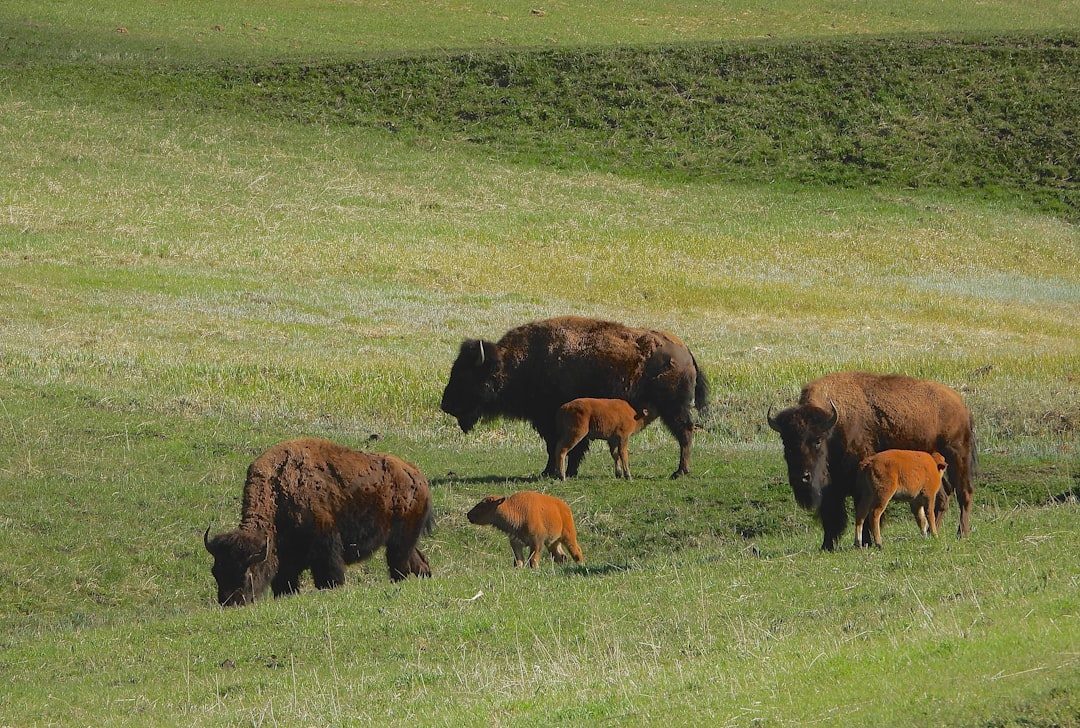
Walk across a pasture grazed by cattle and then across land grazed by buffalo, and you can feel the difference under your boots. Cattle tend to gather more tightly around water sources and graze more uniformly, which can lead to compacted soil and overgrazed patches if not carefully managed. Buffalo, shaped by millennia of movement across open plains, tend to roam more widely, graze more patchily, and tolerate harsher weather without constant human intervention. Their shaggy coats and thick hides make them better suited to blizzards and deep cold, while their instinct to move on helps grasslands recover. Some ranchers who have switched part of their operations to buffalo report lower veterinary needs and a closer match to the natural rhythms of the land.
From a climate perspective, grasslands managed with buffalo can potentially store more carbon in soils compared with heavily tilled or overgrazed lands, although scientists are still teasing out the exact numbers. There are trade-offs, of course: modern meat markets, infrastructure, and regulations are built around cattle, not buffalo, and scaling buffalo-based systems raises complex questions about genetics and animal welfare. Still, the comparison forces a broader conversation about what “working lands” should look like in a hotter, drier future. Are we managing grasslands as simple production units, or as living systems that need big, wild animals to stay healthy? Buffalo, straddling the line between wildlife and livestock in many places, sit right in the middle of that debate.
Numbers on the Rise: The Modern Buffalo Landscape
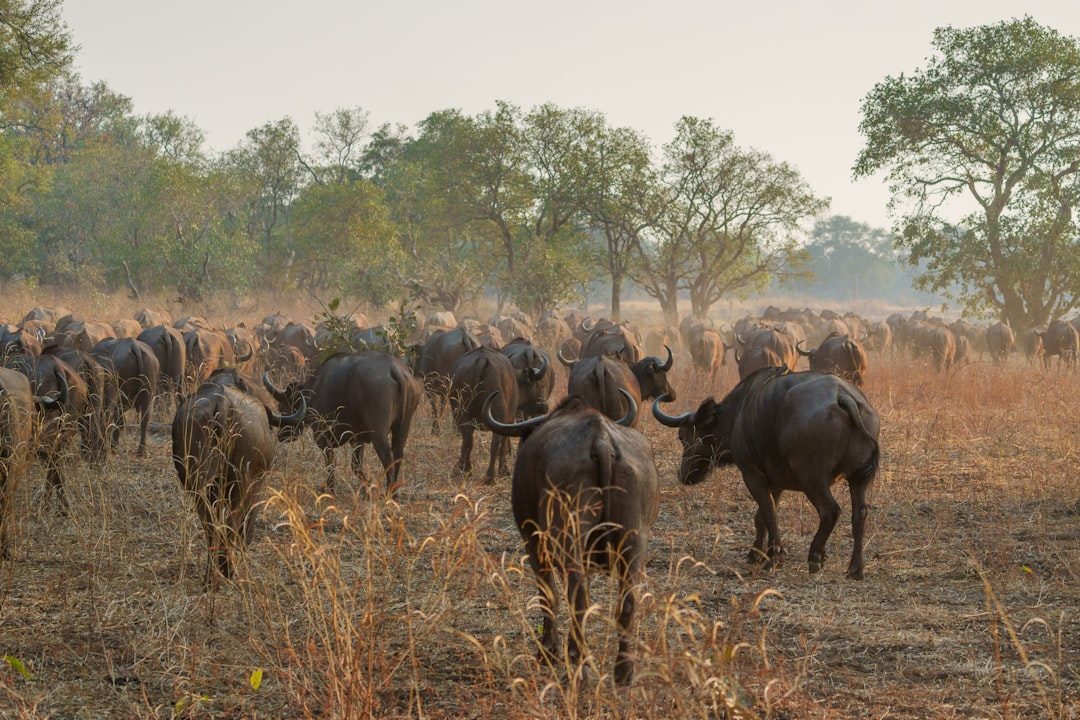
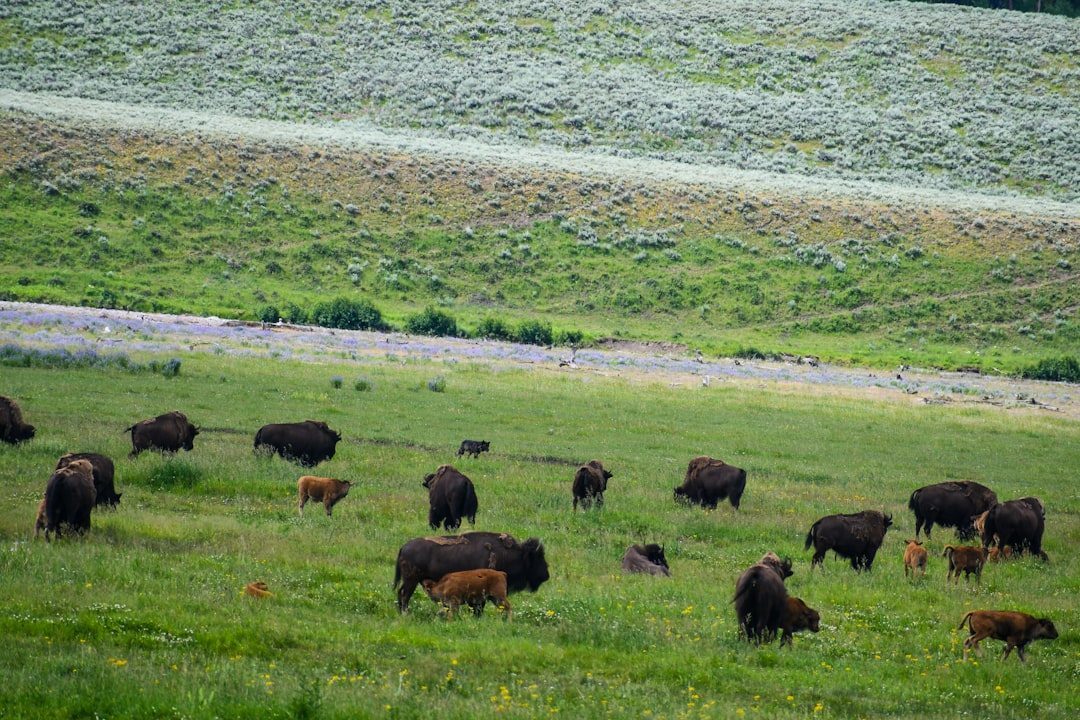
Today, the American buffalo is no longer teetering on the edge of extinction, but it is also not truly wild on the scale it once was. Hundreds of thousands of bison now live across North America, most of them in commercial herds raised for meat, hides, or conservation-breeding programs. A much smaller fraction lives in conservation herds managed by federal agencies, tribes, or nonprofit organizations, where the goal is to prioritize ecological and cultural values rather than purely economic ones. In a few places, like parts of Yellowstone and large private reserves, buffalo roam relatively freely over big landscapes, reshaping grasslands and getting into the occasional territorial dispute with cars and tourists.
Behind those visible herds is a web of policy decisions, land deals, and legal frameworks that determine where buffalo can and cannot go. Disease concerns, particularly fear of transmitting infections to nearby cattle, still limit how and where herds can expand. Fences, roads, and land ownership patterns fragment the plains in ways that would be unrecognizable to the buffalo of centuries past. Yet, slowly, projects are stitching together larger areas where herds can move more naturally and express a fuller range of behaviors. Each new herd, even if it occupies just a few thousand acres, is a step toward a continent where buffalo are not just historical symbols but active players in present-day ecology.
Looking Ahead: Climate Change, Big Dreams, and New Technologies
The future of the American buffalo will play out against a backdrop of accelerating climate change and shifting human priorities. Hotter, drier summers and more intense storms will stress grasslands and could alter the availability of water and forage, forcing managers to rethink herd sizes and movements. Some researchers are using satellite data, GPS collars, and sophisticated models to track exactly how buffalo respond to changing weather, vegetation, and human disturbance. These tools can help predict where herds might thrive or struggle, and guide decisions about where to restore grasslands or expand protected areas. In a sense, twenty-first-century technology is being used to support an animal whose survival strategy was once just to keep walking with the seasons.
At the same time, big, ambitious visions are emerging that go far beyond isolated herds on fenced parcels. Conservation groups and tribal coalitions are talking about continental-scale corridors, places where buffalo, pronghorn, and other migratory animals can move much more freely. These ideas face huge challenges, from land costs and politics to concerns from nearby ranchers, but they tap into a growing sense that fragmented conservation is not enough. If buffalo are to be more than a success story on paper, they will need space, social acceptance, and flexible science-based management. Their comeback has begun; the question now is how bold we are willing to be in letting that comeback continue.
What You Can Do: Joining the Buffalo’s Second Chance
You do not have to live on the plains or work in wildlife biology to be part of the buffalo’s ongoing story. Supporting organizations and tribal initiatives that restore buffalo to native grasslands directly helps fund land purchases, fencing changes, and the complex logistics of moving animals safely. Visiting parks, tribal herds, or preserves that host buffalo, and choosing tours or experiences run in partnership with local communities, sends a market signal that living wildlife is valuable. Even everyday decisions, like choosing grass-fed or conservation-certified meat when possible, can support grazing systems that are friendlier to prairie ecosystems. Learning the history of buffalo and sharing it with kids, friends, or classrooms turns a once-abstract conservation issue into a shared cultural narrative.
Small actions add up: reading beyond the myths, challenging casual stereotypes about “buffalo as dangerous nuisances,” and listening to Indigenous voices reframing the relationship as one of kinship rather than commodity. When public comment periods open on land-use plans or wildlife policies, adding your voice in support of habitat protection and science-based management matters more than it might seem. The buffalo’s comeback is one of the rare environmental stories that bends toward hope, but it is not guaranteed to keep bending that way. How we talk, vote, spend, and show up in the next few decades will help decide whether future generations see buffalo as occasional roadside attractions – or as the beating heart of a truly restored American prairie.