

History is often presented like a tidy museum display: polished heroes, inevitable outcomes, and predictable success stories. Look closer, though, and the past is full of people who never should have “made it” by the standards of their time – outsiders, rule breakers, and supposed failures who rewrote what was possible. For scientists and historians alike, these lives are natural experiments in resilience, creativity, and human behavior under pressure. When a child laborer becomes a revolution in physics, or a sickly, ignored girl reshapes modern nursing, the story is no longer just about an individual; it is about how environments, chance, and sheer stubbornness collide. These figures did not simply achieve greatness – they broke the models of what greatness was supposed to look like.
The Unlikely Genius: Albert Einstein, the Patent Clerk Who Bent the Universe
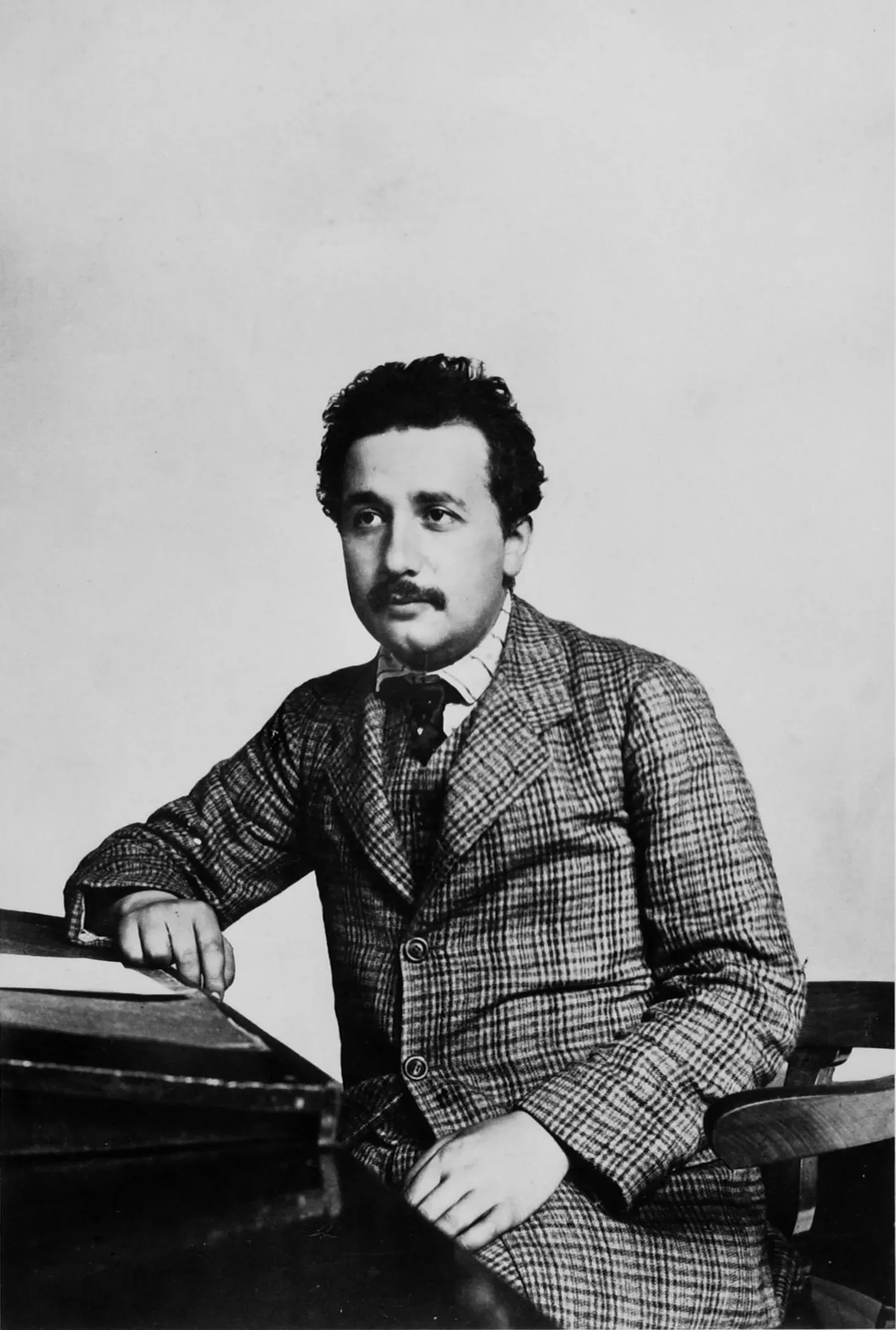
It is hard to imagine Albert Einstein as anything other than the archetype of the genius scientist, but in his twenties he was a frustrated outsider working in a Swiss patent office. He failed the entrance exam to a technical university on his first try, clashed with professors, and struggled to get an academic job, which in the rigid system of early twentieth-century Europe marked him as a long shot at best. Yet it was during this period of apparent career stagnation that he quietly drafted papers that would shatter classical physics. In 1905, his “miracle year,” he introduced special relativity, explained the photoelectric effect, and helped lay the foundations of quantum theory – while still clocking in at the patent office.
Einstein’s path shows how intellectual breakthroughs do not always grow inside elite institutions; sometimes they emerge from people who are pushed to the margins. Freed from the pressure to conform to academic hierarchies, he pursued mental thought experiments that treated space and time almost like stretchable fabric. Psychologists today often point to Einstein as an example of how curiosity, persistence, and tolerance for uncertainty can turn social and professional setbacks into fuel. The same traits that made him a poor fit for rigid schooling – questioning authority, ignoring convention – were exactly what physics needed at that moment.
The Reluctant Rebel: Galileo Galilei Against the Order of the Heavens
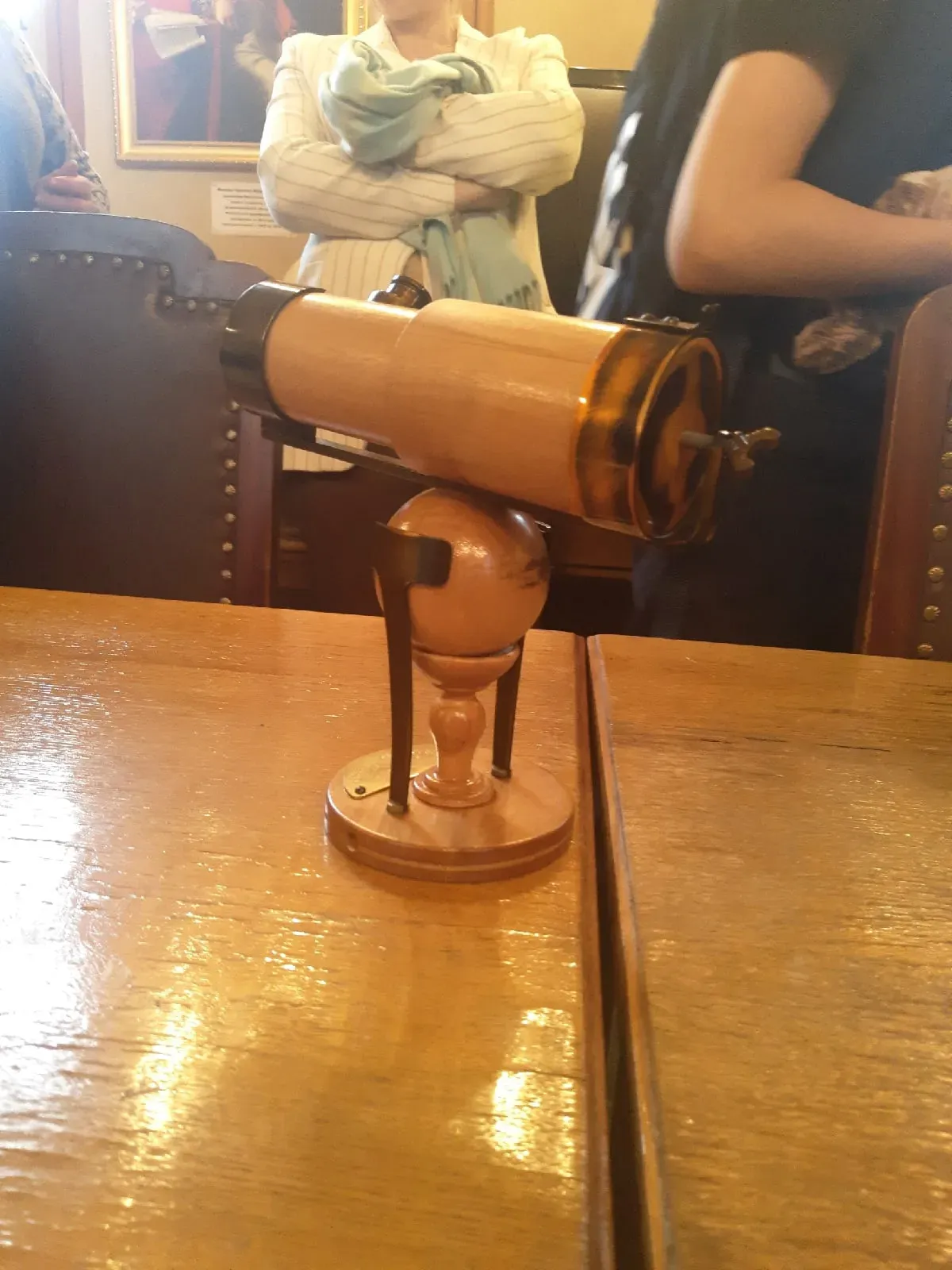
Galileo Galilei did not set out to become a symbol of scientific defiance; he began as a talented mathematics professor interested in practical problems like motion and engineering. What pushed him into conflict with one of the most powerful institutions in Europe was a simple telescope turned toward the night sky. When he observed moons orbiting Jupiter and saw the phases of Venus, the neat, Earth-centered universe endorsed by church and tradition began to crumble. The data were messy, but they pointed toward a shocking conclusion: Earth was not the still center of creation.
Instead of keeping these unsettling findings private, Galileo wrote vividly for the public, mocking old ideas and defending a Sun-centered cosmos. That bold communication style, combined with the political and religious tensions of seventeenth-century Italy, made him a target. Tried by the Inquisition and sentenced to house arrest, he was officially silenced but not intellectually broken. His case has become a touchstone in discussions about scientific freedom, censorship, and what happens when new evidence collides with deeply held worldviews. The story reminds us that defending data can demand as much courage as collecting it.
The Silent Strategist: Harriet Tubman and the Neuroscience of Fear and Courage
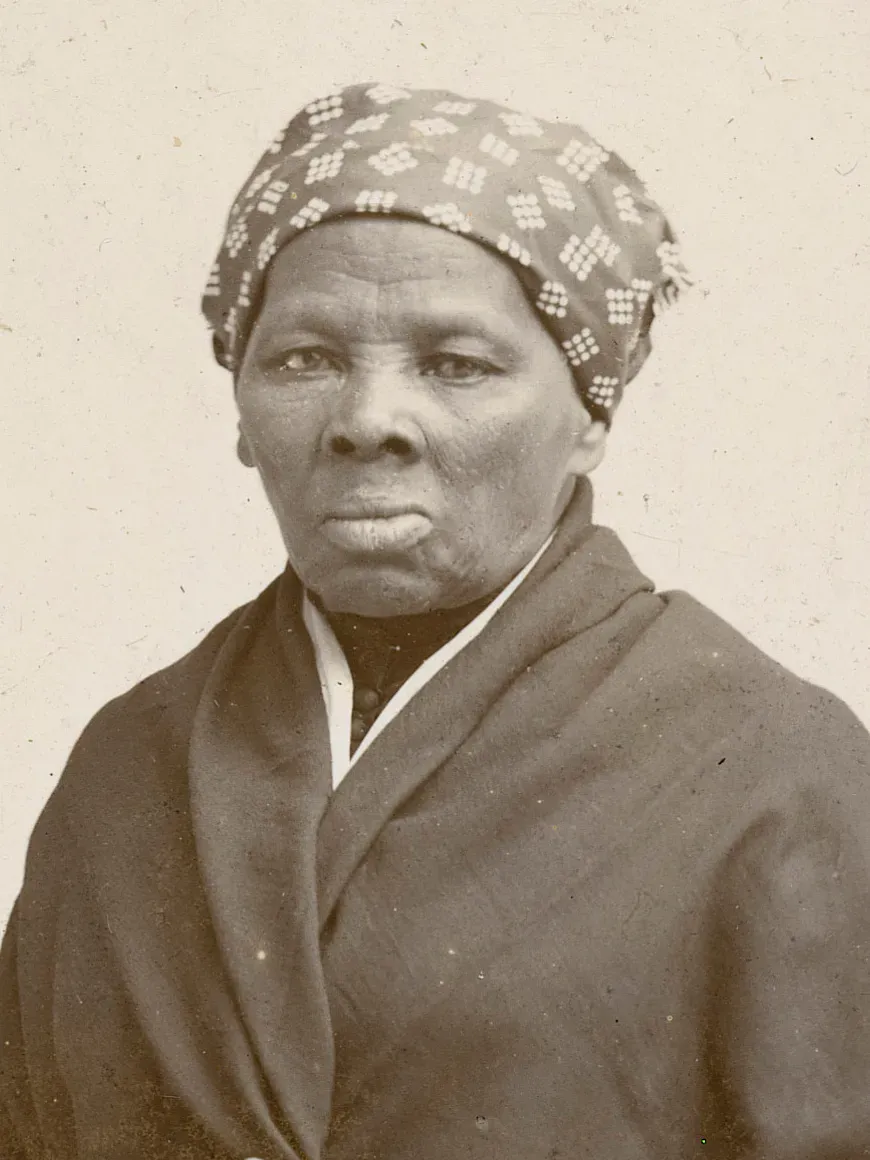
Harriet Tubman was born into slavery, illiterate, physically small, and facing a brutally limited life trajectory by any statistical measure. A head injury in childhood left her with chronic pain, seizures, and sudden sleep episodes – conditions that might have sidelined anyone else. Instead, Tubman escaped and then repeatedly risked her life returning to the American South to guide others to freedom through the Underground Railroad. She developed an intuitive understanding of human behavior, deception, and timing that helped her evade capture over and over again.
Modern neuroscientists and psychologists have looked back on her life as a living case study in the interplay between trauma, resilience, and decision-making under extreme stress. Fear can paralyze, but it can also sharpen focus when paired with a powerful sense of purpose, and Tubman’s missions illustrate that almost painfully well. Traveling at night, reading landscapes, and predicting how slave catchers would think, she leveraged pattern recognition long before anyone named it as a cognitive skill. Her story complicates simplistic ideas about what disability, danger, or disadvantage means, showing that the human brain under pressure can become a tool of astonishing strategic power.
The Night Watcher: Florence Nightingale and the Birth of Data-Driven Care
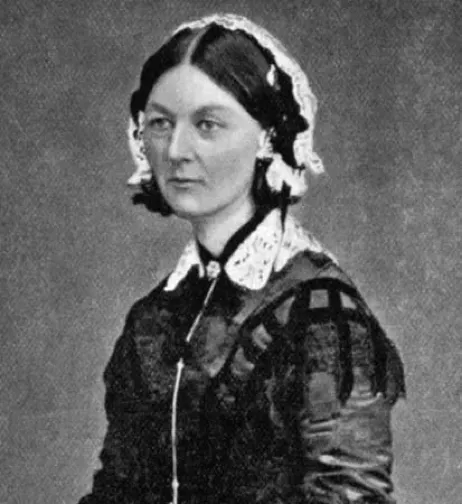
In Victorian England, Florence Nightingale was expected to become a respectable wife, not a battlefield statistician. Her decision to pursue nursing scandalized her wealthy family, since nursing was seen as low-status and morally suspect. When she arrived at military hospitals during the Crimean War, what she found defied the official narrative: more soldiers were dying of disease and filth than of their actual wounds. Refusing to accept this as fate, she meticulously collected data on deaths, sanitation, and hospital conditions, pioneering a style of evidence-based practice that medicine now takes for granted.
Nightingale later used striking visual charts – an early form of infographics – to show that most of the deaths were preventable. This data storytelling persuaded skeptical officials to change hospital design, sanitation standards, and public health policies. Her work anticipated modern epidemiology, where patterns in numbers reveal invisible causes. The woman known romantically as “the lady with the lamp” was, in practice, a rigorous analyst who rewrote expectations of what a nurse could be. She transformed compassionate care into a science that could be measured, tested, and improved.
The Deaf Visionary: Helen Keller and the Science of Language and the Mind
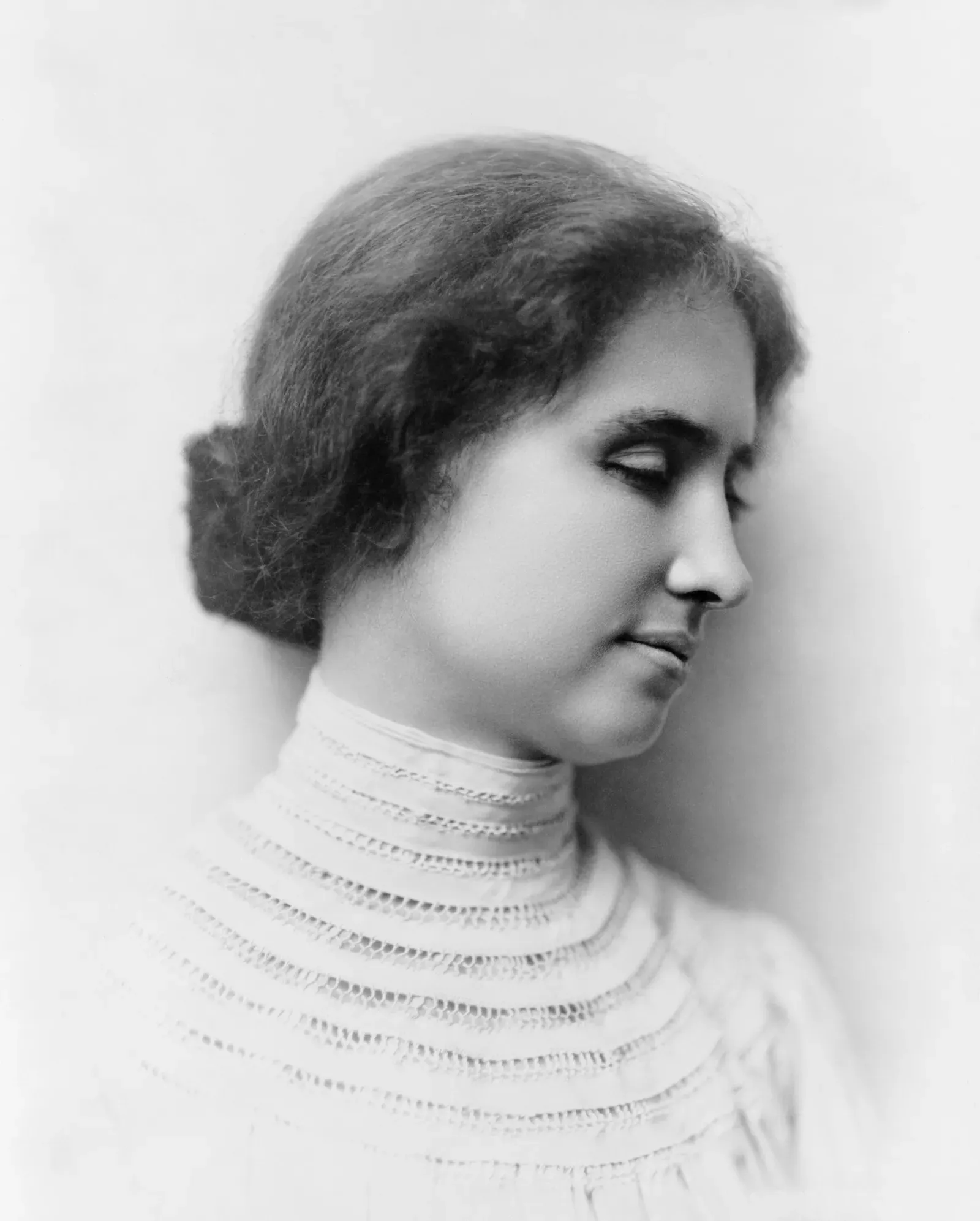
Helen Keller’s early life seemed like a closed door: illness left her deaf and blind before she turned two, and for several years she lived in a kind of frantic isolation. At the time, many experts believed that children with such profound disabilities could never fully acquire language, let alone abstract thinking. Keller’s eventual mastery of multiple languages, college education, and political activism overturned those assumptions with brutal clarity. Through tactile signing, fingerspelling, and relentless practice, she built a bridge between raw sensory input and complex thought.
Her story reshaped scientific debates about how language develops in the brain and how flexible human cognition truly is. Neuropsychologists still cite cases like Keller’s when challenging strict limits on what children with sensory disabilities can learn. Beyond the neuroscience, her life exposed how much of disability is created not by biology alone but by social barriers and low expectations. Keller did not just learn to communicate; she became a writer and advocate, pushing society to expand its definition of who counts as fully human. She is a reminder that what we label “impossible” often reflects the narrowness of our imagination more than the limits of the brain.
The Hidden Codebreaker: Alan Turing and the Unfinished Story of Genius and Stigma
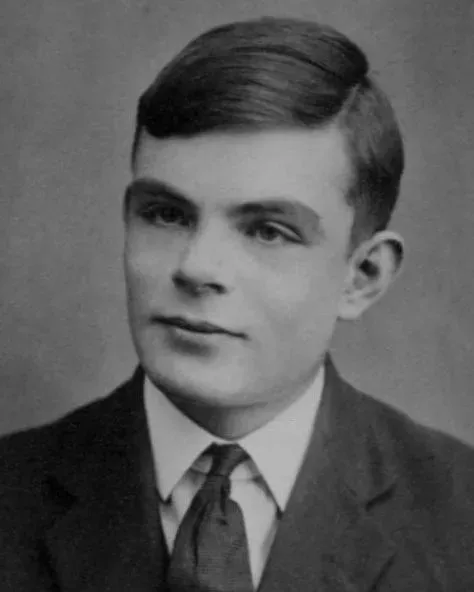
Alan Turing entered the twentieth century’s most dangerous conflict as an eccentric mathematician with a knack for abstractions and puzzles. Inside the secretive codebreaking center at Bletchley Park during World War II, he helped design methods and machines to crack encrypted German communications, shortening the war and saving countless lives. At the same time, he was conceptualizing a theoretical “universal machine” that laid the foundations for modern computing. On paper, he should have emerged from the war as one of Britain’s most celebrated minds.
Instead, Turing was prosecuted under British law for his homosexuality, subjected to chemical castration, and stripped of his security work, dying in circumstances still debated today. His life is now studied not just in computer science but in psychology, ethics, and law as a tragic example of how prejudice can devastate scientific progress. The idea that the architect of the digital age was hounded by the very state he helped protect forces us to question how many other breakthroughs were delayed or lost to discrimination. Turing’s story warns that talent alone is never enough; societies also need the courage to protect their most unconventional minds.
The Peasant Emperor of Ideas: Mansa Musa, Wealth, and the Misread Power of Knowledge
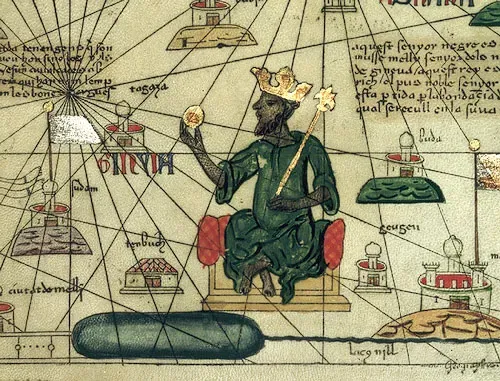
Mansa Musa, the fourteenth-century ruler of the Mali Empire, is often boiled down in popular culture to a single shocking claim: that he may have been one of the richest individuals in history. But the more surprising part of his story is how he chose to use that power. At a time when West Africa was dismissed or ignored in many outside chronicles, Musa invested heavily in centers of learning in cities like Timbuktu and Gao, supporting scholars, architects, and libraries. He helped turn his empire into a hub where astronomy, mathematics, law, and theology intertwined.
Modern historians and archaeologists see his reign as evidence that sophisticated intellectual networks flourished far beyond Europe and the Mediterranean. This challenges long-standing, Eurocentric expectations about where “serious” scholarship was supposed to come from. The manuscripts and educational traditions that survived from Mali reveal a world more interconnected and curious than many school textbooks suggest. In that sense, Musa not just in his lifetime but centuries later, forcing us to redraw the global map of knowledge. His story underlines that innovation is often happening in places the dominant narratives choose not to look.
The Untrained Naturalist: Charles Darwin and the Awkward Birth of Evolution
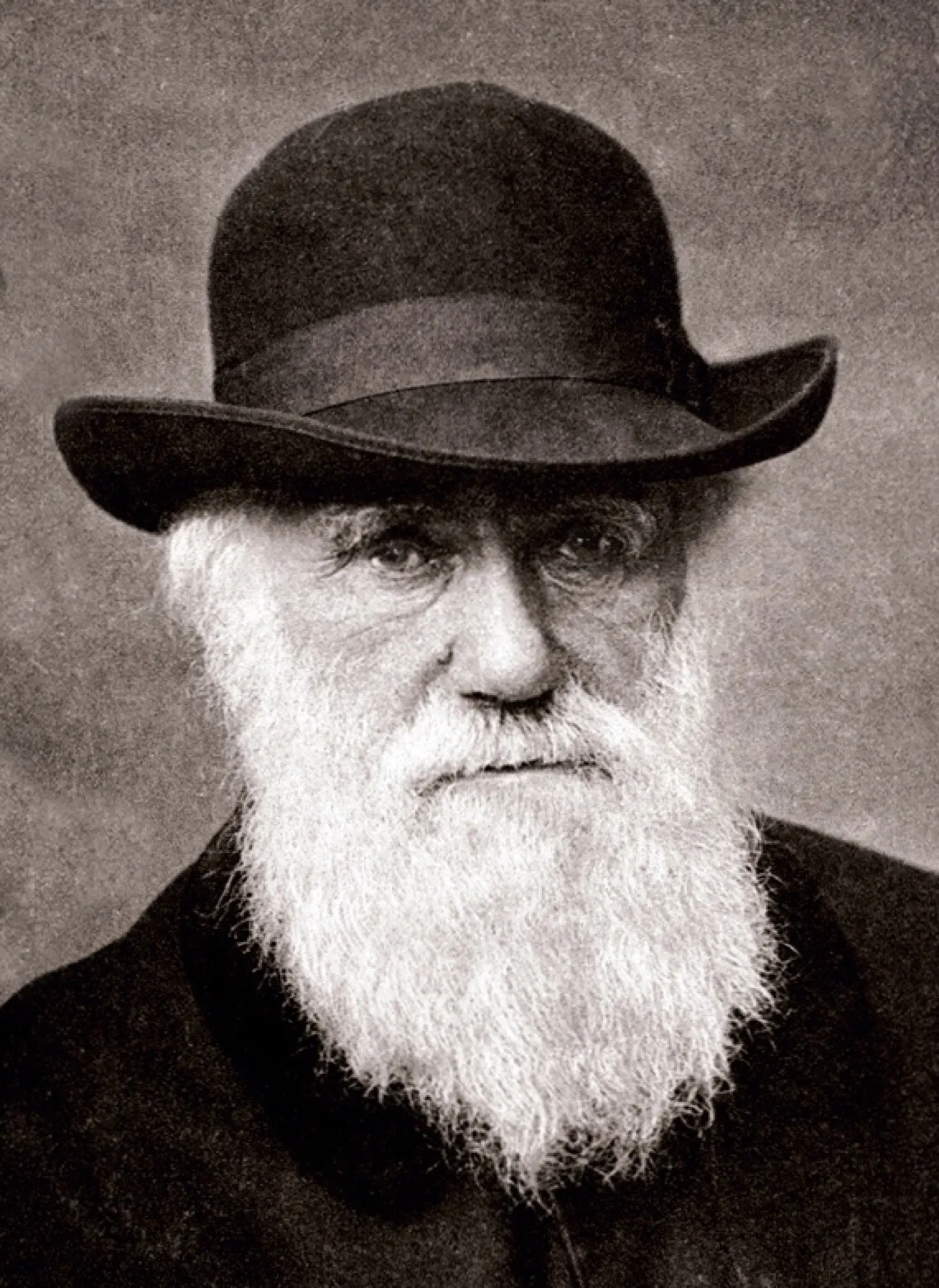
Charles Darwin was not the confident prodigy people sometimes imagine; as a young man, he drifted between studying medicine and theology and was considered something of a disappointment by his ambitious father. His invitation to join the voyage of the HMS Beagle came not because he was a star scientist, but because he was available, curious, and connected to the right people. During that journey, he obsessively collected specimens, filled notebooks, and quietly let the patterns disturb him. On remote islands and coastlines, he saw variations in plants and animals that did not fit with fixed, created species.
Back in England, Darwin spent decades wrestling in private with the idea of natural selection, terrified of the social and religious backlash it would provoke. The eventual publication of his work challenged deep human expectations about our place in nature: instead of being separate and special, we were part of a branching, messy tree of life. Today, evolutionary theory anchors modern biology, medicine, and even fields like psychology, where it helps explain behaviors from cooperation to aggression. The hesitant, seasick traveler who nearly skipped his voyage wound up rewriting how humanity understands itself, proving that transformative ideas can grow from uneasy, uncertain beginnings.
Why These Stories Matter: The Science of Defying the Odds

What connects a deaf-blind activist, a battlefield nurse, a West African emperor, and a persecuted codebreaker is not just fame, but a shared pattern that scientists and historians now recognize: they each broke through powerful expectation biases. Humans are wired to make quick judgments about who is likely to succeed based on class, health, gender, race, or credentials. These biases can become self-fulfilling, limiting access to education, resources, and credibility. Yet the lives of these historical figures function like natural experiments, showing that talent and impact often appear in places our mental shortcuts overlook.
Research in psychology has found that when groups believe ability is fixed and predictable, they tend to invest less in people who do not fit the standard mold. The figures in this list complicate that belief, showing how nontraditional backgrounds, adversity, and even marginalization can sometimes foster unconventional thinking. Their trajectories echo findings from creativity research: that breakthroughs often emerge from those who sit at the edges of multiple worlds rather than at their comfortable centers. By studying these lives, we are not just celebrating individuals; we are testing and revising our models of human potential. The past becomes a dataset whispering that our expectations are often too small.
The Future Landscape: Rethinking Talent, Education, and Who Gets a Chance
Looking ahead, the stories of these historical outliers are beginning to shape how scientists, educators, and policymakers think about talent and opportunity. Around the world, there is growing interest in identifying students who show unconventional promise – curiosity, persistence, pattern recognition – even if they struggle with traditional exams or come from under-resourced backgrounds. Advancements in neuroscience and learning science are revealing just how plastic the brain is, even in the face of disability, trauma, or early disadvantage. This aligns eerily well with what figures like Keller or Tubman demonstrated long before anyone spoke of neural pathways or growth mindsets.
At the same time, new technologies such as artificial intelligence and adaptive learning tools could either widen or narrow the gap between expectation and opportunity. Deployed thoughtfully, they might help surface hidden strengths in children who would once have been labeled failures or problems. Used lazily, they could simply automate old prejudices, encoding who looks “promising” based on past, biased data. The next century’s Einsteins and Turings may already be alive in refugee camps, rural towns, or overcrowded cities, waiting for someone to take their potential seriously. Whether we learn from these ten stories will help determine if that potential is nurtured or quietly wasted.
How Readers Can Respond: Small Shifts With Big Human Impact

These lives can feel distant, carved in marble or framed behind glass, but their lessons are far from abstract. On a personal level, they invite us to notice when we are underestimating someone – because of their accent, disability, job, age, or background – and to question that snap judgment. Supporting public libraries, scholarships, and inclusive education programs might sound ordinary, but history suggests that access to books, mentors, and safe spaces can be the thin line between a silenced life and a transformative one. Even choosing to amplify underrepresented voices in science, art, or politics – by reading their work, sharing their stories, or funding their projects – helps build a culture where defying expectations is less of an exception.
For younger readers or parents, there is a quieter call to action: treat curiosity, stubbornness, and unconventional thinking as potential strengths, not merely as problems to be managed. The next child who argues too much, stares out the window, or insists on doing things differently may be rehearsing skills that history has repeatedly rewarded. You do not need a laboratory or a throne to change the trajectory of a life; sometimes you only need to hold the door open a little wider than the world expects. The figures who once shocked their own generations now stand as evidence of what happens when that door is not slammed shut too soon.
Suhail Ahmed is a passionate digital professional and nature enthusiast with over 8 years of experience in content strategy, SEO, web development, and digital operations. Alongside his freelance journey, Suhail actively contributes to nature and wildlife platforms like Discover Wildlife, where he channels his curiosity for the planet into engaging, educational storytelling.
With a strong background in managing digital ecosystems — from ecommerce stores and WordPress websites to social media and automation — Suhail merges technical precision with creative insight. His content reflects a rare balance: SEO-friendly yet deeply human, data-informed yet emotionally resonant.
Driven by a love for discovery and storytelling, Suhail believes in using digital platforms to amplify causes that matter — especially those protecting Earth’s biodiversity and inspiring sustainable living. Whether he’s managing online projects or crafting wildlife content, his goal remains the same: to inform, inspire, and leave a positive digital footprint.