
Plants are often treated like scenery – green wallpaper in the background of more dramatic animal stories – but look closer and the quiet ones turn out to be the real plot-twisters of evolution. Across deserts, bogs, mountaintops, and city sidewalks, some species have hacked gravity, rewritten the rules of digestion, and even turned fire into an ally. Scientists are now realizing that many of these bizarre adaptations are not just curiosities; they are living experiments in resilience, deception, and innovation. In a warming, rapidly changing world, the strangest plants may hold some of the most useful clues for the future of ecosystems and even human technology. Here are ten of the most astonishing survival strategies growing silently all around us.
The Corpse Flower: Surviving by Smelling Like Death
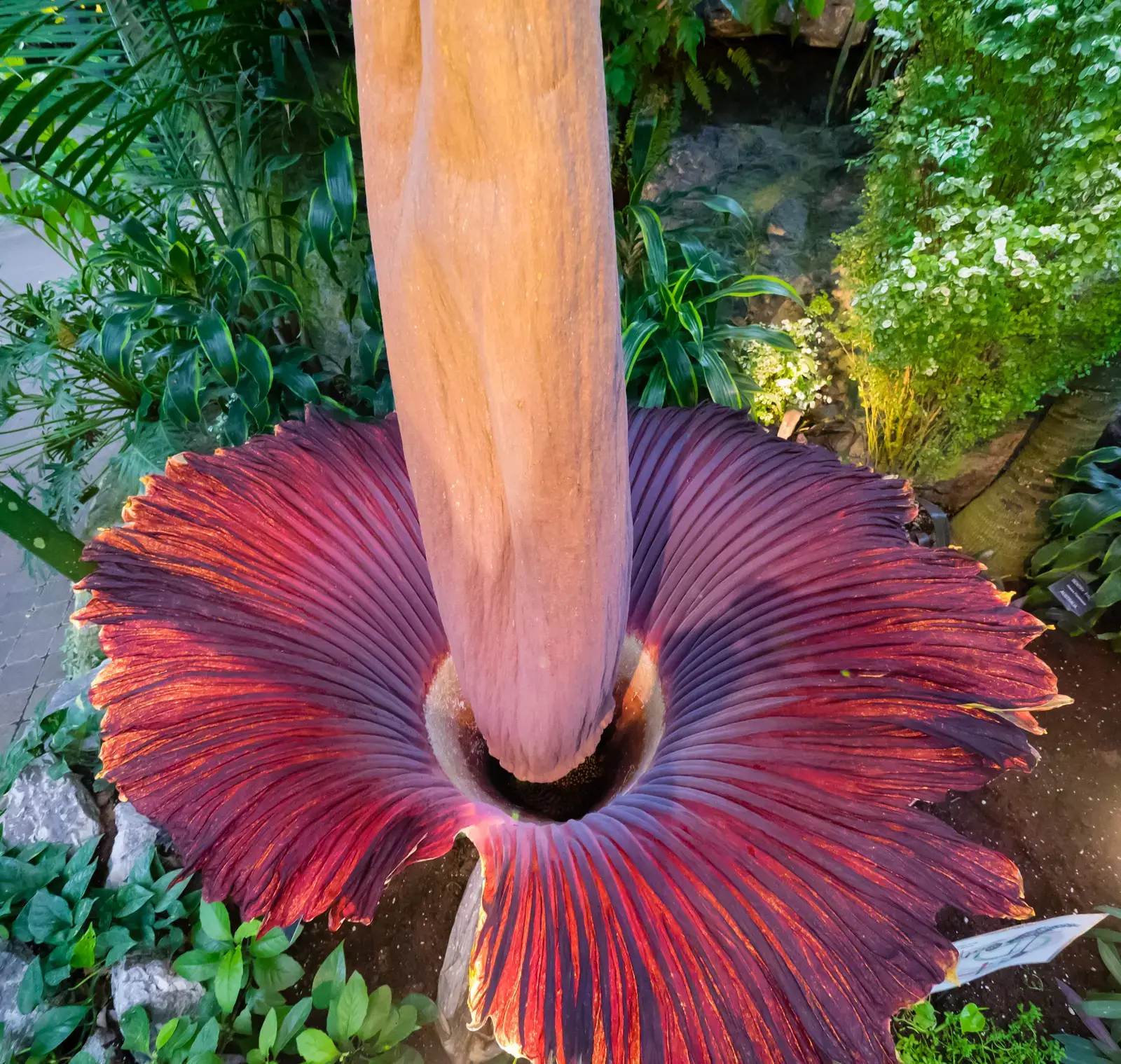
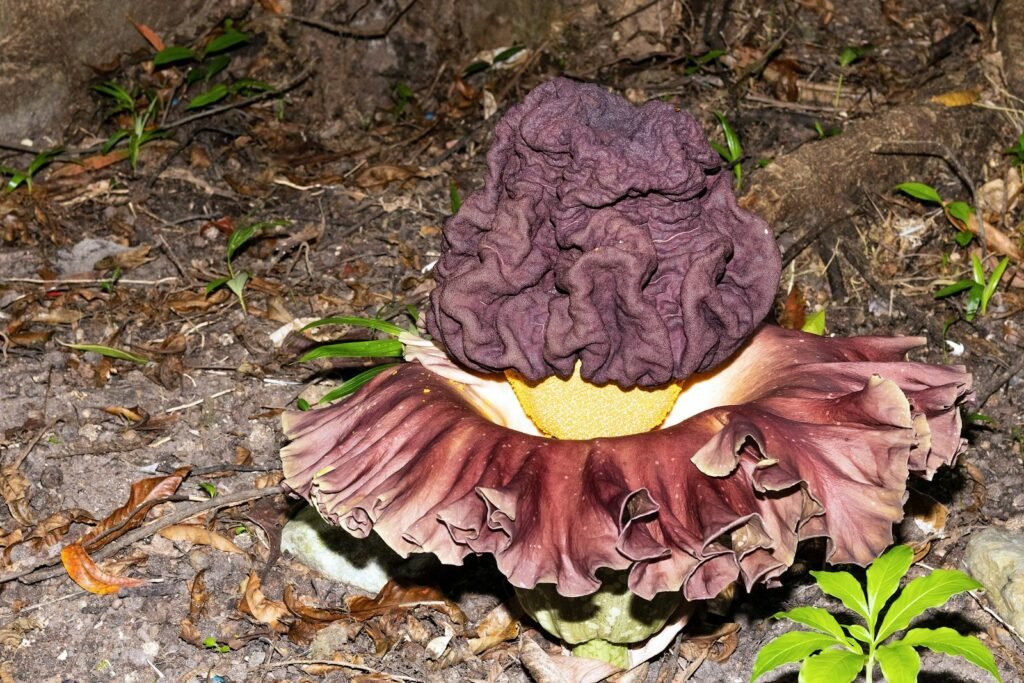
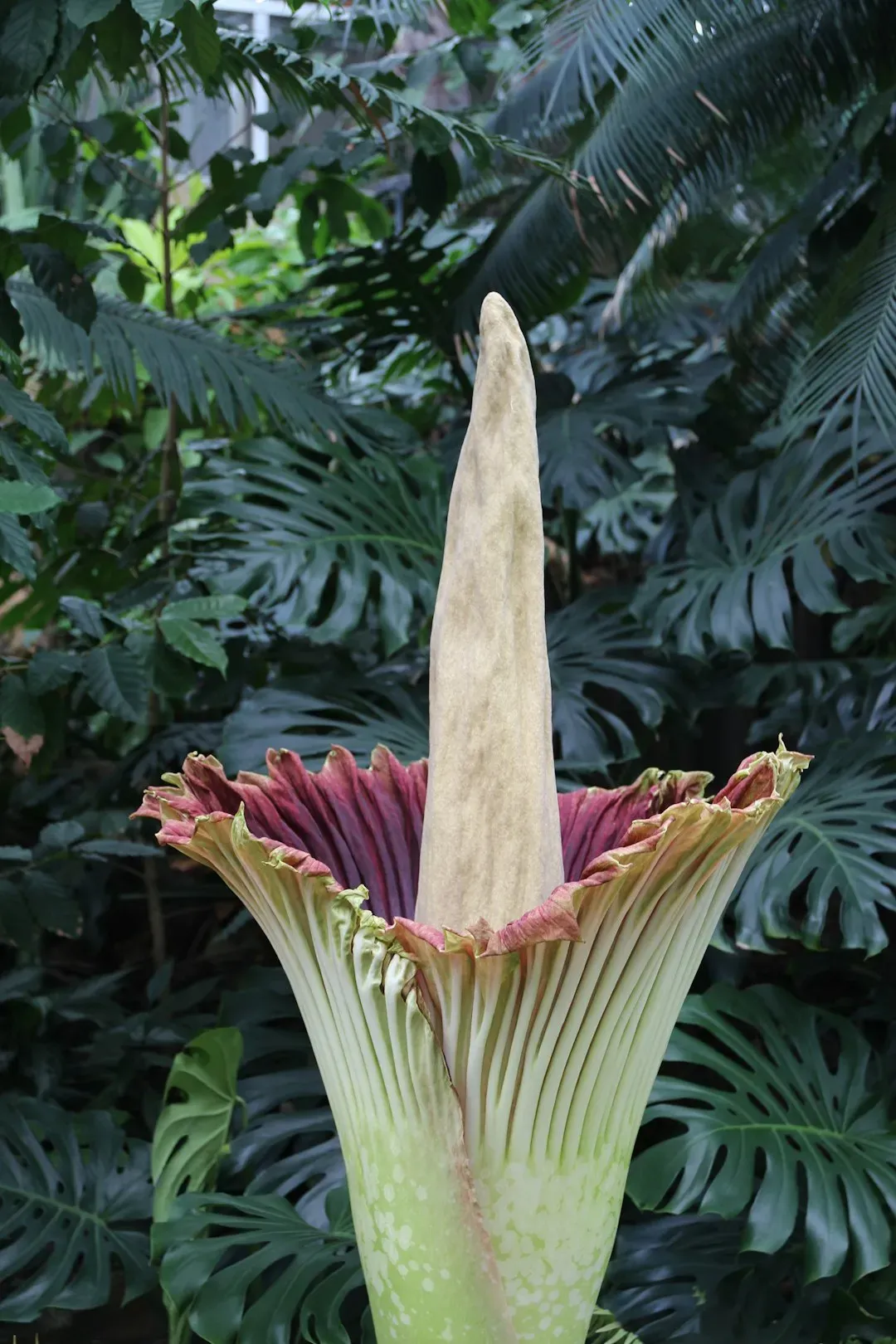
The titan arum, better known as the corpse flower, has one of the most extreme strategies in the plant world: it survives by pretending to be a rotting carcass. Native to the rainforests of Sumatra, this plant produces a towering bloom that can reach the height of an adult human – and for a brief window, it unleashes an odor that many visitors describe as a mix of spoiled meat and dirty diapers. That revolting smell is not a gruesome accident; it is a carefully tuned bait to attract carrion-loving insects such as flesh flies and beetles, which become unwitting pollinators. Adding to the illusion, the flower can heat itself up to roughly human body temperature, helping the smell diffuse farther and making the “corpse” feel eerily realistic to insects. In dense tropical forests where wind-pollination is unreliable and pollinators are scattered, this over-the-top deception dramatically increases the plant’s chances of reproducing.
What makes the corpse flower even stranger is how rarely it plays its deathly trick. Individual plants can go many years between blooms, slowly building up energy in an underground corm that can weigh as much as a small child. When conditions finally line up – enough stored energy, the right temperature and moisture – the plant essentially bets everything on a massive, short-lived performance. Botanic gardens around the world now treat each bloom like a global event, livestreaming the unfolding structure and warning visitors about the smell. For conservationists, the drama serves a purpose, drawing attention to the threatened rainforest habitats where this plant evolved. The corpse flower’s survival strategy is not just about fooling flies; it has also become an unexpected ambassador for a disappearing ecosystem.
Welwitschia: The Desert Relic That Refuses to Die
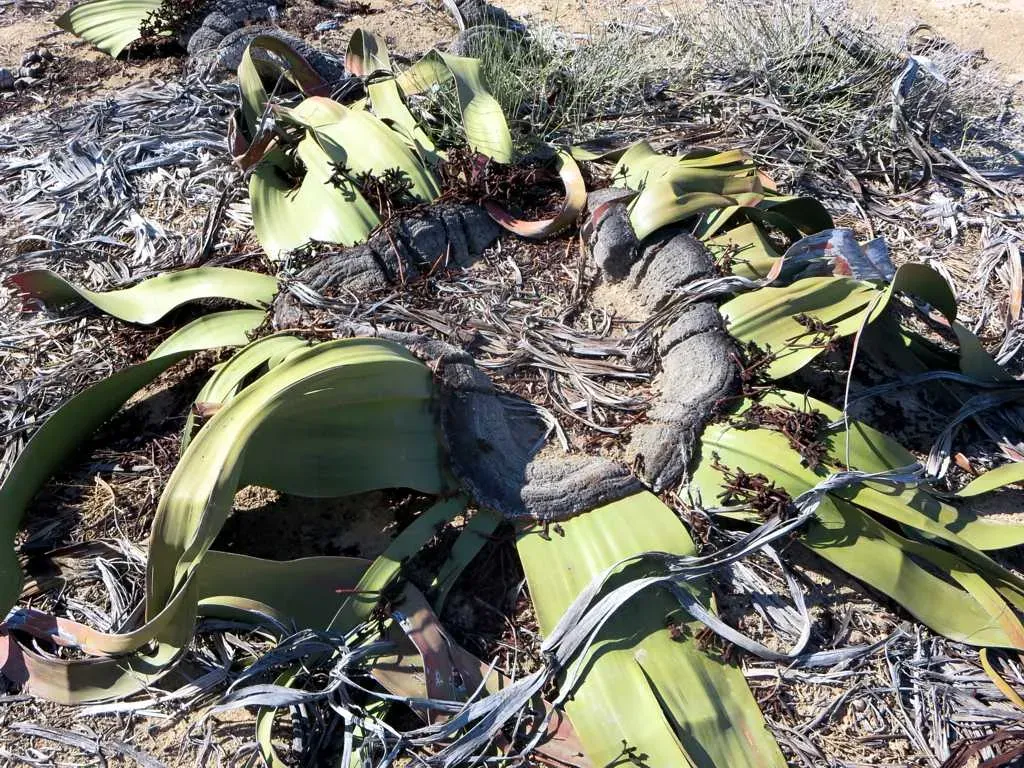
In the Namib Desert of southwestern Africa, where rainfall is scarce and temperatures swing from searing to chilling, Welwitschia mirabilis survives by doing almost everything “wrong” by normal plant standards. It has only two leaves that grow continuously for its entire life, fraying and splitting into tangled ribbons that can look like discarded seaweed on sand. These leaves can survive for centuries, constantly repairing damage from sandblasting winds and extreme heat. Instead of relying on sporadic rain, Welwitschia drinks from the fog that rolls in from the Atlantic, capturing tiny droplets on its leaves and funneling moisture down toward its deep taproot. In one of the driest places on Earth, this plant has evolved into a low, stubborn engine of persistence.
Scientists studying Welwitschia have discovered that its DNA shows signs of intense stress management. Parts of its genome appear to have been damaged and then “patched” in ways that may help the plant cope with chronic environmental pressure. Its metabolism runs in a low, steady gear, trading fast growth for reliability over astonishing timescales – some individuals are believed to be more than a thousand years old. To me, it feels like the botanical equivalent of a seasoned desert traveler who has pared life down to only what truly works. As climate change pushes more regions toward heat and drought, Welwitschia’s stoic survival strategy is starting to look less like an oddity and more like a preview of traits that might benefit crops and wild species alike.
Carnivorous Pitcher Plants: Turning Rainwater Into a Death Trap
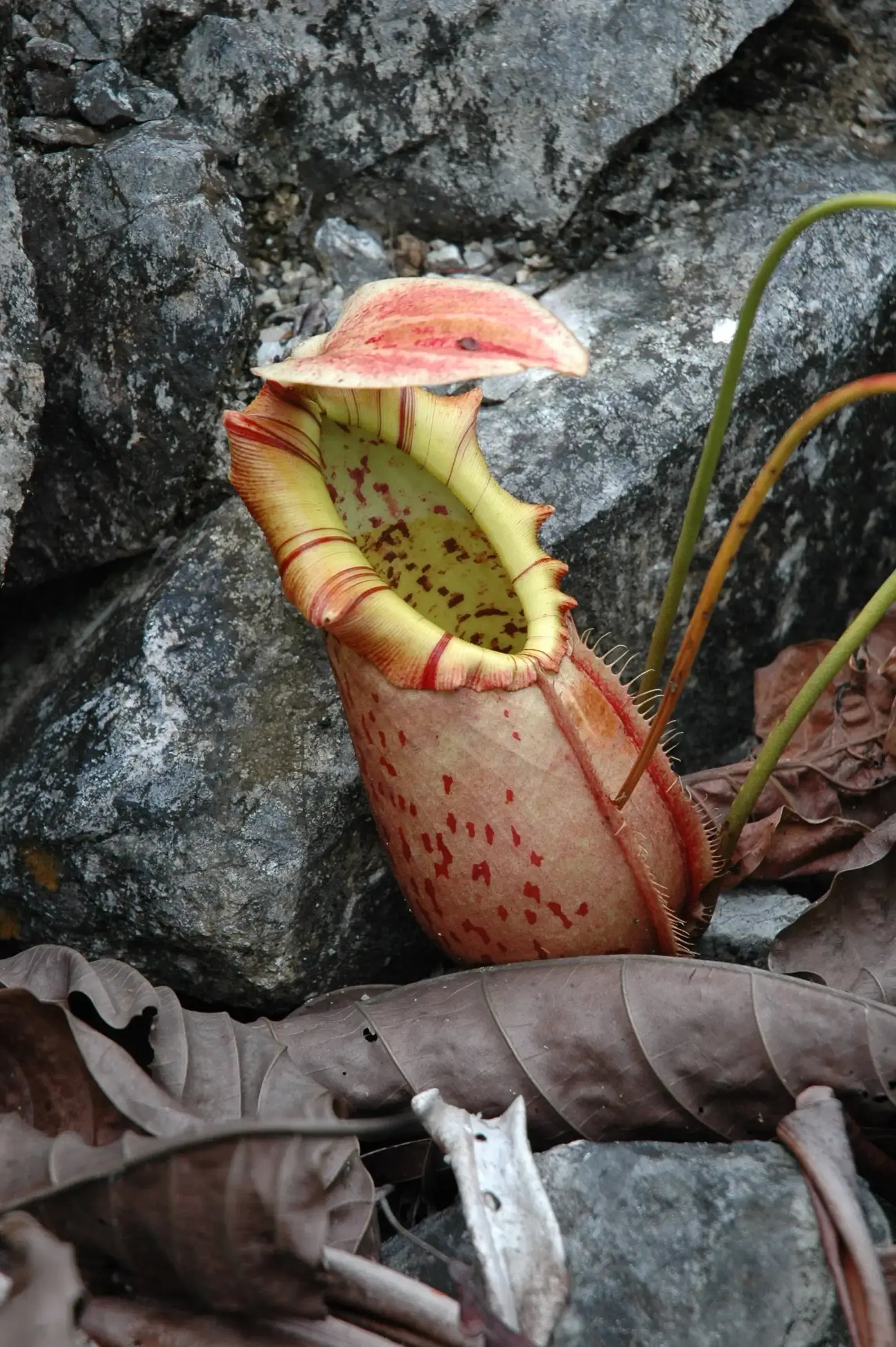
While most plants simply tolerate insects, pitcher plants have turned them into nutrients. In tropical forests and nutrient-poor bogs, species in the genus Nepenthes and several unrelated lineages have evolved tubular leaves that collect rainwater and digestive fluid, forming pools that function as pitfall traps. Slick rims, waxy inner walls, and sweet nectar lure insects into a fatal slip; once they tumble in, escape is almost impossible. Some species have incredibly specialized relationships with their prey, targeting ants, termites, or even small vertebrates such as frogs and rodents. In places where soils are stingy with nitrogen and phosphorus, every trapped body gives the plant a crucial nutritional bonus.
The ecosystem around a single pitcher can be surprisingly complex. Microbes, mosquito larvae, and even small crabs in some Southeast Asian species live inside the fluid, feeding on decomposing prey and, in turn, helping break it down. A few pitcher plants have struck truces with animals, offering nectar in exchange for dung that acts as fertilizer – a botanical twist on domesticated livestock. For scientists, these micro-worlds are natural laboratories for studying food webs, symbiosis, and nutrient cycling on a miniature scale. They also remind us that “eating animals” is not just an animal thing; evolution will rewrite any rule if the environment demands it. The pitcher plant’s survival strategy blurs the line between plant and predator in a way that still feels slightly unsettling when you lean over a dark, silent tube of water and imagine what it has already swallowed.
Resurrection Plants: Playing Dead to Cheat Drought
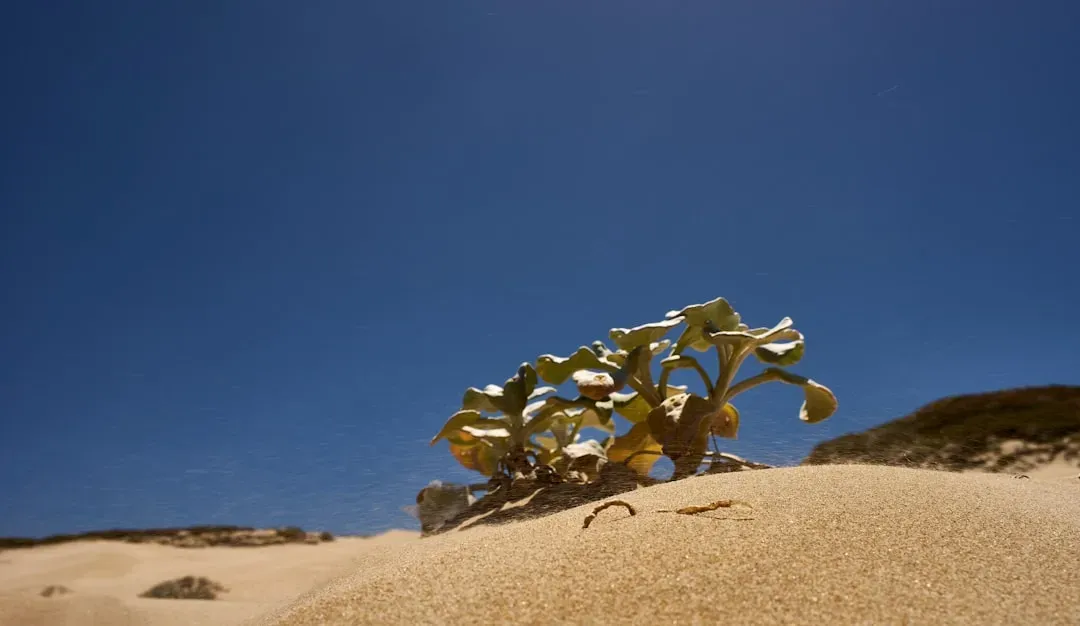
Resurrection plants look like they have lost the battle with life – until the rain returns. Found in deserts and rocky highlands from Africa to the Americas, species such as Selaginella lepidophylla and various resurrection ferns can dry out almost completely, curling into brittle balls or shriveled mats that appear lifeless. In this state, their metabolism slows to a whisper, and cells are packed with protective sugars and proteins that prevent permanent damage. When moisture finally arrives, the plants unfurl within hours, turning green and resuming photosynthesis as if someone flipped a switch. It is one of the most dramatic examples of reversible desiccation tolerance in the plant kingdom.
Researchers are intensely interested in how resurrection plants pull off this “pause button” on life. The molecules they accumulate act like natural antifreeze and shock absorbers, stabilizing membranes and DNA during drying and rehydration. In lab experiments, some of these protective tricks are being tested in crops and even in preserving biological samples like vaccines without refrigeration. Watching a resurrection plant revive after months of apparent death feels almost like a magic trick, but it is really a brutally practical solution to living in landscapes where water is a rare and unpredictable guest. In a future where droughts are expected to become more frequent, the survival code written into these humble, scruffy plants could turn out to be one of the most valuable manuals nature has ever produced.
The Sensitive Plant: Moving Fast in a Slow World
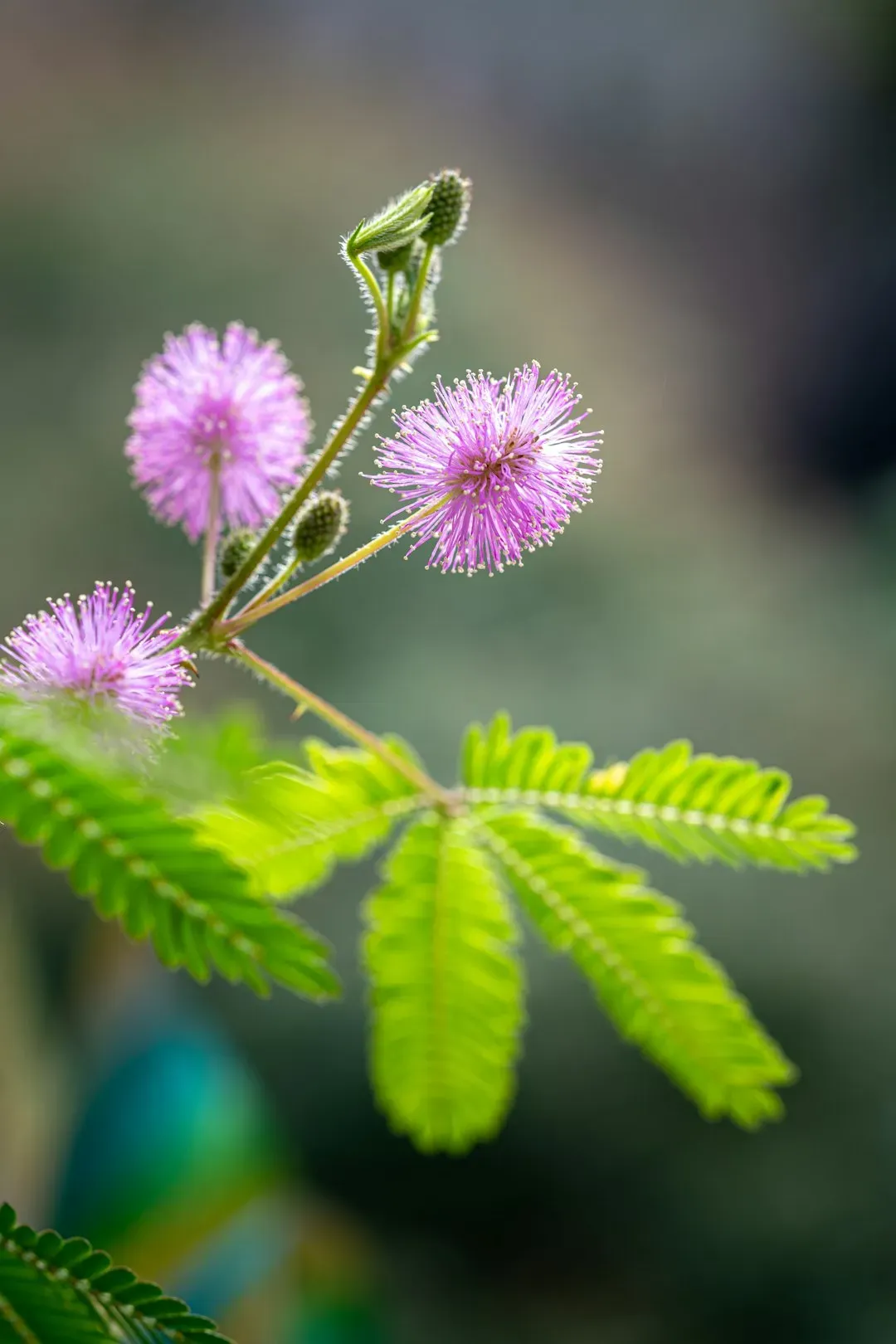
Mimosa pudica, often called the sensitive plant, has built an entire survival strategy around doing something plants are not supposed to do: move quickly. Touch its feathery leaves and, within seconds, they fold inward and droop, turning from a soft, inviting surface into something spiny and unappetizing. This rapid motion is powered not by muscles but by hydraulics; specialized cells at the base of each leaflet suddenly change their water pressure, collapsing like tiny plant balloons. The movement may startle herbivores, making the plant seem less appealing or even unhealthy, and it can shake off small insects looking for a meal. In crowded habitats where many plants compete for the same browsers, being able to say “no” in motion can be a crucial advantage.
The sensitive plant’s speed has made it a favorite in school science projects and botanical gardens, but behind the parlor trick is serious research. Neuroscientists and plant physiologists alike are intrigued by how signals race across its tissues, coordinating leaf movements without any brain or nerves. Chemical and electrical pulses travel through the plant in patterns that, while simpler, echo aspects of animal nervous systems. Studying these responses is helping scientists reframe plants not as passive objects but as organisms that sense, process, and react to their environments in real time. Every time you touch a Mimosa and watch it collapse, you are seeing evidence that the boundary between plant and animal behavior is much blurrier than our everyday language suggests.
Hydnora: Living Underground as a Botanical Ambush
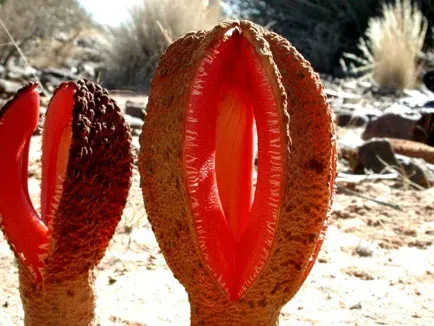
Hydnora, a group of plants native to parts of Africa and the Arabian Peninsula, has taken parasitic living to a bizarre extreme. Most of its body exists underground, fused to the roots of its host plants and siphoning off water and nutrients. Above the surface, what emerges is not a stem or leafy shoot but a fleshy, brownish structure that looks more like a fungus or alien sea creature than a flower. When it opens, it releases an odor reminiscent of sewage or feces, tricking dung beetles and carrion insects into crawling inside. Once in, the visitors become temporarily trapped, dusted with pollen, and then released to repeat the process on another Hydnora bloom.
By hiding its entire photosynthetic machinery and relying on hosts, Hydnora has essentially opted out of sunlight as a primary resource – a radical move for a plant. Genetic studies show that some species have lost large chunks of the DNA normally dedicated to photosynthesis, turning their genomes into minimalist blueprints for a parasitic lifestyle. For ecologists, Hydnora is a reminder that underground ecosystems are teeming with interactions we rarely see. It disrupts the neat mental picture of plants as green, upright, and independent, replacing it with a more unsettling image: a hidden network of organisms tapping, trading, and sometimes exploiting one another below our feet. Its survival strategy is not just weird; it hints at how much of plant life remains literally buried to human understanding.
Air Plants and Epiphytes: Living Life Suspended in Midair
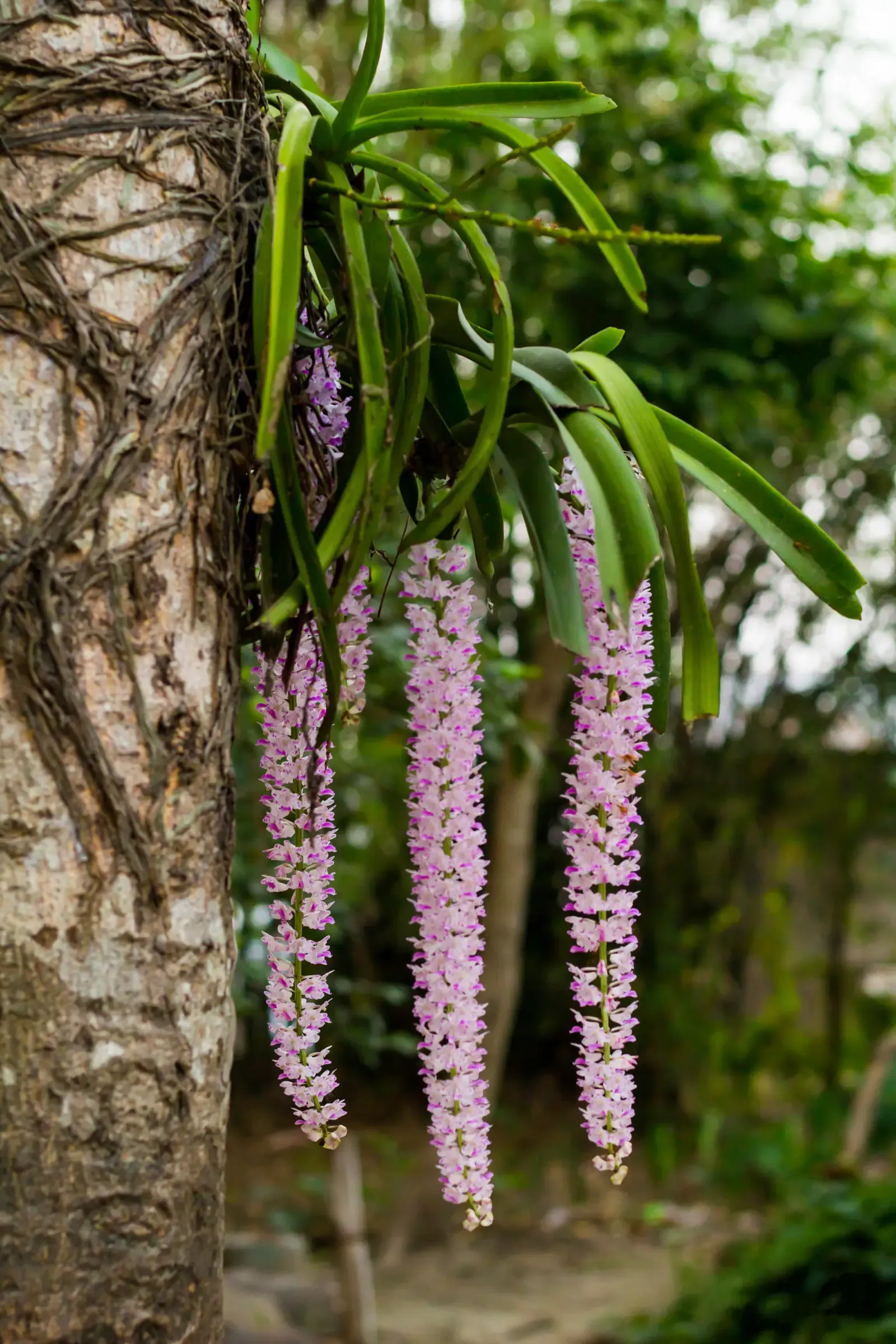
In tropical forests and even in some urban parks, many plants have adopted a strategy that looks like a defiance of gravity: they live on other plants, with no roots in soil at all. Epiphytes such as many orchids, bromeliads, and air plants in the genus Tillandsia cling to branches, bark, and even telephone wires, capturing water from mist, rain, and humid air. Their roots act more like anchors than drinking straws, while specialized leaf scales and structures absorb moisture and dust-borne nutrients. By moving off the forest floor, these plants escape competition for light and space, claiming a whole new vertical layer of habitat. From a distance they can look like messy clumps in the canopy, but up close they form intricate micro-communities buzzing with insects, frogs, and tiny invertebrates.
This suspended way of life demands extreme flexibility. Epiphytes must endure rapid drying, harsh sun, and the constant risk of falling during storms. Many compensate by growing slowly, investing in tough, water-storing tissues and long-lived leaves. Their survival strategies are now inspiring designers of green architecture, who see in air plants a model for lightweight, soil-free urban greening systems. When you spot a gray-green tuft of Tillandsia happily thriving on a city balcony railing, you are looking at a plant that has deliberately let go of the earth, proving that “taking root” is not the only path to survival.
Why These Strange Strategies Matter More Than Ever
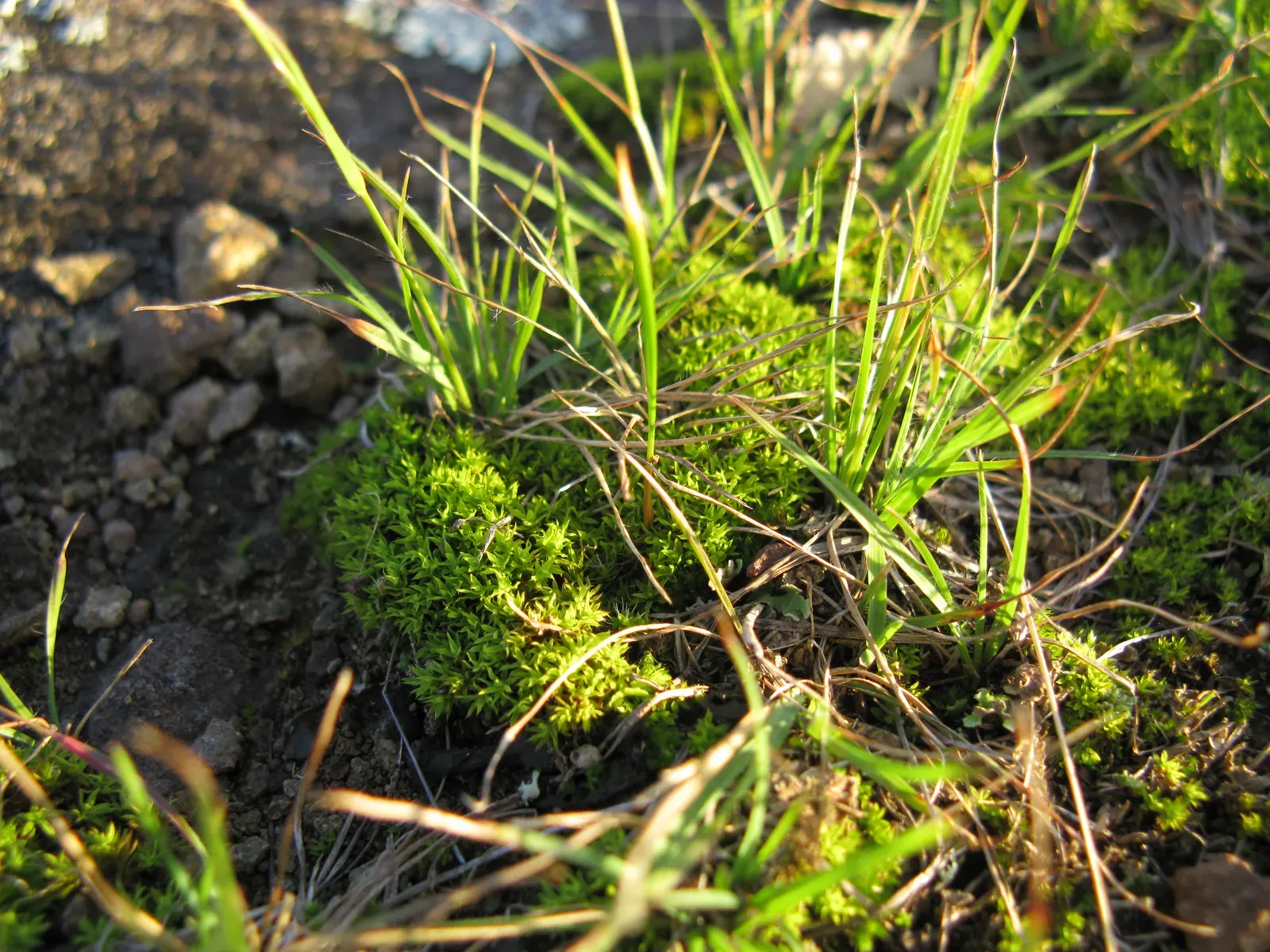
At first glance, these bizarre plants might seem like eccentric footnotes in nature’s encyclopedia, but their survival strategies cut to the heart of how life copes with stress. In an era of accelerating climate change, shifting rainfall patterns, and habitat loss, the ability to endure extremes – heat, drought, nutrient scarcity, or erratic pollinators – is becoming crucial for entire ecosystems. Resurrection plants model how tissues can withstand near-total dehydration, while Welwitschia shows how slow, steady metabolism can sustain life across centuries of harsh conditions. Carnivorous plants and parasitic species like Hydnora demonstrate how flexible energy and nutrient strategies can be when conventional resources fail. Together, they expand our sense of what is biologically possible.
There is also a direct human dimension hidden in these oddities. The molecular tricks that protect resurrection plants could shape future drought-tolerant crops, while epiphyte-inspired designs may influence how we grow food and greenery in crowded cities with limited soil. Understanding how the corpse flower or Hydnora lure specific pollinators and partners can improve efforts to restore or manage ecosystems in decline. Compared with traditional agriculture and forestry, which often rely on uniform, high-input systems, these wild survival strategies offer models for resilience that do not assume stability or abundance. Paying attention to the weirdest plants might be one of the most practical things we can do as we rethink our relationship with a less predictable planet.
The Future Landscape: From Desert Genes to Living Cities
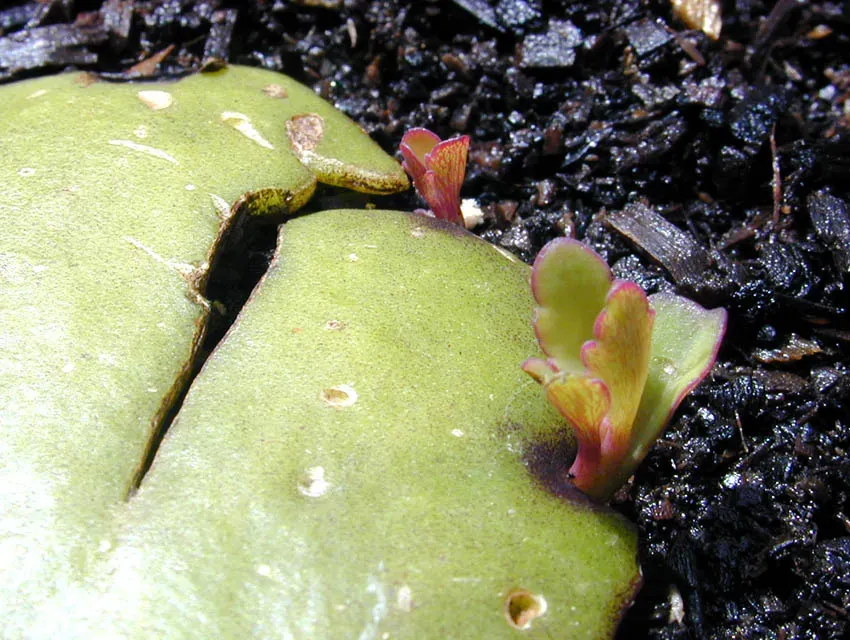
Looking ahead, researchers are racing to decode and adapt the tricks used by these extreme plants before both the species and their habitats are lost. Advances in genomics now allow scientists to pinpoint which genes help resurrection plants survive drying or enable Welwitschia to manage long-term stress. Some of these genes are being tested in experimental crops in controlled environments, with the hope of creating varieties that can handle poor soils and unreliable water without heavy chemical inputs. Biologists are also exploring how the microbiomes of pitcher plants or epiphytes contribute to their success, probing whether similar partnerships could help urban plants or agricultural systems become more self-sustaining. The goal is not to copy these species wholesale, but to borrow their best ideas.
At the same time, there are serious ethical and ecological questions to navigate. Introducing highly engineered traits into crops or new ecosystems can have unintended consequences, especially if they spread or alter local species interactions. Conservationists warn that if we rely too heavily on technology to “fix” environmental stress, we may neglect the root causes of habitat destruction and climate change. Still, the vision of future cities laced with air plants filtering pollution, farms informed by resurrection genes, and restored forests that once again host corpse flowers and Hydnora is a compelling one. These plants show that survival does not have to mean uniformity; it can mean a riot of weird, highly specialized adaptations. The real challenge will be learning from them without overwhelming the delicate systems that shaped them in the first place.
How You Can Help These Remarkable Survivors
Engaging with the world of bizarre plants does not require a research grant or a trip to a remote desert; it can start with small, concrete choices. Visiting botanical gardens that cultivate corpse flowers, Welwitschia, and carnivorous plants helps fund conservation work and often supports field research in native habitats. Many institutions now run citizen science programs where volunteers help document flowering times, pollinators, or growth patterns, turning casual curiosity into real data. For those with access to even a small balcony, growing air plants, hardy epiphytes, or ethically sourced carnivorous species can be a way to experience these adaptations up close without contributing to wild collection. Paying attention to labels and choosing plants propagated in nurseries rather than taken from the wild is a simple but powerful step.
Support can also be as straightforward as amplifying the stories of these species. Sharing reliable information about how resurrection plants endure drought or why Hydnora depends on specific hosts helps shift conversations about climate and conservation away from despair and toward tangible, fascinating examples of resilience. Donating to organizations that protect desert, bog, and rainforest habitats protects not only the headline-grabbing oddities but also the countless less dramatic species that support them. Most of all, staying curious – asking how a plant manages to live where it does, or why it looks so strange – keeps us connected to the living experiments happening all around us. In a world that often celebrates speed and spectacle, taking the time to notice a slow-moving, quietly brilliant survivor might be one of the most radical actions of all.
Suhail Ahmed is a passionate digital professional and nature enthusiast with over 8 years of experience in content strategy, SEO, web development, and digital operations. Alongside his freelance journey, Suhail actively contributes to nature and wildlife platforms like Discover Wildlife, where he channels his curiosity for the planet into engaging, educational storytelling.
With a strong background in managing digital ecosystems — from ecommerce stores and WordPress websites to social media and automation — Suhail merges technical precision with creative insight. His content reflects a rare balance: SEO-friendly yet deeply human, data-informed yet emotionally resonant.
Driven by a love for discovery and storytelling, Suhail believes in using digital platforms to amplify causes that matter — especially those protecting Earth’s biodiversity and inspiring sustainable living. Whether he’s managing online projects or crafting wildlife content, his goal remains the same: to inform, inspire, and leave a positive digital footprint.