
You probably picture “the ancient world” as one big blurry lump of pyramids, togas, cavemen, and dinosaurs all jumbled together. Your brain quietly files anything older than your grandparents into the same mental drawer labeled “a long, long time ago.” But when you start looking at actual dates, the timeline of history stops feeling like a straight line and starts looking more like a plot twist.
In this article, you’re going to walk through ten timeline facts that feel completely upside down at first glance. You’ll see famous people and events you thought were neighbors on the timeline turn out to be separated by oceans of time, while others you assumed were worlds apart were actually almost roommates. By the end, you may never trust your sense of “old” again – and that’s a good thing.
1. Cleopatra lived closer to you than to the building of the Great Pyramid
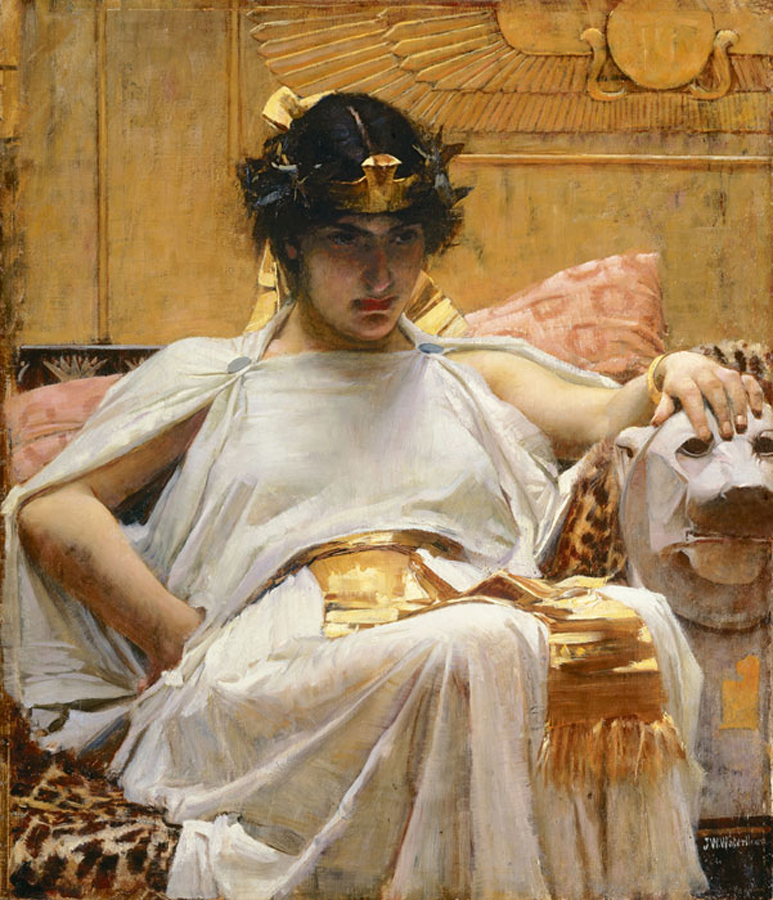
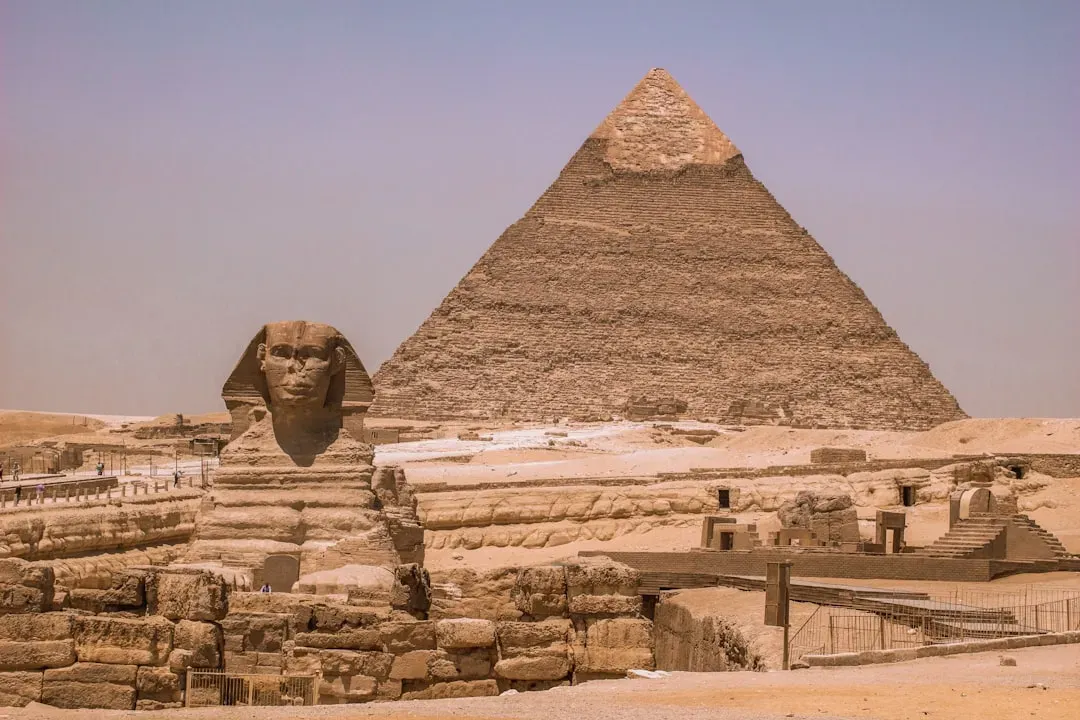
When you think of Cleopatra, you probably throw her mentally right next to the pyramids and imagine her strolling past the freshly carved Sphinx. In reality, if you stand her on a timeline, she’s shockingly closer to you than she is to the construction of the Great Pyramid of Giza. Cleopatra VII ruled Egypt in the first century BCE, dying around 30 BCE, while the Great Pyramid was built roughly between 2580 and 2560 BCE. That means well over two thousand years separate Cleopatra from the pyramid builders – more time than separates Cleopatra from your smartphone era.
To put it another way, you and Cleopatra are on the same side of the “Great Pyramid divide.” The time from the Great Pyramid to Cleopatra is roughly more than twenty centuries, while the gap from Cleopatra to the first iPhone is a bit over twenty centuries in the other direction. Once you see it like this, you realize ancient Egypt was not a single frozen moment, but a gigantic stretch of history where you’d be “late” if you arrived a thousand years off. The pyramids were already ancient ruins by Cleopatra’s day, as distant to her as a crumbling medieval fortress is to you.
2. Woolly mammoths were still alive when the pyramids were already standing
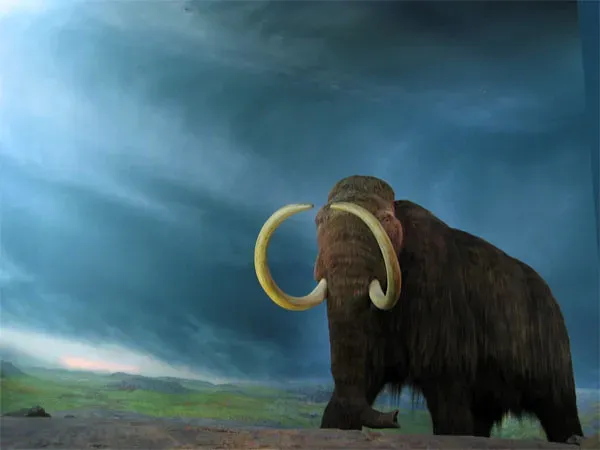
Your mental image of mammoths probably puts them next to cave paintings, Neanderthals, and endless ice sheets, then vanishes them long before cities and writing. But a small, isolated population of woolly mammoths survived on Wrangel Island in the Arctic Ocean until around 2000 BCE. By that time, Egyptians had already built the Great Pyramid of Giza centuries earlier, and organized states in Mesopotamia were in full swing. So while people were recording taxes on clay tablets and raising massive stone monuments, a few shaggy mammoths were still trudging through Arctic snow, completely unaware history had “moved on.”
If you picture yourself living in ancient Egypt, you could have stared up at the pyramids knowing there were still mammoths somewhere on Earth. They weren’t roaming across Europe in huge herds anymore, but they weren’t mythical creatures of a lost age either. This overlap shows you just how misleading your mental categories are: “Ice Age animals here, civilized humans way over there.” In reality, evolution and extinction do not flip like movie scenes; they fade and overlap like slow dissolves.
3. Tyrannosaurus rex is closer in time to you than to Stegosaurus
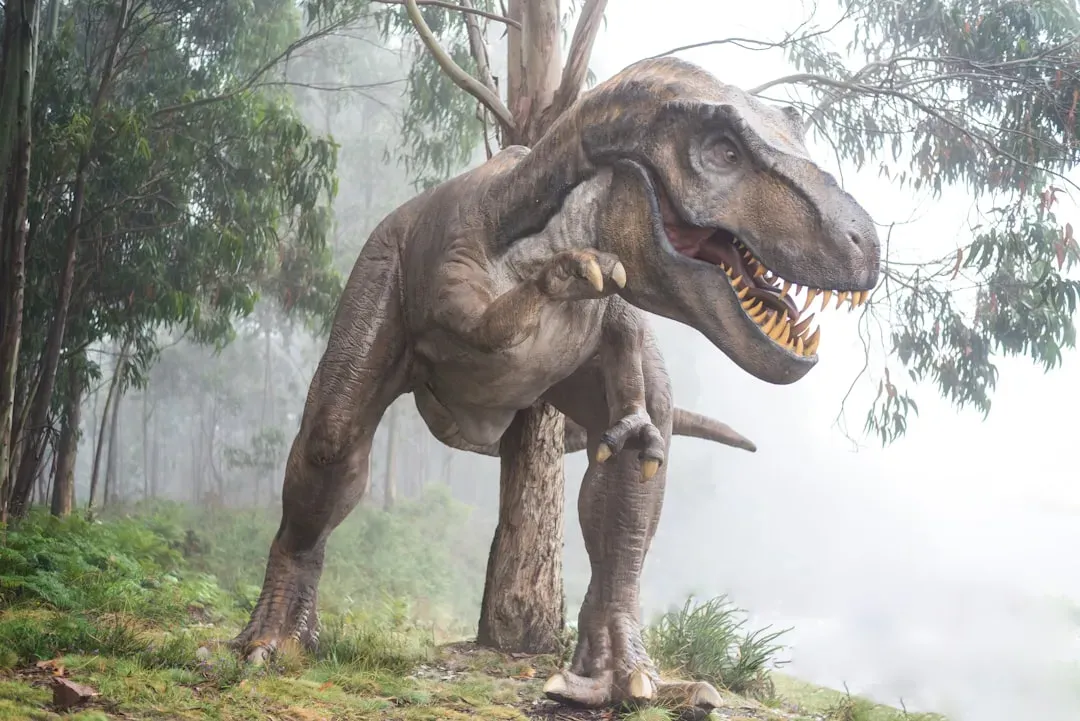
Dinosaur illustrations train you to imagine a jumble of species – Stegosaurus, Tyrannosaurus rex, Triceratops – all stomping around together like neighbors in a prehistoric suburb. The actual timeline tears that picture apart. Stegosaurus lived in the Late Jurassic, roughly around 150 million years ago, while T. rex lived near the very end of the Cretaceous, about 68 to 66 million years ago. That means there is on the order of eighty million years between Stegosaurus and T. rex. By comparison, the gap between T. rex and you is about sixty-six million years. So on a timeline, T. rex is actually a bit closer to you than to Stegosaurus.
Think about what eighty million years really means. Modern humans as a distinct species have only been around for a tiny fraction of that span. If you tried to compress Earth’s history into a one-day clock, the time between Stegosaurus and T. rex would be a long, slow chunk of “afternoon,” while the entire history of humanity would fit into the last fraction of a second before midnight. Once you see that, you stop imagining dinosaurs as a single cast of characters and start seeing them as entire civilizations of animals rising and falling over unimaginable swaths of time.
4. The University of Oxford is older than the Aztec Empire

You probably think of the Aztecs as ancient and Oxford as relatively modern – a medieval university that somehow survived into the present. The dates flip that feeling on its head. Teaching at Oxford can be traced back to at least the late eleventh century, around 1096, with the university forming as a recognizable institution not long after. The Aztec Empire, meanwhile, did not coalesce until the fifteenth century, with the Triple Alliance that defined it forming in 1428 and its capital, Tenochtitlan, founded around 1325.
So, if you were a student at Oxford in its early days, the Aztec Empire did not yet exist. By the time Spanish conquistadors reached Central Mexico in the early sixteenth century, Oxford had already been teaching students for centuries. This does not mean Mesoamerica lacked older civilizations – far from it – but it does show how the specific political entity labeled “the Aztec Empire” is relatively late. The fact that a European university you associate with tweed jackets and dusty libraries predates that empire scrambles your sense of what counts as truly “ancient.”
5. You live closer to the last Roman emperor than that emperor lived to the founding of Rome
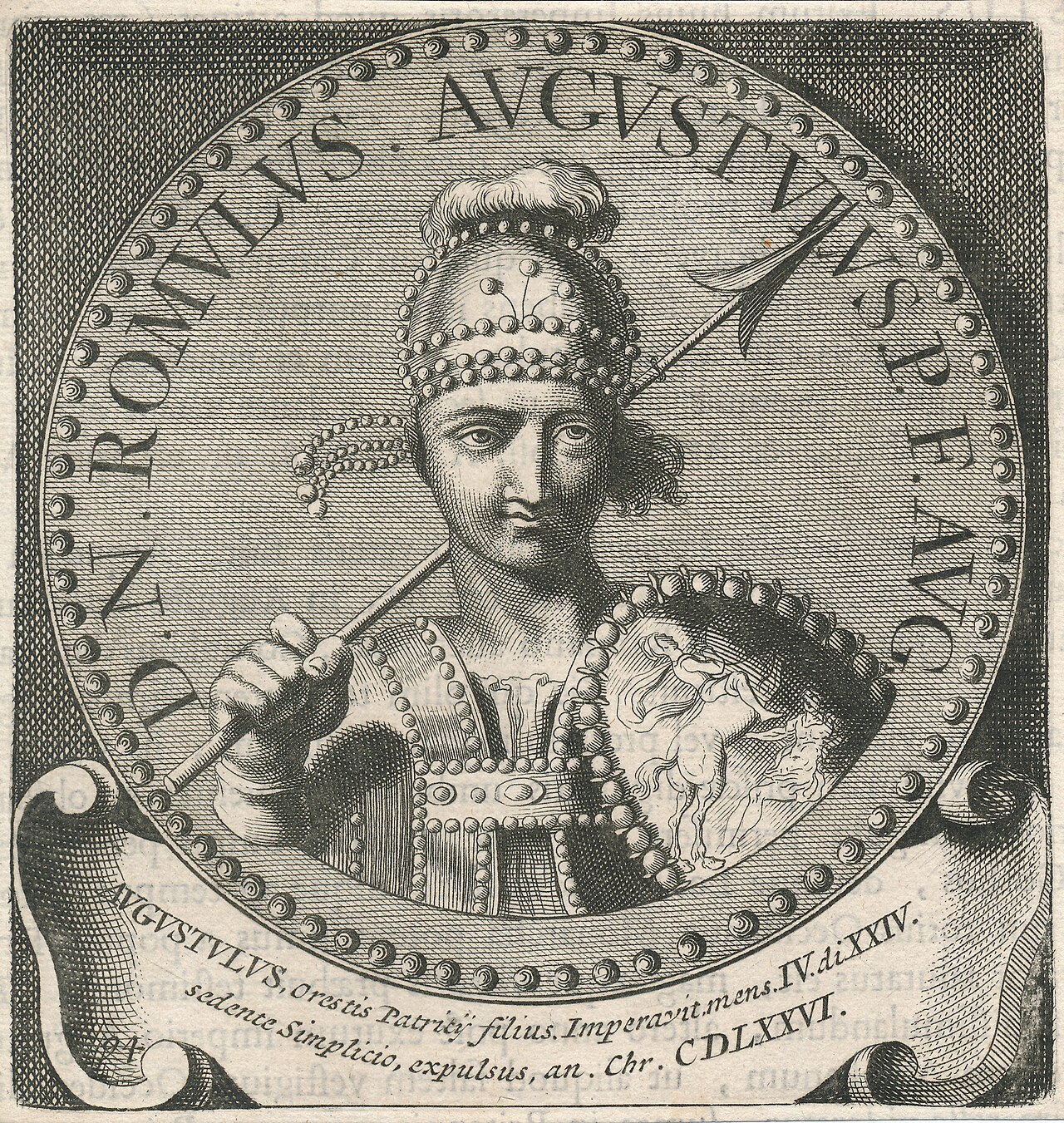
When you hear about ancient Rome, you might vaguely lump its entire history together, from mythical founding to imperial decline. But the Roman story stretches so far that the last emperor of the Western Roman Empire is chronologically nearer to you than to his own city’s beginnings. Traditional Roman chronology places the founding of Rome at 753 BCE. The last Western emperor, Romulus Augustulus, was deposed in 476 CE. That is over twelve centuries between the founding and the fall of the Western Empire.
Now look the other way. From 476 CE to today, you have about fifteen centuries, not dramatically more than the empire’s own lifespan. That means when you think of Rome as a single “ancient” entity, you are ignoring the fact that Roman history itself spans a time longer than the gap separating you from its official political end in the West. To a late Roman bureaucrat in Italy, the legendary kings of early Rome were as distant – if not more so – as Charlemagne or the early Islamic caliphates feel to you. Rome was not a static marble postcard; it was a living institution that outlasted countless other kingdoms and cultures.
6. The last use of the guillotine in France happened after the first Star Wars movie
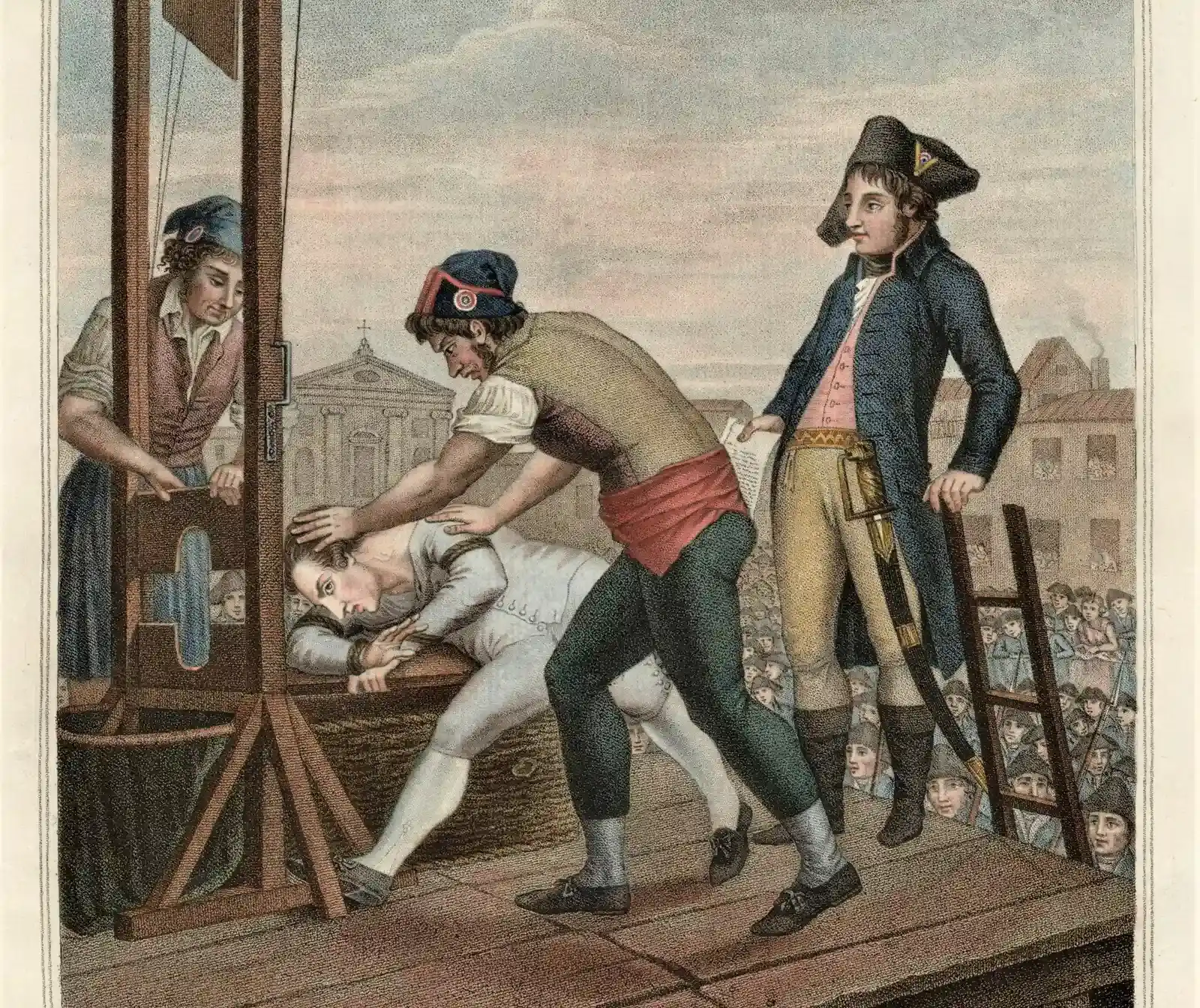
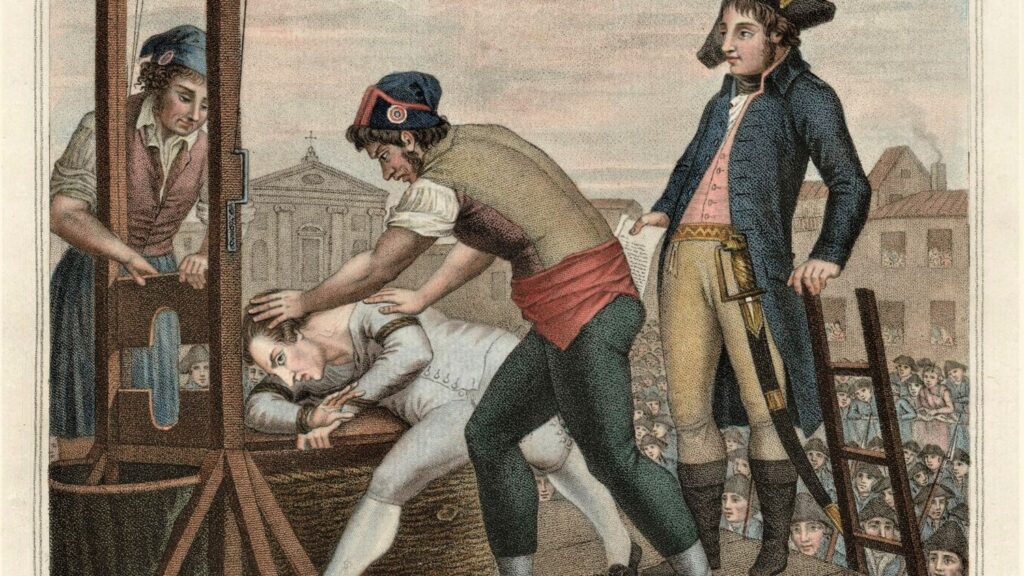
This one yanks you brutally out of the “ancient vs. modern” mindset. In your head, the guillotine belongs firmly in the French Revolution: powdered wigs, crowded squares, and angry crowds. Yet France used the guillotine as an official method of execution far into the twentieth century. The last execution by guillotine in France took place in 1977. By then, color television was common, commercial jet travel was normal, and the first Star Wars film had already hit theaters in 1977 as well.
So while audiences were lining up to watch lightsabers and space battles, an execution method you mentally file alongside muskets and horse-drawn carriages was still in use. France did not abolish the death penalty until the early 1980s. This timeline twist shows you how stubbornly some institutions and practices can outlive the eras you associate them with. Technology, culture, and law do not update in sync; instead, they overlap in unsettling ways, which is why you can get a bizarre mix of science fiction and medieval-looking punishment in the same decade.
7. You are closer in time to the first pyramid than that pyramid is to some of the last pharaohs
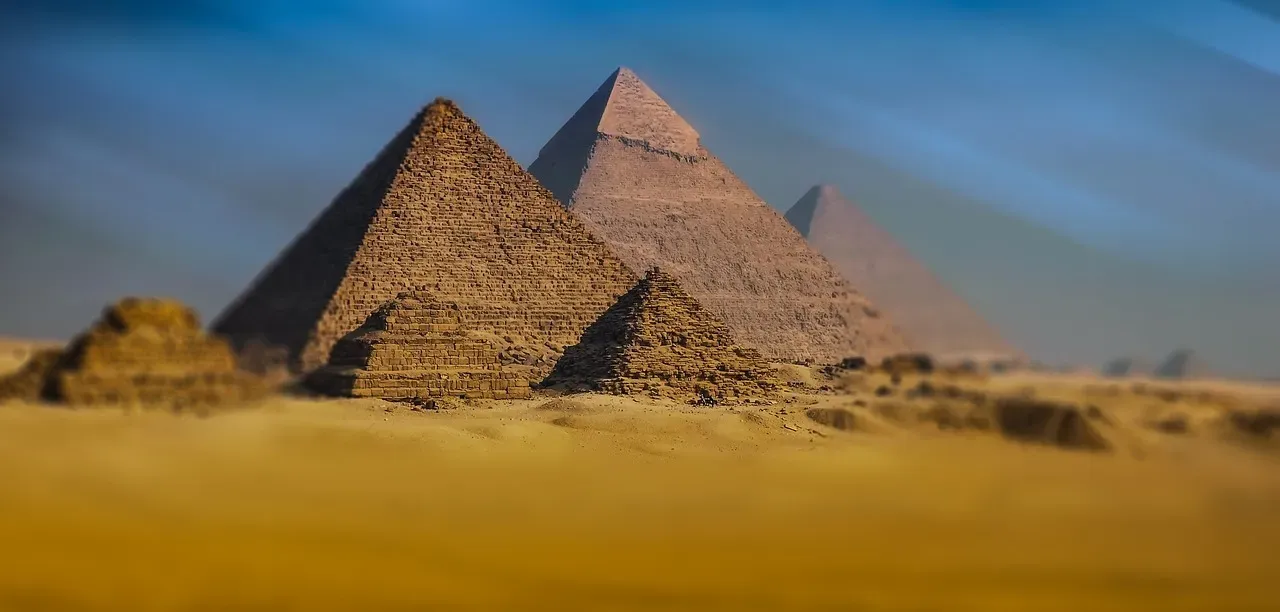
You often hear that ancient Egypt lasted about three thousand years, but your brain may not fully register what that really means. The earliest large step pyramid, built for the pharaoh Djoser at Saqqara, dates to the twenty-seventh century BCE. The last native Egyptian pharaohs ruled more than two thousand years later, with pharaonic rule eventually absorbed under foreign powers before Cleopatra’s time. That means there is a longer span from the earliest major pyramids to Cleopatra than from Cleopatra to you.
When you stand in front of a pyramid today, you naturally think of “the pharaohs” as one uniform group. In reality, an Egyptian laborer from the period of Djoser would see Cleopatra’s Egypt as wildly distant future – full of new gods, foreign dynasties, and completely different politics. The ground beneath their feet was the same Nile valley, but their mental world would differ as much as yours does from a Bronze Age herder. Once you really grasp how much can change in a few millennia, the idea of “timeless” ancient Egypt crumbles into a series of very different ages piled on top of each other.
8. The first known cities are older to Cleopatra than she is to you
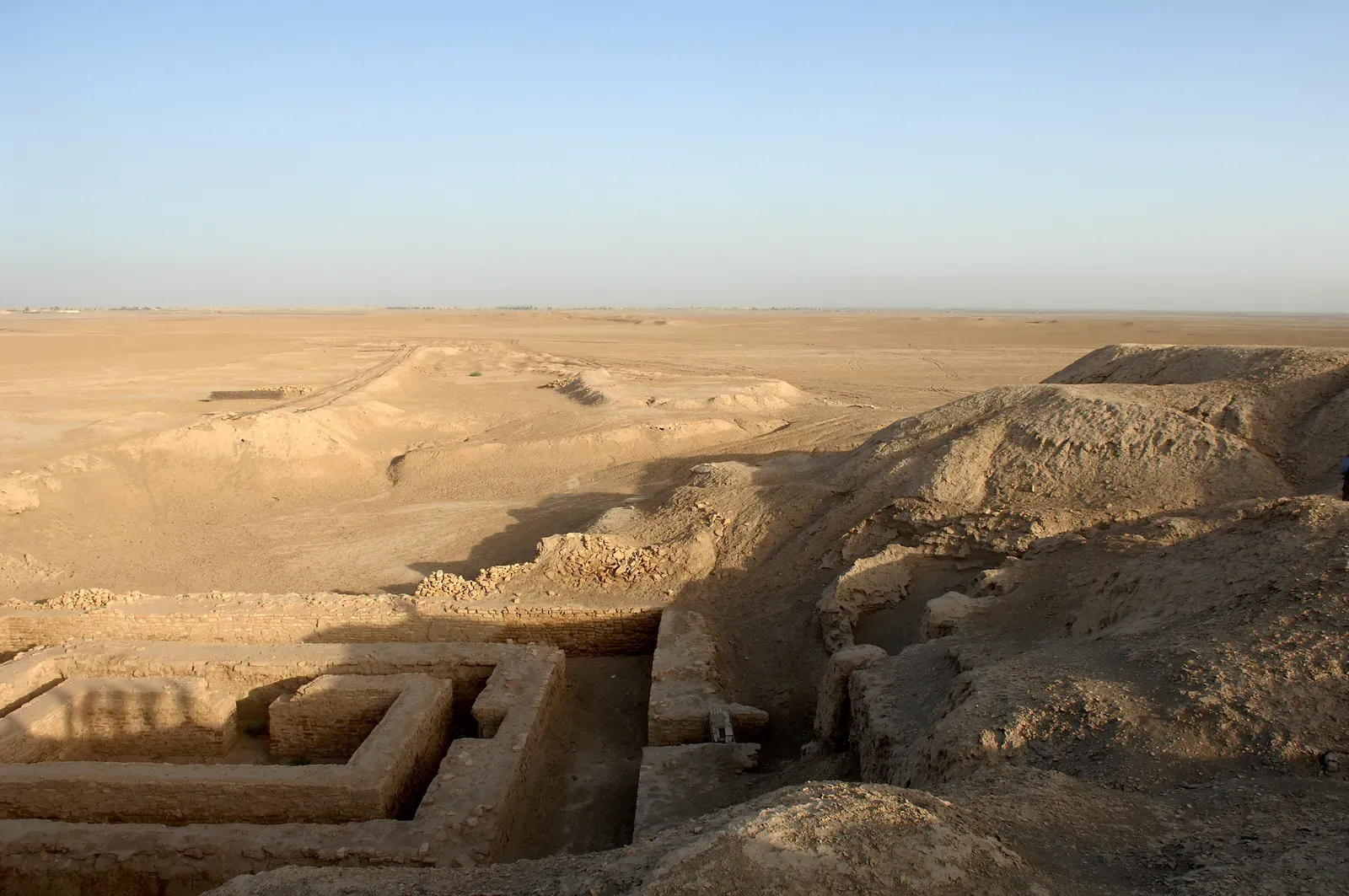
Cities feel like a permanent part of human life, but urban life has its own timeline shockers. Some of the earliest known urban centers in Mesopotamia – places like Uruk – date back to the fourth millennium BCE. Cleopatra’s Egypt, around the first century BCE, sits more than three thousand years after those first city experiments. By contrast, you sit about two thousand years after Cleopatra. On a timeline, she is significantly closer to you than to the people who first figured out how to cram thousands of humans into a dense, organized settlement.
Imagine a resident of early Uruk watching farmers turn into city-dwellers, writing emerge, and temples grow crowded with offerings. To that person, Cleopatra’s world – with its libraries, international politics, and Hellenistic culture – would feel unimaginably advanced. Yet to you, Cleopatra herself is shoved into the same “ancient” folder as those first city-dwellers. The fact that entire phases of urban civilization matured, collapsed, and were rebuilt long before her time shows you just how layered human history really is. You are not just late to the party; you are arriving after several different parties have come and gone.
9. The “Ice Age” overlaps heavily with fully modern humans, not just cave people
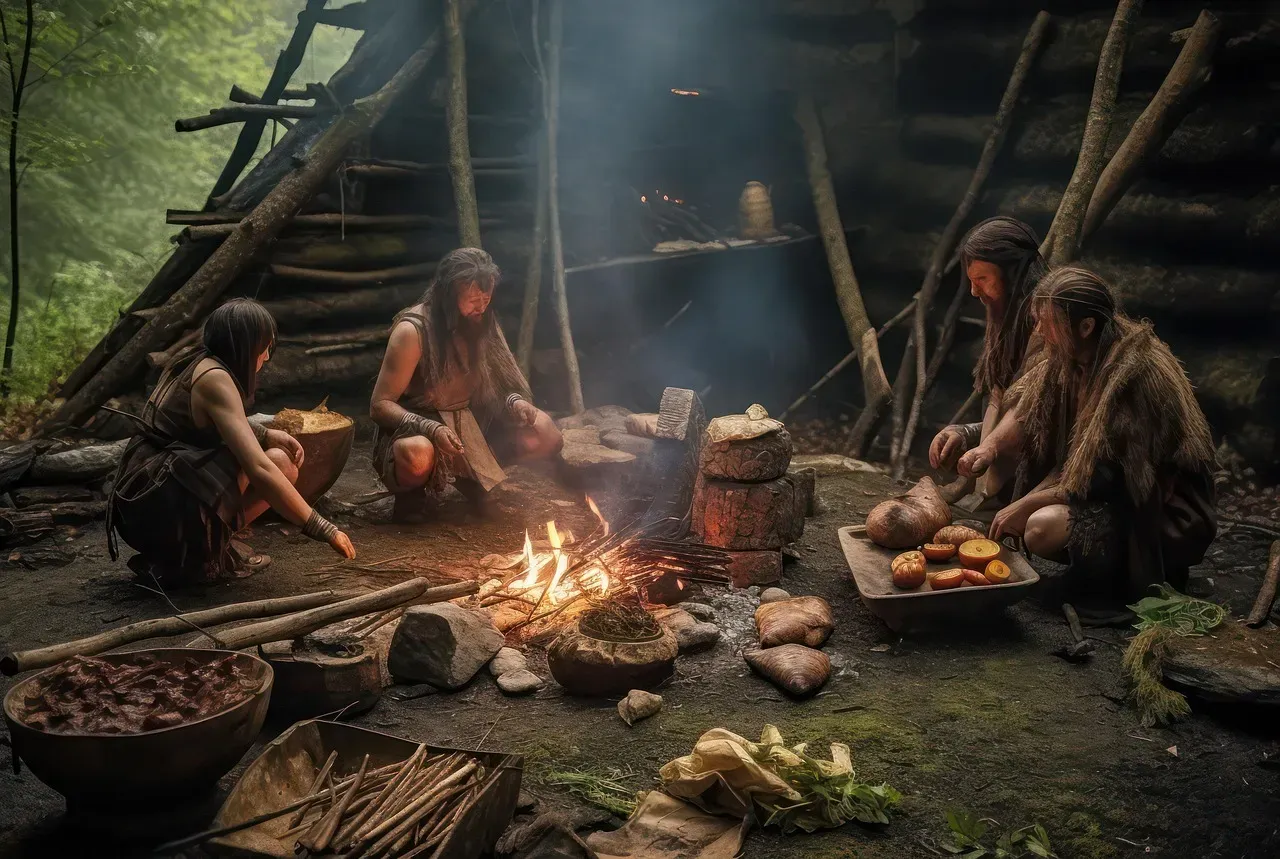
When you say “Ice Age,” you probably picture shaggy, half-bent cave people grunting in animal skins, as if modern humans had not really arrived yet. But your own species, Homo sapiens, has been around for on the order of hundreds of thousands of years, and for a big chunk of that time, you were already anatomically modern. During the last glacial period, early Homo sapiens were making art, burying their dead, trading materials over long distances, and adapting to wildly different environments across Africa, Europe, and Asia. In other words, people with brains like yours were walking around under Ice Age skies.
Think about that the next time you see a cartoon of someone dragging a club. If you dropped yourself into a well-established Homo sapiens group from tens of thousands of years ago and somehow learned the language, you might find them shockingly recognizable: forming social bonds, telling stories, worrying about children, and debating ideas by the fire. The “primitive Ice Age human” caricature actually flattens a huge, complex era filled with innovation and cultural variety. You are not the finish line of evolution, just one more chapter in a long, continuous story.
10. The gap between you and the first writing is smaller than the gap between that writing and the first stone tools
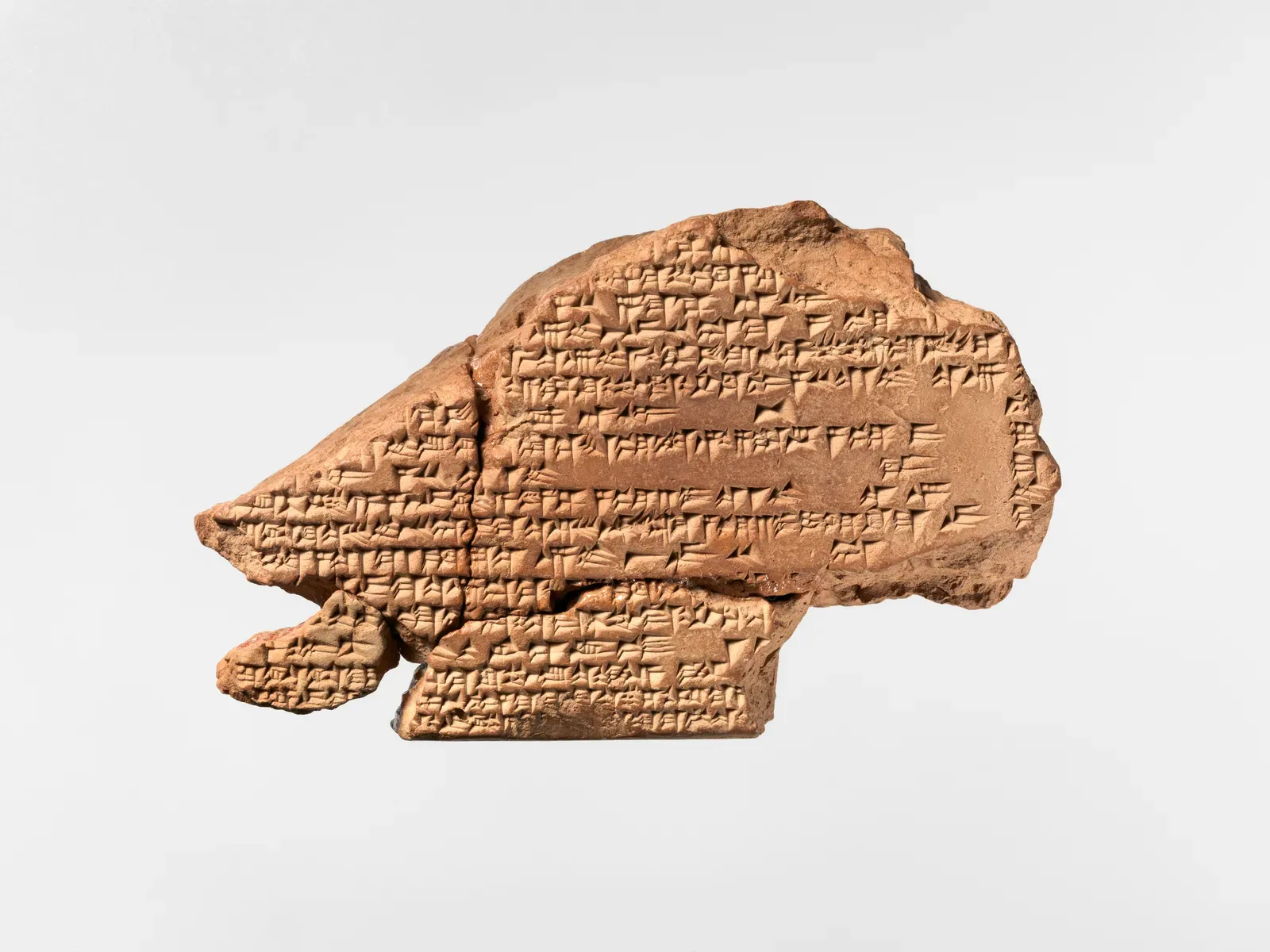
You tend to think of writing as unimaginably ancient, but in the grand sweep of human history, it is a fairly recent add-on. The earliest known writing systems, such as cuneiform in Mesopotamia, appear around the late fourth millennium BCE. Earlier than that, your ancestors were using stone tools for more than two million years. That means there is a huge gulf of time between the first chipped stones and the first written symbols, far larger than the few thousand years from those first texts to the present.
Put differently, by the time anyone scratched a recognizable word into clay, stone technology had already gone through countless improvements and migrations across continents. Yet in your head, “stone tools” and “no writing” feel like a short prelude before “civilization” begins. When you see the dates, you realize writing is one of the newest tricks in your cognitive toolbox. Most of human history – by sheer duration – was lived by people just as intelligent as you, but without a single written word. That should make you rethink what you really mean when you call something “prehistory.”
Conclusion: Your sense of “ancient” is lying to you
When you zoom out and look at these timelines side by side, you start to see how unreliable your gut feeling about “old” really is. Cleopatra is closer to you than to the Great Pyramid, mammoths shared the planet with pyramid-builders, T. rex sits nearer to you than to Stegosaurus, and a supposedly medieval execution device survived into the late twentieth century. You live in a thin slice of time balanced on top of an enormous stack of forgotten ages, and many of the things you shove into the same mental drawer are separated by gulfs bigger than all written history.
If there is a lesson here for you, it is that history is not a tidy line of progress but a messy, overlapping quilt of stories, experiments, and surprises. The more you pay attention to actual dates, the more that quilt comes into focus, and the more your world opens up beyond the narrow window of your own lifetime. So the next time someone calls something “ancient,” you might quietly ask yourself: ancient compared to what?