
Every time we think we have history neatly mapped out, some stubborn artifact or impossible structure shows up and quietly says: think again. Modern science can scan distant galaxies and split atoms, yet we still do not fully understand how some ancient people cut, lifted, measured, powered, or even imagined the things they left behind. That tension between what we know and what we cannot explain is exactly where these mysteries live.
What fascinates me most is not the wild theories, but the uncomfortable gaps in our own confidence. Some of these technologies probably have simple, practical explanations that have just been lost in time. Others hint that earlier civilizations were far more organized, mathematically savvy, and experimentally bold than we give them credit for. Let’s walk through ten of the most intriguing examples and look at what we truly know, what we strongly suspect, and where the story is still full of question marks.
The Antikythera Mechanism: A Bronze Computer from Another Age
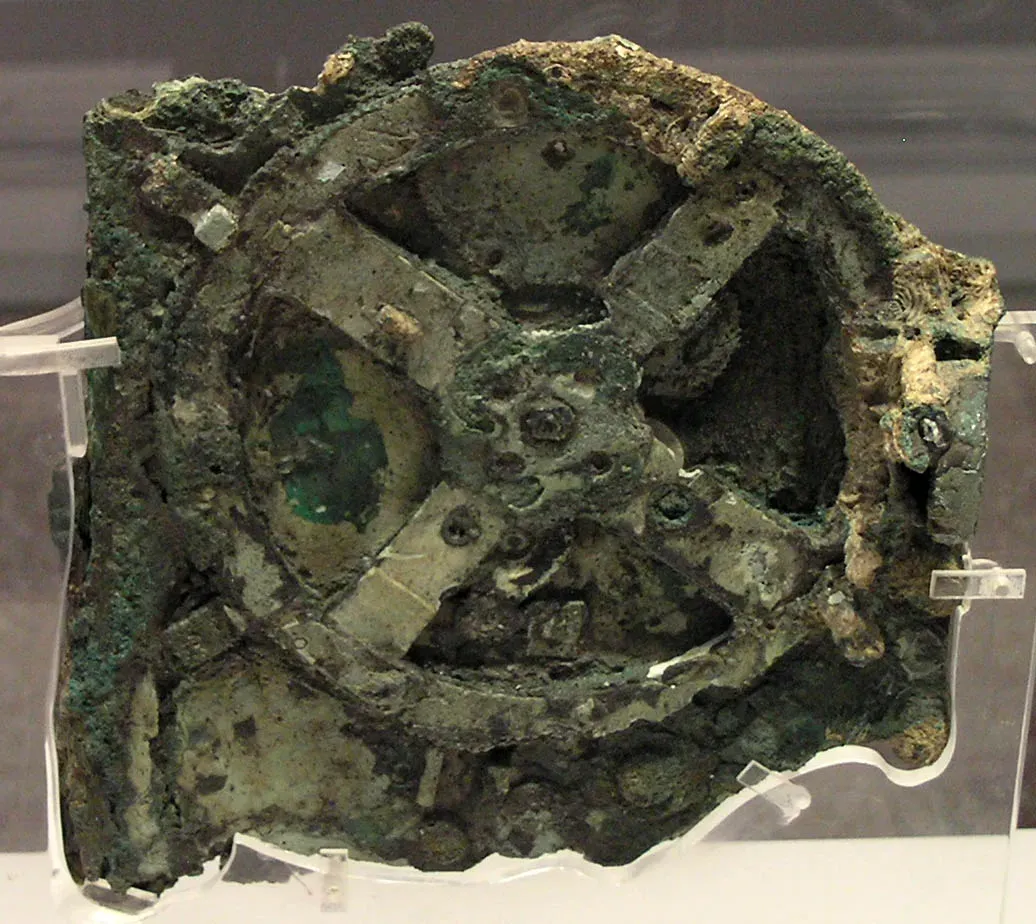
The Antikythera Mechanism is often described as the world’s first analog computer, and for once that popular label is not wildly exaggerated. Found in a shipwreck off a Greek island and dated to roughly the second or first century BCE, it is a corroded cluster of bronze gears that once modeled the motions of the Sun, Moon, and possibly the planets. Inside its shattered casing, researchers have identified dozens of interlocking gear wheels with tooth counts that encode sophisticated astronomical cycles.
Computed tomography scans and painstaking reconstructions have revealed that this device could predict eclipses and track complex lunar motions using clever mathematical tricks. Yet for all the progress, huge questions remain: Who exactly built it? How widespread was this level of engineering? Why have we never found another mechanism that even comes close in complexity from the same era? To me, the most startling part is not that the Greeks could build such a device, but that it looks less like a one-off miracle and more like a product of an entire, now mostly invisible, tradition of precision engineering.
Pyramids and Megaliths: The Heavy-Lifting Problem
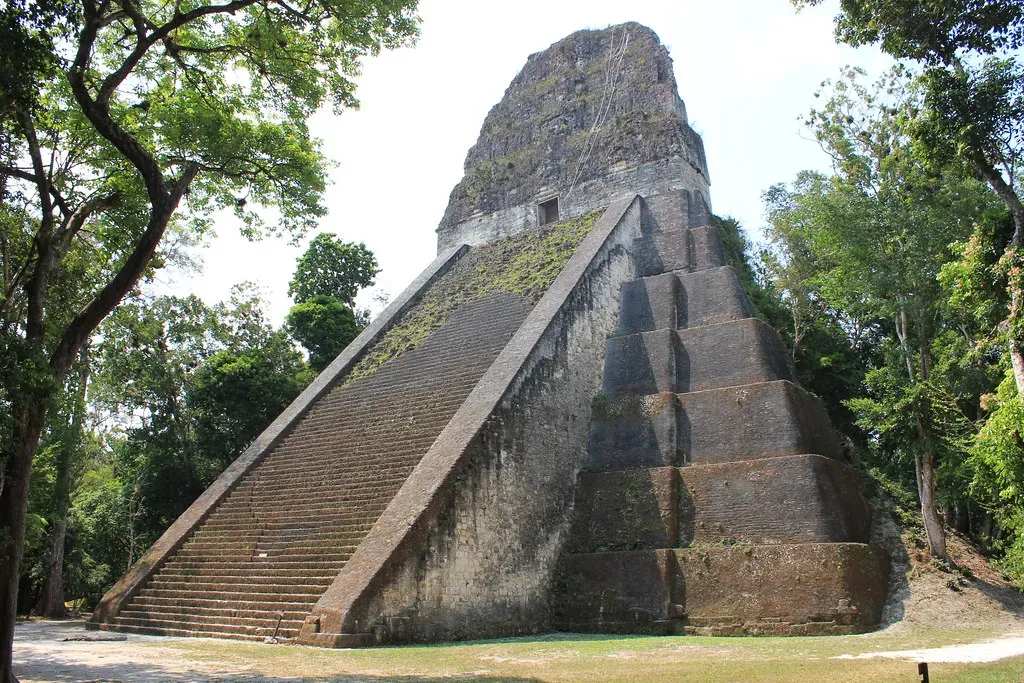
The Great Pyramid of Giza, massive megaliths at Baalbek, and other gigantic stone structures are often at the center of wild speculation, but there is a hard, practical problem at their core: logistics. How do you quarry, shape, move, and lift stones weighing many tons with no steel cranes, no diesel engines, and supposedly only simple tools? Archaeologists have plenty of theories involving sledges, ramps, rollers, levers, and sheer human manpower, and small-scale experiments show that these methods do work in principle.
However, the details still baffle modern engineers when they run the numbers for full-scale construction. What exact ramp systems would have been stable enough and short enough to be realistic? How did they align these structures with such precision while stacking millions of blocks? Why do we not find more clear, unambiguous construction blueprints or detailed descriptions? My own opinion is that there was no magical lost technology here, but a combination of brilliant organization, incremental innovation, and an absolutely massive tolerance for labor that would horrify any modern project manager.
Roman Concrete: Building Materials That Outlive Empires

Walk along a modern coastline and you will see steel-reinforced concrete rotting and rusting in only a few decades. Then you look at some ancient Roman harbor structures, sea walls, and buildings that have survived nearly two thousand years of waves, salt, and weather, and you begin to realize the Romans were doing something very right. Their concrete, made with volcanic ash, lime, and aggregate, does not just resist cracking; in some conditions it actually grows stronger over time.
Modern materials science has uncovered that this ash-lime mixture can form rare mineral crystals inside the concrete as it reacts with seawater, effectively self-healing micro-cracks. The puzzle is not that we know nothing about it, but that we still struggle to replicate its performance at scale and under modern constraints. Why did such an effective recipe fall out of use? Could a refined version help us build longer-lasting, lower-carbon infrastructure today? It feels slightly embarrassing that an empire that fell more than a millennium and a half ago may still be beating us at long-term durability.
Ancient Metallurgy: Surprisingly Advanced Alloys and Hardness

From the famously resilient Damascus blades to high-tin bronze mirrors and extraordinarily pure iron pillars, ancient metallurgy hides a lot of know-how behind an apparently simple craft. Some artifacts show microstructures and alloy compositions that suggest very fine control over heating, quenching, and impurity management, long before modern thermometers or phase diagrams existed. In certain cases, materials show resistance to corrosion or unusual hardness that modern blacksmiths can only reproduce with careful, laboratory-informed techniques.
What baffles scientists is not that ancient smiths could experiment, but that they could repeatedly hit these sweet spots of composition and treatment without the measuring instruments we take for granted. Were these results the product of wide-spread, standardized knowledge, or isolated workshops that guarded their secrets as jealously as any modern tech firm? When I first learned how sensitive steel is to tiny changes in temperature and carbon content, it made these archaeological metallurgical feats feel a lot less quaint and a lot more like cutting-edge research hidden in plain sight.
Nazca Lines and Geoglyphs: Giant Designs Without a Bird’s-Eye View
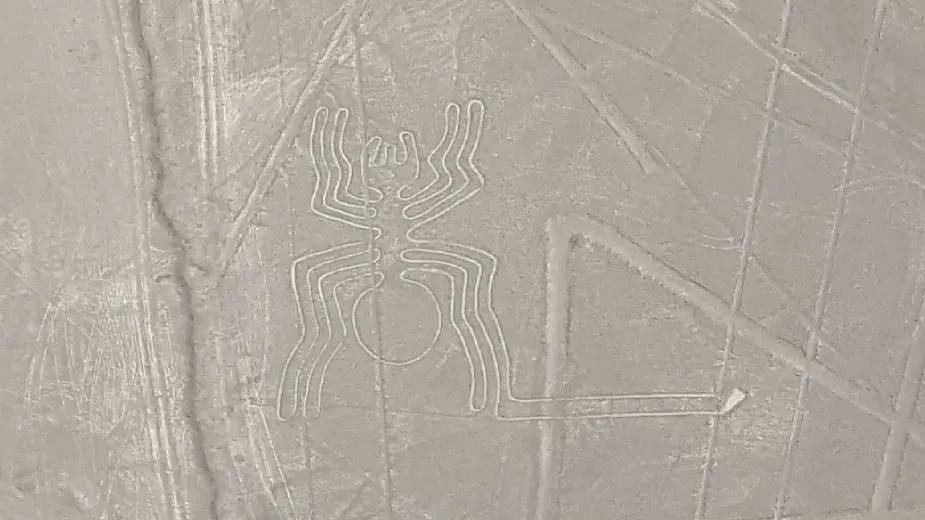
The Nazca Lines in Peru and other ancient geoglyphs around the world pose a simple but slippery question: how do you design and execute precise images that stretch hundreds of meters across when you cannot see them from above? These shapes and straight lines were scraped into the desert surface, some forming animals and geometric figures that only make sense from high up in the air or from surrounding hills. Modern people can map them with satellites and drones, but the original builders had none of that.
Researchers have proposed that the Nazca and other cultures could have used grids, stakes, ropes, and basic surveying techniques to scale up smaller designs. That makes sense mathematically, and experimental archaeologists have successfully created large figures this way, but we still lack consensus on the exact methods and motivations. Were they ritual pathways, astronomical markers, offerings to deities in the sky, or something we have not fully grasped yet? For me, the real marvel is not whether they could technically do it, but how much effort they invested into messages meant to be read by the gods, the landscape, or perhaps simply by time itself.
Anomalous Stone Cutting: Precision in Hard Rock
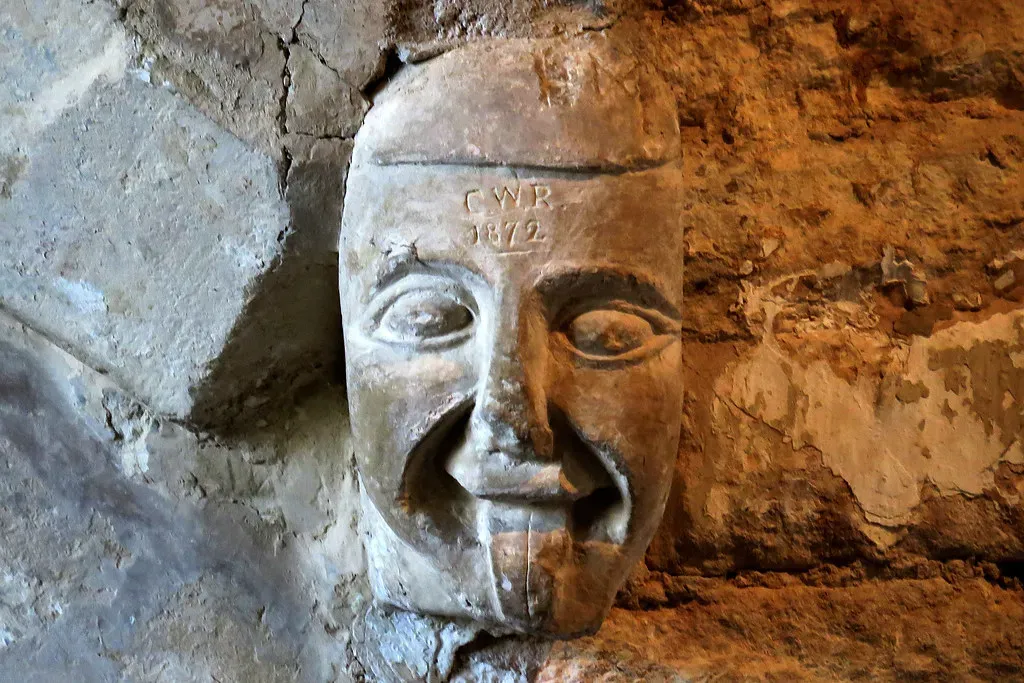
All over the world, from Egypt to South America and parts of Asia, there are blocks of hard stone with cuts, drill holes, and polished surfaces that look suspiciously precise even to a modern machinist. Some granite and diorite artifacts show smooth internal edges and consistent grooves where experiments with simple chisels, sand, and copper tools struggle to match the speed or finish. Archaeologists generally argue that abrasives, patience, and large skilled workforces can explain these results, which is probably true in broad strokes.
Yet when engineers examine certain drill cores or interlocking stone joints that fit with almost no visible gap, they sometimes struggle to reverse-engineer the exact tools and methods. Were there clever jigs and fixtures, early forms of lathes or drilling rigs powered by human or animal labor, that simply did not survive? Or are we underestimating just how many hours of trial, error, and manual skill went into each piece? Personally, I think this is one area where the mystery is less about secret high-tech tools and more about how modern people have lost patience for labor measured in generations rather than quarters.
Ancient Astronomical Alignments: Cosmic Precision Without Modern Instruments

Many ancient structures align eerily well with solstices, equinoxes, star risings, and lunar cycles. From stone circles that catch the first sunlight of midsummer, to temples where a single shaft of light illuminates a sacred statue on a particular day, these alignments were clearly not accidents. What puzzles scientists is how accurately some of these alignments were achieved over long distances and in complex landscapes, all without telescopes, precision clocks, or digital models of the sky.
We know ancient observers could track the heavens with naked eyes and simple sighting tools, and that patient observation over generations reveals precise cycles. What remains debated is how widespread this specialized astronomical knowledge was, and how it was coordinated with architectural planning and religious practice. Were there dedicated scientific elites, or was sky-watching a more communal craft? The more we uncover, the more it seems that many ancient cultures treated the sky as both a sacred text and a giant, reliable calendar, while we often treat it as background noise behind city lights.
Ancient Batteries and Electrical Curiosities: The Baghdad Puzzle
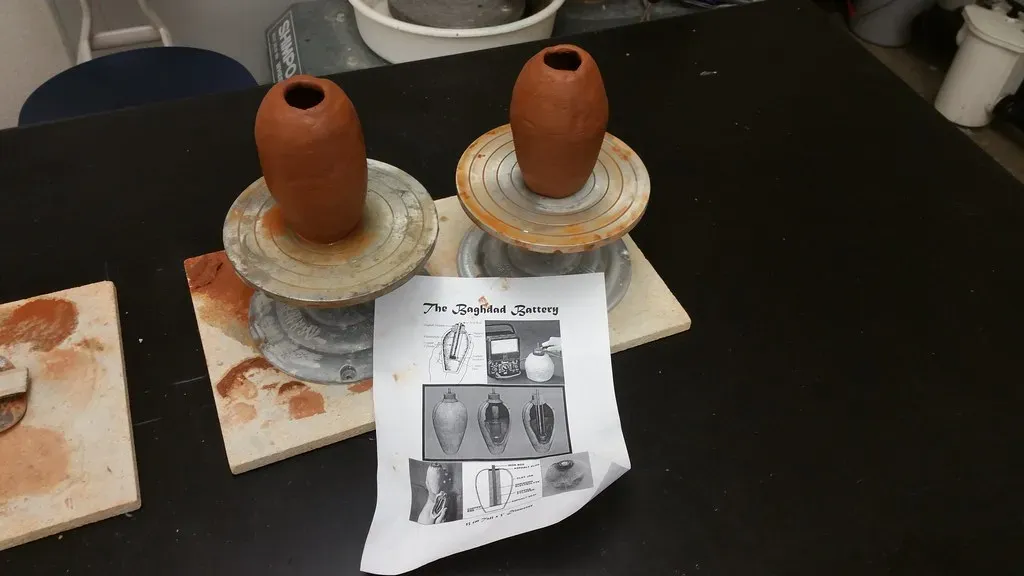
Among the more controversial artifacts are objects like the so-called Baghdad Battery, a set of clay jars with metal components found in Iraq and dated to ancient times. When modern experimenters filled replicas with acidic liquids, they produced modest electrical voltages, sparking theories that people in the region may have played with electricity long before it was formally studied. However, there is no clear consensus that these artifacts were intentionally designed as batteries rather than for some other mundane purpose.
This is a great example of how a catchy label can outpace the evidence. It is entirely possible that ancient experimenters noticed strange effects like tingling sensations or metal reactions when certain materials were combined. But so far, we lack solid proof of a systematic electrical technology, let alone anything approaching our modern understanding of circuits. I find this area fascinating because it shows how easy it is to project our own obsessions backward in time, while the real story might be about curiosity, ritual, or chemistry rather than practical electric power.
Indus Valley Urban Planning and Water Systems
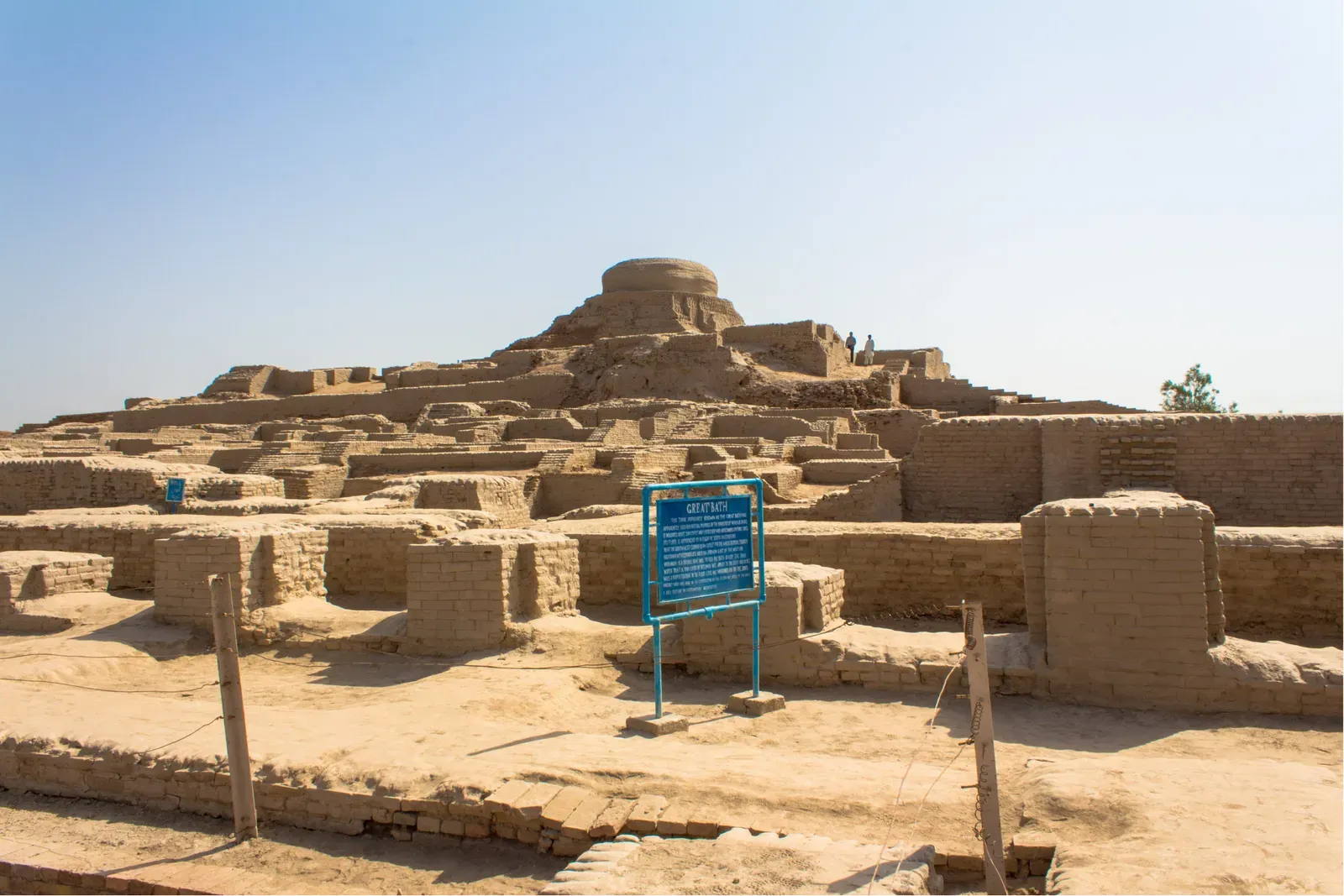
The ancient Indus Valley civilization, with cities like Mohenjo-daro and Harappa, left behind an urban footprint that still surprises modern planners. Their streets often followed orderly grids, houses sometimes had private bathing areas, and many sites show remarkably advanced drainage and sewage channels built into the fabric of the city. For a Bronze Age culture, this level of everyday hygiene and infrastructure feels strikingly modern.
What baffles researchers is not only how sophisticated these systems were, but how coordinated the planning appears to have been across different cities, especially given that we still cannot read their script with confidence. How did they manage water distribution, waste removal, and flood control at such scale without clear evidence of monarchs or monumental propaganda? The mystery here is less about some lost machine and more about governance, knowledge transfer, and social priorities. In some ways, their emphasis on sanitation puts many later societies, including our own at times, to shame.
Ancient Shipbuilding and Ocean Voyages Beyond the Map

Before modern navigation instruments, crossing open oceans was perilous, yet there is growing evidence that ancient sailors traveled farther and more confidently than traditional history textbooks once admitted. From sturdy Polynesian canoes that navigated vast stretches of the Pacific using stars, swells, and bird behavior, to surprisingly large and seaworthy Mediterranean and Indian Ocean ships, the technological and navigational skill on display is impressive. Some trade routes connected distant cultures long before official “discoveries” were ever written down.
Scientists and historians still debate just how far some of these seafarers went, and whether certain apparent contacts between continents really happened or are overstated. What is clear is that shipwrights and navigators developed robust mental models of the seas and skies that allowed them to manage risk in ways we are only beginning to reconstruct through experimental voyages. Personally, I think we still underestimate how daring and data-driven these early navigators were, simply because their charts were stored in stories, songs, and muscle memory instead of on paper.
Conclusion: The Real Mystery Behind Ancient “High Tech”

When you look closely at these ten examples, a pattern emerges that is more humbling than sensational. The baffling part of ancient technology is not that it proves impossible alien interventions or secret super-science, but that it shows how far patience, careful observation, and relentless trial and error can go without our modern tools. We are often shocked to discover that people two or three thousand years ago could think in ways that feel eerily similar to our own engineers and scientists, even if they wrapped their work in myth and ritual.
My own opinion is that clinging to outlandish explanations actually sells ancient people short. The real story is that human curiosity and ingenuity are not modern inventions, and that entire technological traditions can rise to remarkable heights, then vanish almost completely in a few centuries. Maybe the most important question is not how they did it, but what we are currently doing that future archaeologists will also struggle to explain. Which of our own technologies will look impossibly advanced, or strangely shortsighted, when dug up a few thousand years from now?