You have probably felt that strange tug of curiosity when you look at a massive ancient ruin and think, there’s no way they did that with simple tools. Conspiracy theorists lean hard into that feeling. They argue that some ancient technologies were so advanced, so disruptive, that later powers had every reason to bury them, rewrite the story, and pretend they never existed. You do not have to believe every claim to find them thought‑provoking, because they usually latch onto something real: gaps in the archaeological record, unexplained engineering feats, or forgotten techniques that modern science is only now starting to understand again.
In this article, you are going to walk through ten of the most talked‑about “deliberately forgotten” technologies. For each one, you will see where the real evidence stops, where speculation begins, and why these ideas fascinate so many people. You will also see that in many cases, there is a perfectly grounded explanation that is still impressive without needing secret cabals or aliens. Think of this as standing in a museum with a very skeptical guide in one ear and an imaginative friend in the other – and you get to decide which voice you trust more.
1. The Precision Stonework Of Egypt And Peru

When you stare at the pyramids, or at the insanely tight stone joints in places like Sacsayhuamán in Peru, you might feel like you are looking at a lost manual on advanced construction. Some conspiracy theorists claim those stones were cut with forgotten machines, lasers, or some kind of vibration technology that softened rock like clay. From this view, later civilizations supposedly hid the knowledge to keep that power out of the hands of ordinary people, or to maintain a myth that your ancestors were less advanced than you are. The sheer scale, alignment, and durability of these monuments feed that sense that something is missing from the official story.
What you actually find, when you look carefully, is that ancient builders had time, labor, clever engineering, and a deep understanding of materials. You see signs of copper tools, abrasives like sand, levering techniques, and ramps – not sleek machines. The tolerances can be astonishing, but they are within what can be achieved with massive effort, trial and error, and generations of craft knowledge. If anything was “forgotten,” it is more the patient, large‑scale organization of thousands of workers over decades, not a single magic device that suddenly vanished from human memory.
2. Roman Concrete That Outlives Modern Buildings

Conspiracy‑minded people love to point at a crumbling modern bridge and then at a Roman harbor wall that has sat in seawater for nearly two thousand years, and ask if you are really as advanced as you think. Roman concrete, especially in marine environments, can actually get stronger over time, while many modern mixes slowly weaken. That contrast fuels the idea that someone, somewhere, did not want you to keep using that recipe, maybe because it threatened profit, or because a more fragile infrastructure is easier to control. It sounds almost like a plot from a dystopian novel.
What recent research shows, though, is that Roman concrete’s durability comes from the way volcanic ash, lime, and seawater interact, forming crystals that reinforce the structure from within. You can already see modern engineers experimenting with revived “Roman‑style” formulas for longer‑lasting structures. So instead of a lost super‑tech held back by shadowy forces, you are looking at knowledge that slipped into obscurity through changing building styles, supply chains, and cost pressures – and is now being rediscovered in journals and laboratories, not in secret vaults.
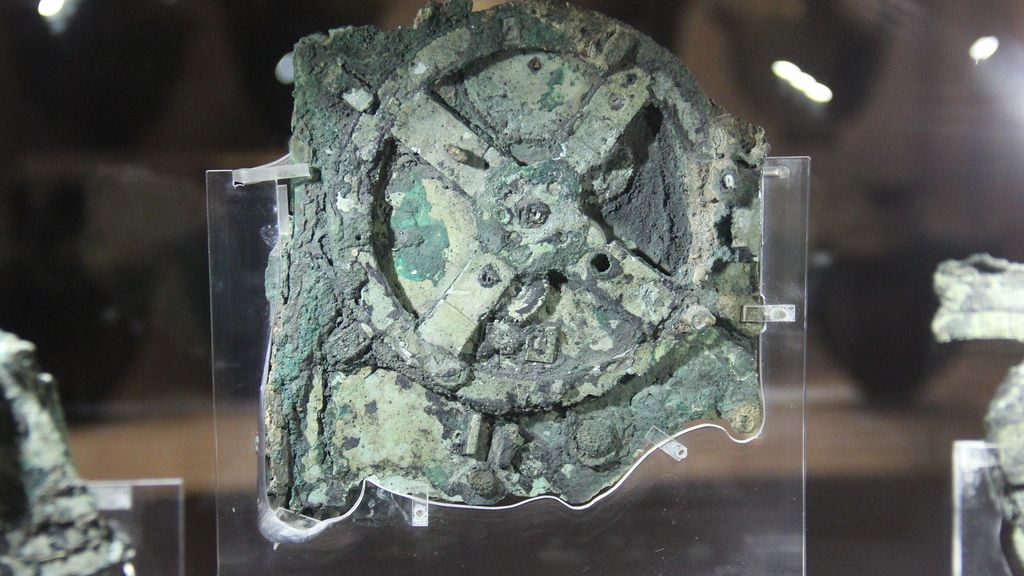
3. The Antikythera Mechanism And Ancient Analog “Computers”
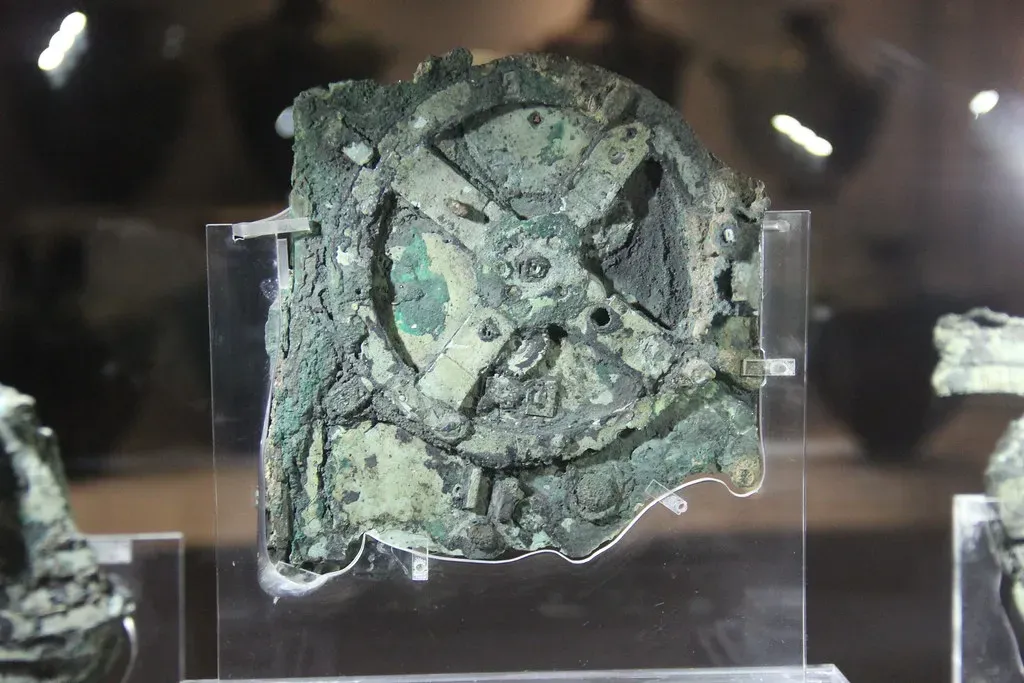
When you hear that an ancient device pulled from a shipwreck can model the motions of the Sun, Moon, and planets, you might feel like your mental timeline for technology just snapped. The Antikythera mechanism, found off a Greek island, is so intricate that some people insist you are not meant to believe it is real. In conspiracy circles, this kind of object becomes proof of an entire buried era of precision engineering, with gear‑driven calculators, star maps, and sophisticated clocks that were later suppressed or destroyed to control how you see the flow of human progress.
In reality, what you have is one extraordinary example of Hellenistic engineering, built by craftspeople who understood gears, ratios, and celestial cycles with jaw‑dropping skill. It does not require hidden civilizations or alien tutors, just a long tradition of observational astronomy and metalworking that left very few surviving artifacts. The “forgetting” here is less a deliberate cover‑up and more the brutal randomness of history: wars, shipwrecks, corrosion, and the fact that delicate bronze mechanisms do not survive as easily as stone temples do. You are lucky that even one such device made it to you at all.
4. Ancient Energy Weapons And “Vimana” Technology

If you dive into online forums, you will quickly run into claims that ancient cultures possessed energy weapons, flying craft, and beam‑like technology described in old myths and epics. Some people argue that descriptions of heavenly chariots, thunderbolts, or fire from the sky are literal references to advanced machines, not poetic storytelling. In this worldview, you are living in a carefully edited sequel to an earlier technological age, and the records of those tools were either destroyed or disguised as religion and legend to keep you from piecing together what really happened.
Most historians and linguists see those stories very differently, as rich symbolic language mixing natural phenomena, warfare, and the imagination. When you read them with context, they do not behave like technical manuals at all; they behave like what they are – myths, metaphors, and political messages from their own times. That does not mean ancient people were naive; it means they expressed power and wonder through images that made sense to them. If you are looking for hidden blueprints in every dramatic sky battle, you will probably miss the real achievements they actually left behind in metalwork, agriculture, architecture, and navigation.
5. Lost Knowledge Of Sound Levitation And Acoustic Engineering

One of the most seductive ideas is that your ancestors used sound itself – chants, horns, resonant stones – to lift and move huge blocks. Conspiracy theorists sometimes point to temples with unusual acoustics, or to carvings of musical instruments, and suggest there was a full‑blown sound technology that could suspend gravity, disassemble matter, or heal instantly. In this story, that knowledge becomes too dangerous and is deliberately suppressed, locked away in esoteric traditions, or wiped from public memory so no one can weaponize it.
What you can see and measure, though, is that ancient builders definitely cared about acoustics in a practical, earthly way. They shaped theaters so a performer’s voice could carry to thousands, tuned chambers in tombs and temples to amplify ritual sounds, and used resonance to create powerful emotional effects. You can still experience some of that today when you clap in an old cathedral or stand in the “sweet spot” of an amphitheater. The leap from intelligent acoustical design to full‑scale anti‑gravity is where evidence falls away, and you are left with imagination rather than testable techniques.
6. Advanced Metallurgy And “Unbreakable” Ancient Steels

You might have heard stories about legendary swords that never dulled, pillars that never rust, or blades that could slice through modern steel. These tales feed the idea that ancient smiths had formulas and heat‑treating methods that surpass what you use now, and that someone, at some point, chose not to pass them on. Conspiracy interpretations often suggest that guilds, empires, or later industrial interests either hid or lost these recipes to protect economic advantages or to keep weapons technology in the hands of a few.
When scientists examine surviving artifacts, they do find sophisticated techniques: patterned steels created by careful folding, controlled carbon content, and sometimes the presence of tiny carbides or other structures that gave blades special properties. You see remarkable skill and experimentation, but not magic. Many of those methods faded because trade routes changed, ore sources shifted, or newer mass‑production methods prioritized quantity and consistency over artisanal extremes. If you tried to recreate some of those steels today, you could – but you would also discover why they were rare, expensive, and not suited for outfitting entire modern armies or industries.
7. Forgotten Herbal Medicine And Ancient Surgical Skill

The idea that ancient healers had access to powerful cures that modern medicine ignores is incredibly appealing, especially when you feel let down by crowded hospitals and confusing pharmaceutical ads. You will see claims that old papyri, clay tablets, or traditional texts hide knowledge of universal antibiotics, cancer cures, or regeneration therapies that were intentionally sidelined. The suggested motive is usually profit or control: if cheap plants or simple techniques worked too well, huge industries would crumble, so the story goes.
When you look closely at real historical medical records, you do find evidence that some ancient treatments were surprisingly effective: antiseptic herbs, pain relief mixtures, careful wound care, and even basic surgeries that saved lives. You also find a lot that did not work, or was actively harmful, by today’s standards. Modern research is steadily revisiting traditional remedies and sometimes finding valuable compounds, but it also subjects them to testing, dosage studies, and safety checks. So you are not living in a world that hates old knowledge; you are living in one that has to filter it through evidence so it can become reliably useful to more than a handful of lucky patients.
8. Megalithic Transport: Moving Stones Without Modern Machines
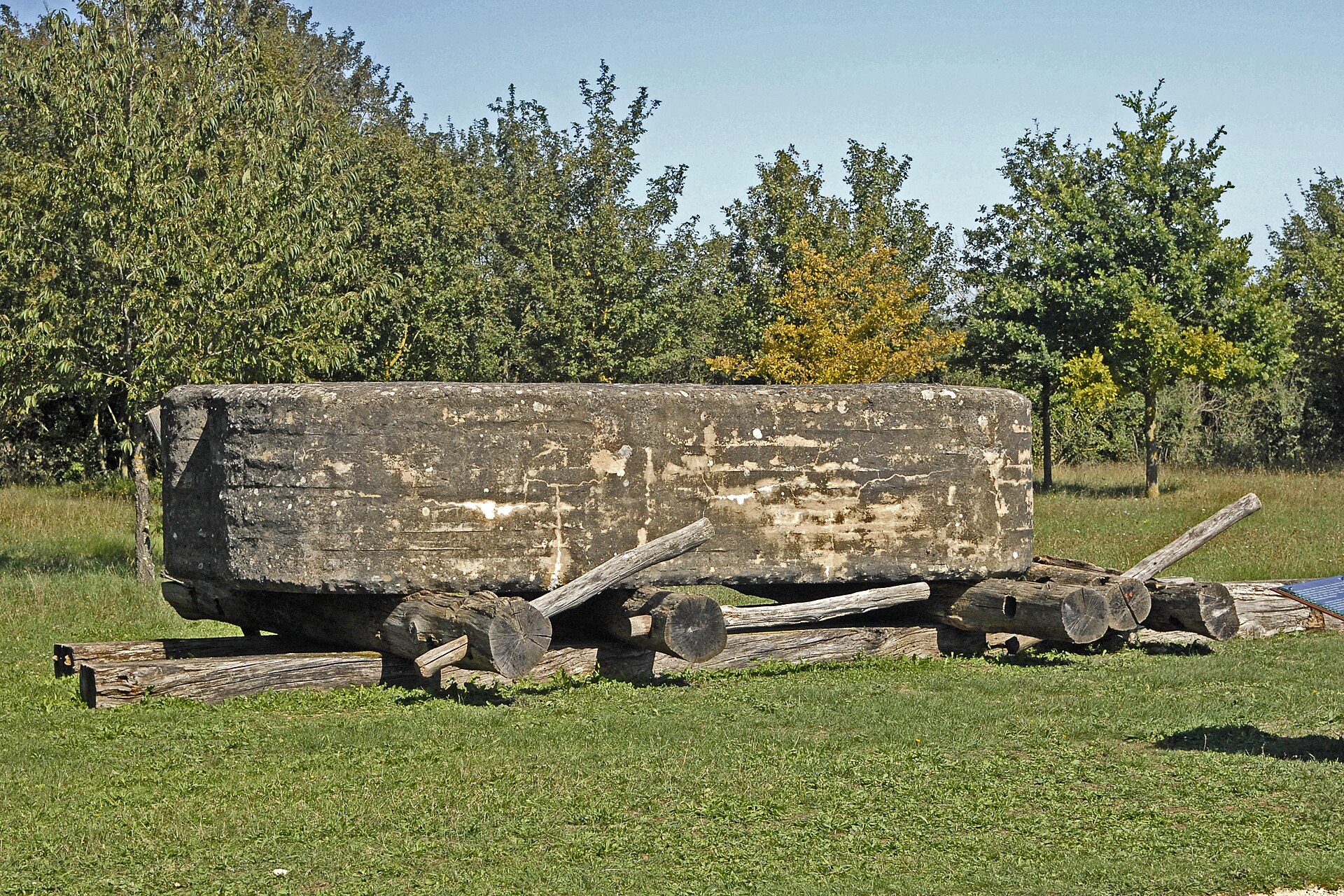
Whenever you see a multi‑ton stone transported from miles away and placed with astonishing accuracy, you are invited to wonder how. Conspiracy theories step into that wonder by proposing hidden devices: anti‑gravity platforms, underground rails, or secret engines that could move stones as if they were feathers. In these narratives, later authorities supposedly forced people to accept primitive explanations so that you would underestimate your ancestors and never question the official timeline.
Yet modern experiments using ropes, sledges, wooden tracks, rolling logs, and coordinated teams have shown again and again that people can move surprisingly massive loads with simple physics, time, and teamwork. You might underestimate just how much organization, planning, and human power a determined society can muster, especially when a monument has deep religious or political meaning. That does not make the feats less impressive; if anything, it makes them more human. You are looking at communities willing to invest lifetimes into a shared vision, not at machines that disappeared without a trace.
9. The “Baghdad Battery” And Early Electrical Curiosities
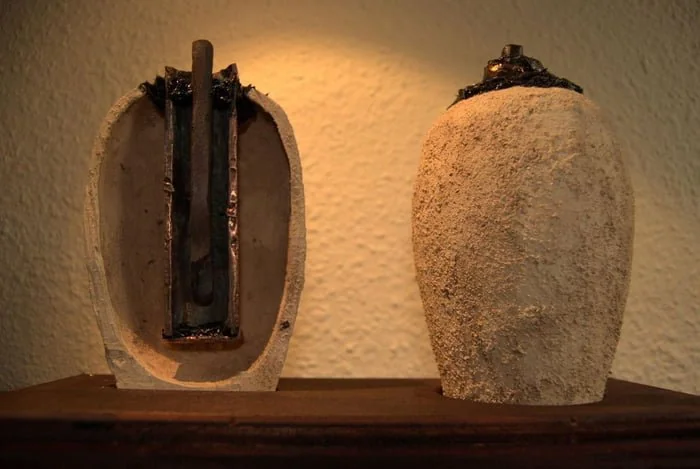
The so‑called Baghdad Battery – ceramic jars with metal components found in Iraq – has become a favorite prop in documentaries about lost electricity. Some people argue that these objects were small power cells used for electroplating, lighting, or even medical stimulation, and that ancient societies had a practical electrical technology that was later buried. This tale usually comes bundled with images of glowing bulbs in temple carvings and the suggestion that you are centuries late to the electricity party.
Archaeologists and historians are far less convinced. The jars may have had non‑electrical functions, and there is no solid chain of evidence showing a real electrical system built around them. When you compare this to documented breakthroughs in early modern electricity, you do not see the expected infrastructure, writings, or widespread applications in antiquity. What you have instead is a set of intriguing artifacts that happen to be roughly compatible with a battery design, plus a modern imagination that loves to connect dots into a story. You can remain open to new discoveries without acting as if a whole electrical age was carefully erased.
10. Ancient Maps And Alleged Global Navigation Systems

Certain old maps that seem to show surprisingly accurate coastlines, or landmasses with unexpected detail, are often used to claim that ancient sailors had global navigation down long before your textbooks admit it. In the conspiracy version, advanced seafaring cultures charted much of the world, then their charts were copied imperfectly into later maps, while their instruments and methods were lost or hidden. You are then invited to believe that history has been flattened to make certain later empires look more groundbreaking than they really were.
When cartographers and historians analyze these maps with care, they tend to find a mix of real observations, copying errors, guesswork, and projection distortions rather than clear proof of precise world surveys. Ancient and medieval navigators did achieve impressive feats using stars, currents, and dead reckoning, and some regions were mapped with surprising accuracy. But the idea of a fully global, highly precise navigation grid maintained over centuries and then neatly forgotten does not fit the scattered, messy evidence. What you are more likely seeing is a long, uneven climb in geographic knowledge, not a lost pinnacle wiped from the record.
Conclusion: What “Forgotten Technology” Really Says About You

As you step back from these ten examples, you might notice a pattern in yourself as much as in the stories. The idea of deliberately forgotten technology taps into your sense that the world is messier, stranger, and less under your control than you are told. It offers a hidden order behind the chaos, whether that order is ancient geniuses holding secrets or modern powers burying uncomfortable truths. That can feel exciting and strangely comforting, because it suggests there is more to discover just beneath the surface of everyday life.
If you stay curious but grounded, you can enjoy these theories without letting them replace evidence. You are living in a time when archaeology, materials science, and digital tools are uncovering more about the ancient world than ever, often revealing that your ancestors were both more ingenious and more human than the legends say. The real mystery is not whether some perfect super‑technology was erased, but how much powerful knowledge can quietly fade away when societies change, texts rot, and skills stop being taught. The next time you stand in front of an ancient ruin, you might ask yourself a different question: not what they knew that you have lost, but what you are taking for granted today that people centuries from now will barely believe you once understood.