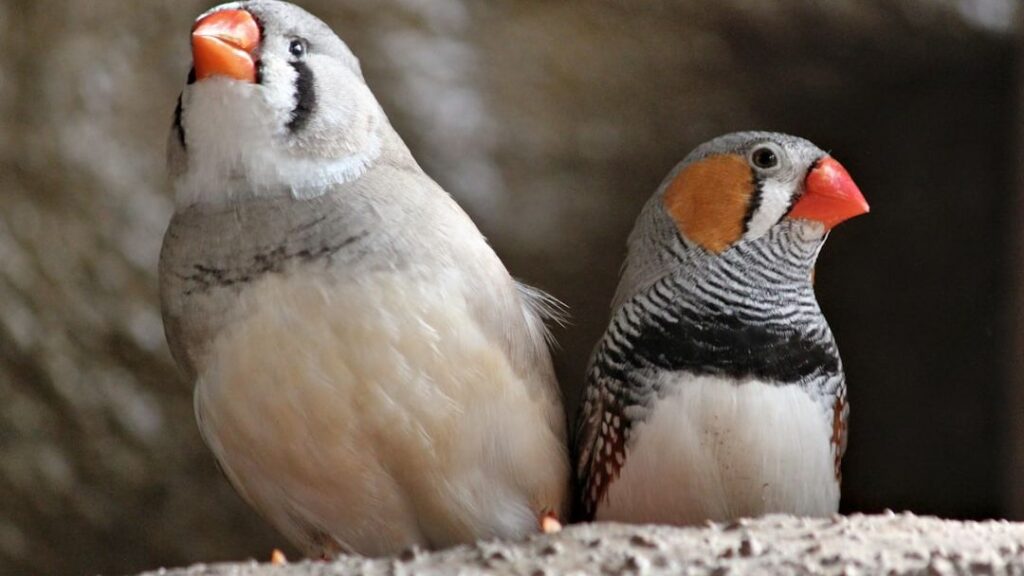

You probably see small, lively birds flitting past and assume they’re all the same. Then one day you really look at a finch, and suddenly this whole hidden world opens up: color, song, behavior, tiny dramas playing out on branches and feeders. Once you start noticing finches, it’s hard to stop, and that’s exactly why so many birdwatchers end up quietly obsessed with them.
As you read through these ten facts, you’ll see why these little birds inspire such loyalty. You’ll get a closer look at the quirks that make finches special, from their famous role in science to the way they squabble over sunflower seeds. By the end, you might catch yourself planning a better bird feeder setup or eyeing that patch of yard that could become a finch magnet.
1. You’re Watching One of the Most Important Birds in Science History
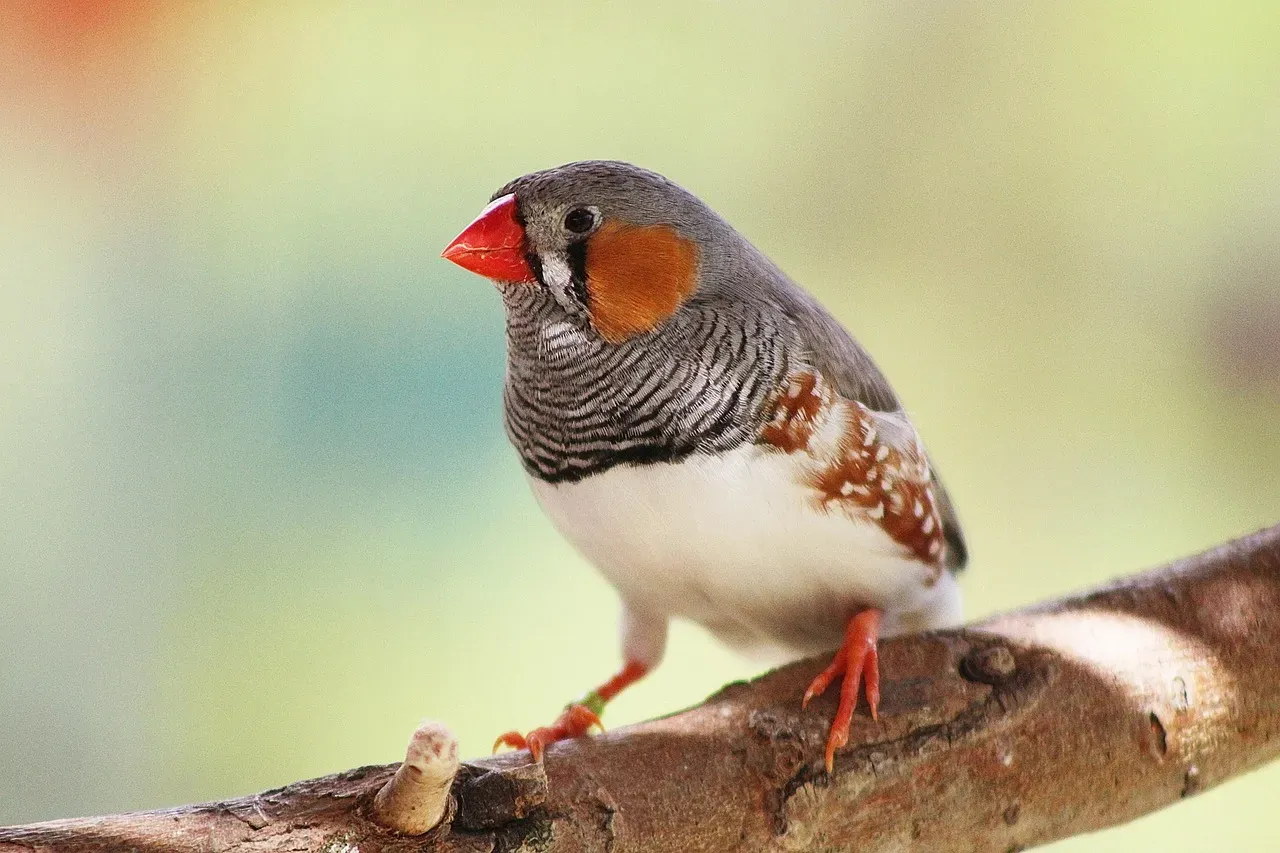
When you spot a finch, you’re looking at a bird that helped change how humans understand life on Earth. The finches that live on the Galápagos Islands famously played a key role in shaping the early ideas of evolution by natural selection, because different islands had finches with different beaks and habits. When you notice how varied finches can be, even in your own region, you’re peeking into the same kind of pattern: small changes, over time, that fit birds perfectly to their environment.
You don’t have to visit remote islands to see this in action. Just compare the thick, powerful beak of a seed-cracking finch at your feeder with the slender, pointed beak of a finch picking tiny insects from foliage. Once you start noticing those differences, you’re basically doing what early naturalists did: paying attention to how form relates to function. Every time you watch a finch use its beak like a specialized tool, you’re seeing evolution’s fingerprints up close.
2. Their Beaks Are Tiny Masterpieces of Design
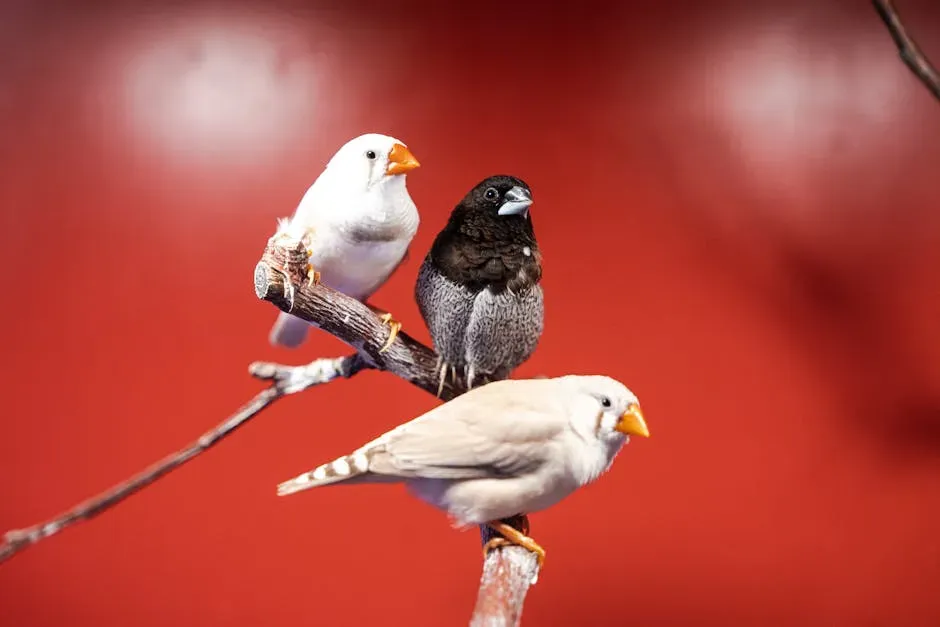
If you pay close attention, you’ll realize a finch’s beak is not just a simple triangle stuck on its face. It’s a precision instrument, shaped by what that species eats and how it lives. Some finches have short, thick, conical beaks that crush tough seeds like miniature nutcrackers, while others have slimmer beaks better suited for nibbling buds or picking insects from crevices. You can almost think of each beak as a different style of pliers or tweezers in a toolbox.
When you watch a finch at your feeder, notice how efficiently it handles each seed. It flips the seed with its tongue, cracks it with a quick squeeze, and discards the shell in a split second. In that tiny movement, you’re seeing years upon years of adaptation, all distilled into a motion so fast you might miss it if you blink. The more species you learn to recognize, the more you’ll see how those beak shapes reveal exactly how each bird survives.
3. You Can Identify Them by Their Songs and Calls
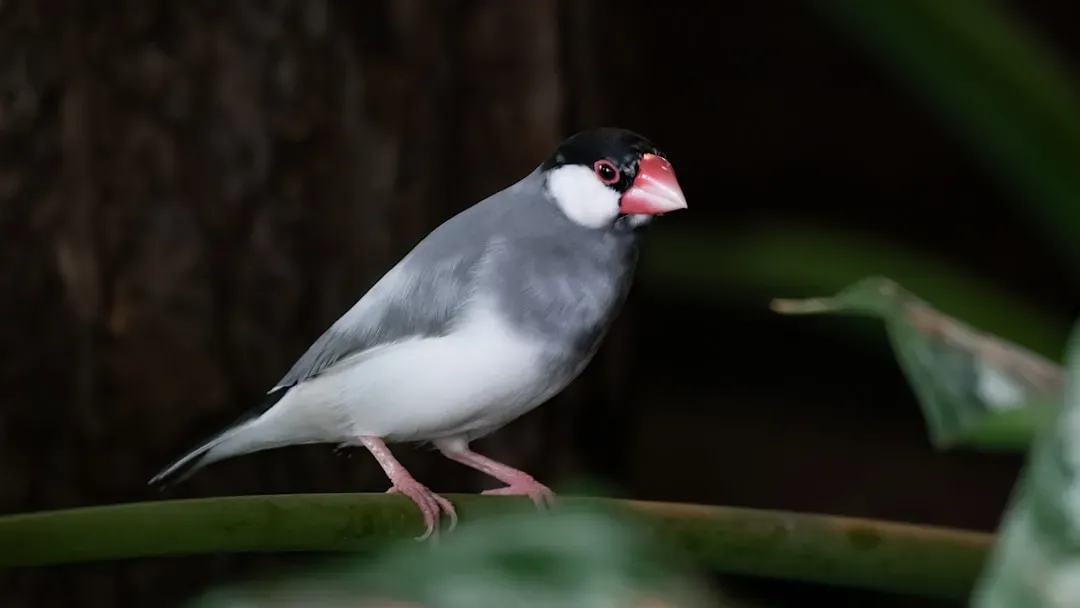
Once you tune your ear to finches, you’ll start recognizing them long before you see them. Many finches have bright, bouncy songs and distinctive contact calls, almost like musical signatures. A cheery series of notes from the treetops, a sharp “cheep” or “teeyip” from a flock overhead – these sounds become clues that tell you who’s around, even if the leaves are too thick for a clear view.
What makes this especially fun is that you can learn their voices like you’d learn familiar accents from friends. If you listen regularly, you may start noticing little quirks: a slightly hoarse note in one bird, or a more elaborate trill in another. Bit by bit, you’re building an audio map of your neighborhood. Birdwatching stops being just about what you see and becomes a full sensory experience, where sound is just as important as sight.
4. Their Colors Can Be a Health Report You Can Read
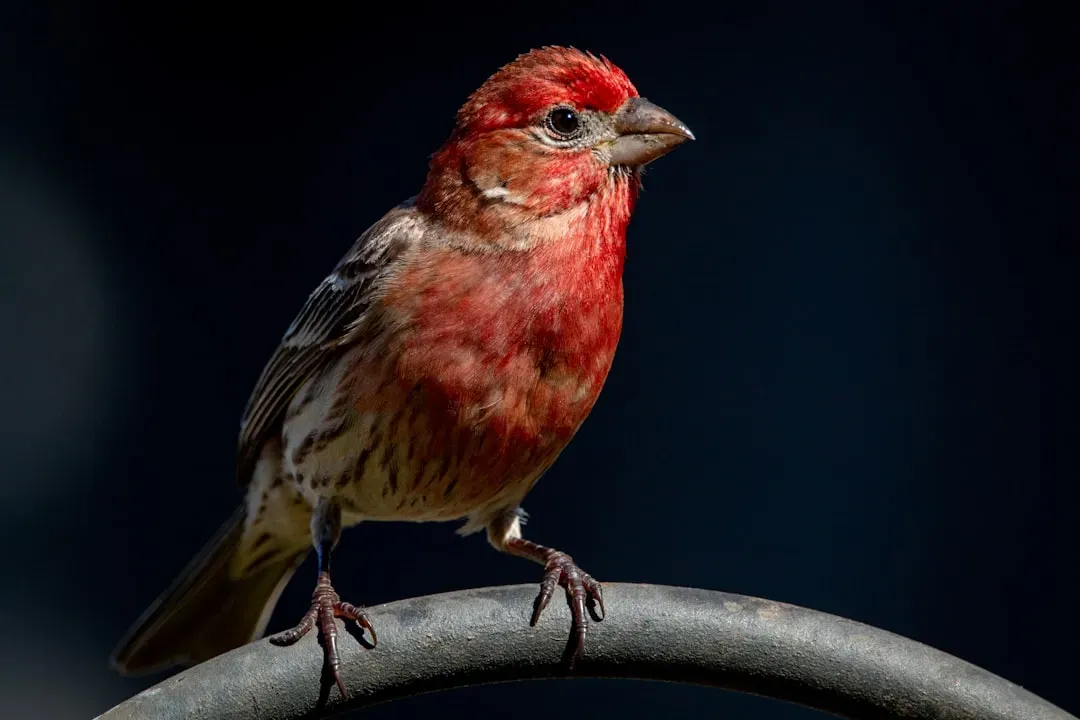
That bright red or sunny yellow you see on some finches isn’t just for show; it can tell you something real about the bird’s health and diet. Many finch species get their vivid colors from pigments in the foods they eat, especially certain plant materials and seeds. When a male finch looks especially bold and richly colored, it often means he’s been eating well and is in good condition, which can make him more attractive to potential mates.
You can think of those colors like a natural status update. If food sources are poor or a bird is under stress, its plumage can look duller or patchier during the next molt. When you watch finches over several seasons, you might start seeing patterns: brighter birds in years with abundant natural food, or slightly less intense colors during tougher periods. It’s a reminder that what you see perched on your fence is tightly linked to what’s happening in the wider landscape.
5. They Turn Your Backyard into a Social Drama
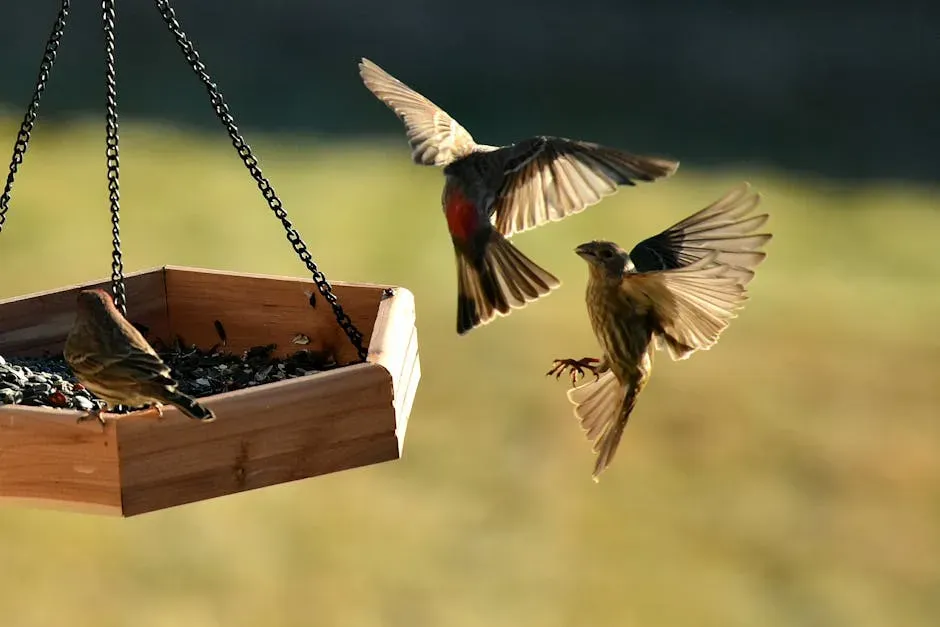
If you’ve ever put out a feeder and watched finches for a while, you know they’re not shy about expressing themselves. They chase, they posture, they bicker over the best perch like kids arguing over the comfiest seat on the couch. Some finches gather in loose, chatty flocks, constantly shifting positions while keeping up a stream of calls. Others defend a favorite spot more intensely, driving off rivals with quick lunges and wing flicks.
When you sit with a cup of coffee and really watch, you start recognizing certain personalities. One bird always sneaks in from the side, another dominates the top perch, a third seems to prefer hanging back until the chaos settles. It feels surprisingly familiar, almost like watching a tiny version of office politics or family dynamics. Those everyday dramas pull you in and make these birds feel like characters you know, not just anonymous wildlife.
6. They’re Surprisingly Tough for Such Small Birds
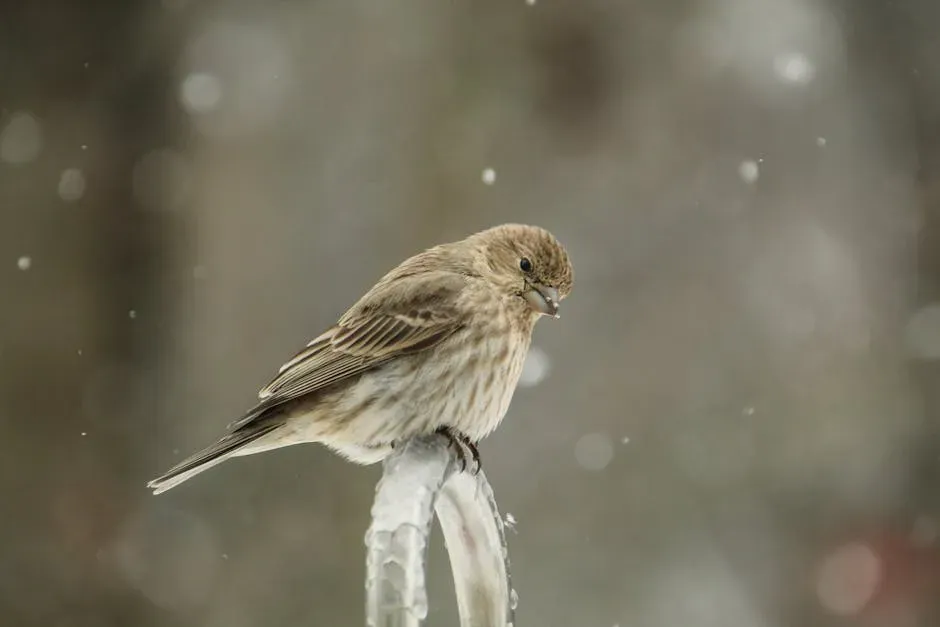
From a distance, finches can look delicate – just a handful of feathers and bone on a twig. But when you pay attention to where they live and how they survive, you start seeing how tough they really are. Many finch species cope with cold winters, heat waves, and unpredictable food supplies. You’ll see them clinging to feeders in icy winds, or foraging in scruffy patches of weeds when everything else looks barren to you.
When you watch a finch fluff its feathers against the cold or hunker down in a shrub during a storm, you’re seeing a little survivor that’s learned to make the most of a harsh world. Their small size actually helps them sometimes, letting them slip into cracks, dense thickets, and seedheads bigger birds might ignore. The more you learn about their yearly cycles – breeding, molting, migrating or staying put – the more respect you gain for how much these tiny bodies manage to endure.
7. You Can Attract Them with Simple, Thoughtful Feeding Choices
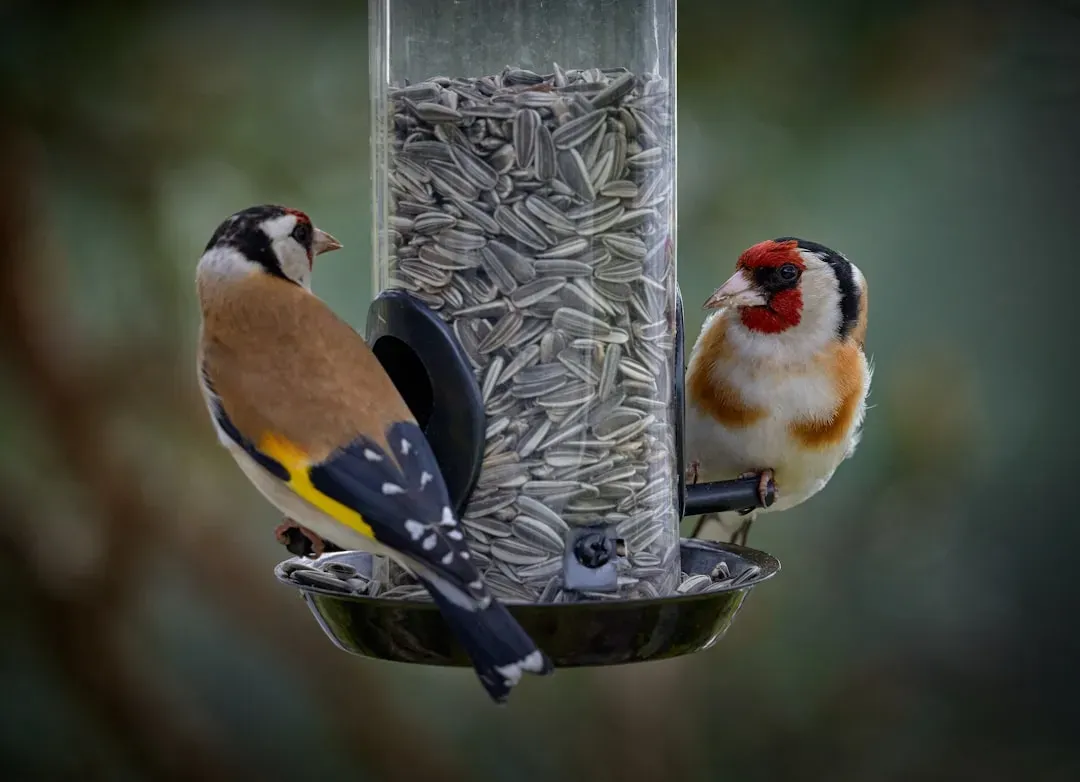
One of the easiest ways to get close to finches is simply to feed them with a bit of intention. Many species are drawn to seeds like black oil sunflower or nyjer, and you don’t need a huge yard to make that happen. A small tube feeder on a balcony or a simple tray in a modest backyard can quickly become a regular stop for local finches, especially if you keep the food fresh and the area reasonably clean.
As you experiment, you’ll notice how your choices shape who shows up. Finer seeds may attract smaller finches that cling acrobatically to the feeder, while mixed seed on a platform might bring a slightly different mix of birds. You’re essentially curating a little restaurant in the sky, and your regulars will reward you with up-close views and ever-changing interactions. When you step outside and hear that familiar chatter at your feeder, it feels a bit like welcoming guests you actually want to see.
8. Their Nests Reveal Careful Planning on a Tiny Scale
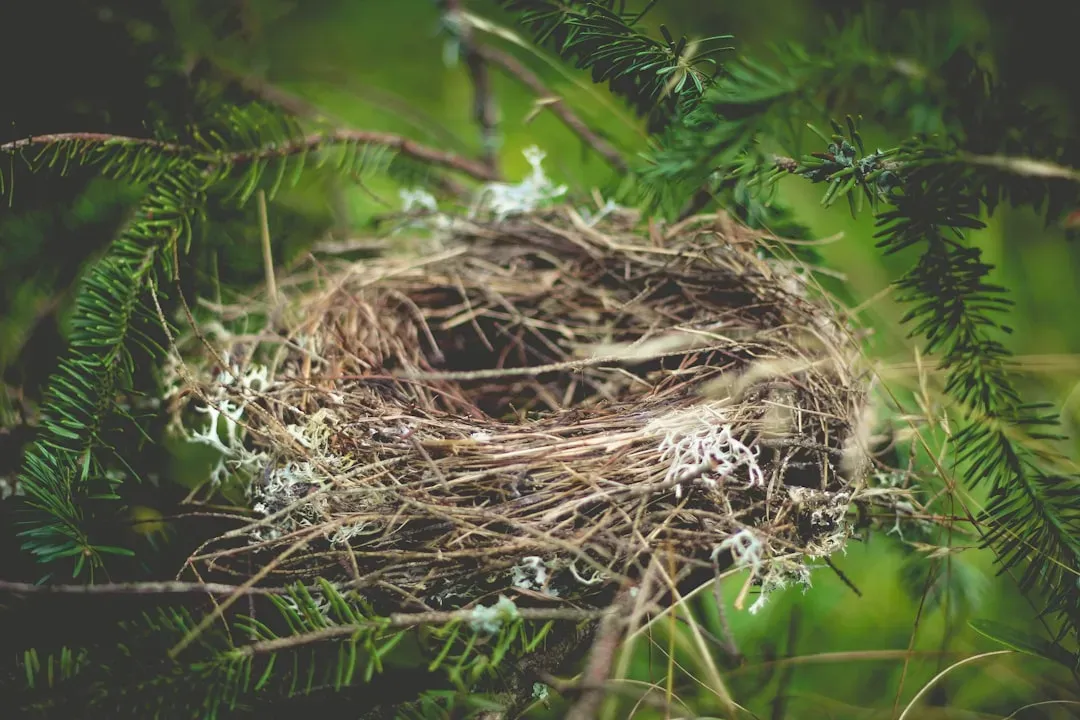
If you’re lucky enough to spot a finch nest without disturbing it, you’ll see just how much effort goes into building a safe home. Finches often weave grasses, twigs, and plant fibers into a neat cup, then line it with softer materials like feathers or fine roots. It’s like watching someone assemble a carefully padded cradle, designed to keep fragile eggs sheltered from wind, rain, and curious eyes.
You might find these nests tucked into shrubs, nestled on branches, or even hidden on building ledges, depending on the species and what’s available. Each placement reflects a kind of trade-off: protection from predators, shelter from the weather, and closeness to food. When you realize that both parents may be constantly busy feeding and guarding, you start seeing beyond the cute birds at your feeder to the demanding, high-stakes job of raising a brood. It makes every successful fledgling feel like a quiet victory you got to witness from the sidelines.
9. Their Movements Turn Ordinary Skies into Living Patterns
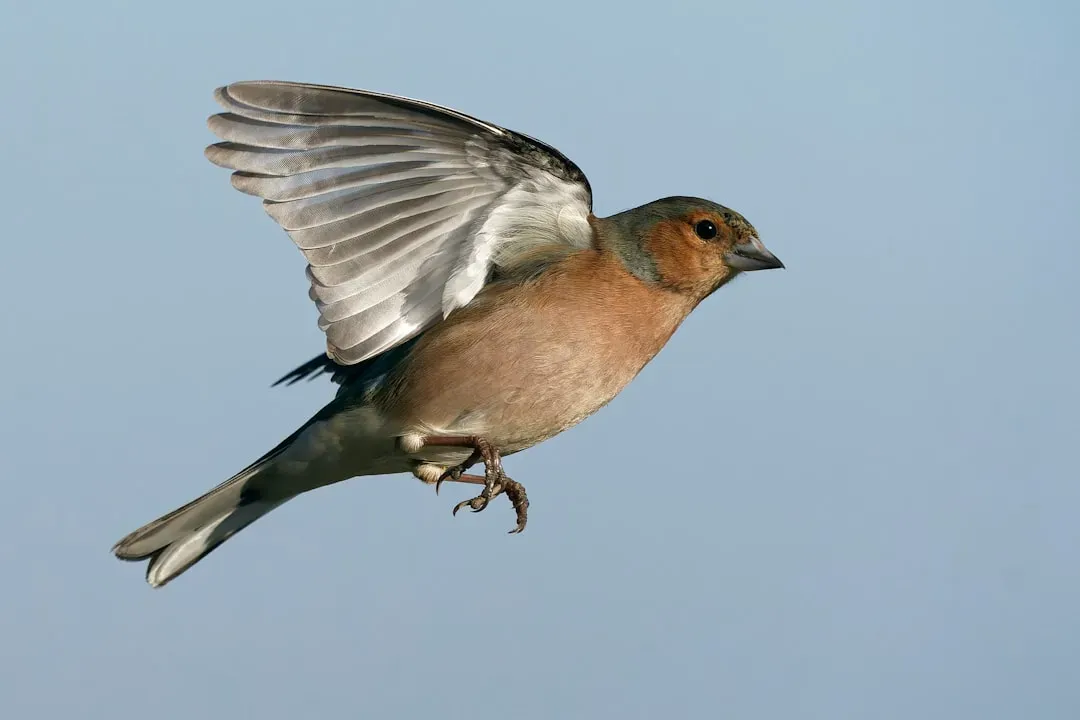
When finches take to the air in small flocks, you’re seeing more than just random fluttering. Many species fly in loose, undulating patterns, rising and dipping in a rhythm that almost looks playful. If you watch carefully, you’ll notice how they stay loosely connected, turning together, landing together, then bursting into the air again when something startles them. It’s like a living mobile constantly rearranging itself against the sky.
Even a single finch in flight has a style you can learn to recognize. Some have bounding flight, flapping and then briefly closing their wings, which gives them a bouncy silhouette against the backdrop of trees or buildings. Once you know what to look for, you can sometimes spot a finch at a distance just by that pattern, before you get close enough to see any color. That turns a simple walk into a kind of moving puzzle: you’re always reading the sky, picking out clues, and feeling that little rush when your guess turns out to be right.
10. Watching Them Connects You to Bigger Conservation Stories
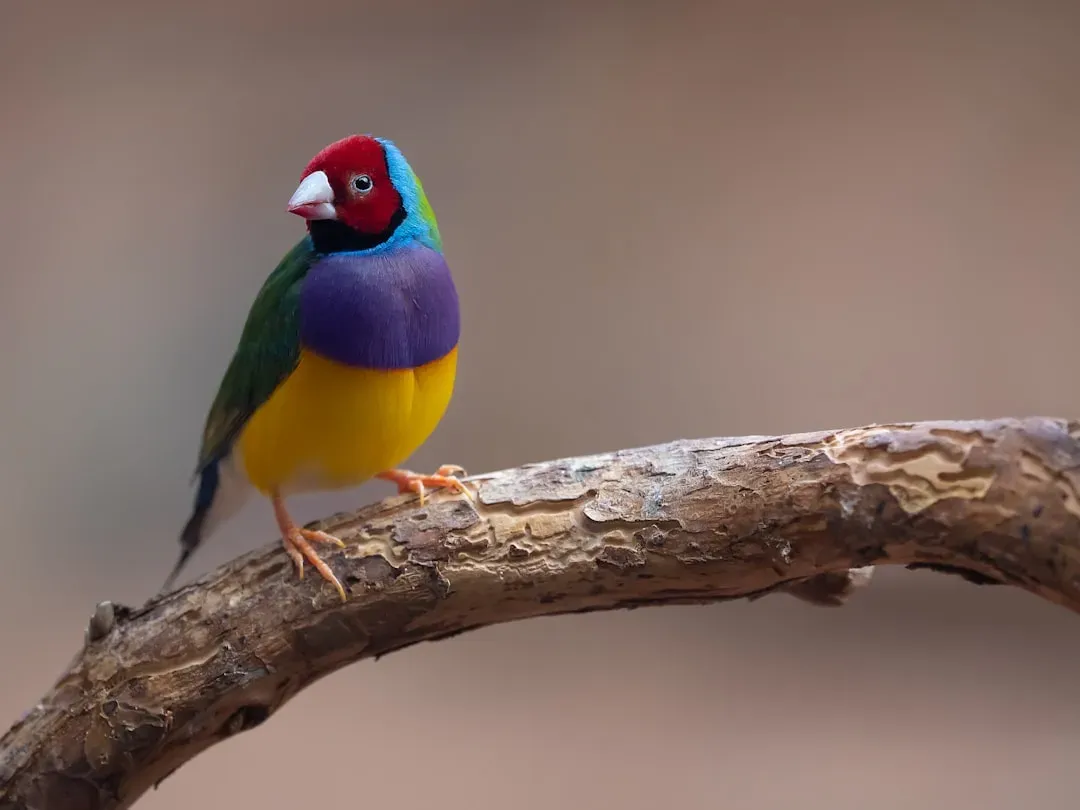
As you get attached to the finches in your area, you start noticing signs of change: more birds some years, fewer in others, shifts in where and when they appear. Those patterns are part of larger conservation stories that scientists and birdwatchers are tracking across regions and continents. When you note what you see – whether you just keep a casual list or use a birding app – you’re quietly contributing to a bigger picture of how these species are doing.
That awareness can change how you feel about your own space. Maybe you plant more native flowers or leave some seed-bearing plants standing through winter instead of cutting everything back. Maybe you reduce pesticide use so there are more insects for finch nestlings to eat. In small ways, you’re turning your curiosity into action, and these little birds become a reminder that everyday choices can ripple outward. It feels good to know that enjoying their company and helping them along can go hand in hand.
Conclusion: Tiny Birds, Big Impact on You
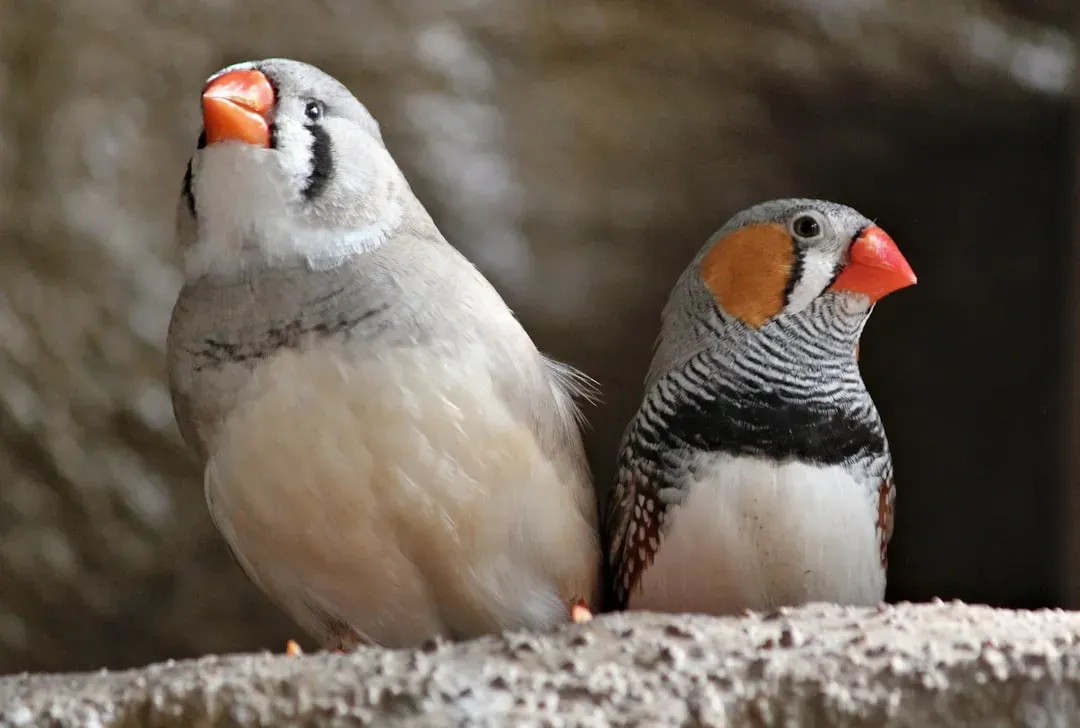
By now, you’ve seen that finches are so much more than background birds at your feeder. They’re survivors, singers, engineers, and living evidence of how life adapts and persists. When you take the time to notice their beaks, their colors, their nests, and their daily dramas, you’re not just learning facts – you’re building a more attentive, connected way of looking at the world right outside your window.
The next time you hear a bright, busy song or see a flash of color on a branch, you’ll know there’s a whole story packed into that tiny body. If you put out a feeder, plant a few bird-friendly plants, or simply step outside and listen for a few extra minutes, you’re inviting those stories into your life. Who knew that such small birds could quietly reshape the way you see your own backyard – did you expect that?