If you have ever stepped outside and thought, “Where did all the squirrels go?”, you are not alone. People all over the world have stories of sudden, eerie quiet in their yards or parks that seemed to come out of nowhere. It is tempting to believe that when squirrels vanish for two days straight, they are secretly warning you about earthquakes that have not yet rattled your windows.
The truth, though, is more complicated and, in some ways, even more fascinating than the headline suggests. You are going to see what science actually says about squirrels, earthquakes, and animal behavior, and where hard evidence ends and intriguing folklore begins. By the end, you will know how to read what is really going on when your neighborhood’s furry acrobats suddenly disappear.
That Chilling 48-Hour Silence: What You Think You Are Seeing
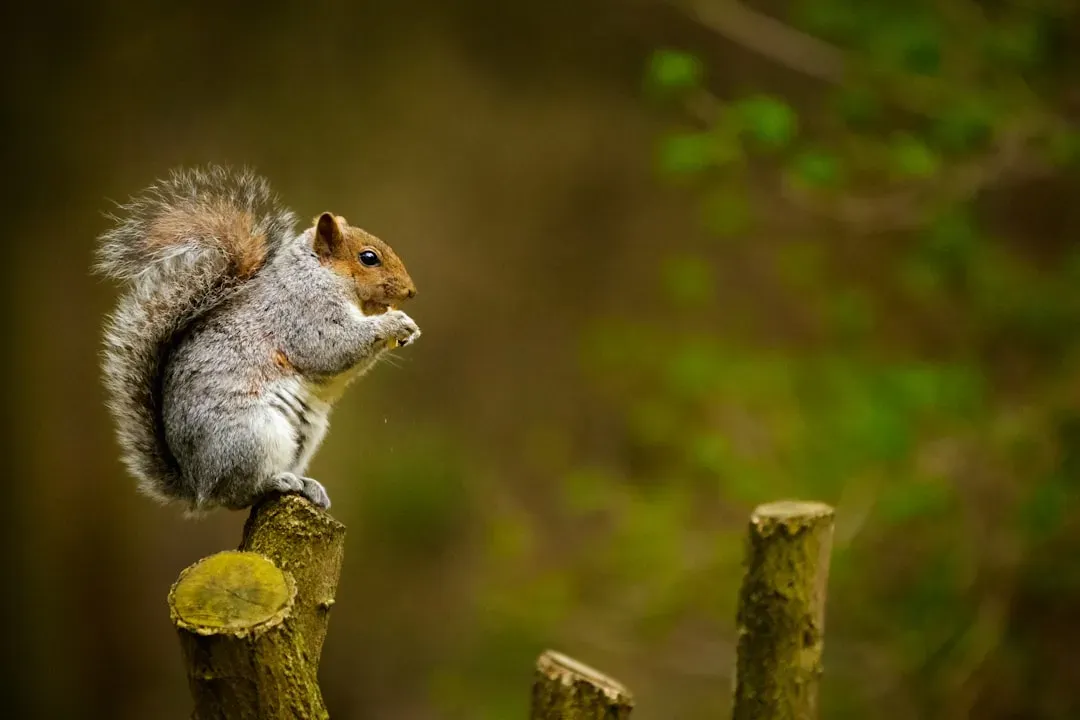
Imagine you walk the same route every morning, coffee in hand, and you always see the same squirrels racing along power lines and trees. Then, for two days straight, there is absolutely nothing: no chatter, no rustling, no quick flashes of gray or red fur. Your brain does what every human brain does best: it looks for a story, and earthquakes make a dramatic one.
You are wired to notice patterns, especially when they break. A sudden absence of movement and sound feels almost supernatural, so your mind reaches for the biggest invisible threat you know: some kind of disaster brewing underground. It is easy to connect that silence to seismic activity, especially when you hear stories claiming the same pattern has been recorded for centuries. But before you treat squirrels like a living earthquake app, you need to unpack what scientists have actually studied.
What Science Really Says About Animals and Earthquakes
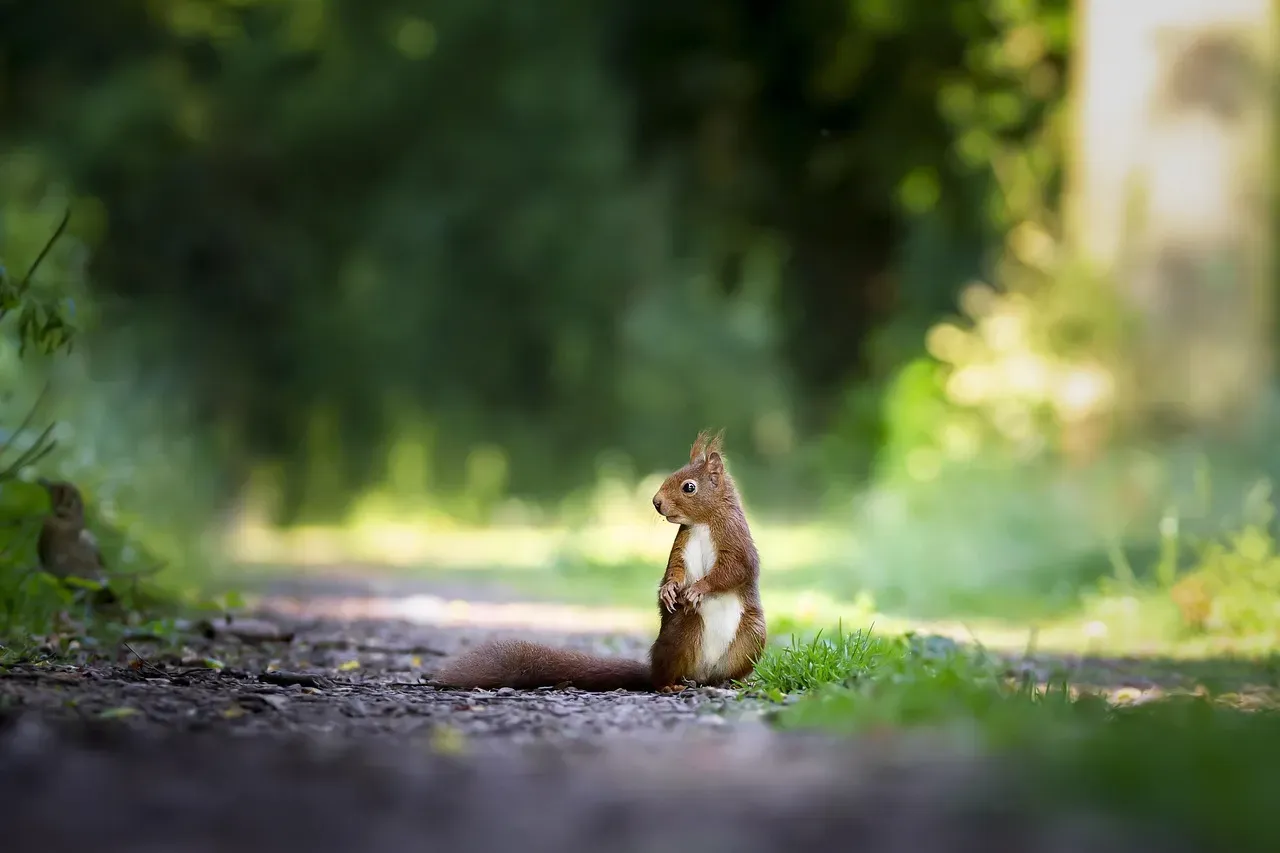
You have probably heard that animals sense earthquakes before humans do, and there is a kernel of truth in that idea. Many animals can pick up on tiny vibrations or changes in the environment that you simply cannot detect. A squirrel’s hearing and sensitivity to ground vibrations are sharper than yours, so in theory, it could notice something unusual before you feel any shaking.
The problem is this: when researchers have tried to rigorously connect specific animal behaviors to upcoming earthquakes, the evidence has been mixed at best. There are plenty of anecdotes but very few solid, repeatable studies that let you predict a quake by watching one species. So while you can say animals sometimes act strangely before an earthquake, you cannot honestly say that zoology has proven a reliable, century-spanning squirrel pattern tied to seismic events days in advance.
The Myth of a 200-Year Squirrel–Earthquake Record
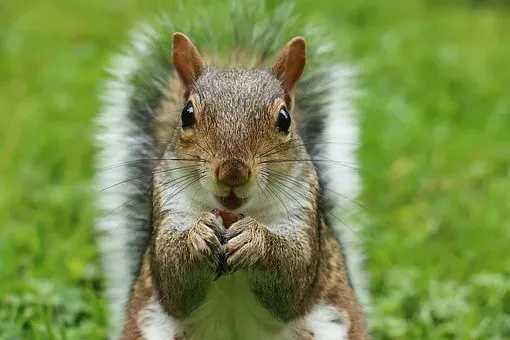
The idea that you have a two-hundred-year documented pattern of squirrels disappearing exactly forty‑eight hours before earthquakes sounds incredibly specific and scientific. It suggests dusty notebooks in old observatories, meticulous notes from naturalists, and a tidy line of proof running through history. In reality, that kind of detailed, long-term, squirrel-focused earthquake record does not exist in the formal scientific literature.
What you do have are scattered historical reports where people noticed odd animal behavior around the time of major quakes, combined with modern retellings that smooth those stories into something that sounds like a measured law of nature. Over time, the story hardens: scattered anecdotes turn into “a known pattern,” and “observed a few times” turns into “documented across two centuries.” When you trace such claims back, you find folklore and loose observation, not the kind of controlled data that would let you rely on squirrels as seismic instruments.
Why Squirrels Sometimes Vanish All at Once (No Earthquake Required)
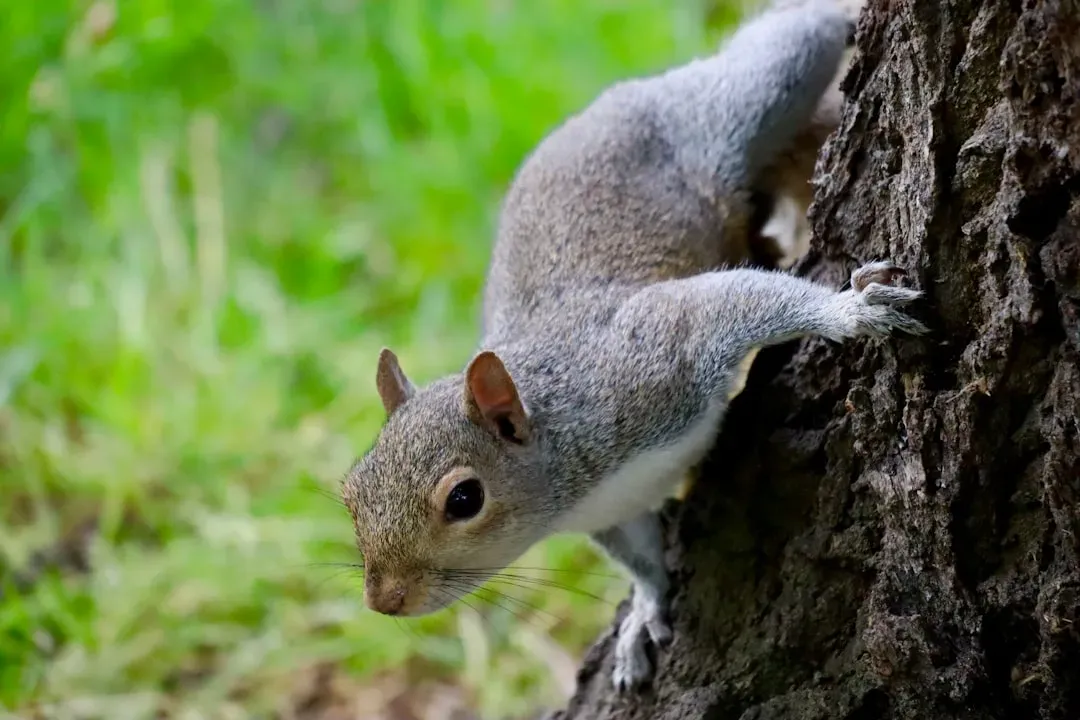
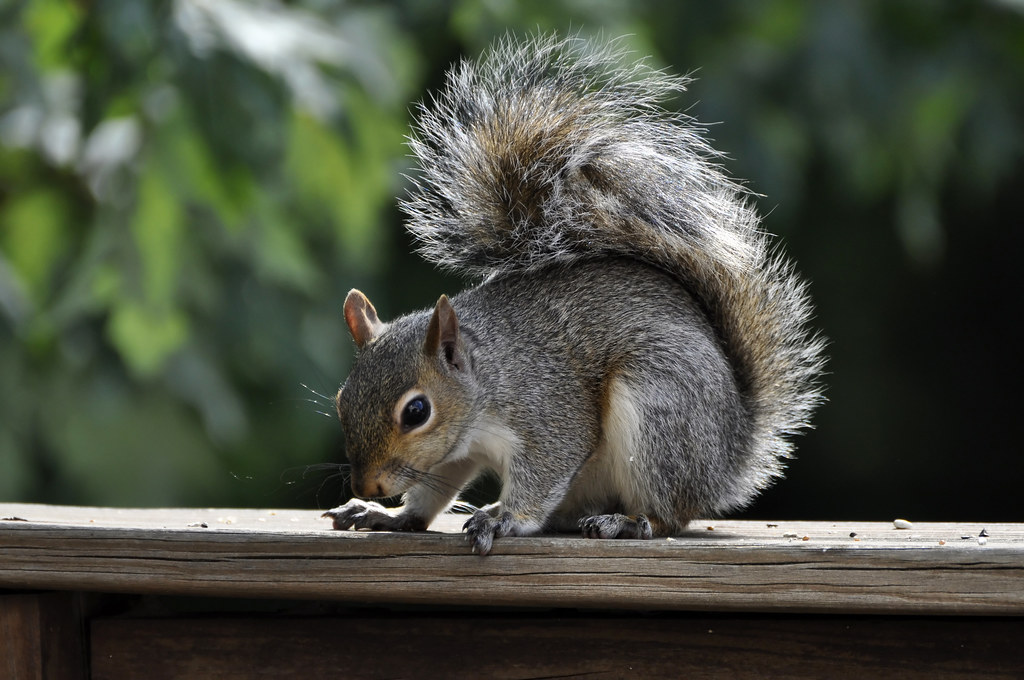
Before you reach for a fault-line map, you should know that squirrels have many reasons to suddenly vanish from your view that have nothing to do with what is happening miles beneath your feet. A new predator can move through the area, such as a hawk, owl, fox, or even a particularly dedicated outdoor cat. When that happens, squirrels often go into stealth mode, staying higher in trees, using cover, and becoming less visible for hours or even a couple of days.
Weather shifts also matter more to squirrels than you might think. A sudden cold snap, a powerful storm front, or even extreme heat can push them to stay in their nests longer, move to different parts of their territory, or shift their activity to times when you are not around to see them. Food availability can change quickly too, especially with human landscaping and tree removal, and that may cause them to explore a different block while your own street goes strangely quiet.
How Your Brain Turns Coincidence Into “Proof”
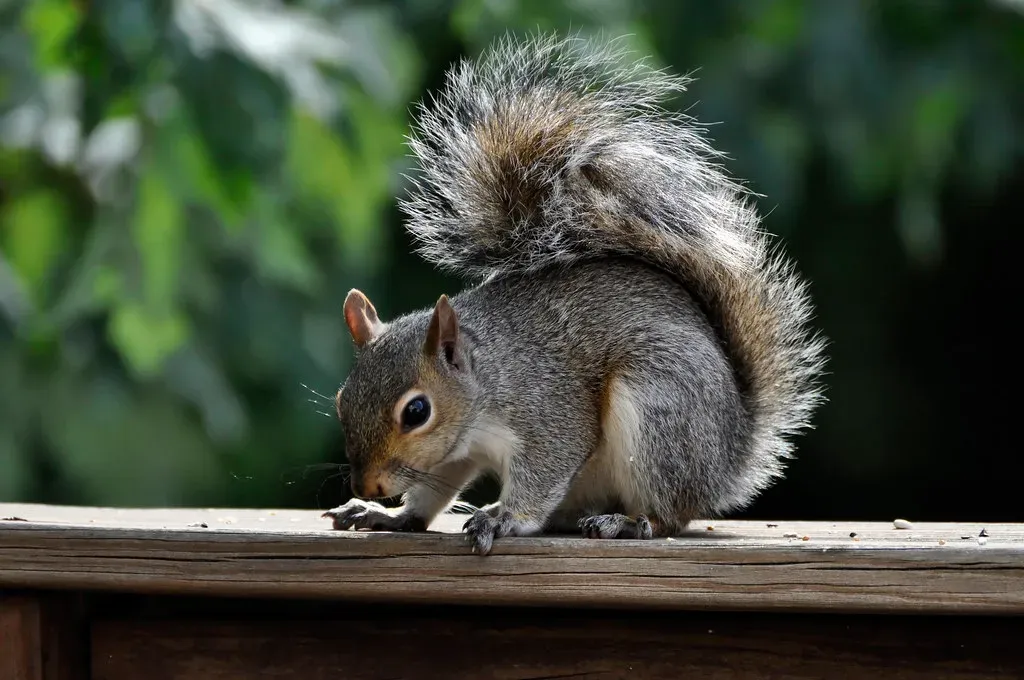
You naturally trust what you have personally lived through, so if you experienced a silent yard followed a few days later by an earthquake, that memory sticks. Your mind links the two events and keeps replaying them together. This is how you get a deeply convincing, gut-level belief that a disappearing act by local squirrels must be a warning sign, even when you do not see that pattern repeat again.
Psychologists call this tendency to notice hits and forget misses a kind of bias. You remember the one time your observation of animal behavior and a quake lined up and forget years of quiet squirrels and seismic calm, or noisy squirrels just before a tremor. When people around you share similar stories, your confidence grows, even though you are dealing with memories, not a controlled study. Once you understand this, you become much more careful about treating your impressions as hard zoological evidence.
What Squirrels Actually Sense Better Than You
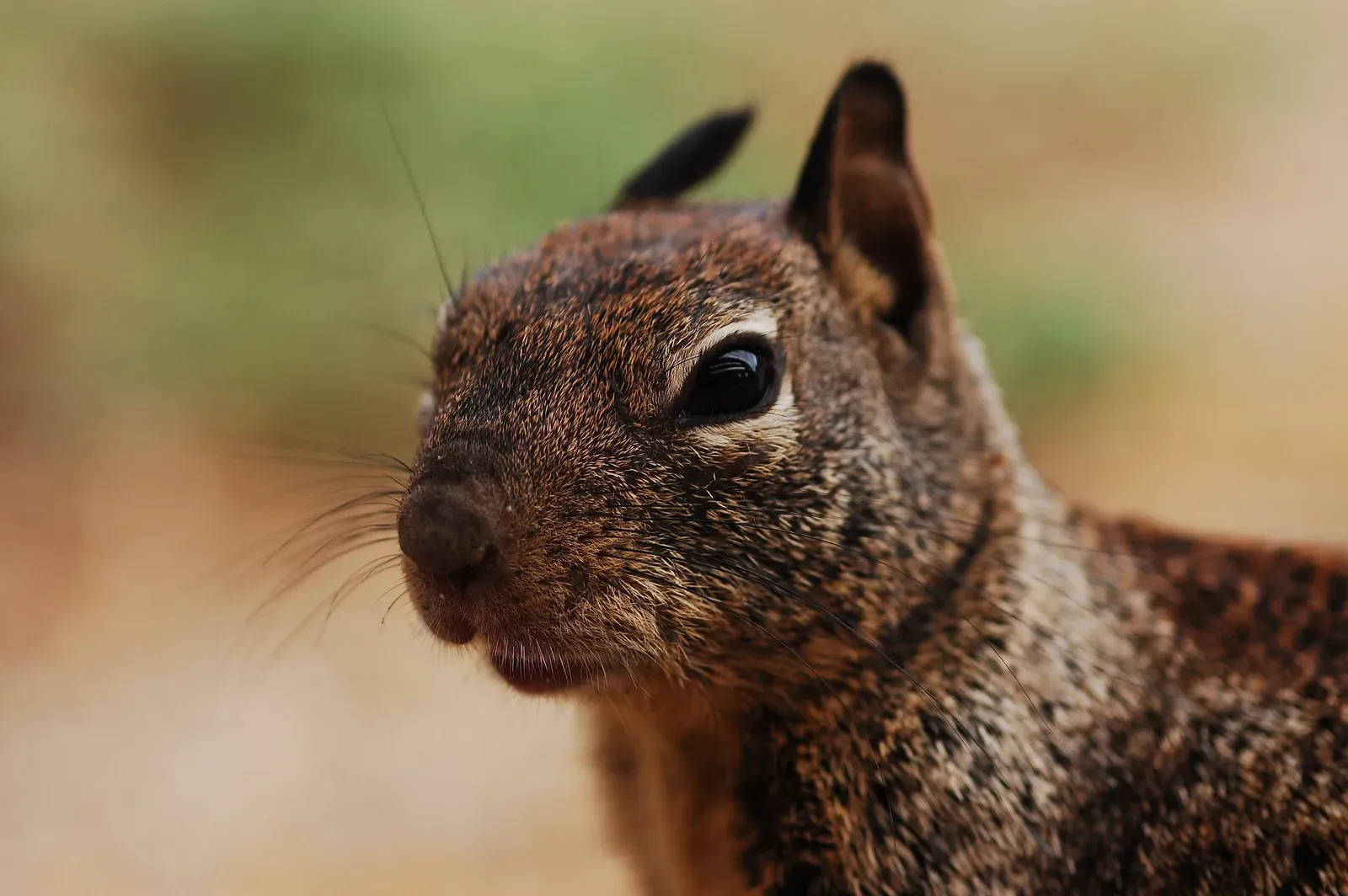
Even if squirrels are not secretly mapping tectonic plates for you, they are still astonishingly tuned into their surroundings. You live mostly in a world of sight and sound, but a squirrel is constantly reading tiny shifts in air movement, subtle ground vibrations, distant calls, and changes in light. It needs that sensitivity to escape predators, find food, avoid storms, and defend territory in a world where a moment’s delay can mean the difference between life and death.
Because of this fine-tuned perception, squirrels can react to subtle environmental changes that you would never consciously pick up. That might sometimes include the rumble of distant machinery, nearby construction, or even very faint natural vibrations. From your perspective, it all gets blended into one mysterious “the squirrels know something I don’t” feeling. The trick is learning to appreciate that sensitivity without stretching it into a scientific claim it has not earned.
How to Watch Wildlife Without Fooling Yourself
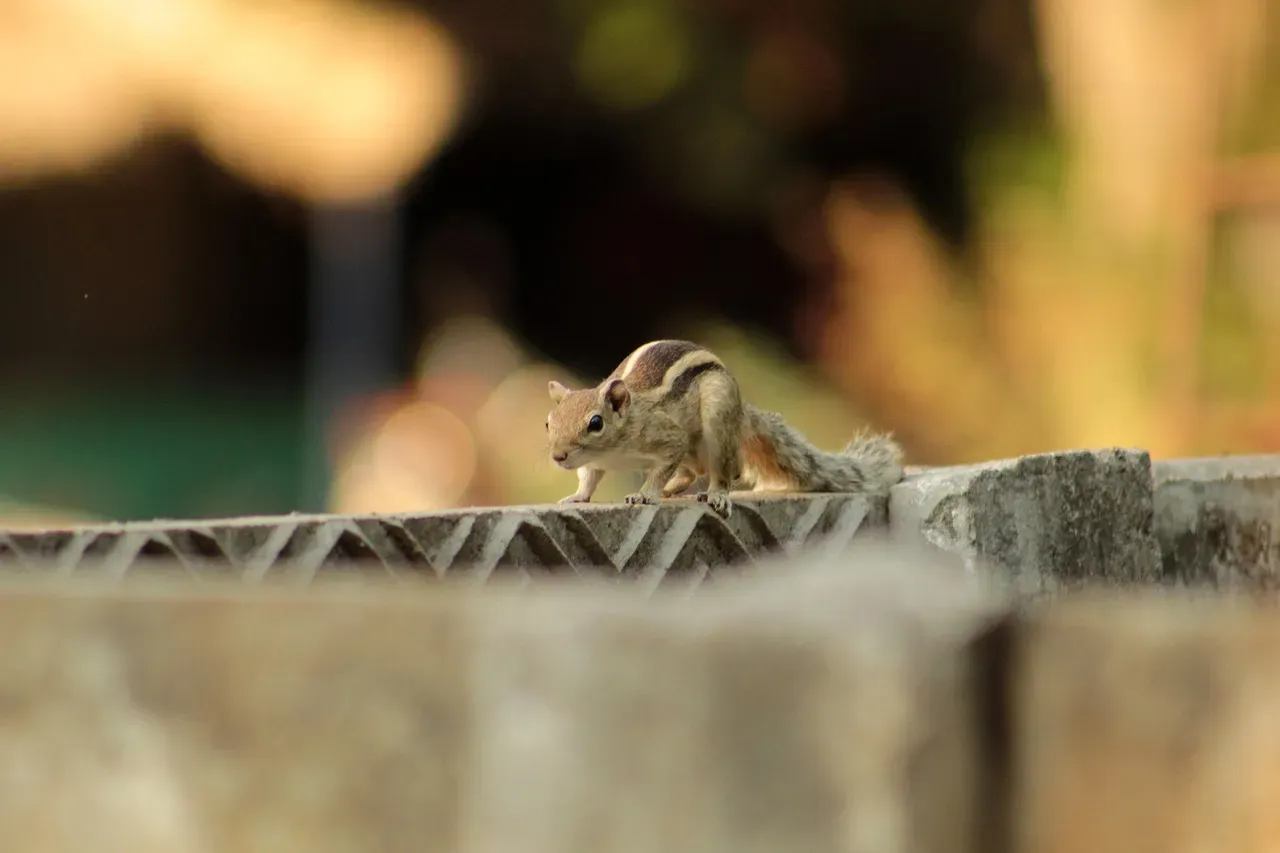
If you want to treat squirrels as little field notes from nature, you can do it in a way that keeps you grounded. You might start keeping a simple log: when you usually see them, how many you spot, what they are eating, what the weather is like, and any unusual events that follow. Over time, you will get a better sense of normal variation in their behavior instead of reacting strongly to every quiet day.
Then, if you notice a truly strange pattern, you can compare it to real seismic data or documented events in your region. Most of the time, you will probably find that the silence lines up more closely with a storm front, a new predator, or construction than with underground movement. By treating your observations like a curious naturalist rather than a doomsday detective, you stay open to genuine discoveries while avoiding the trap of making every odd moment into a disaster prediction.
Where the Mystery Still Lives (Without Exaggeration)
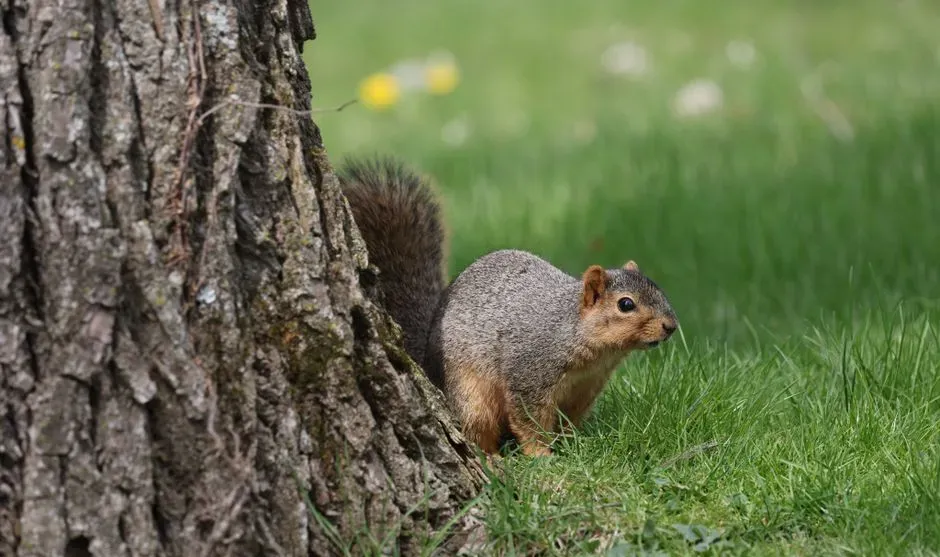
Even when you separate the myths from the facts, some mystery remains, and that is not a bad thing. You are sharing neighborhoods, parks, and backyards with creatures that live in a far more sensory-rich world than you do. They notice things you will never directly feel, and sometimes their collective reactions may point to something interesting happening in the environment, even if it is not the dramatic event you imagine.
You can respect that mystery without pretending zoology has given you a neatly packaged two-hundred-year seismic squirrel rule. Instead, you can treat squirrels as early whispers about changes in weather, habitat, predators, or human activity. When you see them vanish or suddenly flood back in, it becomes an invitation to look closer at what else is shifting around you, not a guarantee that the ground is about to split open.
Conclusion: Reading the Squirrels Without Losing Your Balance
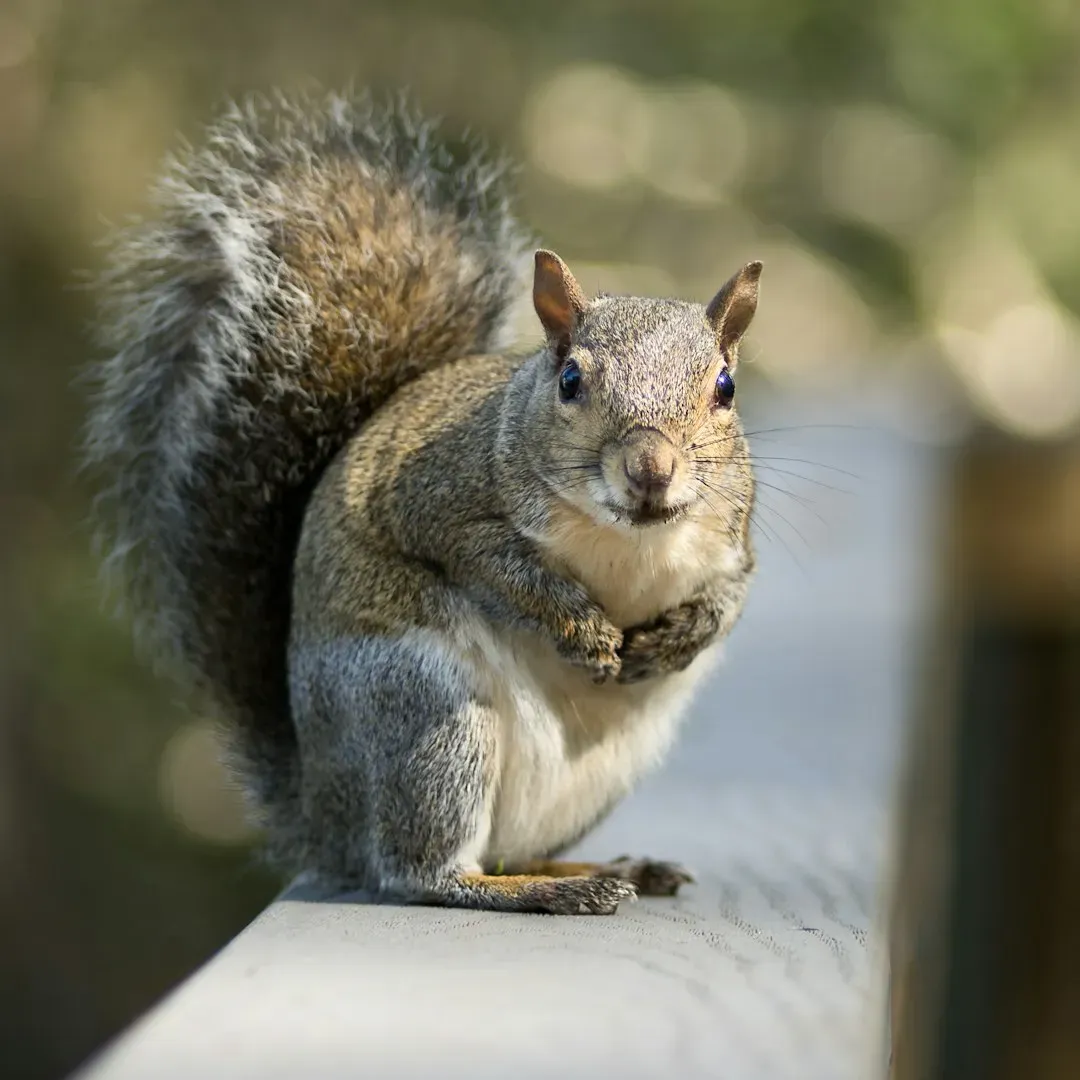
When your neighborhood goes strangely quiet and the squirrels seem to vanish for a day or two, you are absolutely right to feel that something has changed. You are picking up on a real shift in animal behavior, and that alone is worth paying attention to. But when you zoom out and look at what zoology has actually documented, you do not find a reliable, centuries-long record tying a precise forty‑eight‑hour squirrel silence to earthquakes you will not feel for days.
Instead, you find a mix of sharp animal senses, very human storytelling, scattered anecdotes, and plenty of ordinary ecological reasons for squirrels to lie low. If you let that reality sink in, you get something better than a spooky prediction trick: you get a way to stay more present, more observant, and more honest about how you share space with wildlife. The next time you notice that eerie quiet, will you assume the earth is about to shake, or will you look a little closer and ask what your local animals are really trying to tell you?