
You know that feeling when you quietly grab your keys, move a little slower than usual, and suddenly your cat appears in the doorway with wide eyes, like they just read your mind? It can feel almost spooky, as if your cat has decoded your secret plan to walk out that door and never come back. While that sounds dramatic, anyone who lives with a cat knows those small, tense moments right before you leave the house feel very real, for both of you.
Science says cats are not tiny, furry fortune tellers. But they are incredibly good at reading patterns, sensing emotional shifts, and picking up on the tiny cues that even you do not know you are giving off. When you combine that with their attachment to you, the result can absolutely look like they know you are about to vanish forever. Let’s break down six specific behaviors that are not just adorable or annoying, but powerful clues that your cat understands you are about to leave – and has big feelings about it.
1. The Shadow Mode: When Your Cat Follows You From Room to Room
Have you ever noticed that on days when you are packing a suitcase or rushing to get out the door, your cat suddenly becomes your shadow? They trail you down the hallway, jump on the bed while you pack, sit in the bathroom while you brush your teeth, and station themselves right where you are most likely to trip over them. This is not random clinginess; it is your cat reacting to a change in your routine and trying to stay close to the source of the disruption – you.
Cats are experts in routine and pattern recognition. They know what your “normal morning” looks like: the usual sounds, objects, and timing. When you start behaving differently – pulling out luggage, changing your clothes at odd times, grabbing travel bags – your cat reads that as a sign something big is about to happen. Shadowing you becomes their way of monitoring the situation, keeping you in sight, and maybe even trying to subtly influence you to stay put. It is like a quiet, four-legged protest march that follows you from room to room.
2. Sudden Velcro Affection: Extra Cuddly Right Before You Go
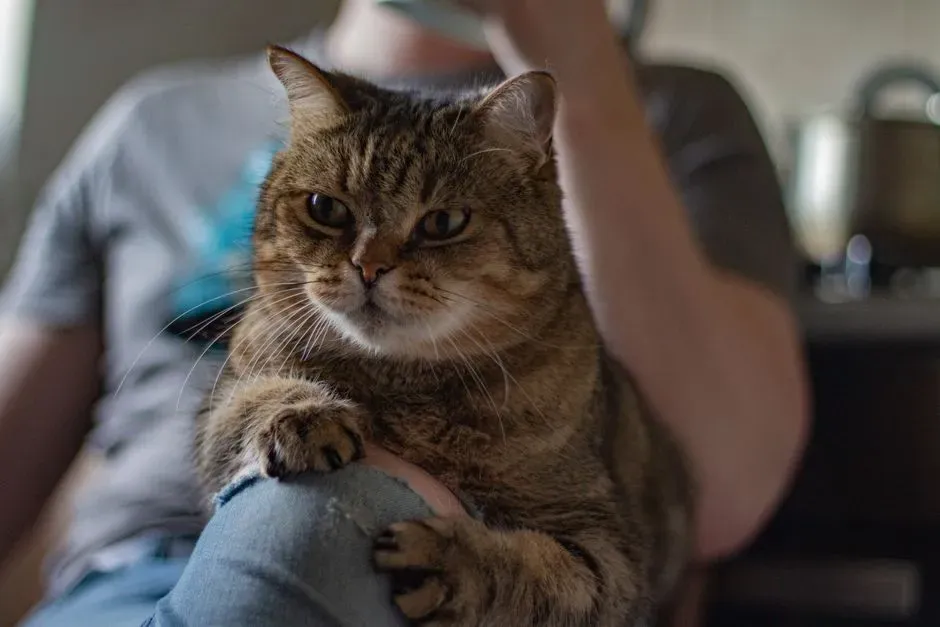
On a regular day, your cat might be politely indifferent, choosing a sunny windowsill over your lap. But on days you are about to leave, especially for longer trips, many cats flip a switch and turn into full-on velcro. They want to sit on your chest, curl up right next to your suitcase, or wedge themselves between you and whatever you are trying to do. It can feel strangely like they are trying to glue you to the house with their body.
This surge in affection is often a mix of comfort-seeking and attachment. Cats form genuine emotional bonds with their humans, even if they express it in a more understated way than dogs. When they sense that your behavior is “off,” they may feel uneasy or insecure and respond by moving closer, essentially checking in and grounding themselves in your presence. From a behavioral point of view, it is less “If I cuddle hard enough, they cannot leave” and more “Something is changing and I need reassurance, so I am going to you, my safe place.” Still, when your cat melts into your lap exactly when you need to stand up and go, it is hard not to feel like they know this goodbye is bigger than usual.
3. Guarding the Exit: Parking Themselves by Doors, Shoes, or Luggage
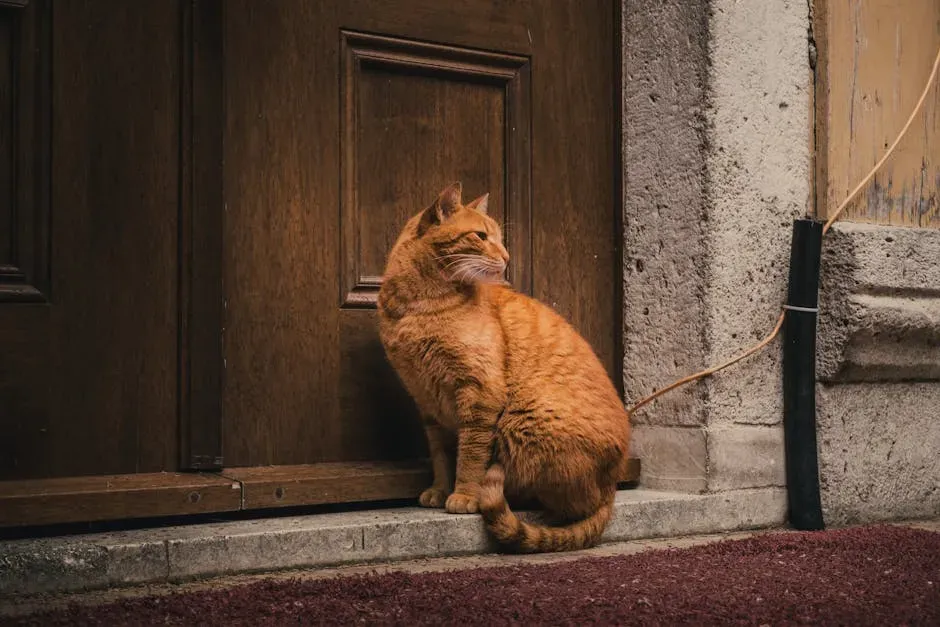
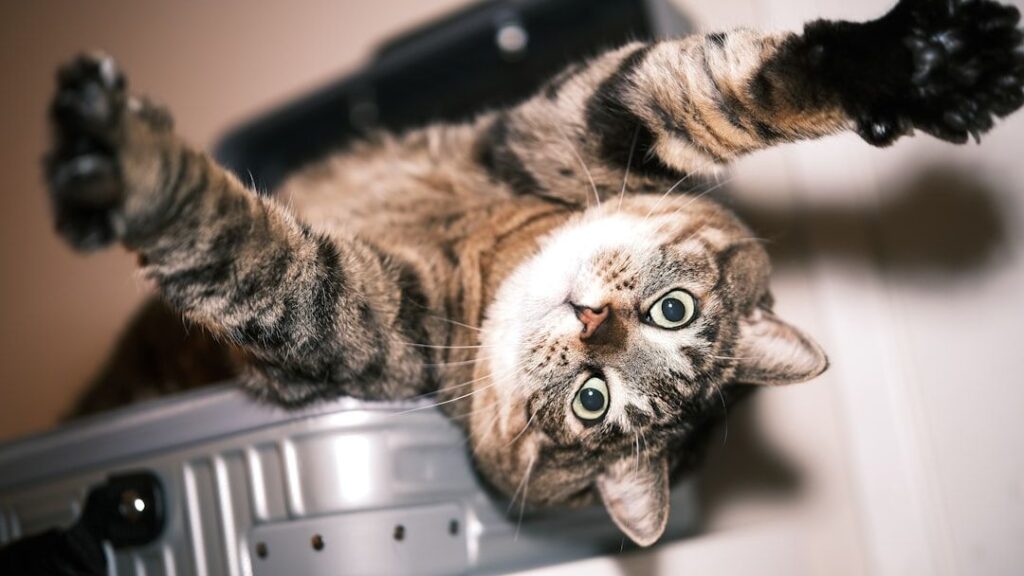
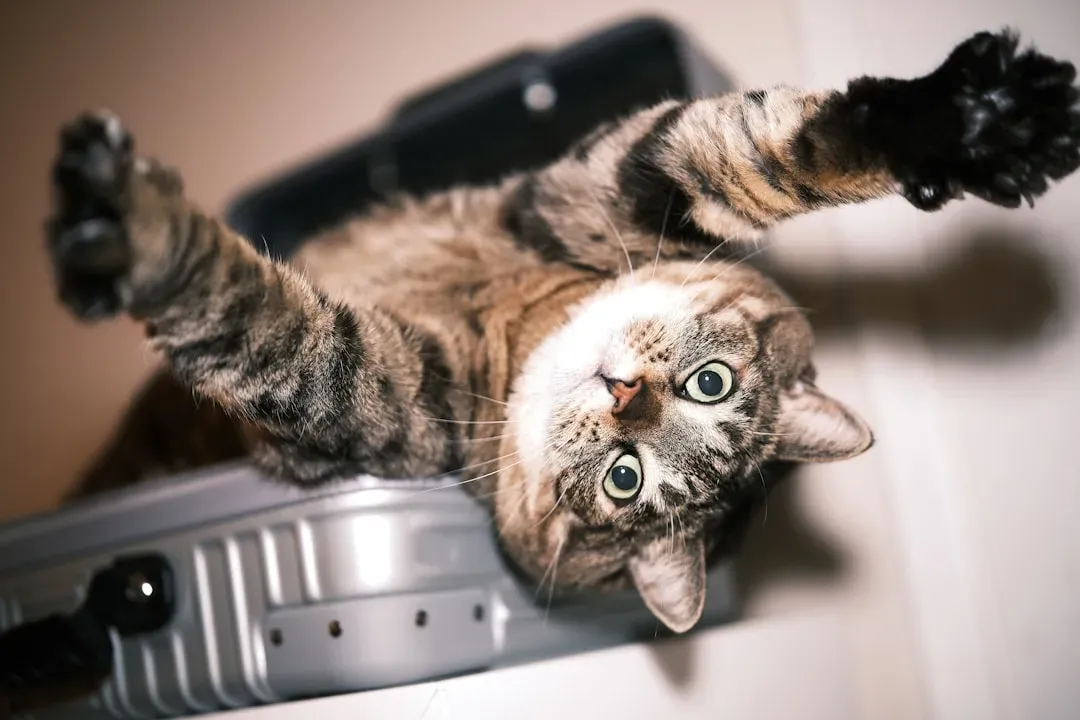
One of the clearest signs your cat knows something is up is when they camp out right next to the front door, your shoes, or your suitcase. They might lie down across the doorway, sit in your open bag, or paw at your shoes as you put them on. Some cats even curl up inside luggage as if they are auditioning to be smuggled in as carry-on. This is not just random curiosity about objects; it is a very pointed interest in the items that predict your disappearance.
Cats learn quickly that certain objects are associated with you being gone for longer than the usual workday. Suitcases, backpacks, specific coats, or even the sound of zippers become cues that a longer absence is coming. By placing themselves between you and those items – or between you and the door – they are inserting themselves into the story. Behaviorally, this can be a mix of exploration, territorial behavior, and mild protest. Emotionally, it feels like your cat is saying, “If I sit here, you cannot possibly forget about me… or leave without stepping over me.”
4. The Pre-Departure Meltdown: Vocalizing, Crying, or Acting Agitated
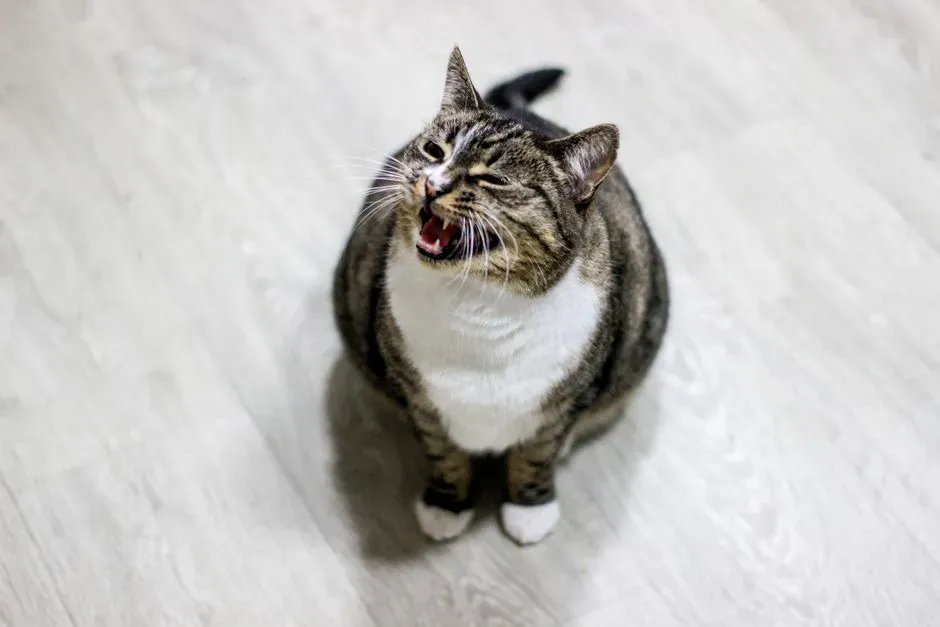
Some cats go quiet when they sense you are about to leave; others turn the drama up a few notches. You might hear increased meowing, sudden yowls, or a sharp cry as you head toward the door. They might pace, flick their tail, scratch at the door, or dart around more than usual. This kind of agitation often appears in the last few minutes before you leave, almost like a final emotional wave cresting right before you step out.
This behavior ties into what many people now recognize as a feline version of separation-related stress. While it is more commonly discussed in dogs, cats can absolutely feel distressed when their person leaves, especially if the bond is strong or the cat has a history of unpredictability or abandonment. Your final movements – picking up keys, closing the suitcase, turning off lights – are like loud emotional alarms to them. Their vocalizing and pacing are their way of expressing that something does not feel right, and they lack the control to change it. It is not evidence that they think you are literally gone forever, but it does show they expect you to be gone long enough for it to really matter.
5. Withdrawal Mode: Hiding or Going Quiet as You Get Ready
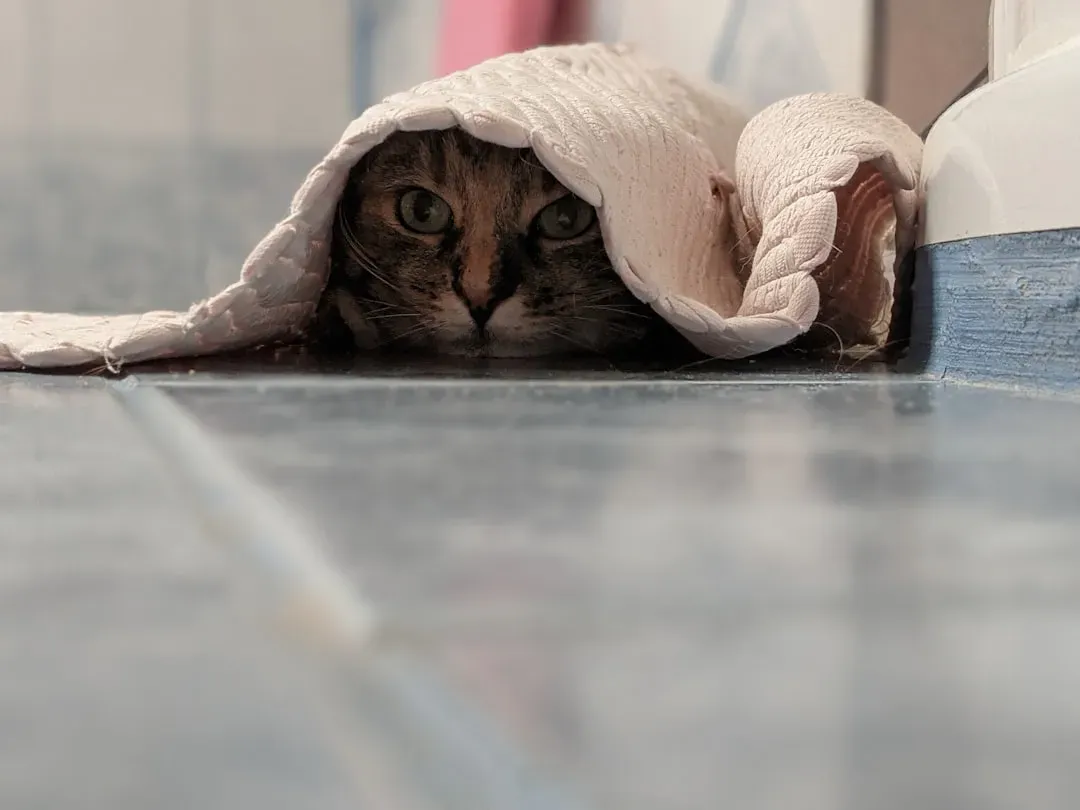
On the flip side, some cats react to impending departure not with drama, but with eerie silence. Instead of clinging, they slip under the bed, retreat to a closet, or tuck themselves into a hard-to-reach corner. They may watch you from a distance with wide, unblinking eyes or simply vanish altogether. For many people, this quiet withdrawal can feel even sadder than a loud protest.
Hiding is a classic stress response in cats. When something in their environment feels unpredictable or overwhelming, their instinct is to find a safe, enclosed spot where they can observe without being exposed. Your departure cues – strange objects, different rhythms, emotional tension – can trigger that response. It is not personal rejection; it is self-protection. In a way, the cat is bracing for the emotional impact of your absence in the only way they know how: by shrinking their world to a safe, manageable space where nothing new can sneak up on them.
6. Post-Return Cold Shoulder: The “You Left Me Forever” Revenge Act
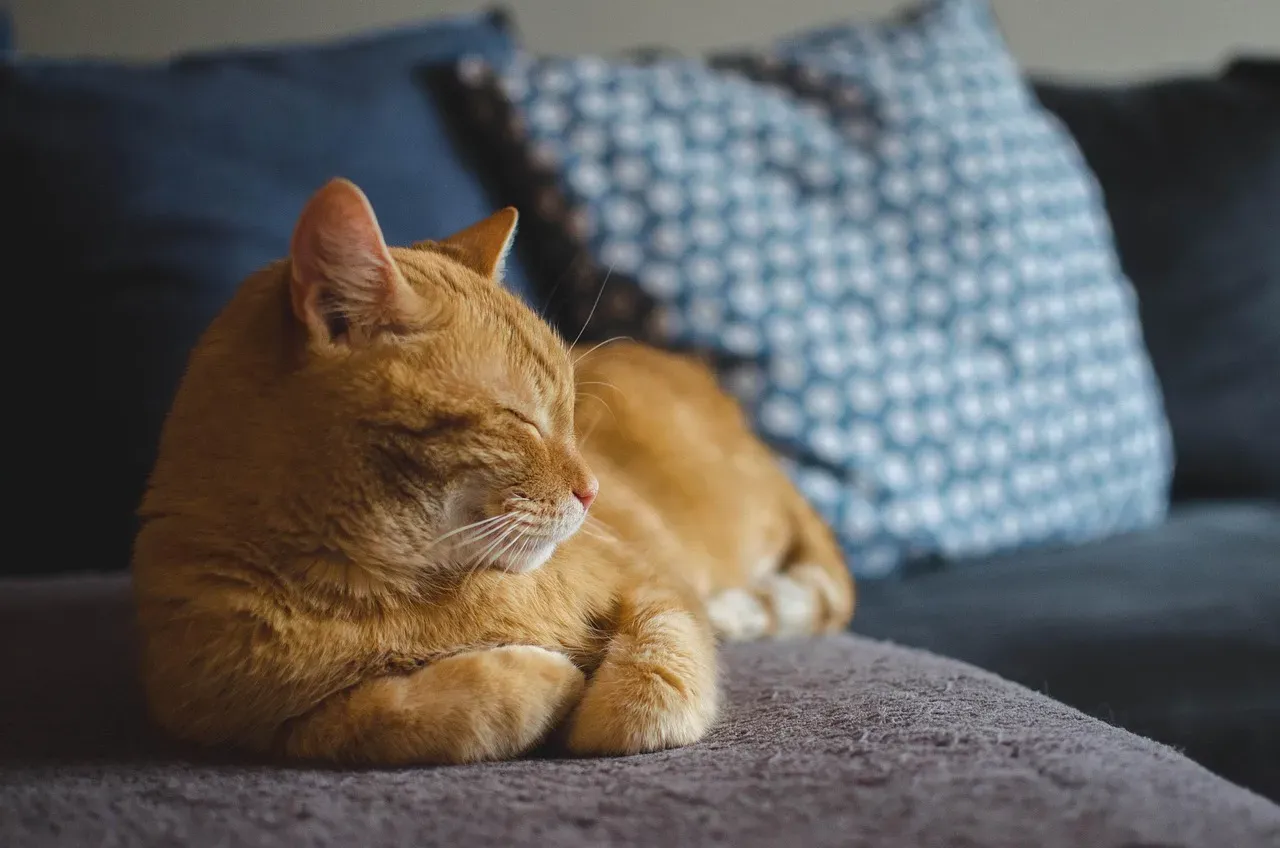
The story does not end when you lock the door. For many cat owners, the strongest proof that their cat felt abandoned shows up after they return. Maybe your cat ignores you for hours, refuses to come when called, or gives you that sharp, narrowed-eye look from across the room. They might turn their back on you, act disinterested in treats, or pretend you are suddenly beneath their standards. It can feel like a calculated punishment, a way of saying, “You left me for a million years, and we are not okay.”
From a behavioral perspective, this “cold shoulder” is more about disrupted routine and emotional readjustment than revenge in the human sense. Your cat has spent time recalibrating to life without you, and then suddenly you are back, full of new smells and energy. They may be unsure how to respond and protect themselves emotionally by keeping some distance at first. Still, the timing is not a coincidence: the frostiness often appears most clearly after longer absences. It is their way of expressing that, in their internal world, your leaving felt like a big, perhaps even forever-sized, event.
Conclusion: Your Cat Is Not a Psychic – Just Deeply Tuned In to You
When you put all of these behaviors together – shadowing, extra cuddles, guarding the exit, agitation, hiding, and the post-trip cold shoulder – it is easy to see why people feel like their cat knows they are leaving for good. The truth is less mystical but, in a way, more touching. Your cat does not grasp your flight number or how many nights you will be gone. What they do understand, with remarkable precision, is that your patterns are shifting, your energy feels different, and their little world is about to lose its favorite person for a while.
To me, the most striking part is not whether cats think in “forever” terms, but how clearly they show that your presence matters to them. Even aloof, “independent” cats reveal their attachment when routines crack and the suitcase comes out. So the next time your cat blocks the door or pretends not to care when you get back, it is probably not manipulation or magic – it is just their honest, sometimes messy way of handling change and loss. Knowing that, does it change how you feel about those tense little moments right before you leave?