Picture this: you’re wandering through a dew-soaked British woodland at dawn, the air thick with the scent of earth and bluebells, when you stumble upon a scene straight out of a nature thriller—a badger, motionless, splayed on the forest floor, seemingly lifeless. But as you take a second look, a twitch of a whisker or a subtle blink gives away the truth: this crafty creature is very much alive, playing an elaborate game of possum. It’s not a scene from a fantasy novel; it’s an extraordinary, real phenomenon that has left scientists and wildlife watchers equally perplexed and amazed. Welcome to the curious world of British badgers—where survival sometimes means faking your own demise.
The Mysterious Art of Thanatosis
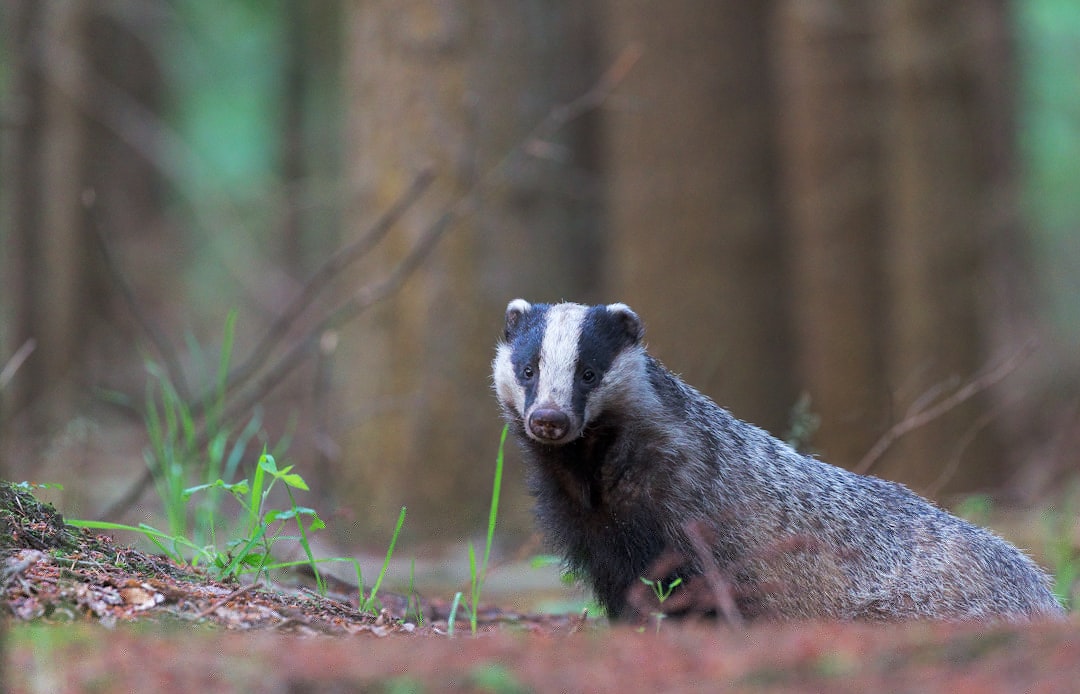
Thanatosis, also known as “playing dead,” is a survival trick found across the animal kingdom. While opossums are famous for this tactic, recent observations reveal that British badgers have also mastered this remarkable act. When threatened or startled, some badgers enter a trance-like state, lying still with glassy eyes and limp bodies. This act can be so convincing that even experienced naturalists have been fooled. Scientists believe this behavior confuses predators, making them lose interest in what appears to be lifeless prey. It’s a risky move, but for badgers, it can mean the difference between life and death.
What Triggers Badger ‘Death Faking’?
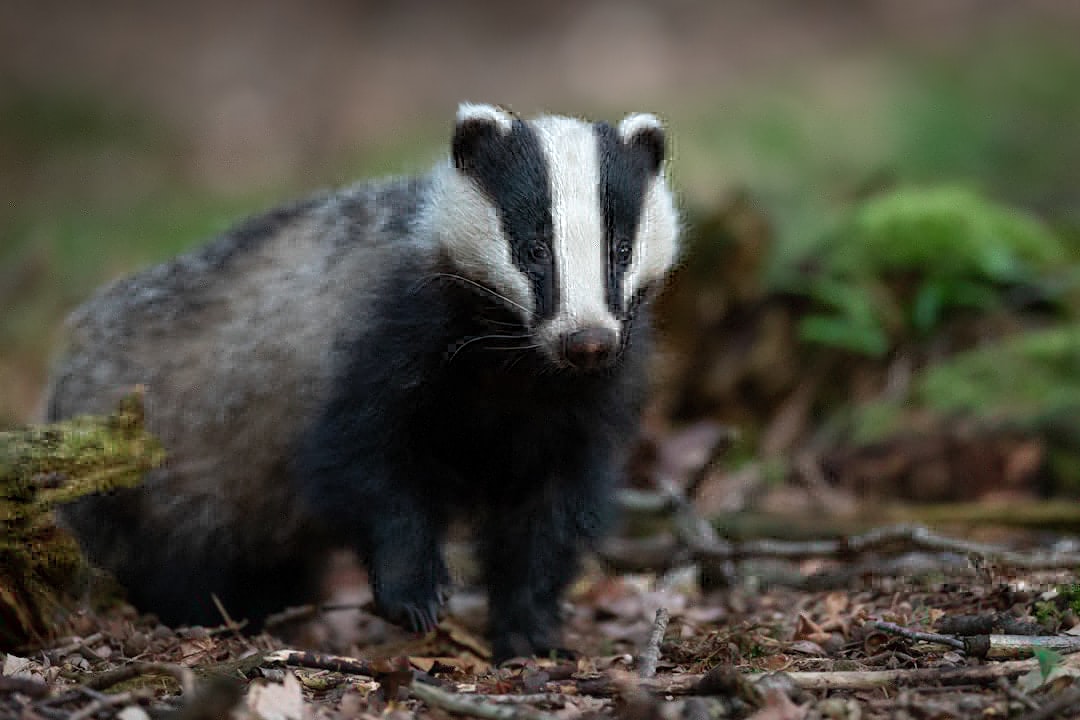
The triggers behind this dramatic display are still being unraveled. Sudden loud noises, unexpected encounters with humans, or the looming shadow of a fox or dog can send a badger into its lifeless ruse. Interestingly, not all badgers react this way—some freeze, others bolt, and a select few drop to the ground and wait out the danger. Researchers suspect that age, temperament, and previous experiences play a role in deciding which badgers resort to thanatosis. It’s not a universal response, but when it happens, it’s both startling and strangely theatrical.
Evolutionary Roots and Survival Benefits
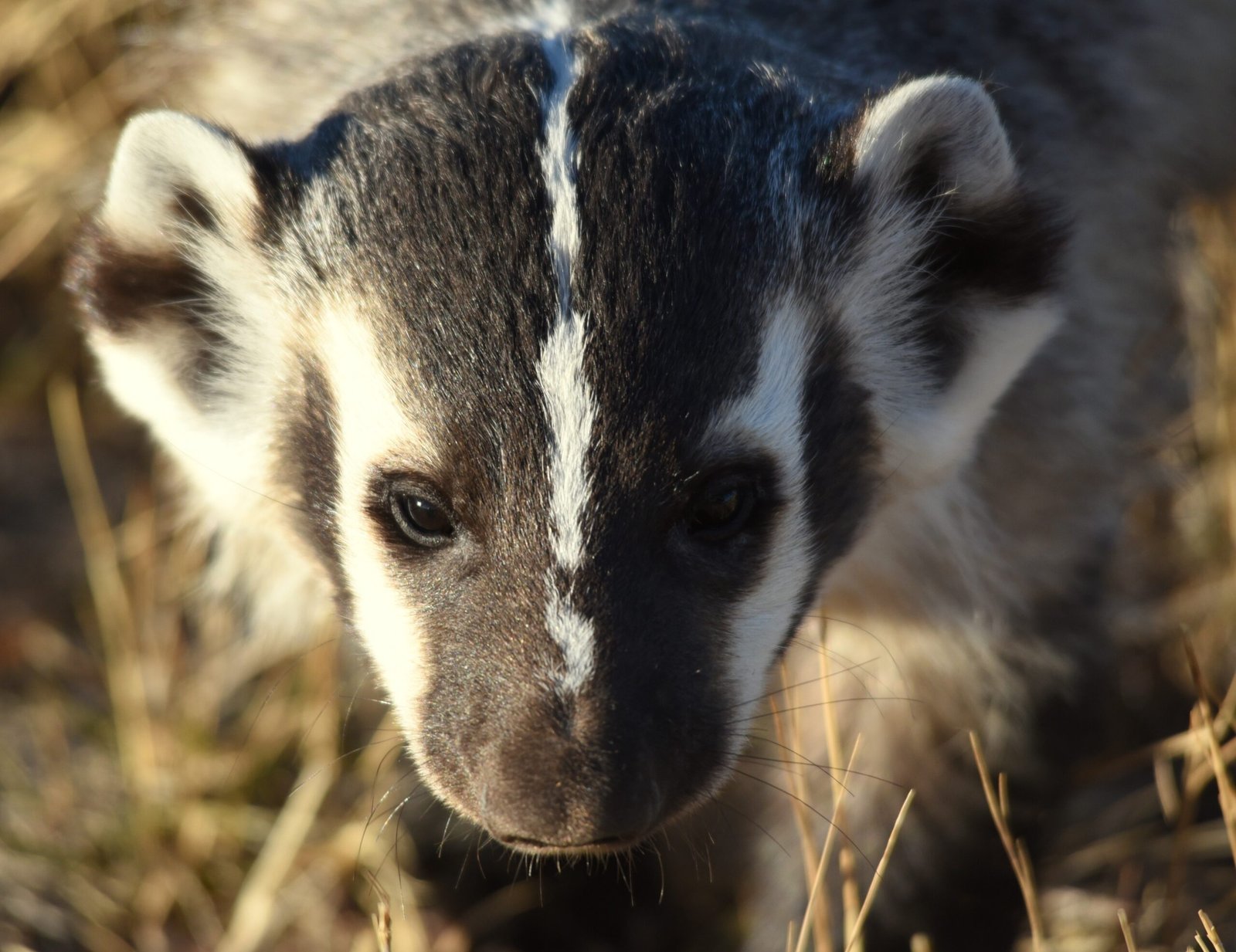
Why would a badger fake its own death? Evolution, as always, has a hand in this drama. Predators often prefer live, moving prey. By going limp and lifeless, a badger bets on the possibility that a predator will lose interest, mistaking it for something that’s already dead or diseased. Over generations, those badgers who happened to “play dead” at the right moment may have escaped and passed on their genes. This behavior becomes a quirky, yet effective, evolutionary defense. It’s a bit like bluffing at cards—the badger is banking on its predator’s uncertainty.
How Scientists Discovered the Behavior

Reports of badgers faking death have trickled in from wildlife rescue centers and field biologists for years. At first, these stories were met with skepticism—after all, badgers are known for their resilience and aggression, not for playing possum. However, with the rise of camera traps and careful monitoring, more incidents were documented. In some cases, badgers were observed springing back to life moments after their would-be attacker departed, scampering off into the undergrowth without a scratch. These documented cases have helped legitimize what was once considered mere folklore.
The Role of Instinct and Learned Behavior

Is this death-feigning act purely instinctual, or can badgers learn it from their peers? The answer seems to be a mixture of both. Young badgers, or cubs, have been seen imitating the posture of older clan members when danger looms. Over time, repeated exposure to threats may reinforce this behavior, making it more likely that a badger will use thanatosis in the future. It’s a fascinating blend of hardwired instinct and social learning, showcasing the flexibility and intelligence of these woodland dwellers.
Badgers’ Other Survival Tactics

Faking death is just one trick up a badger’s sleeve. These animals are famous for their powerful digging, strong jaws, and fierce determination when cornered. When threatened, badgers may also hiss, growl, or lash out with sharp claws. Some even make a quick dash for their burrow, vanishing underground within seconds. The “fake death” act is reserved for situations where escape seems impossible or confrontation would be too risky. It’s a last-ditch effort—an ace in the hole when all else fails.
Comparisons With Other Animals
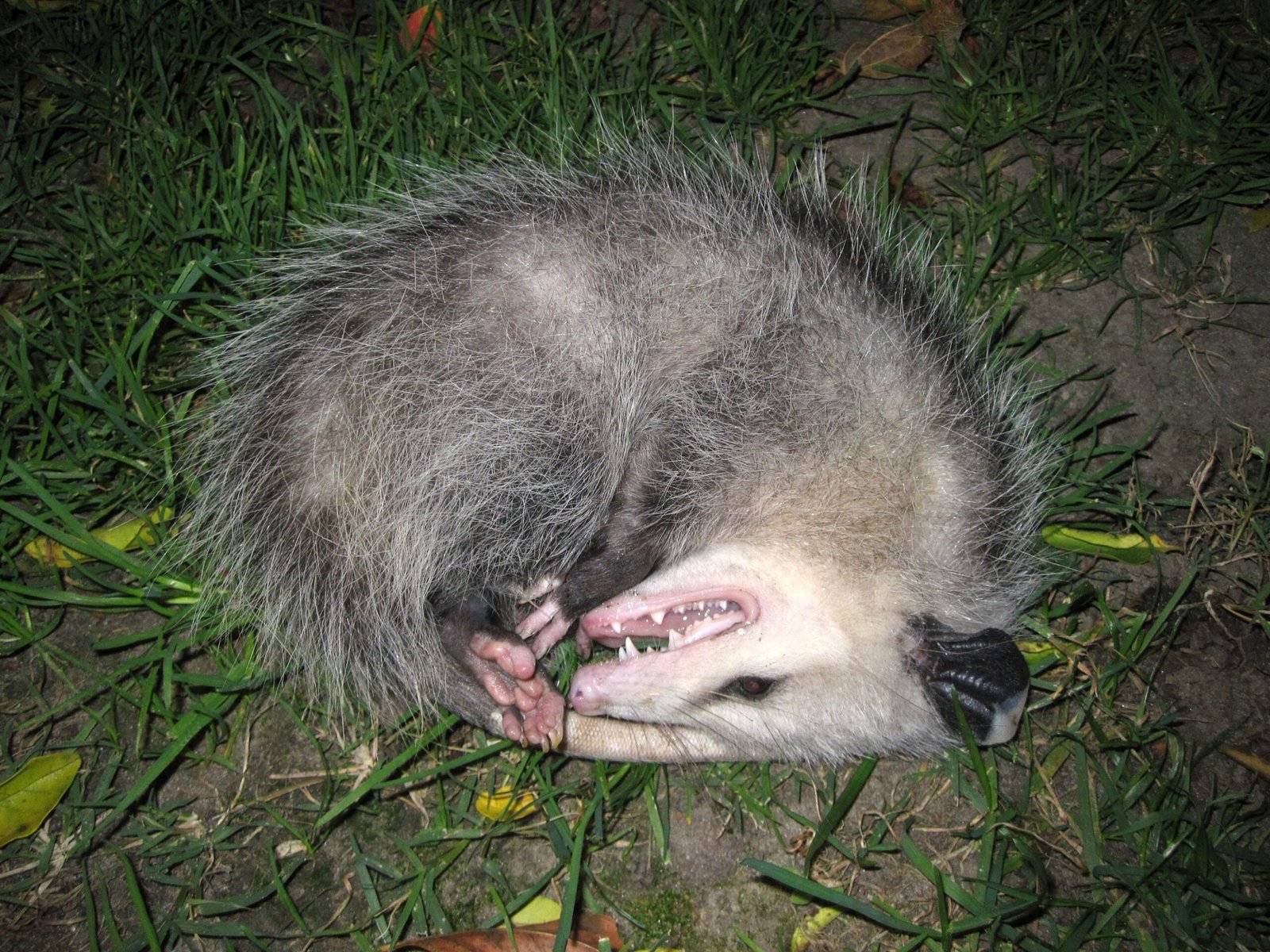
While badgers’ thanatosis is fascinating, they’re not alone in the animal kingdom. Opossums are the poster children for playing dead, but snakes, frogs, and even certain birds have been known to perform similar acts. What sets badgers apart is the rarity and unpredictability of the behavior. Unlike opossums, badgers don’t always resort to it, making each encounter a unique event. This unpredictability adds to their mystique and keeps predators—and humans—on their toes.
Challenges and Misunderstandings
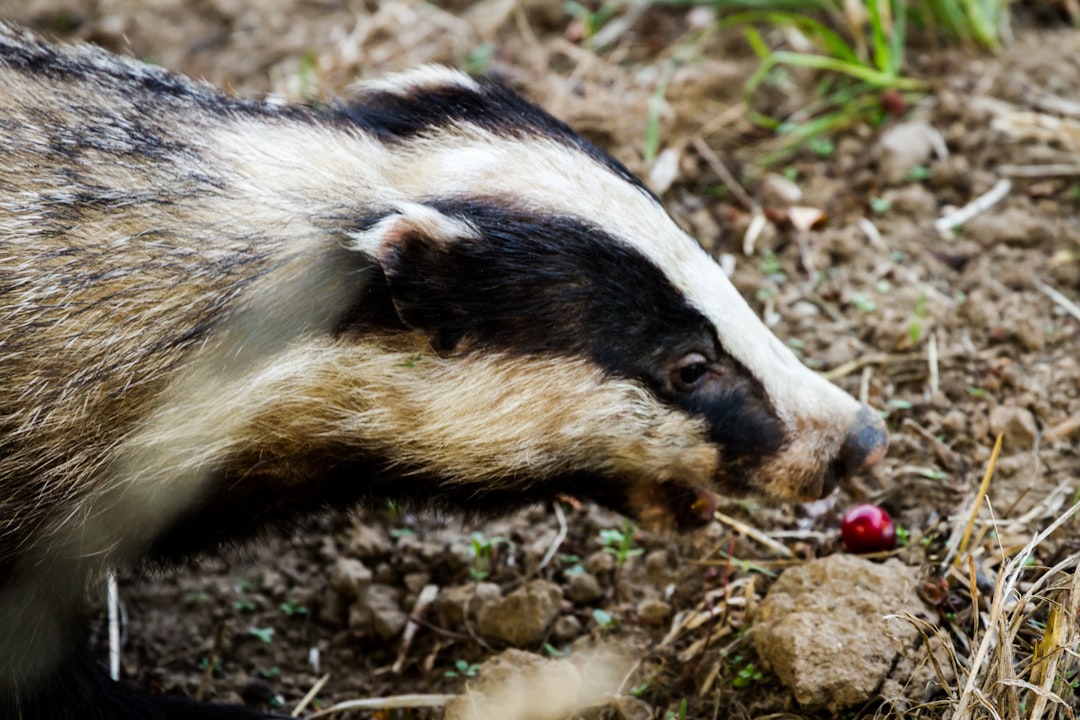
Unfortunately, a badger’s convincing performance can sometimes lead to unintended consequences. Well-meaning people have mistakenly buried or moved “dead” badgers, only for the animal to later revive and escape. Wildlife rescuers now know to look for subtle signs of life, such as shallow breathing or a twitching ear, before making assumptions. This confusion highlights the importance of public education and awareness about the quirky behaviors of local wildlife.
The Impact on Wildlife Research and Conservation

The discovery of death-feigning in British badgers has sparked new interest in their behavioral ecology. Researchers are revisiting old field notes and reviewing footage with a fresh perspective, searching for missed cases. This newfound knowledge could influence how badgers are handled during research or rescue operations. By understanding these behaviors, scientists and conservationists hope to improve the welfare and protection of these remarkable creatures.
What Does This Mean for Our Relationship With Nature?
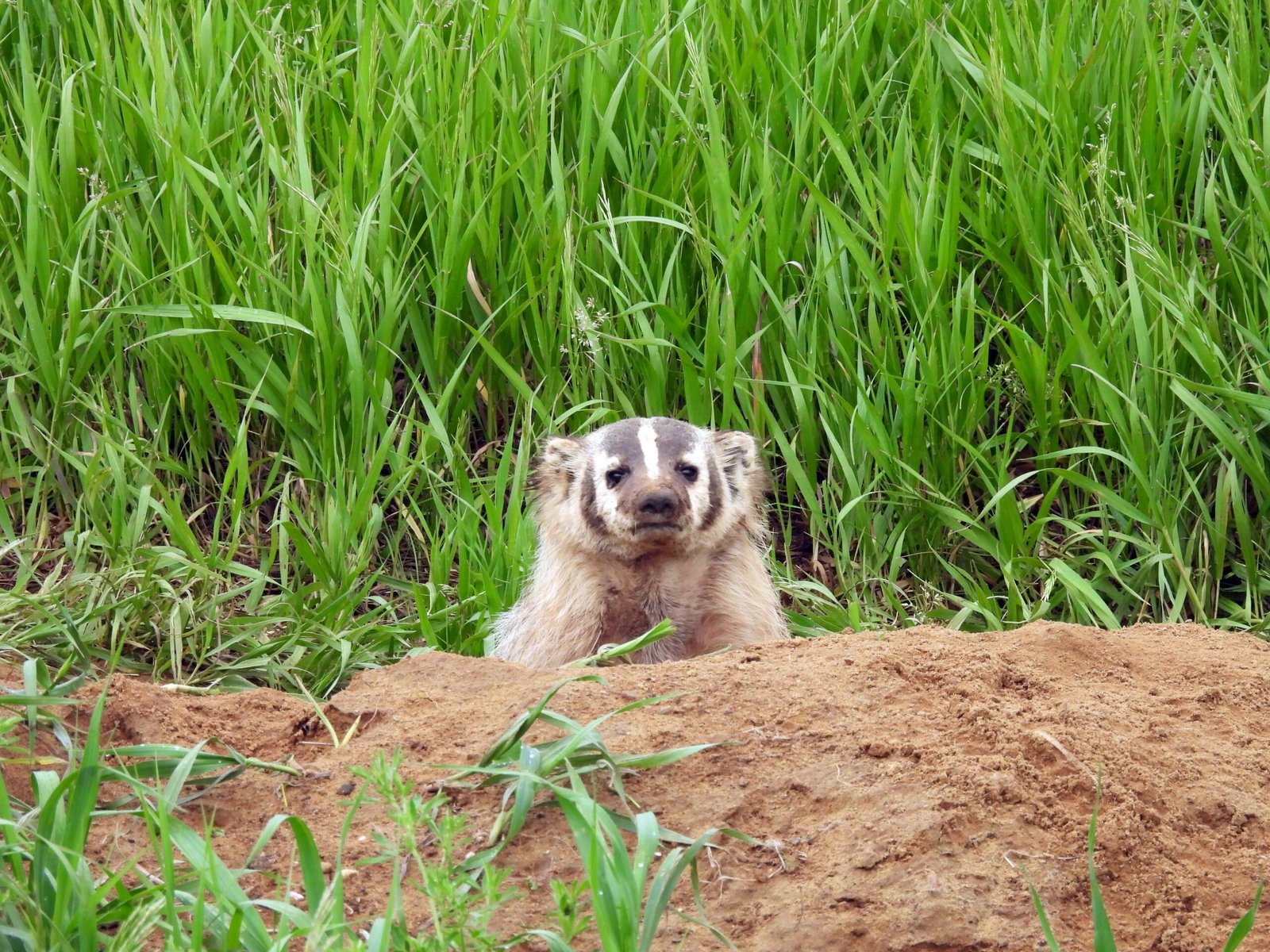
The revelation that badgers can “fake their own deaths” is a powerful reminder of nature’s endless surprises. These moments of animal cunning challenge our assumptions and remind us that wildlife is full of secrets waiting to be discovered. For those who spend time in the countryside, it’s a call to observe more closely and respect the complexity of the living world. Whether you’re a seasoned naturalist or a casual walker, you might just witness a scene that changes how you see the animals around you forever.