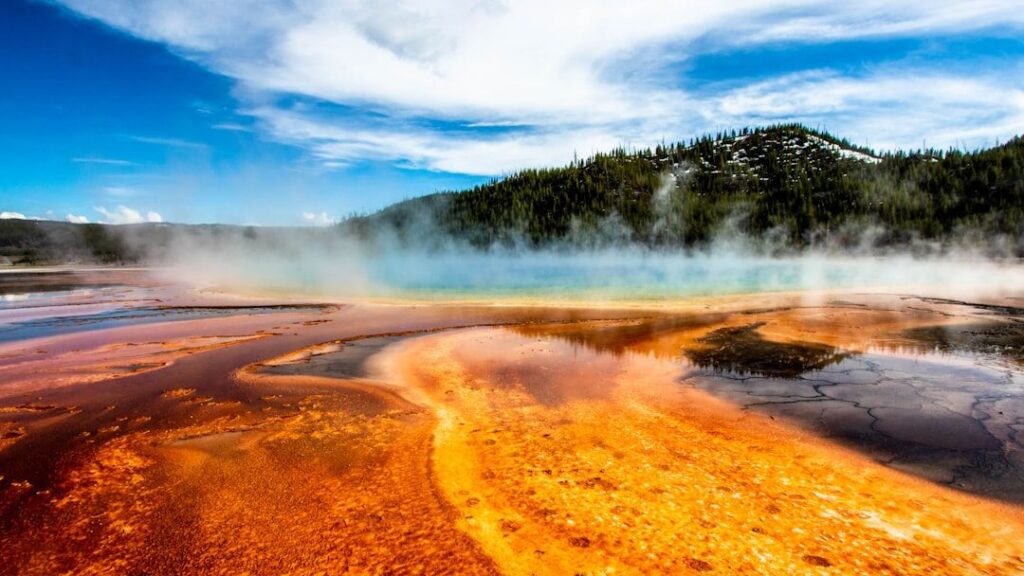
You have probably heard scary stories about Yellowstone’s supervolcano wiping out half the continent overnight. Then you hear experts say there’s “no sign of imminent eruption” and you are left wondering which story to believe. Right now, you are living in a strange in‑between: the system under Yellowstone is clearly active and changing, but the best science still says you are not on the brink of a doomsday blast.
Over just the past couple of years, geologists have picked up several surprising signals from deep beneath the park. They are not Hollywood-style omens, but they do show you that Yellowstone is more restless, more complicated, and frankly more interesting than the disaster headlines ever capture. If you pay attention to the details, you see four big “warning signs” scientists did not fully expect – not warnings of a looming supereruption, but warnings that your old mental picture of Yellowstone is out of date.
1. The First Fully Instrumented Hydrothermal Explosion
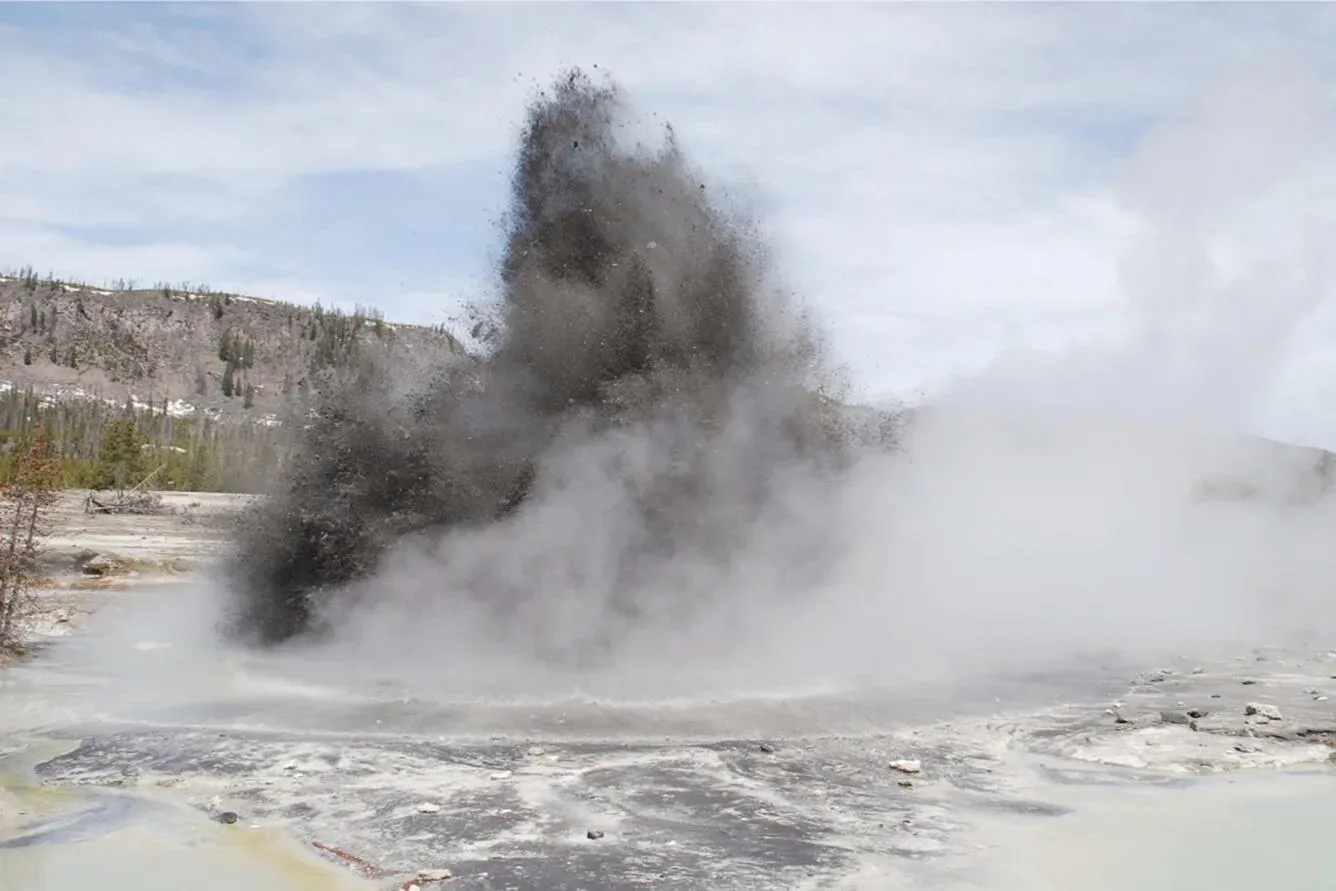
One of the most shocking recent moments at Yellowstone did not come from magma at all, but from boiling water. In April 2024, sensors picked up a violent hydrothermal explosion in the Norris Geyser Basin – basically a pressurized, steam‑driven blast that threw rocks and mud into the air and forced the closure of part of the park. You are talking about the underground plumbing suddenly flashing to steam and ripping itself open, not lava pouring out of a crater.
What makes this a genuine “new warning sign” is not that hydrothermal blasts are rare in Yellowstone’s long history – they have happened many times – but that this was the first time scientists captured one in detail with modern seismic and infrasound instruments. For you, that means your understanding of surface hazards is getting sharper, but it also means Yellowstone’s thermal system can still surprise you in very real, physical ways. A hydrothermal explosion will not end civilization, but if you are standing in the wrong place, it can ruin your day fast.
2. A Volatile-Rich “Cap” Holding the System in Check
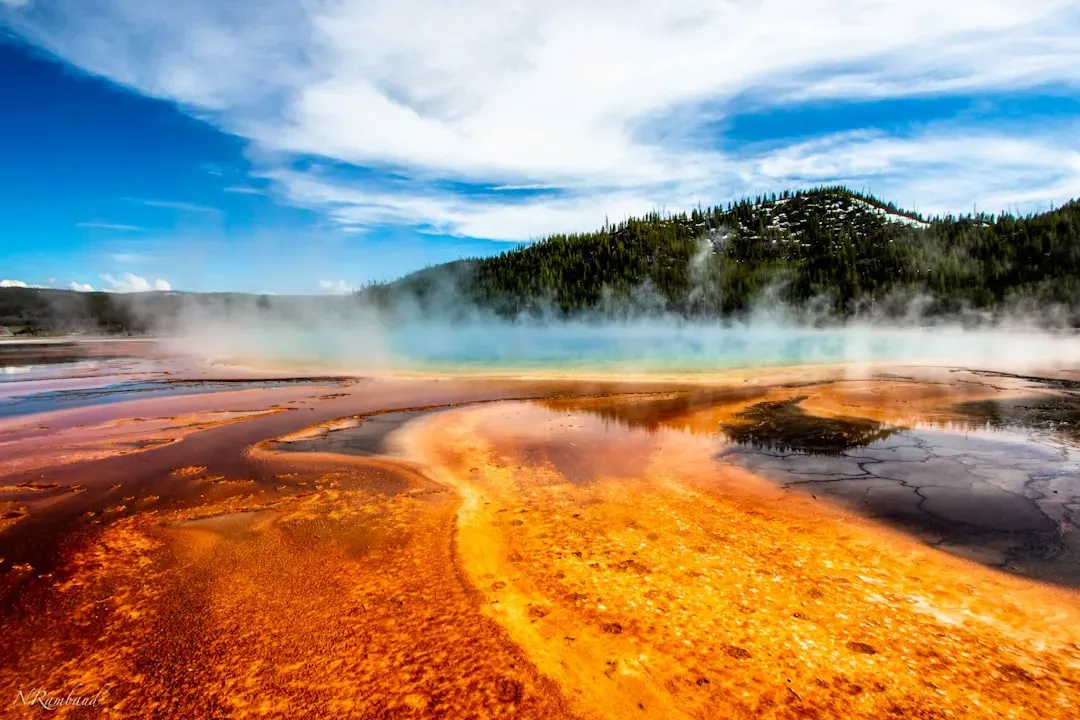
While you have been picturing a giant, seething lake of magma under the park, new imaging has painted something much stranger: a relatively thin, volatile‑rich cap sitting on top of the deeper magma reservoir. This zone, a few kilometers beneath the surface, seems packed with gas and fluids that move through a kind of leaky, sponge‑like rock. Instead of a sealed pressure cooker, you are looking at a system that burps and sighs, bleeding off pressure through gas and hot water over long periods.
For hazard watchers, that is both reassuring and humbling. On the reassuring side, this “cap” behaves like a lid with tiny, permanent vents, which makes a sudden, massive pressure spike less likely. On the humbling side, it tells you that Yellowstone’s plumbing is more layered and delicate than the old simple models ever allowed. You cannot just watch one magma chamber and call it a day; you have to watch how gas, fluids, and melt interact in this fragile, breathing roof above the reservoir – because subtle shifts up there can change what you feel at the surface.
3. Magma That Is Closer, Patchier, and Less Eruption-Ready
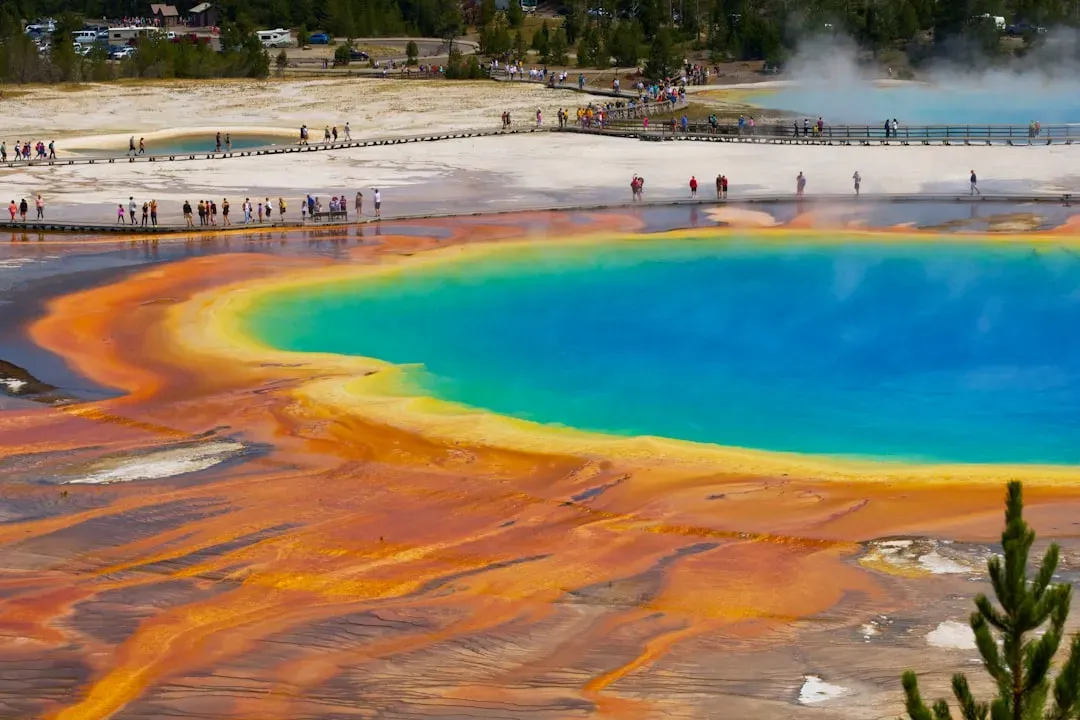
Another curveball for you: as seismic imaging has improved, scientists have realized Yellowstone’s magma system is not one giant molten blob but a patchy mix of mostly solid rock with pockets of melt. Some recent studies suggest the melt fraction is relatively low and spread out, which means you are not living above a single, fully liquid chamber waiting to explode. In practical terms, the rock under your feet is more like a fruitcake with gooey pockets than a big pot of soup.
At the same time, new geodynamic models hint that the magma source region feeding Yellowstone may sit a bit closer to the base of the crust than older ideas implied, and that it is driven more by crustal stretching and mantle flow than by a neat, vertical “hotspot plume.” That is the part you probably did not expect: the engine is both nearer and messier, yet still not in an eruption‑ready state. For you, the takeaway is nuanced – Yellowstone is definitely alive and being recharged over geologic time, but the ingredients are not currently assembled in a way that points to a near‑term supereruption.
4. Earthquake Swarms and Human‑Made “Quakes” Redrawing the Map
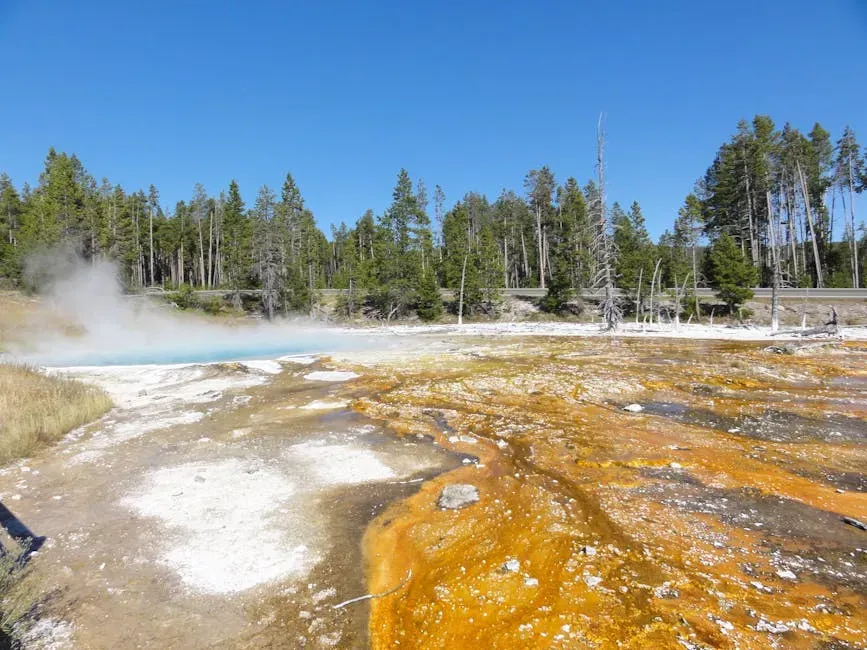
If you want to feel how restless Yellowstone really is, you watch the earthquakes. Instead of a few big, clean quakes, the caldera region often hosts swarms of many small ones that come and go in clusters. With years of dense seismic monitoring and some cutting‑edge machine learning, researchers have produced ultra‑detailed catalogs showing you that these swarms migrate in space and time, tracing out changing pathways where fluids and stress are moving through the crust. The pattern is less like a single ticking time bomb and more like a constant, low‑level shuffle of rock blocks and fluids.
To push this further, scientists have even used heavy vibrator trucks to generate tiny, controlled “earthquakes,” sending seismic waves into the ground and recording how they bounce back. From your perspective, that is wild – humans essentially pinging the volcano to see what it looks like inside, like a medical scan for the planet. The most surprising result so far is how complex and anisotropic the upper few kilometers appear, with structures that guide fluids and melt in unexpected directions. It means the map of where future vents, geyser changes, or small eruptions might occur is being redrawn in finer detail than ever before.
A Shifting Hotspot and Rethought Eruption Scenarios
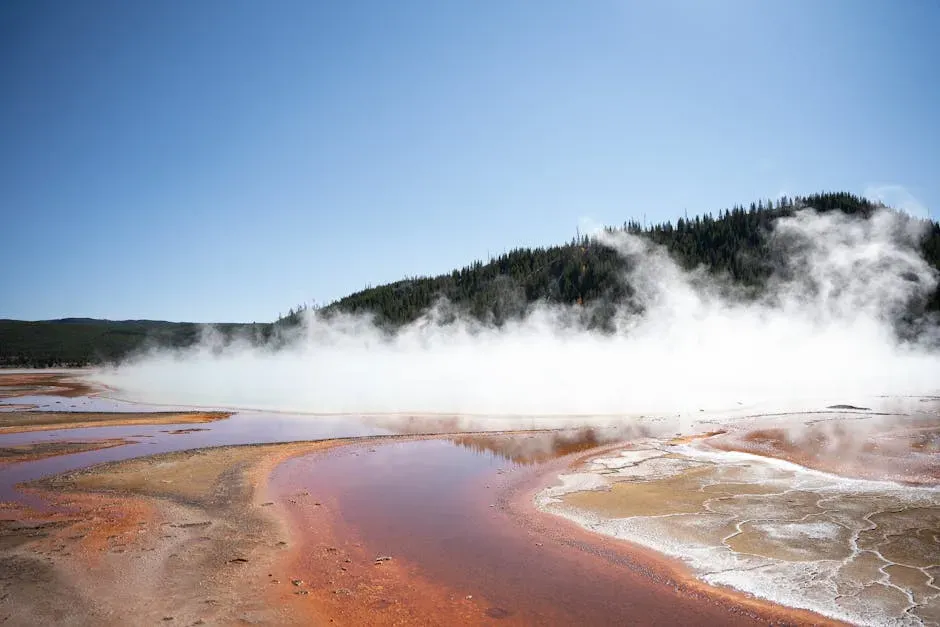
For years, you were probably fed a simple story: Yellowstone sits on a stationary mantle hotspot that burns a straight track through North America. Recent large‑scale modeling of the western United States has pushed back on that idea, suggesting instead that regional tectonics and mantle flow play a much bigger role in steering where magma actually collects. In some models, the magmatic system feeding Yellowstone appears elongated and shifted, hinting that the locus of activity has been slowly wandering over time.
For future hazards, that matters more than you might think, because it affects where the most likely future vents and lava flows could appear, even if those eruptions are small compared with past supereruptions. Some newer work has even tried to estimate where, hundreds of thousands of years from now, the system might break the surface again. You will never see that future, but knowing that the “hotspot” is not a rigid, vertical pipe pushes you away from crude, sensational predictions and toward a more realistic picture: a mobile, evolving magmatic system whose next move is shaped by deep mantle currents and the slow tearing and stretching of the crust.
The Biggest Surprise: The Real Risk Is Lower Than the Hype
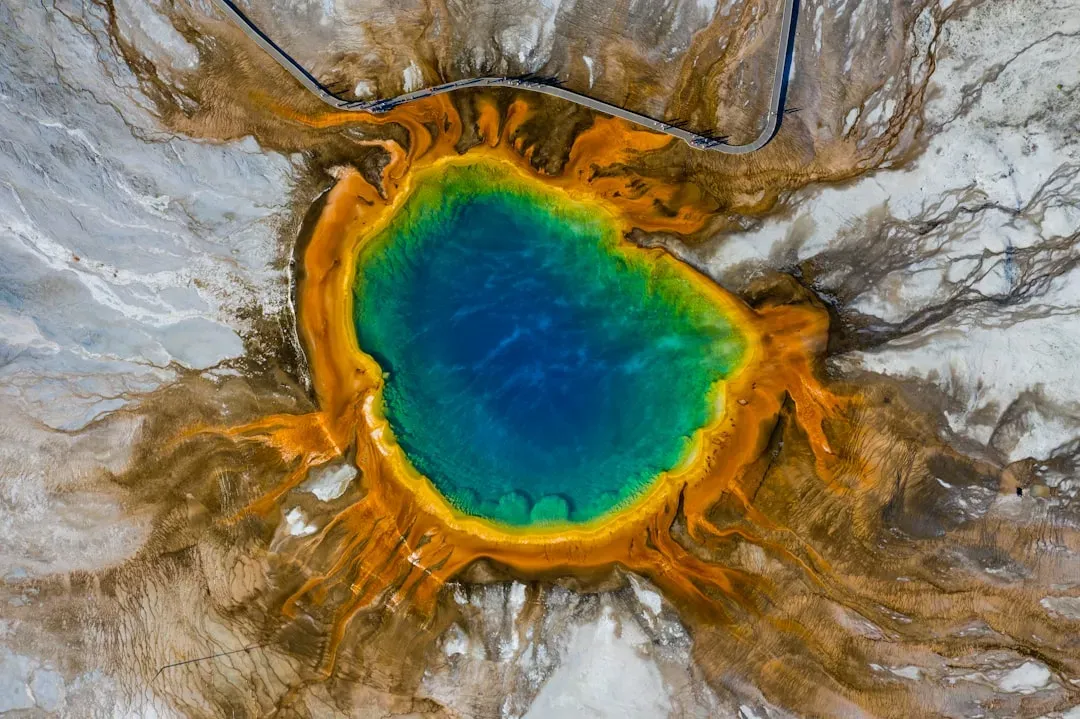
Here is the twist no one puts in the scary headlines: when you put all of these new warning signs together – hydrothermal blasts, volatile caps, patchy magma, shifting swarms – they do not add up to “imminent cataclysm.” Instead, they tell you the system is efficiently bleeding pressure, mostly solid, and evolving on timescales far beyond your lifetime. Yellowstone’s official alert level remains at its lowest setting, and the monitoring networks are so dense that any move toward a real magmatic eruption would show up in multiple data streams long before anything erupted at the surface.
That does not mean there is no risk for you to care about. The more realistic hazards in your lifetime are moderate events: hydrothermal explosions that can close basins, changes to geysers, local ash from a small eruption, and swarms of quakes that rattle nerves and test infrastructure. The real “warning” here is not that you should fear an extinction‑level blast any day now, but that you should respect how active and dynamic this landscape is, even when the deeper system is technically quiet. Yellowstone is not a sleeping dragon; it is more like a big, restless animal that twitches and snorts all the time without actually charging.
Conclusion: Living With a Restless Giant
When you step back, the four big surprises under Yellowstone – the captured hydrothermal explosion, the volatile‑rich cap, the closer but patchier magma, and the re‑mapped seismic and tectonic plumbing – do not give you a countdown clock to doom. They give you something much more useful: a more honest, more precise sense of what is actually happening underground. You go from cartoonish fears of instant annihilation to a grounded respect for a system that is complex, leaky, and closely watched by people who devote their careers to understanding it.
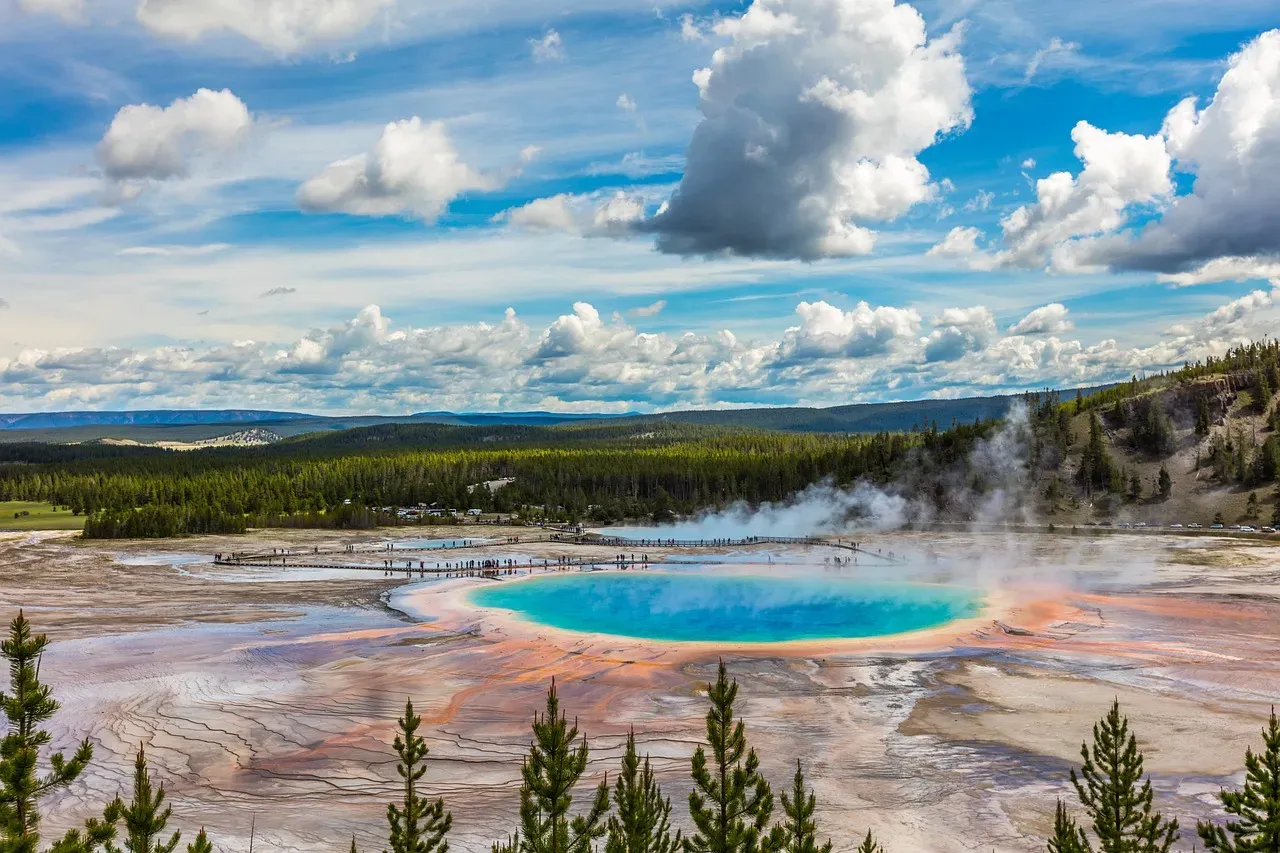
If you ever visit the park, you will walk on boardwalks above boiling pools and hissing vents, feeling the thin line between stable crust and deep heat. That line is thinner and more intricate than anyone guessed a few decades ago, but it is also better instrumented and better understood than at any point in history. You are living at a time when the “warning signs” are less about panic and more about insight – signals that force you to update your mental picture and drop the cheap disaster myths. Knowing all that, do you see Yellowstone as more terrifying now, or more astonishing?