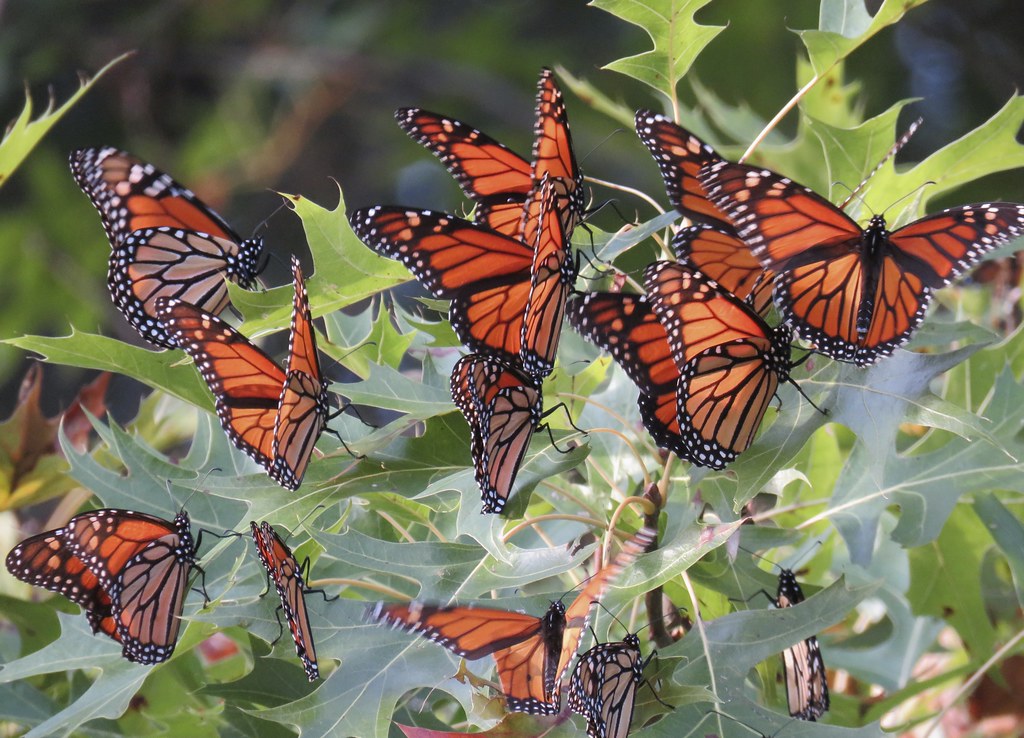

You probably picture monarch butterflies drifting lazily over endless fields of flowers, like some dreamy nature documentary. The reality is far tougher, messier, and a lot more fragile than that. During migration, monarchs are not gliding over a continuous sea of habitat; they’re basically island-hopping across scattered specks of usable land, each one a matter of life or death. If you care about nature, climate, or just want your kids to still see monarchs in the wild, what happens on those tiny patches matters directly to you. Once you understand how ruthlessly dependent monarchs are on small fragments of habitat, you start to see vacant lots, roadsides, and weedy corners in a completely different way – less like clutter, more like emergency fuel stations on a very long road trip.
Why Monarch Migration Is So Risky in the First Place
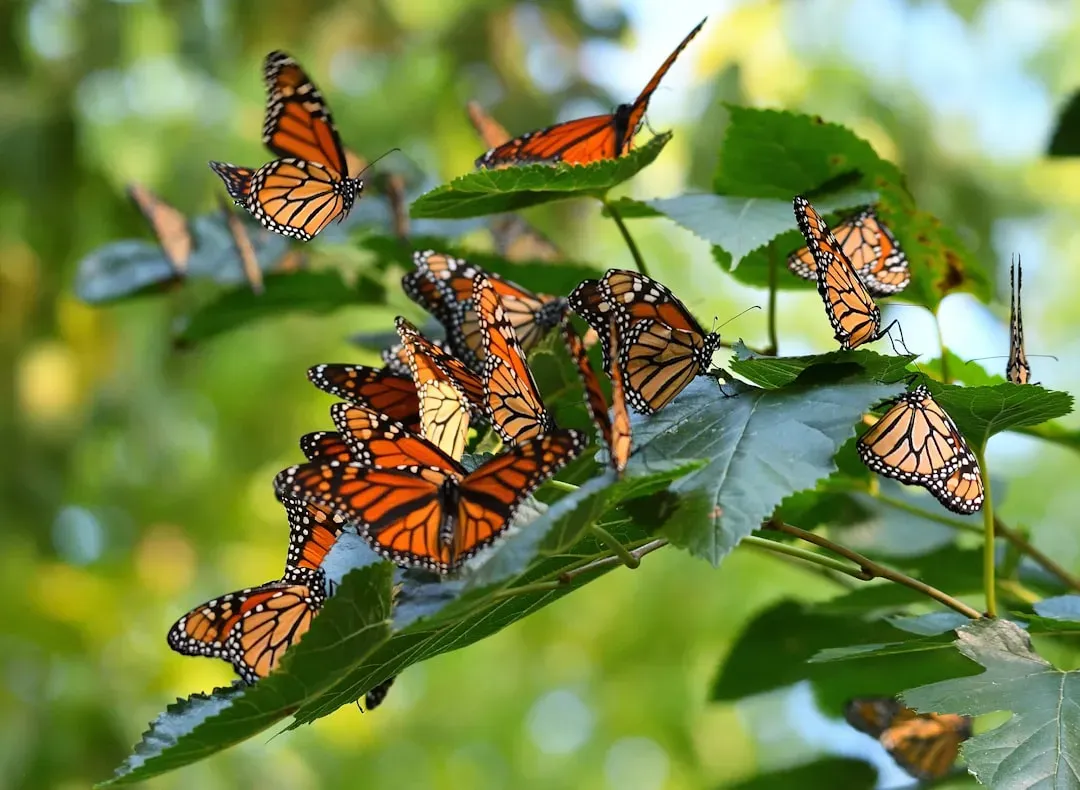
When you think about wildlife migrations, you might imagine huge herds or flocks following ancient, safe routes. Monarch butterflies flip that idea on its head. They are small, delicate, and yet they travel thousands of miles, crossing landscapes that are mostly built around human needs, not theirs.
Instead of having one simple journey, monarch migration is spread across multiple butterfly generations. The monarch you see in late summer might be the great-grandchild of the one that left the wintering grounds months earlier. That means every stopover, every feeding spot, and every rest site has to work, or the chain breaks.
The Big Journey Depends on Tiny Rest Stops

You can think of the monarch’s migration like a long highway drive with a nearly empty gas tank. You cannot skip too many exits without risking a breakdown. In the same way, monarchs rely on frequent access to nectar, safe roosting spots, and, at certain times of year, milkweed for laying eggs.
Those places are not always obvious. Sometimes they are prairie remnants, sometimes they are small patches of restored grassland, and sometimes they’re just weedy strips along a fence or a roadside. The key point is that those tiny places often act as essential stepping-stones that keep monarchs from running out of energy mid-journey.
What “Tiny Habitat Patches” Actually Look Like
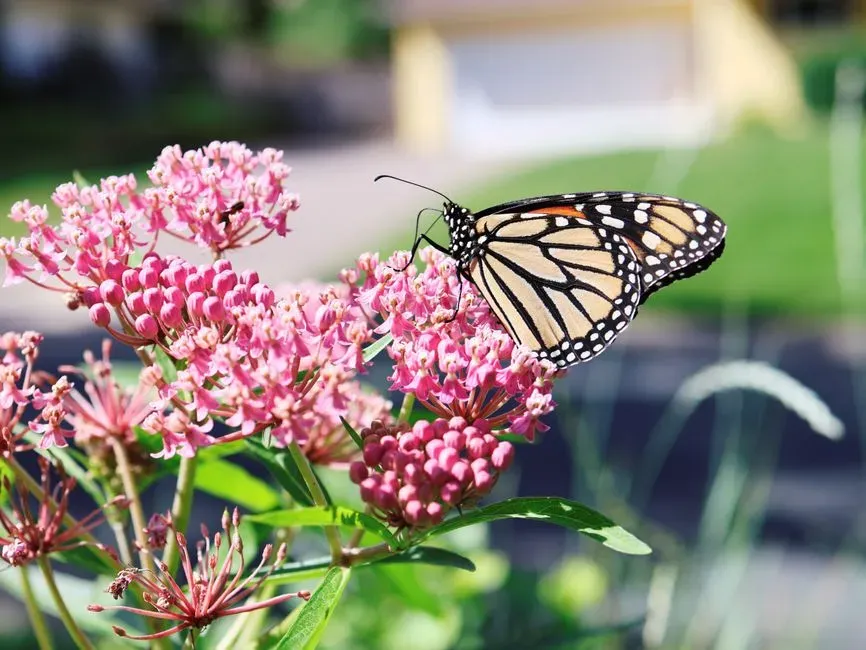
When scientists talk about tiny habitat patches, they are not imagining national parks or huge preserves. You are often looking at half an acre behind a school, a stretch of flowering plants next to a drainage ditch, or a thin band of native vegetation under power lines. They can be so ordinary you might drive past without noticing.
What makes these areas valuable is not their beauty or size, but their function. If a patch offers blooming flowers for nectar, some shelter from wind, and at the right times milkweed for caterpillars, it suddenly becomes a high-value stopover. In a landscape dominated by crops, lawns, and pavement, even a small, messy-looking patch can become a critical survival zone.
How You Can Tell If a Patch Helps Monarchs
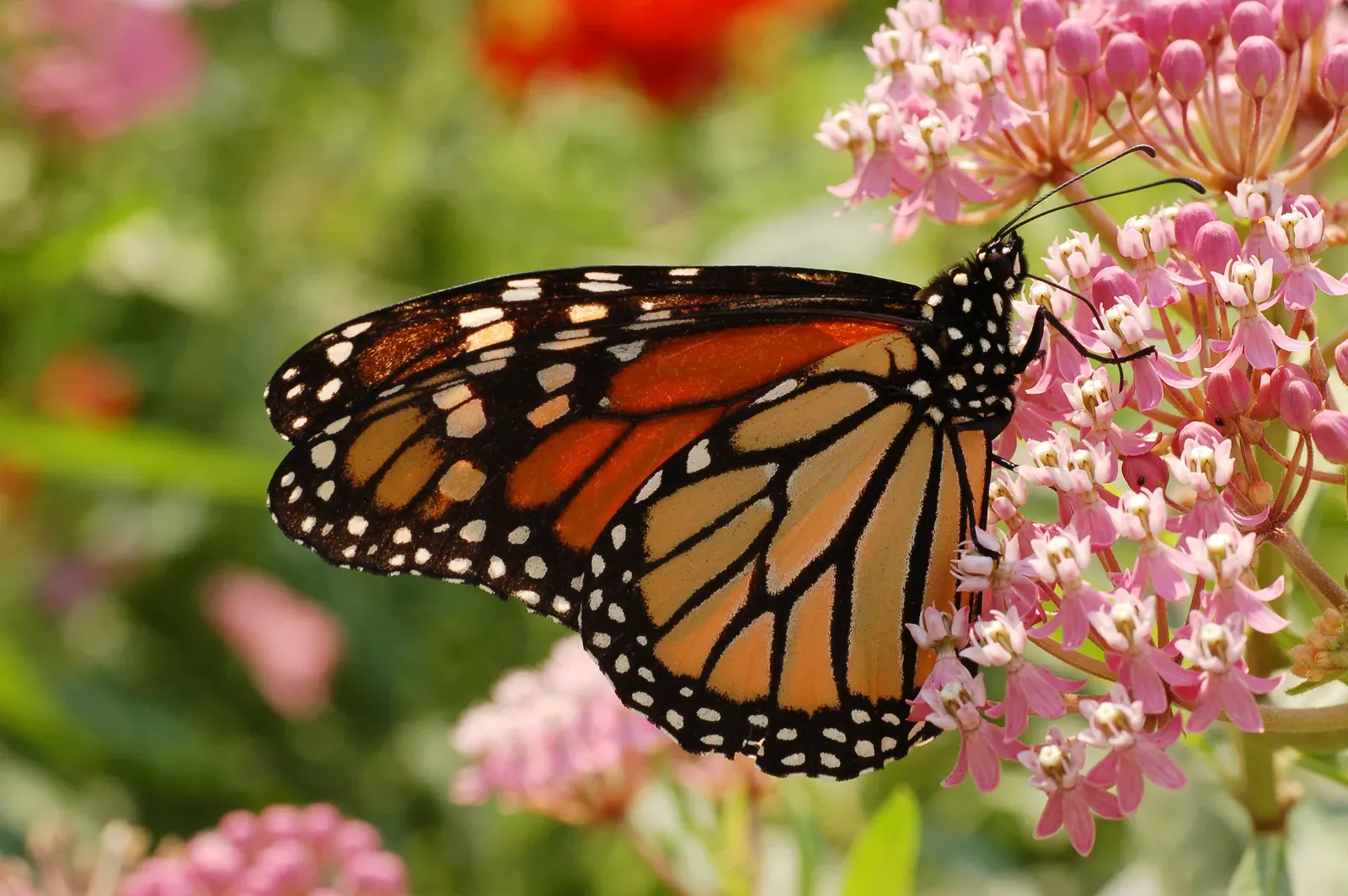
You do not have to be a professional biologist to recognize a helpful monarch patch. First, you look for diversity: a mix of wildflowers that bloom at different times from spring through fall, not just one showy plant that flowers for two weeks. The more continuous the nectar supply, the better the odds that migrating monarchs will find fuel when they pass through.
Second, you check for milkweed species native to your region. Monarchs lay their eggs exclusively on milkweed, so without it, a patch is just a temporary café, not a nursery. Lastly, you pay attention to pesticides and mowing. A patch sprayed heavily or mowed at peak blooming or breeding times can turn from a refuge into a dead zone overnight.
Why Fragmented Landscapes Make These Patches Crucial
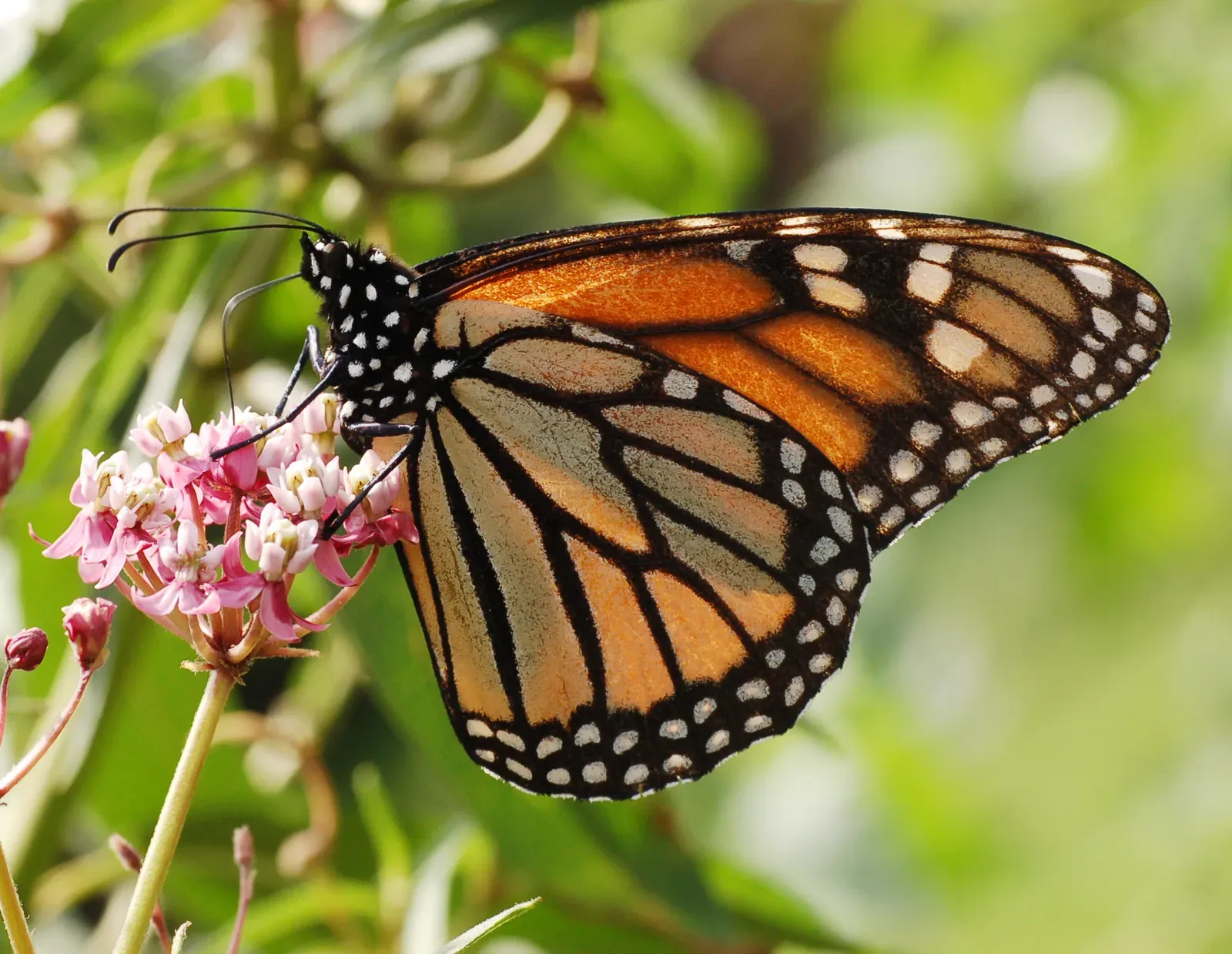
Across much of North America, you live in a landscape that is broken up by roads, suburbs, intensive agriculture, and industrial land use. From a monarch’s point of view, that looks like a puzzle full of gaps. They cannot feed on cornfields, asphalt, or neatly clipped turf lawns, so their usable areas are scattered and uneven.
That fragmentation makes each remaining bit of habitat much more valuable. When distances between good patches grow too large, butterflies burn through their energy reserves trying to bridge the gap. That is when populations begin to slide, not because of one big disaster, but because too many small failures add up over time.
The Role of Climate and Weather on Tiny Refuge Spots
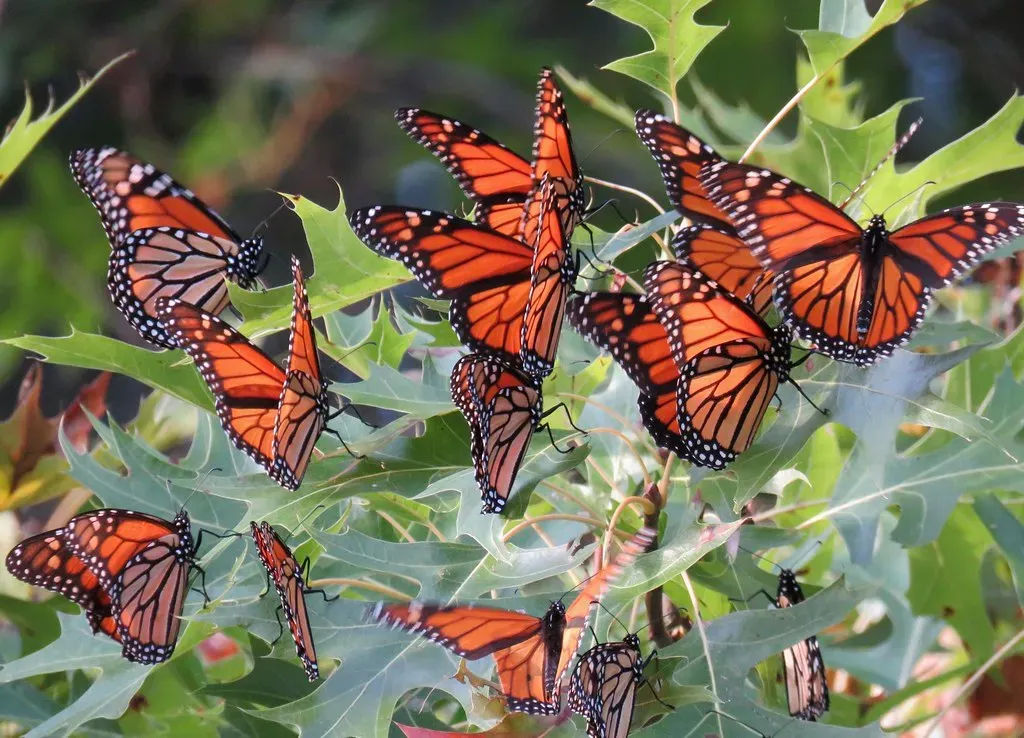
As weather becomes more unpredictable, monarchs are even more dependent on whatever small refuges they can find. Sudden heat waves, late frosts, strong storms, or drought can wipe out nectar sources along sections of their route. When that happens, they fall back on the remaining patches that still offer food and shelter.
Imagine you are on a cross-country hike and a storm wipes out half the shelters where you planned to rest. Now the few that remain become absolutely vital. That is what these little monarch patches are during bad weather years: emergency shelters that buffer the population against sudden shocks and help keep the migration going.
How Your Yard, Balcony, or Schoolyard Fits Into the Story
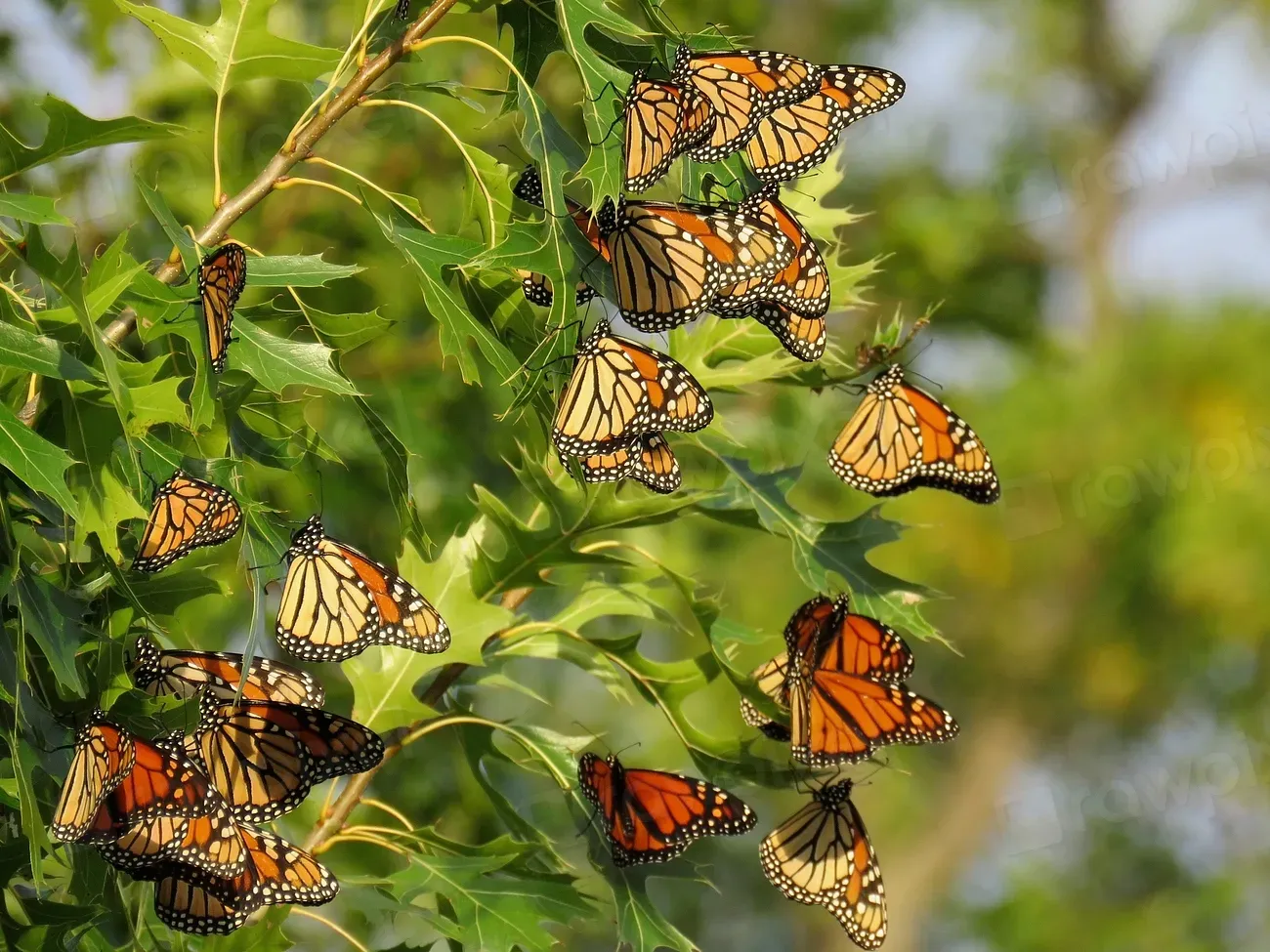
Here is the part that might surprise you most: you do not need a huge property to matter. A modest yard, community garden, or even containers on a balcony can offer nectar plants and maybe a bit of milkweed, turning your space into one more stepping-stone in a giant biological relay race. From the butterfly’s view, it sees flowers and shelter, not your property lines.
If you cluster your efforts with neighbors, the effect multiplies. A single yard with a few flowers is helpful, but a whole block that avoids pesticides, plants native flowers, and leaves some wild corners becomes a small habitat network. In a world of scattered resources, these little constellations of friendly spaces can shift the balance from decline toward resilience.
Simple Ways You Can Build or Protect a Monarch Patch

You do not need to turn your entire space into a wilderness to make a difference. Start by adding a range of nectar plants that bloom in early, middle, and late seasons, choosing species that are native to your area. Mix heights and textures so butterflies have places to land, feed, and rest out of the wind.
Then, protect what you plant. Limit or avoid insecticides, especially during peak migration times when butterflies are actively feeding. Mow less often, and if you need your space to look “tidy,” you can keep borders neat while letting the interior grow wilder. Small design choices like that let you balance aesthetics with real ecological value.
Conclusion: A Vast Migration Held Together by Tiny Places
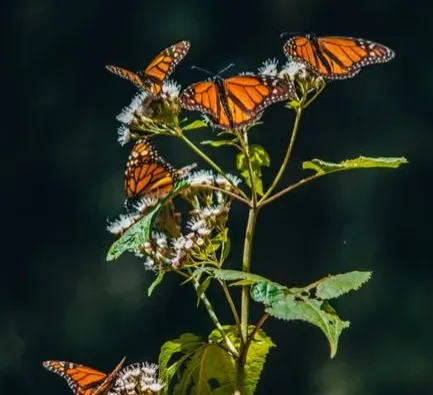
When you step back, the monarch migration is almost unbelievable: a huge, continent-scale phenomenon held together by scattered specks of habitat, many of them sitting unnoticed on the edges of your daily life. Those tiny patches are not side details; they are the invisible threads that keep a fragile natural wonder from unraveling completely.
If you choose to see your yard, your street, or your local park as part of that network, you stop being a bystander and become part of the system that supports migration itself. Every time you let a corner stay wild, plant milkweed, or talk a neighbor into skipping a spray, you are quietly strengthening those threads. Knowing that, what kind of patch are you willing to create in the space you control?