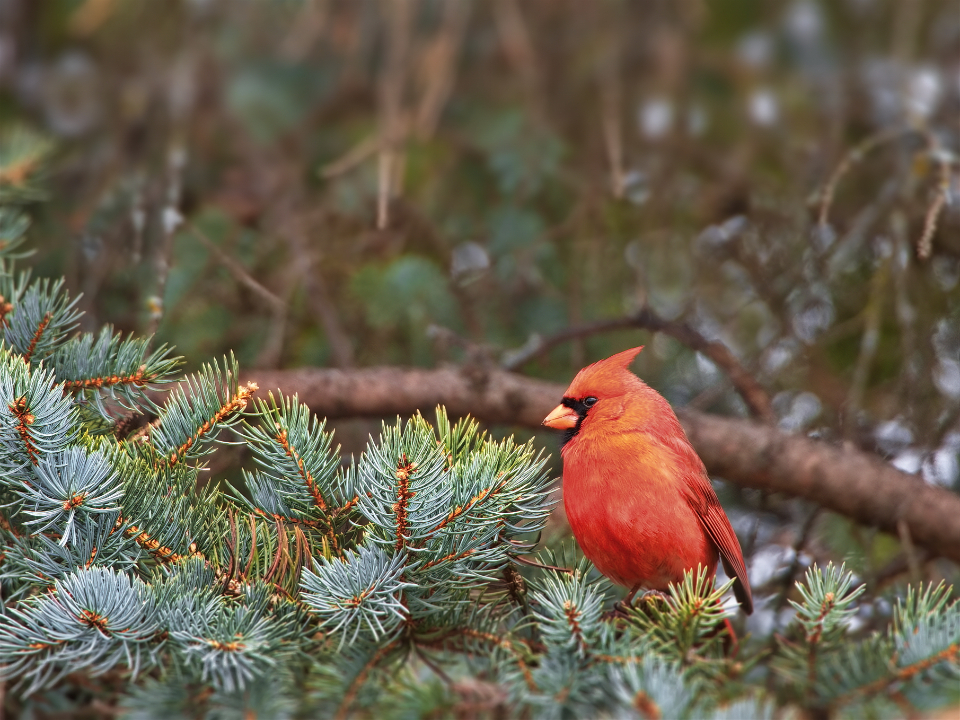

If you’ve ever stared out the window wondering why that brilliant red cardinal keeps vanishing into the bushes instead of hanging around your fancy feeder, you’re not imagining things. Wildlife biologists have been quietly gathering evidence that cardinals are far more in love with dense, native shrubs than they are with most plastic tubes and metal seed trays we bolt to our decks.
That doesn’t mean feeders are useless or that you should rip yours down tomorrow. It does mean that if you really want your yard to feel like a cardinal hotspot – the kind where you hear that clear, whistling song all day – you may need to start thinking more like a habitat designer and less like a seed shopper. Once you see how cardinals actually use shrubs for food, shelter, and family life, the whole backyard bird game starts to look very different.
Why Cardinals Naturally Gravitate Toward Thickets, Not Hardware
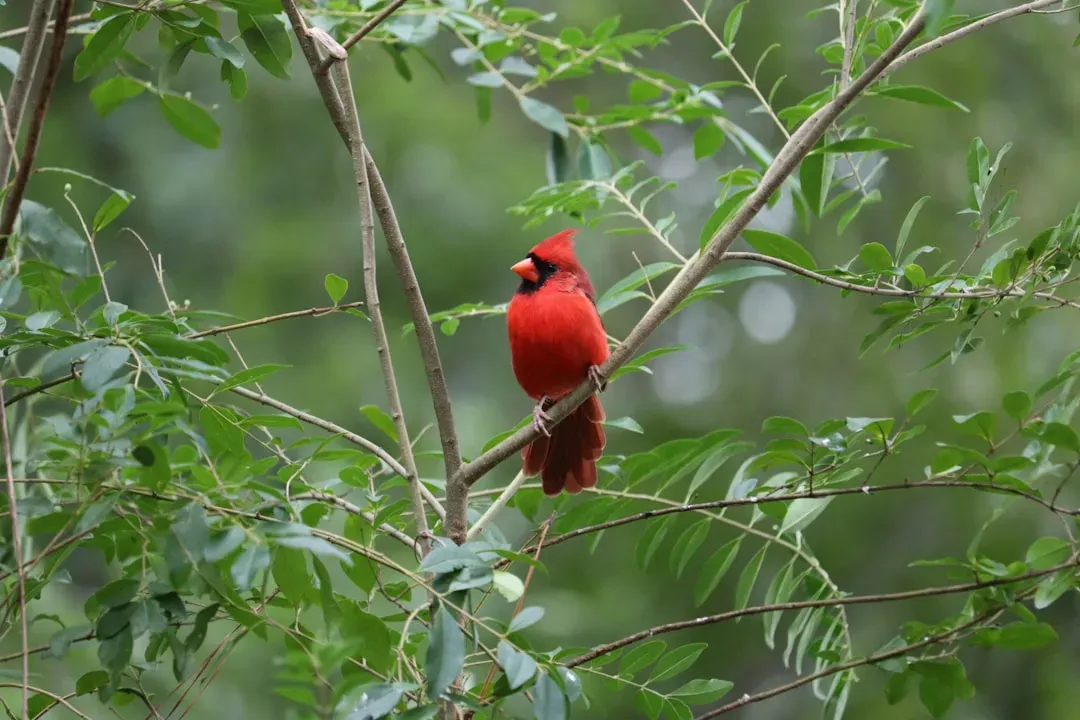
Here’s the shocking part for a lot of backyard birders: in the wild, cardinals rarely feed out in the open the way we often picture them on a feeder. They evolved in landscapes full of tangled thickets, forest edges, and shrubby hedgerows, and their entire body plan and behavior are tuned to that world. A cardinal perched in a dense shrub can hop from twig to twig, grab seeds or fruits, and vanish from a predator’s line of sight in a heartbeat.
Put that same bird on an exposed feeder pole in the middle of a lawn and you’ve basically put a bright red target on a plate. Behavior studies show that cardinals spend much more time near cover and will often fly in, grab a seed, and immediately retreat back to vegetation. Shrubs are not just background scenery; they’re the main stage where cardinals feel safe enough to eat, sing, and socialize.
The Science Of Cover: Predators, Vigilance, And Stress
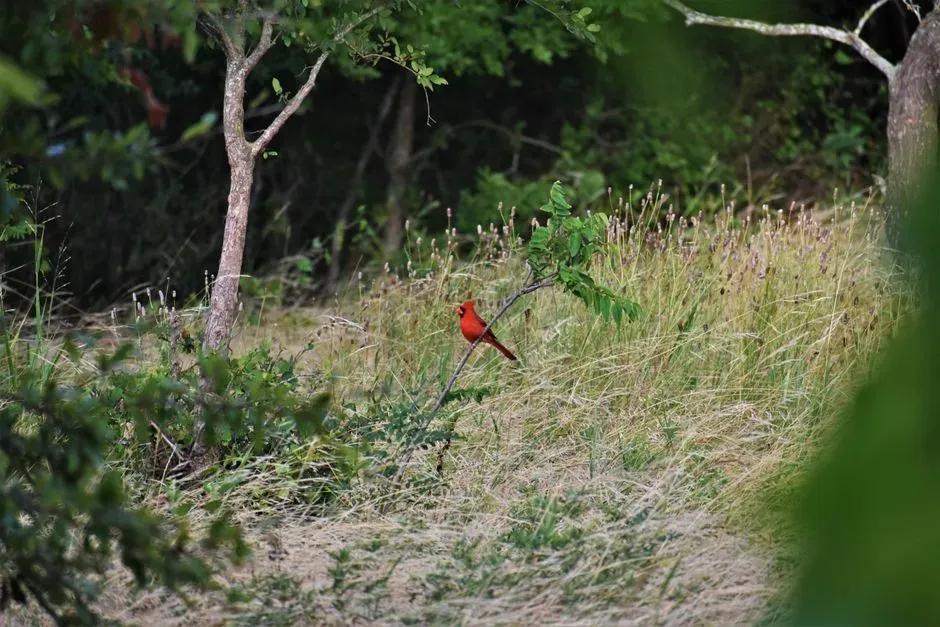
Wildlife biologists who watch cardinals in the field talk a lot about “edge habitat” and “protective cover.” That’s just a more technical way of saying that birds survive by staying close to places they can disappear into. Hawks, owls, and neighborhood cats all see a feeder as an easy hunting spot, especially when it’s placed far from trees or shrubs. In experiments and field observations, cardinals consistently use shrubs as escape routes and vantage points to scan for danger.
All of this matters because birds balance their time between feeding and being on lookout duty. When food is out in the open, they have to spend more energy watching than eating, and the stress level goes up. A yard full of layered, native shrubs lets cardinals grab food quickly, then slip back into cover where they can shell seeds more calmly. Think of shrubs as the difference between eating at a crowded table in the middle of a room and eating in a cozy booth against the wall – same meal, very different comfort level.
Native Shrubs Are Food Buffets, Not Just Green Decorations
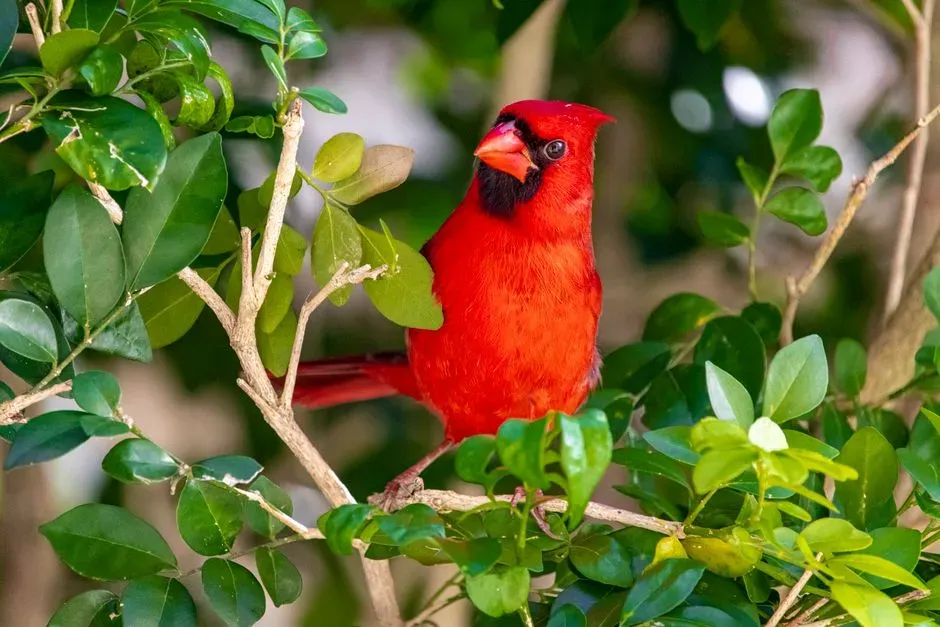
From a wildlife biology perspective, the biggest mistake many yards make is treating plants as purely decorative. Native shrubs are basically slow-motion bird feeders that restock themselves every year without a trip to the store. Species like dogwood, serviceberry, viburnum, elderberry, and native hollies produce seeds and fruits that line up beautifully with the natural diets of cardinals and many other songbirds.
Unlike feeders that offer mostly one or two seed types, a yard planted with diverse native shrubs delivers a rotating menu throughout the year. Buds in late winter, flowers and insects in spring, fruits in summer, and berries and seed heads into fall and early winter – it is a full seasonal buffet. Cardinals are primarily seed and fruit eaters, and when they find a patch of shrubs loaded with the good stuff, they will often prioritize that habitat over any feeder nearby.
How Bird Feeders Still Help – And Where They Fall Short
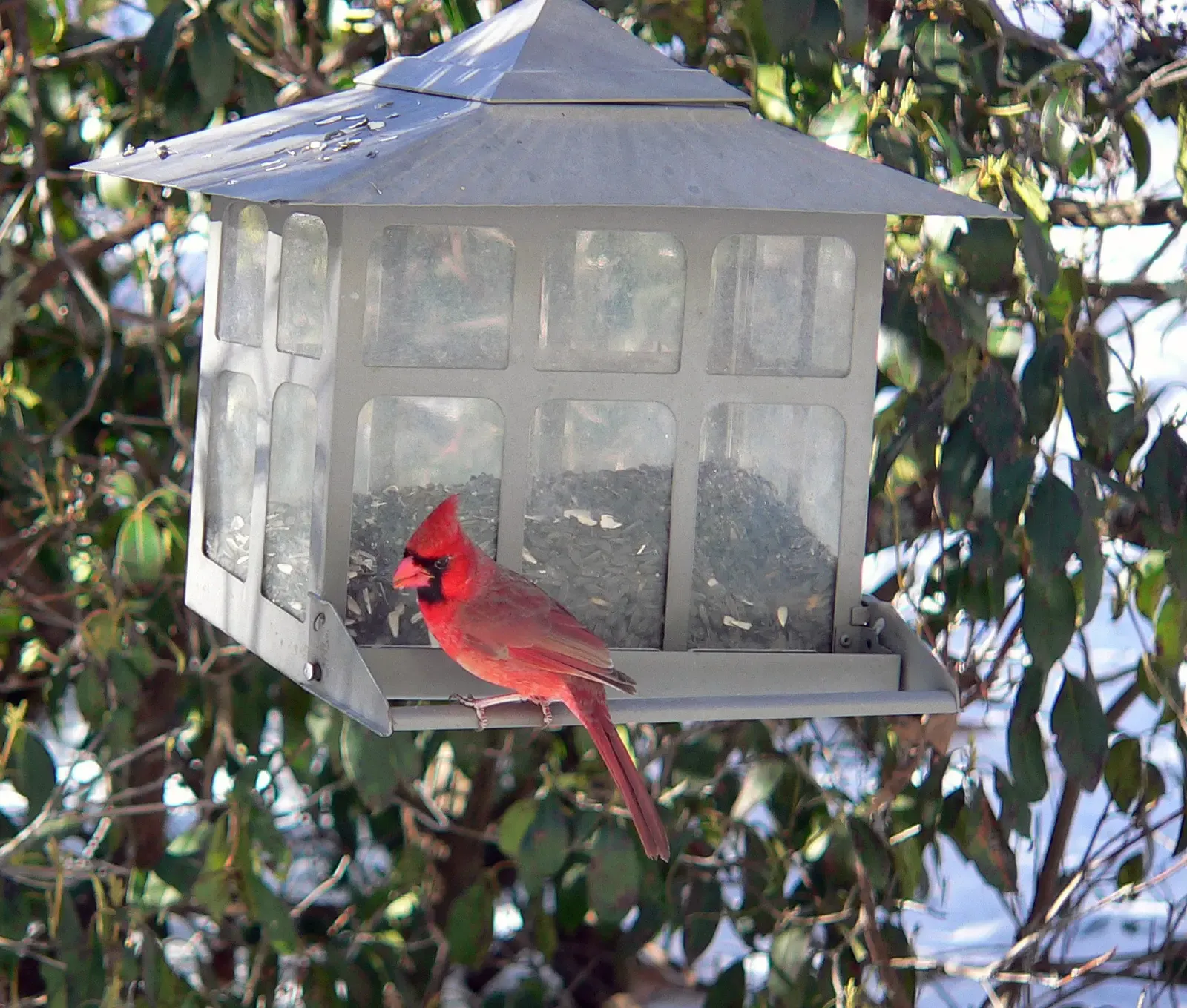
None of this is to say you should toss your seed and resign yourself to gardening only. Feeders absolutely help cardinals, especially in harsh winters or heavily urbanized areas where natural food is limited. Black oil sunflower seed, safflower seed, and quality mixed seed can provide a real energy boost when ice and snow cover natural food sources. Many bird banding studies and winter survival projects support the idea that supplemental feeding can improve survival in tough conditions.
The catch is that a feeder without habitat is like a gas station in the middle of a desert: useful for a quick refuel, but not a place anyone wants to live. Most commercial feeders also create an artificial feeding pattern that concentrates birds in a single, exposed spot. That can increase disease risk, favor more aggressive species, and push shy birds like cardinals onto the edges. In other words, feeders work best when they complement a yard already built around shrubs and cover, not when they’re the only attraction.
Why “Native” Matters More Than Just “Shrubby”
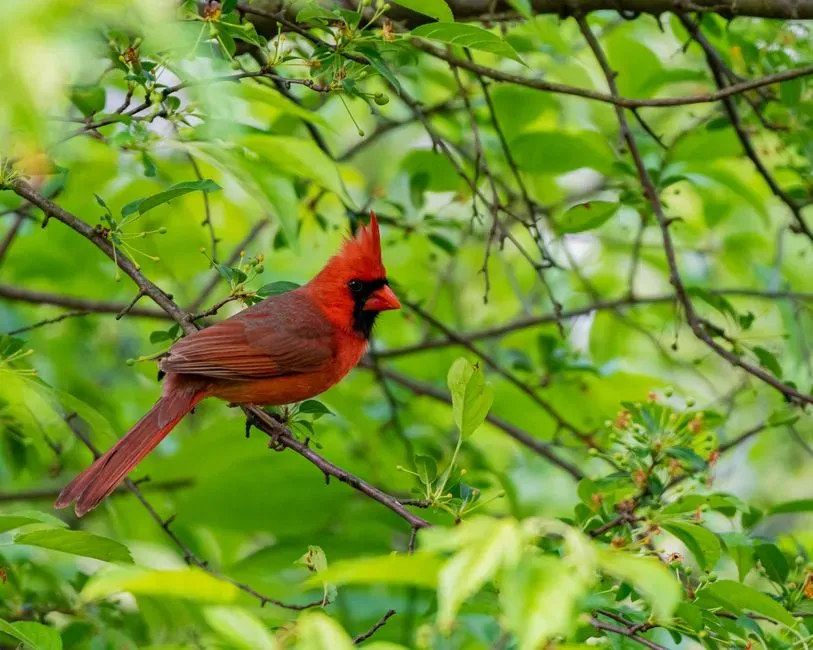
It’s easy to think any bush is better than no bush, but wildlife biologists keep coming back to the word native for a reason. Native shrubs evolved alongside cardinals and other local bird species, which means their fruits, seeds, and timing are a better nutritional and seasonal match. Many non-native ornamentals are beautiful to us but produce fruits that are less nutritious, poorly timed, or so heavily modified that birds barely use them.
On top of that, native shrubs tend to support far more local insects, especially caterpillars and other soft-bodied prey. Even though cardinals eat a lot of seeds and fruits as adults, they feed insect-rich diets to their chicks. A yard full of native shrubs becomes not just a pantry for adult birds but a grocery store for baby food. That is something a metal bird feeder – no matter how expensive – can never really replace.
Cardinals Choose Homes, Not Just Snack Stops
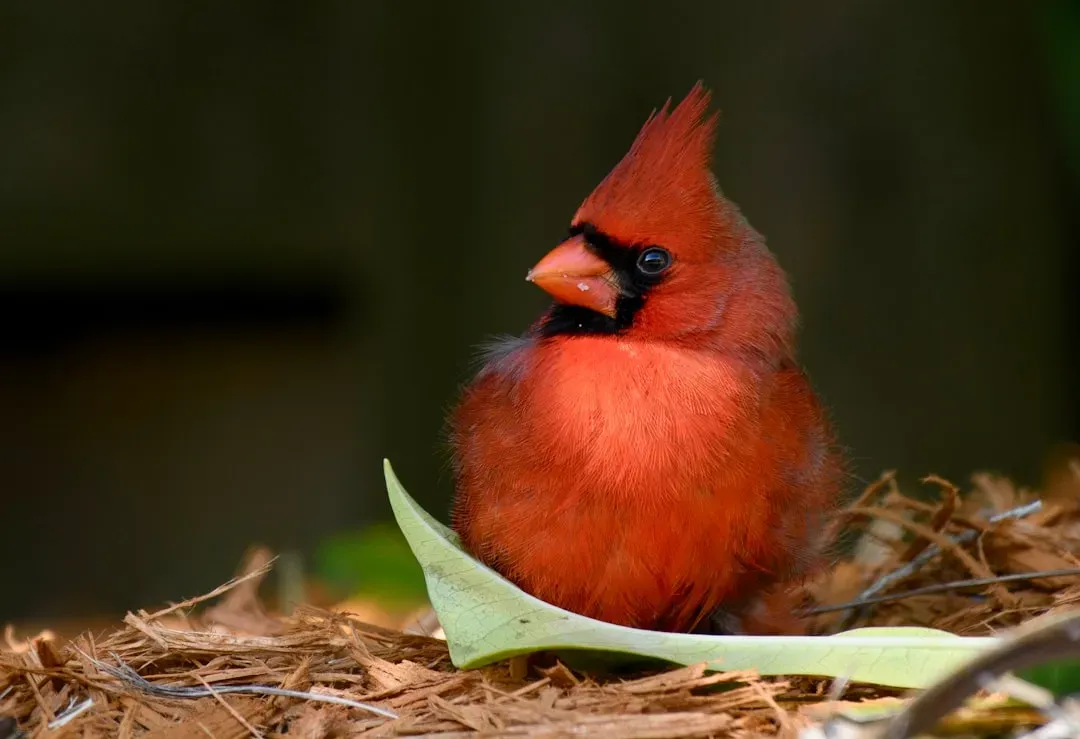
One of the most overlooked truths in backyard birding is that cardinals are not just visiting; they’re looking for territory. Males claim and defend spaces that have the right mix of food, water, and especially nesting cover. Studies of nesting success show that cardinals overwhelmingly choose dense shrubs and small trees for building their nests, often around head height or a bit higher, where foliage hides the nest from prying eyes.
When your yard has layered native shrubs – something like a hedge of dogwood, spicebush, or viburnum under scattered trees – you’re not just inviting cardinals to drop by for sunflower seeds. You are offering them a place to raise their young, sing from safe perches, and return year after year. Feeders alone rarely earn that kind of loyalty. Shrubs, on the other hand, quietly turn a property into what biologists would call actual habitat, not just a feeding station.
Honestly, the biggest shift for me came the year I finally ripped out a line of sterile, non-native foundation plants and replaced them with native shrubs. I thought I was doing it mostly for pollinators. Within two seasons, the cardinals started nesting closer, using my shrubs as daily travel corridors, and spending less time doing quick “grab and go” trips from the distant feeder. It felt less like I was decorating for birds and more like I was sharing the space with them.
Designing A Cardinal-Friendly Yard: Think Small Forest Edge
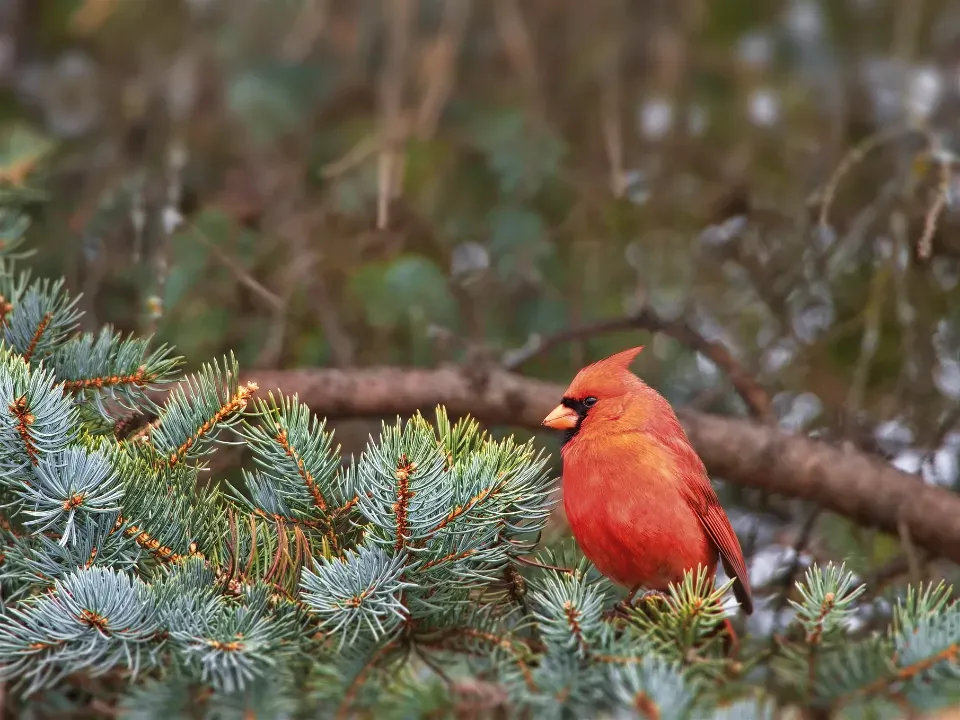
If you want to put wildlife biology into practice, imagine shrinking the edge of a forest down to yard size. Cardinals love layered structure: tall trees for singing perches, mid-height shrubs for cover, and low ground plants for foraging. Instead of one lonely shrub near the porch, aim for clumps and hedges. Group three to five native shrubs together, then repeat that pattern along fences, property lines, or the transition from lawn to wilder areas.
Place feeders as a bonus feature, not the main event. Situate them within a short, quick flight of dense shrubs – close enough that a cardinal can retreat in a split second, but not so close that seeds simply fall into impenetrable branches. Add a shallow water source nearby and leave a bit of leaf litter under shrubs for insects and spilled seed. In effect, you are building a miniature neighborhood where cardinals can feed, hide, bathe, and nest without having to cross open spaces every few minutes.
Practical Steps To Shift From Feeder-Centric To Habitat-Centric
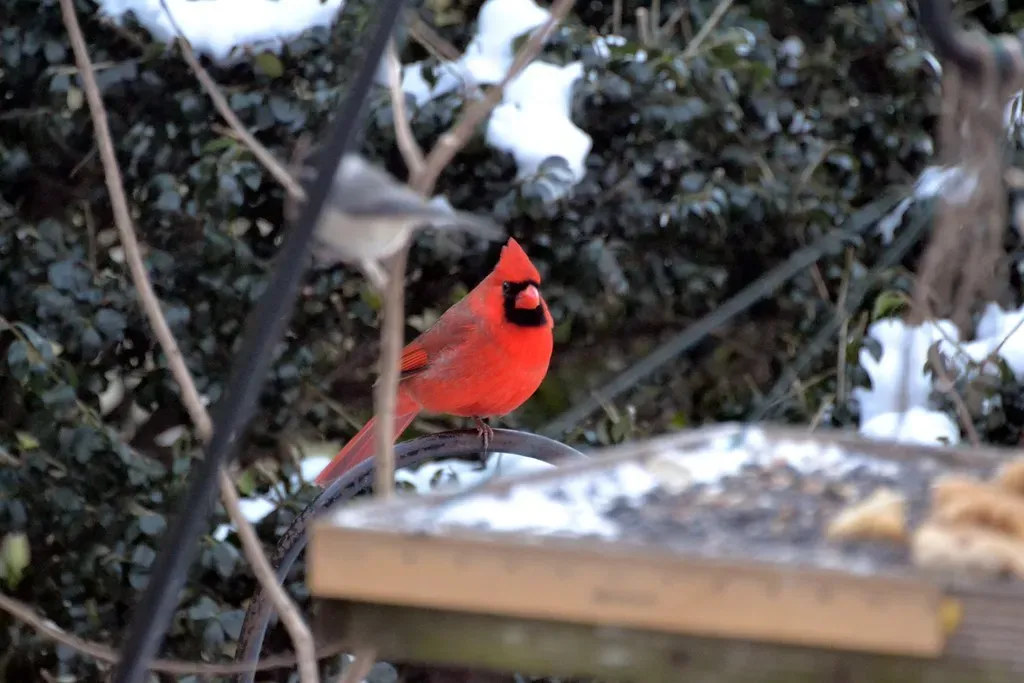
Making this transition does not require a full landscape overhaul in one weekend. Start by observing where cardinals already spend time in or near your yard. Are they sneaking along the back hedge, disappearing into a neighbor’s overgrown corner, or clinging to the one scruffy shrub you never got around to trimming? Those locations are clues about where they feel safest, and that is exactly where more native shrubs will do the most good.
Then, choose a small section of lawn or an underused bed and convert it into a native shrub island. Pick two or three native shrub species that work in your region and sun conditions, and mix them with some native grasses or perennials underneath. You can keep your feeders, just gradually make them supporting actors rather than the star. Over a few years, you’ll likely notice cardinals using the feeders differently – darting in and out from lush cover instead of awkwardly sitting on exposed perches like they’re doing something risky.
Conclusion: Feeders Are Fine, But Shrubs Are Where Cardinals Truly Live
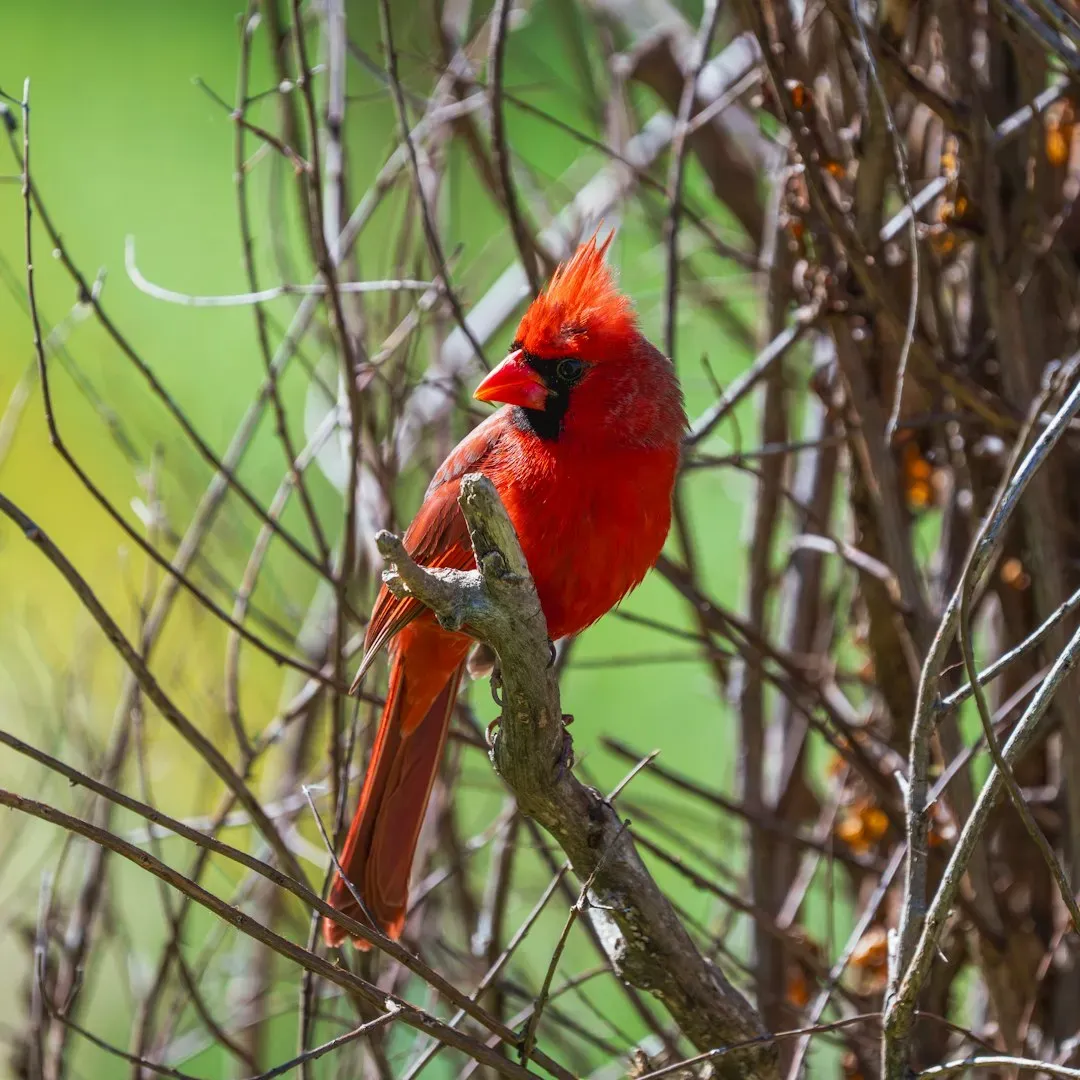
Here’s the blunt, opinionated truth: if we really care about cardinals, we should stop acting like the latest feeder design is the center of their universe. Wildlife biology keeps pointing to the same conclusion: cardinals consistently choose native shrubs as the backbone of their daily lives and only treat most bird feeders as occasional pit stops. A yard lined with plastic feeders but bare of layered, native vegetation may pull in birds for quick snacks, but it does not offer them a real home.
In my view, the most responsible and rewarding kind of backyard birding in 2026 is habitat-first, gadget-second. Keep your favorite feeder if you enjoy watching close-up action at the window, but let it ride on the shoulders of a rich, shrubby landscape that actually works for cardinals. When your yard starts to sound like a small woodland edge at dawn, with cardinals calling from deep in the greenery instead of nervously perched on a pole, you will feel the difference. So, the next time you think about helping cardinals, will you reach for another bag of seed – or for a shovel and a native shrub?