

You know that moment: you say your dog’s name, ask a silly question, or make a strange noise, and suddenly their head tilts to the side like they’re trying to solve the mystery of the universe. It is ridiculously cute, but it also feels oddly intelligent and deeply emotional, almost like your dog is trying to meet you halfway in conversation. You might shrug it off as “just a dog thing,” but that simple tilt actually packs in a lot of information about how your dog hears you, sees you, and even feels about you.
Researchers still do not agree on one single explanation, and that’s important to keep in mind. Instead, you’re looking at a behavior that likely has several overlapping reasons: communication, attention, emotion, and even physical comfort. When you unpack them one by one, that little head tilt starts to look like one of the clearest windows into your dog’s mind. Once you understand it better, you’ll probably never see your dog’s tilted head the same way again.
Your Dog Might Be Fine-Tuning How They Hear Your Voice
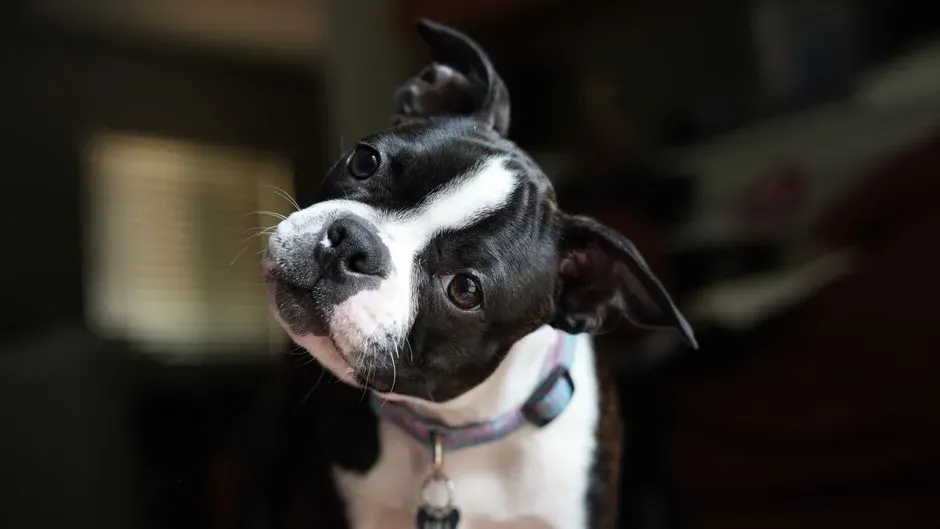
When your dog tilts their head, one of the most practical explanations is that they’re trying to hear you better. Because a dog’s ear canals curve and their ears move independently, a small change in head position can slightly change how sound waves hit the eardrum. By tilting their head, your dog may be adjusting for direction and distance, especially if you use unusual sounds, high-pitched baby talk, or words they associate with strong meaning like “walk,” “park,” or “treat.” You’re not imagining it when it looks like they perk up extra hard at their favorite words.
You might notice the head tilt more when there’s background noise or when you’re in a new environment with echoes, traffic, or other dogs barking. In those situations, your voice becomes just one sound among many, and your dog may tilt their head to filter your voice from the noise and lock onto what matters most: you. In a way, that tilt can be your dog’s version of cupping a hand around your ear or leaning in closer when you’re trying to hear someone in a crowded room.
Your Dog Could Be Trying to Read Your Facial Expressions

Another big piece of the puzzle is your dog’s view of your face. Dogs are incredibly tuned in to human expressions; they watch your eyes, your mouth, and the tension in your jaw and cheeks. For some dogs, especially those with longer snouts or heavy fur around the face, their muzzle can partly block the lower half of your expression when they look straight at you. Tilting the head may slightly shift that “visual blockage,” giving them a clearer line of sight to your eyes and mouth as you speak.
Think about how often you pair your words with emotion on your face: the smile when you say their name, the raised eyebrows when you ask a playful question, the serious look when you’re setting a boundary. Your dog learns to connect your expressions with outcomes and feelings over time. By tilting their head, they might be trying to better sync up the sound of your voice with the look on your face, almost like you are a living puzzle they’ve spent their whole life studying.
Head Tilting May Signal Deep Social and Emotional Engagement
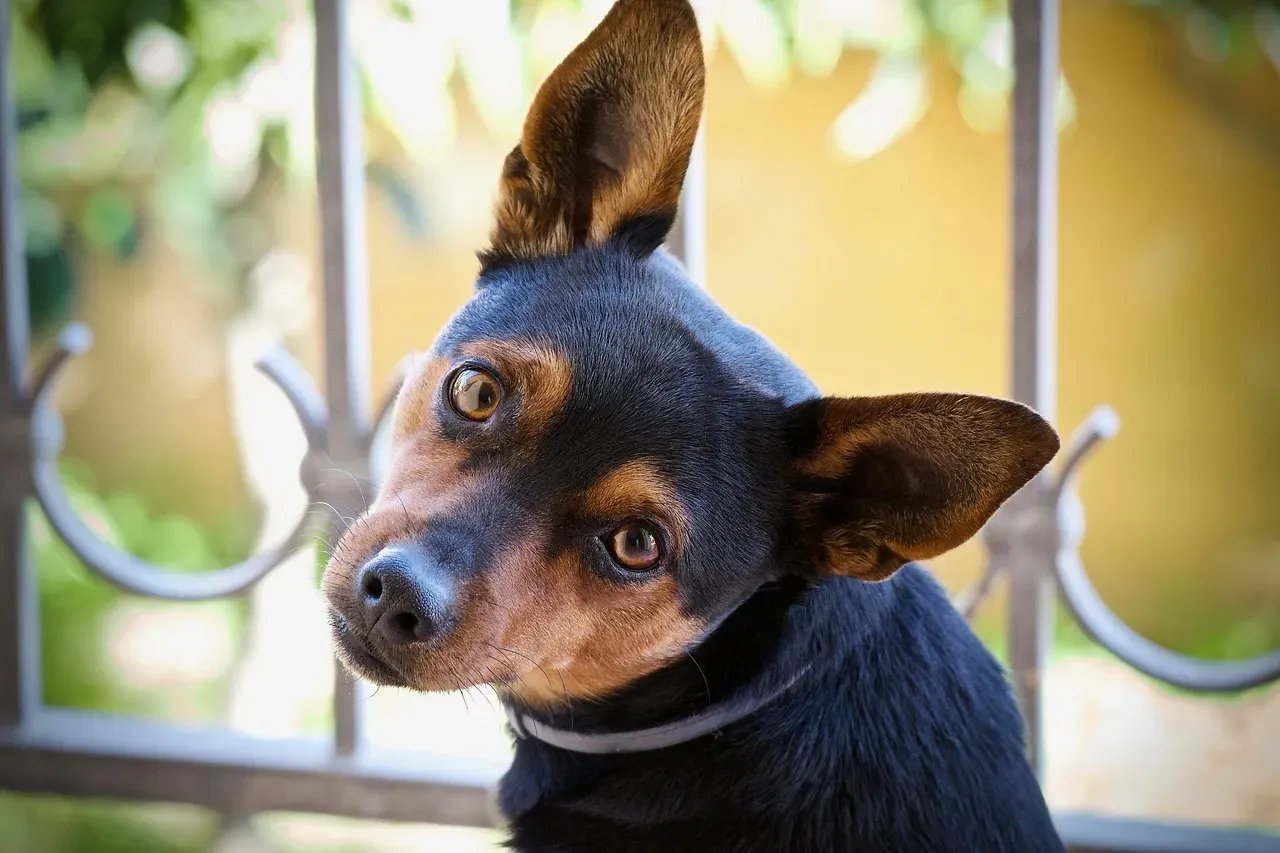
Head tilting often shows up when you and your dog are in a moment of strong connection: talking directly to them, using a warm tone, or doing something out of the ordinary that grabs their emotional attention. That tilt can be a sign that your dog is not just passively hearing you but is emotionally engaged with you, trying to understand your intent. It is as if your dog is saying, “I’m listening, and I care what you’re saying,” even if they don’t understand all the words.
Over time, your dog learns that your voice carries emotional weight – comfort when you’re calm, excitement when you’re upbeat, and tension when you’re frustrated. When you notice a tilt during these emotionally charged moments, it may be your dog’s way of checking in more deeply with your mood. This makes the behavior feel extra touching, because that tiny tilt becomes a physical symbol of a much bigger truth: your dog is emotionally invested in you and is working hard to stay in sync with you.
Your Dog May Associate Head Tilting With Rewards and Praise
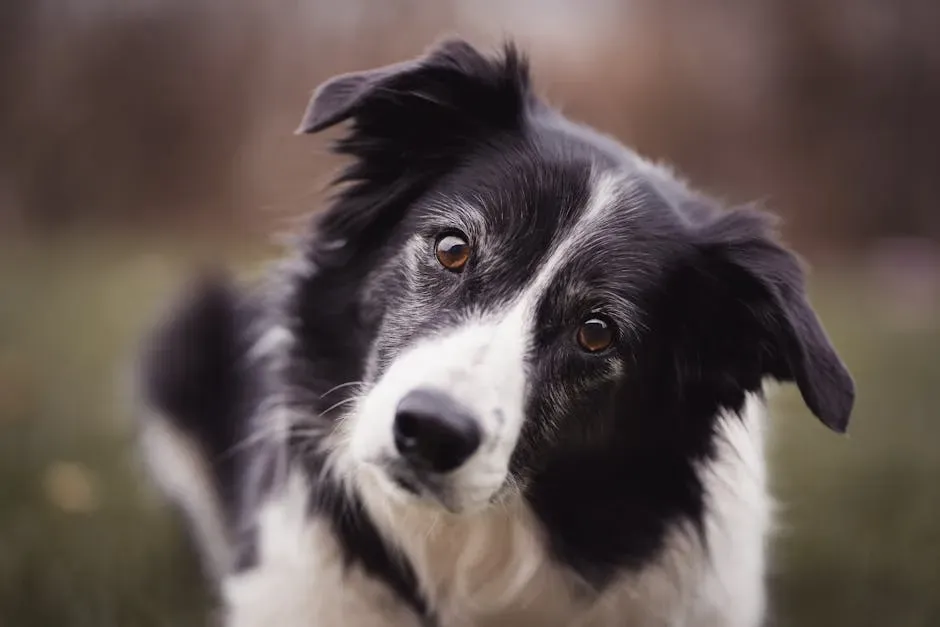
Here’s a slightly uncomfortable truth: sometimes your dog tilts their head because you’ve accidentally trained them to. You probably smile, laugh, raise your pitch, and shower them with affection when they do it. Maybe you even grab your phone to take pictures or offer a treat. All of that is powerful positive reinforcement, and dogs are masters at repeating behaviors that pay off. So if your dog has noticed that a head tilt makes you light up, they may do it more often, especially when you’re paying attention to them.
This doesn’t make the behavior fake or manipulative; it just shows how socially smart your dog really is. They’re constantly testing little things – lifting a paw, making eye contact, tilting their head – to see what gets a warm response. Over time, a behavior that may have started as a genuine attempt to hear you or see you better can become a kind of social trick. You might find that your dog tilts their head more when you’re in a playful, talkative mood, especially if history has taught them that this move turns you into a cheerful treat dispenser.
Head Tilting Might Reflect Cognitive Processing and Memory
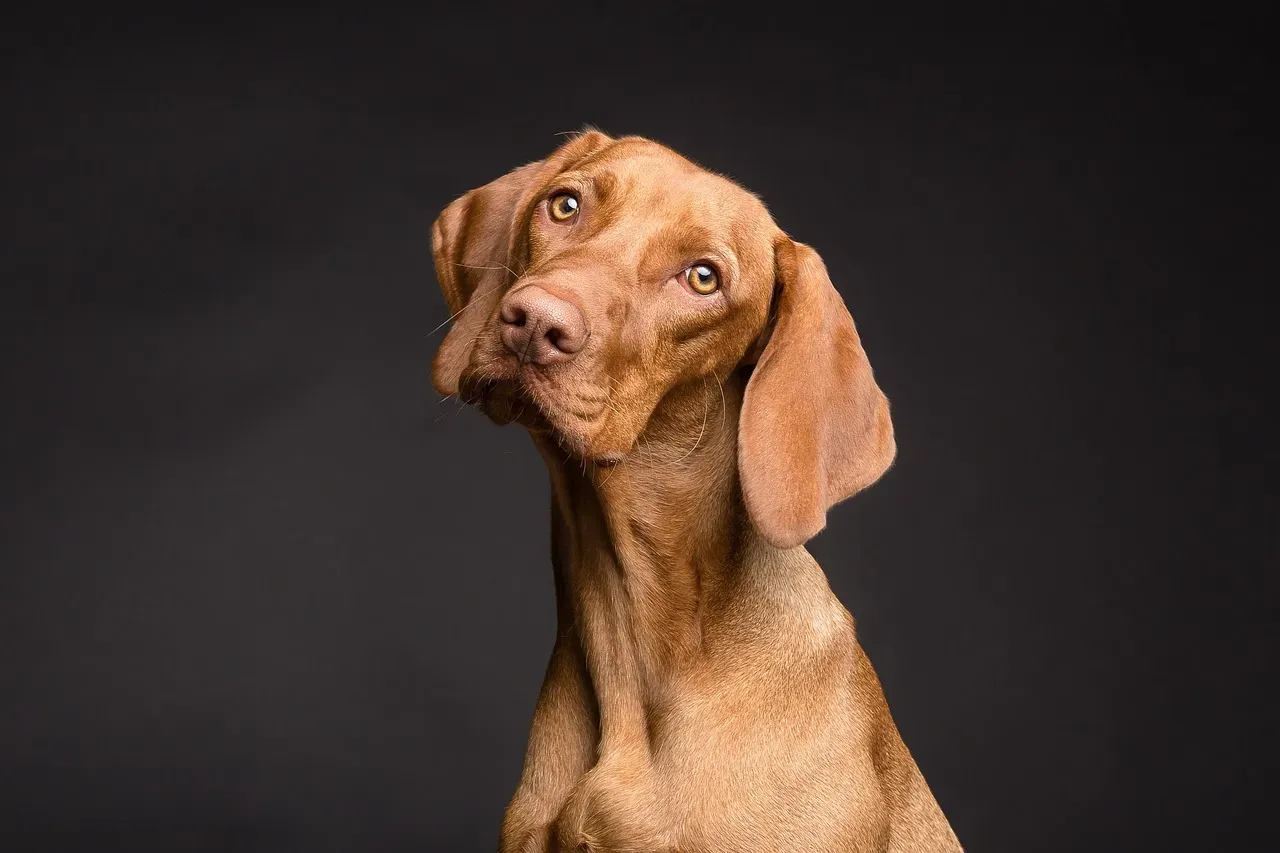
Some research suggests that dogs who recognize and remember a lot of words may tilt their heads more often when they hear those familiar words. If your dog tilts their head when you mention their favorite toy, a regular walking route, or a family member’s name, you might be seeing a kind of mental “loading” screen in real time. They hear a key word, compare it to their stored memories, and physically react as they process what might happen next. That small tilt can be a visible sign that their brain is busy connecting sound with expectation.
You may notice that your dog tilts more when you say phrases that usually lead to action, like “want to go…?” or “where’s your…?” That suggests your dog is not just understanding the sound, but also anticipating a possible outcome and preparing to respond. In this sense, the head tilt is less of a random quirk and more of a cognitive checkpoint. You are watching your dog sort through their mental dictionary, and the tilt is their outward sign that they are taking your words seriously.
Your Dog Might Be Showing Empathy and Emotional Curiosity
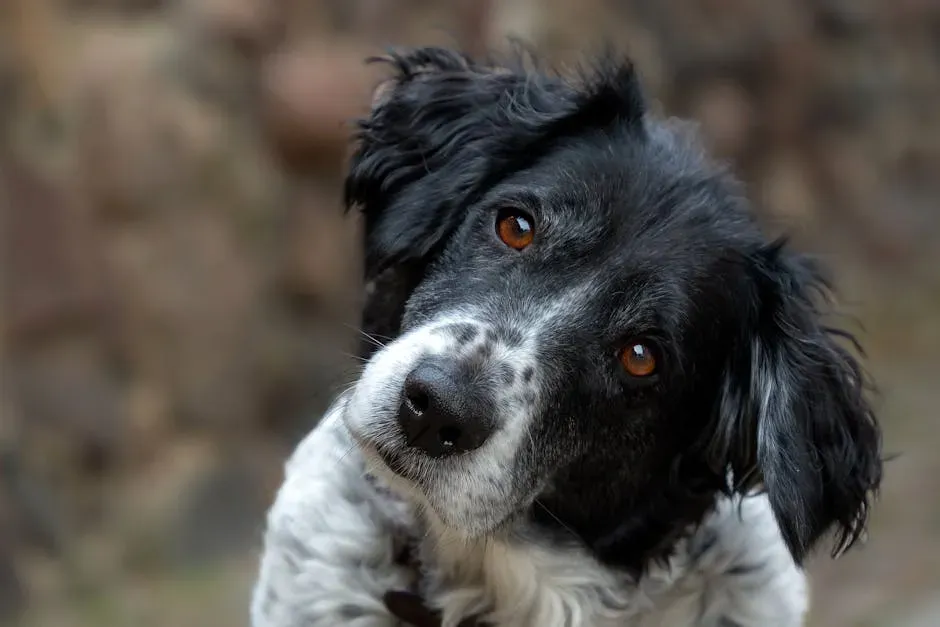
Dogs are surprisingly sensitive to human emotions, sometimes even picking up on changes you barely notice in yourself. If you speak to your dog differently when you’re sad, anxious, or under stress, you may see more frequent or intense head tilting. Your dog might be reacting to subtle shifts in your tone, your breathing, or your posture, trying to figure out what you’re feeling and whether they should comfort you, give you space, or get you moving. That curious tilt can be an early sign that they recognize something is “off” with you.
If you’ve ever had your dog tilt their head and then come closer, lick your hand, or lean against you, you’ve probably felt that almost eerie sense that they “get it” when you’re not okay. There’s still a lot scientists do not fully understand about canine empathy, but you don’t need a study to feel the impact of your dog responding to your moods. For you, the head tilt might be cute; for your dog, it might be part of their emotional toolkit for tuning in to your internal weather and deciding how to support you.
Sometimes a Head Tilt Can Hint at a Medical Issue
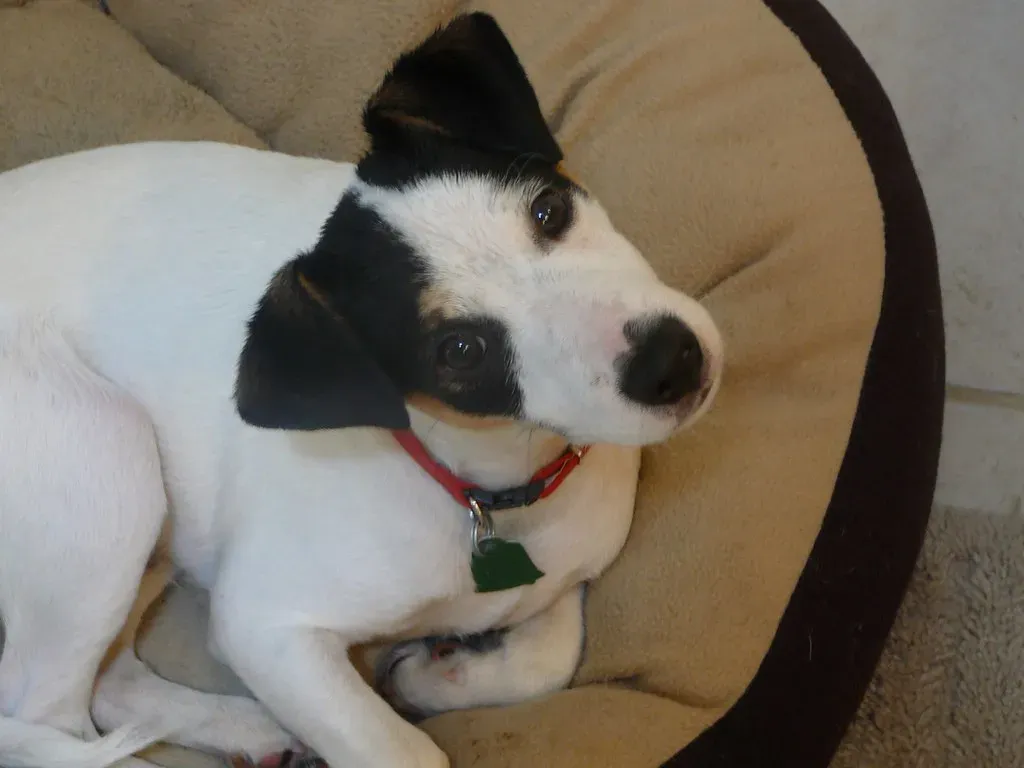
While most head tilting is harmless and downright adorable, it is worth knowing that a constant or extreme head tilt can be a warning sign rather than a sweet quirk. If your dog holds their head at an angle most of the time, stumbles, circles, seems disoriented, or struggles with balance, you could be looking at a problem with the inner ear, nerves, or brain. Issues like ear infections, vestibular disease, or other neurological conditions can all cause a persistent head tilt that doesn’t just appear when you talk to them.
The key difference is context and timing. A healthy “communication” tilt shows up briefly in response to your voice or an interesting sound, then disappears when the moment passes. A medical tilt tends to stick around or show up with physical symptoms, like nausea, falling, or rapid eye movement. If you ever feel uneasy about how often or how severely your dog’s head is tilted, you’re better off getting them checked. You can still enjoy the cute, responsive tilts, while staying alert to anything that looks out of character or out of control.
How You Can Responsibly Encourage (or Discourage) Head Tilting
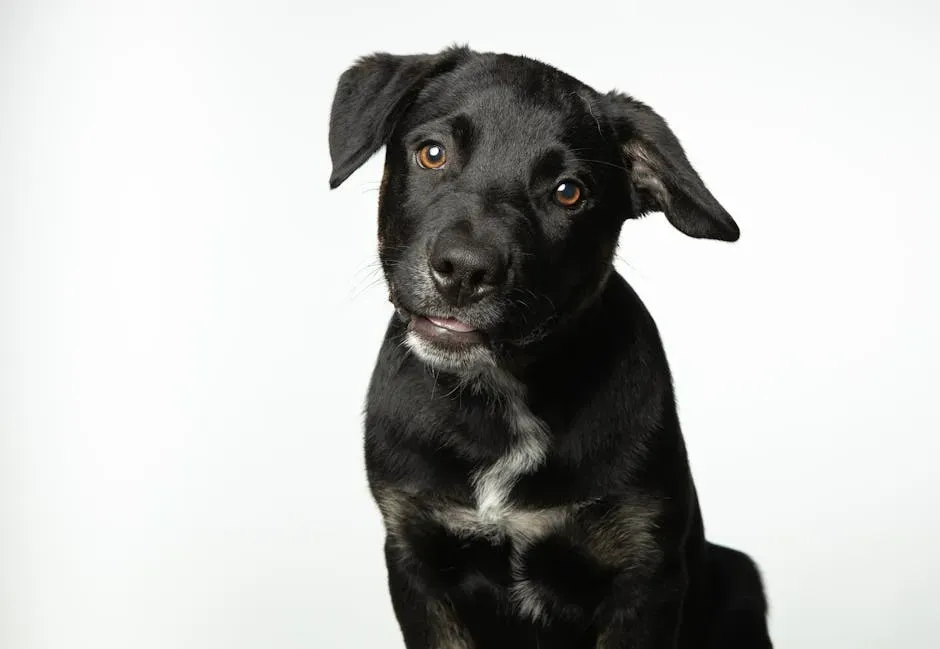
If you love the head tilt – and it is totally understandable if you do – you can encourage it gently without turning it into something forced or unhealthy. Dogs tend to tilt their heads more when you use a higher, sing-song tone, unusual sounds, or certain trigger words they know. You might notice that speaking from a little farther away, or from a slightly different direction, also prompts the tilt. If you reward it with calm praise and affection instead of getting overly intense every time, you help keep it a natural, relaxed behavior rather than a pressure-filled performance.
On the other hand, if your dog seems unsure, anxious, or overly dependent on that response for your attention, you can shift your reinforcement. You could reward other behaviors like calm eye contact, relaxed body language, or coming when called, so the head tilt becomes just one piece of a wider communication pattern instead of the main event. That way, you protect the genuine emotional meaning behind the tilt and avoid turning it into something your dog feels obligated to do just to keep you happy.
The Real Emotional Reason: Your Dog Is Reaching Toward You
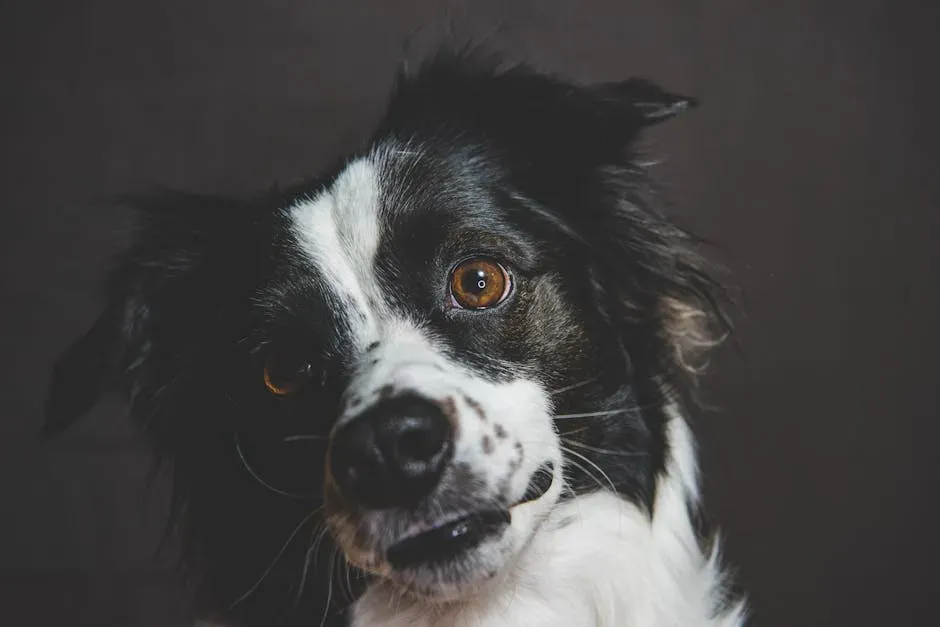
When you put all the pieces together – the hearing adjustments, the visual fine-tuning, the memory, the empathy, and the learned rewards – the emotional heart of the head tilt becomes clearer. Your dog tilts their head because they are trying to close the gap between your human world and their canine world. They’re working to understand you, to read you, and to respond to you. That tiny sideways angle is a moment where your dog is leaning into the relationship, not just reacting to noise. It is a physical signal of mental and emotional effort aimed straight at you.
If you pay attention, you’ll probably notice that the head tilt shows up most often in moments when you are talking to your dog like they matter – which, of course, they do. That’s what makes it so moving: the tilt isn’t just about sound; it’s about connection. So the next time your dog tilts their head and looks at you like you’re the most fascinating puzzle on earth, you can smile knowing this: they’re not just being cute; they’re reaching out, trying to meet you in the middle of a conversation that goes far beyond words.
In the end, that little head tilt is a reminder of how hard your dog works to understand you, even when the world you live in makes no sense to them. It is a small, everyday miracle that says your dog is listening, learning, and loving you in the best way they know how. The real question is, now that you know what might be behind that tilt, how will you respond the next time your dog turns their head and looks straight into your eyes?