If you heard that Yellowstone’s famous geysers suddenly went quiet last week, your first instinct was probably worry. Maybe you imagined a looming supervolcano eruption, or a secret government alert no one’s telling you about. When something as reliable and dramatic as Old Faithful skips its part in the daily show, it hits a very old, very human fear: when the Earth changes its rhythm, you wonder if you’re still safe.
The truth, as you’d expect from a living, breathing planet, is more complicated and far less cinematic than disaster movies make it seem. Geysers do pause, pools do shift color, and sensors sometimes pick up strange signals that demand answers. When rangers and scientists start looking closer, what they usually find is not a doomsday clock ticking down, but a messy, fascinating story of hot water, rock, gas, and time. As you walk through that landscape in your mind, you start to realize the real surprise is not that geysers sometimes go quiet, but that they erupt at all.
When A Geyser Goes Quiet, Your Brain Jumps To The Worst-Case Scenario
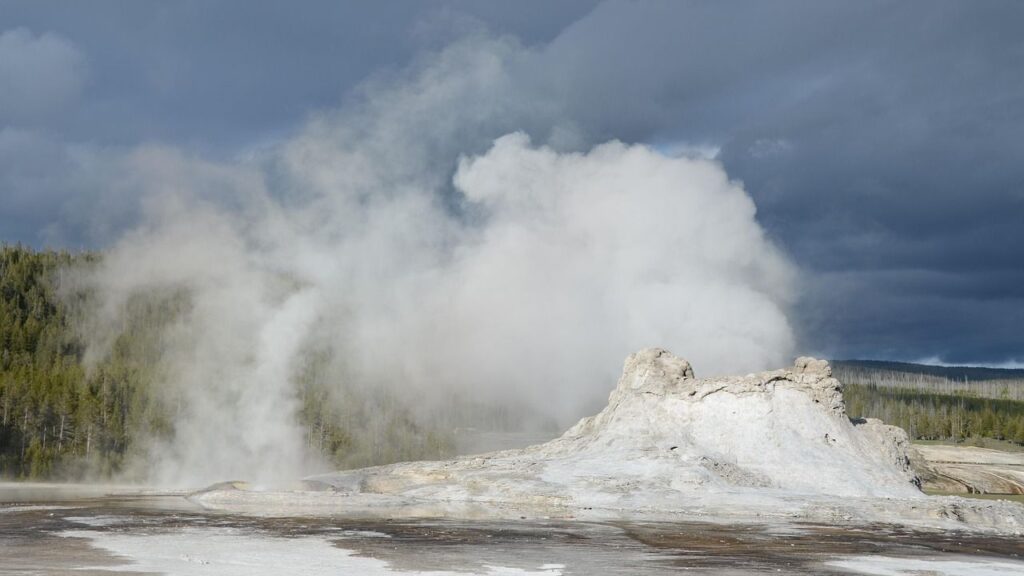
When you picture Yellowstone, you probably imagine spouting water and steaming vents, not stillness. So when you hear that geysers stopped erupting for days, your mind races: is magma moving, is pressure building, is the park about to blow? That reaction is completely natural, especially when every documentary you’ve seen reminds you that Yellowstone sits on top of one of the largest volcanic systems on Earth. You connect “change” with “danger” almost automatically.
If you actually stood near a silent geyser, though, you’d probably notice something else first: the eerie quiet. No hiss of steam, no sudden roar, just the faint crackle of distant vents and the crunch of gravel under your boots. In that quiet, your imagination gets louder, but the rocks do not suddenly change their rules for your anxiety. The Earth is not a villain plotting a twist; it is a system following physics, whether you feel calm or terrified. That gap between what you fear and what is physically happening is exactly where rangers and geologists spend their lives working.
Yellowstone’s Geysers Are Already Wildly Unpredictable
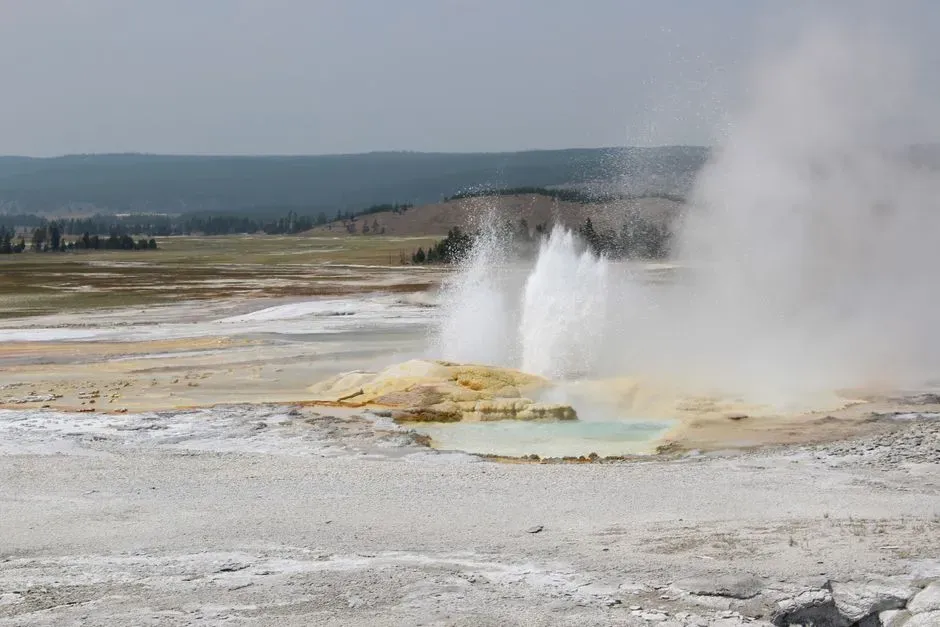
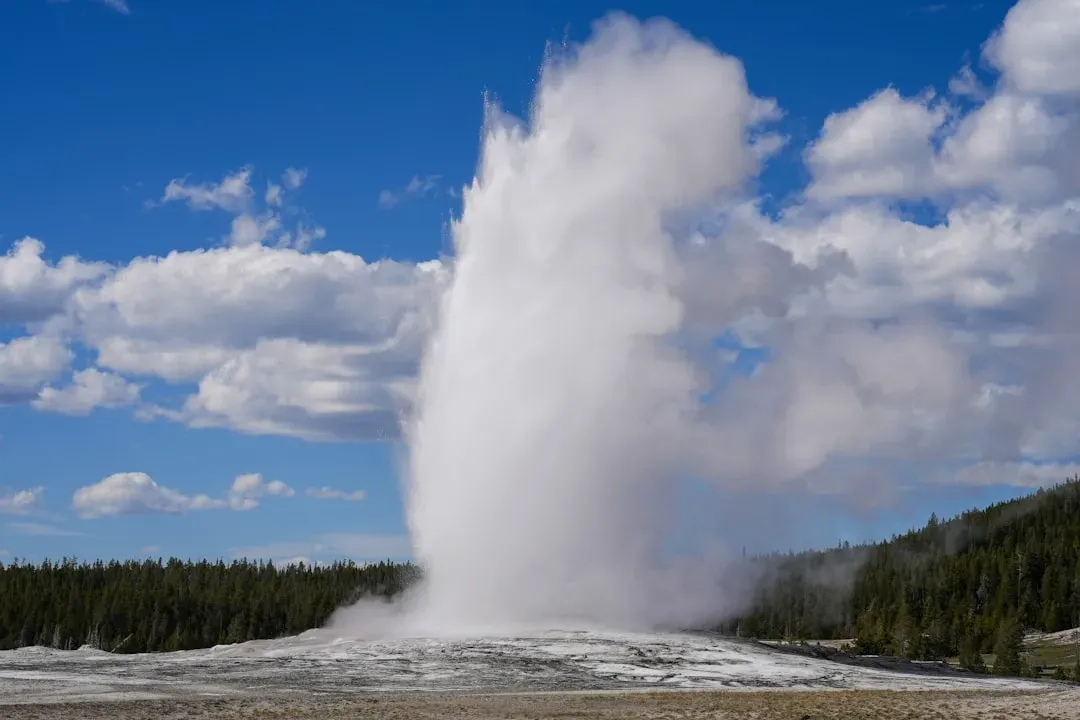
Before you assume a pause means something is broken, it helps to remember how chaotic Yellowstone’s hydrothermal system already is. You hear the name “Old Faithful” and imagine clockwork precision, but even that geyser’s interval naturally wanders by many minutes, and other geysers swing between frequent bursts and years-long naps. Some features that erupted vigorously decades ago now barely bubble, while others you’ve never heard of suddenly steal the spotlight with towering jets.
Under your feet, hot water is squeezing through cracks in fractured rock, pooling in cavities, flashing to steam, and then blasting upward when the pressure gets high enough. Small changes in that underground plumbing – like a collapsed rock fragment, mineral buildup in a narrow passage, or a subtle shift in the water table after a wet or dry season – can throw off the timing. So when a group of geysers all seem to fall silent at once, it can look ominous, but you are watching a complex and cranky network of pipes, not a single on–off switch that guarantees disaster.
Silence Can Mean The Plumbing Just Rerouted Itself
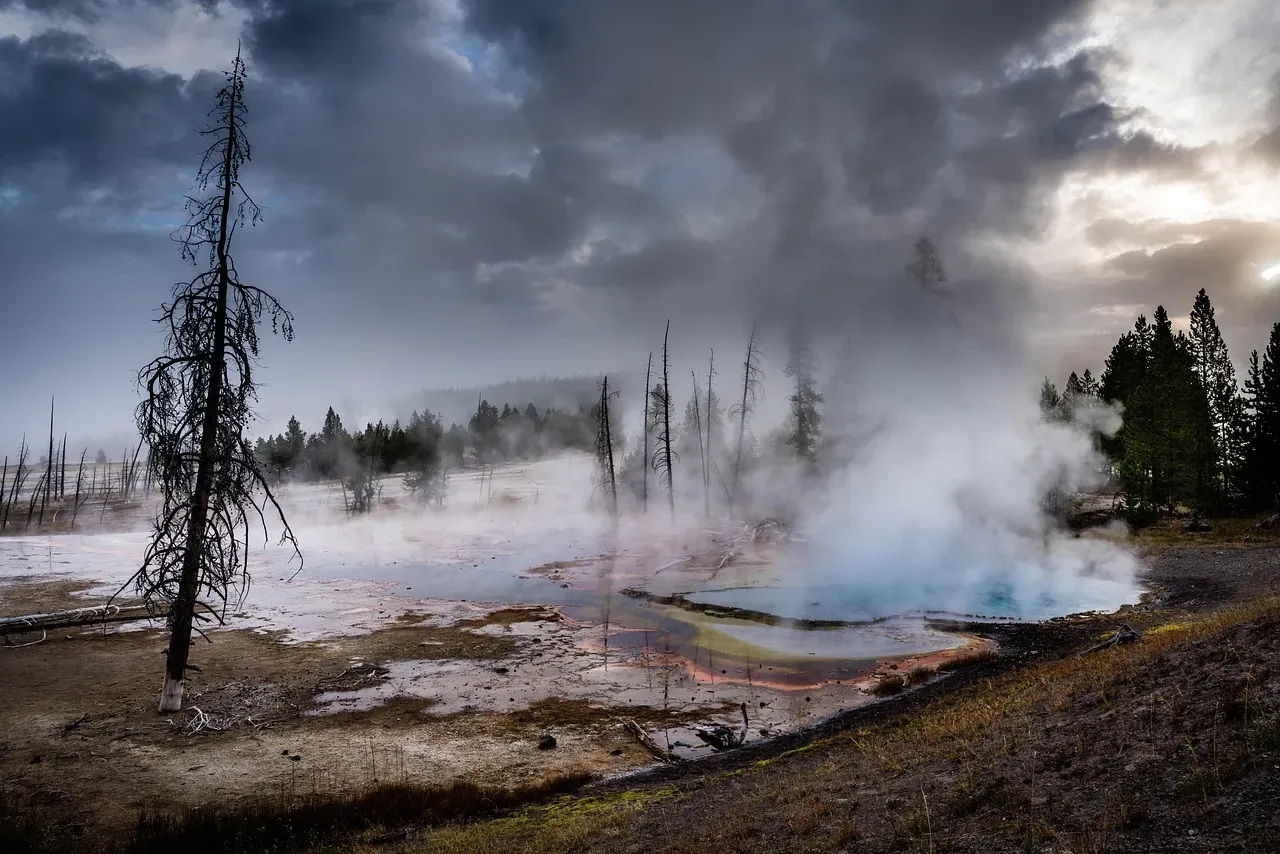
If you could drain Yellowstone like a bathtub and look at the buried plumbing, you’d see a tangled maze of vents, fractures, and chambers. Over time, minerals dissolved in the hot water slowly coat those passageways, narrowing some spots and sealing others. Add in the constant minor shaking from local earthquakes and the natural settling of the ground, and you have a system that is always under construction. When a geyser stops erupting, one of the simplest explanations is that its usual pressure release path just got clogged or diverted.
When that happens, the water and steam do not disappear; they look for a new way out. You might see a nearby hot spring get hotter, a previously quiet vent start to pulse, or a new steaming patch appear where there was none before. From your point of view on the boardwalk, it can feel like the Earth turned off one feature and turned on another. From the system’s point of view, it just found a different crack to breathe through. That kind of rerouting can happen quickly, so a week of silence might be less of a warning and more of a reminder that this landscape is constantly renegotiating its plumbing behind the scenes.
What Rangers Actually Look For When Geysers Change Behavior
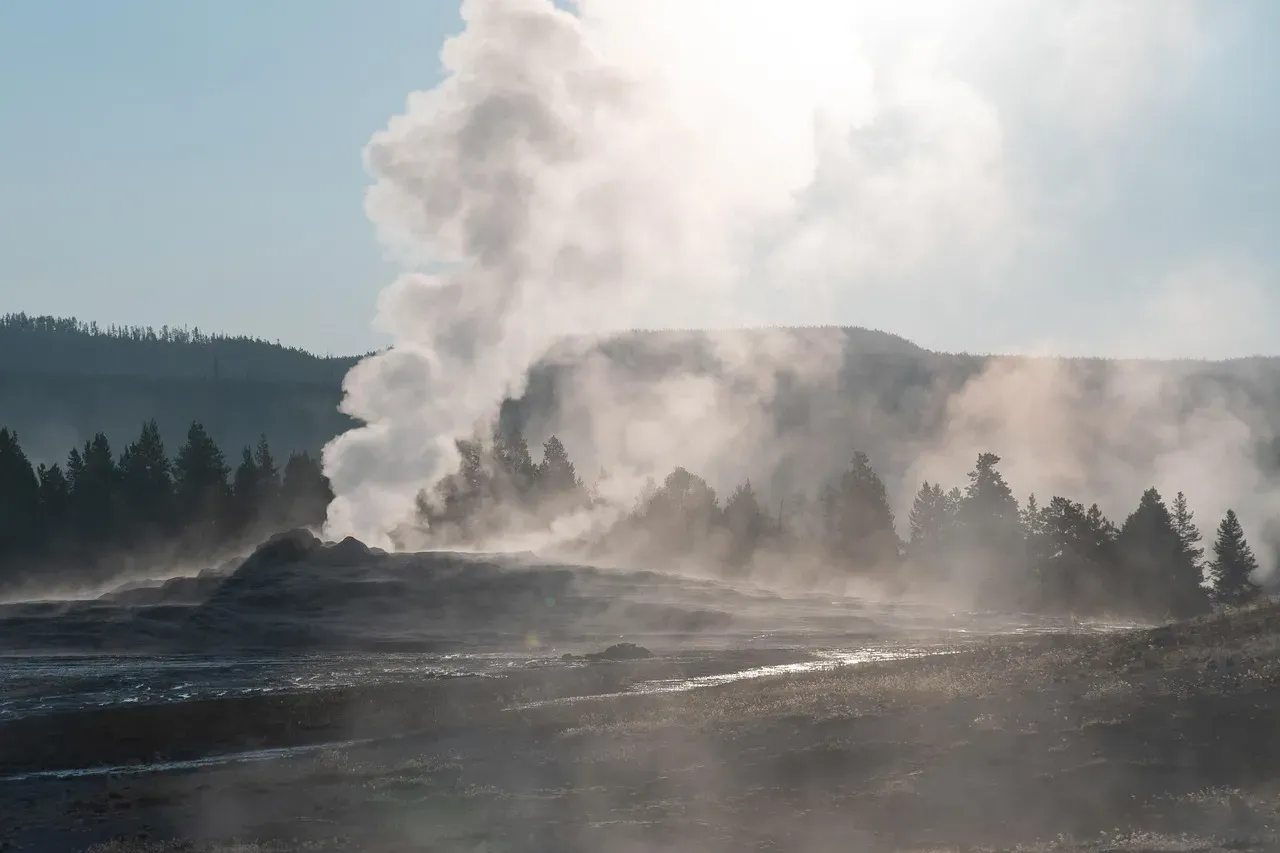
When visitors rush up to rangers saying that certain geysers went quiet, staff do not immediately jump to apocalyptic scenarios. Instead, they start with questions and data: which features changed, when did it start, what was the weather like, and have instruments picked up anything unusual? Yellowstone is wired with seismometers, GPS units, gas sensors, and temperature probes feeding real-time information to scientists. You may see just a still pool, but behind the scenes, people are comparing patterns to years of records.
Rangers and geologists are trained to distinguish between normal hydrothermal mood swings and genuinely worrisome signs like widespread ground uplift, significant shifts in gas composition, or sustained swarms of deeper earthquakes. They also talk to one another constantly, comparing reports across the park. If your brain jumps straight to “supervolcano,” theirs goes to “let’s see what the instruments say.” That mindset keeps decisions grounded in measurable reality rather than rumor or headlines, and it is why you almost never hear about dramatic changes without a calm, context-rich explanation attached.
What Was “Found” Instead: Subtle Signals, Not Secret Catastrophes
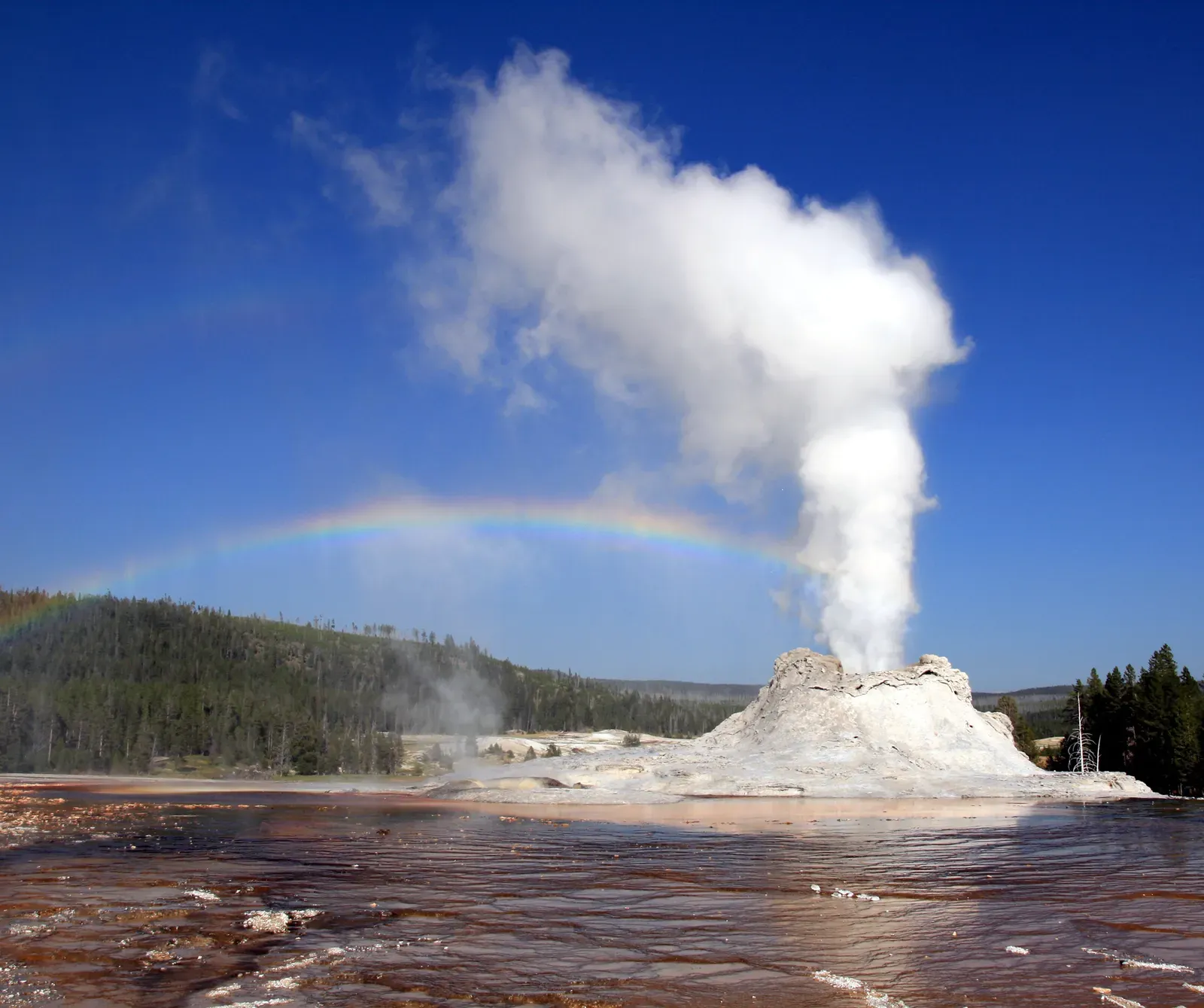
When you peel back the suspense from a headline about silent geysers, what rangers usually “find instead” is a mix of subtle, technical changes that rarely justify panic. Maybe they see small variations in water chemistry that hint at a slightly different underground flow path. Maybe a temperature logger shows that heat is now venting more through steam than liquid water, which can quiet visible eruptions while still bleeding off energy. Sometimes, the main discovery is simply that one part of the basin calmed down while another nearby spot grew livelier.
From your perspective as a visitor, that can feel anticlimactic, almost like someone spoiled the plot twist. But if you look closer, it is actually reassuring. You learn that the system is venting heat and gas in a distributed way, not bottling everything up behind a fragile cap. The “mystery” turns out to be lots of small adjustments rather than a single dramatic event, more like traffic slowly rerouting itself through side streets than a sudden highway collapse. In that light, a week of unusual silence becomes less a horror story and more an invitation to pay attention to quieter details you might otherwise ignore.
Why A Quiet Week Does Not Mean The Supervolcano Is About To Erupt
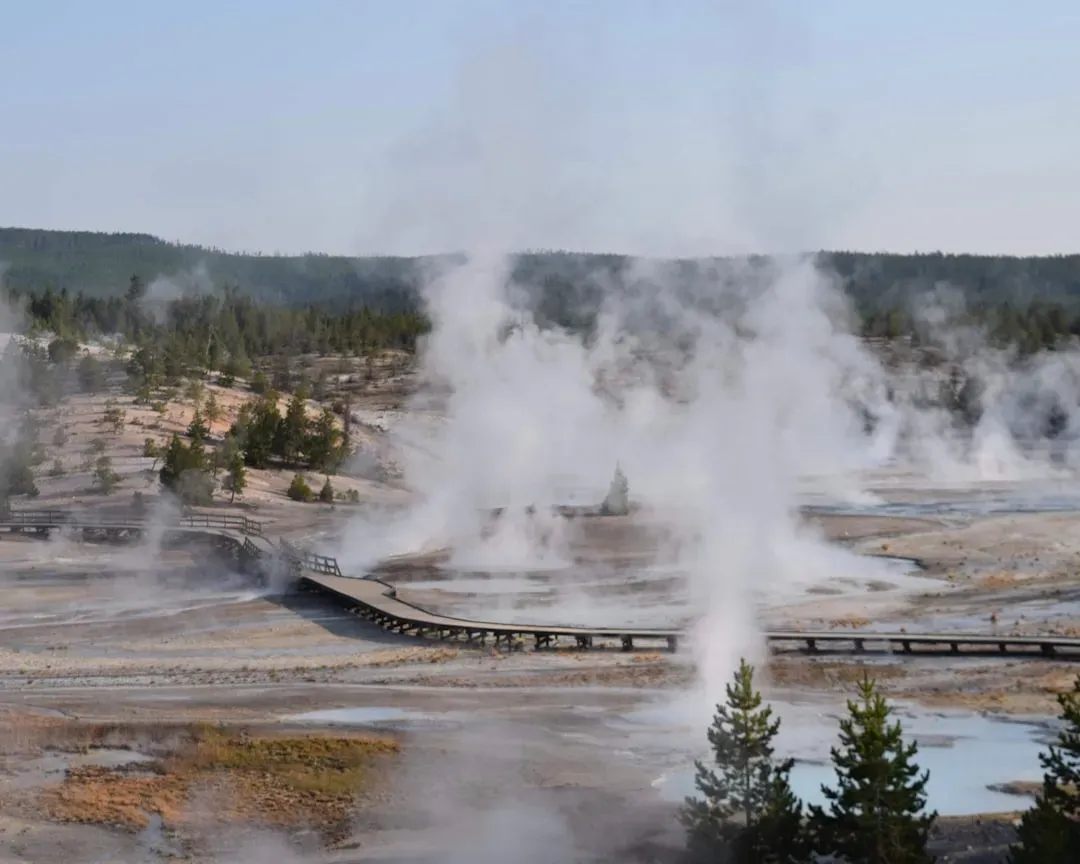
If you have ever fallen down an internet rabbit hole about the Yellowstone supervolcano, you know how easy it is to link any change in the park to a massive eruption. The problem is that this idea mashes together two very different time scales: fast, twitchy hydrothermal changes and slow, deep magmatic processes. Geysers and hot springs sit in the thin skin near the surface, controlled by shallow water and fractures, while the huge magma reservoirs far below evolve over thousands of years. A geyser pausing for a week is usually a surface-level story, not a magma-level warning.
Volcanologists know what to look for if a large eruption were becoming more likely: long-term, broad ground uplift, distinct changes in the kinds and amounts of gases escaping, and persistent earthquake activity at the right depths and locations. Those signs would build over months to years, not appear as a single silent week in one corner of the park. When you understand that difference, a quiet geyser feels less like a ticking bomb and more like a quirky symptom of a restless but stable system. The danger is never zero, but it also does not lurch suddenly from calm to catastrophic just because a familiar fountain misses its cue.
How You Can Read The Landscape More Wisely On Your Next Visit
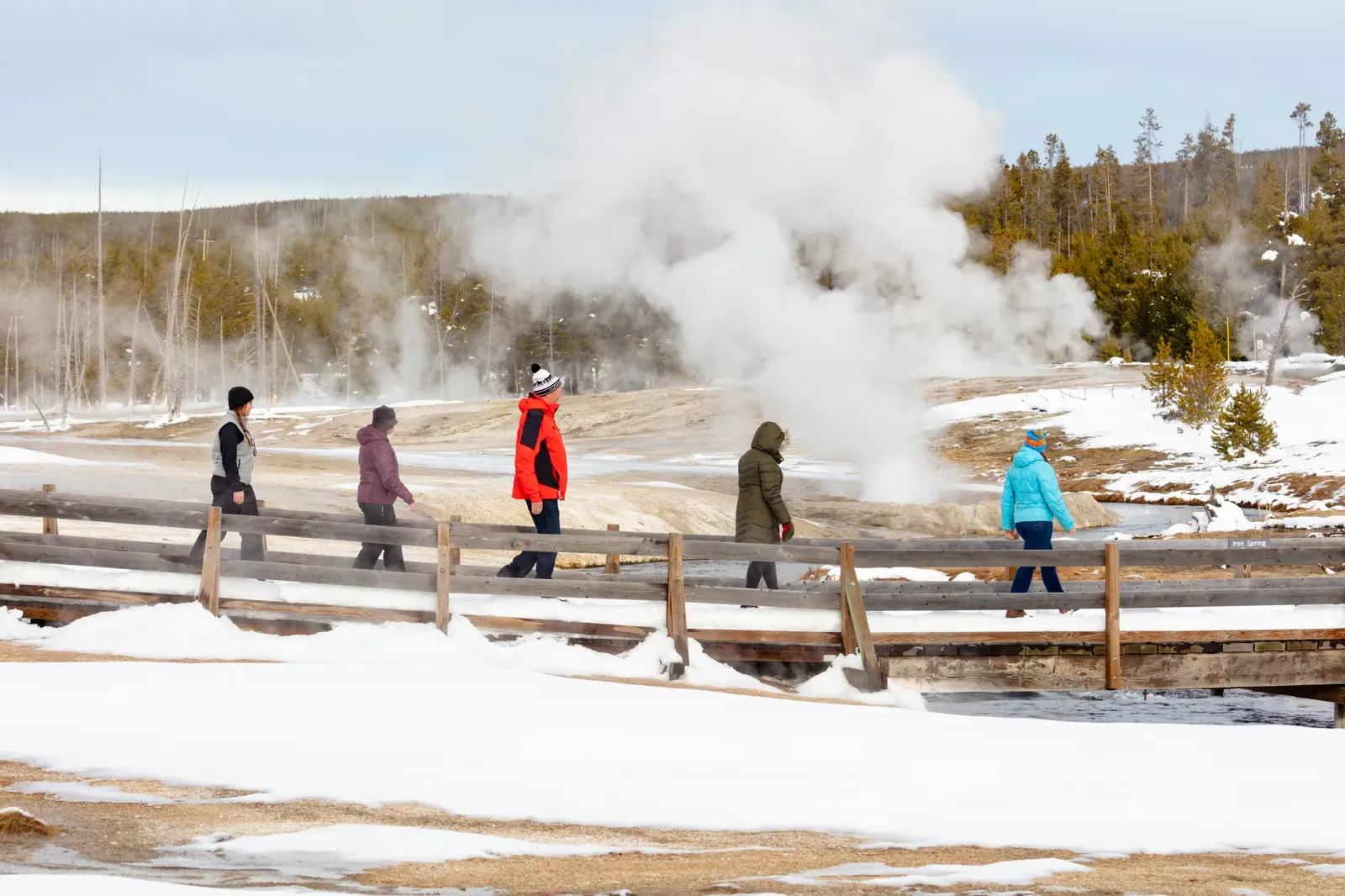
Next time you walk the boardwalks and notice a pool that looks different or a geyser that fails to erupt on schedule, you can treat it as a puzzle instead of a panic button. Ask yourself simple questions: Is there more steam than usual? Are nearby features more active? Has the water color shifted toward milky, clear, or vividly blue? You are not replacing scientists, but you are training your eyes to notice patterns that tell you where heat and water are moving. That curiosity turns you from a passive spectator into someone who reads the landscape like a slow, ongoing story.
You can also use ranger talks, visitor center exhibits, and park alerts as your reality check. When rangers share updates, they are giving you the wider context you cannot get by staring at a single vent for ten minutes. Instead of chasing rumors on your phone, you anchor your understanding in what the instruments and long-term records show. That way, if you happen to visit during another strangely quiet week, you can appreciate the rarity without spiraling into fear. You start to see Yellowstone not as a disaster waiting to happen, but as a living laboratory where change is the rule, not the exception.
Respecting The Power Beneath Your Feet Without Losing Sleep
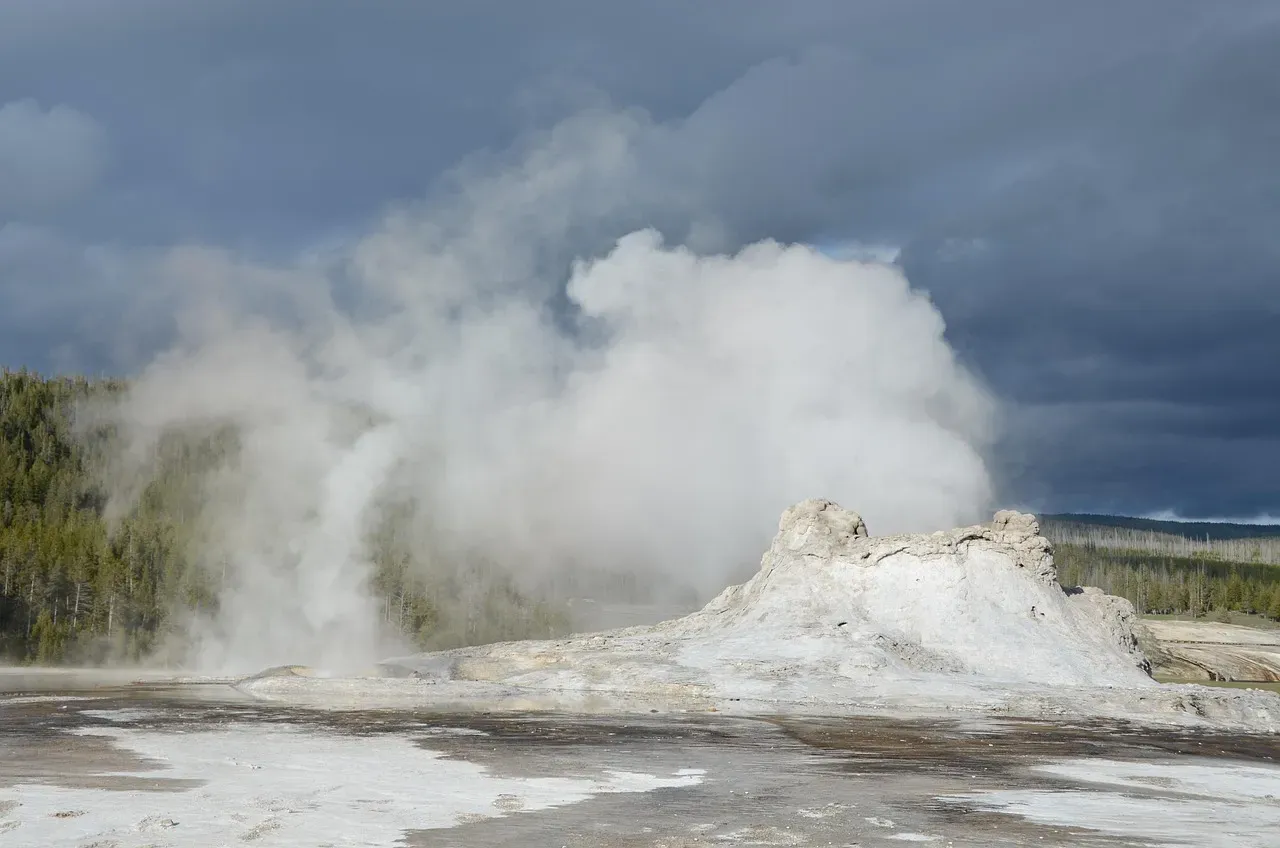
All of this does not mean you should shrug at Yellowstone’s hazards; it means you can respect them without letting anxiety run your brain. As you stand near a steaming vent, you are literally above a system powerful enough, in the deep geological past, to transform climates and landscapes. That deserves humility and caution. Boardwalks, safety zones, and constant monitoring exist because the park is dangerous in very real, very immediate ways if you ignore rules and wander too close to thin crust or scalding water.
At the same time, you do not need to lie awake at night because a handful of geysers went quiet for a short spell. The same science that tells you Yellowstone could, in theory, produce a massive eruption also tells you that such events are extremely rare and would likely come with a long list of warning signs. You can hold both truths at once: this place is powerful enough to demand your respect, yet understood well enough that a week of silence is not the secret beginning of the end. In that balance between awe and evidence, you find a saner way to live with a restless planet.
In the end, when you hear that Yellowstone’s geysers stopped erupting last week and rangers found something far less dramatic than your fears, you are really hearing a story about how you relate to uncertainty. You want clear signals and simple causes, but the Earth offers you shifting pools, rerouted steam, and small clues that only make sense over time. If you lean into that complexity instead of trying to flatten it into alarm or denial, Yellowstone stops being a ticking bomb and becomes a teacher in how to live with change. So the next time the headlines sound ominous, will you let fear write the ending, or will you pause and ask what the rocks are actually saying?