
If you have ever driven through Southern California’s desert and suddenly been hit with a wave of hot, sulfurous air that smells like rotten eggs, you probably met the Salton Sea with your nose before you saw it with your eyes. What used to be pitched as a quirky vacation lake is now better known for a smell so strong you can sometimes pick it up from miles away. And as you start digging into what is actually happening there, you realize this is not just about a bad odor; it is a warning sign from a collapsing ecosystem that geologists and health researchers are watching very closely.
Right now, you are looking at a place where water, geology, climate stress, and decades of human decisions are colliding in real time. The smell is the most obvious part, but it is just the tip of a much deeper problem involving toxic gases, dust, and a shrinking shoreline. Once you see how it all fits together, the Salton Sea stops being some weird desert curiosity and starts feeling like a preview of the kind of environmental mess you do not want in your own backyard.
The Rotten Egg Smell: What You’re Actually Breathing In
When your nose catches that trademark rotten egg smell at the Salton Sea, you are mostly smelling a gas called hydrogen sulfide. It forms when bacteria break down organic material – like dead algae and fish – in water that has little or no oxygen. In the Salton Sea, the water is extremely salty, nutrient-loaded, and stratified, which gives these bacteria perfect conditions to churn out this gas near the bottom, almost like a massive underground factory you cannot see.
On many days, that gas stays trapped in the deeper layers. But when strong winds, temperature changes, or storms stir the water, hydrogen sulfide bubbles up to the surface and escapes into the air. You then get those intense odor episodes that roll over nearby communities and sometimes drift far beyond the shoreline. At low levels, the gas mostly offends your senses, but when levels spike, it can irritate your eyes and throat, trigger headaches, and make the air feel harsh to breathe, especially if you already struggle with asthma or other respiratory problems.
Why Scientists Say the Smell Is Getting Worse, Not Better
If you talk to people who have lived near the Salton Sea for years, you will often hear the same thing: the smell is not just a summer nuisance anymore, it hangs around more often and seems stronger. Researchers tracking the lake’s chemistry and air emissions are seeing the same trend. As the water level drops and the lake shrinks, it becomes even saltier and more concentrated with sulfates and organic matter, which feeds the same bacteria that pump out hydrogen sulfide.
At the same time, the lake is becoming what scientists call hypereutrophic, which is a fancy way of saying it is overloaded with nutrients. Those nutrients fuel huge blooms of algae and microscopic organisms that eventually die and sink, adding more rotting material to the bottom. That thick blanket of decaying matter is like piling more fuel onto a slow-burning fire; each time the water gets mixed, you get stronger and more frequent gas releases. You end up with a vicious feedback loop where the shrinking lake helps create more stink, and that stink is one of the clearest signs that the system is sliding further out of balance.
How Shrinking Shorelines and Dead Fish Feed the Stench
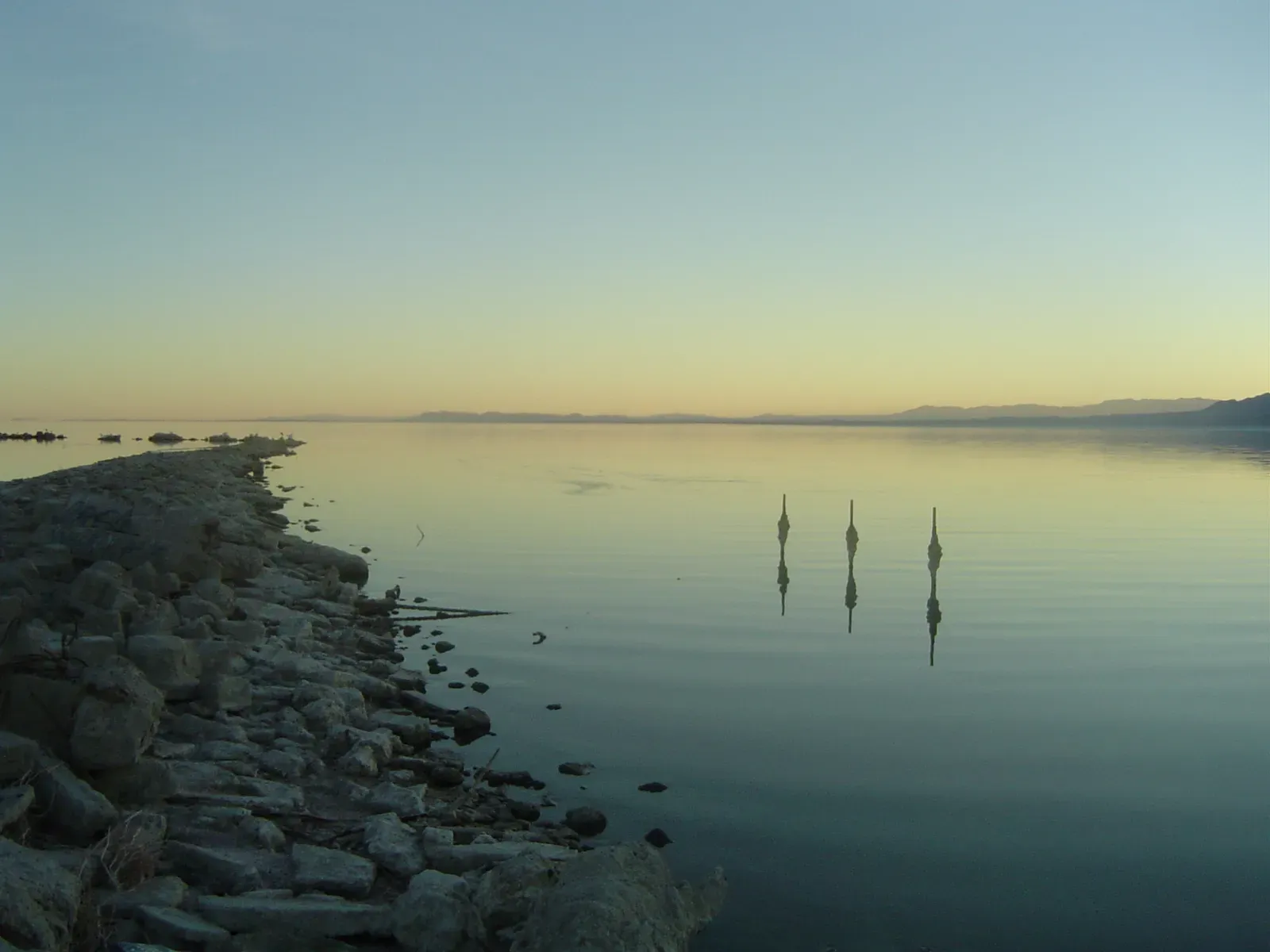
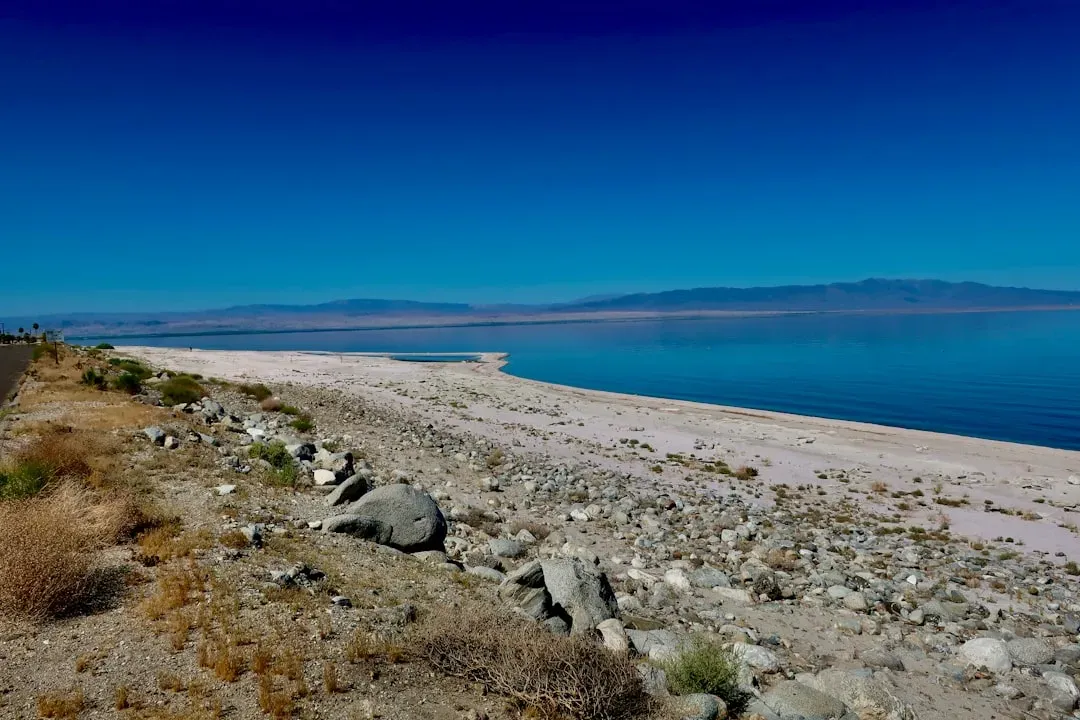
To really understand why the smell keeps intensifying, you have to look at what is coming into the Salton Sea – and what is not. The lake has no natural outlet, and most of its water comes from agricultural runoff loaded with fertilizers and salts. Over the last two decades, water inflows have dropped while evaporation has cranked up under hotter temperatures, so the lake has been steadily shrinking. As the shoreline retreats, broad stretches of dried lakebed emerge, and the remaining water becomes more concentrated, more salty, and more stressed.
In this harsh environment, fish and other aquatic life are already living on the edge. When conditions tip too far – say, a heat wave, an algal bloom, or a sudden drop in oxygen – mass die-offs happen. Those dead fish wash up along the shore or settle to the bottom and decay, adding yet another layer of smelly organic material. Imagine leaving seafood in a hot car, then adding a chemistry set and some volcanic hints underneath; that is the kind of stew you are dealing with. Each time wind or waves churn that mix, the lake exhales, and you get a new burst of that heavy, sulfurous air.
The Geologic Wild Card: Heat, Faults, and a Volcanic Past
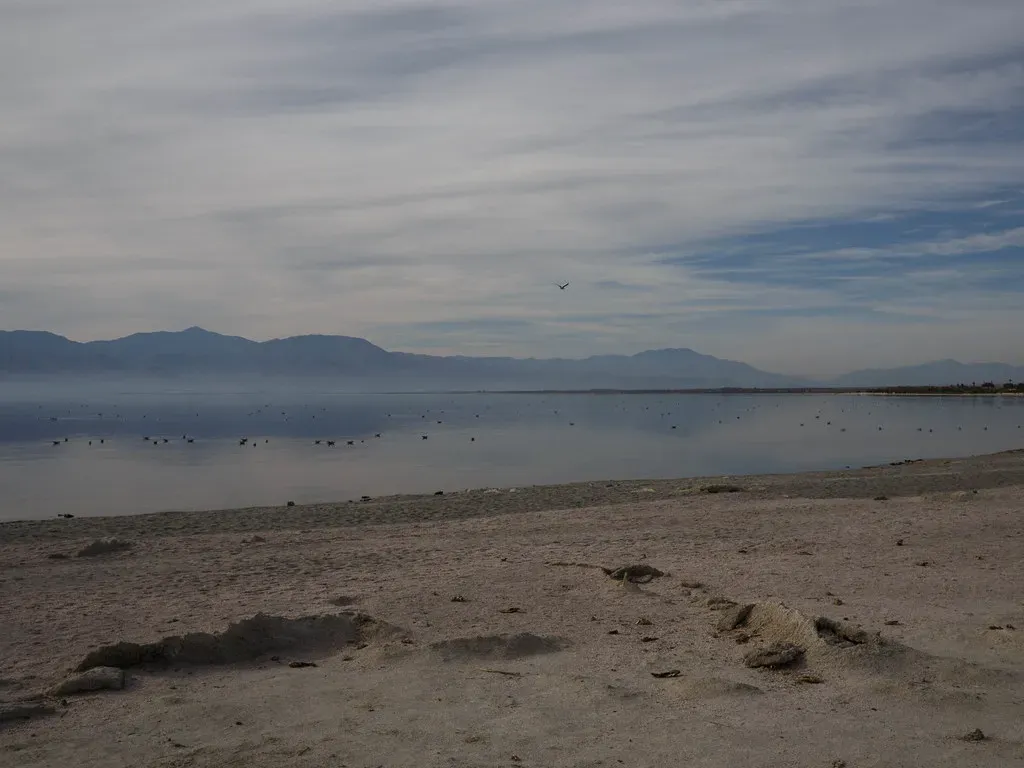
What makes the Salton Sea even more intriguing – and more worrying from a geologist’s point of view – is what lies beneath it. The lake sits in the Salton Trough, a low-lying basin shaped by the San Andreas Fault system and tectonic stretching. Under the southeastern shore, you have one of the most active geothermal fields in North America, where hot fluids circulate deep underground and rise up through fractures, mud pots, and fumaroles. Those hot zones can carry sulfur and other gases toward the surface, adding a geologic twist to the rotten egg aroma you smell above ground.
Nearby volcanic features known as the Salton Buttes, along with steaming mud pools and shifting mud volcanoes, show you that this area is still geologically restless. The same deep plumbing that powers geothermal energy projects and produces mineral-rich brines also interacts with the lake water and sediments. While the main driver of hydrogen sulfide in the lake is microbial decay, the underlying geology shapes the temperature, chemistry, and gas pathways that can amplify or channel emissions. From a scientific perspective, the Salton Sea is not just a dying lake; it is also a live experiment in how surface ecosystems and deep earth processes intertwine.
Why Hydrogen Sulfide and Dust Are a Health Red Flag for You
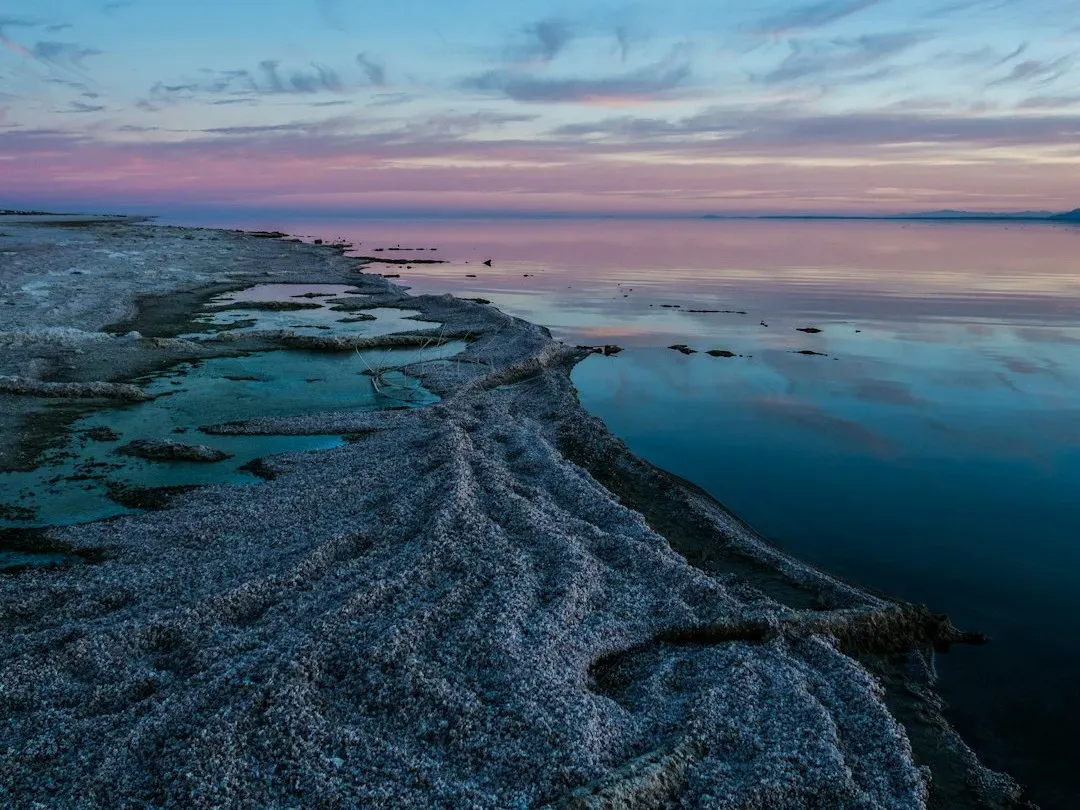
It is tempting to shrug off the stench as just a bad smell you can roll up your windows to avoid, but the reality is more serious if you live, work, or go to school near the Salton Sea. At the levels usually measured, hydrogen sulfide will not poison you outright, but it can still trigger coughing, throat irritation, nausea, and pounding headaches, especially if you are breathing it in repeatedly. People with asthma, children, and older adults are especially vulnerable, and doctors in the region see unusually high rates of respiratory problems that line up uncomfortably well with what is known about local air quality.
On top of the gas, you have the dust problem from the exposed lakebed, or playa. As the water recedes, more of that dried, salty, contaminated sediment is left at the surface, ready to be lofted into the air by desert winds. That dust can carry a mix of salts, microscopic particles, and traces of metals and pesticides from decades of agricultural runoff. When you breathe those particles deep into your lungs day after day, they do not just settle and sit there; they inflame your airways and add yet another layer of health stress on communities already facing high poverty and limited access to care.
Why Geologists and Environmental Scientists Are Sounding the Alarm
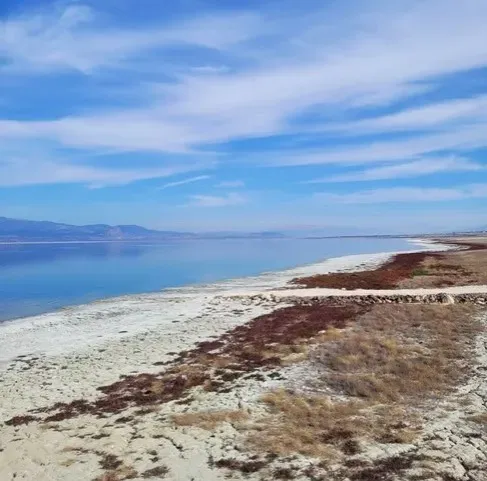
From the outside, you might wonder why geologists are so invested in what looks like a local odor issue. Once you zoom out, though, you see why they are worried about the trajectory the Salton Sea is on. You have an inland lake in a tectonically active basin, with geothermal fields, a history of volcanism, extreme salinity, and rapidly changing water levels all piled on top of one another. That mix is a recipe for unstable chemistry and unpredictable releases of gas and dust, and it is happening in a region where hundreds of thousands of people live downwind.
Long-term monitoring is showing that hydrogen sulfide emissions and odor episodes are not one-off flukes but patterns that tie directly to how the lake is evolving. As the shoreline recedes further, as climate change tightens its grip, and as more playa is exposed, the opportunities for stronger, more frequent emissions only grow. For scientists, the Salton Sea is both a warning and a test case: if you do not intervene in time, you end up chasing a runaway problem that is much harder and more expensive to fix later. That is why you see more calls for better air monitoring, more aggressive dust control, and serious investment in reshaping the future of the lake instead of just waiting for the next bad-smell advisory.
What’s Being Done Now – and Why It May Not Be Enough
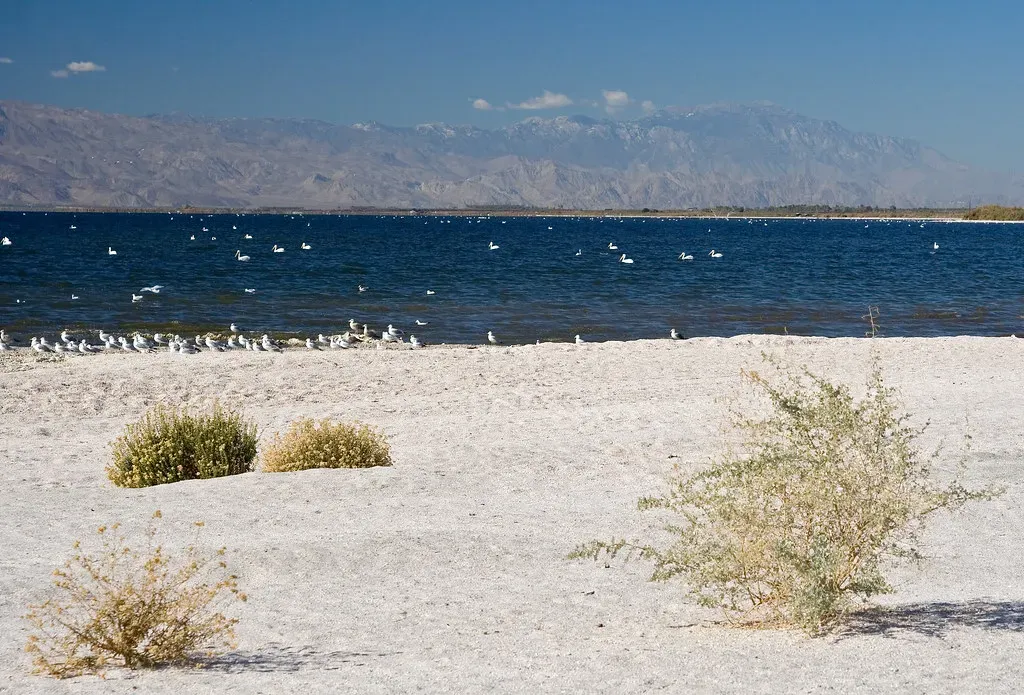
You might assume that with all this attention, the Salton Sea would already be on a clear path to recovery, but the reality on the ground is frustratingly uneven. State and local agencies have started building habitat ponds, dust-suppression projects, and shoreline reshaping efforts meant to keep sediments from blowing away and to create safer zones for birds and wildlife. There is also growing interest in linking geothermal energy and potential lithium extraction to some kind of restoration funding, turning the area into an energy and mineral hub that could, in theory, bankroll environmental fixes.
Yet when you look at the size of the lake and the speed at which it is changing, the work so far feels more like patching holes in a sinking boat than rebuilding the hull. Many of the big, ambitious proposals – like importing ocean water or dramatically raising inflows – have run into political, financial, or engineering roadblocks. So on any given hot, windy day, you still have residents closing their windows against that rotten egg wave, kids playing under hazy skies, and geologists warning that the underlying drivers of the problem are still in place. If you care about how this story ends, the uncomfortable truth is that what exists now is more like a first draft of a solution than the final chapter.
What the Salton Sea Means for You and the Future of Drying Lakes
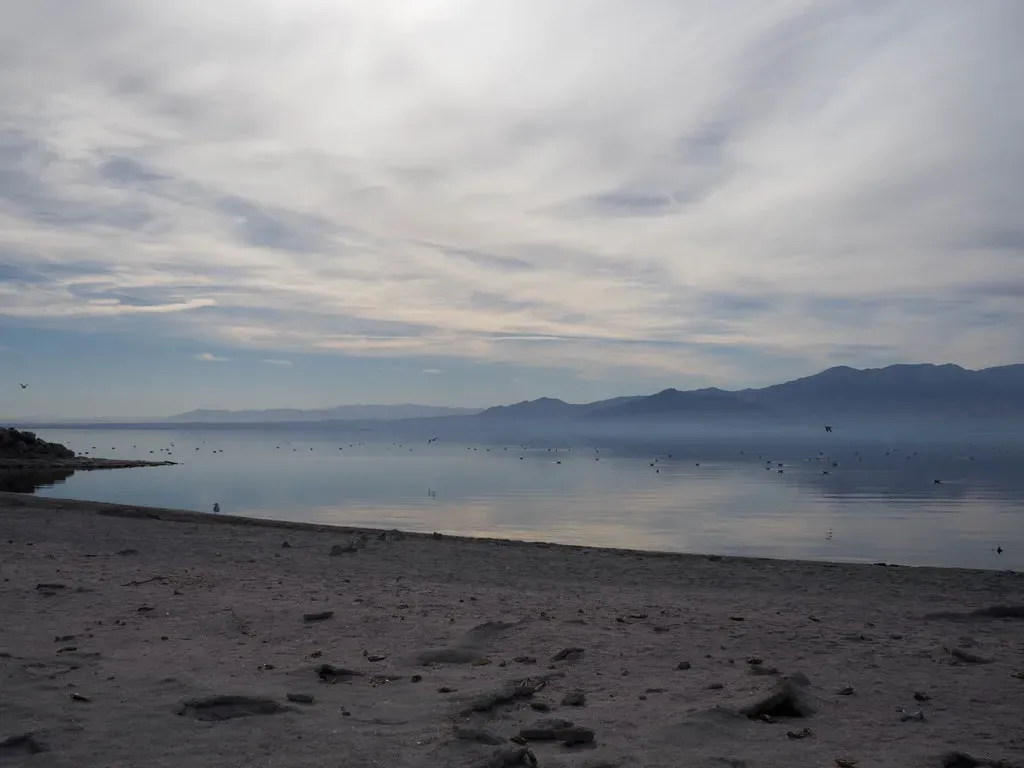
Even if you never go near the Salton Sea, its story should feel uncomfortably familiar, because similar scenes are playing out around other shrinking lakes and inland seas around the world. Any place where water is evaporating faster than it is being replaced, where pollution and nutrients have built up for decades, and where people live close by, you have the ingredients for a slow-motion environmental health crisis. The Salton Sea just happens to be one of the most dramatic examples on U.S. soil, a place where you can literally smell the consequences of long-term neglect.
In that way, the rotten egg odor is like a rude but honest messenger: it tells you that buried problems do not stay buried forever. Sooner or later, they come to the surface, whether as gas, dust, or disease statistics. If you want a different outcome – at the Salton Sea or anywhere else – you need earlier action, tougher decisions on water and pollution, and a willingness to treat these lakes as living systems, not dumping grounds. The question hanging in the air, along with that sulfurous smell, is whether you are willing to pay attention before the next lake in trouble starts sending the same pungent signal.
Standing back from all of this, you can see the Salton Sea as more than just a stinky spot on the map; it is a mirror held up to the way you manage water, land, and communities on the edge. The rotten egg smell grabs your nose, but what should really grab your mind is the choice between letting this kind of crisis spread or using it as a turning point. When you picture a future desert evening, do you imagine a breeze that smells like life – or one that smells like a warning you ignored for too long?