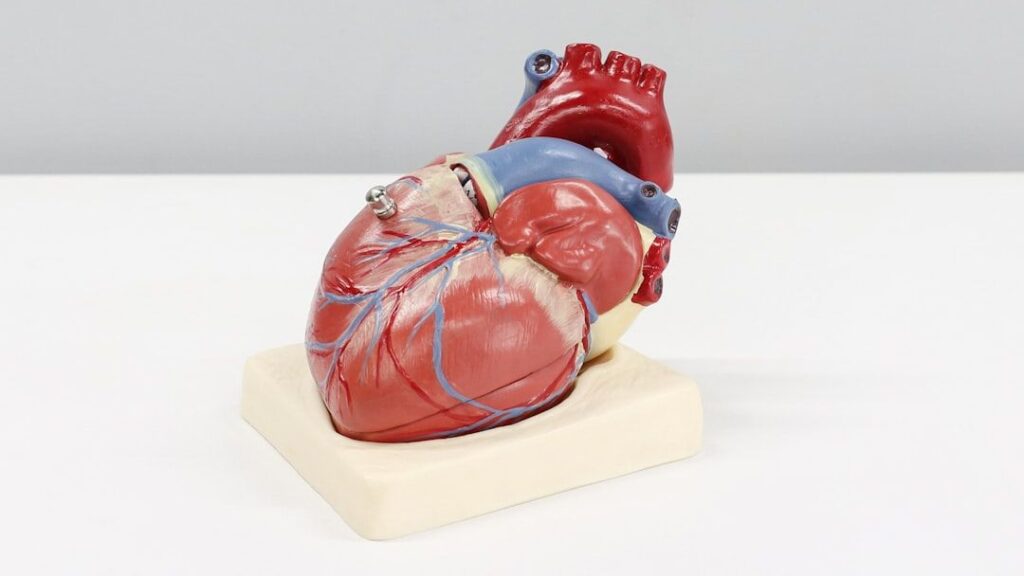

You probably grew up thinking of your heart as a tough, almost unbreakable engine that just keeps going in the background. It beats from before you’re born and, if you’re lucky, it never skips a serious beat for decades. But as you move through middle age and beyond, subtle changes start piling up inside your chest, and the same heart that once powered all‑nighters and wild adventures begins to struggle with everyday tasks.
This slow decline is not about weakness or bad luck alone; it’s about biology, time, and how your choices interact with both. When you understand what actually happens to your heart as you age, the story becomes a lot less mysterious and a lot more empowering. You start to see that while aging is inevitable, the speed and severity of heart failure are not completely out of your hands.
The Aging Heart Muscle: From Powerhouse To Overworked Pump
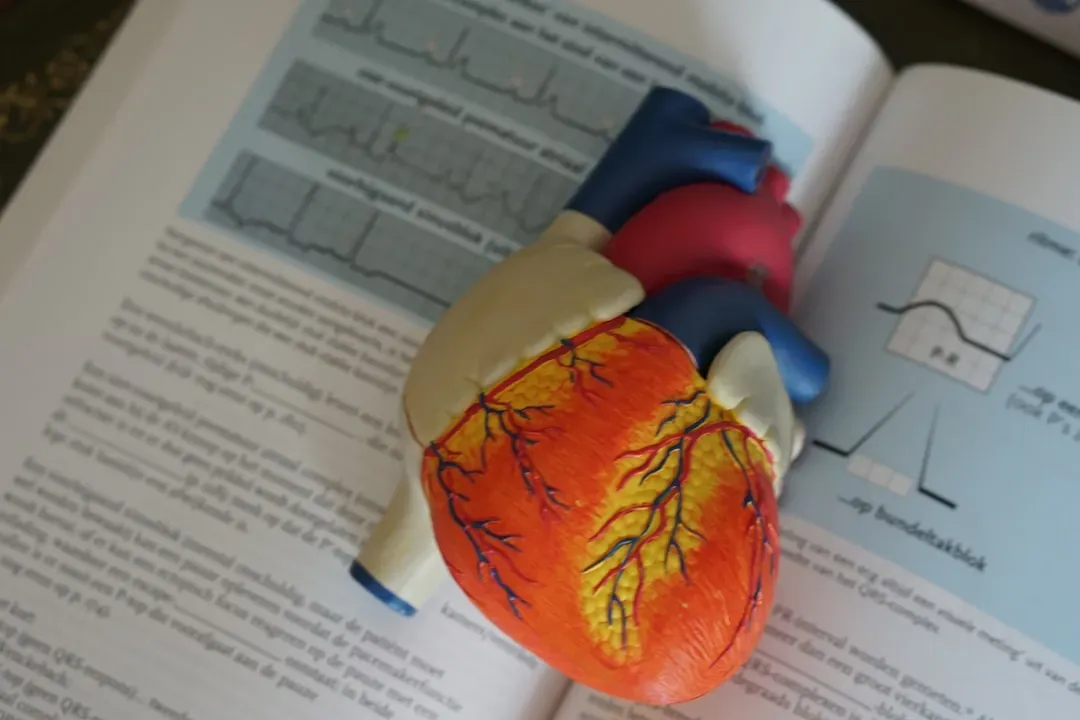
Imagine running the same motor nonstop for seventy or eighty years without ever shutting it off. That is basically what your heart does, beating more than two billion times over a lifetime. With age, the heart muscle (the myocardium) tends to grow thicker and stiffer, especially in the left ventricle, the main pumping chamber that sends blood out to your body. At first, this thickening can actually help your heart keep up, but over time it makes the muscle less efficient and more easily fatigued.
As the heart wall thickens and stiffens, it becomes harder for the chambers to relax and fill completely between beats. You might still pump a similar amount of blood when you are resting, but once you ask your heart to do more – climb stairs quickly, carry groceries, walk uphill – it cannot increase its output as easily as it used to. That is why, as you age, you may notice shortness of breath or a pounding heartbeat during activities that once felt effortless. It is not just “getting older”; it is your heart’s muscle quietly changing shape and function.
Stiff Arteries And High Blood Pressure: A Constant Tug-Of-War
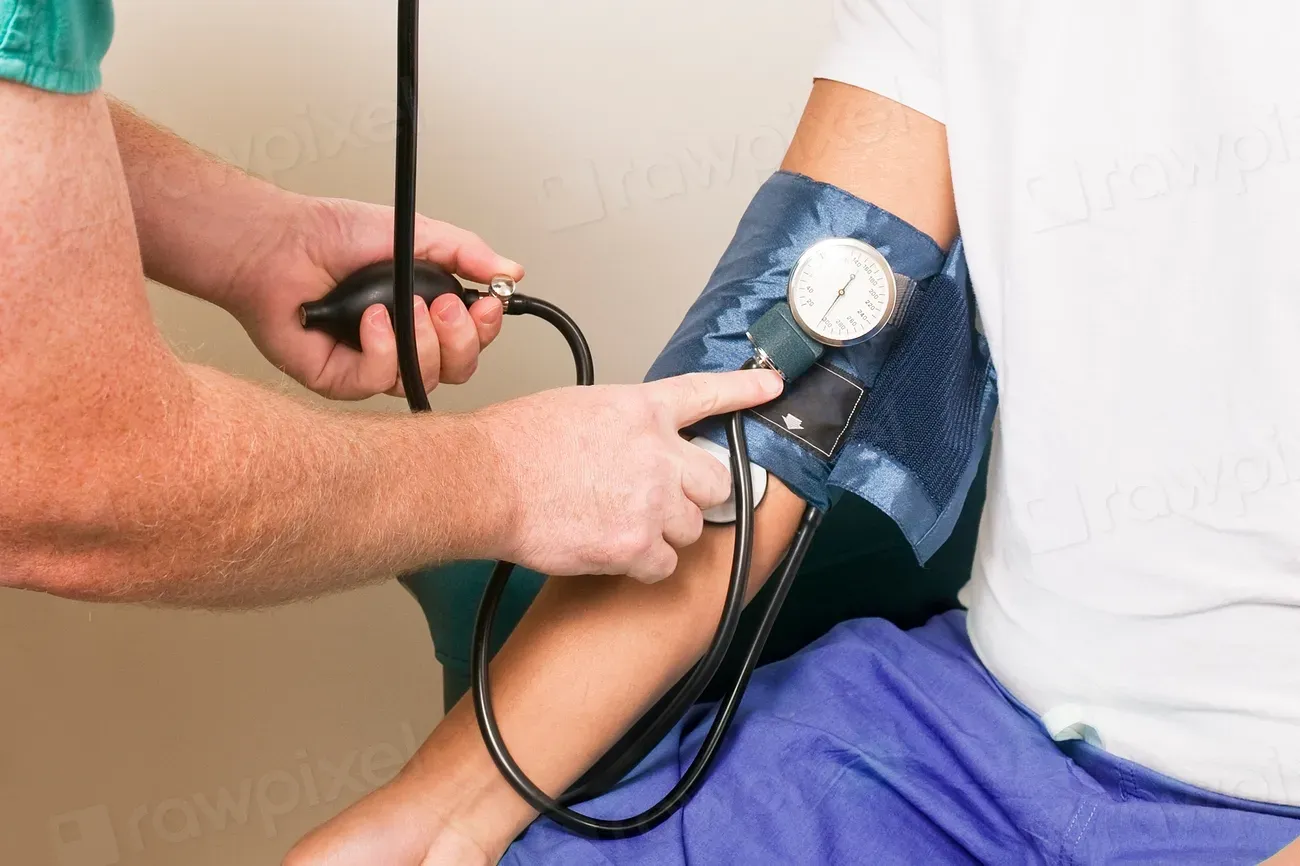
Your heart does not work alone; it pushes against your blood vessels every second. As you age, the large arteries, especially the aorta, lose some of their natural elasticity. They become more like old garden hoses left in the sun – stiffer, less able to expand and cushion each heartbeat. This stiffness raises your blood pressure, particularly the top number (systolic pressure), so your heart has to push harder to move the same amount of blood.
Over years or decades, that constant extra effort wears down the heart muscle. High blood pressure silently damages the inner lining of your blood vessels, encouraging fatty deposits and inflammation. The higher the pressure and the longer it goes untreated, the more strain your heart faces. If you ignore it because you feel “fine,” your heart ends up fighting a stronger and stronger resistance every day, until it eventually starts to weaken and fail under the load.
Coronary Artery Disease: Slowly Starving Your Heart Of Oxygen
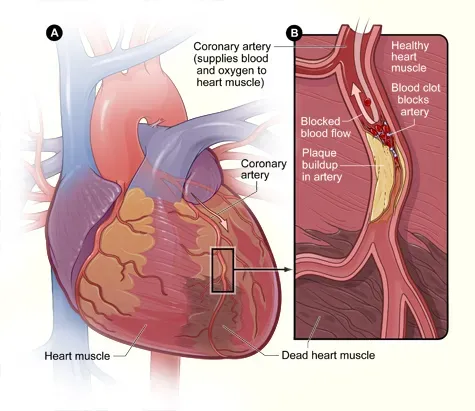
The heart is a pump, but it also needs its own fuel supply, delivered by the coronary arteries that wrap around it. Over time, fatty deposits, cholesterol, and inflammatory cells can build up in these arteries, forming plaques that narrow the channel where blood flows. You may not feel anything for years while this is happening; the process is quiet, gradual, and often invisible in your daily life.
But as those arteries narrow, your heart muscle gets less oxygen, especially during exertion. You might feel chest tightness, pressure, or shortness of breath, which are warning signs that your heart is struggling to feed itself. If a plaque suddenly ruptures and a clot forms, blood flow can be blocked entirely, causing a heart attack and killing part of the heart muscle. Every bit of damage reduces the heart’s pumping power, and repeated injuries like this are a major pathway to heart failure later in life.
Electrical System Breakdown: When Your Heart’s Rhythm Goes Off-Beat
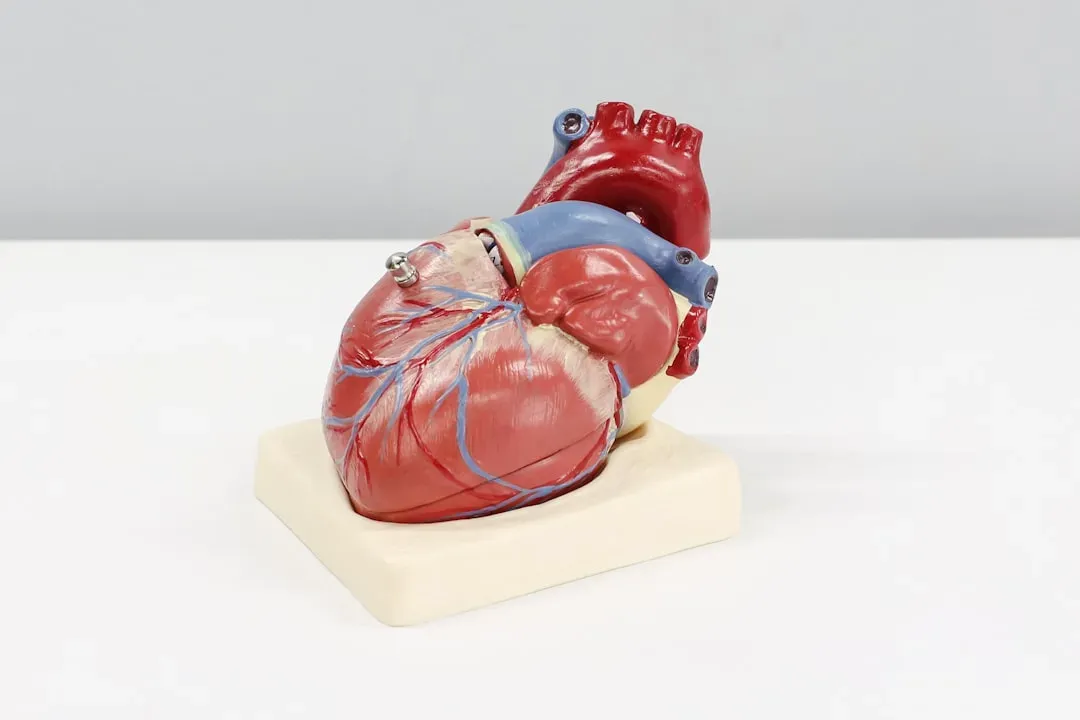
Your heartbeat is guided by an intricate electrical system that tells each part of the heart when to squeeze. With age, that wiring can fray. The natural pacemaker cells in the heart can become fewer or less reliable, and the pathways that carry the electrical impulses can scar or change. This sets the stage for rhythm problems like atrial fibrillation, where the upper chambers quiver instead of beating in a steady pattern.
When your rhythm is off, your heart can lose efficiency and pump less blood with each beat. In some arrhythmias, the heart may race too fast, wearing itself out; in others, it may beat too slowly or pause unpredictably, leaving you dizzy, fatigued, or breathless. Over time, these electrical disturbances repeatedly stress the heart muscle and the circulation. This constant on‑again, off‑again chaos can gradually weaken the pump until chronic heart failure develops.
Cell Damage, Inflammation, And Oxidative Stress: The Microscopic Wear And Tear
On the surface, aging looks like wrinkles and gray hair, but inside your heart, aging shows up as damaged cells and worn‑out repair systems. Every heartbeat exposes heart cells to mechanical stress, and every breath brings oxygen that, while essential, can create reactive molecules that damage proteins, fats, and DNA. Your body has defenses against this oxidative stress, but over decades, those defenses become less effective, and the damage slowly accumulates.
Chronic low‑grade inflammation adds another layer of harm. Conditions that become more common with age – such as obesity, diabetes, and autoimmune problems – keep your immune system slightly activated all the time. That constant simmering inflammation makes it harder for your heart tissue to heal properly, encourages scar formation, and disrupts normal function. When enough cells are injured or lost and replaced by stiff scar tissue, your heart can no longer contract and relax like it once did, setting the stage for failure.
Lifestyle Habits: How Your Daily Choices Reshape Your Heart Over Decades

It is tempting to blame everything on genetics or “just getting old,” but your daily habits quietly shape the fate of your heart. Years of smoking, a diet rich in ultra‑processed foods, too much alcohol, and long periods of sitting all accelerate the same problems aging naturally brings. They raise blood pressure, worsen cholesterol levels, promote weight gain, and make your arteries and heart muscle age faster than they otherwise would.
On the flip side, regular movement, nourishing food, good sleep, and stress management slow that decline in a very real way. When you consistently give your heart moderate challenges – like brisk walking, cycling, or swimming – it adapts by getting stronger and more efficient, not weaker. Many people discover in midlife that by changing course, they can stabilize or even improve their heart function. You cannot reset the clock, but you can absolutely change the slope of the curve.
Genetics, Hormones, And The Uneven Burden Of Aging
Not everyone’s heart ages at the same pace, and part of that difference is written in your genes. Some people inherit a tendency toward high blood pressure, high cholesterol, or weak heart muscle, which makes failure more likely even with decent lifestyle habits. Others inherit more protective patterns, and their hearts seem to tolerate age and stress surprisingly well. You cannot feel your genes day by day, but they are quietly nudging your risk in one direction or another.
Hormones also matter more than most people realize. As you age, hormones that once protected your blood vessels and helped regulate blood pressure – like estrogen in women and testosterone in both sexes – decline. This shift can speed up artery stiffening and raise cardiovascular risk, especially after menopause. When you put genetics, hormones, and lifestyle together, you get a very personal, uneven picture of how and when heart failure might appear in your life.
Why Heart Failure Is Not Inevitable – And What You Can Still Do
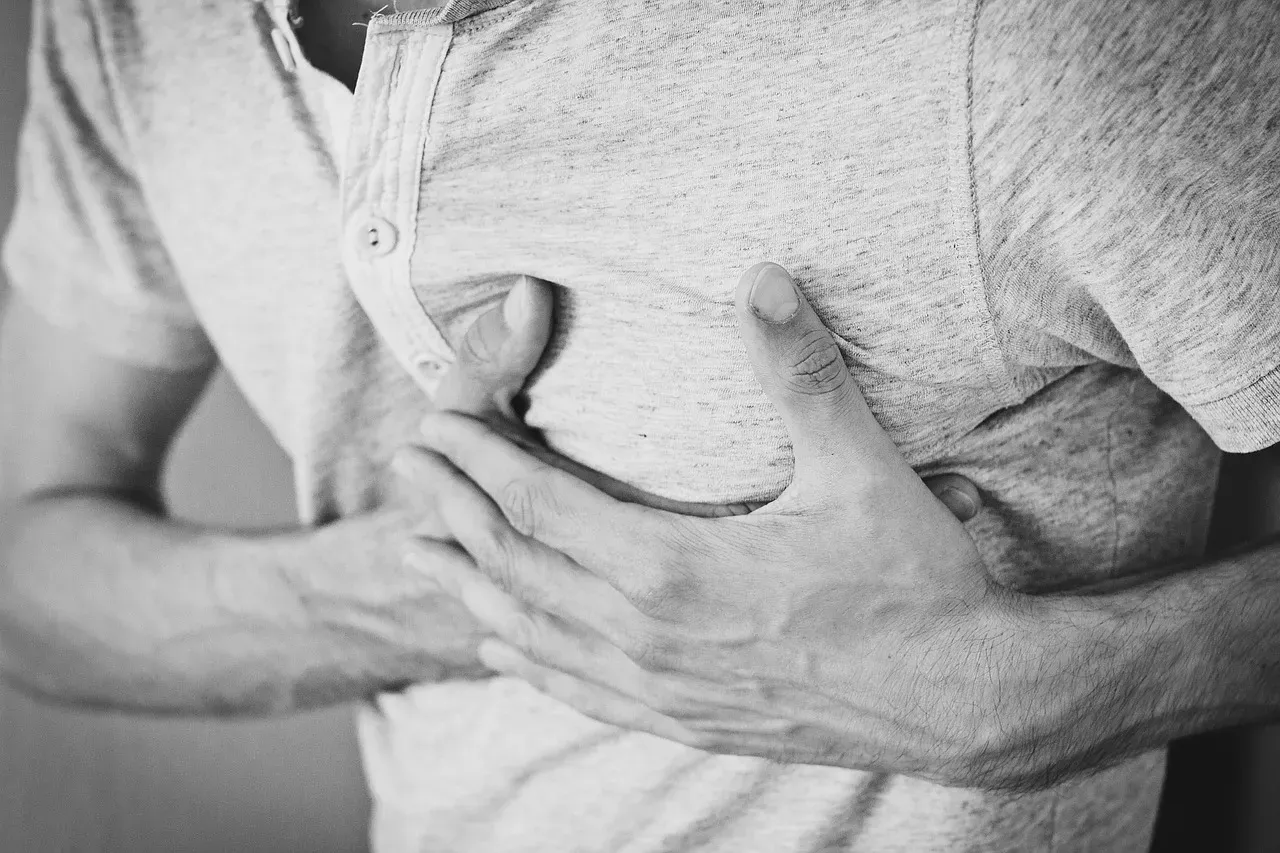
Heart failure sounds final, but it is really the end result of many small steps taken over years. The encouraging truth is that at almost any age, you can influence those steps. By treating high blood pressure, managing blood sugar, staying active, avoiding tobacco, and keeping your weight and cholesterol in a healthy range, you remove some of the biggest pushing forces that drive the heart toward failure. Even modest changes can lighten the load on your heart and improve its ability to keep up with your life.
Modern medicine adds more tools: medications that lower pressure and help the heart pump more efficiently, procedures that open clogged arteries, devices that correct dangerous rhythms, and structured rehabilitation programs that safely build your stamina. These do not erase aging, but they can turn what might have been a steep, sharp decline into a gentler slope. When you combine medical care with intentional daily choices, you give your heart the best possible chance to keep beating strongly for as long as your years allow.
Conclusion: Aging Is Certain, Heart Failure Is Not A Foregone Conclusion
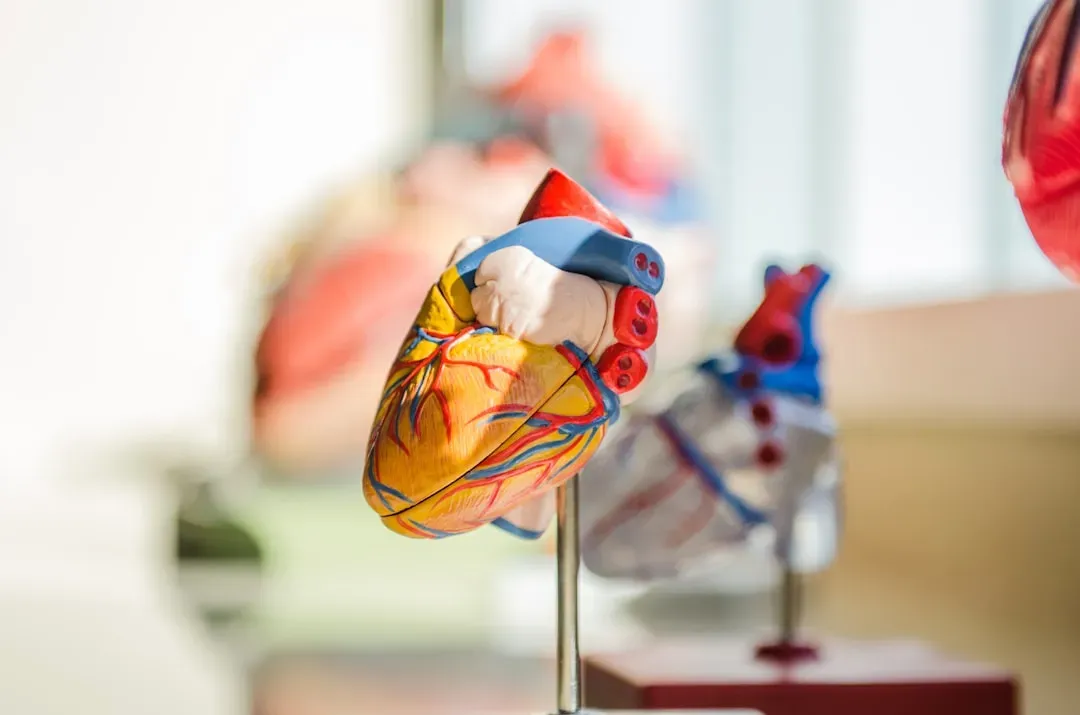
Your when structural changes, stiff vessels, damaged cells, and overloaded systems all collide after years of strain. That story is written slowly, through tiny, almost invisible shifts that add up to a big problem later on. If you ignore your blood pressure, dismiss warning signs, and accept fatigue and breathlessness as “just getting older,” you let that story unfold on its own with very little input from you.
But you are not just a passenger in this process; you have real leverage. By understanding how your heart ages and acting on that knowledge – moving more, eating in a way that supports your vessels, sleeping well, managing stress, and using medical care wisely – you can change both how long and how well your heart serves you. The engine in your chest has carried you this far; the question now is, how will you help it carry you the rest of the way?