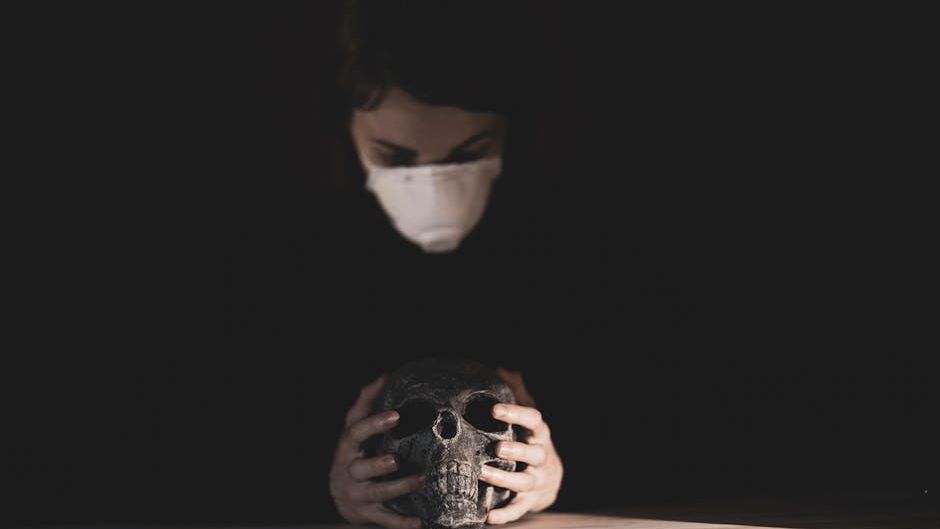
There’s a moment most people recognize but rarely talk about: you’re lying in bed at night, your brain wandering, and suddenly the thought hits you that one day, you simply won’t exist. Your chest tightens, your stomach drops, and for a few seconds it feels like the floor of reality just disappeared. Then you distract yourself with your phone or tomorrow’s to‑do list and pretend it never happened. That flash of terror is not a personal flaw or a sign that something is wrong with you. It’s a glimpse into one of the deepest, oldest forces shaping the human mind.
Fear of death is not just a philosophical idea you encounter in a late‑night podcast or an intro psychology class. It quietly influences your choices, your personality, your beliefs, even the way you scroll social media and chase achievements. It can push people toward kindness or cruelty, creativity or clinging to old certainties. Once you start seeing how deeply this fear is wired in, everyday life looks a little different – and strangely, that realization can be more freeing than frightening.
The Brain’s Survival Hardware: Why Death Terrifies Us Instinctively
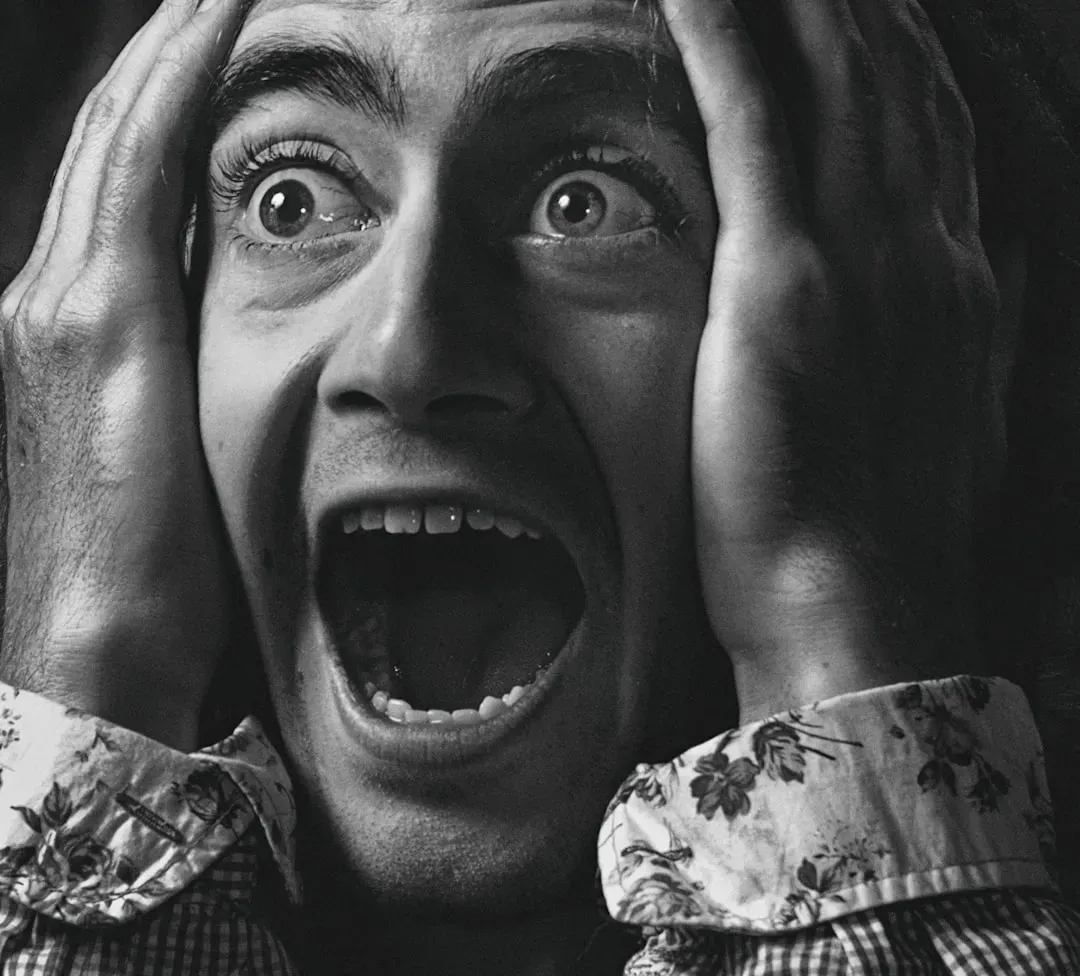
At the most basic level, your brain is a survival machine. Long before humans could talk about philosophy or write poetry, our ancestors were dodging predators, hunting for food, and trying not to die from cold, infection, or other humans. The brains that paid extra attention to danger, that reacted strongly to threats, are the ones that passed on their genes. Over countless generations, this built a system where anything that hints at death or serious harm sets off alarm bells – racing heart, tense muscles, tunnel vision, and a powerful urge to escape.
Neuroscience backs this up: structures like the amygdala are heavily involved in rapid threat detection, especially when something feels life‑or‑death. You can think of the amygdala as a hyper‑vigilant smoke alarm, often going off before you consciously understand what’s happening. Sometimes it misfires – like when you panic on a perfectly safe airplane – but that bias toward overreacting is exactly what kept our ancestors alive in dangerous environments. From an evolutionary view, feeling a bit too afraid of death is far cheaper than not being afraid enough.
Consciousness Meets Mortality: The “Curse” of Knowing We’ll Die

Animals clearly try to avoid danger, but humans carry an extra burden: we know, in a very explicit way, that someday we will die. As far as we can tell, humans are the only species that can picture a distant future where they no longer exist, imagine their own funeral, or worry about how they’ll be remembered. That ability to mentally time‑travel is incredibly useful for planning and creativity, but it comes with a brutal side effect: the constant background knowledge that the clock is ticking.
This creates a strange psychological tension. On one hand, you experience yourself as a continuous “me” stretching through time, with memories, plans, and a sense of identity. On the other hand, you intellectually know that this ongoing story has an end point you cannot prevent. Holding both realities in the same mind is like trying to watch a movie you love while someone stands behind you reminding you it will definitely cut out in the middle. Fear of death is not just fear of pain or the unknown – it’s the clash between our deep sense of being a lasting self and the cold fact that this self is temporary.
Terror Management Theory: How Death Anxiety Shapes Beliefs and Behavior
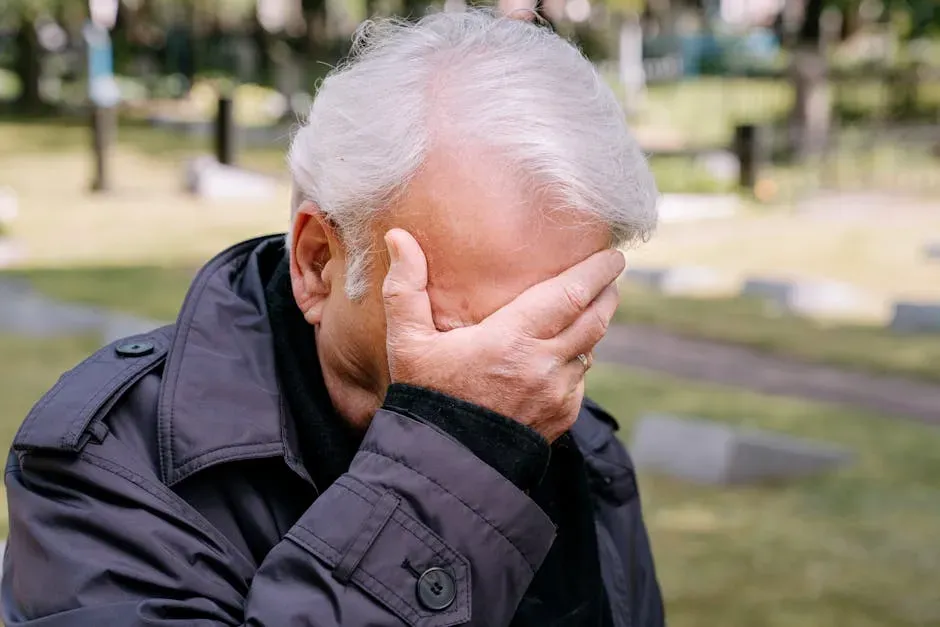
Modern psychology has tried to map how this awareness of death quietly steers human behavior, even when we’re not consciously thinking about it. One influential framework, known as terror management theory, suggests that cultures provide “psychological armor” against death anxiety. Things like national identity, religious beliefs, moral codes, and political ideologies are not just social nice‑to‑haves; they give people a sense that their life matters, that they belong to something bigger and more lasting than their fragile bodies.
Experiments show that when people are subtly reminded of death – even just by walking past a cemetery or answering a few questions about mortality – they tend to cling more tightly to their existing worldviews. They may become more protective of their in‑group, more hostile to outsiders, or more eager to defend their beliefs. I’ve seen this play out in real life during big crises or tragedies: people double down on familiar stories about who is good, who is bad, and what it all means. Underneath the heated arguments, there’s often a quieter, more primitive fear asking: if everything is fragile, how do I know I’m on the “right” side?
Religion, Legacy, and Symbolic Immortality
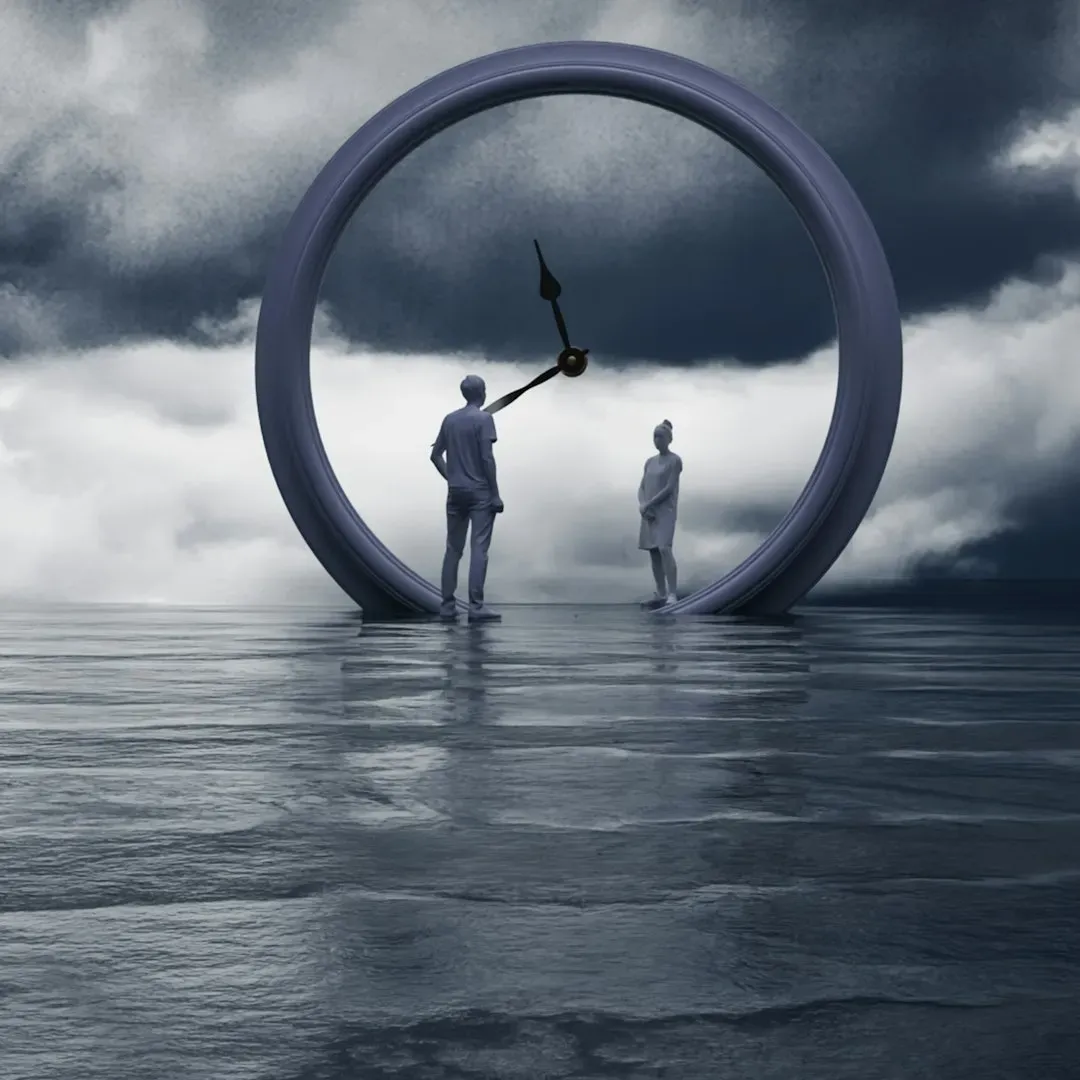
Across cultures and history, humans have come up with astonishingly diverse ways to soften the finality of death. Many religious traditions promise some form of continued existence – an afterlife, reincarnation, spiritual transformation, or reunion with loved ones. Even when the doctrines differ wildly, the emotional function is similar: death is reframed from a hard stop to a transition. That shift can dramatically reduce raw terror and replace it with hope, duty, or even anticipation.
But even people who aren’t religious often chase what psychologists call symbolic immortality. You see it in the urge to have children, to create art, to build companies, to attach your name to buildings, or even just to curate a social media presence that outlives you. On a smaller scale, it might be as simple as wanting to be remembered as the “fun friend,” the “reliable coworker,” or the “good parent.” None of this literally saves us from death, but it softens the blow by promising that some echo of us – our values, our stories, our impact – will continue beyond our physical lifespan.
If you’ve ever privately fantasized about how people will talk about you after you’re gone, or felt weirdly driven to “leave a mark,” you’ve felt symbolic immortality at work. It’s not vanity so much as a deeply human attempt to negotiate with the inevitable.
Modern Triggers: How Technology and Culture Amplify Death Awareness

In the past, many people lived closer to death in a physical sense – through disease, war, and a lack of medical care – but it was often woven into daily life and rituals. Today, especially in wealthier countries, you can go for years without directly confronting death, and yet be virtually surrounded by it through screens. News feeds highlight disasters, shootings, pandemics, and celebrity deaths in real time. Graphic images and urgent headlines land in your pocket at breakfast. The result is a strangely disembodied, constant reminder that terrible things happen and bodies fail.
At the same time, we’ve built a culture obsessed with staying young, optimizing health, and tracking every metric. There’s nothing wrong with taking care of your body, but when every wrinkle, gray hair, or minor ache is treated like a failure, aging itself starts to feel like a slow‑motion catastrophe. I’ve caught myself panicking at something trivial – like a slightly worse workout time – only to realize the deeper fear is about decline and, ultimately, mortality. In this sense, fear of death shows up not just in obvious moments of crisis but in the tiny, everyday ways we resist the idea that we’re not indestructible.
When Fear of Death Becomes a Problem: Anxiety, Control, and Avoidance

Some level of death anxiety is not only normal but healthy; it’s part of what keeps us from doing obviously reckless things. The trouble starts when that fear becomes so intense, or so carefully buried, that it distorts daily life. For some people, it shows up as obsessive health anxiety – constantly scanning for symptoms, Googling every twinge, or bouncing from doctor to doctor in search of absolute certainty. For others, it turns into overwhelming avoidance: refusing to talk about death, panicking when someone gets sick, or feeling unable to enjoy anything because it all feels like it could vanish at any moment.
Control plays a big role here. Because we cannot control the ultimate fact of mortality, some people latch onto smaller, more manageable domains – rigid routines, extreme diets, strict rule‑following, or micromanaging loved ones – in an attempt to feel safe. I’ve noticed in myself that my most controlling phases often line up with times when I’m quietly more aware of mortality, whether because of a news story, a health scare, or a loss. It’s as if the mind says: if I can’t stop the big thing, I’ll at least over‑control the small things. Ironically, this can make life feel narrower and more stressful, which is a pretty painful way to spend the limited time we have.
Making Peace With Mortality: Can Fear of Death Become a Guide Instead of a Prison?
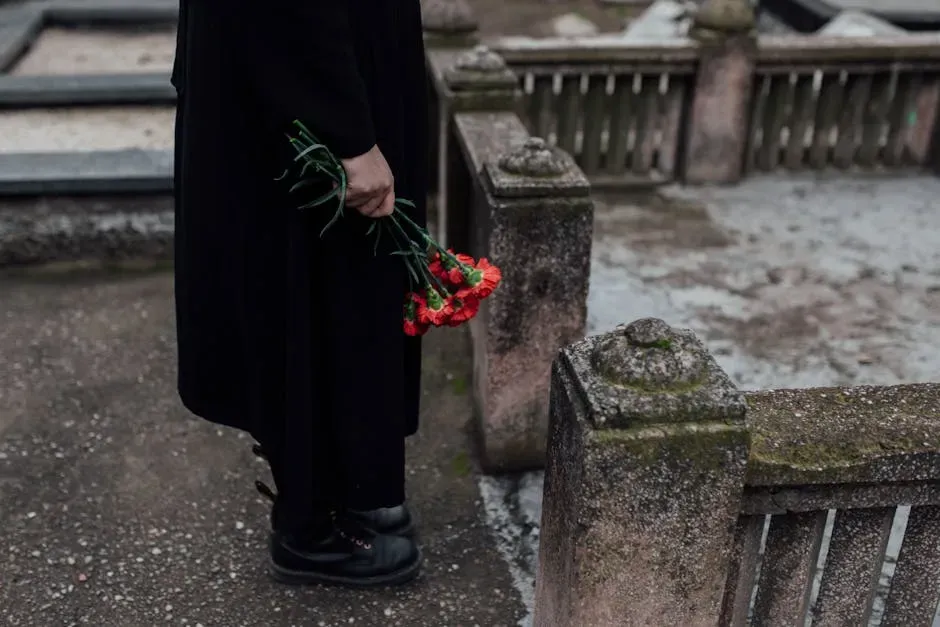
Here’s the uncomfortable but liberating truth: you’re probably never going to be completely free of the fear of death, and that’s okay. Instead of trying to erase it, a more realistic and meaningful goal is to change your relationship to it. Many therapeutic approaches, including existential and acceptance‑based therapies, encourage people to gently face their mortality rather than pushing it away. This might mean talking openly about death with trusted people, reflecting on what actually matters to you, or noticing how fear shows up in your body without immediately distracting yourself.
Strangely enough, people who spend time honestly engaging with the reality of death often report feeling more alive, not more depressed. When you really feel that time is limited, certain obsessions and grudges start to look less important. You might find yourself valuing experiences over appearances, depth over performance, presence over perfection. Personally, the times I’ve come closest to accepting death – usually after losing someone or having a scare – have also been the times I cared less about impressing strangers and more about being fully with the people I love. The fear never vanishes, but it softens into something that can point you toward a life that feels more like your own.
Conclusion: Death Fear Is Inevitable – Being Ruled by It Is Not

Fear of death is not a glitch to be patched out of the human mind; it’s baked into the very architecture that keeps us alive, creative, and connected. Our brains evolved to treat threats as emergencies, our awareness forces us to confront our own finiteness, and our cultures build elaborate systems – religious, political, personal – to help us cope. In that sense, the fear is a feature, not a bug. But when it goes unexamined, it can quietly drive us into rigid beliefs, empty status games, and anxious attempts to control everything we can touch.
My own opinion is that the real mark of maturity is not pretending you do not fear death, but learning to live openly with that fear without letting it dictate every choice. When we stop treating mortality as an off‑limits topic and start seeing it as the backdrop of every moment, it becomes harder to waste our lives on things that do not feel true to us. The question is not whether you are afraid of death – you are, because you are human – but whether that fear will make you smaller or sharper, more closed off or more awake. If you look honestly at your life right now, which direction is it pushing you?